Texas Bartenders' Tips for Elevating Drinks with Floral Flavors
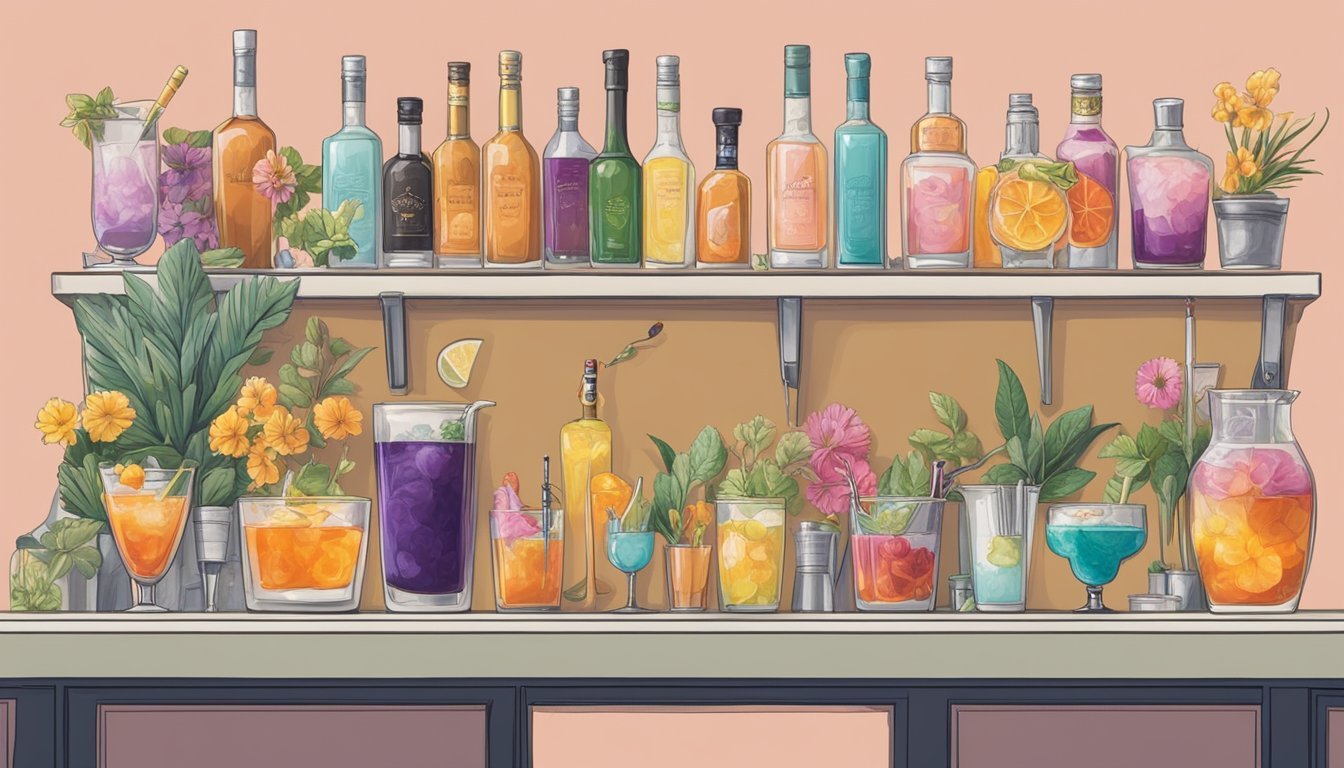
In the dynamic world of mixology, Texas bartenders are embracing the visual and sensory enhancements that edible flowers bring to cocktails. With a flair for innovation, they understand that the inclusion of botanical elements not only elevates the visual appeal of a drink but also introduces complex flavor profiles and aromas. By skillfully incorporating floral garnishes that range from lavender sprigs to chamomile buds, these mixologists are crafting unique cocktails that are as pleasing to the palate as they are to the eye.
Edible flowers are more than just a decorative touch—they can transform the entire drinking experience. Bartenders in Texas emphasize the importance of balance when infusing drinks with floral notes to ensure that the taste is nuanced and does not overpower the spirit of choice. They utilize blossoms such as rose petals, which can soften the edge of stronger spirits, and hibiscus, known for adding a tart and slightly fruity dimension. Through meticulous selection and preparation of these natural embellishments, bartenders enhance cocktails while preserving the integrity of the drink's core flavors.
Attention to detail is crucial when working with edible flowers. Texas mixologists prioritize the freshness and quality of their floral ingredients for maximum impact. By integrating blossoms in a variety of forms—from fresh garnishes to floral-infused syrups and tinctures—they achieve a harmonious blend that resonates with the sophistication and creativity at the heart of modern cocktail culture. As a result, patrons are treated to an immersive experience that engages all the senses, solidifying the reputation of Texas bartenders as pioneers in the artistry of mixology with edible flowers.
The Art of Selecting Edible Flowers

Choosing the right edible flowers is crucial to enhancing your cocktail creations with natural flavors and vibrant colors. Bar professionals stress the importance of quality and compatibility with cocktail profiles.
Criteria for Edible Flowers
When selecting edible flowers for cocktail garnishes, one should look for blooms that are organic and pesticide-free to ensure guest safety and maintain the intended flavors. The criteria encompass both the aesthetic appeal and non-toxicity of the flowers. They should be vibrant and fresh, showing no signs of wilting or browning, which can detract from the drink's presentation.
Best Edible Flowers for Cocktails
Some of the best edible flowers known for their compatibility with various spirits include:
Lavender: Known for its calming aroma, it pairs well with gin and vodka.
Rose Petals: With a delicate, sweet flavor, they work well in gin and champagne cocktails.
Chamomile: Offers a soothing taste, perfect for softening potent spirits.
Hibiscus: Its tart flavor is excellent in tequila-based drinks.
Elderflower: Often used for its sweet flavor in clear spirits.
These flowers not only contribute to the aesthetic but also complement the flavors and aromas of the cocktails they adorn.
Foraging and Sourcing Edible Flowers
For the adventurous bartender, foraging local flora can be a rewarding process, allowing them to introduce unique local flavors into their cocktails. However, they must be knowledgeable about which wildflowers are safe to consume. For those who prefer readily available options, farmers markets, grocery stores, and establishments like Whole Foods are ideal sources to find a wide variety of fresh, organic edible flowers. Ensuring a reliable supply and consistent quality is essential, so they often establish relationships with trusted vendors at these locales.
Fundamentals of Cocktail Crafting
Creating cocktails that stand out requires a deep understanding of flavor profiles and the importance of quality ingredients. This section explores how Texas bartenders leverage flavors and aromas, utilize edible flowers for infusion, and select the right bar tools and glassware to craft exceptional drinks.
Understanding Flavors and Aromas
A bartender's ability to discern and balance flavors and aromas is crucial. Cocktails should present a harmonious blend of sweetness, acidity, and alcohol, with aromatic elements contributing to the overall experience. Texas bartenders often suggest using local herbs to achieve a distinctive taste, enhancing the drink's complexity and depth.
Infusion Techniques with Edible Flowers
Infusion techniques allow bartenders to embed the essence of edible flowers into syrups, spirits, and waters. Popular flowers like hibiscus and lavender impart subtle flavors and aromas. A simple process involves steeping these flowers in hot water or syrup, or directly in the spirit, allowing their delicate flavors to merge seamlessly with the cocktail.
Methods of Infusion:
Cold Infusion: for delicate florals to prevent bitterness.
Hot Infusion: to quickly extract bold flavors and vibrant colors.
Essential Bar Tools and Glassware
Precise measurements and techniques are indispensable, and so is the use of essential bar tools. The right cocktail glass can enhance the presentation and the sipping experience. Here are the tools a bartender should always have on hand:
Boston Shaker: For efficient mixing of ingredients.
Bar Spoon: For stirring and layering drinks.
Jiggers: For accurate measuring of spirits and syrups.
Strainer: To separate solids from liquids after infusion.
Choosing the correct glassware is not only about visual appeal but also about directing the aromas to the nose, enhancing the overall flavor profile.
Integrating Florals into Classic Cocktails
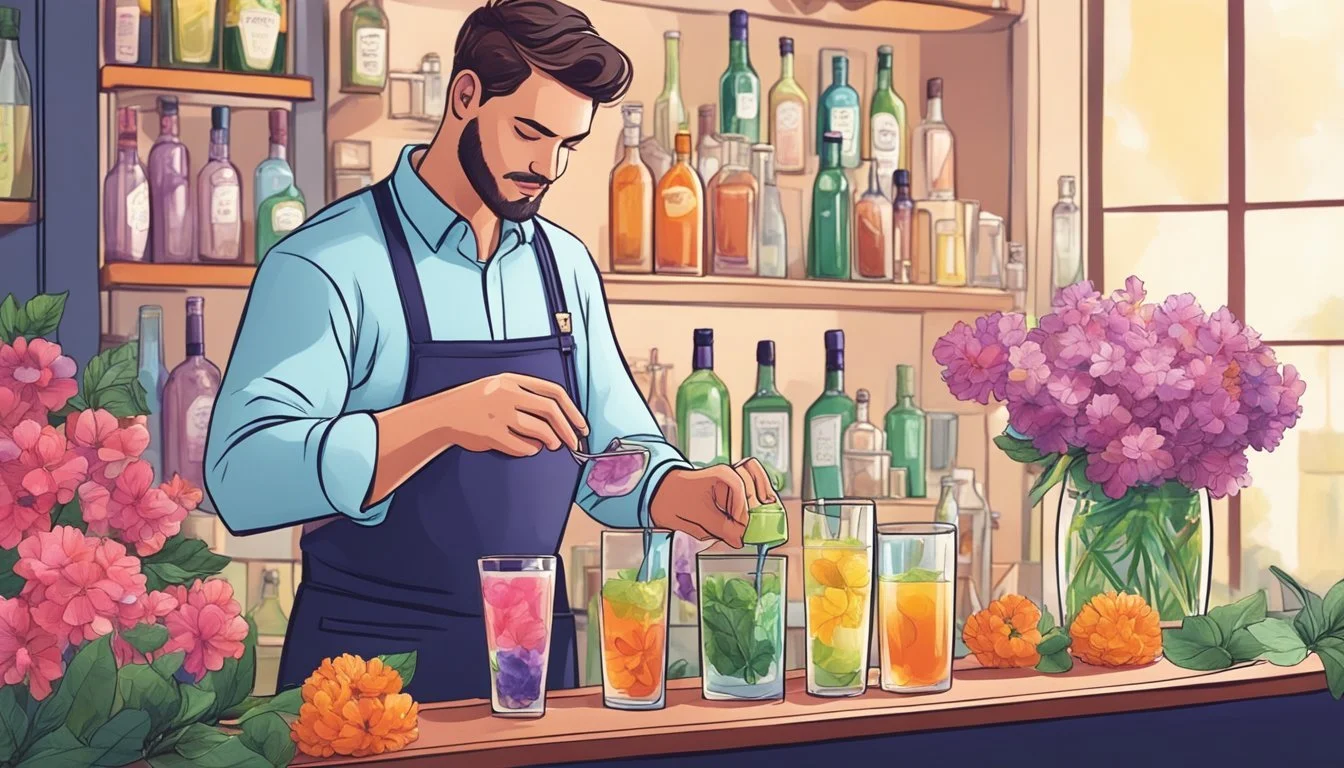
Incorporating edible flowers into cocktails elevates the drinking experience by adding complex floral notes and aroma. Texas bartenders recommend thoughtful pairings to ensure a harmonious blend of taste and scent.
Floral Twists on Timeless Recipes
Classic cocktails provide an ideal canvas for florals, with clear spirits like gin and vodka often serving as the perfect base. For instance, a lavender-infused simple syrup can transform a traditional gin martini into a fragrant delight. Consider the following specific recipes:
Lavender Lemon Martini: Infuse simple syrup with culinary lavender, mix with gin, and add fresh lemon juice for a twist on the classic lemon drop.
Rose Gimlet: Blend rose petal-infused syrup with gin, fresh lime juice, and a dash of rose water to create a lovely variant of the gimlet.
When working with bolder spirits such as whiskey or rum, it’s important to select flowers like chamomile or hibiscus that can stand up to the heft of these liquors.
Chamomile Bourbon Smash: Muddle chamomile flowers with a splash of simple syrup, add bourbon, and finish with a splash of soda water for a refreshing take on a whiskey smash.
Hibiscus Rum Punch: Steep hibiscus flowers to create a tea, then mix with rum, citrus juice, and a touch of sweetener for a vibrant punch with depth.
Balancing Taste and Scent
The artistry in using flowers in mixology is as much about the aroma as it is about taste. Edible flowers such as elderflower and rose carry potent scents that can enhance or overpower a cocktail if not used judiciously. Here are key considerations for balance:
Intensity: Start with small amounts of floral liqueurs or syrups to prevent overwhelming other flavors.
Complementary Pairings: Match the flavor profiles of spirits with suitable florals. Elderflower, with its sweet yet delicate floral notes, pairs well with the clean taste of vodka.
Serving: Use the petals of flowers like hibiscus or rose not only as garnishes but also to subtly infuse the drink as they imbue their essence while sitting in the liquid.
Employ these strategies carefully to achieve a harmonious balance that accentuates both the taste and scent of the cocktail without one outdoing the other.
Garnishing Techniques
In the art of cocktail creation, the use of garnishes serves not only a decorative purpose but also enhances the flavor profile. Bartenders in Texas emphasize the integral role of edible flower garnishes, bringing a bloom of color and subtle taste to each drink.
The Role of Garnishes in Cocktails
They consider garnishes as more than mere decoration; they are an essential sensory element for the complete cocktail experience. A delicately placed rose petal or violet can add visual appeal and a hint of floral aroma. Mint leaves offer a fresh contrast both in flavor and color, while a nasturtium introduces a peppery bite.
Visual Appeal: Attractive cocktails are more inviting.
Aromatics: The scent of garnishes like jasmine enhances the drinking experience.
Flavor Enhancement: Edible garnishes subtly alter the drink's profile.
Preparation of Edible Flower Garnishes
Bartenders meticulously prepare edible flowers to ensure they complement the drink without overshadowing it. They might freeze small blossoms such as pansies or marigold petals in ice cubes to create a stunning visual effect that slowly releases flavors as the ice melts. Flowers with larger petals like sunflowers can be used as a dramatic garnish, floating atop the drink or adorning the rim. When handling these delicate garnishes, it's crucial to ensure that they are:
Fresh and Safe: Always use flowers that are free from pesticides and intended for consumption.
Properly Cleaned: Gently wash to remove any dirt while keeping the petals intact.
Prepared with Care: Cut or trim the flowers to an appropriate size for the cocktail glass.
Advanced Mixology Concepts
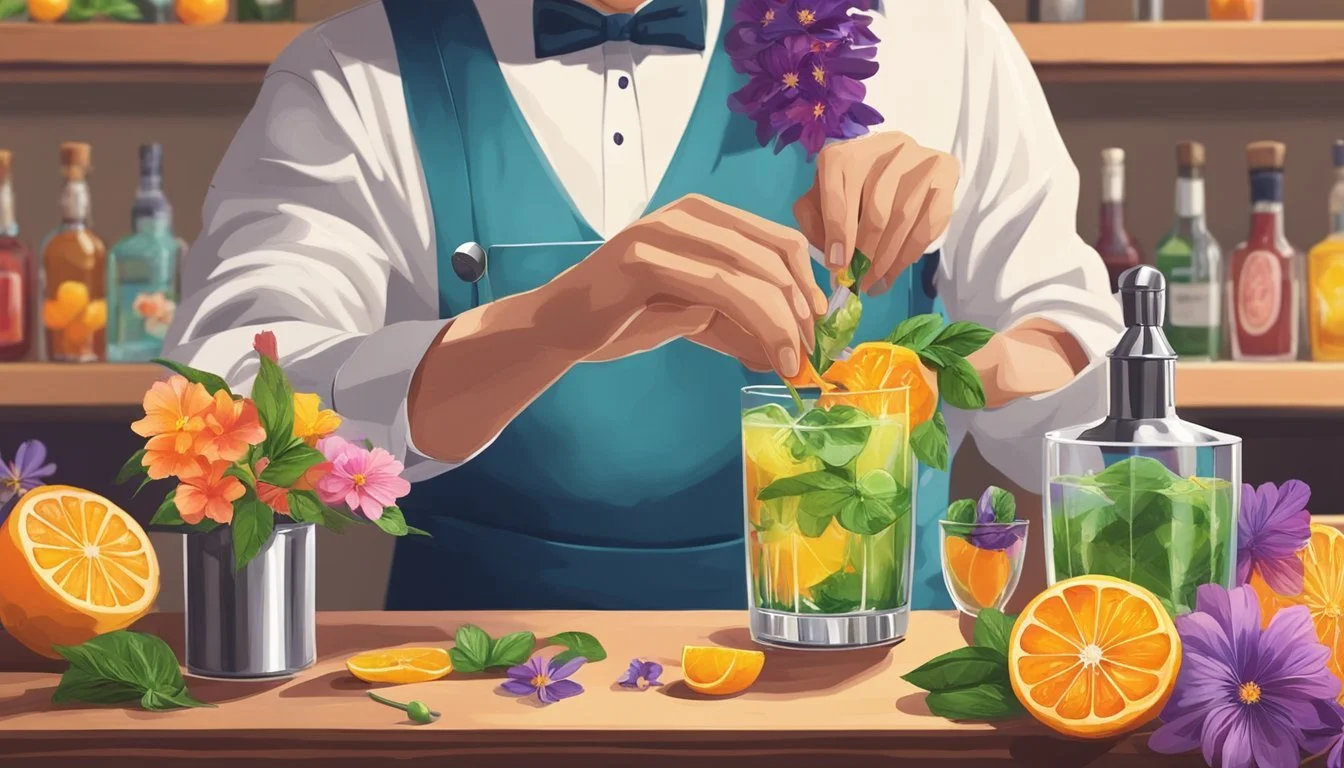
In the domain of advanced mixology, the focus lies in the inventive use of ingredients and techniques to create unique cocktails. Bartenders often employ edible flowers and tailor-made concoctions like bitters, shrubs, and tinctures to elevate the drink's complexity and appeal.
Creating Signature Cocktails with Edible Flowers
The infusion of edible flowers into mixology is a sophisticated method for bartenders to impart both visual appeal and distinctive flavors. Lavender and violet are popular choices, known for their vibrant hues and subtle floral notes. For instance, incorporating fresh violet petals into a gin cocktail can add a touch of elegance and a light floral aroma. Similarly, lavender, with its serene color and soothing scent, pairs well with herbal liqueurs such as St. Germain, enhancing the drink's aromatic profile. On the other hand, borage flowers can introduce a refreshing cucumber-like taste, which complements the botanical characteristics of gin.
When using dried flowers, the flavor extraction is different—bitter or overly astringent notes can emerge, requiring careful balance with sweet or acidic components like lemon juice. Edible flowers must be chosen not just for their beauty, but also for how they harmonize with the drink's other elements, be it the flavors, aroma, or even the tactile sensation on the palate.
Using Bitters, Shrubs, and Tinctures
The addition of bitters, vinegar-based shrubs, and tinctures to cocktails provides a complex layering of flavors and is a testament to the bartender's craftsmanship. Bitters, highly concentrated flavor extracts, can be tailored with herbal notes from rosemary or basil, offering a profound depth to cocktails. For a more herbaceous profile, a droplet or two of rosemary tincture can transform a simple drink into a thought-provoking elixir.
Shrubs, or drinking vinegars, introduce an interplay of sweet and sour to the cocktail. Bartenders may opt to create a custom shrub with a blend of vinegar and edible flowers, resulting in a refreshingly tart and aromatic mixer that complements spirits like gin or vodka. Presenting a pleasing counterbalance to the sweetness of liqueurs or the sharpness of citrus like lemon juice, shrubs serve as a bridge between diverse taste sensations.
In crafting cocktails, the artfulness is as much in what is perceptible to the palate as it is in the presentation and aroma—the essence of advanced mixology.
Health and Safety Considerations
When crafting cocktails with edible flowers, one must be mindful of both the health implications and safety practices required. It's essential to verify the flowers' edibility and handle them appropriately to ensure a safe and enjoyable experience.
Identifying Toxic Flowers
Identifying which flowers are safe to consume is paramount. Toxic flowers can cause adverse health effects, so bartenders should have an up-to-date list of non-toxic varieties. Lavender is a popular edible flower that is often used in cocktails for its distinctive flavor and aroma. However, they should ensure that it's culinary-grade and hasn't been treated with chemicals. It's helpful to refer to reliable sources like local horticulturists or agronomists who can confirm which flowers are safe for consumption.
Safe Handling and Usage
Once the edible flowers are identified, safe handling is the next crucial step. Bartenders should follow these guidelines:
Inspect flowers for pests: Before using, inspect all flowers for insects or dirt.
Wash gently: Clean the flowers carefully with water to remove any residue.
Avoid chemical exposure: Ensure the flowers were not treated with pesticides or non-food-safe chemicals. If growing flowers specifically for cocktails, bartenders should use organic methods.
Proper storage: To maintain freshness, edible flowers should be stored in a cool place, away from direct sunlight and moisture.
By observing these safety measures, bartenders can confidently use edible flowers to create unique and flavorful cocktails.
Presentation and Aesthetic Appeal
In crafting cocktails, the visual presentation is as crucial as the taste. Texas bartenders emphasize the incorporation of edible flowers to enhance aesthetic appeal, turning a simple drink into a work of art.
Flowers for Visual Impact
Texas mixologists often select edible flowers like marigolds, pansies, and violets for their bold colors and unique shapes, which contribute to the overall appearance of the cocktail. Cherry blossoms add a delicate touch with their soft, pink hues and are associated with both beauty and temporal appreciation, reminding drinkers that like the fleeting blossoms, cocktails are also ephemeral delights. They're commonly used in drinks that suggest springtime freshness or to add a celebratory flourish.
Pansies: Offer a wide palette of colors and a mild, fresh flavor.
Marigolds: Known for their vibrant yellow and orange hues, adding a sunny burst.
Violets: Provide a deep purple that can contrast strikingly with lighter ingredients.
Daisy: Adds a simple, yet elegant white with a yellow center.
Cherry Blossoms: Convey a gentle, pink visual appeal that signals sophistication.
Color and Texture Variations in Drink Design
Texture and color variation are pivotal for creating a visually appealing cocktail. Bartenders carefully balance these elements for a harmonious presentation. They often incorporate flowers with different textures such as the velvetiness of violets or the crispness of daisy petals to intrigue the palate and eyes alike.
Color Contrasts:
Pair bright flowers like marigolds against darker spirits for a pop of color.
Combine pansies with clear liquors to allow their color to shine through.
Texture Pairings:
Match the delicate texture of honeysuckle blooms with silky cocktails.
Contrast the robust texture of marigolds in refreshing, fizzy beverages.
In salads, these floral elements provide not only a color boost but an unexpected texture variation that can elevate the entire dish. Whether for garnishing a drink or elevating a meal, flowers bring a unique combination of color and texture to the table.
Case Studies
This section provides a close look at what Texas bartenders are achieving with edible flowers in their cocktails, sharing real experiences and beloved recipes.
Notable Bartender Experiences
In Texas, the trend of utilizing edible flowers in cocktail mixology has been blooming among bartenders. They often experiment with flowers like lavender, rose, and hibiscus to elevate the sensory experience of a cocktail. For instance, in a Dallas speakeasy, one bartender is known for her Lavender Margarita where the infusion of lavender not only imparts a delicate aroma but also complements the citrus notes. Another bartender in Austin has gained popularity for using rose water and jasmine to create a compelling twist to the classic Daiquiri, introducing a floral dimension that aligns perfectly with the rum's sweetness.
Popular Edible Flower Cocktail Recipes
Texan mixologists often incorporate the unique flavors of elderflower and violet in their cocktails. Their recipes might include:
Elderflower-infused Whiskey Sour: A splash of elderflower liqueur adds a subtly sweet and floral note to the traditional whiskey sour.
Violet Fizz: An enchanting blend featuring violet liqueur which carries a distinct mellow floral flavor, paired with sparkling wine for a refreshing fizz.
Tables with cocktail and floral pairings are a common sight:
Cocktail Floral Element Description
Hibiscus Tea Margarita Dried Hibiscus Hibiscus tea is steeped and mixed with tequila,
creating a tart, ruby-red cocktail with a tangy finish.
Lavender Lemonade Martini Fresh Lavender Fresh lavender gives a twist to the martini, combining
with lemon for a relaxing, yet invigorating drink.
Rose Petal Gin Fizz Rose Petals Gently muddled rose petals infused with gin create a
floral beverage that's both aromatic and visually stunning.
Floral garnishes are not mere decorations; they offer an essential flavor profile and visual appeal to these cocktails. Texas bartenders pride themselves in their craft, as they continue to innovate and serve up these exquisite floral concoctions.
Sustainability and Ethics
Sustainability and ethics in cocktail crafting are vital for Texas bartenders who use edible flowers. They ensure that their practices benefit the environment and support ethical sourcing. By focusing on these areas, bartenders can offer innovative drinks that are both delicious and responsible.
Ethical Foraging Practices
For bartenders who forage edible flowers in their own backyards or local areas, ethical foraging practices are crucial. They must ensure they are not impacting the local ecosystem negatively. One must only take what is needed and leave enough flora to continue the natural cycle of growth. Texas bartenders adhere to the principle of not taking more than a third of the available flowers, ensuring sustainability for future growth.
They also avoid foraging in protected or private areas without permission to prevent legal and ethical issues. Edible flowers must be foraged where there is certainty that they are pesticide-free to guarantee the safety of the cocktail ingredients.
Promoting Sustainability in Cocktail Ingredients
Promoting sustainability is about more than just where the ingredients come from; it is also about how they are grown and transported. Texas bartenders often source edible flowers from local farmers markets where they can find pesticide-free and organically grown options. They prioritize purchasing from local growers to reduce carbon footprint and support the local economy.
For ingredients not available locally, bartenders opt for supplies from grocery stores with transparent and ethical sourcing policies. They make an effort to use seasonal flowers and garnishes to further minimize environmental impact.
In summary, Texas bartenders integrate sustainability and ethics into every aspect of cocktail preparation, from the foraging of edible flowers to the final presentation of their sustainable concoctions.
About the Author
The author is a seasoned mixologist and respected consultant in the craft cocktail industry with deep roots in Texas. They have garnered acclaim for incorporating native Texan flora into imaginative cocktails that have been featured in several culinary publications and cocktail blogs.
Experience: Over 10 years in the cocktail and bartending industry
Specialties: Edible flower mixology, Texas-inspired cocktails
Education: Certified by the Texas Alcoholic Beverage Commission; specialized mixology courses
They bring a wealth of knowledge to the table, stemming from rigorous training and hands-on experience in some of the most renowned bars and restaurants across Texas. Passionate about local ingredients and culture, the author is an advocate for using locally-sourced edible flowers to enhance the sensory experience of cocktails.
The author's approach is meticulous, ensuring that each ingredient is chosen for its contribution to the aroma, flavor, and aesthetics of the cocktail. By highlighting the use of blooms such as lavender, hibiscus, and honeysuckle, their work emphasizes the versatility and charm of edible flowers in mixology.
Their workshops and seminars on cocktail crafting have been widely attended by both industry professionals and enthusiasts alike, looking to broaden their horizons in the art of drink-making. The author's reputation for clarity, innovation, and a no-nonsense demeanor makes their advice and recipes highly sought after in the world of cocktail design.