Baby Mum-Mum Rice Rusks
Essential Facts for Infant Snacking

Baby Mum-Mum rice rusks have become a popular snack choice for parents introducing solid foods to their little ones. These teething biscuits, made from premium Japonica rice, offer a safe and convenient option for babies learning to self-feed. Baby Mum-Mum rice rusks are allergen-free, gluten-free, and non-GMO verified, making them suitable for children with various dietary restrictions.
The Original Baby Mum-Mum rice rusks have been trusted by parents for over 25 years. They dissolve easily in a child's mouth, reducing the risk of choking and creating minimal mess during feeding time. This feature, combined with their easy-to-hold shape, makes them an ideal first solid food choice for many infants.
Baby Mum-Mum has expanded its product line to include organic options with added benefits. The Super Tropical variety, for instance, incorporates organic super fruits, prebiotics, and protein into the rice rusk formula. These enhancements aim to provide additional nutritional value while maintaining the allergen-free status that parents have come to expect from the brand.
Product Overview
Baby Mum-Mum Rice Rusks are a popular teething biscuit for infants and toddlers. These gentle wafers dissolve easily and come in various flavors, offering a safe snacking option for young children.
What Are Baby Mum-Mum Rice Rusks?
Baby Mum-Mum Rice Rusks are teething biscuits made primarily from rice and tapioca starch. They are designed to dissolve quickly in a baby's mouth, reducing choking hazards. These rusks come in a box containing individually wrapped 2-packs, making them convenient for on-the-go snacking.
The rusks are free from common allergens, including soy, gluten, shellfish, peanuts, fish, wheat, sesame, tree nuts, eggs, and milk. This makes them suitable for babies with various dietary restrictions.
Baby Mum-Mum offers different flavors, such as original, vegetable, and tropical fruit. Some varieties include organic ingredients and added nutrients like prebiotics and protein.
Origin and Popularity
Baby Mum-Mum is the original rice teething biscuit brand in North America. It has been trusted by parents for over 25 years. The rusks are made from premium Japonica rice, a high-quality rice species commonly used in Japanese cuisine.
The brand's popularity stems from its focus on safety and nutrition. Baby Mum-Mum Rice Rusks are non-GMO verified and cater to health-conscious parents. Their easy-to-hold shape and mess-free nature make them a practical choice for parents introducing solid foods to their infants.
The rusks' gentle texture aids in teething relief while encouraging self-feeding skills. This combination of benefits has contributed to Baby Mum-Mum's enduring presence in the baby food market.
Nutritional Profile
Baby Mum-Mum rice rusks offer a low-calorie snack option with a simple macronutrient profile. These teething biscuits are made primarily from rice and contain minimal fat, making them a light choice for infants and toddlers.
Calories and Calorie Density
Baby Mum-Mum rice rusks are notably low in calories. A single serving contains approximately 30 calories. The calorie density is also relatively low, with about 30 calories per 100 grams of product. This makes them a suitable snack for young children, as it provides energy without risking overfeeding.
The low calorie content allows parents to offer these rusks multiple times throughout the day without significantly impacting a child's overall calorie intake.
Macronutrient Breakdown
The macronutrient profile of Baby Mum-Mum rice rusks is predominantly carbohydrates. The breakdown is approximately:
Carbohydrates: 86%
Protein: 14%
Fat: 0%
This high-carbohydrate, low-fat composition is typical of rice-based products. The protein content, while modest, contributes to the overall nutritional value of the rusks.
The carbohydrates in these rusks come mainly from rice flour and tapioca starch, providing quick energy for active toddlers.
Fats Composition
Baby Mum-Mum rice rusks are virtually fat-free, containing 0 grams of fat per serving. This includes:
Saturated fats: 0g
Trans fats: 0g
Monounsaturated fats: 0g
Polyunsaturated fats: 0g
The absence of fats, including omega-3 and omega-6 fatty acids, makes these rusks a very light snack option. However, it also means they do not contribute to a child's essential fatty acid intake, which must be obtained from other dietary sources.
Parents should note that while the low-fat content can be beneficial for weight management, fats are crucial for brain development in infants and toddlers.
Ingredients Analysis
Baby Mum-Mum rice rusks contain a mix of simple ingredients, with rice and tapioca starch forming the base. Additional components include sweeteners, flavorings, and minimal additives. Understanding these ingredients provides insight into the nutritional profile and suitability of these popular teething biscuits.
Understanding the Ingredients List
Baby Mum-Mum rice rusks typically have a short ingredients list. The main components are rice flour and tapioca starch. These form the base of the rusk, providing its texture and structure.
Sweeteners and flavorings are often added to enhance taste. These may include natural fruit juices or extracts, depending on the flavor variety.
Some versions contain small amounts of vegetable oils to improve texture and mouthfeel. Salt is sometimes included in minute quantities for flavor enhancement.
Vitamins and minerals may be added to fortify the product, though this varies between different varieties and brands.
Rice and Tapioca Starch
Rice flour is the primary ingredient in Baby Mum-Mum rusks. It's derived from finely milled rice grains and provides a gluten-free carbohydrate base. Rice flour is easily digestible and has a mild, neutral flavor.
Tapioca starch, extracted from cassava root, is often the second ingredient. It acts as a binding agent and contributes to the rusk's texture. Tapioca starch is gluten-free and helps create a light, crisp texture that dissolves easily in a baby's mouth.
Both rice flour and tapioca starch are considered simple carbohydrates. They provide quick energy but offer limited nutritional value beyond calories.
Sweeteners and Flavorings
Baby Mum-Mum rusks often contain natural sweeteners and flavorings. These enhance taste without adding artificial ingredients. Common sweeteners include fruit juices and natural sugars like sucrose.
Fruit juices may serve dual purposes as both sweeteners and flavorings. They add natural sugars (fructose and glucose) while imparting fruit flavors. Popular options include apple, pear, or berry juices.
Some varieties use vegetable powders or extracts for flavor. These can include carrot, spinach, or pumpkin, adding subtle taste and color.
Natural flavors may be used to enhance or create specific taste profiles. These are typically derived from fruit, vegetable, or plant sources.
Additives and Preservatives
Baby Mum-Mum rice rusks generally contain minimal additives and preservatives. This aligns with their marketing as a simple, natural snack for babies and toddlers.
Calcium carbonate is sometimes added as a source of calcium. This mineral is important for developing bones and teeth in growing children.
Some varieties may include small amounts of vegetable oils. These oils can improve texture and provide a source of fat, which is important for nutrient absorption and brain development.
Preservatives are typically absent from Baby Mum-Mum rusks. The low moisture content of the product naturally extends its shelf life without the need for additional preservatives.
Health and Safety
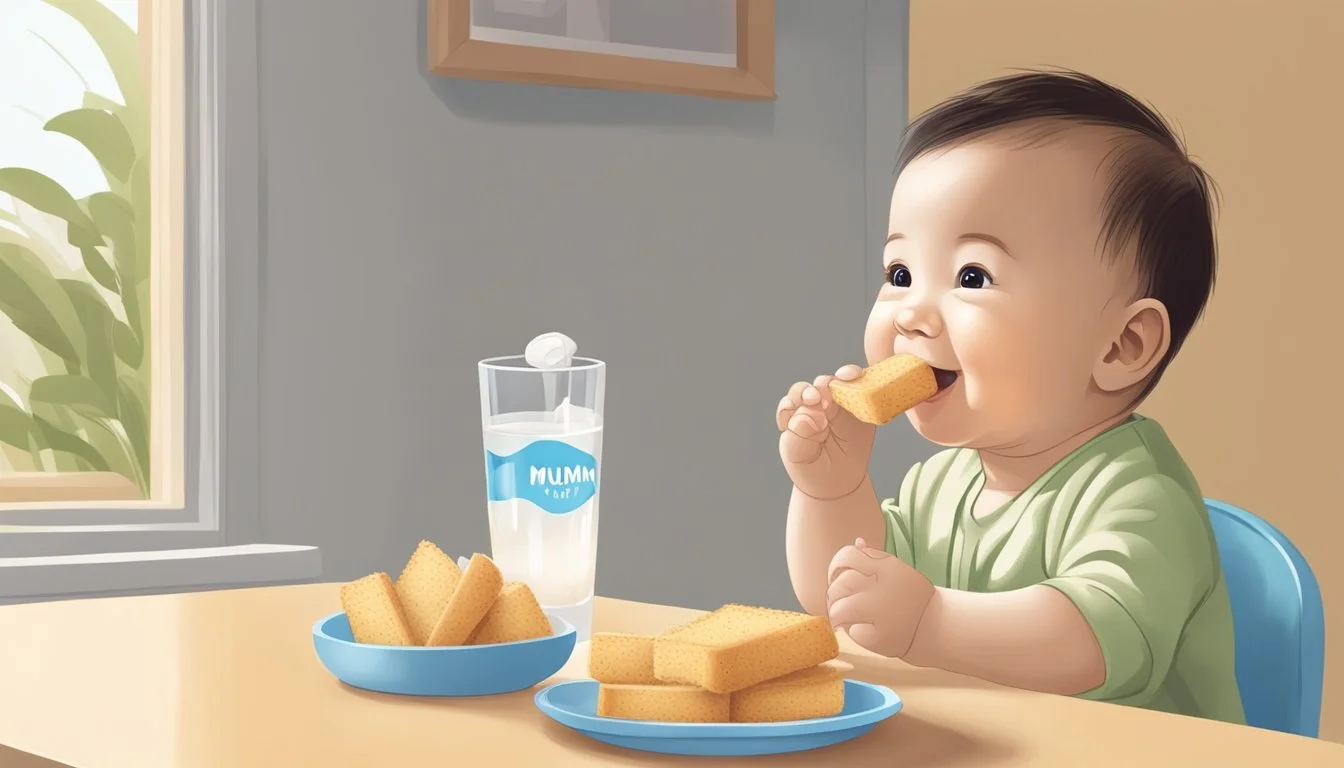
Baby Mum-Mum rice rusks are designed with infant safety in mind. They offer allergen-free options and dissolve easily, making them suitable for young children starting solid foods.
Allergens and Dietary Restrictions
Baby Mum-Mum rice rusks are free from the top 10 common allergens, including soy, gluten, shellfish, peanuts, fish, wheat, sesame, and tree nuts. This makes them a safe choice for children with various dietary restrictions or sensitivities.
The rusks are gluten-free and non-GMO verified, catering to families following specific dietary guidelines. They are made from premium Japonica rice, the same species used for sushi, ensuring high quality and flavor.
For parents concerned about organic options, Baby Mum-Mum offers organic varieties of their rice rusks. These include flavors like Original and Blueberry & Goji.
Appropriate Age for Introduction
Baby Mum-Mum rice rusks are suitable for introducing solid foods to infants. They are designed as teething wafers, helping soothe sore gums during the teething process.
The rusks dissolve easily in the mouth, reducing the risk of choking. This feature makes them appropriate for babies who are just beginning to explore solid textures.
While specific age recommendations may vary, these rice rusks are generally considered safe for babies who can sit up unassisted and have started showing interest in solid foods. Parents should always supervise their children during feeding and consult with a pediatrician before introducing new foods.
Vitamins and Minerals Content
Baby Mum-Mum rice rusks contain a modest amount of vitamins and minerals. These teething biscuits provide a small source of selenium, an essential mineral for immune function and thyroid health.
The rusks offer minimal amounts of calcium and iron. Calcium supports bone development, while iron is crucial for blood health and cognitive growth in infants.
Potassium content in Baby Mum-Mum rice rusks is low. This mineral plays a role in maintaining proper fluid balance and supporting nerve function.
Vitamin content in these rice rusks is limited. They contain trace amounts of B vitamins, including folate (B9) and riboflavin (B2), which are important for energy metabolism and cell growth.
The rusks do not provide significant amounts of vitamins A, C, D, E, or K. These vitamins are essential for various bodily functions, including vision, immune support, bone health, and blood clotting.
It's important to note that Baby Mum-Mum rice rusks are not intended as a primary source of vitamins and minerals for infants. They should be considered a complementary snack within a balanced diet.
Recommended Serving and Feeding Tips
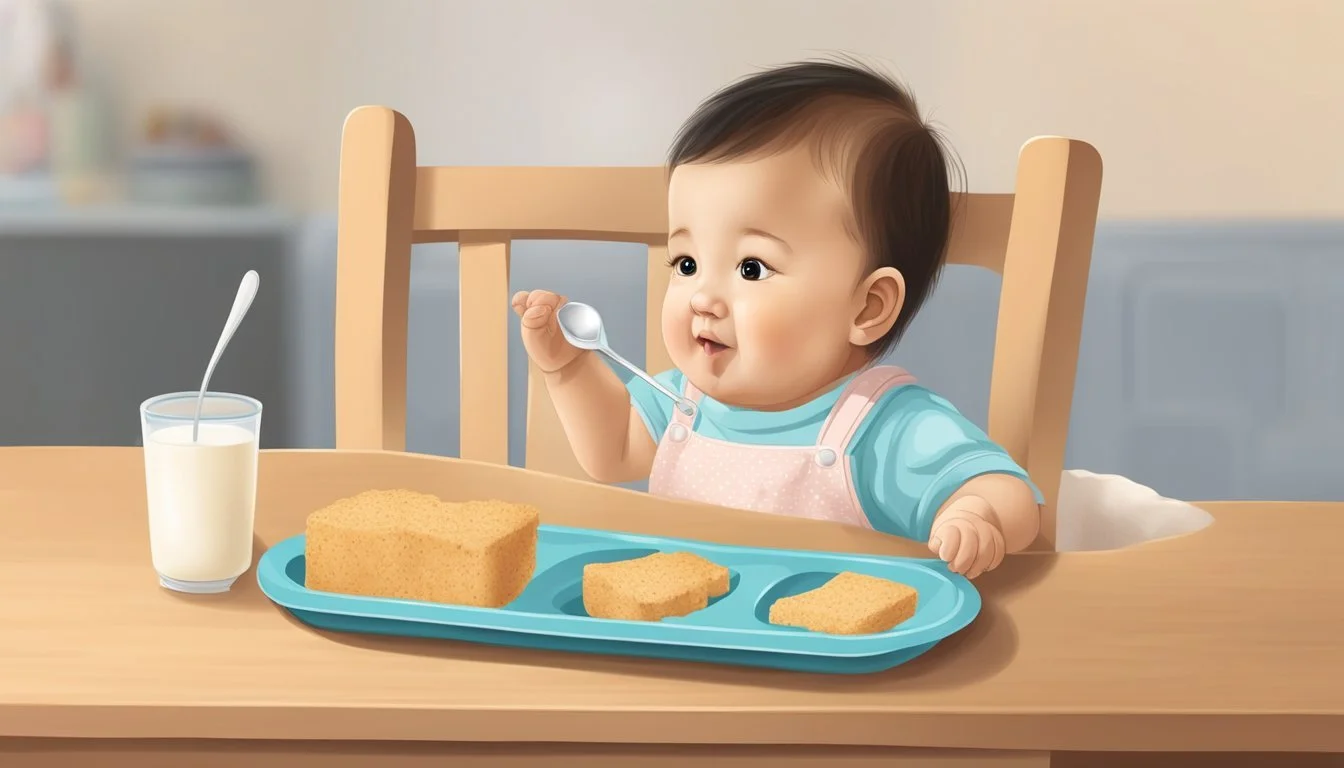
Baby Mum-Mum rice rusks are designed for easy consumption by infants and toddlers. Each box typically contains 12 individually wrapped packs, with two rusks per pack.
The recommended serving size is 1-2 rusks per feeding session. Parents should supervise children while eating to ensure safe consumption.
For younger babies, the rusks can be softened by dipping them briefly in breast milk, formula, or water. This makes them easier to gum and reduces choking hazards.
Feeding tips:
Offer rusks as a snack between meals
Use as a teething aid to soothe sore gums
Introduce around 6 months of age or when baby can sit unassisted
Store in a cool, dry place after opening
Nutritional information:
1 serving (4 rusks) contains approximately 30 calories
Low in fat and protein
Primarily carbohydrates from rice flour
Baby Mum-Mum rusks are available in various flavors, including vegetable and fruit options. They are free from common allergens, making them suitable for children with dietary restrictions.
Consumer Information
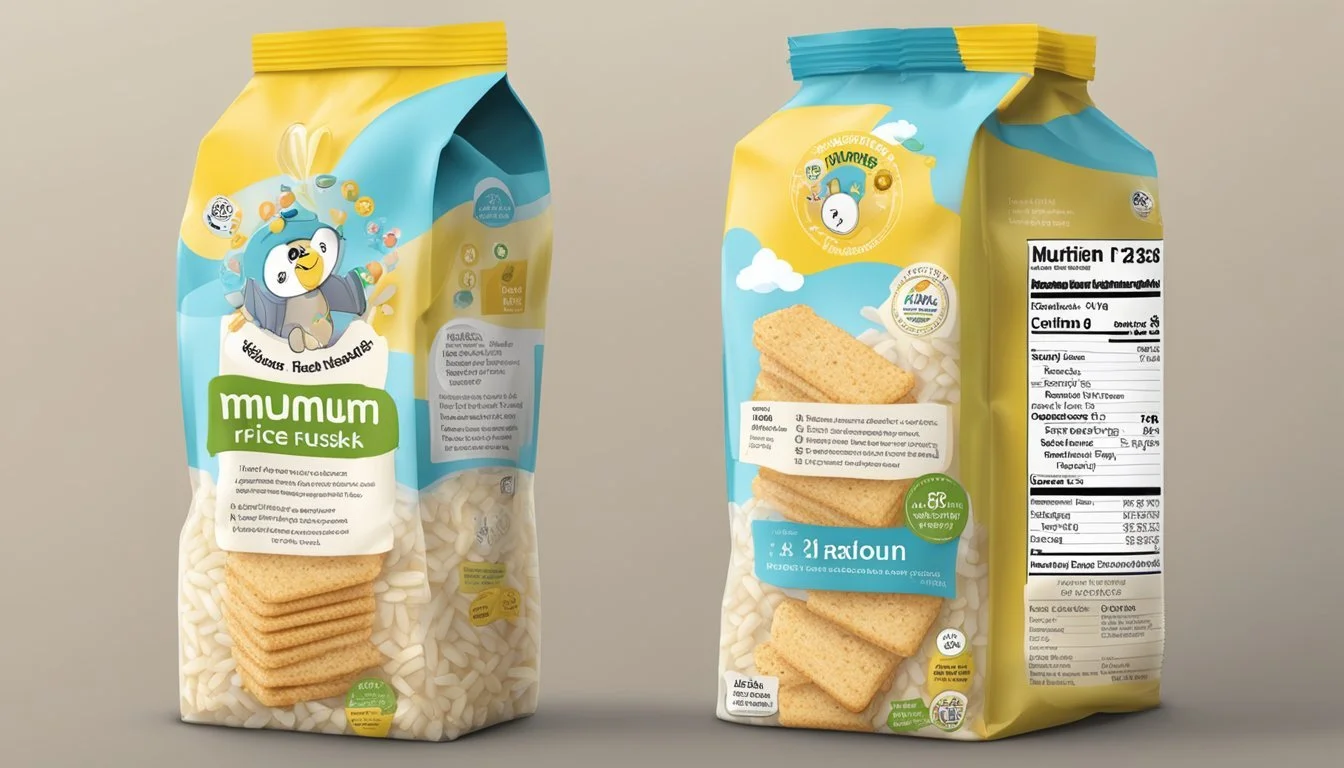
Baby Mum-Mum rice rusks come in various packaging options and are widely available. Their price point and value proposition make them an attractive choice for parents seeking convenient, allergen-free snacks for their little ones.
Packaging and Availability
Baby Mum-Mum rice rusks are typically sold in boxes containing individually wrapped packs. Each box generally includes 12 twin-packs, ensuring freshness and convenience for on-the-go snacking.
These rice rusks are readily available in many grocery stores, baby specialty shops, and online retailers. Consumers can find them in the baby food aisle or snack section.
The packaging prominently displays the flavor variety and key product features, such as organic ingredients or allergen-free status. This helps parents quickly identify the right product for their child's needs.
Price Point and Value
Baby Mum-Mum rice rusks are competitively priced compared to other baby snacks. The cost per box varies depending on the retailer and specific variety, but generally falls within an affordable range for most families.
The value proposition extends beyond price. These rice rusks offer several benefits:
Allergen-free formulation
Organic options available
Convenient individual packaging
Mess-free snacking due to easy dissolution
Parents often find the combination of convenience, safety, and nutritional benefits justifies the cost. The long shelf life of unopened packages also contributes to their value, reducing waste and allowing for bulk purchases.