Earth's Best Organic Infant Cereal Nourishing First Foods for Baby
Whole Grain Millet Nutrition for Optimal Baby Development
Earth's Best Organic Infant Cereal offers a nutritious start for babies transitioning to solid foods. Made with organic whole grains, this cereal provides essential nutrients to support healthy growth and development. Earth's Best Organic Whole Grain Millet Cereal is fortified with iron, a crucial mineral for infants as their natural iron stores begin to deplete around 4-6 months of age.
Whole grain millet is a nutrient-dense option for infant cereals. It contains protein, fiber, and various vitamins and minerals. Millet is naturally gluten-free, making it suitable for babies with gluten sensitivities. The organic cultivation of millet ensures the cereal is free from synthetic pesticides and other potentially harmful chemicals.
Introducing whole grains early in a baby's diet can help establish healthy eating habits. Earth's Best Organic Infant Cereal provides a gentle way to introduce new tastes and textures while ensuring optimal nutrition. Parents can feel confident knowing they're offering their little ones a wholesome, organic option as they begin their journey with solid foods.
Overview of Organic Standards and Certifications
Organic standards and certifications ensure the quality and integrity of organic products like Earth's Best infant cereals. These guidelines cover farming practices, ingredient sourcing, and manufacturing processes to deliver wholesome foods for babies.
Understanding Certified Organic
Certified Organic products meet strict USDA standards for production and handling. For infant cereals, this means crops are grown without synthetic pesticides or fertilizers. Farms must use natural methods to control pests and weeds.
Organic certification prohibits the use of genetic engineering. This aligns with consumer preferences for non-GMO foods, especially for infants. The certification process involves regular inspections and audits of farms and facilities.
Organic standards also restrict the use of certain food additives. Only approved natural ingredients can be used in certified organic products. This limits exposure to artificial substances in baby foods.
Importance of Non-GMO and No Artificial Additives
Non-GMO ingredients are crucial for organic infant cereals. GMOs are not allowed in any certified organic products. This ensures the grains used are as natural as possible.
Artificial colors and preservatives are also banned in organic foods. Earth's Best and other organic brands rely on natural ingredients for flavor and shelf life. This reduces babies' exposure to synthetic additives.
Natural preservation methods like vacuum sealing are used instead. The absence of artificial additives can lead to a shorter shelf life. However, many parents prefer this tradeoff for more natural baby food options.
Health Benefits of Whole Grain Cereals for Infants
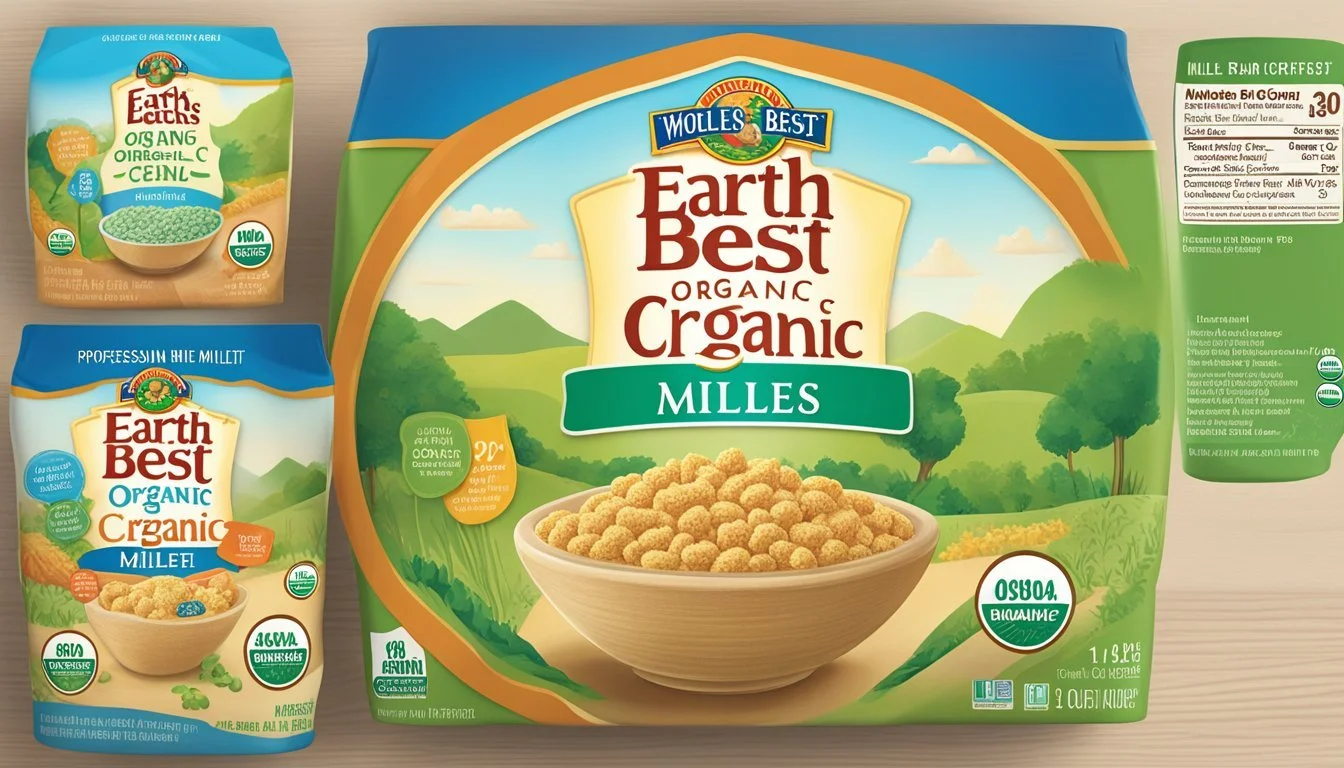
Whole grain cereals offer numerous nutritional benefits for infants, supporting their growth and development. These cereals provide essential nutrients, are easily digestible, and often come fortified with iron to meet babies' specific needs.
Nutritional Advantages of Whole Grains
Whole grain cereals contain a rich array of nutrients vital for infant health. They provide complex carbohydrates for sustained energy and fiber for digestive health. These cereals are also sources of B vitamins, including thiamin, riboflavin, and niacin, which support metabolism and energy production.
Whole grains offer minerals like magnesium and zinc, important for bone development and immune function. Many whole grain cereals for infants are fortified with additional vitamins and minerals to support overall growth and development.
Digestibility and Infant Growth
Whole grain cereals are typically easy for infants to digest, making them an ideal first food. The smooth texture of processed whole grains allows babies to adjust to solid foods gradually. This digestibility ensures that infants can absorb the nutrients efficiently, supporting their rapid growth.
As babies grow, introducing different textures of whole grain cereals helps develop their oral motor skills. The easily digestible nature of these cereals also reduces the risk of digestive discomfort, allowing infants to focus on exploring new tastes and textures.
Iron Fortification and Infant Development
Iron fortification in whole grain cereals is crucial for infant development. After 6 months of age, babies' iron stores begin to deplete, making dietary sources essential. Iron-fortified cereals can provide up to 45% of an infant's daily iron needs per serving.
Iron is vital for cognitive development, motor skill progression, and the formation of healthy red blood cells. Regular consumption of iron-fortified whole grain cereals helps prevent iron deficiency anemia, a condition that can impair physical and mental development in infants.
These cereals also often contain other nutrients that work synergistically with iron, such as vitamin C, which enhances iron absorption. This combination supports optimal nutrient utilization and overall infant health.
Safe Introduction of Solid Foods
Introducing solid foods to an infant's diet is a crucial milestone in their development. It requires careful planning and observation to ensure a smooth transition and optimal nutrition.
Transitioning from Breast Milk to Solids
Begin introducing solids around 6 months of age, while continuing breast milk or formula. Start with single-grain cereals like Earth's Best Organic Whole Grain Oatmeal Infant Cereal, mixing it with breast milk or formula to create a thin consistency.
Gradually increase the thickness as your baby adjusts. Introduce new foods one at a time, waiting 3-5 days between each new item to monitor for reactions.
Offer solids after breast milk or formula feedings, starting with small amounts and increasing as your baby shows interest. Maintain breast milk or formula as the primary source of nutrition during the first year.
Identifying Food Allergies and Sensitivities
Watch for signs of allergies or sensitivities when introducing new foods. Common symptoms include rashes, hives, vomiting, diarrhea, or difficulty breathing.
Keep a food diary to track new introductions and any reactions. If you have a family history of food allergies, consult your pediatrician before introducing common allergens like eggs, peanuts, or dairy.
Introduce potential allergens one at a time, in small amounts, during morning feedings. This allows time to observe reactions throughout the day.
Appropriate Texture and Taste for Infants
Begin with smooth, pureed textures and gradually progress to thicker consistencies. Earth's Best Organic Baby Cereal offers a suitable texture for early solid food introduction.
Avoid adding salt or sugar to infant foods. Allow babies to experience natural flavors of fruits, vegetables, and grains.
As your baby develops, introduce mashed foods and soft, small pieces they can pick up. This encourages self-feeding and helps develop fine motor skills.
Offer a variety of flavors and textures to expand your baby's palate. Include foods rich in iron, such as fortified cereals, to support healthy growth and development.
Detailed Nutritional Analysis

Earth's Best Organic Infant Cereal provides essential nutrients for healthy growth and development. The whole grain millet variety offers a balanced mix of macronutrients and micronutrients crucial for infants.
Understanding Macronutrients and Micronutrients
Macronutrients in Earth's Best Organic Infant Cereal include carbohydrates, proteins, and fats. Carbohydrates, primarily from whole grain millet, supply energy for active babies. Proteins support tissue growth and repair.
The cereal contains a small amount of fat, essential for brain development and nutrient absorption. Micronutrients, such as vitamins and minerals, play vital roles in various bodily functions.
Iron, a key micronutrient in this cereal, aids in cognitive development and prevents anemia. Zinc supports immune function and growth.
Vitamin and Mineral Content in Infant Cereal
Earth's Best Organic Infant Cereal is fortified with essential vitamins and minerals. It contains significant amounts of iron, crucial for oxygen transport and brain development.
Vitamin E, an antioxidant, protects cells from damage. The cereal also provides B vitamins, including thiamin, riboflavin, and niacin, which support energy metabolism.
Calcium and phosphorus in the cereal contribute to bone health. Some varieties may include vitamin C, enhancing iron absorption.
Folic acid, another important addition, supports rapid cell division in growing infants.
Caloric Consideration for Healthy Growth
The caloric content of Earth's Best Organic Infant Cereal is carefully balanced to support healthy weight gain without overfeeding. A typical serving provides around 60 calories, suitable for most infants' needs.
These calories come primarily from complex carbohydrates, offering sustained energy. The protein content contributes to feelings of fullness and supports muscle development.
Parents should follow feeding guidelines based on their baby's age and weight. Gradually increasing portion sizes as the baby grows ensures appropriate caloric intake for steady growth.
Combining the cereal with breast milk or formula can enhance its nutritional value and caloric content.
Variety and Options within Earth's Best Products
Earth's Best offers a range of organic infant cereals to suit different tastes and nutritional needs. Their whole grain options provide essential nutrients for growing babies.
Grain Varieties: Oat, Barley, and Multi-Grain Options
Earth's Best produces single-grain cereals like oatmeal and barley, as well as multi-grain blends. The oatmeal cereal is made from whole grain oats, providing a smooth texture ideal for first-time eaters.
Barley cereal offers a slightly nutty flavor and is rich in fiber. The multi-grain option combines oats, barley, and spelt for a diverse nutritional profile.
All varieties are fortified with iron to support infant growth and development. These cereals can be prepared with breast milk, formula, or water to achieve the desired consistency.
Flavored vs. Plain Options for Palate Development
Earth's Best provides both plain and flavored infant cereals. Plain options allow parents to introduce basic tastes without added sugars or flavors.
Flavored varieties, such as banana, offer a gentle introduction to new tastes. These can help expand a baby's palate and make the transition to solid foods smoother.
Flavored options use organic fruit purees rather than artificial additives. Parents can mix plain cereals with pureed fruits or vegetables at home for customized flavors.
Eco-Friendly Practices and Sustainability
Earth's Best Organic prioritizes environmentally responsible methods in producing their infant cereals. Their approach focuses on nurturing soil health and reducing environmental impact through organic farming practices.
Soil Health and Organic Farming
Earth's Best Organic utilizes farming techniques that enhance soil quality. They avoid synthetic pesticides and fertilizers, instead relying on natural methods to maintain soil fertility. Crop rotation is employed to prevent nutrient depletion and reduce pest problems.
Cover crops are planted between growing seasons to protect and enrich the soil. This practice helps prevent erosion and adds organic matter. Composting is another key strategy, recycling plant waste back into the soil.
These methods promote beneficial soil microorganisms, improving overall soil structure and water retention. Healthy soil produces more nutrient-dense crops, benefiting both the environment and the quality of the infant cereal.
Environmental Benefits of Choosing Organic
Organic farming practices used for Earth's Best cereals contribute to environmental preservation. By avoiding synthetic chemicals, organic farms reduce water pollution from agricultural runoff.
These methods also support biodiversity. Organic fields provide habitats for beneficial insects and wildlife. The absence of pesticides protects pollinators like bees, crucial for ecosystem health.
Organic farming typically uses less energy than conventional methods. It relies more on manual labor and natural processes rather than fossil fuel-intensive machinery and chemical production.
Carbon sequestration is another benefit. Organic farming practices can help store carbon in the soil, potentially mitigating climate change impacts.
Feeding and Preparation Tips
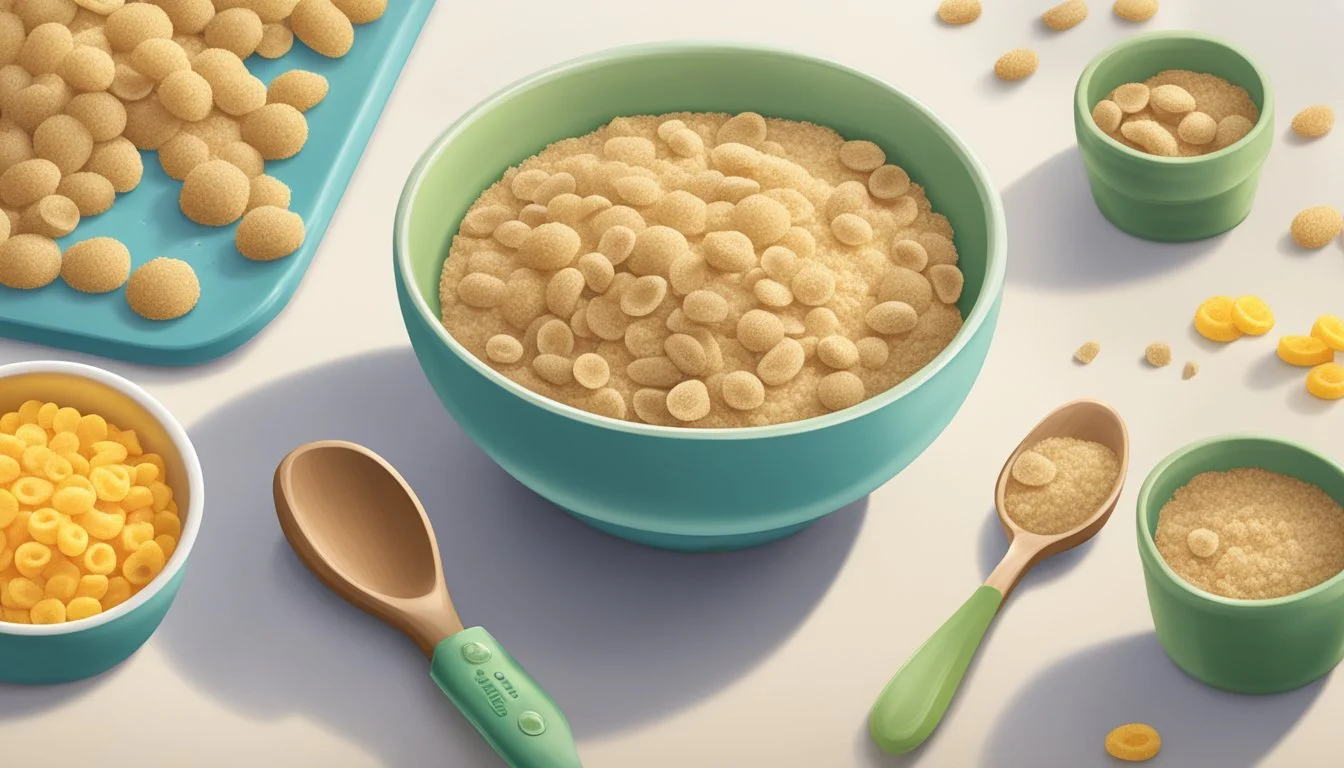
Proper preparation and feeding techniques are crucial for introducing Earth's Best Organic Infant Cereal to your baby's diet. Attention to detail ensures a safe and nutritious feeding experience.
Best Practices for Preparing Infant Cereal
Start by washing your hands thoroughly. Measure the desired amount of cereal into a clean bowl. Add breast milk, formula, or water gradually while stirring to achieve a smooth consistency. The texture should be thin for younger infants and thicker for older babies.
For Earth's Best Organic Whole Grain Millet Cereal, use 1 tablespoon of cereal for every 4-5 tablespoons of liquid. Adjust as needed to reach the right consistency. Never add cereal to a bottle unless directed by a pediatrician.
Always check the temperature before feeding. It should be lukewarm, not hot. Discard any leftover cereal after feeding to prevent bacterial growth.
Choosing the Right Utensils for Feeding
Select a small, soft-tipped spoon designed for infant feeding. Silicone or BPA-free plastic spoons are gentle on baby's gums. Avoid metal spoons, which can be too hard for sensitive mouths.
Use a sturdy high chair with a supportive seat and safety straps. Ensure it's at the right height for comfortable feeding. A bowl with a suction cup base can help prevent spills and messes.
Consider a bib with a catch pocket to minimize cleanup. Keep a soft, damp cloth nearby for wiping baby's face during feeding. For water, use a small, lightweight cup with a spout to encourage self-feeding as your baby grows.
Understanding and Identifying Product Additives
Baby cereals often contain various additives to enhance nutrition, improve texture, and extend shelf life. These ingredients play important roles but also raise some concerns for parents.
Role of Enzymes and Preservatives in Baby Cereal
Alpha amylase, an enzyme commonly added to infant cereals, helps break down complex carbohydrates into simpler sugars. This process improves digestibility for babies' developing digestive systems.
Tocopherols, a form of vitamin E, act as natural preservatives in many organic baby cereals. They prevent rancidity and maintain freshness without the use of synthetic additives.
Electrolytic iron is frequently added to fortify baby cereals. This highly bioavailable form of iron supports healthy growth and development in infants.
Concerns about Heavy Metals and Contaminants
Arsenic, a naturally occurring element, can be found in some baby cereals, particularly those made with rice. Prolonged exposure to high levels of arsenic may pose health risks.
Organic cereals may have lower levels of synthetic pesticide residues. However, they can still contain trace amounts of heavy metals from soil and water.
Parents should look for cereals tested for contaminants. Varying grains in a baby's diet can help minimize exposure to any single source of heavy metals.
Consumer Information
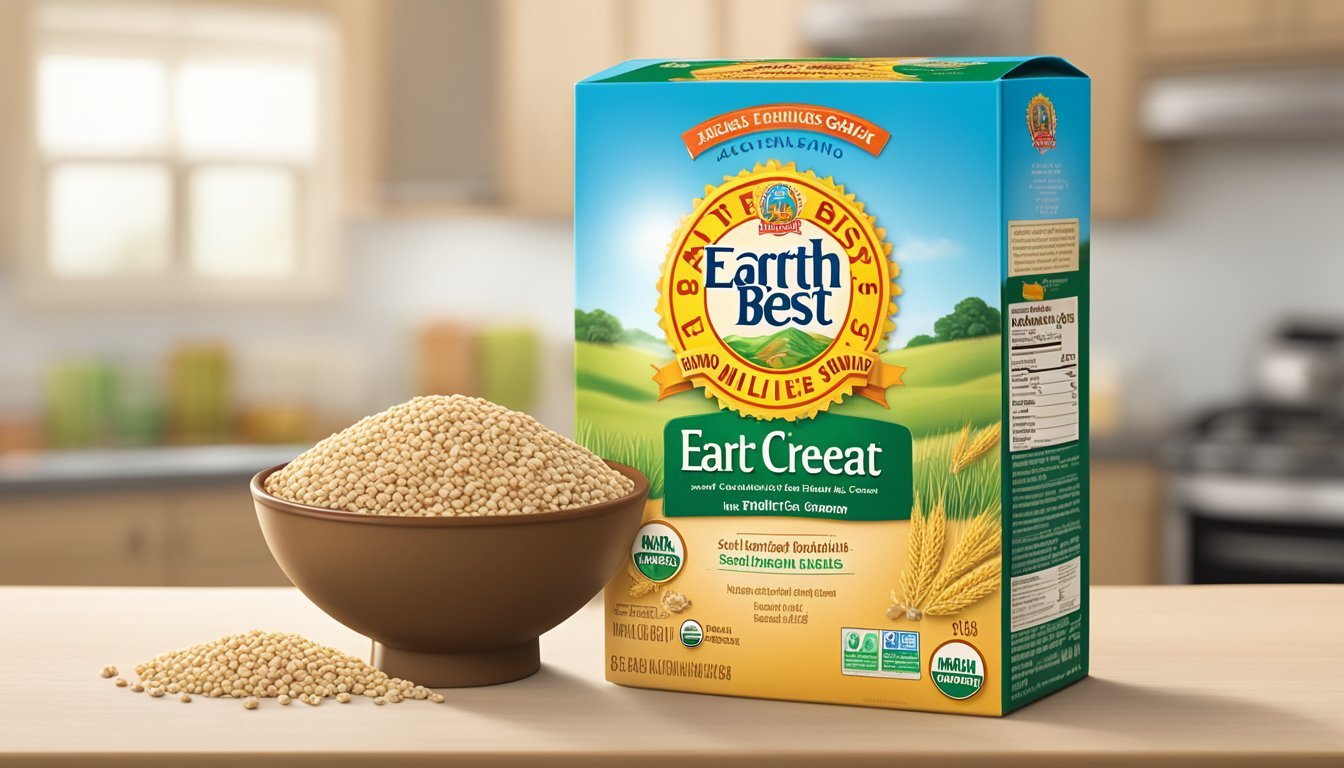
Earth's Best organic infant cereals offer nutritious options for babies at varying price points. Availability spans both online and brick-and-mortar retailers, providing convenient purchasing choices for parents.
Price Comparison and Value
Earth's Best organic infant cereals typically range from $3 to $5 per 8-ounce container. Prices may vary slightly between retailers and product varieties.
Compared to non-organic alternatives, Earth's Best cereals are moderately priced. The organic certification and whole grain ingredients contribute to their value proposition.
Many parents find the cost justified by the quality ingredients and brand reputation. Bulk purchases or subscriptions through online retailers can offer savings.
Product Availability and Where to Buy
Earth's Best organic infant cereals are widely available at major retailers. Popular options include:
Grocery stores (Whole Foods, Kroger, Safeway)
Big-box stores (Target, Walmart)
Online marketplaces (Amazon, iHerb)
Baby-specific retailers (Buy Buy Baby)
Most locations carry multiple Earth's Best cereal varieties, including whole grain oatmeal, rice, and multi-grain options.
Online shopping provides the widest selection and often competitive pricing. Many retailers offer free shipping on larger orders.
Local availability may vary. Checking store websites or calling ahead can ensure the desired product is in stock.