Earth's Best Organic Whole Grain Quinoa Infant Cereal
Superior First Food for Babies
Earth's Best Organic Infant Cereal offers a nutritious start for babies beginning their solid food journey. This trusted brand has been providing quality baby food since 1985, focusing on simple, organic ingredients parents can feel good about.
The Whole Grain Quinoa variety stands out as a nutrient-dense option for infants. Quinoa is a complete protein source, containing all nine essential amino acids, making it an excellent choice for growing babies. It also provides iron, fiber, and various vitamins and minerals crucial for infant development.
Parents looking to introduce diverse textures and flavors to their baby's diet may find Earth's Best Organic Infant Cereal a suitable choice. The cereal can be mixed to different consistencies, allowing for gradual texture progression as babies develop their eating skills. Its mild flavor serves as a good base for introducing other foods and flavors.
Overview of Earth's Best Organic Infant Cereal
Earth's Best produces a line of organic infant cereals designed to introduce babies to solid foods. These cereals are made from whole grains and are USDA certified organic.
The brand offers several varieties, including whole grain oatmeal and multi-grain blends. These products are non-GMO and made without potentially harmful synthetic pesticides.
Earth's Best organic baby cereals provide essential nutrients like iron to support proper growth and development in infants. They allow babies to experience new tastes and textures as they transition to solid foods.
The whole grain cereals come in options like oats, barley, and spelt. This gives parents choices to introduce different flavors and grains to their baby's diet.
Some key features of Earth's Best organic infant cereals:
Made with 100% whole grains
USDA certified organic
Non-GMO ingredients
No added salt or refined sugars
Good source of iron for infant development
Available in single grain and multi-grain varieties
These baby cereals are formulated to meet the nutritional needs of growing infants while adhering to organic standards. They provide a simple way for parents to offer wholesome first foods to their babies.
Nutritional Profile
Earth's Best Organic Infant Cereal provides essential nutrients for growing babies. The whole grain quinoa formula offers a balanced mix of vitamins, minerals, and macronutrients to support healthy development.
Essential Nutrients in Infant Cereal
Earth's Best Organic Infant Cereal contains key nutrients babies need. Whole grains like quinoa provide complex carbohydrates for sustained energy. The cereal offers protein for growth and development.
It also contains dietary fiber to support digestion. B vitamins like thiamin, riboflavin, and niacin aid in energy metabolism. Zinc supports immune function and proper growth.
The cereal is fortified with vitamin D for bone health. Calcium helps build strong bones and teeth. Phosphorus works with calcium for bone mineralization.
Importance of Iron Fortification
Iron fortification is crucial in infant cereals. Babies' iron stores deplete around 4-6 months of age. Earth's Best Organic Infant Cereal is fortified with iron to prevent deficiency.
Iron supports cognitive development and learning ability. It plays a vital role in oxygen transport throughout the body. Iron deficiency can lead to anemia and developmental delays.
The cereal provides approximately 45% of a baby's daily iron needs per serving. This helps maintain adequate iron levels during a critical growth period.
Vitamin E and Mineral Content
Earth's Best Organic Infant Cereal contains vitamin E, an important antioxidant. Vitamin E supports immune function and protects cells from damage.
The cereal provides essential minerals like magnesium and potassium. Magnesium aids in bone development and muscle function. Potassium helps regulate fluid balance and supports heart health.
Selenium, another mineral in the cereal, acts as an antioxidant. It supports thyroid function and helps protect cells from oxidative stress.
The balanced mineral content complements the vitamin profile, offering comprehensive nutritional support for infants.
Infant Growth and Development
Proper nutrition plays a crucial role in supporting infant growth and development. Cereals provide essential nutrients that contribute to healthy physical and cognitive milestones during the first year of life.
Role of Cereal in Early Growth
Iron-fortified cereals are often recommended as a first food for infants. They provide key nutrients to support rapid growth and brain development. Earth's Best Organic Infant Cereal, for example, is fortified with iron, zinc, and B vitamins.
These nutrients aid in: • Red blood cell production • Immune system function • Cognitive development
Whole grain cereals like quinoa offer additional benefits: • Complex carbohydrates for sustained energy • Fiber for healthy digestion • Plant-based proteins for muscle growth
Introducing cereal around 4-6 months helps infants meet increased nutritional needs as they double their birth weight.
Transitioning to Solid Foods
Cereals serve as an ideal transition food when infants are ready for solids. Their smooth texture and mild flavor make them easy to eat and digest. Parents can gradually thicken the consistency as babies develop oral motor skills.
Key points for introducing cereal: • Start with 1-2 tablespoons mixed with breast milk or formula • Offer once daily, increasing frequency over time • Watch for signs of readiness like good head control
Some parents opt for baby-led weaning, offering soft finger foods instead. In this case, cereals can still be incorporated as a nutritious addition to the diet.
Regardless of method, cereals provide a nutritious foundation as infants explore new tastes and textures. They support the rapid growth and development occurring during this critical period.
Health and Safety Considerations
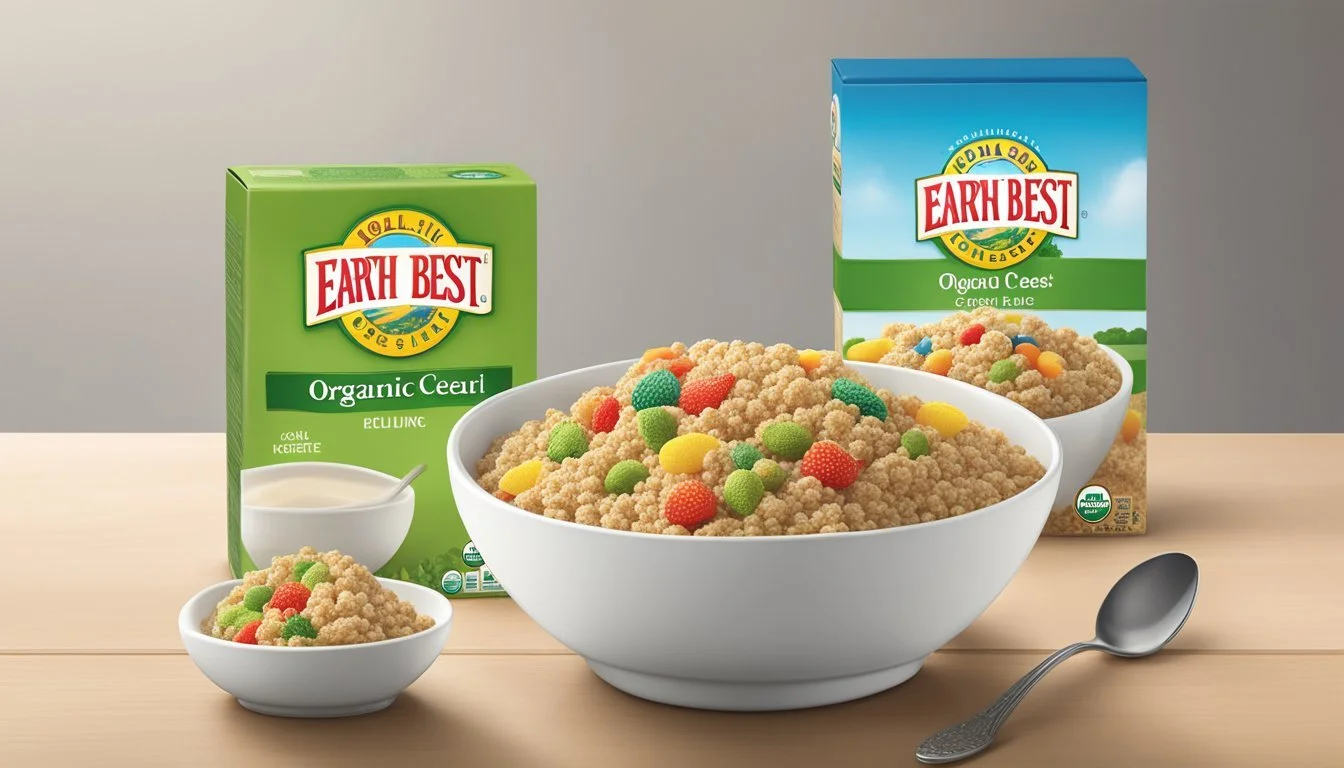
Introducing solid foods like infant cereals requires careful attention to potential health impacts. Parents should be aware of allergy risks, contaminant concerns, and digestive effects when incorporating Earth's Best Organic Infant Cereal with whole grain quinoa into their baby's diet.
Understanding Food Allergies and Reactions
Quinoa is generally considered a low-allergenic food, but some babies may still develop sensitivities. Parents should watch for signs of allergic reactions such as hives, vomiting, or difficulty breathing after introducing quinoa cereal. Start with small amounts and wait 3-5 days before introducing other new foods.
The immune system of infants is still developing, making them more susceptible to food allergies. If there's a family history of food allergies, consult a pediatrician before introducing quinoa cereal.
Common symptoms of food allergies in babies include:
Skin rashes or eczema
Gastrointestinal issues like diarrhea or constipation
Respiratory problems such as wheezing or coughing
Addressing Concerns about Arsenic and Heavy Metals
Arsenic and other heavy metals can be present in some grain products, including rice-based cereals. Earth's Best uses organic quinoa, which may have lower levels of these contaminants compared to rice. However, parents should still be aware of potential risks.
The FDA recommends varying grain sources in an infant's diet to minimize exposure to any single contaminant. Quinoa can be a good alternative to rice cereals.
Tips for reducing heavy metal exposure:
Rotate between different types of whole grains
Wash quinoa thoroughly before cooking
Use filtered water when preparing cereal
Regular testing by manufacturers helps ensure products meet safety standards for heavy metal content.
Digestive Health and Preventing Constipation
Quinoa is high in fiber, which can support healthy digestion in infants. However, introducing too much fiber too quickly may cause digestive discomfort or constipation in some babies. Start with small servings and gradually increase the amount.
To promote good digestive health:
Mix cereal with breast milk or formula to a thin consistency
Offer plenty of fluids alongside solid foods
Introduce other high-fiber foods slowly
If constipation occurs, consult a pediatrician. They may recommend adjusting the diet or increasing fluid intake. Gentle tummy massages can also help stimulate bowel movements in babies.
Quinoa's complete protein profile and essential amino acids support overall digestive system development. Its natural properties may help reduce inflammation in the gut, potentially benefiting babies with sensitive digestive systems.
Ingredients and Quality
Earth's Best organic infant cereals prioritize wholesome ingredients and high quality standards. The product line includes nutrient-dense whole grains and avoids artificial additives to support healthy infant development.
Whole Grain Ingredients and Alternatives
Earth's Best offers infant cereals made with organic whole grains like oats, rice, barley, and spelt. Quinoa is also featured as a nutritious alternative grain option. These cereals provide essential nutrients and fiber to support digestive health and growth. Some varieties blend multiple grains for increased nutritional benefits.
Whole grain oatmeal serves as a popular base, while rice cereals offer an easily digestible option for sensitive stomachs. Barley and spelt contribute additional nutrients and textures. Quinoa stands out as a complete protein source, containing all nine essential amino acids.
Avoiding Preservatives and Artificial Additives
Earth's Best emphasizes clean ingredients in their infant cereals. The products are made without artificial colors, flavors, or preservatives. This focus on natural ingredients aligns with many parents' preferences for minimally processed baby foods.
The cereals are also free from synthetic pesticides, as they use organic ingredients. This reduces potential exposure to harmful chemicals. By avoiding artificial additives, Earth's Best aims to provide a pure and wholesome first food option for infants.
The company's commitment to quality extends to rigorous testing and safety standards throughout the production process. This helps ensure consistency and purity in each batch of cereal.
Feeding Recommendations and Practices
Introducing solid foods to infants requires careful consideration of timing, food choices, and feeding methods. Pediatricians provide guidance on when and how to start solids, while gradually integrating cereal with other nutritious foods supports healthy infant development.
Pediatricians' Advice on Infant Feeding
Pediatricians typically recommend introducing solid foods around 4-6 months of age. This timing aligns with developmental milestones like head control and loss of the tongue-thrust reflex.
Breastfeeding or formula should remain the primary source of nutrition during the first year. Iron-fortified infant cereals, like Earth's Best Organic Whole Grain Quinoa, are often recommended as first foods due to their nutrient density.
Pediatricians advise introducing single-ingredient foods one at a time, waiting 3-5 days between new foods to watch for allergic reactions. Common first foods include iron-fortified cereals, pureed fruits, and vegetables.
Integrating Cereal with Other Foods
As infants grow, cereal can be mixed with breast milk, formula, or water to achieve desired consistency. Gradually thicken the mixture as the baby develops better eating skills.
Combining cereal with pureed fruits or vegetables enhances flavor and nutrient variety. For example, mixing Earth's Best Organic Quinoa Cereal with pureed apples or sweet potatoes.
Yogurt and soft, mashed foods can be introduced around 6-8 months. Offer small amounts of food 2-3 times daily, increasing frequency and variety as the baby shows interest.
Continue offering breast milk or formula alongside solid foods. This balanced approach ensures adequate nutrition while supporting the development of eating skills and food preferences.
Consumer Information
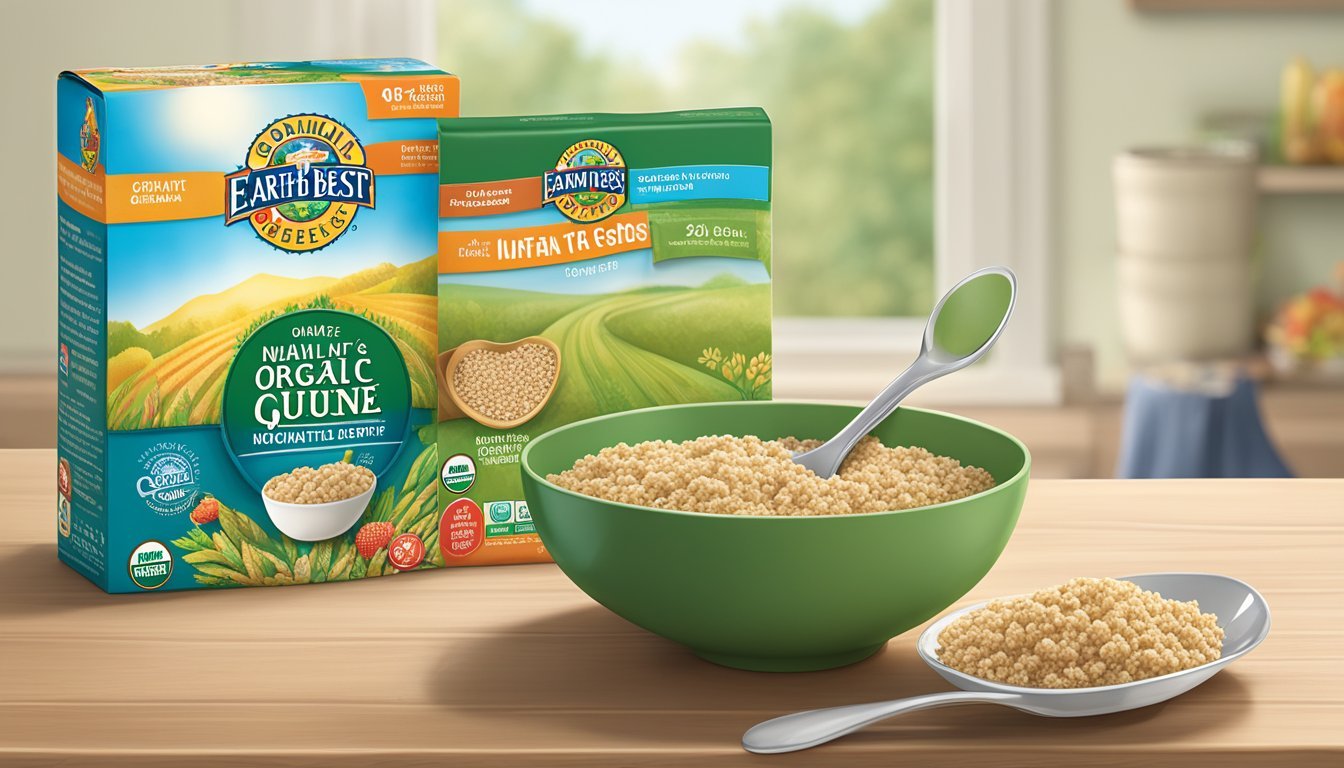
Earth's Best offers a range of organic infant cereals with various grain options and nutritional benefits. These products are designed to meet the dietary needs of babies transitioning to solid foods.
Product Varieties and Flavors
Earth's Best organic infant cereals come in several varieties. The Whole Grain Oatmeal and Rice Cereal options are popular choices for first foods. These cereals are iron-fortified to support infant development.
The Multigrain Cereal combines oats, wheat, and barley for added nutritional value. For parents seeking alternatives, Earth's Best also offers a Whole Grain Quinoa Cereal.
All cereals are certified organic and free from GMOs. They contain no artificial colors or flavors.
Packaging, Pricing, and Availability
Earth's Best cereals typically come in resealable pouches or canisters to maintain freshness. Package sizes range from 8 to 16 ounces, depending on the variety.
Prices vary by retailer but generally fall between $3 and $6 per package. These cereals are widely available at major grocery stores, baby specialty shops, and online retailers.
Many stores offer subscription options for regular deliveries. Some websites provide links to purchase directly from the manufacturer or authorized sellers.
When comparing costs, consider that these cereals can be mixed with breast milk, formula, or water, potentially offering more servings than other baby food options.
Environmental Impact and Sustainability

Earth's Best Organic Infant Cereal prioritizes environmental responsibility through its organic farming practices. These methods eschew synthetic pesticides and fertilizers, promoting healthier soil ecosystems.
Organic cultivation techniques help preserve soil fertility and structure. This approach reduces erosion and maintains nutrient balance, supporting long-term agricultural sustainability.
The use of organic ingredients in the cereal contributes to biodiversity conservation. By avoiding harmful chemicals, these farming methods protect beneficial insects, birds, and other wildlife.
Earth's Best's commitment to organic production extends to water conservation. Organic farming often requires less irrigation, helping preserve this vital resource.
The company's focus on whole grains like quinoa supports sustainable agriculture. These crops typically require fewer inputs and are more resistant to pests and diseases.
Packaging for Earth's Best products incorporates recyclable materials where possible. This effort aims to reduce waste and minimize the environmental footprint of their products.
By choosing organic ingredients, Earth's Best helps decrease the amount of synthetic chemicals entering ecosystems. This practice protects waterways and surrounding habitats from potential contamination.
The company's dedication to sustainability aligns with growing consumer demand for environmentally responsible products. This approach benefits both the planet and conscious parents seeking eco-friendly options for their infants.