Essential Nutrients for Infant Development
Happy Bellies Organic Baby Cereal offers parents a nutritious first food option for their infants. This cereal contains DHA and choline to support healthy brain and eye development in babies. It also includes prebiotics and probiotics to promote digestive health and immune system function.
Happy Bellies cereal is certified organic and free from artificial additives, making it a wholesome choice for parents concerned about their baby's nutrition. The multi-grain variety provides a good introduction to different tastes and textures as babies transition to solid foods. Parents can mix the cereal with breast milk, formula, or water to achieve the right consistency for their child.
HappyBaby, the company behind Happy Bellies, focuses on creating organic baby foods developed by nutritionists and pediatricians. Their products aim to provide essential nutrients for infant growth and development while introducing babies to natural flavors. The Happy Bellies cereal line has become a popular choice among health-conscious parents seeking quality organic options for their little ones.
Understanding the Basics of Organic Baby Cereal
Organic baby cereal provides a nutritious first food option for infants, free from synthetic pesticides and chemical fertilizers. This natural approach prioritizes the health and safety of babies during a crucial developmental stage.
Defining 'Organic' and Certification Process
Organic baby cereal is made from ingredients grown without synthetic pesticides or chemical fertilizers. The USDA Organic certification ensures strict standards are met throughout production. Farmers must use natural methods for pest control and soil enhancement. Certification involves rigorous inspections and documentation.
Organic producers cannot use genetically modified organisms (GMOs) or irradiation. The USDA Organic seal on packaging indicates compliance with these regulations. Some brands may also carry additional certifications like CCOF (California Certified Organic Farmers).
The Importance of Organic Ingredients for Babies
Organic ingredients minimize babies' exposure to potentially harmful chemicals. Infants' developing bodies are more sensitive to pesticide residues and artificial additives. Choosing organic can reduce health risks associated with these substances.
Organic farming practices often result in more nutrient-dense foods. This can be especially beneficial for babies who need optimal nutrition for growth and development. Organic cereals may contain higher levels of certain vitamins and minerals.
Organic production also supports environmental sustainability. It promotes soil health and biodiversity, which can have long-term benefits for future generations.
The Nutritional Profile of Happy Bellies Organic Cereal
Happy Bellies Organic Cereal offers a blend of essential nutrients tailored for infant development. This cereal combines vitamins, minerals, and beneficial compounds to support various aspects of baby growth.
Essential Vitamins and Minerals in Baby's Diet
Happy Bellies Organic Cereal provides key nutrients crucial for infant development. Iron is a primary component, supporting brain development in growing babies. The cereal also contains vitamin C, which aids in iron absorption.
Choline is another important nutrient found in this cereal. It plays a vital role in brain function and development. The inclusion of these essential nutrients helps ensure babies receive a well-rounded nutritional foundation.
The cereal's organic whole grain base provides natural fiber and additional nutrients. This combination helps support overall growth and development during the critical early months of life.
Role of DHA in Infant Development
DHA (docosahexaenoic acid) is a crucial component of Happy Bellies Organic Cereal. This omega-3 fatty acid is essential for brain and eye development in infants.
DHA supports the formation of neural connections in the brain. It aids in cognitive function and may contribute to improved visual acuity in babies. The inclusion of DHA in the cereal helps bridge potential nutritional gaps in infant diets.
Research suggests that adequate DHA intake during infancy may have long-term benefits for cognitive and visual development. By incorporating DHA into their cereal, Happy Bellies aims to support these crucial aspects of infant growth.
The Inclusion of Prebiotics and Probiotics for Digestive Health
Happy Bellies Organic Cereal contains both prebiotics and probiotics to support infant digestive health. Probiotics are beneficial bacteria that can help maintain a healthy gut microbiome.
These "good" bacteria may aid in digestion and support the immune system. Prebiotics serve as food for these beneficial bacteria, helping them thrive in the digestive tract.
The combination of prebiotics and probiotics in the cereal aims to promote digestive balance in infants. This can be particularly beneficial as babies transition to solid foods and their digestive systems adapt to new nutrients.
By supporting digestive health, the cereal may help reduce common issues like gas or constipation in infants. This focus on gut health reflects the growing understanding of its importance in overall wellness.
Special Features of Happy Bellies Cereal
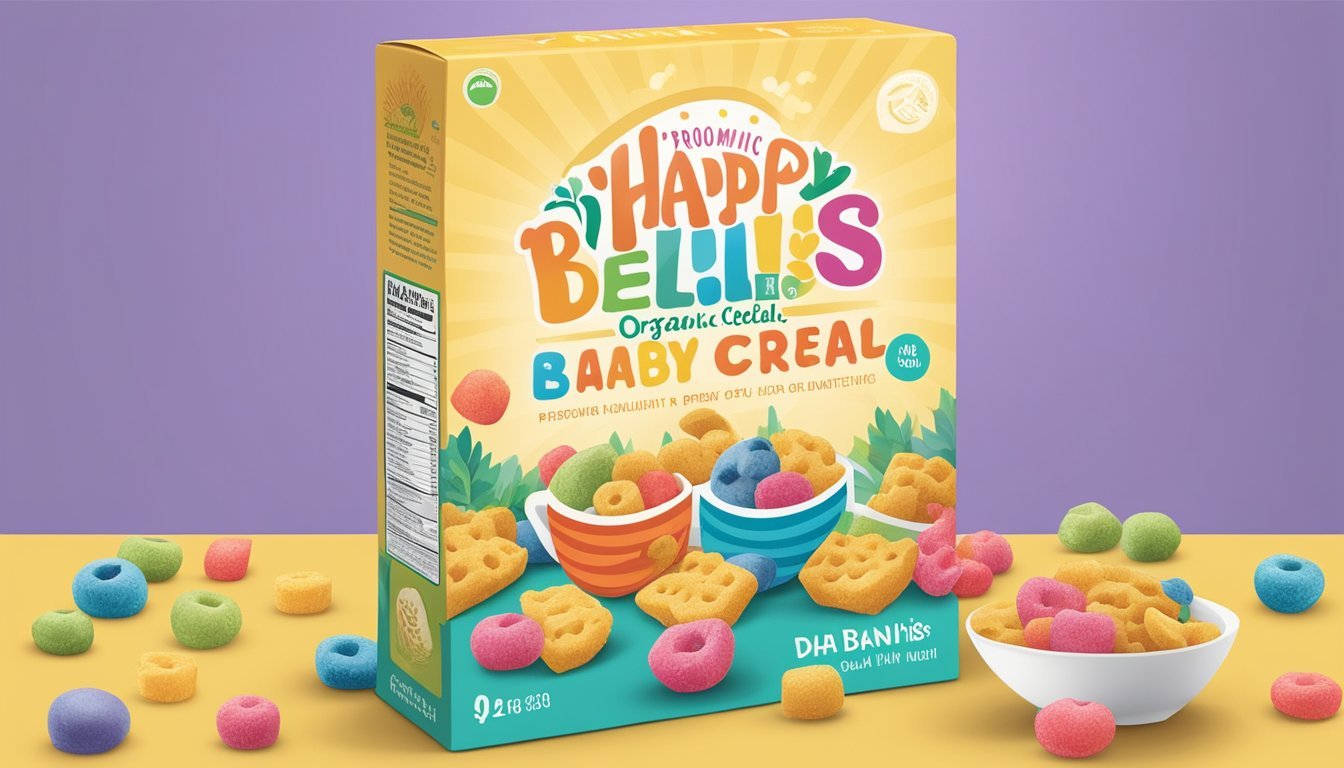
Happy Bellies Organic Baby Cereal offers unique nutritional benefits through its specialized ingredients. This cereal stands out for its focus on supporting infant development and digestive health.
Understanding the Benefits of DHA and Probiotic Additives
DHA plays a crucial role in infant brain and eye development. This omega-3 fatty acid is essential for cognitive function and visual acuity. Happy Bellies cereal incorporates DHA to support these vital growth areas during early stages of life.
Probiotics are beneficial bacteria that promote a healthy gut microbiome. They aid in digestion and support the immune system. By including probiotics, Happy Bellies cereal helps maintain a balanced digestive environment for babies.
Choline is another key nutrient found in this cereal. It contributes to brain growth and development, working alongside DHA to support cognitive functions.
Why Choose a Cereal with Prebiotics and Probiotics
Prebiotics serve as food for beneficial gut bacteria. They work synergistically with probiotics to enhance digestive health. This combination supports a healthy bacterial balance in the infant's gut.
Choosing a cereal with both prebiotics and probiotics can help:
Improve nutrient absorption
Support immune function
Promote regular bowel movements
Reduce instances of digestive discomfort
For babies transitioning to solid foods, this cereal provides a gentle introduction while supporting their developing digestive system. The organic ingredients ensure a wholesome start to complementary feeding.
Dietary Considerations and Safe Consumption
Happy Bellies Organic Baby Cereal offers a nutritious option for infants starting solids. Parents should be aware of allergen information and follow guidelines for introducing new foods.
Allergen Information and Ingredients Transparency
Happy Bellies Organic Baby Cereal is made with certified organic ingredients. It contains no genetically engineered ingredients. The product is free from common allergens like milk, eggs, peanuts, tree nuts, fish, and shellfish.
Parents should carefully read the ingredient list before introducing the cereal. The main ingredient is organic whole grain oats or brown rice, depending on the variety. The cereal also contains probiotics and DHA from algal oil.
For babies with known allergies or sensitivities, it's crucial to consult a pediatrician before trying new foods. Always check the packaging for any allergen warnings or manufacturing processes that may introduce cross-contamination risks.
Tips for Introducing Solids to Infants
Pediatricians typically recommend introducing solid foods around 4-6 months of age. Look for signs of readiness:
Baby can sit with support
Shows interest in food
Has good head control
Start with a thin consistency by mixing the cereal with breast milk or formula. Use a small, soft-tipped spoon for feeding. Begin with 1-2 teaspoons once a day, gradually increasing amount and thickness.
Introduce one new food at a time, waiting 3-5 days before trying another. This helps identify any potential allergic reactions. Watch for signs like rashes, vomiting, or diarrhea.
Always supervise babies during feeding. Never add cereal to a bottle unless directed by a pediatrician. Offer cereal at a time when the baby is alert and not overly hungry.
Sustainability and Social Responsibility
Happy Bellies demonstrates a commitment to environmental stewardship and social responsibility through its packaging choices and carbon reduction efforts. The company aims to minimize its ecological impact while providing nutritious organic baby cereal.
Eco-Friendly Packaging and Recycling Initiatives
Happy Bellies uses recyclable packaging materials for its organic baby cereal products. The containers are made with post-consumer recycled content to reduce reliance on virgin materials. Clear recycling instructions are printed on each package to encourage proper disposal.
The company has implemented a Certified Frustration-Free Packaging program. This initiative reduces excess packaging waste and makes products easier for consumers to open. Happy Bellies also uses compact, space-efficient packaging designs to optimize shipping and reduce transportation emissions.
Consumers can return empty cereal containers to participating recycling locations. Happy Bellies partners with TerraCycle to recycle hard-to-recycle packaging components.
Commitment to Reducing Carbon Footprint
Happy Bellies sources organic ingredients from sustainable farms to decrease the carbon footprint of its supply chain. The company utilizes energy-efficient manufacturing processes in its production facilities.
Transportation emissions are minimized through optimized logistics and local sourcing when possible. Happy Bellies has set science-based targets to reduce greenhouse gas emissions across its operations.
The company invests in renewable energy projects to offset remaining emissions. It has committed to achieving carbon neutrality for its entire product line by 2030.
Happy Bellies educates consumers about sustainability through its packaging and website. The brand encourages families to make environmentally-conscious choices in their daily lives.
Consumer Guidance for Selection and Purchase
Choosing the right organic baby cereal involves careful consideration of nutrition labels and brand comparisons. Parents should focus on key nutritional elements and ingredient quality when making their selection.
Reading and Understanding Nutrition Labels
When evaluating Happy Bellies Organic Baby Cereal with DHA + Pre & Probiotics, pay close attention to the nutrition label. Look for the DHA content, which supports brain and eye development. Check for prebiotics and probiotics, as these promote digestive health. Examine the ingredient list for organic certifications.
Compare the serving size to the recommended daily intake for your baby's age. Note the iron content, as it's crucial for infant development. Assess the calorie count and fiber content per serving. Some brands offer cereals fortified with additional vitamins and minerals.
Comparing Organic Baby Cereal Brands
When comparing Happy Bellies to other organic baby cereal brands, consider factors beyond nutritional content. Check package sizes, typically available in 7-ounce containers or packs of six for bulk purchasing. Evaluate price per ounce to determine value.
Research brand reputations and manufacturing practices. Look for companies that consult with pediatric nutritionists or nutrition advisors. Consider brands that source ingredients locally if you prefer a locavore approach.
Compare texture options, as some babies may prefer smoother or more textured cereals. Assess flavor varieties offered by different brands. Read customer reviews to gauge real-world experiences with digestibility and taste acceptance.
Community and Expert Support
Parents seeking guidance on Happy Bellies organic baby cereal can access valuable resources from nutrition professionals and fellow caregivers. Expert advice and peer support provide helpful insights for introducing this product into an infant's diet.
Advice from Nutrition Experts and Pediatricians
Pediatricians and nutritionists offer evidence-based recommendations for incorporating Happy Bellies cereal into a baby's feeding routine. Dr. Bob Sears, a renowned pediatrician, emphasizes the importance of introducing solid foods gradually. He suggests starting with small amounts of cereal mixed with breast milk or formula.
Amy Marlow MPH, a registered dietitian, highlights the cereal's probiotic and DHA content. She notes these ingredients support digestive health and brain development in infants. Marlow recommends parents consult their child's doctor about appropriate serving sizes based on age and development.
Nutrition experts often advise:
Introducing cereal around 4-6 months of age
Mixing cereal to a thin consistency initially
Monitoring for allergic reactions
Engaging with Parental Communities Online
Real moms share experiences and tips about Happy Bellies cereal through online forums and social media platforms. Facebook groups dedicated to infant nutrition provide spaces for parents to discuss product use, ask questions, and offer support.
Many moms report positive experiences:
Ease of preparation
Smooth transition to solid foods
Parents often exchange advice on:
Mixing techniques for optimal texture
Creative ways to introduce the cereal
Combining with pureed fruits or vegetables
These online communities foster connections between caregivers, creating a supportive environment for navigating early childhood nutrition choices.
Exploring the HappyBaby Brand
HappyBaby has established itself as a leading organic baby food brand, offering a wide range of nutritious products for infants and toddlers. The company focuses on using high-quality ingredients and innovative formulations to support child development.
History and Mission of HappyBaby
HappyBaby was founded in 2006 in New York City with the goal of providing nutritious, organic options for babies and young children. The company's mission centers on creating wholesome foods that support optimal growth and development. HappyBaby quickly gained popularity among health-conscious parents, becoming one of the best-selling organic baby food brands in the United States.
The brand's commitment to using organic ingredients and avoiding artificial additives has resonated with consumers. HappyBaby products are designed to introduce babies to a variety of flavors and textures while providing essential nutrients.
Product Range Beyond Baby Cereal
While HappyBaby is well-known for its organic baby cereals, the brand offers a diverse range of products for different stages of childhood. Their lineup includes:
Infant formula
Purees and pouches
Teething wafers
Toddler meals and snacks
Yogurt melts and puffs
HappyBaby incorporates superfoods like quinoa and chia seeds into many of its products. The brand's toddler meals feature nutrient-dense ingredients such as Salba (chia) and ancient grains.
HappyBaby's product range extends beyond just baby food, offering options for older children as well. This comprehensive approach allows parents to rely on the brand as their children grow and their nutritional needs evolve.