A Nutrient-Rich First Food for Infants
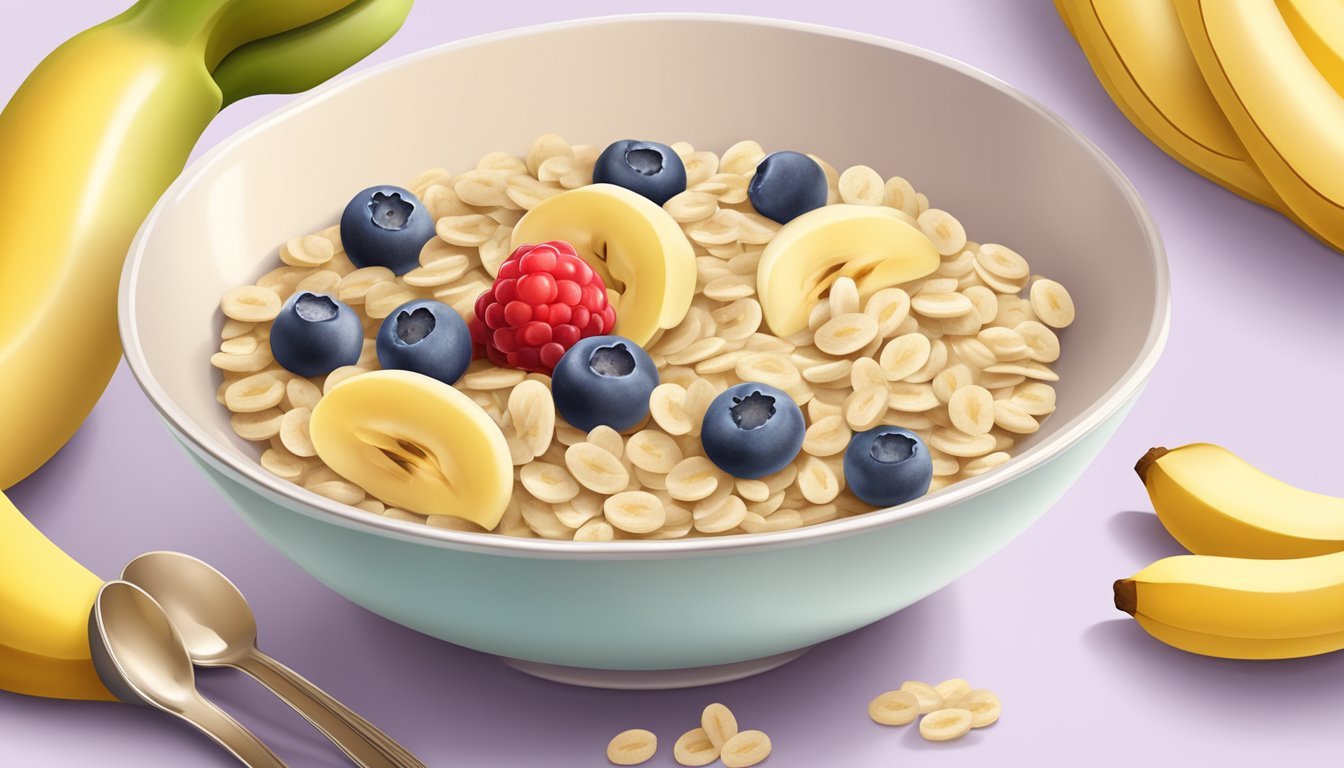
Healthy Times Organic Oatmeal Baby Cereal with Banana offers a nutritious first food option for infants. This cereal combines organic oats with banana for a wholesome blend that supports healthy growth and development. It provides essential nutrients like iron, fiber, and vitamins that are crucial during the early stages of a baby's life.
Parents looking for organic baby food options may find this cereal appealing. The oatmeal base is easy to digest and can be mixed to different consistencies as babies transition to solid foods. Adding banana to the mix introduces a natural sweetness and additional nutrients without artificial flavors or preservatives.
As with any baby food, it's important to introduce new foods gradually and under pediatric guidance. The Healthy Times brand focuses on organic ingredients, which may appeal to parents concerned about pesticide exposure in conventional foods. This cereal can be part of a balanced diet for infants, providing energy and nutrients to support their rapid growth and development.
Understanding Baby Cereal
Baby cereal is often one of the first solid foods introduced to infants. It provides essential nutrients and helps babies transition to more complex foods.
Defining Baby Cereals
Baby cereals are finely ground grains specifically formulated for infants. Common types include rice, oatmeal, and mixed grain varieties. These cereals are designed to be easily digestible and are typically mixed with breast milk, formula, or water to create a smooth consistency.
Baby cereals are generally recommended for infants around 4-6 months old, depending on their developmental readiness. They serve as an introduction to solid foods and help babies practice eating from a spoon.
Benefits of Organic Baby Cereals
Organic baby cereals offer several advantages. They are produced without synthetic pesticides or fertilizers, reducing potential exposure to harmful chemicals. Organic cereals often contain higher levels of certain nutrients and antioxidants.
These cereals are typically free from genetically modified organisms (GMOs) and artificial additives. Many parents choose organic options to ensure a more natural and environmentally friendly start to their baby's solid food journey.
Organic baby cereals may also have a better taste, which can make the transition to solid foods more enjoyable for infants.
The Role of Iron in Baby Cereal
Iron plays a crucial role in baby cereals. Many brands are iron-fortified to support infants' growing needs. Iron is essential for cognitive development, immune function, and the production of healthy red blood cells.
Babies' iron stores typically deplete around 4-6 months of age, making iron-fortified cereals an important dietary addition. The iron in baby cereals is often more easily absorbed than iron from other sources.
Pediatricians often recommend iron-fortified cereals to help prevent iron deficiency anemia in infants. The amount of iron in baby cereals is carefully regulated to meet nutritional needs without exceeding safe levels.
Healthy Times Brand Overview
Healthy Times is a brand that specializes in organic baby products, including baby cereals. Their oatmeal baby cereal with banana is made from organic ingredients and fortified with essential nutrients.
The brand focuses on using non-GMO ingredients and avoids artificial preservatives, colors, and flavors. Healthy Times cereals are designed to be gentle on babies' developing digestive systems.
Their products are typically iron-fortified and may include additional vitamins and minerals to support infant growth and development. The brand aims to provide nutritious options for parents seeking organic and natural baby food choices.
Nutritional Components
Healthy Times Organic Oatmeal Baby Cereal with Banana provides essential nutrients for infant growth and development. This cereal combines wholesome ingredients with key vitamins and minerals to support a baby's nutritional needs.
Key Vitamins and Minerals
Iron is a crucial component of this baby cereal, supporting healthy brain development. The product contains electrolytic iron, which is easily absorbed by infants. Calcium, in the form of tricalcium phosphate, promotes strong bone and tooth formation.
Vitamin E (d-alpha tocopheryl acetate) acts as an antioxidant, protecting cells from damage. Zinc sulfate supports immune function and growth. B vitamins, including niacinamide, calcium d-pantothenate, and vitamin B12, aid in energy metabolism and nervous system development.
The cereal also contains folate, essential for DNA synthesis and cell division. Choline, while not always listed, plays a role in brain development and function.
Analyzing Essential Nutrients
The organic whole oat flour in this cereal provides complex carbohydrates, fiber, and protein. These nutrients support sustained energy and healthy digestion.
Banana adds natural sweetness and contributes additional vitamins and minerals. It's a good source of potassium, which helps maintain proper fluid balance and supports heart health.
The cereal's nutrient profile is designed to complement breast milk or formula, not replace it. It provides additional iron, which becomes increasingly important as babies grow and their iron stores from birth deplete.
Mixed tocopherols serve as natural preservatives, maintaining the cereal's freshness without artificial additives.
The Importance of Whole Grains
Whole grain oats form the base of this cereal, offering numerous nutritional benefits. They provide complex carbohydrates for sustained energy and fiber for digestive health.
Oats contain beta-glucans, a type of soluble fiber that may help support a healthy immune system. They also provide small amounts of protein, contributing to muscle development.
The whole grain content ensures that the cereal retains natural nutrients often lost in refined grains. This includes B vitamins, vitamin E, and minerals like magnesium and phosphorus.
Introducing whole grains early can help establish healthy eating habits. They provide a nutrient-dense foundation for a baby's diet as they transition to solid foods.
Feeding and Development
Introducing solid foods like organic oatmeal baby cereal with banana marks an important milestone in an infant's growth. Proper feeding practices support healthy development and lay the foundation for lifelong nutrition habits.
Stages of Introducing Solids
Most pediatricians recommend starting solid foods around 4-6 months of age. Signs of readiness include good head control and sitting with support.
Begin with single-ingredient foods like iron-fortified baby cereal mixed with breast milk or formula. Introduce new foods one at a time, waiting 3-5 days between each to watch for allergies.
At 6-8 months, add pureed fruits and vegetables. Progress to mashed and soft finger foods around 8-10 months as baby develops pincer grasp. By 12 months, most infants can eat modified table foods.
Recommended Feeding Practices
Offer solids after breast milk or formula feedings initially. Start with 1-2 tablespoons once daily, gradually increasing to 3-4 tablespoons 2-3 times per day.
Use a small spoon and feed slowly. Stop when baby turns away or closes mouth. Never force-feed.
Maintain proper positioning - baby should be sitting upright, preferably in a high chair.
Continue breast milk or formula as the primary source of nutrition for the first year. Introduce a sippy cup around 6 months.
Pediatrician's Advice on Baby Cereal
Many pediatricians recommend iron-fortified infant cereals as ideal first foods. They are easily digestible and provide essential nutrients for growth.
Single-grain cereals like oatmeal are often preferred over rice due to lower arsenic levels. Organic options minimize exposure to pesticides.
Mix cereal to a thin consistency with breast milk, formula, or water. Thicken gradually as baby adjusts.
Avoid adding cereal to bottles unless directed by a doctor. This can lead to excessive calorie intake and choking risks.
Growth Milestones and Nutrition
Proper nutrition supports key developmental milestones in the first year:
4-6 months: Doubling of birth weight, improved head control
6-8 months: Sitting without support, grasping objects
8-10 months: Crawling, pulling to stand
10-12 months: First steps, increased fine motor skills
Iron is crucial for brain development. Zinc supports immune function and growth. Protein and healthy fats aid in cell building and brain development.
Monitor growth at regular pediatric check-ups. Adjust feeding as needed based on individual growth patterns and pediatrician recommendations.
Safety and Quality
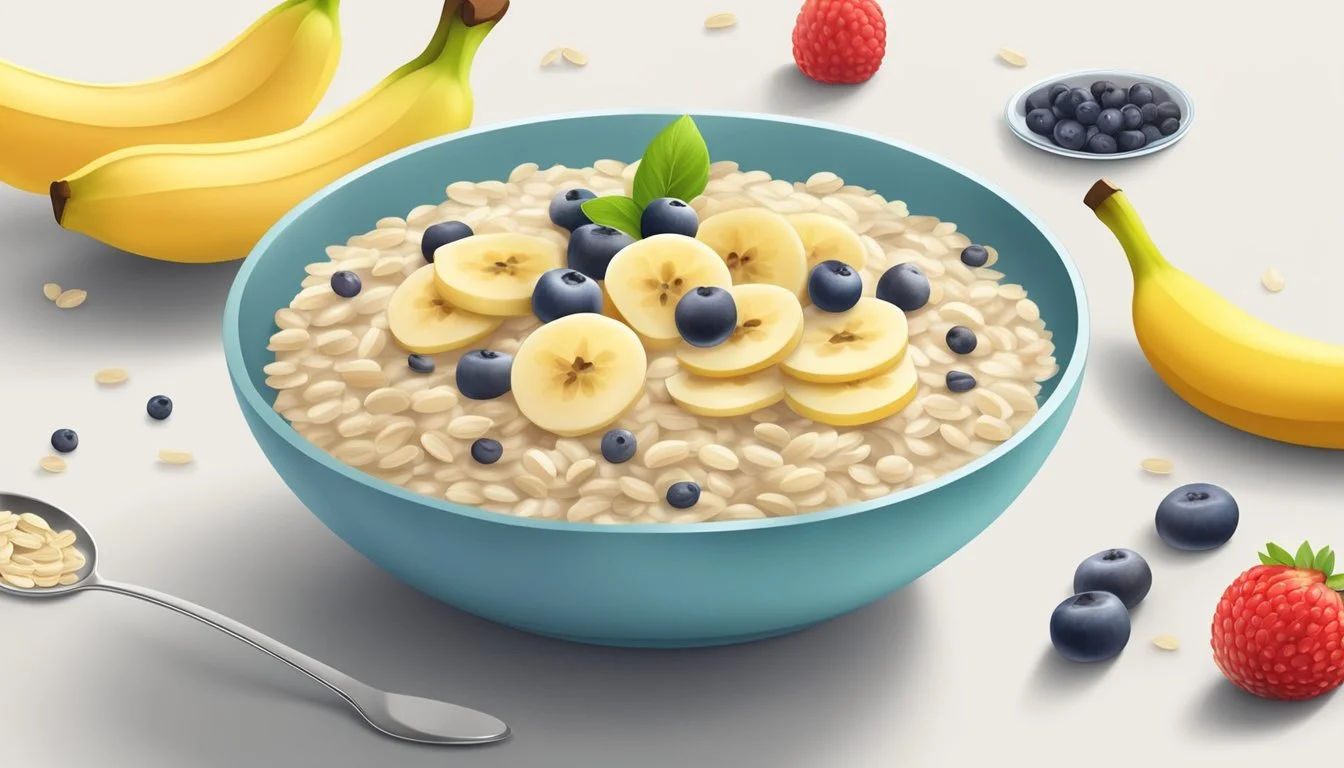
Healthy Times Organic Oatmeal Baby Cereal with Banana adheres to strict safety and quality standards. The company prioritizes organic ingredients, monitors contaminants, and considers potential allergens in their product formulation.
Understanding Organic Certification
Organic certification ensures the cereal is produced without synthetic pesticides or fertilizers. The USDA sets rigorous standards for organic foods, including baby cereals. Certified organic products must contain at least 95% organic ingredients.
Healthy Times uses organic oats and bananas in their cereal, meeting these requirements. This certification also prohibits the use of genetically modified organisms (GMOs) in the production process.
Organic farming practices aim to preserve soil health and reduce environmental impact. These methods can result in food with fewer pesticide residues, which is particularly important for developing infants.
Heavy Metals and Contaminants
Baby cereals, including organic varieties, can contain trace amounts of heavy metals like arsenic, lead, and cadmium. These occur naturally in soil and water but can be concerning in high concentrations.
Healthy Times, like other reputable baby food manufacturers, regularly tests their products for heavy metals. They work to keep levels below FDA and EPA guidelines.
Rice-based cereals typically have higher arsenic levels than oat-based options. Oatmeal cereals, like Healthy Times Organic Oatmeal, generally contain lower levels of arsenic.
Parents can reduce exposure by varying their baby's diet and not relying solely on one type of cereal.
Allergens and Baby Cereal
Food allergies are a significant concern for parents introducing solids to their infants. Oats are generally considered less allergenic than some other grains.
Healthy Times Organic Oatmeal Baby Cereal with Banana contains oats and banana, which are not among the top eight food allergens. However, the product may be processed in facilities that handle common allergens.
Parents should check the label for any allergen warnings. It's advisable to introduce new foods one at a time and watch for any adverse reactions.
For babies with known allergies or sensitivities, consulting a pediatrician before introducing new cereals is recommended.
Preparation and Usage
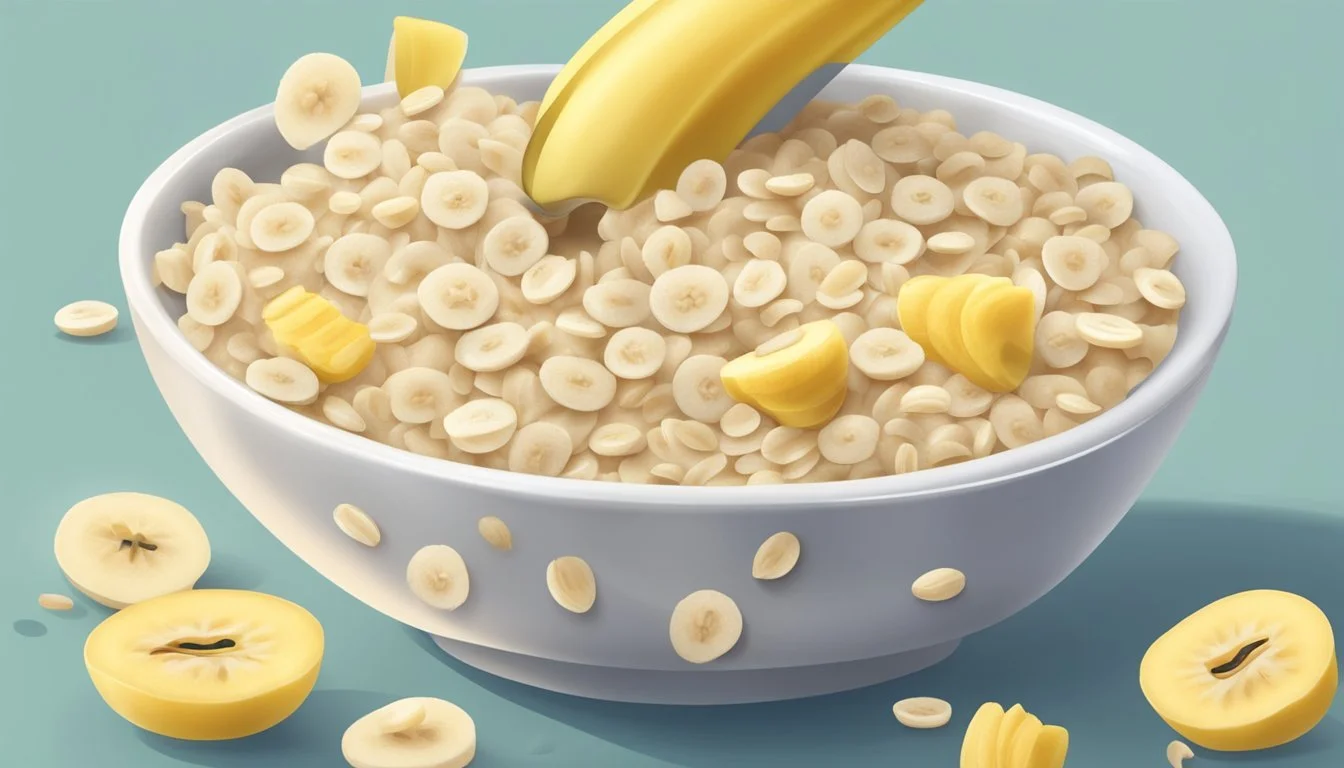
Healthy Times Organic Oatmeal Baby Cereal with Banana is designed for easy preparation and convenient feeding. This nutritious cereal can be customized to suit your baby's preferences and dietary needs.
Cooking Instructions
To prepare the cereal, measure the desired amount of dry cereal into a bowl. Add warm water, formula, or breastmilk gradually while stirring to achieve the preferred consistency. For younger babies, a thinner consistency is recommended.
For stovetop preparation, mix 1/4 cup of cereal with 3/4 cup of liquid. Heat over medium-low heat, stirring constantly until warm. Allow the mixture to cool before serving.
Microwave guidelines: Combine 1/4 cup of cereal with 3/4 cup of liquid in a microwave-safe bowl. Heat on high for 30 seconds, stir, then heat for an additional 15 seconds. Let cool and check temperature before feeding.
Serving Suggestions
Once prepared, the cereal is completely cooked and ready to serve. For babies just starting solids, offer small amounts on a spoon. As your baby grows, increase portion sizes gradually.
Mix the cereal with pureed fruits or vegetables to introduce new flavors and textures. Try adding mashed banana, applesauce, or pureed pears for variety.
For older babies, the cereal can be used as a base for breakfast bowls. Top with small pieces of soft fruits, a sprinkle of cinnamon, or a dollop of yogurt.
Always supervise your baby during feeding and discard any leftover cereal that has been in contact with saliva to prevent bacterial growth.
Additional Considerations
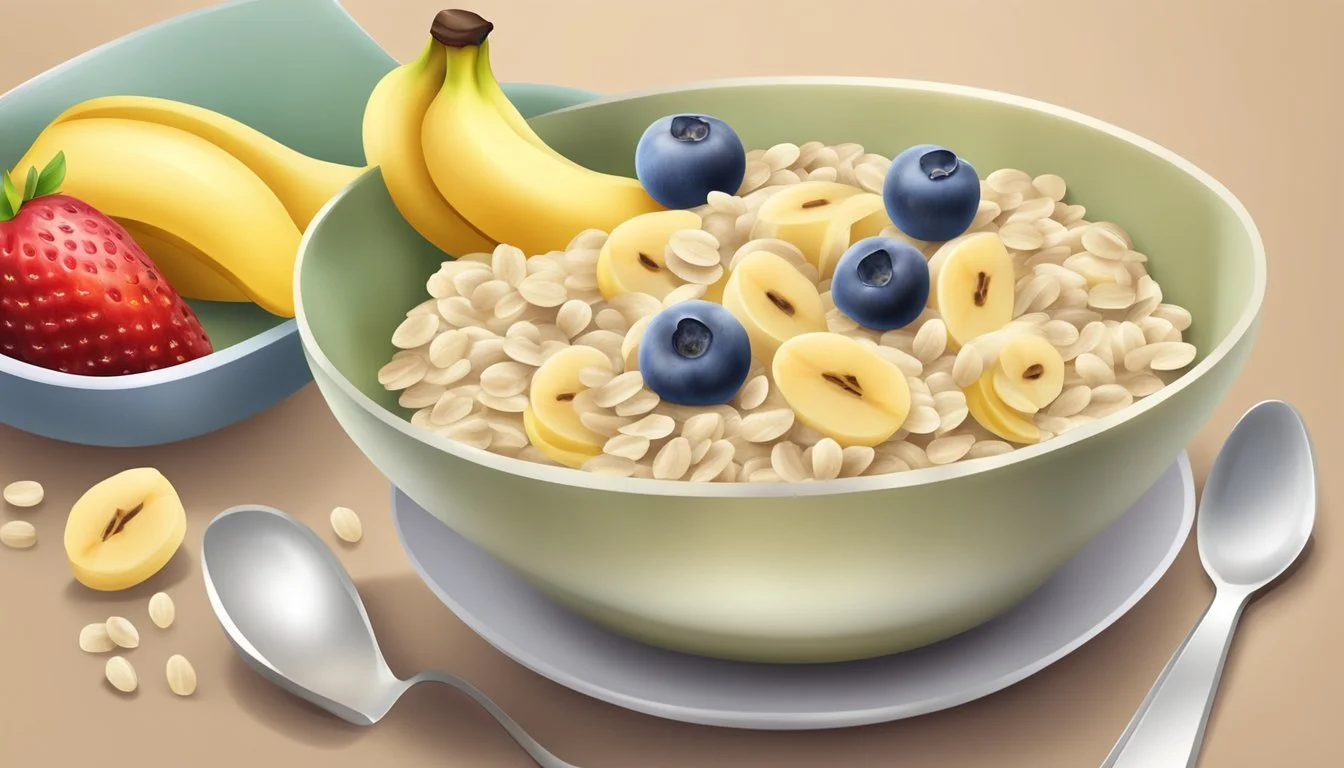
When choosing baby cereals, it's important to look beyond just oatmeal and banana options. There are various grains and ingredients to consider, as well as marketing tactics to be aware of when making selections.
Alternative Grains in Baby Cereal
Rice cereal has long been a popular first food for infants, but other grains offer nutritional benefits as well. Barley provides fiber and protein, while quinoa is a complete protein source. Buckwheat offers a gluten-free option rich in minerals. Single-grain cereals allow for easy digestion and allergy monitoring.
Some brands offer multi-grain blends that combine oats, barley, and other grains. These provide a wider range of nutrients but should be introduced gradually. Always consult a pediatrician before introducing new foods, especially for babies under 6 months old.
Understanding Labels and Marketing
Baby food manufacturers often use appealing packaging and claims to attract parents. It's crucial to read ingredient lists carefully. Look for products with minimal added sugars or preservatives. "Organic" labels indicate the ingredients were grown without synthetic pesticides or fertilizers.
Terms like "natural" or "made with real fruit" can be misleading. Check the order of ingredients to determine the primary components. Fortification with iron and other nutrients is common in baby cereals, but amounts can vary between brands.
Pay attention to age recommendations on packaging. Some cereals are designed for older infants with more developed digestive systems. Compare nutrition facts between brands to make informed choices about sugar, fiber, and vitamin content.
Consumer Information
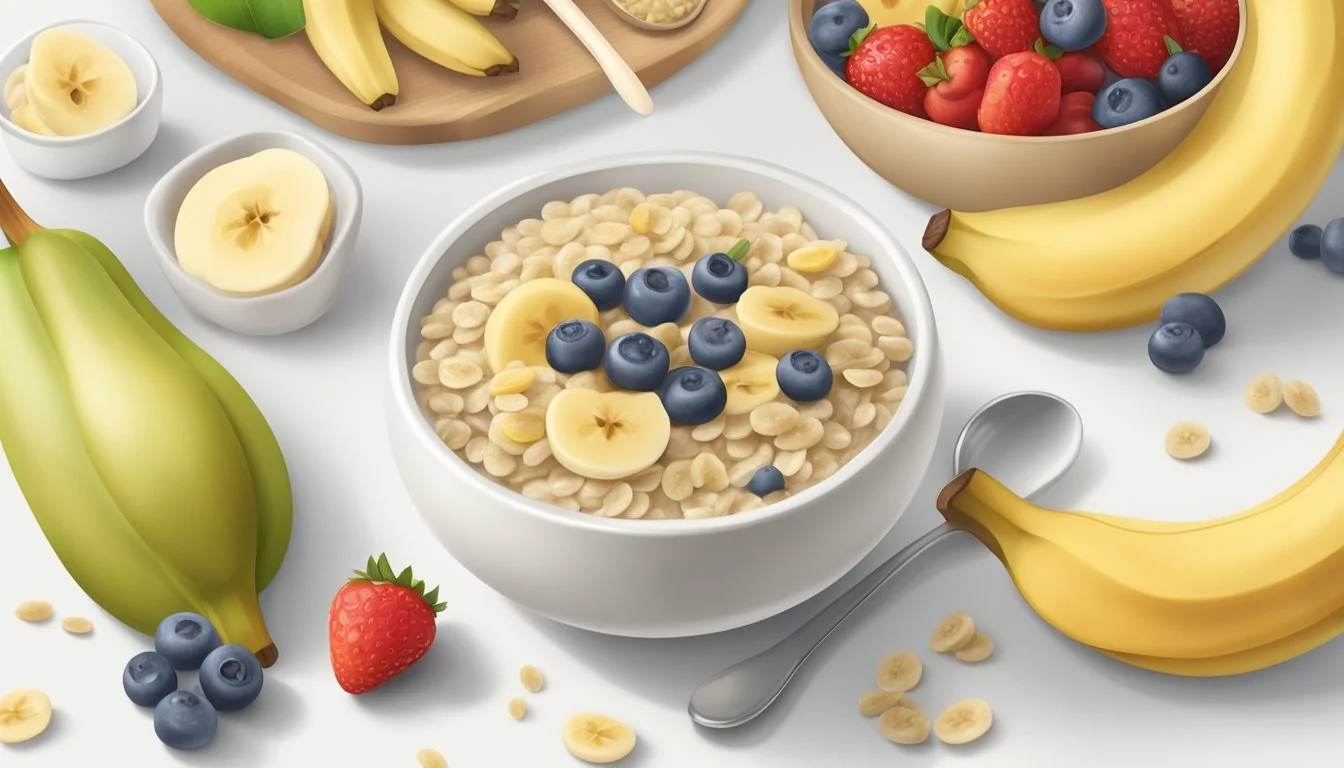
Healthy Times Organic Oatmeal Baby Cereal with Banana offers nutritional value and convenience for parents introducing solid foods. Consumers can find details on pricing, product features, and feedback from other caregivers.
Price and Value
The cereal is typically priced competitively compared to similar organic baby foods. A 5-ounce box usually costs between $4 to $6, depending on the retailer. Many parents find the organic ingredients and added banana flavor justify the price point.
The cereal provides approximately 15-20 servings per container, making it an economical choice for daily feedings. Some stores offer bulk discounts or subscribe-and-save options for regular purchases.
Product Reviews and Consumer Feedback
Parents generally rate this cereal positively, citing its smooth texture and mild banana flavor. Many appreciate the organic ingredients and iron fortification. The cereal mixes easily with breast milk, formula, or water.
Some reviewers note the cereal's versatility, using it to thicken purees or as an ingredient in homemade baby snacks. A few consumers mention the importance of checking expiration dates, as organic products may have shorter shelf lives.
Nutritional feedback is mostly positive. Parents value the protein content and added vitamins. The sodium content is typically low, appealing to those monitoring their baby's salt intake. Some users suggest introducing the cereal gradually to assess tolerance and preference.
Environmental and Ethical Aspects

Healthy Times Organic Oatmeal Baby Cereal with Banana demonstrates a commitment to environmental sustainability and ethical production. The company's practices impact soil health and biodiversity while adhering to kosher standards.
Organic Farming Practices
Healthy Times sources ingredients from certified organic farms. These farms avoid synthetic pesticides and fertilizers, promoting soil health and biodiversity. Organic oats and bananas are grown without genetic modification, preserving natural ecosystems.
The absence of added sugars in the cereal aligns with organic principles, focusing on whole food nutrition. Organic farming methods reduce water pollution and conserve energy compared to conventional agriculture.
Company Ethical Standards
Healthy Times maintains strict ethical standards in production and sourcing. The company ensures fair labor practices throughout its supply chain. They prioritize partnerships with farmers who use sustainable growing methods.
The cereal's kosher certification reflects adherence to specific religious and ethical guidelines. Healthy Times emphasizes transparency in ingredient sourcing and manufacturing processes. They regularly audit suppliers to maintain high ethical standards.
The company also invests in eco-friendly packaging to reduce environmental impact. Their commitment extends to supporting community initiatives that promote sustainable agriculture and child nutrition.