A Comprehensive Look at Infant Snack Benefits
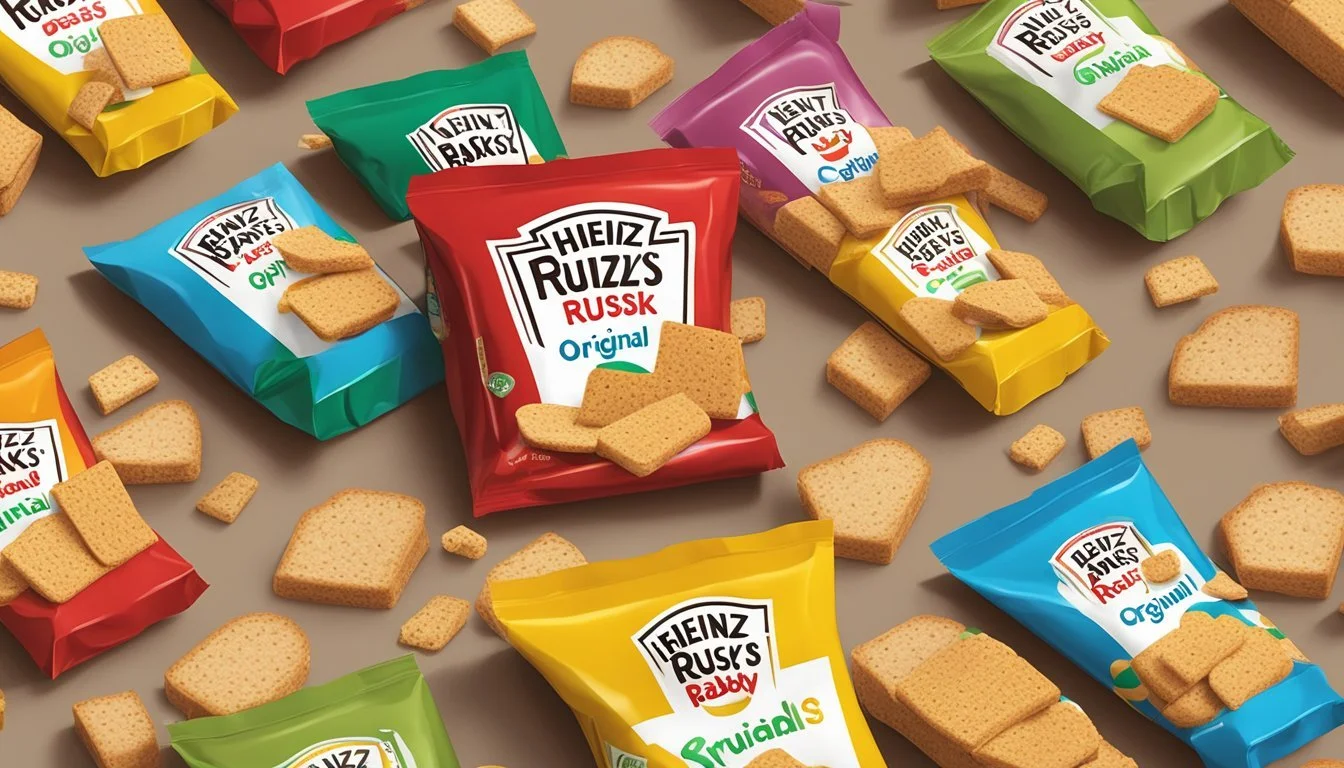
Heinz Farley's Original Rusks have been a trusted choice for introducing solid foods to babies for generations. These golden-baked biscuits offer a gentle flavor and firm texture that babies can easily grasp and chew. Farley's Original Rusks are fortified with seven key vitamins and minerals, including iron and calcium, to support healthy growth and development.
Parents appreciate the convenience and nutritional benefits of Farley's Rusks as a snack or meal supplement for infants. The rusks come in a 150g package, suitable for babies from 6 months onwards. They can be eaten dry or mixed with milk to create a smooth porridge-like consistency, allowing for versatility in feeding options.
While Farley's Rusks are popular, it's important for parents to consider their nutritional content as part of a balanced diet for their growing infants. The rusks contain some added sugars, so moderation is key when incorporating them into a baby's meal plan. As with any new food, it's advisable to consult with a pediatrician before introducing Farley's Rusks to an infant's diet.
Heinz Farley's Rusks Overview
Heinz Farley's Rusks have been a trusted baby food product for generations. These baked biscuits serve as an introduction to solid foods for infants and toddlers, offering both nutrition and convenience.
History and Brand Legacy
Farley's Rusks have been a staple in baby nutrition for over a century. The brand was established in the early 1900s and later acquired by Heinz, combining tradition with modern nutritional science. Farley's became synonymous with baby feeding, earning the trust of parents across generations.
These rusks gained popularity during World War II when food rationing made them a valuable source of nutrients for growing children. Their long-standing presence in the market has made them a nostalgic favorite for many adults who recall eating them as children.
Heinz has maintained the original recipe while adapting to current nutritional guidelines. This blend of heritage and innovation has kept Farley's Rusks relevant in the competitive baby food market.
Product Description
Heinz Farley's Original Rusks are golden-baked biscuits designed for babies from 6 months onwards. They come in 150g or 300g packages, containing 9 or 18 rusks respectively. The rusks are formulated to dissolve quickly in the mouth, making them safe for teething babies.
These biscuits are fortified with 7 key vitamins and minerals, including:
Iron
Calcium
Vitamin D
One rusk provides 20% of a baby's daily iron requirement. They can be eaten dry or mixed with milk to create a smooth paste, offering versatility in feeding methods.
Farley's Rusks are free from artificial colors, flavors, and preservatives. They serve as a convenient snack or meal component, supporting babies' transition to solid foods. The rusks' texture also aids in developing motor skills as babies learn to grasp and feed themselves.
Nutritional Profile
Heinz Baby Farley's Original Rusks offer a blend of essential nutrients for growing infants. They provide energy, macronutrients, and key vitamins and minerals important for early development.
Macro Nutrients
Farley's Original Rusks contain a mix of carbohydrates, proteins, and fats. Carbohydrates are the primary macronutrient, providing energy for active babies. The rusks have a moderate protein content to support growth and development.
Fat content is relatively low. Exact macronutrient quantities may vary slightly between batches, but typically fall within these ranges per 100g:
Carbohydrates: 70-80g
Protein: 7-10g
Fat: 5-8g
Vitamins and Minerals
These rusks are fortified with several important vitamins and minerals. Iron is a key nutrient, with one rusk providing 20% of a baby's daily requirement. This helps prevent iron deficiency anemia in infants.
Other notable micronutrients include:
Calcium: Supports bone development
Vitamin D: Aids calcium absorption
B vitamins (niacin, thiamin, riboflavin): Important for energy metabolism
Vitamin A: Supports vision and immune function
Salt content is kept low to suit infant nutritional needs. The exact mineral content can vary, but these rusks aim to provide a balanced mix of essential nutrients for growing babies.
Ingredient Breakdown
Heinz Farley's Original Rusks contain a blend of ingredients designed for infant nutrition. The product's formulation aims to provide essential nutrients while considering potential dietary restrictions and allergens.
Key Ingredients
Wheat flour forms the base of Farley's Rusks, providing carbohydrates for energy. Palm oil is added for texture and as a source of fat. Calcium carbonate enriches the rusks with calcium, supporting bone development.
Raising agents, specifically ammonium carbonates, help create the characteristic texture. An emulsifier (monoglycerides) is used to maintain product consistency.
Sugar is included to enhance palatability for infants. The rusks are fortified with additional vitamins and minerals to support growth and development.
Potential Allergens
Wheat flour makes these rusks unsuitable for individuals with gluten sensitivities or celiac disease. The product contains cereals with gluten, a common allergen in infants.
Farley's Rusks may contain traces of milk due to manufacturing processes. This poses a risk for babies with dairy allergies or intolerances.
Parents should carefully read labels and consult healthcare providers if concerned about potential allergic reactions.
Special Diets Consideration
Farley's Original Rusks are suitable for vegetarian diets. They contain no animal-derived ingredients.
The product is made without genetically modified (GM) ingredients, appealing to parents seeking non-GMO options.
These rusks are not appropriate for vegan diets due to potential milk content. They are also unsuitable for gluten-free or wheat-free diets.
Babies with specific nutritional needs or restrictions may require alternative products. Always consult a pediatrician before introducing new foods.
Feeding Guidelines
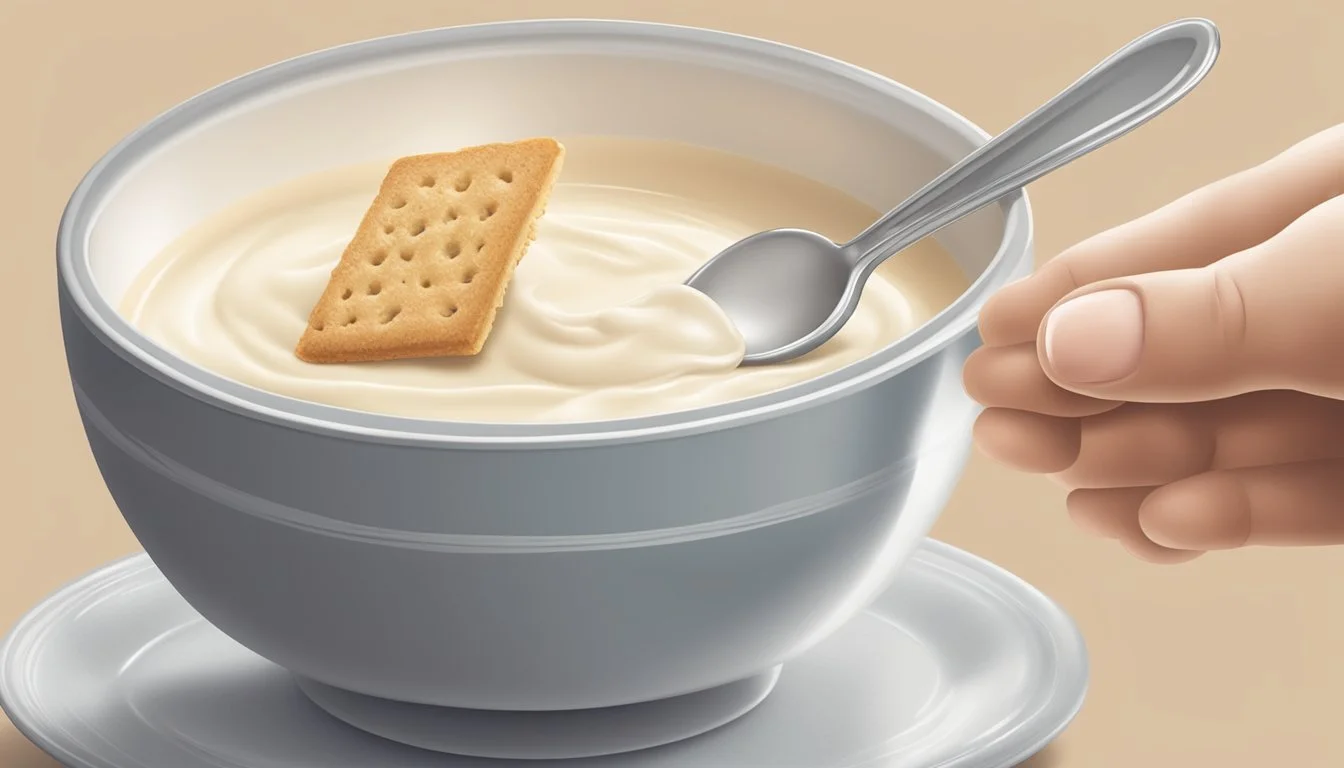
Introducing Farley's Rusks as part of a baby's diet requires careful consideration of timing, preparation, and balance with other foods. Proper feeding practices help ensure optimal nutrition and development.
Introducing Solid Foods
Farley's Rusks can play a role in transitioning infants to solid foods. Start by crushing a small amount of rusk into a smooth paste mixed with breast milk or formula. Gradually increase texture as the baby becomes more comfortable with solids.
Offer rusks at the beginning of a meal when the baby is hungry but not overly so. This helps prevent frustration and encourages acceptance of new textures.
Monitor for any signs of allergies or digestive discomfort when first introducing rusks. If concerns arise, consult a pediatrician.
Appropriate Age for Farley's Rusks
Farley's Rusks are typically suitable for babies from 4-6 months old, depending on individual development. Signs of readiness include:
Ability to sit upright with support
Good head and neck control
Loss of tongue-thrust reflex
Showing interest in food
Always consult a healthcare professional before introducing any solid foods, including rusks. They can provide personalized advice based on the baby's growth and development.
Balancing With Varied Weaning Diet
While Farley's Rusks provide nutrients, they should not be the sole focus of a baby's diet. Incorporate a variety of foods to ensure balanced nutrition:
Introduce soft, cooked meats and legumes
Include iron-fortified cereals
Limit rusk consumption to 1-2 per day as part of a diverse diet. This helps prevent overreliance on a single food source and encourages acceptance of different flavors and textures.
Gradually reduce reliance on rusks as the baby progresses to more varied solid foods. Continue to offer a range of nutrient-dense options to support growth and development.
Usage and Storage
Proper storage and handling of Heinz Farley's Original Rusks is essential to maintain their quality and nutritional value. These guidelines ensure the rusks remain fresh and safe for consumption.
Preserving Freshness
Heinz Farley's Original Rusks come in a foil bag designed to protect them from moisture and air. Once opened, transfer the rusks to an airtight container to maintain their crispness.
Keep the container in a cool, dry place away from direct sunlight. Avoid storing near heat sources or in humid areas like the refrigerator.
Check the packaging for the "best before" date to ensure optimal freshness. Each pack typically contains 9 rusks, making it easy to track consumption.
Shelf Life and Storage Instructions
Unopened packs of Heinz Farley's Original Rusks have a shelf life of several months when stored properly. Always check the expiration date printed on the packaging before use.
After opening, consume the rusks within 4-6 weeks for best quality. Store in the original foil bag, tightly sealed, or transfer to an airtight container.
Monitor for any signs of moisture or mold. Discard the rusks if they develop an off odor, unusual appearance, or taste. Always refer to the packaging for specific storage instructions and nutritional information.
Health and Safety
Farley's Rusks provide nutritional benefits but require careful consideration for dental health and food safety. Proper handling and consumption practices are essential to maximize their benefits while minimizing potential risks.
Dental Health Considerations
Rusks contain carbohydrates that can contribute to tooth decay if not managed properly. Parents should brush their child's teeth regularly, especially after consuming rusks. The firm texture of rusks can help with teething, but prolonged exposure to sugars may impact dental health.
Sodium content in rusks is generally low, adhering to recommended levels for babies. However, excessive consumption should be avoided to prevent unnecessary sodium intake.
Food Safety and Quality Assurance
Heinz maintains strict quality control measures for Farley's Rusks. The packaging includes clear labeling with nutritional information and allergy warnings. Parents should check the Labelling Reference Value (LRV) to understand nutrient content relative to daily requirements.
Allergen information is prominently displayed to prevent accidental exposure. Common allergens are clearly listed on the packaging.
Proper storage is crucial. Keep rusks in a cool, dry place and seal the package after opening. Check expiration dates before feeding to ensure freshness and safety.
Societal and Environmental Responsibility
Heinz demonstrates commitment to sustainability and environmental stewardship in their production of Farley's Rusks. The company balances nutritional value with eco-friendly practices and packaging considerations.
Sustainability Practices
Heinz prioritizes sustainable sourcing for Farley's Rusks ingredients. The company works with farmers to implement responsible agricultural methods, reducing water usage and minimizing chemical inputs. Heinz has set targets to decrease its carbon footprint in rusk production.
Energy-efficient manufacturing processes are employed in Farley's Rusks facilities. The company invests in renewable energy sources and waste reduction initiatives. Heinz also focuses on optimizing transportation logistics to lower emissions associated with product distribution.
Product Packaging and Environmental Impact
Farley's Rusks packaging undergoes continuous improvement to reduce environmental impact. Heinz uses recyclable materials for the rusk boxes and has decreased packaging weight to minimize waste. The company clearly labels packaging with recycling instructions and EAN codes for easy identification.
Heinz is exploring biodegradable packaging options for future Farley's Rusks products. The manufacturer aims to eliminate single-use plastics from its packaging by 2025. Efforts are underway to educate consumers on proper disposal and recycling of rusk packaging.