Nestlé Cerelac Wheat with Milk
Essential Facts for Infant Development
Nestlé Cerelac Wheat with Milk Cereal is a popular infant food product designed to support babies' nutritional needs during the complementary feeding stage. This instant cereal, fortified with vitamins and minerals, offers a convenient option for parents introducing solid foods to their little ones from 6 months onwards.
One serving of Nestlé Cerelac Wheat with Milk Cereal (28g) contains approximately 70 calories, with a macronutrient breakdown of 67% carbohydrates, 21% fat, and 12% protein. The product is formulated to provide essential nutrients in a easily digestible form, helping to meet the growing nutritional demands of infants and toddlers.
The cereal's composition includes wheat and milk, making it a source of both grains and dairy. It also contains added vitamins, minerals, and probiotics to support overall growth and development. Parents can prepare this cereal by simply adding lukewarm water, making it a quick and easy meal option for busy caregivers.
Product Overview
Nestlé Cerelac Wheat with Milk is a nutrient-dense infant cereal designed to support a baby's nutritional needs during the complementary feeding stage. This product offers a convenient and balanced option for parents introducing solid foods to their little ones.
What Is Cerelac?
Cerelac is an instant infant cereal fortified with vitamins and minerals. It contains wheat and milk, providing essential nutrients for growing babies. The cereal is easy to prepare by simply adding water. Cerelac is formulated to complement breast milk or formula, offering additional nutrients as babies transition to solid foods.
Nestlé has designed Cerelac to be smooth in texture, making it easy for infants to consume. The product comes in various package sizes, including 250g and 500g options, catering to different household needs.
Who Is Cerelac For?
Cerelac is specifically formulated for babies starting from 6 months of age. It serves as an ideal first solid food for infants who are ready to begin the complementary feeding journey. The cereal is suitable for babies who have shown signs of readiness for solids, such as good head control and the ability to sit with support.
Parents and caregivers can use Cerelac as part of a varied diet for their infants. It's important to note that while Cerelac provides nutrients, it should not replace breast milk or formula entirely. Healthcare professionals recommend introducing a variety of foods alongside Cerelac to ensure a balanced diet for growing babies.
Nutritional Profile
Nestle Cerelac Wheat with Milk Cereal offers a range of essential nutrients for infant growth and development. This nutritional profile examines the key components and ingredients that make up this popular baby food.
Key Nutrients in Cerelac
Cerelac Wheat with Milk Cereal provides a balance of macronutrients and micronutrients. It contains 419 calories per 100g serving, offering energy for growing babies. The cereal is a good source of carbohydrates, primarily from wheat, which fuels infant activities.
Protein content supports muscle development and growth. The milk in the formula adds calcium for strong bones and teeth. Iron, a crucial nutrient for cognitive development and preventing anemia, is also present.
Vitamins A, C, D, and E contribute to various bodily functions. B-complex vitamins like B1, B6, niacin, and riboflavin aid in metabolism and energy production. Minerals such as zinc support immune function and growth.
Understanding the Ingredients List
The main ingredients in Cerelac Wheat with Milk Cereal are wheat flour and milk powder. These form the base of the product, providing carbohydrates and protein.
Added vitamins and minerals fortify the cereal. These typically include iron, calcium, zinc, and various vitamins. Some formulations may contain probiotics to support digestive health.
Sugar is often included to enhance palatability for infants. The amount of added sugars should be monitored as part of a balanced diet. Cerelac may also contain small amounts of vegetable oils for essential fatty acids.
Preservatives and emulsifiers might be present in minimal quantities to maintain product quality and texture. Parents should check the label for potential allergens, especially if their child has sensitivities.
Health Benefits

Nestlé Cerelac Wheat with Milk Cereal offers several nutritional advantages for infants and young children. It contains essential nutrients that support cognitive development, growth, and bone health.
Cognitive Development and Essential Nutrients
Cerelac Wheat with Milk Cereal is fortified with iron, a crucial nutrient for cognitive development in infants. Iron deficiency can impair brain function and learning abilities in young children.
The cereal also contains vitamin B1, which plays a role in energy production and supports brain function. Omega-3 fatty acids, another key component, contribute to brain development and cognitive performance.
Iodine, present in Cerelac, is essential for proper thyroid function and cognitive development. The World Health Organization (WHO) recommends iodine supplementation in areas where deficiency is common.
Growth and Bone Development
Calcium and vitamin D3 are two important nutrients in Cerelac that support bone development in growing children. Calcium is crucial for building strong bones and teeth, while vitamin D3 aids in calcium absorption.
The cereal provides a source of energy and carbohydrates necessary for growth and daily activities. Protein, another key component, supports muscle development and overall growth in young children.
Cerelac also contains probiotics, which may help strengthen the immune system and promote digestive health. These beneficial bacteria can support overall growth and development by improving nutrient absorption.
Special Ingredients

Nestlé Cerelac Wheat with Milk Cereal contains several special ingredients that contribute to its nutritional value and potential health benefits for infants and toddlers. These components are carefully selected to support growth and development during crucial early stages.
Role of Probiotics
Cerelac incorporates probiotics, specifically Bifidus BL, to support digestive health. These beneficial bacteria help maintain a healthy gut microbiome in infants. Probiotics can aid in digestion, potentially reduce the risk of gastrointestinal issues, and support the immune system.
Bifidus cultures are known for their ability to thrive in the infant gut environment. They may help prevent the growth of harmful bacteria and promote regular bowel movements. The addition of probiotics to Cerelac aligns with current nutritional trends focusing on gut health.
The Significance of Cereals in Cerelac
Cereals form the foundation of Cerelac, with wheat being a primary ingredient. Wheat provides essential carbohydrates, fiber, and some protein. The cereal base offers a range of nutrients vital for infant growth and development.
Rice is often included alongside wheat, offering a complementary nutrient profile. These grains are easily digestible for young children. Cereal ingredients in Cerelac are processed to ensure they are suitable for infant consumption.
The combination of wheat and rice provides a balanced source of energy. Cereals also serve as a vehicle for fortification with vitamins and minerals, enhancing the overall nutritional value of the product.
Dietary Considerations
Nestle Cerelac Wheat with Milk cereal contains several ingredients that may affect dietary choices. Its composition includes milk products and added sugars, which are important factors for many consumers.
Allergens and Dietary Restrictions
Cerelac Wheat with Milk contains milk and milk-derived ingredients, making it unsuitable for those with dairy allergies or lactose intolerance. The product includes skimmed milk and milk skimmed solids, which are common allergens.
For individuals following a vegan diet, this cereal is not an option due to its milk content. Those with gluten sensitivities should also avoid this product, as wheat is a primary ingredient.
Cerelac is not recommended for babies under 6 months old, as it's designed for complementary feeding from 6 months onwards.
Sugar Content Analysis
Cerelac Wheat with Milk contains added sugars, including sucrose. The presence of sugar and honey contributes to its sweet taste and caloric content.
A 15g serving (2 tablespoons) contains approximately 60 calories, with 65% coming from carbohydrates. This high carbohydrate content is partly due to the added sugars.
For parents concerned about sugar intake, it's important to note that while these sugars can provide quick energy, they should be consumed in moderation. The American Heart Association recommends limiting added sugars in children's diets to less than 25 grams per day.
Vanillin, an artificial flavoring, is also present in the cereal, enhancing its taste without adding significant calories.
Feeding Recommendations and Advice
Introducing Cerelac wheat with milk cereal to your baby's diet requires careful attention to timing, consistency, and preparation. Proper feeding practices help ensure your child receives optimal nutrition as they transition to solid foods.
Introducing Cerelac to Your Baby
Start offering Cerelac wheat with milk cereal around 6 months of age, when your baby shows signs of readiness for solid foods. Begin with small amounts, about 1-2 teaspoons, mixed with breast milk or formula to create a thin consistency. Gradually increase the quantity and thickness as your baby adapts.
Offer Cerelac once a day initially, preferably in the morning. Slowly introduce it as part of other meals. Always use clean utensils and wash your hands before preparation. Mix the cereal just before feeding and discard any leftover portion.
Consistency and Texture
Adjust the cereal's consistency based on your baby's age and feeding abilities. For younger infants, mix Cerelac with more liquid to create a runny texture. As your baby grows, thicken the cereal by adding less liquid.
Start with a smooth puree-like consistency. Gradually introduce small, soft lumps around 7-8 months to help develop chewing skills. By 9-10 months, offer thicker textures with more pronounced lumps.
Avoid adding sugar, salt, or other seasonings to Cerelac. The cereal already contains essential nutrients and flavors suitable for infants. If desired, mix in pureed fruits or vegetables for variety.
Preparation and Storage
Proper preparation and storage of Nestle Cerelac Wheat with Milk Cereal ensures optimal nutrition and safety for infants. Following the recommended guidelines helps maintain the product's quality and prevents contamination.
How to Prepare Cerelac
To prepare Cerelac, start by washing your hands thoroughly. Use a clean bowl and spoon designated for baby food. Measure the recommended amount of cereal powder into the bowl.
Add lukewarm, previously boiled water gradually while stirring. Mix until you achieve a smooth consistency without lumps. The texture should be suitable for your baby's age and feeding stage.
Test the temperature on your wrist before feeding. It should feel comfortably warm, not hot. Adjust the thickness by adding more water or cereal if needed.
Prepare fresh for each feeding. Discard any leftover mixture to prevent bacterial growth.
Guidelines for Safe Storage
Store unopened Cerelac in a cool, dry place away from direct sunlight. Check the expiration date before use.
Once opened, reseal the package tightly after each use. Keep in a dry area to prevent moisture absorption, which can affect quality and safety.
Use within 3-4 weeks of opening for best results. Write the opening date on the package as a reminder.
Do not store prepared cereal. Mix only the amount needed for immediate consumption.
Keep feeding utensils clean and sterilized. Wash thoroughly after each use and store in a clean, dry container.
Product Variants and Purchasing Options
Nestlé® Cerelac offers a range of infant cereals in different flavors and sizes. These products are available through various retail channels and online platforms.
Available Flavors and Sizes
Nestlé® Cerelac Infant Cereals come in several flavors, including wheat with milk and wheat with honey. The wheat with milk variant is a popular choice for babies starting solid foods.
Cerelac is available in different package sizes to suit various needs. Common sizes include 250g and 500g packages. Some markets offer a 400g tin option as well.
The brand also produces specially formulated versions for different age groups, typically starting from 6 months onwards.
Where to Buy Cerelac
Cerelac products are widely available in supermarkets, grocery stores, and pharmacies. Many retailers stock these infant cereals in their baby food sections.
For convenience, Cerelac can be purchased through online delivery services and e-commerce platforms. This option is particularly useful for busy parents.
Availability may vary by country. Cerelac is sold in numerous markets, including KSA, Iraq, Bahrain, and Canada. Some variants are produced in Spain for specific markets.
When buying Cerelac, always check the product's expiration date and ensure the packaging is sealed and undamaged.
Nutritional Values and Additives
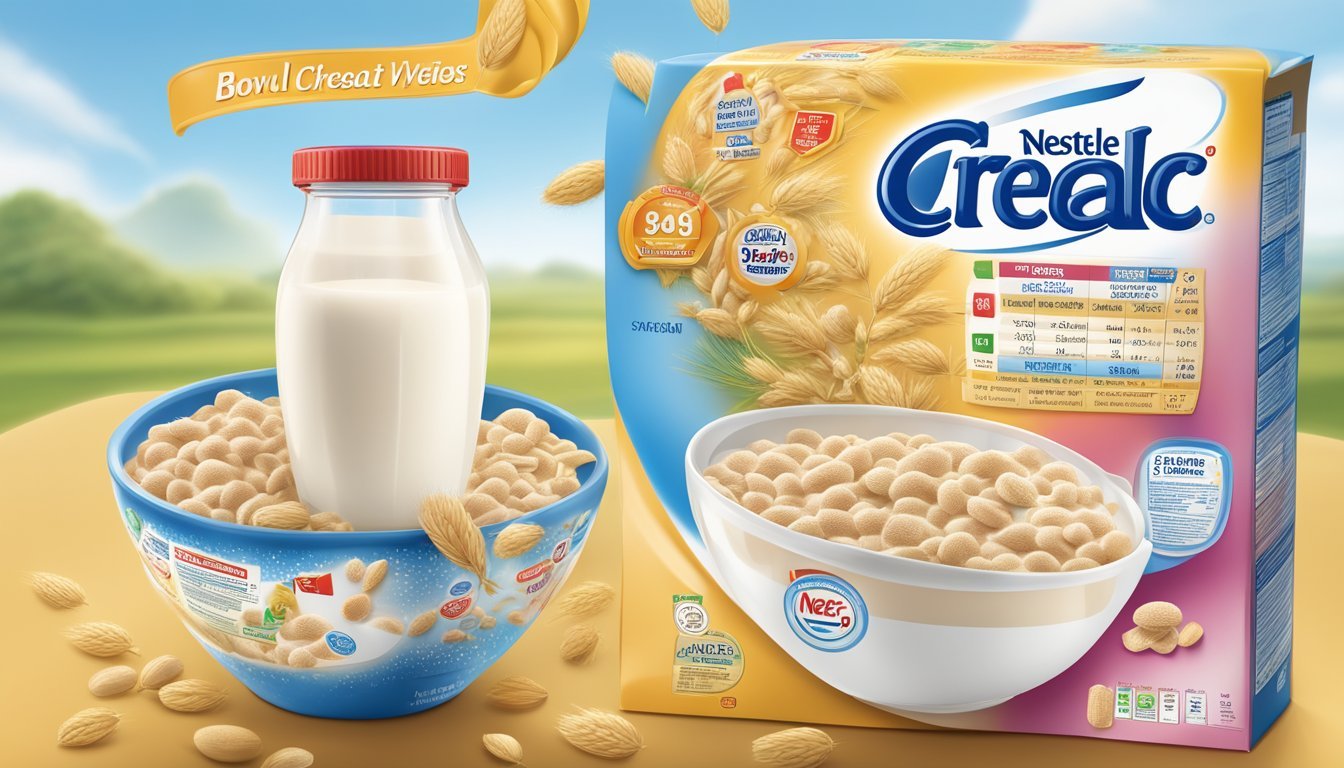
Nestle Cerelac Wheat with Milk cereal offers a blend of essential nutrients and additives designed for infant nutrition. The product contains a mix of vitamins, minerals, and other components to support early childhood growth and development.
Vitamins and Minerals Breakdown
Cerelac Wheat with Milk is fortified with key vitamins and minerals. It provides calcium for bone development, with calcium carbonate as a common source. Iron, often added as ferrous fumarate, supports cognitive function and prevents anemia.
The cereal contains phosphorus, working alongside calcium for bone health. Iodine is included to support thyroid function and brain development. B vitamins like B1, B2, and B6 aid in energy metabolism.
Vitamin A promotes eye health and immune function. Vitamin C enhances iron absorption and supports the immune system. Vitamin D assists in calcium absorption for strong bones and teeth.
Exploration of Additives
Cerelac Wheat with Milk includes additives to enhance its nutritional profile and palatability. Linoleic acid, an essential fatty acid, supports brain development and growth.
Probiotics may be added to promote digestive health and strengthen the immune system. These beneficial bacteria help maintain a healthy gut microbiome in infants.
The cereal often contains a blend of carbohydrates for energy. Proteins from milk and wheat provide building blocks for growth. Added sugars might be present to improve taste and acceptability.
Flavor enhancers and stabilizers may be used to maintain texture and extend shelf life. These additives ensure the product remains safe and appealing throughout its usable period.