WutsupBaby Organic Wholegrain Brown Rice & Quinoa Cereal
A Balanced Choice for Infants
WutsupBaby offers a line of certified-organic instant cereals that harness the nutritional benefits of quinoa and brown rice for infants and young children. These wholesome cereals provide essential nutrients to support healthy growth and development during crucial early stages of life.
WutsupBaby's organic wholegrain brown rice and quinoa cereal combines two nutrient-dense ingredients to create a nourishing meal option for babies. Brown rice contributes complex carbohydrates and fiber, while quinoa adds high-quality protein and essential amino acids. This blend offers a well-rounded nutritional profile to help meet the dietary needs of growing infants.
The company's focus on organic ingredients ensures the cereals are free from synthetic pesticides and genetically modified organisms. Parents seeking natural, minimally processed options for their little ones may find WutsupBaby's cereals align with their nutritional goals and values.
Overview of 'WutsupBaby' Brand
WutsupBaby is a Los Angeles-based organic baby food company founded in 2010. The brand specializes in quinoa-based infant cereals, offering a nutritious alternative to traditional rice cereals.
WutsupBaby was created by a husband and wife team with young children. They aimed to produce high-quality baby food using only the finest natural ingredients.
The company's product line includes four cereal mixes, all featuring quinoa as a key ingredient. These cereals can be prepared by adding milk, water, or juice.
WutsupBaby's quinoa powder is pre-cooked for easy preparation. It boasts an amino acid profile that closely resembles mother's milk, providing essential complete proteins for infant development.
The brand emphasizes the nutritional benefits of quinoa in their products. WutsupBaby cereals can be added to existing dishes like rice, soup, or porridge to enhance texture and nutritional value.
WutsupBaby offers certified-organic products, catering to parents seeking natural and wholesome options for their babies. The brand positions itself as a nutritious choice for health-conscious families.
The Importance of Organic Certification
Organic certification ensures that food products meet strict standards for production and processing. It verifies the absence of synthetic pesticides and GMOs while promoting sustainable farming practices.
Benefits of Organic Ingredients
Organic ingredients offer several advantages for baby food products. They are grown without synthetic pesticides, reducing potential chemical exposure for infants. Organic farming practices also prioritize soil health and biodiversity.
Organic crops often contain higher levels of certain nutrients. This can be particularly beneficial for developing babies. Organic farms typically use natural fertilizers, which may enhance the nutritional profile of foods.
The absence of GMOs in organic products is another key benefit. While the long-term effects of GMOs are still being studied, many parents prefer to avoid them in their baby's diet.
Understanding Organic Labels
Organic labels provide valuable information about a product's certification status. The USDA Organic seal indicates that a product contains at least 95% organic ingredients.
Products labeled "100% Organic" must contain only organic ingredients and processing aids. "Made with Organic Ingredients" means at least 70% of ingredients are certified organic.
It's important to note that organic certification covers more than just ingredients. It also regulates processing methods and prohibits the use of artificial preservatives, colors, and flavors.
Consumers should look for specific organic claims on baby food labels. These may include "certified organic," "USDA Organic," or a list of organic ingredients.
Wholegrain Brown Rice & Quinoa Cereal
WutsupBaby's organic wholegrain brown rice and quinoa cereal offers a nutritious blend of two powerhouse grains. This combination provides essential nutrients for infant growth and development.
Whole Grain Benefits
Whole grains retain all parts of the grain kernel, including the bran, germ, and endosperm. This preservation ensures a higher nutrient content compared to refined grains. Brown rice, a whole grain, contains fiber, vitamins, and minerals crucial for digestive health and overall well-being.
Fiber in whole grains aids in digestion and helps prevent constipation, a common concern for infants transitioning to solid foods. The B vitamins found in brown rice support energy production and brain development.
Quinoa as a Complete Protein Source
Quinoa stands out as an exceptional ingredient in baby cereals due to its complete protein profile. It contains all nine essential amino acids that the body cannot produce on its own.
This pseudocereal offers a protein quality comparable to mother's milk, making it an ideal supplement for infant nutrition. Quinoa's protein content supports muscle development and growth in babies.
Additionally, quinoa is naturally gluten-free, making it suitable for infants with gluten sensitivities or celiac disease. Its mild, nutty flavor blends well with other foods, easing the transition to more complex tastes.
Nutritional Profile
WutsupBaby organic wholegrain brown rice & quinoa cereal offers a balanced blend of essential nutrients. This nutritious combination provides a range of macronutrients, vitamins, and minerals crucial for infant development.
Macronutrient Breakdown
The cereal contains a mix of carbohydrates, proteins, and fats. Quinoa contributes high-quality complete protein, offering all nine essential amino acids. Brown rice adds complex carbohydrates for sustained energy.
The protein content supports growth and development in infants. Carbohydrates provide the primary energy source, while healthy fats aid in nutrient absorption and brain development.
Vitamins and Minerals Content
This cereal blend is rich in various vitamins and minerals. B vitamins, including thiamin, riboflavin, and niacin, are present in both quinoa and brown rice. These support energy metabolism and nervous system function.
Vitamin E, an antioxidant, is found in higher amounts in brown rice. The cereal also contains small amounts of vitamins A and C, contributing to immune function and overall health.
The Advantage of High Fiber Contents
The combination of brown rice and quinoa results in a fiber-rich cereal. Fiber aids in digestive health, promoting regular bowel movements and supporting the growth of beneficial gut bacteria.
For infants transitioning to solid foods, adequate fiber intake can help prevent constipation. The fiber content also contributes to a feeling of fullness, potentially helping with appetite regulation as babies grow.
Iron, Magnesium, and Potassium
Iron is a crucial mineral for infant development, supporting cognitive function and preventing anemia. Both quinoa and brown rice contain iron, with quinoa being a particularly good source.
Magnesium, found in both grains, plays a role in bone development and muscle function. Potassium, more abundant in quinoa, aids in maintaining proper fluid balance and supports heart health.
Zinc, another important mineral for growth and immune function, is present in moderate amounts in this cereal blend.
Health Benefits for Infants
WutsupBaby's organic wholegrain brown rice and quinoa cereal offers several important nutritional benefits for infants. This nutrient-dense blend supports digestive health, provides essential amino acids, and delivers immune-boosting antioxidants.
Supporting Digestive Health
The combination of brown rice and quinoa in WutsupBaby's cereal promotes healthy digestion in infants. Brown rice contains fiber that aids in regular bowel movements and prevents constipation. Quinoa is naturally gluten-free and easy to digest, making it gentle on developing digestive systems.
These whole grains also act as prebiotics, fostering the growth of beneficial gut bacteria. A healthy gut microbiome is crucial for proper nutrient absorption and immune function in babies.
Essential Amino Acids for Growth
Quinoa stands out as a complete protein source, containing all nine essential amino acids that infants need for proper growth and development. These amino acids are the building blocks of proteins, vital for:
Muscle development
Organ function
Immune system support
Brain development
The amino acid profile of quinoa is comparable to that of breastmilk, making it an excellent complementary food for infants transitioning to solids.
Immune Support from Antioxidants
Both brown rice and quinoa are rich in antioxidants, which play a crucial role in supporting infant immune systems. Antioxidants help protect cells from damage caused by free radicals, reducing the risk of infections and supporting overall health.
Key antioxidants in this cereal blend include:
Vitamin E
Selenium
Flavonoids
These compounds work together to strengthen the immune system, potentially reducing the frequency and severity of common childhood illnesses.
Feeding Guidance
Introducing WutsupBaby organic wholegrain brown rice & quinoa cereal to your baby's diet requires careful consideration of timing and texture. Proper feeding techniques ensure optimal nutrition and development as your little one transitions to solid foods.
Introducing Solids to Your Baby
Start introducing WutsupBaby cereal around 4-6 months, when your baby shows signs of readiness. These signs include sitting up with support, good head control, and interest in food. Begin with a thin consistency, mixing 1 tablespoon of cereal with 4-5 tablespoons of breast milk or formula.
Offer small amounts on a soft spoon once a day. Gradually increase frequency and quantity as your baby adjusts. Always feed in an upright position and watch for signs of fullness.
Texture and Consistency Adjustments
As your baby grows, adjust the cereal's texture to match their developmental stage. For stage one (4-6 months), maintain a smooth, runny consistency. Thicken slightly for stage two (6-8 months) by reducing liquid.
At 8-10 months, create a chunky texture by adding mashed fruits or vegetables. This helps develop chewing skills. By 10-12 months, incorporate WutsupBaby cereal into finger foods or mix with other solids.
Always supervise feedings and consult your pediatrician for personalized guidance.
Potential Concerns
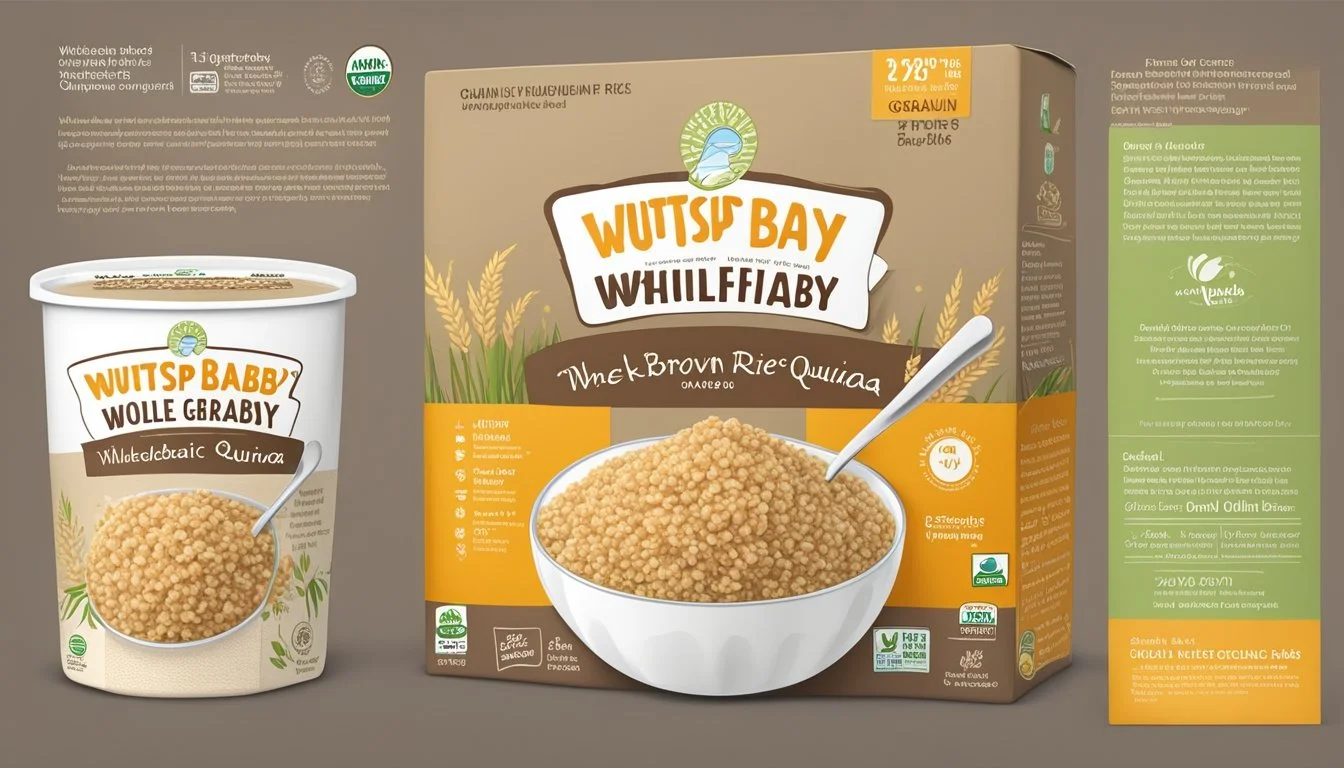
While WutsupBaby organic wholegrain brown rice & quinoa cereal offers nutritional benefits, some potential issues warrant consideration. These include arsenic content and possible allergic reactions.
Understanding Arsenic Content
Rice products can contain arsenic, a naturally occurring element in soil and water. Brown rice typically has higher arsenic levels than white rice due to its outer layers. WutsupBaby's cereal combines brown rice with quinoa, potentially reducing overall arsenic content compared to pure rice cereals.
Parents should be aware of arsenic exposure risks, especially for infants and young children. Limiting rice intake and varying grain sources can help mitigate these concerns. The FDA recommends not relying solely on rice cereals for infant feeding.
To minimize arsenic exposure, consider:
Mixing rice cereals with other grain options
Choosing quinoa-based products more frequently
Thoroughly rinsing rice before cooking
Allergies and Sensitivities
While WutsupBaby's cereal is gluten-free, some infants may still experience sensitivities. Rice allergies, though rare, can occur. Symptoms may include:
Skin rashes or hives
Digestive issues
Breathing difficulties
Quinoa allergies are even less common but possible. Its protein content may trigger reactions in some sensitive individuals.
For babies with sensitive tummies, introduce new foods gradually. Start with small amounts and watch for any adverse reactions. If concerns arise, consult a pediatrician before continuing use.
Always read labels carefully, as product formulations can change. If your child has known allergies, verify ingredient lists with each purchase.
Preparation and Usage Tips
WutsupBaby organic wholegrain brown rice & quinoa cereal offers versatile preparation options and convenient usage. Parents can easily incorporate this nutritious cereal into their baby's diet through various methods and recipes.
Mixing with Liquids
Mix 2 tablespoons of WutsupBaby cereal with 4-6 tablespoons of warm water, breast milk, or formula. Stir thoroughly to achieve a smooth consistency. Adjust the liquid amount to reach the desired thickness for your baby's preference.
For younger infants, a thinner consistency is recommended. As babies grow, the mixture can be thickened gradually. Always test the temperature before feeding to ensure it's comfortably warm.
Recipe Ideas
WutsupBaby cereal can be used in various recipes to add nutrition and texture. Mix it into pureed fruits or vegetables for a heartier meal. Try adding a spoonful to yogurt or applesauce for a quick snack.
For teething babies, freeze the prepared cereal in ice cube trays or popsicle molds for a soothing treat. The cereal can also be used as a thickening agent in homemade baby food recipes.
Create a nutritious breakfast by combining the cereal with mashed banana and a dash of cinnamon.
Storage and Handling
Store unopened packages of WutsupBaby cereal in a cool, dry place away from direct sunlight. Once opened, transfer the cereal to an airtight container to maintain freshness.
Use within 30 days of opening for optimal quality. Always use clean, dry utensils when scooping out the cereal to prevent moisture contamination.
Prepared cereal can be refrigerated for up to 24 hours. Discard any leftover cereal from a feeding session to prevent bacterial growth.
Product Variations and Formats
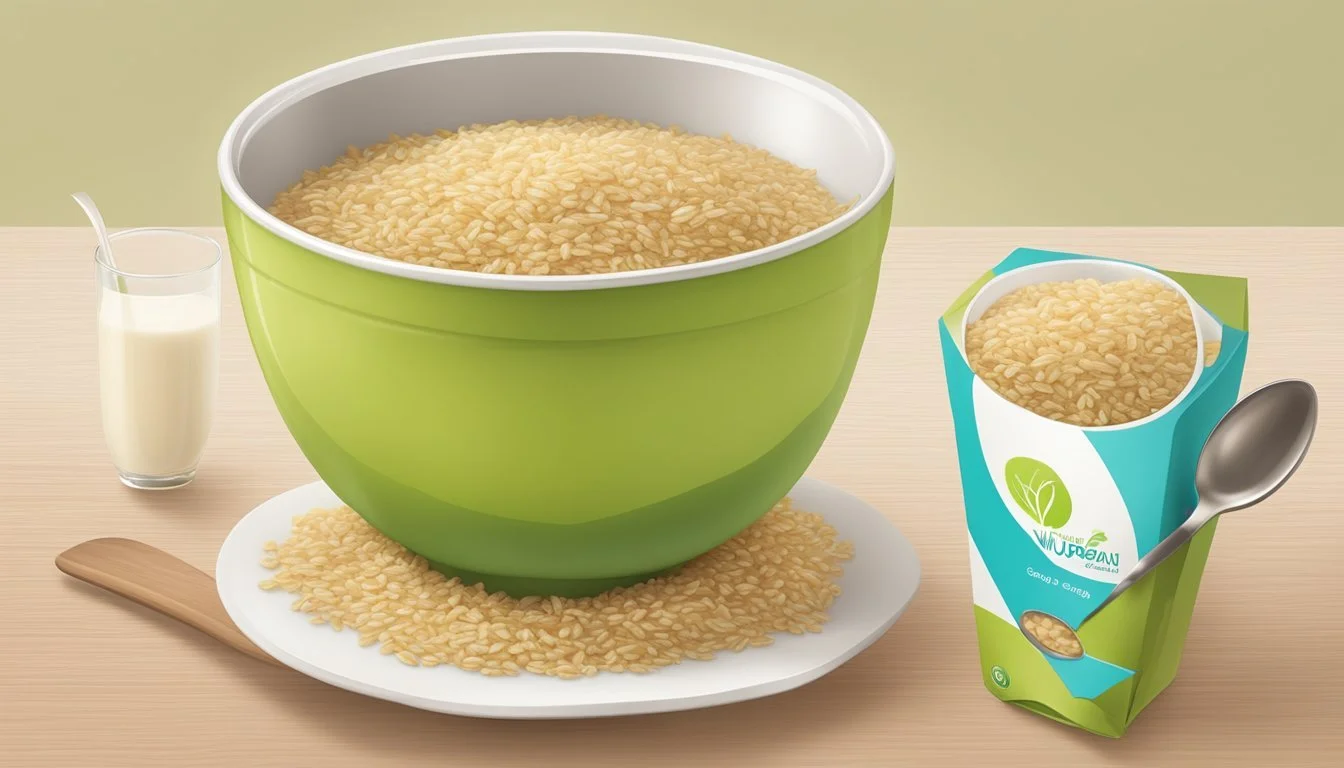
WutsupBaby offers its organic wholegrain brown rice and quinoa cereal in several product variations. The cereal comes in convenient single-serve travel packs, perfect for families on the go.
For parents looking to introduce variety into their baby's diet, WutsupBaby provides a range of flavors. These include original, apple, and banana, catering to different taste preferences.
The cereal serves as an excellent alternative to traditional oatmeal. It offers a unique blend of nutrients from both brown rice and quinoa, providing a diverse nutritional profile for growing infants.
Some variations of the cereal include added probiotics. These beneficial bacteria support digestive health and boost the immune system, making the transition to solids smoother for babies.
WutsupBaby's cereal is available in different textures to accommodate various stages of infant development. Parents can choose from smooth purées for beginners to more textured options for older babies developing their chewing skills.
The product line includes organic ingredients, catering to health-conscious parents seeking natural options for their children. This commitment to quality aligns with the growing demand for clean-label baby foods.
Comparison With Other Cereal Options
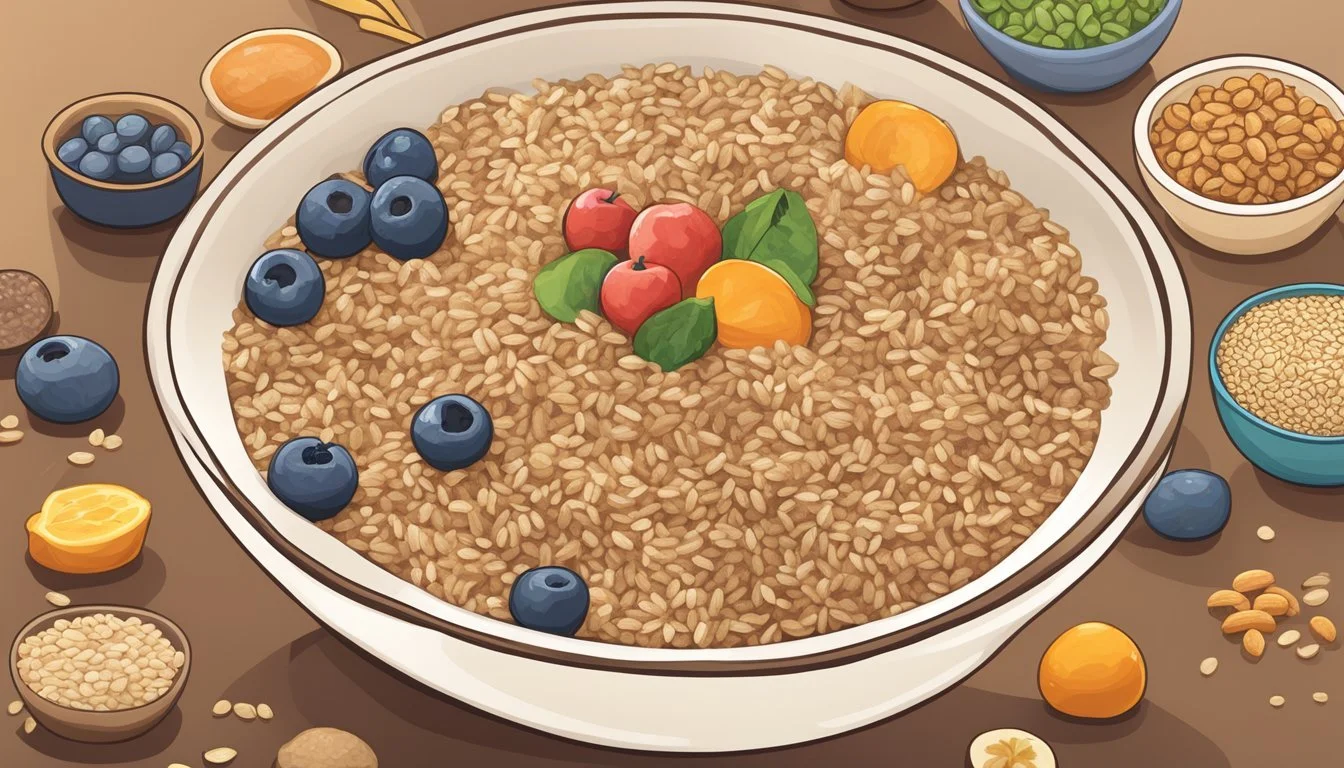
WutsupBaby Organic Wholegrain Brown Rice & Quinoa Cereal offers a unique blend of grains compared to traditional baby cereals. This combination provides a diverse nutrient profile and may offer different benefits than single-grain options.
Rice vs. Oatmeal Cereal
Rice and oatmeal cereals are popular first foods for babies. Rice cereals, like those from Gerber and Beech-Nut, are often easily digestible and less likely to cause allergies. However, they may contain lower levels of protein and fiber compared to oatmeal cereals.
Oatmeal cereals, such as those from Happy Baby, typically offer more protein, fiber, and complex carbohydrates. They can help keep babies feeling full for longer periods and may support digestive health.
WutsupBaby's brown rice and quinoa blend combines the benefits of both grains. It provides the gentle digestibility of rice with the added protein and fiber from quinoa.
Home-Made vs. Store-Bought Baby Cereals
Home-made baby cereals allow parents to control ingredients and customize textures. They can be made from various grains like rice, oats, or barley. However, they may lack the fortification of essential nutrients found in commercial cereals.
Store-bought options, including NurturMe and WutsupBaby, are fortified with iron and other vital nutrients. They offer convenience and consistent nutritional content. These cereals undergo rigorous safety testing and quality control measures.
Commercial cereals also come in a variety of flavors and grain combinations. This can help introduce babies to different tastes and textures, potentially reducing picky eating habits later on.
Consumer Insights

Parents appreciate WutsupBaby's organic wholegrain brown rice and quinoa cereal for its nutritional profile. The blend of brown rice and quinoa provides a balanced combination of grains that many find appealing.
The cereal's taste receives generally positive feedback. Some consumers describe a mild, nutty flavor that babies seem to enjoy. The texture is noted as smooth and easily digestible for infants.
Many parents value the lack of added sugars in the cereal. This aligns with recommendations to limit sugar intake in young children's diets.
The product's organic status is a key selling point for health-conscious caregivers. They feel more confident about the ingredients' quality and sourcing.
Some consumers report mixing the cereal with breast milk or formula to create a consistency their babies prefer. This versatility in preparation is seen as a benefit.
A few parents mention the cereal's potential to cause constipation in some infants, though this is not a universal experience. As with any new food, gradual introduction is often recommended.
The cereal's nutrient density, particularly its protein content from quinoa, is frequently cited as a positive attribute. Parents feel they are providing a nutritious start to their baby's day.
Environmental and Ethical Considerations

WutsupBaby's organic wholegrain brown rice and quinoa cereal reflects a commitment to sustainability and ethical production. The company prioritizes environmentally-friendly farming methods and maintains strict policies against GMOs and added sugars.
Sustainable Farming Practices
WutsupBaby sources ingredients from certified organic farms. These farms use natural pest control methods and avoid synthetic pesticides and fertilizers. Crop rotation and composting help maintain soil health. Water conservation techniques reduce environmental impact.
Organic farming practices protect biodiversity and minimize pollution. They also support soil carbon sequestration, which helps mitigate climate change. WutsupBaby's supply chain emphasizes fair labor practices and supports small-scale farmers.
Non-GMO and No Added Sugar Policy
WutsupBaby's cereal contains no genetically modified organisms (GMOs). This policy aligns with consumer preferences for natural ingredients. It also supports biodiversity by avoiding potential cross-contamination with non-GMO crops.
The company strictly prohibits added sugars in its cereal. This stance promotes infant health by avoiding unnecessary sugar intake. It also reduces the environmental impact associated with sugar production. Natural whole grains provide essential nutrients without artificial sweeteners.
WutsupBaby's transparent labeling allows parents to make informed choices about their baby's nutrition. The company's commitment to organic, non-GMO, and no-added-sugar ingredients sets a high standard for ethical baby food production.
Regulatory Standards and Safety

Strict guidelines govern the production and safety of infant cereals like WutsupBaby's organic wholegrain brown rice and quinoa products. These standards focus on limiting harmful contaminants and ensuring proper nutrition for babies.
Food and Drug Administration Guidelines
The FDA sets specific limits on contaminants in baby foods. For rice products, inorganic arsenic is a key concern. The FDA has established an action level of 100 parts per billion (ppb) for inorganic arsenic in infant rice cereals. Manufacturers must regularly test their products and implement practices to keep arsenic levels below this threshold.
Nutrient requirements are also regulated. Infant cereals must contain minimum amounts of iron, zinc, and other essential nutrients. The FDA requires labels to accurately list ingredients and nutritional content. Organic certification adds another layer of oversight, prohibiting synthetic pesticides and fertilizers in ingredient production.
Long-Term Exposure Studies
Research on long-term effects of arsenic exposure in infants is ongoing. Some studies suggest potential links between early arsenic exposure and developmental issues. However, results are not conclusive.
Researchers track arsenic levels in various foods and monitor health outcomes in populations. These studies help refine safety guidelines over time. The FDA updates its recommendations based on new scientific evidence.
Manufacturers like WutsupBaby may conduct their own testing beyond regulatory requirements. This can include:
Regular product testing for arsenic and other contaminants
Sourcing ingredients from low-arsenic regions
Using processing methods that reduce arsenic content
Parents are advised to offer a variety of grains in their infant's diet to minimize potential risks from any single source.