Crafting Baked Goods Without Traditional Pans
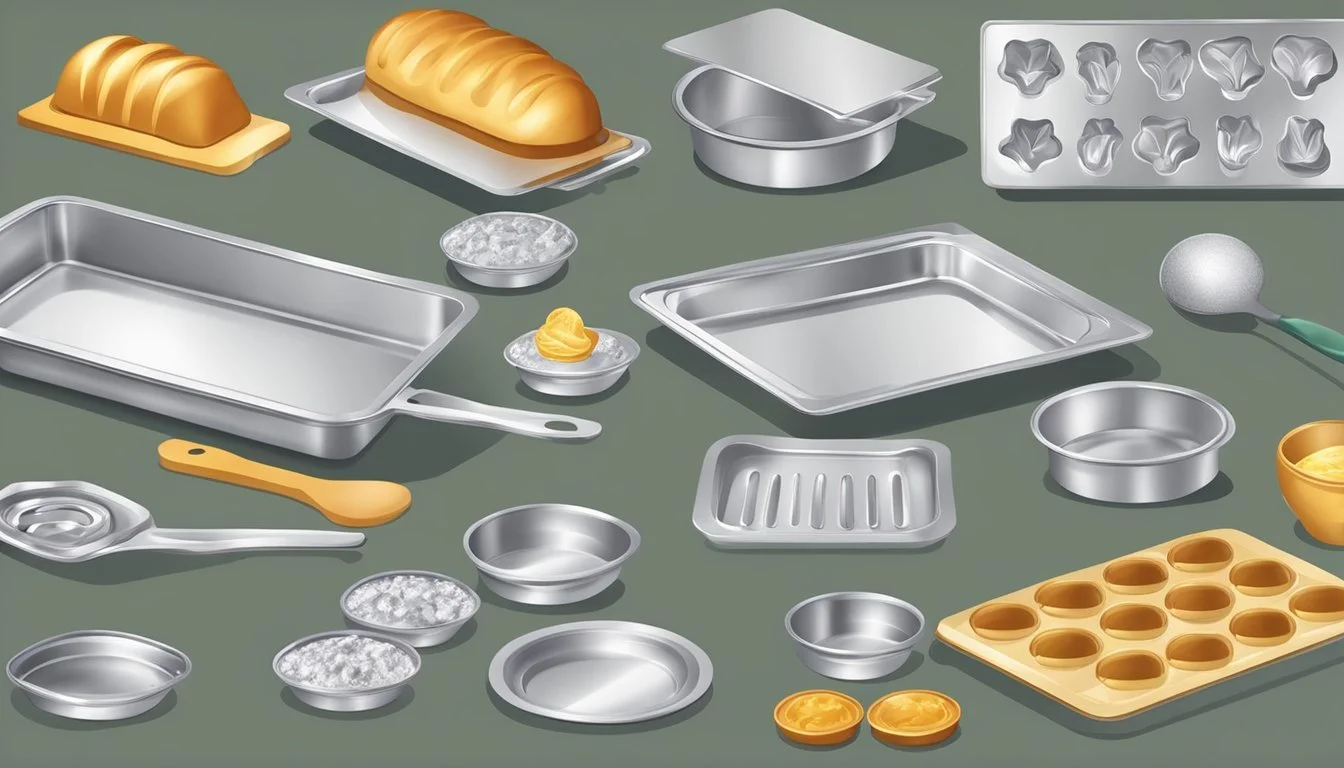
Aluminum foil has elevated itself from a simple kitchen staple to a versatile tool in the culinary arts, particularly for those creative moments when traditional bakeware is not at hand. The art of shaping and using aluminum foil as a substitute for baking pans is a testament to the adaptability and ingenuity of cooks and bakers. Aluminum foil's malleable yet durable properties allow for the creation of custom-shaped baking surfaces, giving rise to a myriad of possibilities ranging from intricate custom pastry shapes to everyday breads and cakes.
The ability to shape aluminum foil into any desired form makes it a valuable ally when a specific baking pan is missing from one's kitchen arsenal. Artisans of this craft utilize foil to craft temporary baking vessels, freeing them from the constraints of standardized pan sizes and shapes. Furthermore, the use of disposable aluminum pans has added a layer of convenience, reducing cleanup time and enhancing the portability of baked goods. In settings where retrieving a baking pan might be impractical, such as at outdoor events or potluck gatherings, foil pans offer an attractive, worry-free solution.
Cooking and baking with aluminum foil, however, require a nuanced understanding of its heat conduction properties. As foil is thinner and heats up quicker than traditional bakeware, adjustments in baking times and temperatures may be necessary to achieve the desired culinary outcomes. Bakers often reduce bake time when using foil containers, preventing overcooking while ensuring that creations are baked evenly. These adaptative strategies exemplify the resourcefulness inherent in those who embark on the path of aluminum foil artistry in the kitchen.
The Essentials of Aluminum Foil in Baking
Aluminum foil is a versatile kitchen staple used for its ability to shape, contain, and conduct heat effectively. Its role in baking ranges from lining pans to creating makeshift bakeware.
Properties of Aluminum Foil
Aluminum foil, known for its durability and heat conductivity, is a thin sheet of aluminum that can withstand oven temperatures. It comes in various thicknesses, with regular foil being most commonly used in households. The material’s heat-resistant nature allows for even cooking, preventing hot spots.
Heat Conductivity: Aluminum foil conducts heat, allowing for even baking.
Flexibility: The foil can be molded into different shapes, making it ideal for custom pastry shapes or improvising when specific bakeware is not available.
Aluminum Foil vs. Parchment Paper
When deciding between aluminum foil and parchment paper, consider their unique capabilities. Aluminum foil can tolerate higher heat and can be shaped to form a makeshift pan or cover, while parchment paper is better for situations where a non-stick surface is paramount.
Heat Resistance: Aluminum foil can handle up to 1,220 degrees Fahrenheit, whereas parchment paper is generally safe up to 450 degrees Fahrenheit.
Non-Stick Properties: Parchment paper has a natural non-stick coating, while non-stick aluminum foil has a silicone-based coating on one side.
Selecting the Right Foil
Choosing the right type of aluminum foil for baking can impact the outcome of your dish:
Regular Foil: Ideal for general baking, wrapping, and covering dishes.
Heavy-Duty Foil: Thicker and more durable, suitable for grilling and longer baking times.
Non-Stick Foil: Best for sticky foods, with one side coated to prevent food from adhering.
When using aluminum foil, adjusting baking times may be necessary due to its efficiency in heat transfer. Always ensure the foil is molded securely to the food or container and avoid contact with reactive foods like tomatoes to prevent flavor transfer or degradation of the foil.
Crafting Baking Containers with Foil
In the realm of baking, the versatility of aluminum foil unlocks creative opportunities to mold bespoke containers, offering bakers a unique advantage over fixed-dimension pans. This adaptability allows for the creation of custom shapes, a range of advantages, and a straightforward approach to assembly.
Creating Custom Shapes
Aluminum foil's malleability permits the crafting of virtually any size and shape needed. Whether one is aiming to bake a heart-shaped cake for a valentine or a star-shaped treat for a party, foil pans tailored to the occasion are just a few folds away. The freedom to manipulate the foil into round, square, or rectangular shapes makes it a valuable tool for thematic baking.
Advantages Over Traditional Pans
Using aluminum foil for baking presents several benefits over traditional pans:
Space-saving: Disposable after use, saving storage space.
No cleanup required: Eliminates the need for post-baking scrubbing.
Cost-effective: More affordable than purchasing various shaped pans.
Consistent baking: Encourages even heat distribution and can reduce baking times.
Making a Foil Pan Step-by-Step
Creating a foil container for baking involves simple, precise steps. Here's a concise guide:
Choose Your Shape: Determine the desired shape and size, considering the type and quantity of the batter.
Tear off Foil: Pull out sufficient foil to accommodate the shape with extra for handling.
Mold the Base: On a flat surface, fold and shape the foil to form the base.
Fold the Walls: Gently fold the foil upwards to create the sides, making sure they are sturdy enough to hold the batter.
Reinforce Structure: If needed, double the foil layers or place the custom pan into a similarly shaped but slightly larger traditional pan for additional support.
Grease: Lightly coat the inside with non-stick spray to ensure easy release after baking.
Crafting baking containers from foil provides a flexible and innovative approach to baking, accommodating a diverse range of shapes and sizes that traditional pans cannot offer.
Baking Techniques and Considerations
When using aluminum foil for shaping and baking, one must carefully manage baking time and temperature while ensuring that the food remains untainted and safe for consumption. Attention to detail is vital for successful results with this versatile medium.
Adjusting Baking Time and Temperature
When baking with makeshift aluminum foil pans, one always needs to adjust the baking time and temperature. As foil conducts heat faster than traditional pans, baking time could be reduced by approximately five minutes. However, precise alterations depend on the oven and the specific recipe. One should monitor the cake's progress, checking for indicators like a golden-brown top or its response to a light press with a finger which suggests doneness.
Preventing Sticking and Leaching
To prevent sticking, one can line the foil with non-stick cooking spray or a layer of parchment paper. When cooking acidic foods, care should be taken to avoid direct contact between the foil and food, as the acid can cause aluminum to leach into the food. Wrapping such foods with baking paper before encasing in foil is a reliable preventive measure.
Safety Tips and Tricks
While using foil, one should ensure it is in good condition with no rips or tears where batter can seep through and cause alterations in shape or spillage in the oven. When creating a mold or liner, securing edges with staples should be avoided since staples can pose a safety hazard or react chemically with acidic ingredients during the baking process.
Versatility in Baked Goods
Aluminum foil's adaptability allows for a variety of baked goods to be crafted without traditional pans. The foil can be shaped to suit any recipe, enabling bakers to create cakes, bread, brownies, and other sweets with ease.
Baking Cakes and Bread
Cakes: One can mold aluminum foil into any desired shape to create unique cake designs. To replicate a cake pan, bakers may fold and staple multiple layers of foil into the required shape. This technique is especially useful when the exact size of the cake pan is not available. It is important to grease the foil before pouring in the batter to prevent sticking.
Bread: When baking bread, aluminum foil can be used to form loaf shapes or to create a crusty exterior. The malleable nature of foil enables bakers to adjust the thickness of the walls, influencing how the heat is conducted. By shaping the foil with higher sides, it is possible to mimic the effects of a bread pan, allowing the dough to rise vertically.
Baking Brownies and Other Sweets
Brownies: Aluminum foil pans are an excellent option for baking brownies. They conduct heat efficiently and can be used to achieve a chewy edge. Bakers often employ the double pan method, placing the foil pan into a slightly larger metal pan, to provide extra insulation and even cooking.
Other Sweets: From cookies to tarts, aluminum foil can function as a substitute for various baking vessels. Its flexibility allows bakers to customize the size and shape of the foil to conform to any sweet treat recipe. Disposable aluminum pans offer the convenience of easy cleanup and transportability for baked goods.
Beyond Baking: Other Uses of Aluminum Foil
Aluminum foil proves to be a versatile kitchen staple, not only for baking but also for an array of cooking techniques. This section explores its utility in roasting and the use of foil in air fryers and microwaves, highlighting its function beyond typical baking needs.
Roasting with Foil
When roasting in a conventional oven, aluminum foil can act as a makeshift pan for items like vegetables and meat. It can be molded to create a custom shape, much like an impromptu cake pan, but for roasting. Its reflective properties can help prevent over-browning when wrapped around food. For instance:
Vegetables: Aluminum foil packets can keep moisture in, steaming the vegetables for a tender result.
Meat: Wrapping meat in foil can reduce moisture loss, resulting in a juicier roast.
Aluminum Foil in Air Fryers and Microwaves
Air Fryers: While typically not necessary due to nonstick surfaces, aluminum foil can be used in air fryers to shield food from direct heat and make cleanup easier. When using foil in an air fryer, it's important to:
Ensure proper air circulation by not covering the entire basket.
Only place foil in the bottom of the cooking basket where it won't come into contact with the heating element.
Microwaves: In contrast to its usefulness in air fryers, aluminum foil is generally not recommended for use in microwaves due to the risk of sparking and fire. However, if a microwave-safe label indicates it's acceptable, small amounts can be used strategically to shield parts of food from uneven cooking or overcooking.
Convenience and Cost-Effectiveness
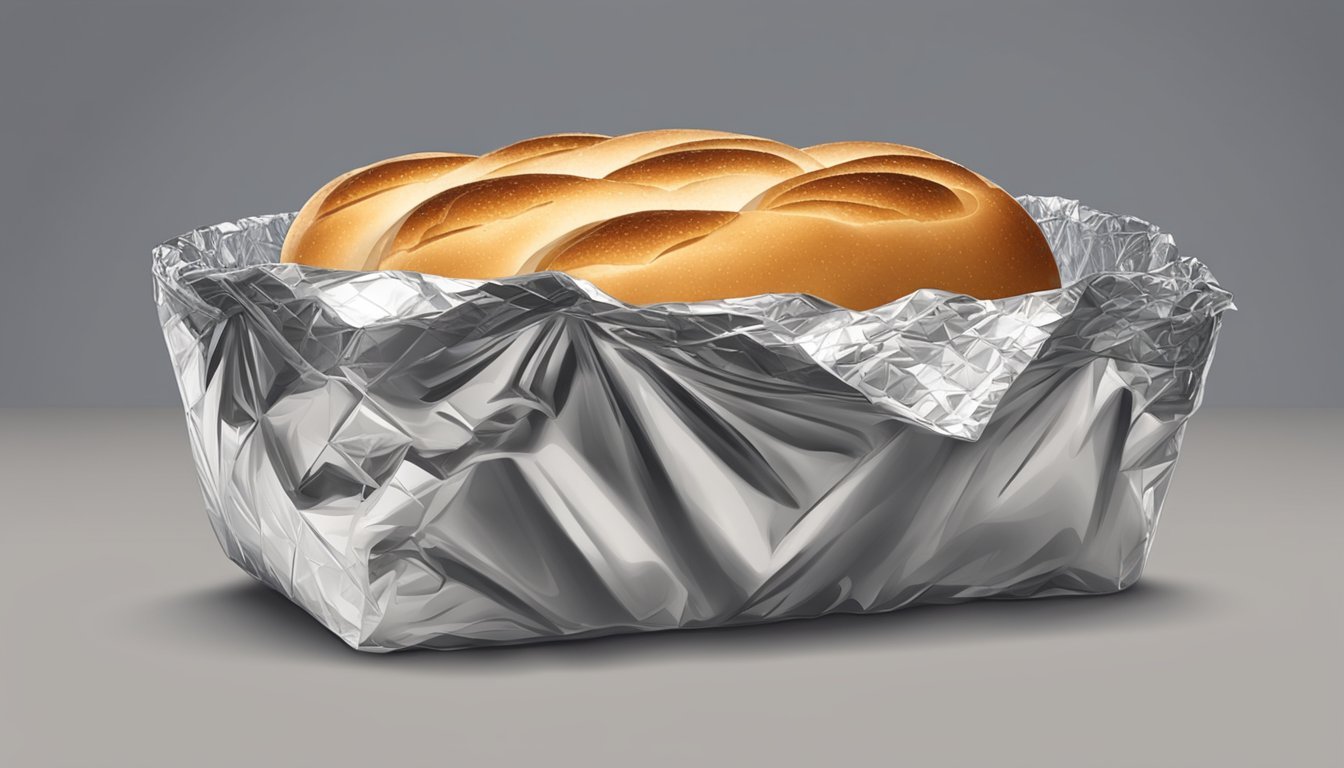
Utilizing aluminum foil for art and baking provides distinct advantages in both convenience and cost-effectiveness. It allows for creative freedom while also being economical.
Cost Comparison: Foil vs. Traditional Bakeware
When assessing the cost, disposable aluminum foil alternatives often present a cost-effective solution compared to traditional bakeware. A pack of aluminum foil sheets or preformed foil pans is typically less expensive than a single bakeware item. Moreover, foil can be molded into various shapes, eliminating the need for multiple specific pans.
Traditional Bakeware:
Higher upfront cost for each piece
Long-term investment if properly maintained
Specific shapes need separate purchases
Aluminum Foil:
Lower initial cost for multiple sheets/pans
Cost savings from versatility in shape and function
Often purchased in bulk for further savings
Differences in Cleanup and Storage
Aluminum foil shines in its convenience for cleanup and storage. Post-use, disposable foil pans can be recycled, assuming they are free of food residue and properly cleaned, or they may simply be discarded. This eliminates any time and resources spent on post-baking cleanup.
Traditional Bakeware:
Requires regular cleaning and maintenance
Needs ample storage space
Aluminum Foil:
Cleanup: Often a simple rinse or, if needed, a light scrub with dishwashing soap and water.
Storage: Stacks of foil sheets or flattened foil pans take up minimal space.
The convenience of using aluminum foil for baking art extends beyond the act of baking itself. It also encompasses the post-baking process and storage considerations—areas where aluminum foil provides clear advantages in reducing both cost and effort for the user.
Health and Environmental Considerations
When using aluminum foil in art projects, especially those involving shaping and baking without traditional pans, one must consider the implications for both health and the environment.
Potential Health Risks of Aluminum
Aluminum is a widely used material in kitchen utensils, including foil, due to its excellent thermal conductivity and formability. However, health risks associated with aluminum have been a topic of discussion among researchers. Studies suggest that while the human body can handle small amounts of aluminum, excessive intake may be linked to certain health concerns. It is important to note that the migration of aluminum from foil to food during high-temperature baking can occur, but the levels are typically below those considered harmful by health standards. Individuals seeking to minimize their exposure can opt for alternatives like glass or ceramic baking dishes.
Routine Exposure: Generally low, increased with acidic or spicy foods
Safety Measures: Use foil sparingly; consider alternatives
Recycling and Sustainability of Foil Products
Aluminum is recyclable, which presents an opportunity to reduce environmental impact. Aluminum foil pans and other foil products can often be cleaned and placed in the recycling bin, conserving resources and energy. Furthermore, recycling aluminum requires only 5% of the initial energy used to produce it. However, the presence of food residue can contaminate the recycling process, making it crucial to thoroughly clean foil products before disposal.
Effective Cleaning: Rinse or wipe pans to remove food particles
Recycling Guide:
Clean: Ensure there is no food waste
Dry: Remove any moisture
Check Local Guidelines: Confirm recyclability with local services
Aluminum Foil Hacks and Tips
When engaging in aluminum foil art or cooking without traditional pans, understanding the versatility of aluminum foil can greatly enhance the experience. The following hacks and tips offer creative and practical ways to use aluminum foil.
Creating Custom Shapes: Artists and bakers can shape aluminum foil into specific forms, allowing them to mold and design sculpture bases or unique baking molds. This malleability enables precise control over the final product's shape.
Coating Pans and Surfaces: Aluminum foil can serve as an alternative to greasing a pan when baking. By lining the pan with foil, users ensure an easy release of baked goods, while also facilitating a swift clean-up process. Plus, when folded to the appropriate thickness, aluminum foil can even replace missing lids during cooking.
Constructing Makeshift Lids: In the absence of appropriate-sized lids, one can fashion a temporary cover out of aluminum foil. This helps in retaining heat and moisture when cooking, ensuring food is cooked evenly.
Easy Cleanup: Artists and bakers alike benefit from using aluminum foil to line their workspace. It captures spills and residue, which can be gathered and disposed of with ease, leaving the work surface spotless.
Here's a brief table summarizing other inventive uses:
Use Case Description Scrubbing Tool Crumpled aluminum foil serves effectively to scrub away stubborn residue from pans and kitchenware. Edge Protector Wrapping the edges of pie crusts in foil prevents burning, allowing for an evenly baked crust. Oven Liner Lining the bottom of the oven with foil helps in catching drips, making post-baking clean-up a much quicker task.
Remember that when using aluminum foil in cooking or art, safety comes first—always use foil in a well-ventilated area and handle with care when molding or applying to hot surfaces.