Mastering Flavor Infusion Without Traditional Equipment
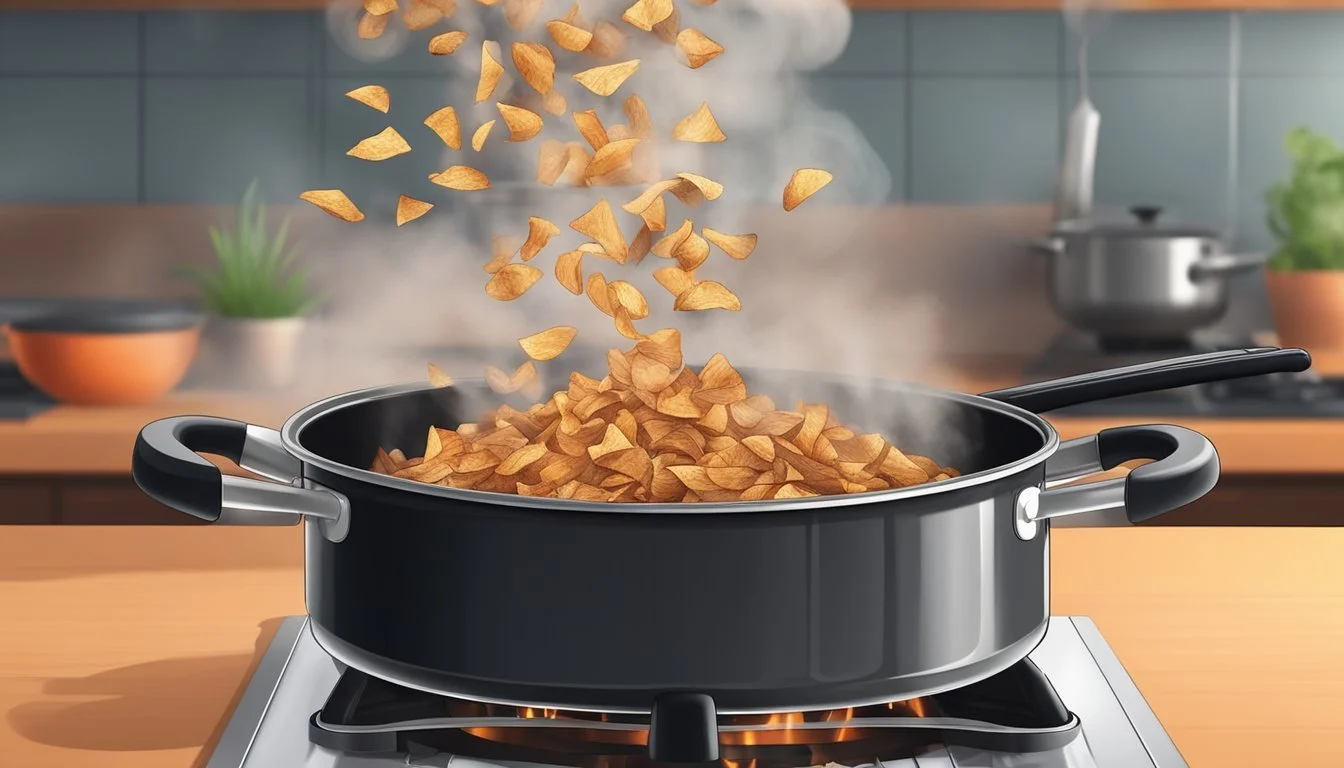
Stovetop smoking is a technique that allows cooking enthusiasts to infuse their dishes with a smoky flavor typically achieved with outdoor smokers, but without the need for specialized, bulky equipment. This method is an ingenious way to recreate the complex, rich taste of smoked food in the comfort of a home kitchen. By using common kitchen tools and a creative approach, stovetop smoking opens up a world of culinary possibilities, offering a smoky essence to meats, cheeses, and vegetables with ease and efficiency.
The process involves creating a small, contained smoking environment on a regular kitchen stove. Wood chips are a pivotal ingredient, often soaked in water to ensure they smolder and emit smoke rather than burn quickly. These damp chips are then enclosed in a simple aluminum foil packet with holes for smoke release or placed in a smoker box designed for this purpose. The packet is set over heat on the stove, producing smoke that is trapped inside a pot or a pan with the item to be smoked. As the smoke accumulates, it envelopes the food, imparting the desired smoky flavor while the heat simultaneously cooks the item to perfection.
Appropriate for indoor use, stovetop smoking requires careful attention to ventilation and heat control to be successful. Cooks must manage the amount of smoke generated and maintain a steady temperature to ensure that foods are flavored without becoming overwhelmed by the smoke. By mastering the nuances of stovetop smoking, chefs can add smoky nuance to their dishes all year round, regardless of outdoor conditions or the constraints of their kitchen space.
Essentials of Stovetop Smoking
Stovetop smoking offers a convenient method for infusing foods with smoky flavor using simple kitchen equipment. This technique allows one to create a smoking chamber directly on the cooktop.
Understanding the Stovetop Smoking Process
Stovetop smoking works by trapping smoke, produced from smoldering wood chips, around food to impart flavor. One begins by heating wood chips in a pot, over which a piece of food is placed on a rack. The pot is then tightly covered with a lid to contain the smoke. This creates a makeshift smoking chamber where the smoke can circulate and flavor the food.
Choosing the Right Equipment
Selecting the appropriate equipment is crucial for stovetop smoking. Essentials include:
Stovetop Smoker: A purpose-designed device that typically includes a base for the wood chips, a rack for the food, and a tightly fitting lid.
Heavy Pot: If one doesn't possess a stovetop smoker, a heavy pot or a deep skillet can be used.
Lid: A tight-fitting lid or heavy-duty aluminum foil is essential to contain the smoke.
Thermometer: To monitor the food's internal temperature and ensure proper cooking.
Types of Wood Chips for Flavor Profiles
Wood chips are the source of smoky flavor, and different types yield specific taste profiles:
Hickory: Robust, bacon-like flavor suited for pork and ribs.
Mesquite: Intense, earthy tone ideal for red meat.
Apple: Sweet, mild taste perfect for poultry and seafood.
It's important to note that wood chips should be unsalted and untreated to avoid harmful chemicals. They may also be soaked in water to slow combustion and promote longer, steadier smoking.
Preparation Before Smoking
Proper preparation is crucial for stovetop smoking, as it sets the stage for infusing foods with that desired smoky essence. This involves selecting the right food, prepping your smoking materials, and setting up the kitchen for smoking without a traditional smoker.
Selecting and Preparing the Food
When choosing food to smoke on a stovetop, meats and fish are both excellent options due to their ability to absorb smoke flavors well. For the best results, foods can be brined or seasoned before smoking.
Meat: Opt for cuts that are usually smoked, such as pork chops or chicken thighs (What wine goes well with chicken thighs?). Marinate or rub with spices based on personal preference.
Fish: Fatty fish like salmon or trout work best. They can be simply seasoned or brushed with a glaze.
Creating a Smoking Pouch with Aluminum Foil
To create smoke on a stovetop, make a pouch using aluminum foil that will contain the smoking chips:
Soak smoking chips in water for at least 30 minutes.
Drain and place a handful of chips onto a piece of aluminum foil.
Wrap the chips in the foil to make a sealed pouch.
Poke holes in the pouch to allow smoke to escape.
This pouch will be placed directly on the heat source to generate smoke.
Setting up Your Makeshift Smoker
Transitioning your stovetop into a makeshift smoker requires a pot and a tight lid to trap the smoke:
Gas Grill: If using a gas grill indoors, ensure it is safe and intended for indoor use.
Makeshift Smoker:
Place the smoking pouch on the bottom of a pot.
Position a wire rack above the pouch, ensuring it doesn’t touch the aluminum foil.
Place the seasoned food on the rack.
Cover tightly with the lid.
The goal is to maintain a consistent low heat for cooking while the smoke permeates the food, giving it a rich, smoky flavor.
Smoking Techniques and Control
Effective stovetop smoking requires careful management of temperature and timing, as well as choosing the right technique to match the desired flavor intensity and texture in the food.
Managing Temperature for Optimal Smoke
Controlling temperature is fundamental to successful stovetop smoking. One must aim for a consistent heat source to maintain a temperature that allows wood chips to smolder, producing smoke without catching fire. On average, a medium-low setting can sustain the right conditions. Monitoring temperature with a thermometer ensures that the smoke envelops food at an optimal heat, ensuring both safety and flavor.
Maintain between 225-275°F (107-135°C) for most smoking applications.
Adjust heat as needed to stay within this range.
Timing Your Smoking for Perfect Flavor
The duration food is exposed to smoke affects its depth of flavor. It's essential to strike a balance, as too little exposure could result in an underwhelming taste, while too much could overwhelm the food's natural flavors.
Short smoking times (~15-30 minutes) are suitable for delicate items like cheese or vegetables.
Longer durations (1-4 hours) cater to meats and more robust flavors.
Cold Smoking Techniques vs Hot Smoking Techniques
Different results are achieved through cold and hot smoking techniques, each providing its unique profile to dishes. Cold smoking imparts a subtle smoky taste, typically used for items like cheese and fish, done at temperatures below 90°F (32°C). Hot smoking, conversely, combines cooking and flavor infusion, generally occurring between 165-275°F (74-135°C), suitable for meats and dense food items.
Cold Smoking: Requires meticulous temperature control to prevent food spoilage.
Hot Smoking: Easier to maintain, doubles as a cooking process, rendering food safe to eat and infused with smoky flavor.
For both techniques, using components like a stovetop smoker box, a pan, or a tightly-sealed pot is vital for creating an enclosed environment conducive to smoke infusion.
Recipes and Ideas for Stovetop Smoking
Stovetop smoking offers a convenient method to infuse deep, smoky flavor into foods, presenting endless possibilities for creativity in the kitchen.
Classic Smoked Dishes on the Stovetop
Starting with classic smoked dishes, stovetop smoking allows for preparing traditional favorites like smoked salmon and smoked chicken. These proteins absorb the rich smokiness well:
Smoked Salmon: Brine salmon in a mixture of salt, sugar, and pepper. Use wood chips and a tightly sealed pan to smoke on the stovetop for an exquisite flavor.
Smoked Chicken: Season chicken with smoked paprika and other herbs before smoking over a bed of wood chips in a covered skillet.
Inventive Ways to Use Smoked Ingredients
Beyond smoking meats, inventive cooks can broaden their culinary horizons by incorporating smoked ingredients into various dishes:
Barbecue: Enhance barbecue sauces with stovetop-smoked garlic or onions for a robust base.
Cocktails: Smoked citrus peels or herbs can add a unique twist to classic cocktail recipes.
Salad: Toss smoked bacon bits into salads for a burst of flavor.
Pasta: Infuse smoked ham or other smoked meats into pasta dishes for complex, layered tastes.
Adding Smoky Flavor to Vegetarian and Vegan Dishes
Vegetarian and vegan dishes gain a new dimension of taste when smoked:
Vegetables: Smoke sliced vegetables like zucchini or mushrooms to add them to salads or as a savory topping.
Cheese: Smoking cheese on the stovetop can result in a gourmet experience, perfect for cheese boards or incorporated into vegan mac and cheese.
Safety and Cleanup
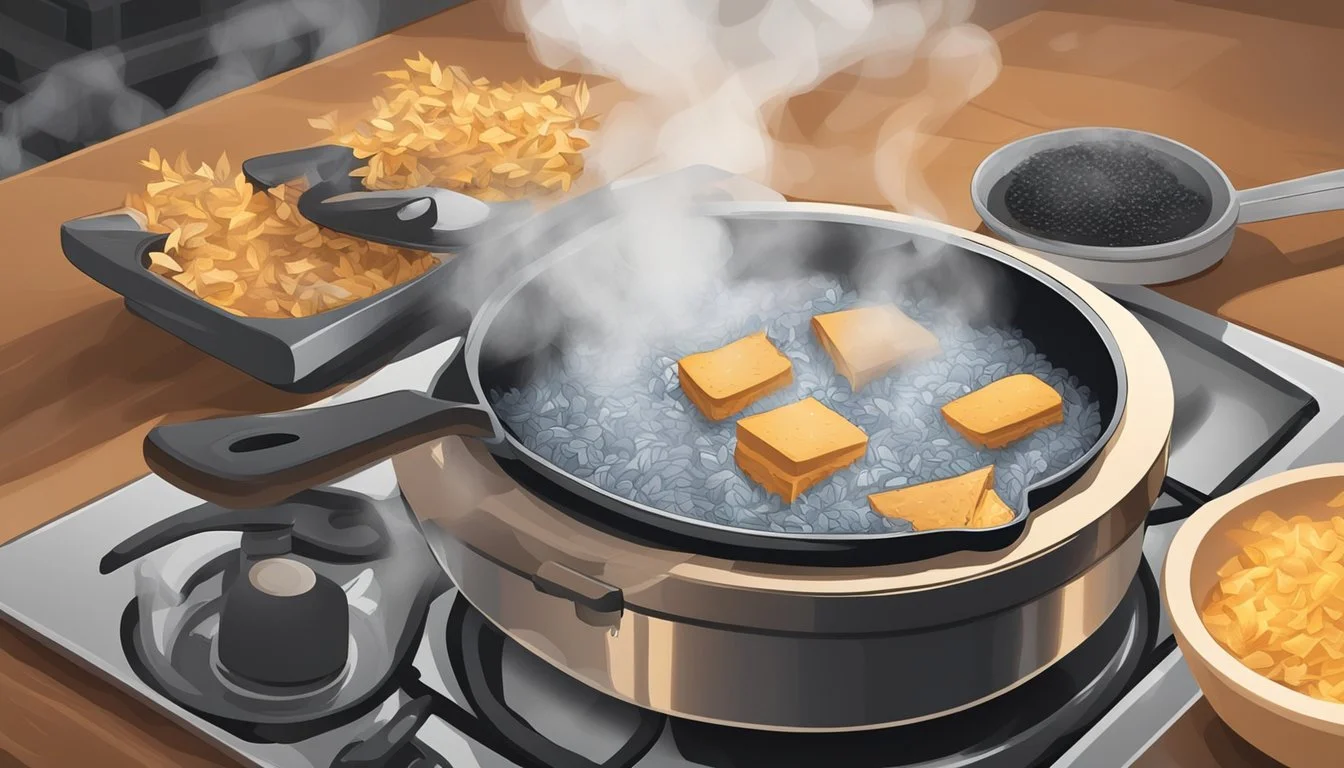
When stovetop smoking, it is essential to implement safety measures to prevent smoke damage and to know the proper cleaning techniques afterward. This ensures the longevity of kitchenware and a pleasant cooking environment.
Precautions to Avoid Smoke Damage
Ventilation: Above all, ensure your kitchen is well-ventilated. Utilize range hoods, open windows, and additional fans to disperse smoke and prevent accumulation.
Heat Monitoring: Carefully monitor the heat levels on your grill or stovetop. For charcoal grills, be sure to have a controlled fire and keep flammable materials away.
Surface Protection: Use heat-resistant surfaces to prevent damage to countertops.
Smoke Detectors: Briefly disable smoke detectors in the immediate vicinity to avoid false alarms.
Effective Cleaning After Smoking
Cookware Cleaning: After infusing smoke flavor, soak grills and cookware in hot, soapy water to loosen residues.
Material Cleaning Method Stainless Steel Use a mixture of vinegar and water for cleaning. Non-Stick Apply a baking soda paste, let it sit, then scrub gently. Cast Iron Clean with kosher salt and a soft brush to preserve seasoning.
Oven and Stovetop Care: Wipe down the oven or stovetop with a degreaser to remove any greasy film. Consider running a self-cleaning cycle if your oven is equipped with one.
Note: Always refer to the manufacturer's instructions for specific cleaning guidelines to avoid damaging your appliances.
Advanced Concepts and FAQs
This section delves deeper into enhancing stovetop smoking with special equipment, creating your own smoker, and providing answers to common questions.
Improving Techniques with Specialized Equipment
Specialized equipment can significantly elevate the stovetop smoking process. Utilizing a stovetop smoker, which is designed precisely for indoor use, provides consistent results. These devices typically come with a base to hold wood chips and a rack to place the food. For accurate smoking, a meat thermometer is crucial to ensure the meat reaches the desired internal temperature without overcooking. Another innovative tool is the smoking gun, a handheld device that allows you to infuse smoke flavor into food and drinks by releasing a controlled stream of smoke.
DIY Tips for Building a Dedicated Stovetop Smoker
One can construct a homemade stovetop smoker using common kitchen items. Start with a large pot or wok to create direct heat. Line the bottom with aluminum foil and add soaked wood chips. Place a wire rack above the chips, ensuring there is enough room for the smoke to circulate around the meat. Cover tightly with foil or a lid to keep the smoke contained. Slow cooking on the stovetop at a controlled temperature is essential for imbuing the smoke flavor deep into the meat.
Frequently Asked Questions About Stovetop Smoking
Can stovetop smoking match the flavor of traditional smokers? Stovetop smoking can produce a rich, smoky flavor similar to traditional methods, especially when combined with slow cooking and the right wood chips.
What types of meat can I smoke on the stovetop? Virtually any type of meat can be smoked on the stovetop, from brisket to chicken. Thinner cuts work best as they smoke faster and absorb the flavor more readily.
How can I control the smoke intensity? The density and type of wood chips affect the intensity. Softer woods like cherry or apple impart a milder flavor, while hickory or mesquite offer a stronger taste. Adjust the amount of wood chips based on your preference.
Is it safe to smoke indoors on a stovetop? Yes, with proper ventilation and when following safety precautions, like monitoring the heat and ensuring the smoke stays contained within the pot or smoker.
Accessorizing Your Stovetop Smoker
Accessorizing a stovetop smoker can significantly elevate the smoking experience by introducing a variety of flavors and aromas. The right accessories aid in achieving that authentic smoky taste even without a traditional smoker.
Choosing Accessories for Enhanced Smoking Experience
When selecting accessories for a stovetop smoker, it’s essential to consider the types of wood chips, as they are fundamental in flavoring the smoked food. Oak wood chips are popular for their versatile profile, suiting a wide range of meats and vegetables. They impart a medium to strong smoky flavor that is less intense than hickory but stronger than fruitwoods.
For a comprehensive selection, here is a straightforward list of common wood chips and their corresponding flavors:
Oak: A robust flavor suitable for beef and pork
Apple: A sweet, mild flavor ideal for poultry and seafood
Hickory: A strong, bacon-like flavor best for pork and ribs
Mesquite: A strong, earthy taste great for red meats
Cherry: A delicate, fruity touch perfect for all meats
Experimenting with different woods can lead to unique flavor profiles tailored to personal or regional tastes.
Smoked Salts and Seasonings
Adding smoked salts and seasonings to the pantry enhances the flavor of smoked dishes without overwhelming them. Smoked salt, created by cold-smoking salt over wood chips, can add a smoky flavor to foods before or after cooking. This subtle addition can be used to season meats or to finish dishes, providing a smoky touch without the need for prolonged smoking.
For a bold taste profile, blending smoked salt with seasonings can achieve a deeper flavor. Here are some well-suited combinations:
Smoked salt and black pepper: A classic duo for a well-rounded taste
Smoked salt and chipotle pepper: For a spicy kick with a hint of smokiness
Adding a few drops of liquid smoke to marinades or sauces can also enhance the smoky flavor without additional smoking time. Liquid smoke is a concentrated flavoring made from actual smoke particles, providing a smoky aroma in a controlled manner.
Incorporating these smoked seasonings allows one to adjust the intensity of the smoke flavor to match the dish being prepared, thereby customizing the taste experience.
Pairing Smoked Foods
The art of pairing smoked foods elevates the dining experience by harmonizing flavors. It’s important to consider the balance of taste when matching smoky dishes with beverages, side dishes, and condiments.
Matching Smoked Foods with Beverages
Smoked flavors can be intense, often requiring a beverage that complements or contrasts the taste. For cheese, such as a sharp smoked cheddar, a robust red wine or a dark ale can match the intensity. On the other hand, smoked gouda finds its match in lighter beverages like a crisp white wine or a wheat beer.
Red Wines: Merlot or Cabernet Sauvignon with smoked cheddar
White Wines: Chardonnay with smoked gouda
Beers: Stout or Porter with robust smoked meats and cheeses
Cocktails using smoky ingredients like mezcal or Scotch also work well with smoked dishes. They reflect the distinctive flavor profile while adding their own complexity.
Creative Combinations with Side Dishes and Condiments
Pairing smoked dishes with the right side dishes and condiments can result in a symphony of flavors. When it comes to side dishes, think of textures and tastes that will either complement or cut through the richness of the smoke.
Condiments: Bold barbeque sauce pairs well with smoked meats, adding a tangy layer.
Side Dishes: A tangy coleslaw or a vinegar-based potato salad can provide a refreshing contrast to the smoky richness.
For smoked vegetables, a sprinkle of smoked paprika can enhance the flavor without overwhelming the palate. Smoked salts are also a versatile finisher, adding a subtle smokiness that elevates even the simplest of dishes. Use them sparingly to accent the main ingredient without dominating it.
Troubleshooting Common Issues
When stovetop smoking dishes, cooks may face challenges such as overly bitter flavors, uneven smoke distribution, or insufficiently smoked foods. This section provides practical solutions to these issues to ensure your dish receives the perfect touch of smoke.
Addressing Over-Smoking and Bitter Flavors
Over-smoking can impart an undesirable bitter taste to foods. To avoid this:
Use less wood: Reduce the amount of wood chips to manage the intensity of the smoke.
Shorten smoke time: Limit the exposure of food to smoke, checking flavor periodically.
Choose the right wood: Woods like cherry or apple impart milder flavors compared to mesquite.
For already over-smoked foods:
Balance the flavor: Add a sweet or tart component like honey or a splash of vinegar to counteract bitterness.
Controlling Moisture and Smoke Distribution
Effective moisture and smoke control contribute to an optimal stovetop smoking experience:
Maintain airflow: Slight ventilation helps smoke circulation without letting all smoke escape.
Use a lid: Keep the skillet covered tightly but not completely sealed to manage smoke levels.
Add moisture: A pan of water in the vicinity of the smoking area can keep foods from drying out.
For charcoal users:
Use briquettes: Quality briquettes ensure a steady burn, reducing moisture fluctuations and smoke irregularities.
Fixing Under-Smoked or Unevenly Smoked Foods
To correct under-smoked or unevenly smoked items:
Reposition the food: Move food around during the smoking process for even exposure to smoke.
Increase smoke time: If the smoky flavor is too light, extend the exposure time in increments.
Add smoked ingredients: Incorporate naturally smoked elements like lapsang souchong tea to enhance flavor.
With these troubleshooting tips, one can master the art of stovetop smoking and achieve the perfect balance of smoky flavor in their cooking.