Unveiling Healthier Flavor Boosters
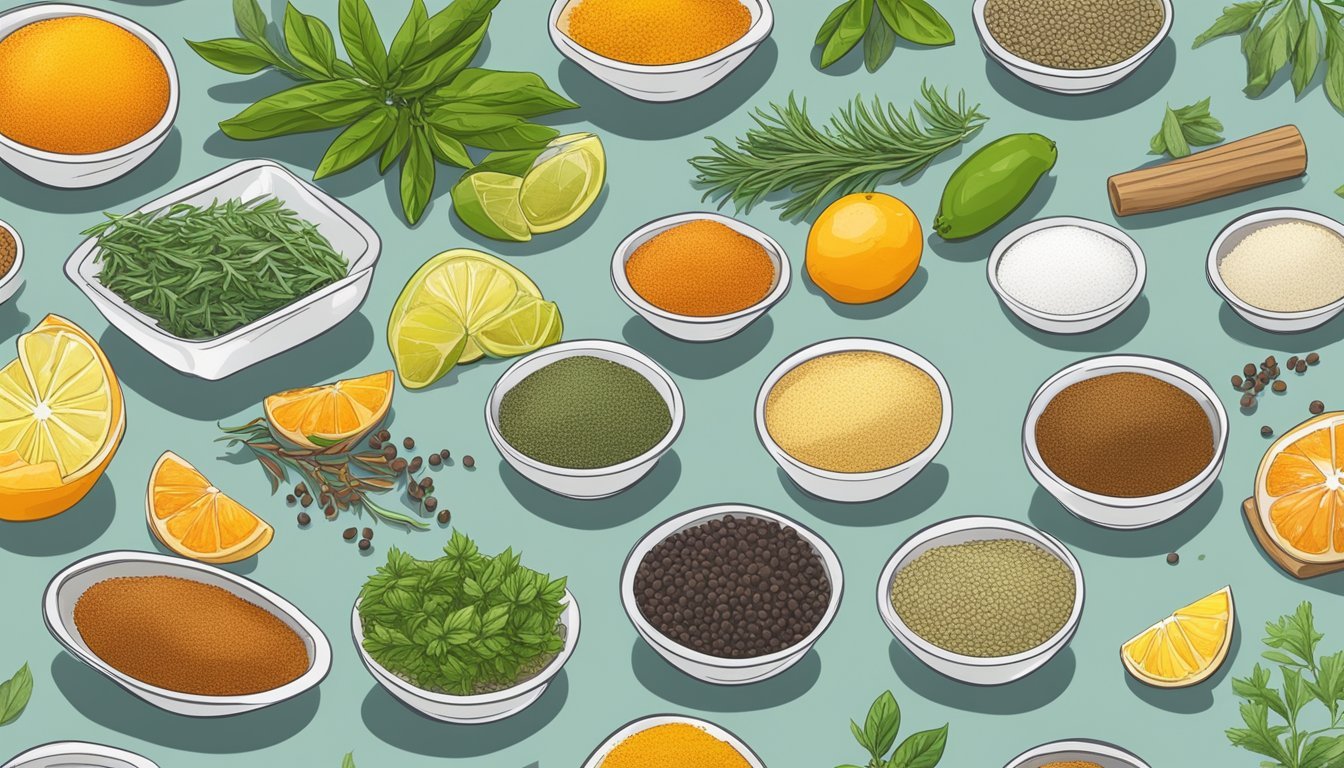
Reducing sodium intake is essential for maintaining good health, particularly for individuals with high blood pressure or those at risk for heart disease. In the culinary world, this has led to a growing demand for low-sodium seasoning alternatives that provide flavor without the health risks associated with excessive salt consumption. These alternatives often make use of herbs, spices, and other natural ingredients to enhance the taste of food.
While traditional seasoning blends may rely heavily on salt for flavor, there are numerous options that omit salt entirely while still delivering the desired complexity to a dish. These salt-free blends can include a mix of dried herbs like oregano, thyme, and basil, which add depth and aroma. Spices such as paprika, garlic powder, onion powder, and various types of pepper can offer heat and pungency. Innovative combinations like garam masala and Cajun-inspired blends also provide robust flavor profiles that cater to a wide range of palates.
Understanding Sodium in Cooking

When cooking, the use of sodium is prevalent due to its preservative and flavor-enhancing properties. However, excessive sodium intake is linked to health risks, making it crucial to understand its role and how low-sodium seasoning options can be beneficial.
Health Effects of Sodium
Sodium is an essential mineral for bodily functions, including fluid balance and nerve function. Nevertheless, when consumed in high quantities, sodium can lead to health problems such as increased blood pressure, which is a risk factor for heart disease and stroke. The average diet often exceeds the recommended sodium intake primarily due to processed and prepared foods. Health experts recommend less than 2,300 mg of sodium per day for healthy adults, which equates to about one teaspoon of table salt.
High Blood Pressure: Excessive sodium intake can cause the body to retain water, leading to increased blood pressure.
Heart Disease: Long-term, high sodium consumption can strain the heart, potentially resulting in heart disease.
Bloat: Sodium can cause the body to retain water, which may result in bloating and discomfort.
Why Low-Sodium Seasonings are Beneficial
Low-sodium seasonings offer a way to reduce sodium intake without compromising on flavor. They are particularly useful for individuals with health concerns such as high blood pressure or heart disease, as well as for those looking to maintain a healthy lifestyle. By using herbs, spices, and other flavorings that do not contain sodium, cooks can create flavorful dishes that support overall health.
Avoiding Health Risks: Using low-sodium seasonings can help mitigate the risk of high blood pressure and heart disease.
Flavor Diversity: These seasonings can introduce a variety of flavors to dishes, making it easier to reduce salt without sacrificing taste.
By utilizing low-sodium alternatives, cooks can make significant strides in enhancing health without losing the essence of their dishes.
Types of Low-Sodium Seasonings
Reducing sodium in cooking doesn't mean sacrificing flavor. Incorporating a variety of herbs, spices, and acidic components like citrus and vinegar can greatly enhance the taste of food without the need for added salt.
Herbs
Herbs such as rosemary, thyme, and basil offer a fresh, aromatic essence to dishes. They are versatile and can be used in both fresh and dried forms. Rosemary has a woody, evergreen flavor that pairs well with meats and potatoes, while thyme contributes a subtle, earthy note to soups and stews. Basil, with its peppery and minty undertones, is excellent in Italian cuisine, especially tomato-based recipes.
Spices
Spices, including black pepper, paprika, cumin, and cayenne, are salt-free ways to infuse meals with intense flavors. Black pepper adds a sharp heat that can be adjusted according to taste. Paprika, which comes in varieties from sweet to smoky, imparts brilliant color and a nuanced depth. Cumin is known for its warm, earthy tones, often used in Mexican and Indian recipes. Cayenne offers a potent kick, suitable for those who enjoy spicy foods.
Citrus
Citrus zest and juices, like lemon juice, can brighten up a dish with their zesty and tangy profiles. A squeeze of lemon juice works wonders on salads, steamed vegetables, and grilled fish, contributing a pop of acidity that balances the natural flavors of the food.
Vinegar
Vinegar provides a tangy sharpness that can mimic some of the flavor-enhancing properties of salt. Using varieties such as balsamic, apple cider, or red wine vinegar can complement different ingredients and create a rounded flavor profile. It’s perfect for marinades, dressings, and to finish off cooked dishes.
How to Use Low-Sodium Seasonings
Low-sodium seasonings offer a way to enhance flavors in cooking without the health risks associated with high salt intake. Proper application and knowledge of combining flavors can elevate dishes made with vegetables, meats, pasta, and more.
Combining Flavors
Using low-sodium seasonings effectively entails understanding flavor profiles and how they complement each other. For instance, fresh herbs like basil and oregano add aromatic freshness to tomato-based dishes, while onion powder and garlic powder provide an umami-rich depth to meats and vegetables. When working with fish or chicken, citrus elements like lemon or lime and their zest can brighten the taste without added salt.
Creating Salt-Free Seasoning Blends
One can create their own seasoning blends to keep dishes exciting and healthful. A salt-free Cajun seasoning blend might combine paprika, garlic powder, onion powder, dried herbs, and a hint of cayenne for heat. For eggs and potatoes, mixing dill, parsley, and citrus zest offers a robust flavor profile. It's essential to proportion the components correctly to achieve a balanced mixture that can be used across various dishes.
Adjusting Recipes
Modifying recipes to reduce sodium requires minor but impactful changes. Instead of salt, chefs might opt for a splash of fresh lemon juice or vinegar to bring out natural flavors. Beans and pasta can be cooked with bay leaves and garlic to impart flavor during the cooking process. It's important to taste as one cooks, gradually adding and adjusting seasonings to achieve the desired flavor without relying on salt.
Salt Substitutes and Their Uses
Reducing sodium intake is crucial for many individuals seeking to maintain a healthy lifestyle. Salt substitutes and alternative seasoning techniques can play significant roles in creating flavorful dishes while managing sodium levels.
Potassium Chloride in Seasoning
Potassium chloride is a common salt substitute used to lower sodium intake. It mirrors the taste of sodium chloride, or table salt, and is often found in low-sodium versions of processed foods. When cooking, individuals must be cautious with the quantity of potassium chloride used, as it can impart a slightly bitter aftertaste if overused. It's especially suitable for individuals who are not on potassium-restricted diets and could benefit from increased potassium intake.
Common Uses for Potassium Chloride:
Sprinkling on vegetables and proteins as a direct replacement for table salt
Incorporating into soups and stews to enhance flavor without adding sodium
Mixing with herbs and spices to create custom seasoning blends
Alternative Seasoning Techniques
Cooking with salt-free seasoning means exploring beyond the saltshaker and discovering a variety of flavors that enhance the natural taste of food. Garlic and onion, for instance, are dynamic alliums that offer a depth of flavor, either fresh or dried. They can be used to create aromatic foundations for countless dishes.
Herbs and Spices can be powerful salt-free alternatives. Blending these with dried onion or garlic creates seasonings that not only add flavor but also health benefits — for example, turmeric for its anti-inflammatory properties or cinnamon for its sweetness and warmth.
Examples of Salt-Free Seasoning Combinations:
Garlic powder, smoked paprika, and thyme for a smoky seasoning blend
Dried onion, rosemary, and black pepper for a classic herby profile
Nutritional yeast, garlic, and onion powder for a cheesy, umami flavor without the salt
Using these substitutes and techniques allows chefs and home cooks to reduce sodium intake without sacrificing flavor, supporting a balanced and nutritious diet.
Health and Dietary Considerations

Choosing low-sodium seasoning options is critical for those monitoring their salt intake due to health concerns and dietary restrictions. It is important to understand how sodium affects health and to recognize the nutritional benefits of selecting seasonings that contribute to a healthier lifestyle.
Managing Health Conditions
High sodium consumption is linked to increased blood pressure and the risk of heart disease, particularly in older adults. To manage these health conditions, it is advisable to use seasonings that are free from added salt. Labels on food products are a reliable source to check sodium content, with designations such as "low sodium," "reduced sodium," or "no salt added" indicating better choices for those concerned about their salt intake. Salt often functions as a preservative in food; however, by opting for fresh or dried herbs and spices, individuals can flavor their food effectively while also managing their health conditions responsibly.
Nutritional Benefits of Low-Sodium Choices
Choosing low-sodium seasonings offers several nutritional benefits beyond managing blood pressure and reducing the risk of heart disease. It can minimize bloating and other sodium-related issues by encouraging the consumption of natural herbs and spices, which can contain antioxidants and other beneficial compounds. For older adults, especially, reducing sodium can significantly improve health outcomes. Reading product labels and making conscious choices about seasonings can lead to an overall healthier diet and lifestyle. It becomes essential to understand that less sodium does not equate to less flavor—rather, a door opens to a wider spectrum of natural tastes and seasoning combinations.
Shopping for Low-Sodium Products
When seeking to reduce salt intake, shoppers should focus on reading food labels to understand the sodium content and identify products specifically marked as no-salt-added or unsalted. This proactive approach is crucial for managing dietary sodium, particularly in processed foods which often contain high levels of added sodium.
Reading Food Labels
Consumers should look for the sodium content per serving listed on nutritional labels. The key is to aim for products with less than 140mg of sodium per serving, which is considered low sodium. It is also important to note the serving size, as it may be smaller than what one typically consumes. In addition to the sodium content, labels may include terms like "reduced sodium," which indicates that the product has at least 25% less sodium than its regular counterpart. These details help consumers make informed choices about their salt intake.
Identifying No-Salt-Added Options
No-salt-added or unsalted products are an excellent choice for individuals looking to minimize sodium in their diet. These options do not have salt added during processing, which can be critical for those monitoring their sodium consumption. To locate these products, shoppers should search for phrases such as "no salt added," "without added salt," or "unsalted" on food packaging. Reading ingredient lists is also beneficial; they should not list salt or sodium-containing compounds among the first few ingredients.
Tips and Tricks for Reducing Sodium in Cooking
When looking to reduce sodium in cooking, two critical strategies involve choosing fresh ingredients over processed options and using natural enhancers to boost flavor.
Choosing Fresh Over Processed
Processed foods are often high in sodium, as salt is used as a preservative to extend shelf life. To minimize sodium intake:
Opt for fresh fruits and vegetables over canned alternatives.
Select unsalted nuts and seeds for snacks.
Choose fresh meats and fish rather than processed or cured varieties.
Grains should be consumed in their least processed forms. Instead of quick or flavored rice and pasta mixes:
Use plain rice , quinoa, or whole grain pasta.
Prepare grains with herbs or spices to add flavor without the need for added sodium.
Using Natural Flavor Enhancers
Natural flavor enhancers can replace salt in many recipes, adding taste without increasing sodium content.
Citrus juice and zest: Lemon and lime can add a tangy fresh flavor to dishes.
Fresh herbs: Parsley, dill, basil, and thyme can enhance the natural taste of foods.
Vinegars: Balsamic and red wine vinegars provide acidity and a flavor boost.
Dairy products like milk and yogurt can add both moisture and flavor to dishes without a high sodium content, especially if choosing low-sodium or no-sodium-added versions.
Seasoning mixes can be made at home using salt-free combinations of:
Garlic
Onion
Peppers
Sage
Thyme
For thickening sauces or soups without added salt, one can use:
Cornstarch or flour mixed with a bit of water.
Pureed vegetables can also add thickness and enrich the dish's flavor profile.
Pairing Seasonings with Foods
When cooking with low-sodium options, the right combination of herbs and spices can elevate a dish while maintaining its healthful quality. This section explores how to pair these flavor enhancers with various food groups, ensuring a delicious outcome without relying on salt.
Best Herbs and Spices for Vegetables
Vegetables naturally benefit from the addition of herbs and spices, which can accentuate their flavors. For leafy greens, like spinach or kale, garlic powder, black pepper, and dill can provide a savory flavor without added sodium. Roasted vegetables, such as carrots and potatoes, pair well with rosemary, thyme, and paprika. Adding a sprinkle of lemon zest can bring a brightness that complements the herbaceous notes.
Selecting Seasonings for Meats and Poultry
When seasoning meats, it's important to consider the natural flavors of the protein. Beef can stand up to bold spices such as cumin and coriander, while chicken is complemented by milder herbs like thyme, sage, and ground black pepper. A salt-free seasoning blend of paprika, onion, and garlic can enhance the natural juices of poultry without overpowering it.
Enhancing Flavor in Grains and Breads
Grains and breads act as a blank canvas for a variety of seasonings. Rice dishes benefit from a mix of basil, oregano, and a touch of red pepper flakes to add depth. For whole grain breads, incorporating seeds and herbs like fennel, caraway, and oregano directly into the dough can introduce flavor without the need for surface salt.
Recipes and Formulations
The section explores how to craft homemade low-sodium seasoning mixes and adjust existing recipes to reduce sodium intake. Intricately balancing flavors without salt can enhance meals while considering health benefits.
Creating Homemade Low-Sodium Seasoning Mixes
Creating low-sodium seasoning blends allows for control over ingredients and flavors, catering to specific dietary needs. A versatile salt-free Cajun seasoning can be made by combining equal parts of paprika, garlic powder, black pepper, onion powder, cayenne pepper, dried oregano, and thyme. This blend is ideal for dishes like gumbo, enhancing both pork and chicken.
For a no-sodium taco seasoning, one might mix chili powder, ground cumin, garlic powder, onion powder, crushed red pepper flakes, dried oregano, and paprika. This specially crafted mix works well with beef or lamb and can be sprinkled over rice for added flavor without additional salt.
Here's an easy guide for a Homemade Salt-Free Fajita Seasoning:
Ingredient Amount Chili Powder 1 tablespoon Cumin 2 teaspoons Paprika 1 teaspoon Onion Powder 1 teaspoon Garlic Powder 1 teaspoon Oregano 1/2 teaspoon
Simply combine these and store in a dry container. This seasoning pairs excellently with chicken, pork, or beef fajitas.
Recipe Adaptations
When adapting recipes to reduce sodium, it's important to replace or omit high-salt ingredients without compromising taste. For instance, low-sodium ranch seasoning can be prepared by blending buttermilk powder, dried parsley, dried dill, onion powder, garlic powder, dried onion flakes, dried chives, and pepper.
For dishes such as oatmeal or rice, adding a touch of cinnamon, nutmeg, or vanilla extract can introduce complexity to the flavor profile without the need for salt. When cooking meats like bacon, ham, or lamb, using herbs like rosemary, thyme, and sage offers a robust taste that typically relies on heavy salting.
Experimenting with these flavor alternatives provides a way to enjoy full-flavored dishes that support a low-sodium dietary regimen.