
Gun Laws in New York for Hunters
Essential Regulations to Know
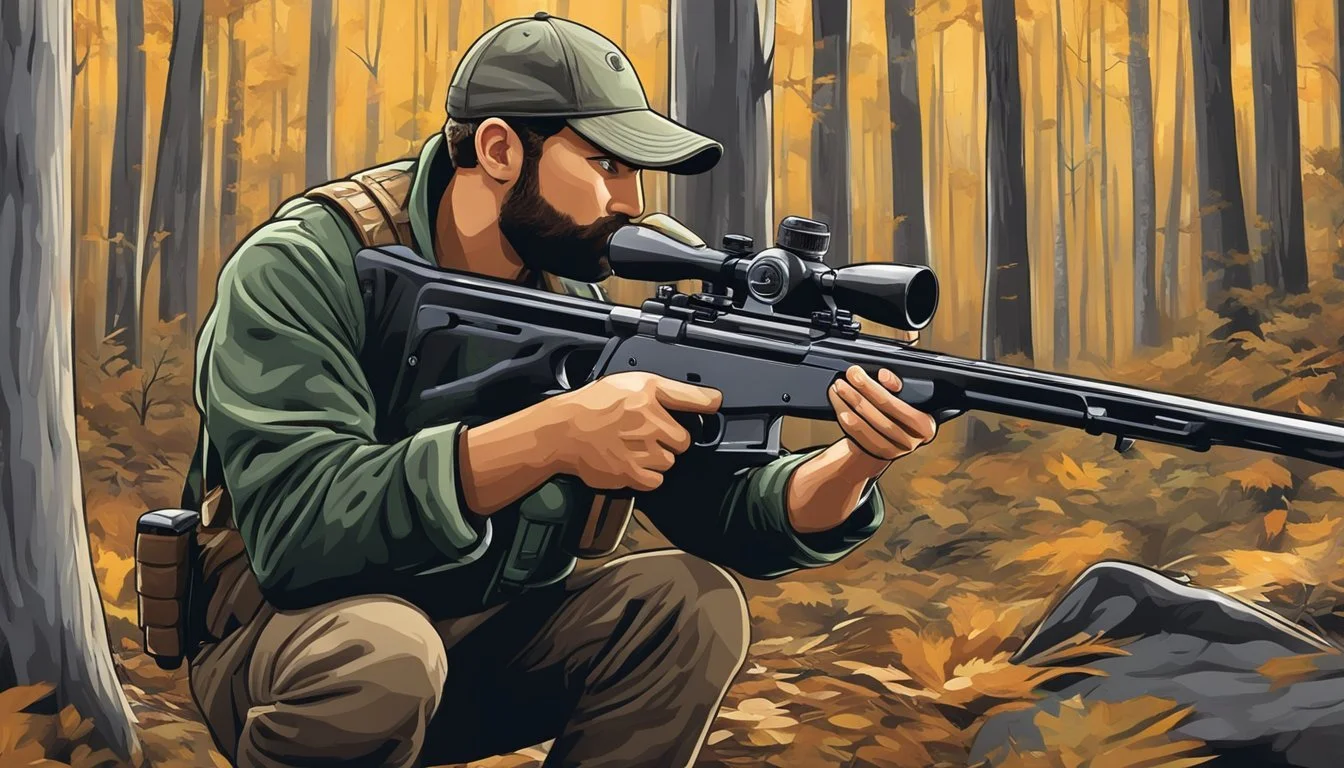
New York's landscape of gun laws has undergone significant changes, presenting new considerations for hunters within the state. These changes are primarily the aftermath of a key court decision, which altered the requirements for obtaining a license to carry firearms in public spaces. In response to the ruling, on July 1, 2022, New York took measures to reinforce state regulations concerning firearms, with particular implications for hunting enthusiasts.
Hunters in New York are now navigating a legal environment that includes updated provisions for carrying and using firearms while hunting. With hunting being a time-honored tradition and a popular pastime in New York, state authorities have issued clarifications to ensure hunters understand and adhere to the new regulations. This includes stipulations about the type of firearms that can be used for hunting, the licensing process, and the legal prerequisites for hunters—such as age restrictions for semi-automatic rifle licensing.
These changes aim to balance the rights of hunters with concerns for public safety, creating a clear legal framework that hunters must follow. As the hunting season gets underway, it is crucial for hunters to stay informed about these laws to avoid any legal complications while engaging in their activities. New York's Department of Environmental Conservation has been proactive in offering guidance and resources to assist hunters in complying with the updated gun laws.
Overview of New York Gun Laws
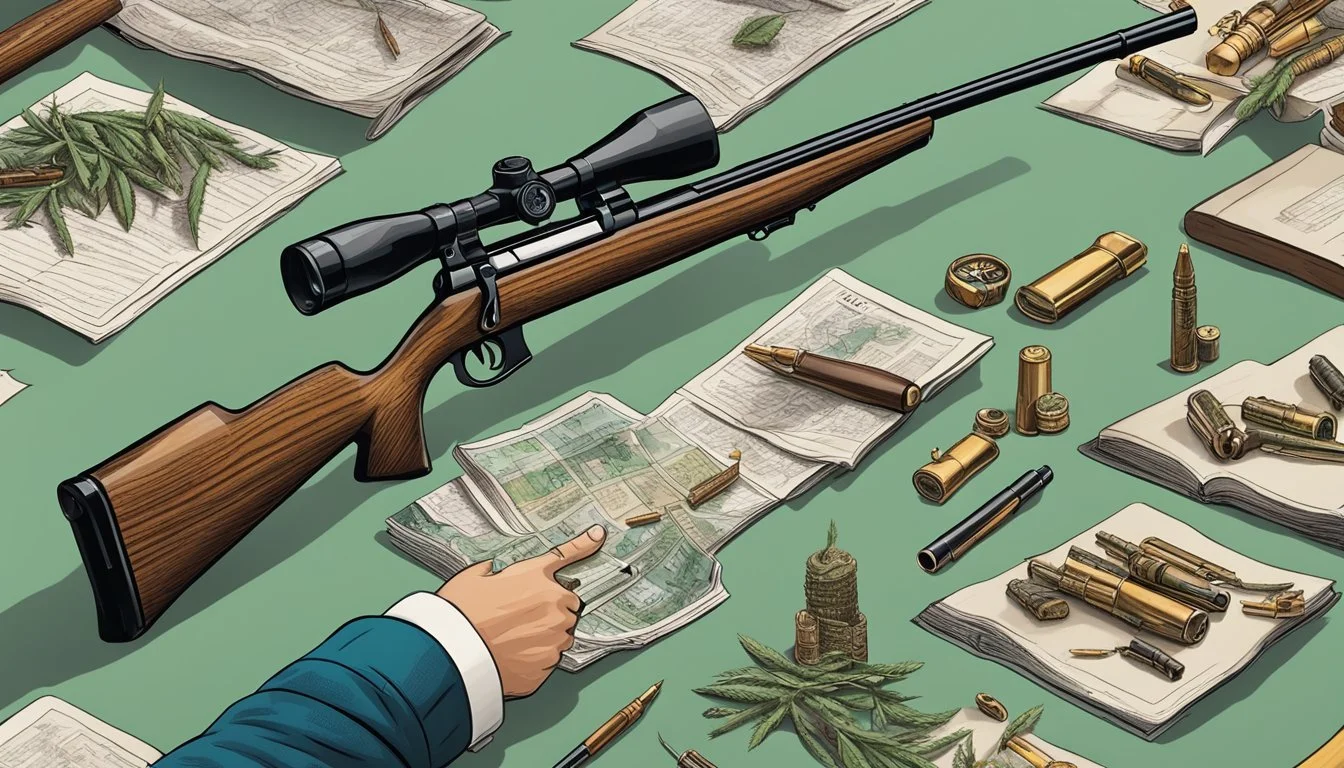
New York State's gun laws are some of the most comprehensive in the United States, reflecting a commitment to public safety through stringent regulation. The laws cover licensing, gun ownership, and use, especially in the context of hunting.
Historical Context and Recent Changes
In June 2022, the U.S. Supreme Court struck down a provision of New York's concealed carry law which required an applicant to demonstrate "proper cause" for a license to carry a concealed handgun outside their home. This decision has prompted revisions to the state's firearms legislation. New York subsequently adopted additional requirements for gun ownership and areas where firearms are restricted, under the leadership of Governor Kathy Hochul. These laws align with efforts like the Bipartisan Safer Communities Act to reinforce public safety.
Statewide License and Record Database
The New York State SAFE Act, enacted in 2013, established a detailed statewide license and record database for all gun sales with background checks. As per updates, handgun licenses require a householder to have and possess in their dwelling; similar licensure is required for possession in businesses and for other lawful purposes. The database is a key component of ensuring legal compliance and tracking firearms within the state.
Legal Requirements for Gun Owners
Gun owners in New York State must adhere to a set of legal requirements, now magnified after recent legislative changes. To own a semi-automatic rifle, for example, individuals must be at least 21 years old and have a New York State semi-automatic rifle license. Additionally, recertification for concealed carry licenses must occur every three years, while a premises license requires recertification every five years. These protocols underscore the state's approach to balancing constitutional rights with public safety measures.
Hunting Laws and Regulations
In New York, hunters must navigate a comprehensive set of laws and regulations designed to ensure safety, conservation, and sustainability. This includes strict licensure, defined seasons for hunting various game, and specific firearm restrictions.
Hunting License Requirements
Hunters in New York State are required to obtain a hunting license from the Department of Environmental Conservation (DEC). The legal hunting age is 12; however, a New York State Pistol Permit is necessary for handgun possession. Every hunter needs to meet age and safety course requirements.
Minimum Age: 12 for small game, 14 for big game (with a mentor)
Safety Course: Mandatory for first-time hunters
Proof of Completion: Carried at all times while hunting
Open Seasons and Wildlife Management
The DEC sets hunting seasons based on species and Wildlife Management Areas to manage populations and habitats. For instance, an antlerless-only deer season was introduced to help control the deer population. Hunters should consult the DEC for specific season dates which are strictly enforced and vary annually. For example:
Deer/Bear: Typically from 30 minutes before sunrise until 30 minutes after sunset.
Turkey: Regulations have been adjusted to allow smaller shot size for fall and spring seasons.
Firearm Restrictions for Hunting
New York has specific restrictions on firearms that hunters can use:
Rifles: It is illegal to carry a rifle larger than .22 rimfire or a shotgun loaded with slug, ball or buckshot while accompanied by a dog in the Northern Zone, except when hunting coyotes under permit.
Semi-Automatic Rifles: Hunters 21 and older may use semi-automatic rifles provided they adhere to New York State law regarding allowable features and magazine capacity.
Hunting Hours: For deer and bear, permissible hunting hours extend from 30 minutes before sunrise to 30 minutes after sunset, with hunters mandated to wear fluorescent orange/pink.
Firearm Possession and Carrying
New York has explicit laws governing the possession of firearms and their transportation, with a particular focus on handguns and rifles, including shotguns. Hunters and carriers must be cognizant of the necessity for proper permits and adherence to secure storage protocols, ensuring compliance with state regulations.
Carry Permits and Concealed Carry Laws
In New York State, a pistol permit is mandatory for the possession of handguns. These permits are issued at the county level, and the exact requirements may vary. For hunters or individuals seeking to carry a concealed handgun, New York requires a Concealed Carry Permit. This permit is subject to stringent review and applicants must provide valid reasons for their need to carry a concealed weapon. It's important to note that New York does not universally recognize concealed carry permits from other states, and carry within sensitive locations is heavily restricted.
Transportation and Storage Requirements
When transporting firearms, such as rifles and shotguns, it is a legal requirement to ensure they are unloaded. The state recommends, though may not require, the use of a lockable plastic or hard-sided gun case. Furthermore, for security and prevention of unauthorized access, particularly when firearms are not in immediate use, safe storage practices are mandatory. Firearms should be kept in a locked location – ideally a gun safe – with ammunition stored separately. Recent legal changes in New York include:
Semi-automatic rifles can only be purchased if the owner first acquires a specific license post-September 1, 2022.
The secure storage of firearms is imperative to prevent access by unauthorized users, especially minors. This often necessitates the use of safety lock devices or ensuring the firearm is kept in a securely locked cabinet or safe.
In light of heightened security concerns, the carrying and transportation of body armor by civilians is subject to its own set of legal stipulations, and hunters must inform themselves about these regulations.
Carriers and hunters must remain up-to-date with New York's evolving firearm laws to ensure lawful possession and transportation, reinforcing the state's commitment to public safety.
Firearm Acquisition and Ownership
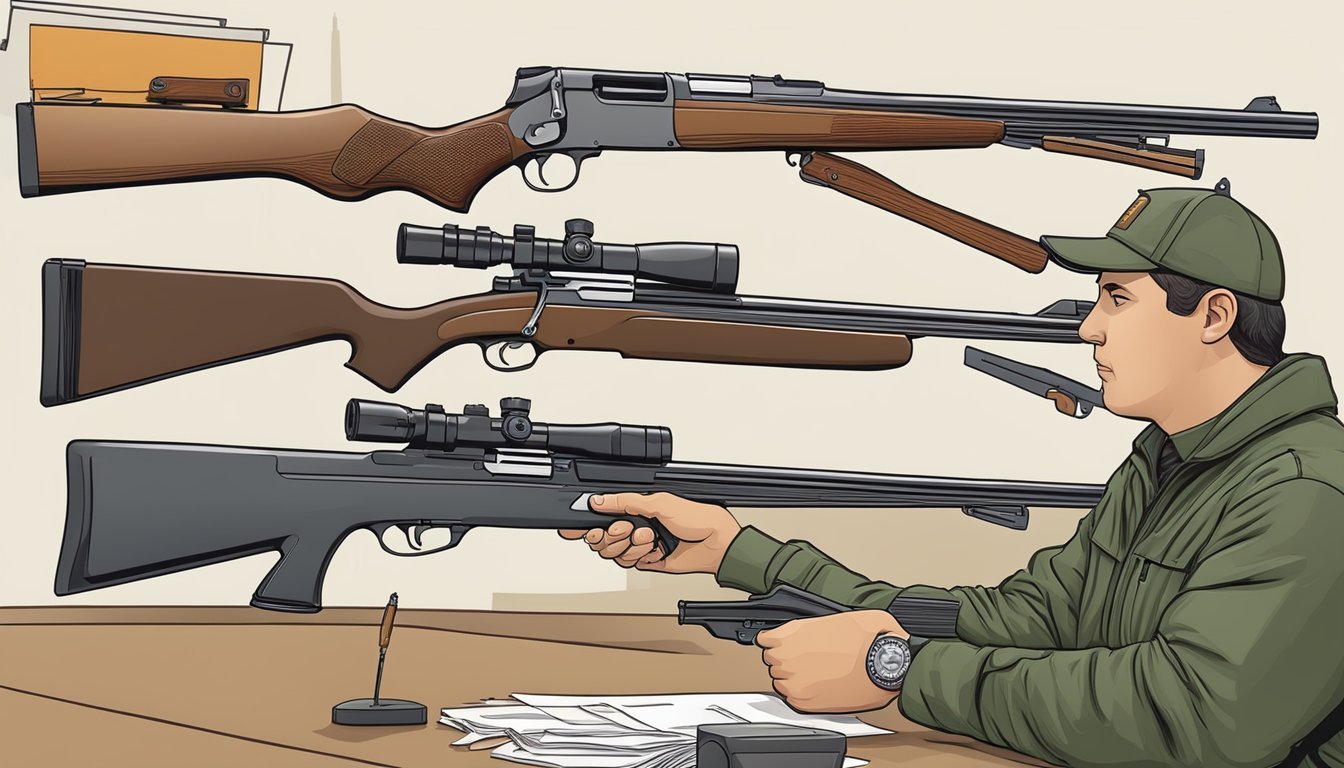
In New York State, hunters must navigate a series of legal requirements to acquire and own firearms, including stringent background checks, purchasing protocols from licensed dealers, and meticulous record-keeping.
Background Check Process
New York requires a background check for all firearm purchases, even for private sales which must be conducted through a licensed dealer. Prospective owners should be prepared for these checks regardless of whether they are buying a handgun, rifle, or shotgun. The check includes reviewing criminal history, mental health records, and other criteria to ensure eligibility.
Purchasing from Licensed Dealers
Firearms in New York must be purchased from a licensed dealer or through a private sale that a dealer facilitates. When buying a semi-automatic rifle, hunters must be at least 21 years old and hold a New York State semi-automatic rifle license as of September 4, 2022. The dealer is required to perform a background check before completing any firearm sale.
Record-keeping and Reporting
Detailed record-keeping is a legal obligation for both gun owners and dealers. Licensed dealers must report all transactions to the state, keeping a permanent record of sales which includes information on the firearm, buyer, and date of sale. Gun owners are expected to keep accurate records of their firearms, particularly in the event of theft or loss, and are subject to safe storage regulations to prevent unauthorized use.
Safety Measures and Community Protection
The state of New York has enacted a series of safety measures aimed at community protection that affect hunters and firearm owners. These regulations address secure storage, sensitive location guidelines, and the broader agenda to curb gun violence.
Safe Storage and Child Access Prevention
New York State law requires safe firearm storage to prevent access by unauthorized users, particularly children. It is mandatory for gun owners to securely store their weapons, especially if they reside with individuals who are under the age of sixteen or prohibited from possessing firearms due to a criminal record, domestic violence restraining orders, or being adjudicated as mentally unfit.
Regulations for Sensitive Locations
Firearm possession has been highly regulated in sensitive locations such as schools, houses of worship, alcohol-serving establishments, and parks. Following recent legislation, these areas are under greater scrutiny to prevent incidents of gun violence. The laws are explicit in restricting firearms in locations where large numbers of people gather or where vulnerable populations, such as schoolchildren, are present.
Preventing Gun Violence
In an effort to reduce gun violence, New York has implemented strict controls on assault weapons and emphasizes the importance of education on gun safety. Measures such as background checks and the necessity of a license to carry firearms in public spaces work in tandem with community education to foster a culture of responsible gun ownership. Additionally, New York aims to decrease gun-related incidents in instances of domestic violence by ensuring firearms are not in the hands of individuals with a history of such offenses.
Legal Consequences and Enforcement
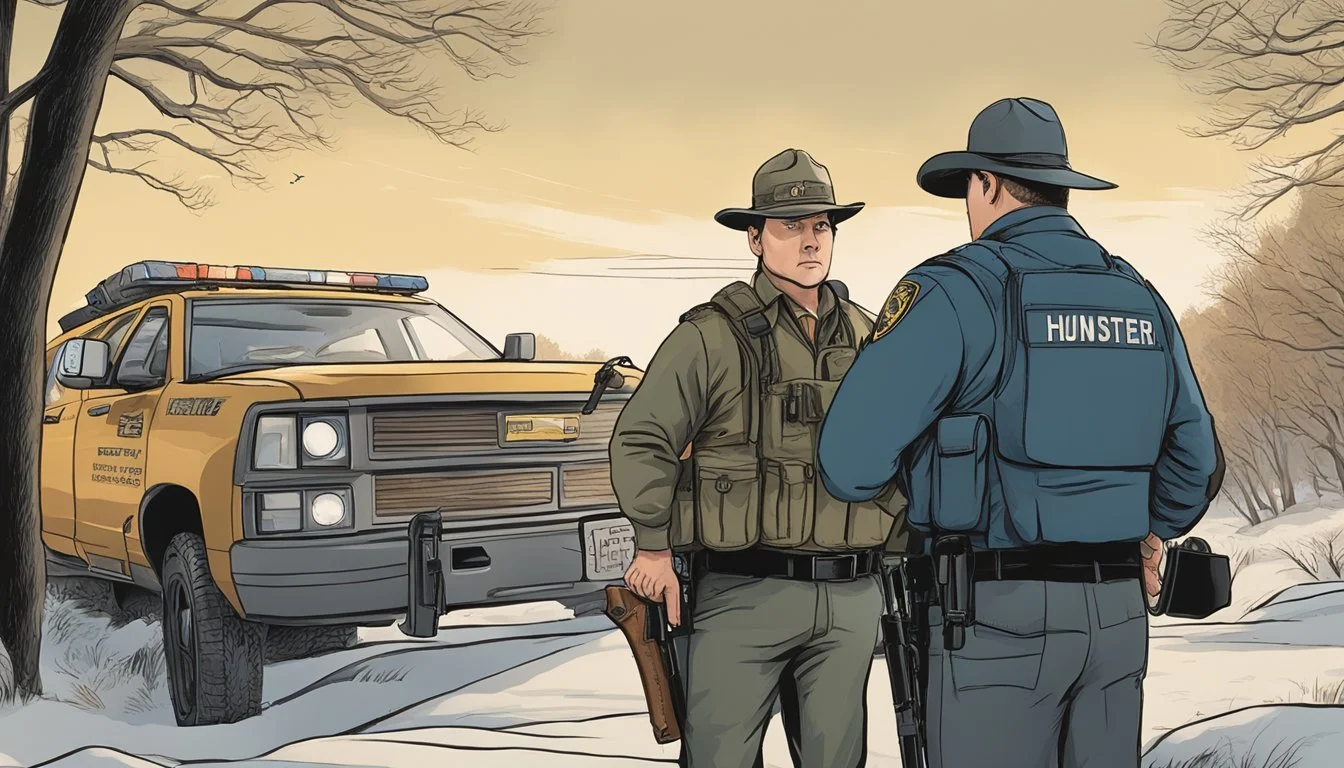
In New York, hunters must be cognizant of strict state gun laws and the severe legal consequences for non-compliance. Enforcement by local law enforcement and the Bureau of Alcohol, Tobacco, Firearms and Explosives (ATF) underscores the gravity of these regulations.
Penalties for Non-Compliance
Under New York law, the penalties for possessing an unlicensed firearm are rigorous. They can be classified as follows:
Possession of an unlicensed firearm: This is deemed a Class A Misdemeanor and may incur a fine of up to $10,000 and/or up to one year in jail.
Possession of a loaded firearm without a license: Classified as a felony, this offense can result in a sentence of up to 15 years in prison.
Law Enforcement and ATF Involvement
State lawmakers, in conjunction with the New York State Attorney General's office, enforce gun laws rigorously. The Law Enforcement branches include the ATF, which actively participates in:
Criminal background checks: Ensuring all firearm purchasers comply with the SAFE Act requirements.
Enforcement actions: Coordinating with local and state police to monitor and enforce gun law violations effectively.
Local law enforcement also plays a significant role, working in tandem with federal agencies to uphold the state's stringent regulations.
Special Considerations for New York City
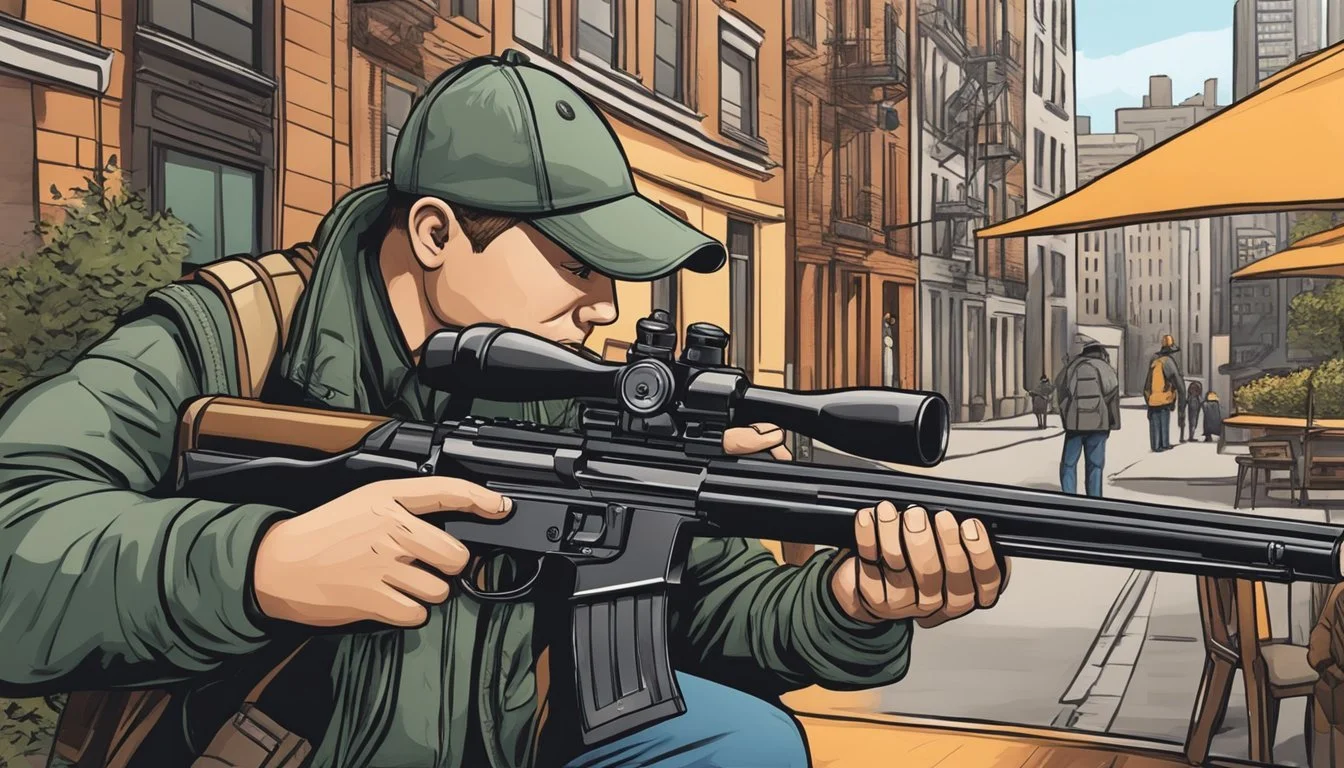
When hunters are considering the use of firearms within New York City, they must navigate a different set of regulations as compared to the rest of New York State. One of the oldest and most notable laws is the Sullivan Law, which mandates that anyone seeking to own a handgun within the city obtain a pistol permit.
Pistol Permits
A handgun license, or pistol permit, is mandatory for anyone wishing to possess a handgun in New York City:
Permits are issued by the NYPD License Division.
The application process is known for being stringent and lengthy.
NY SAFE Act of 2013
The NY SAFE Act of 2013 also imposes regulations that affect hunters:
Ammunition Restrictions: Limits magazine capacity for semi-automatic weapons to 10 rounds.
Assault Weapon Classification: Defines and bans possession of assault weapons, affecting some semi-automatic rifles and shotguns commonly used for hunting outside of NYC.
New York City Gun Laws
Hunting in city limits is heavily restricted, if not outright banned.
Hunters must be cognizant of NYC's broader definitions of firearms, which include rifles and shotguns.
Transporting firearms into and out of New York City requires adherence to specific regulations to avoid legal issues.
In summary, hunters must meticulously ensure their compliance with local laws before considering carrying firearms into New York City. It is not just about knowing state mandates but also understanding and abiding by the additional layer of city-specific firearm regulations.
Educational Resources and Hunter Education

The state of New York provides comprehensive educational resources to ensure that hunters understand safety, responsibility, and ethics. A cornerstone resource is the Hunter Education Program which is a mandatory requirement for all first-time hunting license purchasers.
Online Certification: Residents aged 11 or older may obtain a NYS bowhunter education certificate entirely online. Completing the course involves passing a final exam, after which the certificate is awarded.
Costs and Contacts: The bowhunter education course typically costs $30. Support and assistance can be sought through designated phone numbers and email addresses.
Course Curriculum: Courses cover essential safety techniques and the ethical responsibilities hunters must uphold. This includes the responsible use of guns, muzzleloaders, crossbows, and bows.
Conservation Law Compliance: Hunters must also comply with the state's Environmental Conservation Law. For instance, hunters using center-fire, semi-automatic rifles or shotguns are restricted to certain magazine and chamber round limits.
The New York State Department of Environmental Conservation (NYSDEC) advises hunters and coordinates with the Federation of Fish and Game Clubs to maintain a safe and informed sporting community. The overarching goal is to foster a responsible culture among hunters, emphasizing both safety and the conservation of wildlife.
For individuals looking to engage in hunting in New York, participating in these education programs is not just a legal requirement but a step toward integrating with the state's active and responsible hunter community.
Ammunition and Firearms Types
In New York, hunters must carefully navigate regulations around firearms and ammunition, as well as adhere to specific guidelines regarding the use of bows. The following subsections detail the current laws and allowable equipment for hunting in the state.
Regulated Firearms and Ammunition Types
Semi-Automatic Rifles: New York State law requires individuals to be at least 21 years old to legally own a semi-automatic rifle. They must apply for and receive a semi-automatic rifle license. Semi-automatic rifles are subject to strict guidelines concerning their features, including magazine capacity.
Ammunition: The caliber and type of ammunition permitted for hunting depend on the game species. Hunters must use ammunition suitable for the rifle they are carrying and must comply with New York's regulations.
Revolver: In some cases, hunters may use revolvers for hunting. New York regulates handgun ownership and usage, requiring appropriate licenses for possession.
Note:
All firearms and ammunition types must align with the stipulations set forth by New York State laws.
Law-abiding citizens ensure they follow all regulations to comply with the Second Amendment, as interpreted by state laws.
Use of Bows in Hunting
Long Bow: The use of a longbow in hunting is permitted in New York, provided hunters adhere to season dates and species-specific regulations.
Crossbow: Similarly, crossbows can be used under certain conditions outlined by state law. However, users must be aware of the restrictions regarding the minimum draw weight and other specifications.
Crossbow draw weight: Must be between 100 to 200 pounds.
Crossbow bolt length: Must be at least 14 inches.
Note:
Hunters using bows or crossbows must abide by New York State's safety guidelines and restrictions, ensuring a responsible and ethical hunting practice.

