
Gun Laws in North Carolina for Hunters
A Comprehensive Guide
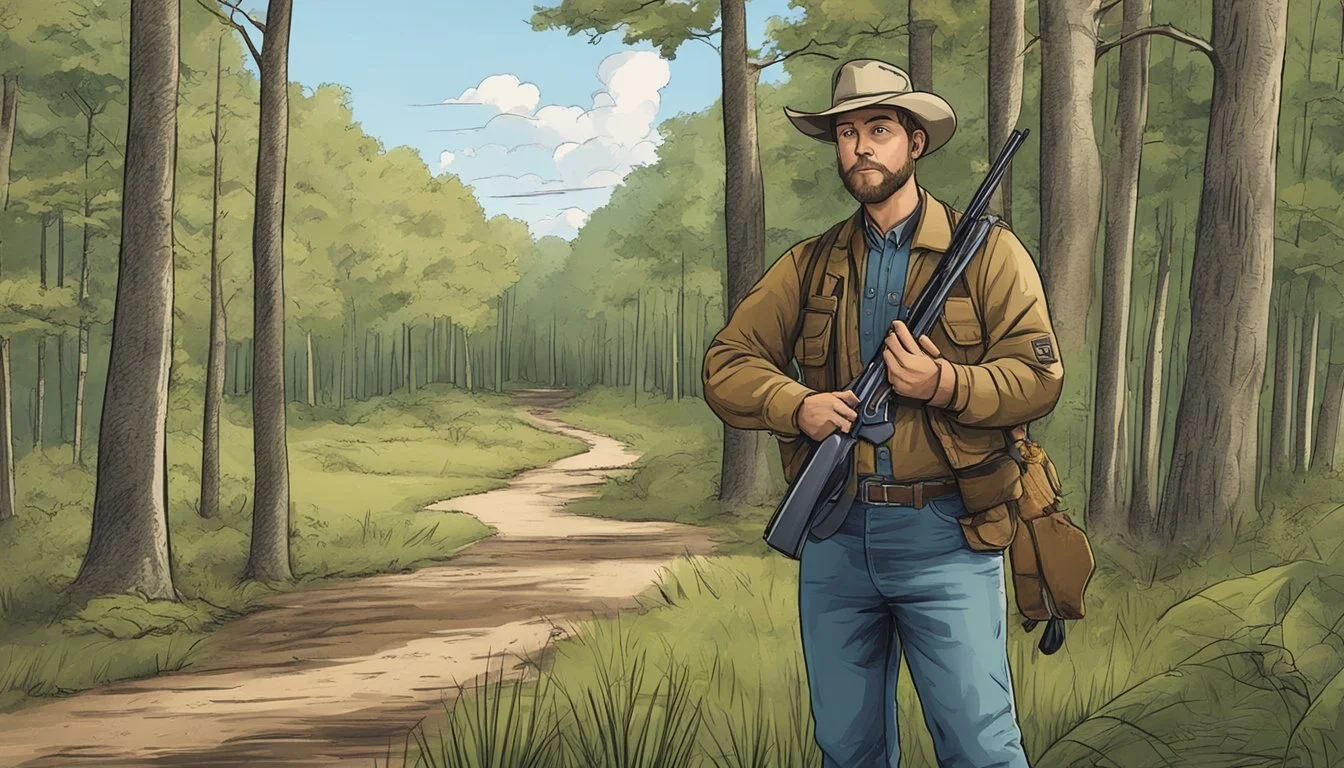
Understanding the gun laws of North Carolina is essential for hunters who wish to stay compliant with state regulations. North Carolina enshrines the right to keep and bear arms within its state constitution, recognizing the importance of a well-regulated militia to the security of a free state. Therefore, the state permits residents and visitors to own and use firearms with certain legal stipulations in place. For hunters, the state offers a variety of opportunities, but it's crucial to be aware of the firearms regulations specific to hunting.
In the hunting community of North Carolina, regulations define what types of firearms can be used, as well as when and where they can be used. Hunters are generally allowed to use rifles, shotguns, and muzzleloaders, but each category comes with its own set of rules. For instance, hunting migratory game birds with rifles is federally prohibited, and there are time restrictions, such as a prohibition on hunting with firearms between 9:30 a.m. and 12:30 p.m., except on controlled hunting preserves. Moreover, local laws may impose more stringent requirements than state-level regulations.
The gun laws in North Carolina also dictate that the use of rifles and handguns in hunting is subject to restrictions based on caliber and barrel length. Specific areas restrict hunting with rifles or handguns larger than .22 caliber, and it’s illegal to hunt waterfowl, turkeys, and other migratory birds with handguns and rifles, with an exception for crows. Hunters are encouraged to familiarize themselves with these details to ensure they conduct their activities within the bounds of the law and promote ethical hunting practices.
Overview of North Carolina Gun Laws
North Carolina's gun laws define the rights and restrictions for individuals looking to purchase, own, and use firearms in the state. Here, we provide clarity on the basic requirements for gun ownership, the distinctions between open and concealed carry, and the nuances of North Carolina’s Stand Your Ground and Castle Doctrine laws.
Basic Requirements for Gun Ownership
In North Carolina, residents who wish to purchase a handgun do not need a pistol purchase permit as of a legislative change in 2023. Nevertheless, background checks are standard protocol when purchasing firearms from a licensed dealer. Prospective owners must not be prohibited under federal or state law, meaning they should not be convicted of a felony, under indictment, an unlawful user or addicted, dishonorably discharged from the military, adjudicated mentally incompetent, a fugitive from justice, or subject to a court restraining order for harassing, stalking, or threatening an intimate partner or child.
Open Carry and Concealed Carry Laws
North Carolina allows for open carry without the need for a permit, provided that the individual is at least 18 years old and complies with local regulations. However, for concealed carry, individuals must obtain a Concealed Handgun Permit (CHP) from the local sheriff's office. The requirements for a CHP include completing a firearms safety training course and being free from disqualifying criminal convictions, such as felonies and violent misdemeanors.
Understanding North Carolina’s Stand Your Ground and Castle Doctrine
The state upholds the Castle Doctrine, allowing individuals to use force, including deadly force if necessary, to defend themselves, their family, home, or business from an intruder. North Carolina law also supports a form of Stand Your Ground principle, where there is no duty to retreat before using force in self-defense when individuals are in a place they have a legal right to be and believe such force is necessary to prevent imminent harm or death.
Legal Requirements for Hunting in North Carolina
Understanding North Carolina's legal framework for hunting is crucial for participating safely and legally. Residents and nonresidents must comply with licensing, season, and weapon regulations to hunt within the state.
Obtaining Hunting Licenses and Tags
Residents: Individuals must have a state permit and hunting license to hunt in North Carolina. The Hunter Education Program must be completed to obtain a license.
Nonresidents: Hunters not residing in North Carolina need a nonresident hunting license and appropriate tags for the game they intend to hunt.
Hunting Seasons and Legal Game
Hunting Season: Regulated by the North Carolina Wildlife Resources Commission, hunting seasons vary by animal and location within the state.
Legal Game: Hunters can pursue a variety of game such as deer, turkeys, black bears, waterfowl, predators, and small game animals like quail (What wine goes well with quail?) and grouse.
Use of Firearms and Archery for Hunting
Firearms: Legal firearms for hunting include rifles, shotguns, and muzzleloaders. Ammunition use is regulated to maintain safety and ethical hunting practices.
Archery: Bows, including crossbows, must meet draw weight requirements. Bow hunting regulations specify when and where different archery equipment can be used.
Purchasing and Transferring Firearms
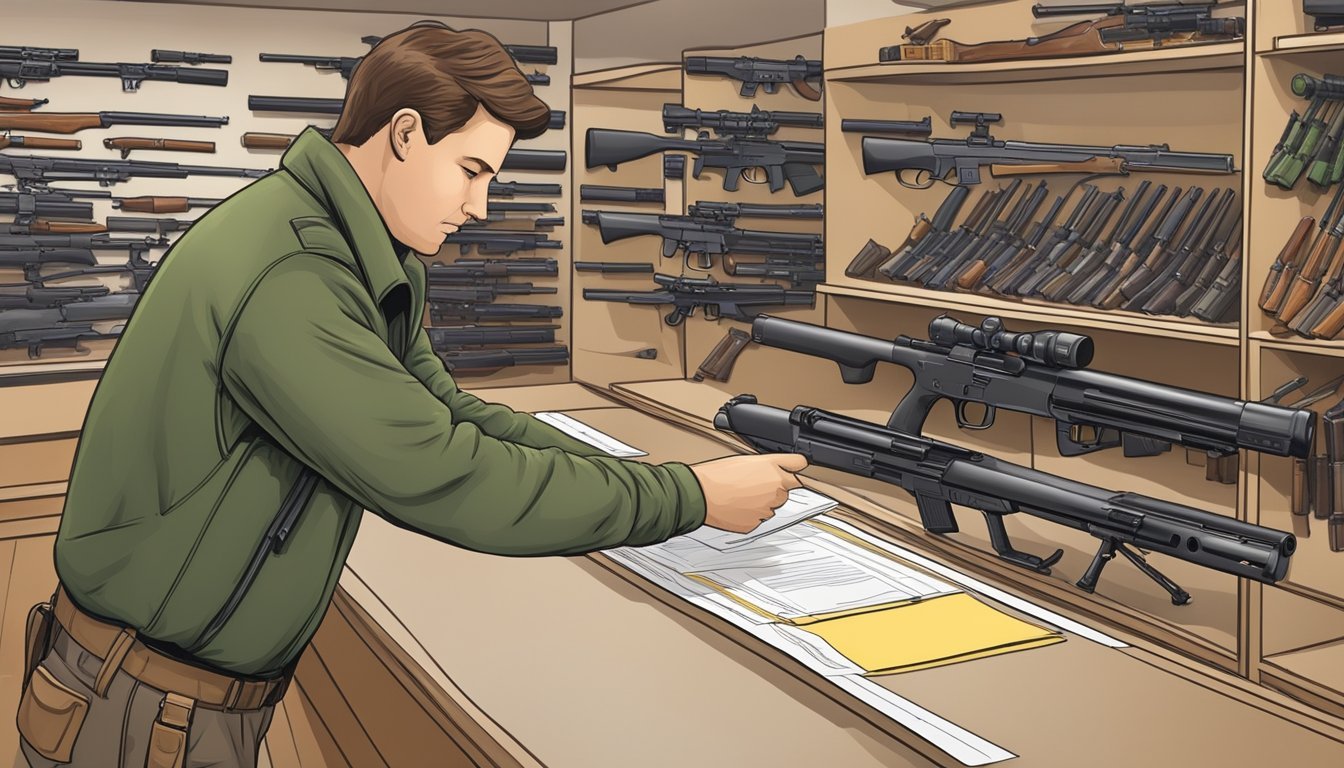
In North Carolina, the processes for purchasing and transferring firearms are clearly defined by state law, directly affecting hunters and other firearm users. These procedures vary depending on the transaction type and the firearm involved.
Background Checks and Purchase Permits
The State of North Carolina mandates background checks for all individuals purchasing firearms from a gun shop or licensed dealer. As of March 29, 2023, North Carolina residents no longer need to obtain a pistol purchase permit from the sheriff's office before buying a handgun. For long guns, federal law requires licensed dealers to perform an instant background check through the National Instant Criminal Background Check System (NICS) before completion of the sale.
Private Sales and Gun Shows
Private firearms sales in North Carolina, including those conducted at gun shows, are subject to state laws. However, private sellers are not required to conduct a background check when transferring a firearm. Buyers should be aware, though, that it remains unlawful for any individual prohibited by law from owning firearms to purchase or receive them.
Regulations on Transfer of Firearms
When transferring ownership of handguns, North Carolina previously required a pistol purchase permit for each transaction. Since the repeal of this requirement, the permit is no longer necessary. It is important to note, however, that multiple long guns may be acquired with a single purchase permit if the transaction is simultaneous. In all instances of transfer, it is imperative that both parties follow state and federal regulations to ensure a lawful exchange.
Carrying Firearms for Personal Protection
In North Carolina, carrying firearms for personal protection is permitted both openly and in a concealed manner. For concealed carry, strict requirements apply, including obtaining a concealed handgun permit. Open carry is generally allowed without a permit, but individuals must adhere to local laws.
Concealed Handgun Permit Requirements
To legally carry a concealed handgun in North Carolina, one must obtain a North Carolina Concealed Handgun Permit (CCHP). Applicants must be at least 21 years old, a resident of North Carolina, and a U.S. citizen or lawful permanent resident. They must have no disqualifying criminal record and provide fingerprints. Additionally, applicants are required to successfully complete a firearms safety and training course.
Renewal and Reciprocity of Concealed Permits
A North Carolina CCHP is valid for five years before it requires renewal. The renewal process includes a background check but does not typically necessitate retaking the firearms safety course. North Carolina's concealed handgun permits are recognized in several other states, indicating that permit holders may carry concealed across state lines where reciprocity agreements exist. It is the permit holder's responsibility to understand and comply with the laws of the reciprocating state.
Firearms Safety and Training
For personal protection, individuals carrying a firearm are expected to handle it responsibly. This is why the completion of a firearms safety and training course is mandatory for obtaining a CCHP. These courses cover handgunning safety, the use of deadly force, and ensure familiarization with state firearm laws. The course must be conducted by a certified instructor and include both classroom instruction and a hands-on firing range component under direct supervision.
Special Considerations for Hunters
In North Carolina, hunters must navigate a series of regulations concerning the age of participants, the locations where hunting is permissible, and a commitment to safety. These rules are designed to maintain a responsible hunting culture and protect both the hunters and the wildlife.
Child and Youth Hunting Regulations
In North Carolina, young hunters are encouraged to learn and participate in the tradition of hunting under strict guidelines to ensure safety and conservation. All hunters under the age of 16 must complete a hunter education course and carry the certification card while hunting. Until they are 18, they must be under the direct supervision of a licensed adult during any hunting activity. It is important for youth hunters to demonstrate their understanding of hunting laws and safe firearm handling.
Direct Supervision is required for hunters under 16.
Hunter Education is mandatory before the youth license issuance.
Hunting on Private and Public Land
North Carolina offers a plethora of hunting opportunities across both private and public lands, including specific rules for each.
On private land, hunters need permission from landowners and must adhere to county-specific regulations when pursuing deer, turkeys, or other game.
Public land, managed by local or state agencies, often requires additional permits or may have restricted seasons and game.
Hunters must also heed the duty to inform landowners when hunting close to property lines or when pursuing escaped game onto private property, respecting both the law and landowner rights.
Advocating for Firearm Safety in Hunting
Firearm safety is paramount in North Carolina, where hunters are both students and stewards of safe gun practices.
County sheriffs oversee private sales of firearms, which includes usage for hunting.
Hunters are encouraged to frequent shooting ranges to hone their skills.
Whether targeting waterfowl, predators, or small game animals, the proper handling of firearms is not just a legal obligation but a community duty. Hunters must manage their firearms responsibly, focusing on secure storage and handling to prevent accidents and ensure a safe environment for all involved.
By adhering to these considerations, hunters in North Carolina contribute to a culture of safety, respect, and conservation.
Legal Obligations and Enforcement
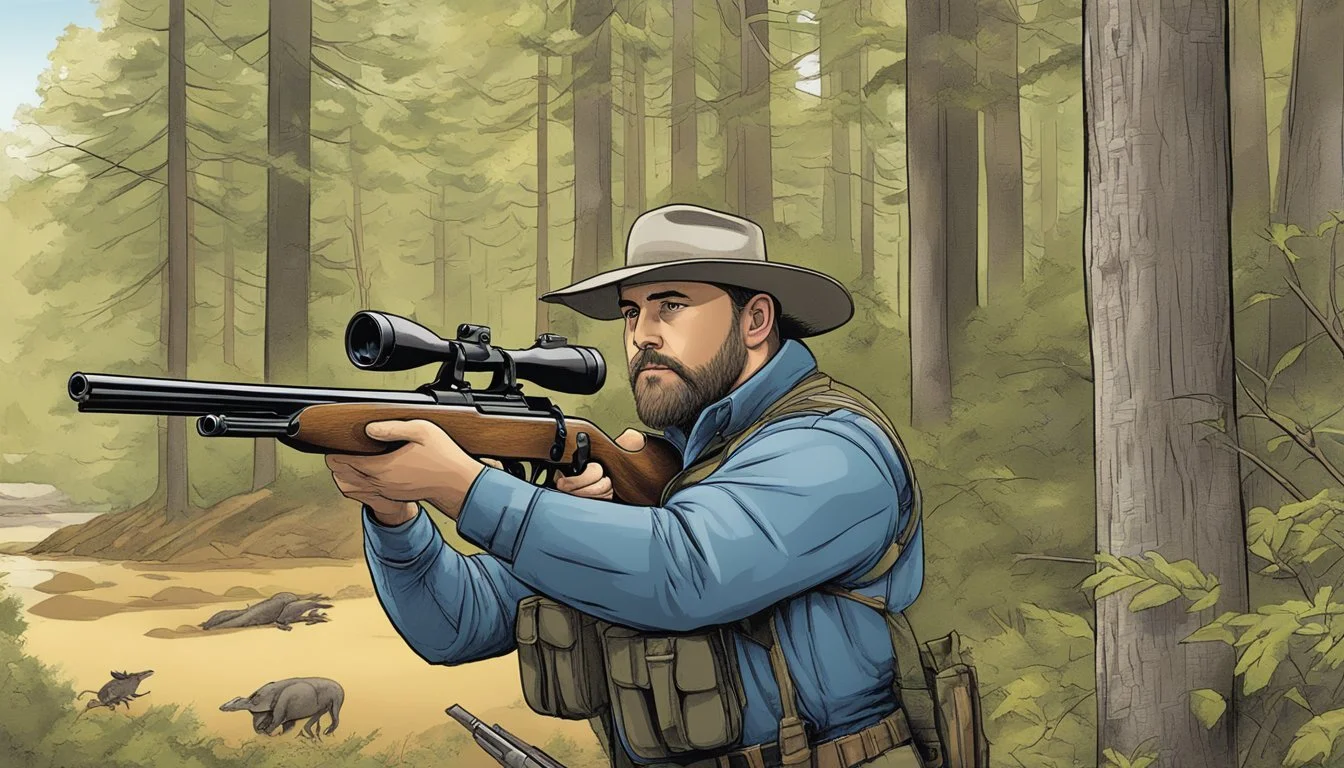
North Carolina hunters must navigate gun laws with precision, understanding how they intersect with law enforcement protocols, the consequences of legal infractions, and legislative updates.
Interaction with Law Enforcement
When approached by a law enforcement officer, such as a sheriff or police officer, individuals carrying firearms in North Carolina are legally bound to disclose if they have a weapon on them. They must carry and present the appropriate permits upon request. It is required to have a permit to carry a revealed or concealed handgun; however, rifles and shotguns do not require a permit for open carry.
Penalties for Violating Gun Laws
Penalties in North Carolina for violating gun laws range from misdemeanors to felonies, depending on the offense. Unlawful possession of a firearm, such as by those convicted of a felony, marked as an unlawful user of controlled substances, or adjudicated mentally incompetent, can lead to significant fines and imprisonment. Violating a court restraining order by possessing a firearm can also result in severe legal repercussions.
Offense Type Possible Penalty Misdemeanor Fines, Imprisonment up to 1 year Felony Prison sentence, substantial fines
Changes in Gun Legislation
The North Carolina legislature regularly reviews gun laws and may enact changes. Hunters need to stay current with these changes to ensure compliance. Changes in legislation can pertain to the types of firearms permitted for hunting, the age of lawful purchase, and other stipulations outlined under both federal and state law. Failure to comply with new regulations can lead to charges, as authorities enforce updates to maximize public safety.

