
Gun Laws in Rhode Island for Hunters
Key Regulations Explained

Rhode Island, the smallest state in the United States, maintains specific regulations that govern the use of firearms by hunters. Ensuring public safety while preserving the rights of hunters, these laws strike a balance between regulation and freedom. Sportsmen and women looking to hunt in Rhode Island must navigate these regulations to ensure they are in compliance with state laws.
Under Rhode Island law, hunters are required to hold the appropriate licenses and complete safety education courses. The state mandates that an individual wishing to purchase a handgun, including hunters who may use them for certain types of hunting, must be at least 21 years old, provide state identification, and complete a firearm safety course. Also noteworthy is the requirement of a handgun safety card, commonly known as the Blue Card, for pistol purchases.
In addition to licensing and safety training, Rhode Island has specific provisions concerning the types of firearms and ammunition that hunters can use. For instance, the open carry of a loaded shotgun or rifle on public roadways is prohibited. Moreover, the manufacture, sale, or possession of machine guns is strictly unlawful, although certain exceptions are granted by the attorney general. Hunters should be cognizant of these restrictions to avoid legal complications while engaging in the sport.
Legal Requirements for Firearm Ownership

Rhode Island imposes specific legal requirements for individuals who wish to own firearms. From eligibility screenings to permitting processes, hunters and residents must navigate through several legal steps to comply with state regulations.
Eligibility and Background Checks
To purchase a firearm in Rhode Island, one must meet certain criteria proving their eligibility. Prospective firearm owners must:
Be a lawful resident of the United States.
Be at least 21 years of age for handgun ownership.
Provide a valid state identification.
Before completing a firearm purchase, a comprehensive background check is required. Applicants must fill out the necessary application forms, which are then processed by the authorities. Background checks aim to ensure that individuals with a history of certain criminal offenses or restraining orders are prohibited from acquiring firearms.
Permits and Licenses to Carry Firearms
In Rhode Island, any person wishing to carry a concealed firearm must obtain a carry concealed weapons permit (CCW). This permit process is overseen by the Attorney General’s office and includes:
Fingerprinting.
A thorough background check.
It's important to note that Rhode Island offers two types of CCW permits: one issued by the local authorities and another by the Attorney General, the latter generally being recognized in more jurisdictions.
Hunter Education and Firearm Training
Besides the legal paperwork, Rhode Island requires firearm owners looking to hunt to obtain a Hunter Education Course card. Alternately, individuals can demonstrate completion of a firearms training course conducted by a certified instructor. This education is vital in promoting safe and responsible firearm handling both in and out of hunting environments. Proof of such training must accompany an application for purchasing a handgun.
Gun Purchase and Possession
In Rhode Island, the process of purchasing and possessing firearms is governed by state laws, which include various restrictions and requirements that impact hunters and other gun owners.
Gun Purchase Procedures
Rhode Island requires individuals seeking to purchase handguns to follow specific protocols. A potential buyer must:
Be at least 21 years old
Provide a valid state ID
Obtain a handgun safety card, known as the Blue Card, or present a Hunter Education Course card
Complete the Purchase of a Pistol or Revolver Application Form
These steps ensure that handguns are purchased responsibly. Additionally, private sales of firearms must be conducted through licensed dealers, who are required to conduct background checks.
Types of Firearms and Ownership Restrictions
Rhode Island gun laws categorize firearms into different types, each with its ownership rules:
Handguns: Subject to the purchase procedures outlined above.
Long guns (rifles and shotguns): No state permit required for purchase, but Open carry of a loaded shotgun or rifle on public roadways is prohibited.
Semi-automatic firearms: Similar purchase procedures to handguns, but may have additional restrictions.
High-capacity magazines: Banned under legislation signed on June 21, 2022.
It's illegal to manufacture, sell, purchase, or possess machine guns without appropriate licensing from the attorney general.
Surrender and Compliance
Upon certain court actions or legislative changes, individuals may be required to surrender firearms. When surrendering a firearm, it is important that all applicable laws are followed closely. Firearms should be surrendered in a safe and lawful manner, typically to law enforcement agencies. Firearms must be transported to the designated agency in locked containers to ensure safety and compliance with the law.
Concealed and Open Carry Regulations

In Rhode Island, regulations around carrying firearms are specific and adhere to both concealed and open carry laws. Understanding these legislations is vital for gun owners, especially hunters who need to transport their firearms for lawful hunting activities.
Concealed Carry Laws
In Rhode Island, concealed carry is allowed for individuals who have been issued a License to Carry Concealed Weapons (LCCW) by the Attorney General or local authorities. The Attorney General may issue a license to carry a handgun concealed or not, to applicants aged 21 or older. However, LCCWs issued by local authorities are solely for concealed carry and do not permit open carry. Concealed carry of firearms without the appropriate licensure is illegal and could result in severe penalties.
Open Carry Legislation
For open carry in Rhode Island, there is some complexity. Under House Bill 7358A and Senate Bill 2825 which became law on June 21, 2022, open carry of a loaded shotgun or rifle on public roadways is now prohibited. Although open carry is generally not banned by state law, the practical ability to do so is limited, specifically without a License to Carry from the Attorney General, which allows carrying a handgun openly or concealed. It's essential to note that the presence of signs prohibiting firearms can negate open carry rights in places like restaurants and bars.
Ammunition and Magazine Restrictions
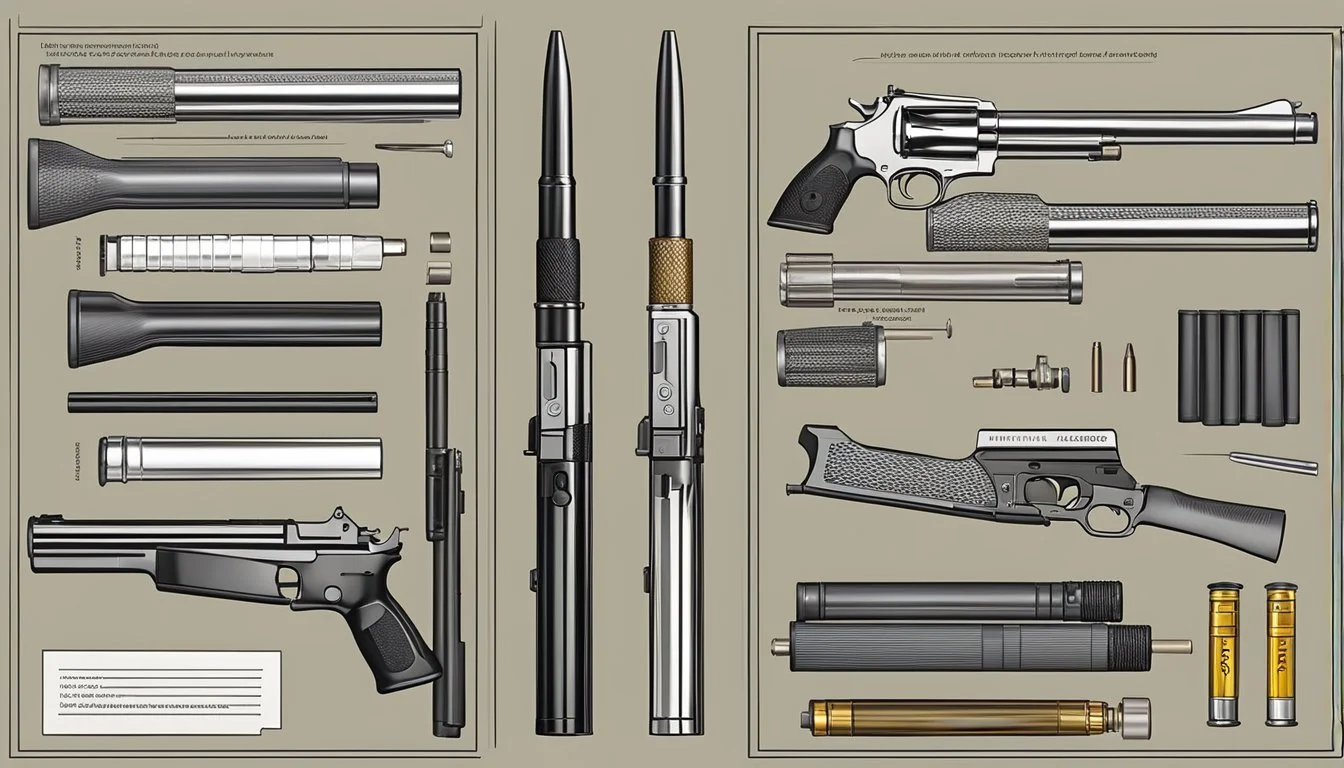
In Rhode Island, specific regulations govern the possession and use of ammunition and magazines. A significant legislative change occurred in 2022 when Rhode Island implemented a ban on high-capacity magazines. This means that magazines with the capacity to hold more than ten rounds now attract prohibitive measures.
Legislation Overview:
Magazine Limit: A maximum of ten rounds
Ban Enactment: Became law in 2022
Compliance Requirement: Unlawful to possess high-capacity magazines
Compliance with these laws is critical for hunters to avoid legal repercussions, including potential felony charges, which reflect the severity of violations. It is noteworthy that the definition of "rifle" and "shotgun" in these regulations aligns with existing federal law, ensuring consistency across jurisdictions.
Hunters must also consider Rhode Island's open carry legislation, which directly impacts firearm transportation. The open carry of a loaded shotgun or rifle on public roadways now falls under prohibited conduct, marking a stride toward more stringent gun safety laws.
Legal Consequences:
Open Carry Violation: Prohibited for loaded shotguns or rifles on public roadways
Non-Compliance: May result in felony charges
The state's firm stance on ammunition and magazine restrictions forms a part of its broader effort to enhance overall public safety. The prohibition on high-capacity magazines is designed to limit the firepower available to individuals, thereby potentially reducing the severity of gun-related incidents. Hunters and all firearms users in Rhode Island are advised to stay current with these legal requirements to ensure responsible and law-abiding engagement with their sport.
Special Provisions for Specific Groups

Rhode Island gun laws include particular provisions that apply exclusively to different groups based on their profession, military status, or residency. These specialized regulations accommodate the unique responsibilities and needs of these groups while maintaining a focus on safety and legal compliance.
Military, National Guard, and Armed Forces
Members of the military, National Guard, and other Armed Forces may be exempt from certain state gun laws due to the nature of their service. For instance, while Rhode Island generally prohibits possession of machine guns, active service members might be authorized to possess such firearms as part of their official duties. It's also important for military personnel to be aware that upon return to civilian status, they must comply with all state regulations, such as the mandatory completion of a hunter education course if they were born after June 1, 1975.
Law Enforcement and Retired Officers
Law enforcement officers currently serving in Rhode Island are generally granted more latitude in carrying firearms than civilians. This extends to retired law enforcement officers who meet the qualifications set forth under federal law, specifically the Law Enforcement Officers Safety Act (LEOSA). Additionally, active and retired law enforcement officers may be eligible for exemptions from certain state-mandated training courses. Retired officers must carry documentation attesting to their status to avail themselves of these exceptions.
Non-Resident Regulations
Non-residents who wish to hunt in Rhode Island must be aware of specific regulations that apply to them. While they are generally held to the same standards as residents, non-residents must acquire the appropriate hunting licenses and permits. An important requirement is the Blue Card, which is necessary for purchasing ammunition and firearms in the state. For non-residents, this card is obtained by passing a written exam or presenting a valid hunting license from their state of residency.
Prohibitions and Penalties

In Rhode Island, certain prohibitions around firearms are strictly enforced to mitigate gun violence and ensure compliance with state laws. They fall under several categories, with varying degrees of penalties, including fines and imprisonment, for violations.
Open Carry of Shotguns and Rifles: A significant legislative change prohibits the open carry of a loaded shotgun or rifle on any public roadway. Violators may face penalties in alignment with state firearm laws.
Machine Guns: Under R.I. Gen. Laws § 11-47-58, it is illegal to manufacture, sell, purchase, or possess machine guns, unless licensed by the attorney general which is rarely granted.
Large Capacity Feeding Devices: A ban on large capacity feeding devices has been legislated, aligning with efforts to reduce the potential for high-casualty events.
Sale and Purchase Age: The legal age for purchasing a firearm in Rhode Island has been increased from 18 to 21.
Offense Penalty Detail Possession by Prohibited Person Felony charge, 2 to 10 years imprisonment Open Carry of Loaded Firearms Subject to state firearm law penalties Unlawful Possession of Machine Gun License required, or face serious legal charges
Hunters must observe deer hunting regulations, which prohibit hunting except during specified seasons, times, and methods. Regulations also stipulate bag limits.
In summary, compliance with Rhode Island’s gun laws is crucial for hunters. Penalties can be severe, reflecting the state’s commitment to public safety and responsible gun ownership.
Roles of State Institutions and Officials

In Rhode Island, the General Assembly amends laws, the Governor and General Officers implement and enforce policy, while public safety and police departments ensure compliance.
General Assembly and State Legislation
The Rhode Island General Assembly is instrumental in crafting and passing firearms legislation which affects hunters. For instance, they passed legislation that defined "rifles" and "shotguns," and matched the definition to existing federal law. Legislation also included restrictions such as the prohibition of the open carry of loaded rifles and shotguns on public roadways.
Governor and General Officers
Governor Dan McKee, along with other general officers like the Secretary of State and the General Treasurer, play key roles in the oversight of firearms regulation. The Governor signs bills into law, such as the restriction of open carry and the increase of the legal age to purchase firearms or ammunition from 18 to 21.
Public Safety and Police Departments
The Public Safety entities and Police Departments in Rhode Island, particularly in Providence, are responsible for the enforcement of gun laws. They work to ensure firearms safety across the state, adhering to regulations passed down from the assembly and supported by the governor's office. Their role includes the prevention of illegal gun activities and the education of Rhode Islanders in safe firearm practices.
Additional Considerations

When considering gun laws in Rhode Island for hunting purposes, hunters must be aware of the specifics regarding the transportation and storage of firearms, the process for reporting lost or stolen weapons, and anticipate future changes in legislation that may affect their activities.
Transportation and Storage of Firearms
In the State of Rhode Island, safe transportation and storage of firearms are crucial to ensure compliance with the law. When transporting firearms, they must be unloaded and placed in secure containers. The storage of firearms demands caution; they should be stored unloaded in a locked box or container when not in use to prevent unauthorized access. It's essential that hunters adhere to this to prevent any accidents or theft.
Reporting Lost or Stolen Weapons
If a hunter discovers that their firearm is lost or stolen, it is mandatory to report this to the local law enforcement promptly. The State of Rhode Island requires that such incidents be reported within 24 hours to ensure that necessary measures can be taken to locate the firearm and prevent potential misuse.
Future Legislative Changes
Hunters should monitor the DEM headquarters for updated information about future legislative changes impacting gun laws in Rhode Island. Expectations include possible amendments to the wait period for acquiring firearms and other regulations that could affect their hunting experience. Staying informed through the State of Rhode Island's official channels is recommended to ensure compliance with the latest laws and regulations.
Conclusion

Rhode Island has implemented stringent gun safety legislation to ensure the responsible use of firearms, particularly for hunters. The state requires gun owners to follow safety protocols, including the safe storage of weapons to prevent unauthorized access. This measure reflects an overarching commitment to minimize gun-related incidents.
Lt. Governor Sabina Matos and General Treasurer Seth Magaziner have both participated in conversations and actions surrounding the evolution of these laws. Their contributions extend towards advocating for responsible gun ownership and reinforcing the importance of public safety.
Gun ownership in Rhode Island comes with its set of mandatory compliances:
All handgun purchasers are required to be at least 21 years old.
A state-issued handgun safety card or a Hunter Education Course card is mandatory.
Open carry of loaded shotguns or rifles on public roadways is prohibited.
The legislation passed on June 21, 2022, indicates a clear stance by the state to regulate gun usage with an emphasis on safety. Hunters, while engaging in their sport, must be continually aware of these regulations and are encouraged to stay informed about any legislative changes that may affect gun usage and ownership in the state. With a focus on reducing unnecessary risks, these laws serve to protect not only the individual gun owners and hunters but also the broader community.

