
Biohacking Through Ingredient Swapping: Simple Dietary Changes for Optimal Health
Biohacking has gained popularity as a practical approach for those looking to improve health and wellness by making intentional changes to their lifestyle, especially through nutrition. By swapping certain ingredients in meals, individuals can support better nutrition outcomes and align their diets with personal health goals. This method is grounded in science-backed strategies that focus on small, sustainable adjustments instead of drastic overhauls.
Ingredient swapping offers a way to experiment with various food choices—like replacing refined grains with ancient grains or processed foods with whole, organic alternatives. These changes allow people to personalize their diet to boost brain function, longevity, and physical performance. For anyone interested in biohacking through diet and nutrition, ingredient swapping provides a straightforward and effective path to optimizing overall well-being.
The Fundamentals of Biohacking Through Ingredient Swapping
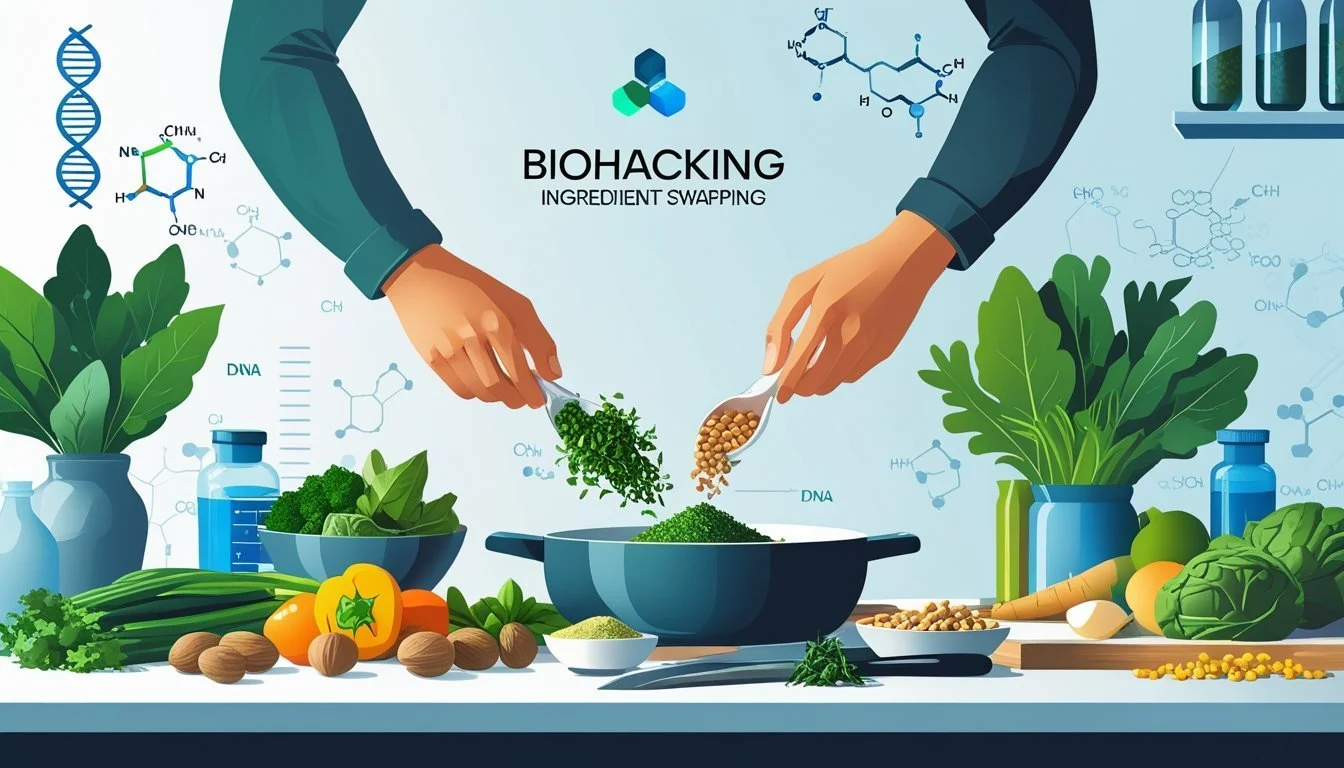
Ingredient swapping is a practical biohacking method for enhancing nutrition, refining health and wellness routines, and making sustainable lifestyle changes. This approach focuses on tailored food choices that improve overall well-being without requiring drastic measures or expensive supplements.
What Is Ingredient Swapping in Biohacking?
Ingredient swapping in biohacking involves replacing standard food items with nutrient-dense or health-promoting alternatives. For example, someone might use cauliflower rice instead of white rice, or swap refined sugar for a natural sweetener like stevia.
This practice often targets personal health goals such as better energy, improved gut health, or lower inflammation. Swapping can also address dietary needs, including gluten-free, low-carb, or plant-based preferences.
Common swaps include:
Whole grains instead of refined grains
Healthy fats like olive oil instead of butter
Fermented foods (e.g., kimchi) for gut benefits
Biohackers choose these alternatives for both long-term benefits and short-term changes in energy, focus, and physical well-being.
Core Principles and Philosophy
The philosophy of ingredient swapping centers on the idea that small, strategic changes can have meaningful effects on health and wellness. Biohackers believe that food is a foundational tool for optimizing physical and mental performance.
Key principles include:
Personalization: Choices are tailored to individual biology and lifestyle.
Evidence-based: Swaps are informed by nutritional science.
Sustainability: Focus on changes that integrate seamlessly into daily routines.
This philosophy values incremental, sustainable improvement over quick fixes. By making careful adjustments, individuals can support longevity, balance nutrient intake, and foster consistent well-being.
Advantages and Potential Risks
Swapping ingredients can lower calorie intake, increase micronutrient consumption, and decrease reliance on processed foods. Benefits may include improved digestion, enhanced energy levels, and better metabolic health.
However, not all swaps are beneficial for everyone. There is a risk of nutrient imbalance if swaps are not thoughtfully chosen. For example, excessively reducing fat or carbohydrates may impact long-term well-being.
Potential disadvantages to watch for:
Allergic reactions to new foods
Excessive focus on optimization causing stress
Overlooking enjoyment and practicality in eating
Awareness and informed choices are crucial to maximize benefits and minimize drawbacks in a biohacking nutrition strategy.
Key Ingredient Swaps for Improved Health
Making specific ingredient swaps can help increase key nutrients, support better nutrition, and reduce intake of less healthy components such as saturated or trans fats. These targeted changes focus on common foods and offer practical ways to improve daily dietary habits.
Replacing Refined Carbohydrates with Whole Grains
Switching refined grains like white bread, white rice, and regular pasta with whole grains provides more fiber, B vitamins, and minerals. For example, use whole wheat bread instead of white bread, and opt for brown rice, quinoa, or barley over white rice.
Whole grains help improve digestion and promote steady blood sugar levels. Swapping just one serving per meal can make a measurable difference in fiber intake and nutrient availability. When baking, replacing some white flour with whole wheat flour or using a combination with nut flours can also increase the nutritional quality without compromising texture.
Refined Grain Whole Grain Alternative White Bread Whole Wheat Bread White Rice Brown Rice/Quinoa Regular Pasta Whole Wheat Pasta
Healthy Fats Versus Trans Fats
Reducing trans fats and replacing them with healthy fats is linked with better heart health and reduced inflammation. Instead of using margarine or hydrogenated shortening, choose olive oil, avocado oil, or grass-fed butter in cooking.
Add sources of omega-3 fatty acids, such as walnuts, flaxseeds, chia seeds, and fatty fish, to support cardiovascular and brain function. For baking, consider swapping vegetable shortening with coconut oil or extra-virgin olive oil, which contain healthier fat profiles.
Use avocado slices on toast instead of butter, or add nuts and seeds to salads instead of using creamy dressings.
Sugar Substitutes and Natural Sweeteners
Minimizing added sugars helps lower calorie intake and prevent blood sugar spikes. Replace refined white sugar with smaller amounts of natural sweeteners like honey, maple syrup, or stevia for better glycemic control.
Try using unsweetened applesauce or mashed bananas in baking recipes to reduce sugar and add nutrients and fiber. Dates can also serve as a natural sweetener in smoothies or desserts.
When picking sweeteners, compare nutrient content and choose those less processed and closer to their natural form. Read labels carefully, as many “natural” sweeteners can still be heavily refined.
Plant-Based Alternatives to Processed Proteins
Many processed meats are high in saturated fat and sodium, while plant-based proteins such as beans, lentils, tofu, or tempeh offer more fiber and less cholesterol. Consider replacing conventional deli meats or sausage with these alternatives in salads, sandwiches, and main dishes.
For those seeking lean animal protein, organic poultry or grass-fed beef can be more nutrient-rich and may contain healthier omega-3 fat profiles compared to standard processed meats.
Use beans or lentils as the main protein in soups, stews, or grain bowls. Incorporating these swaps helps increase intake of vitamins, minerals, and phytochemicals that support long-term health.
Optimizing Brain Function with Smart Ingredient Choices
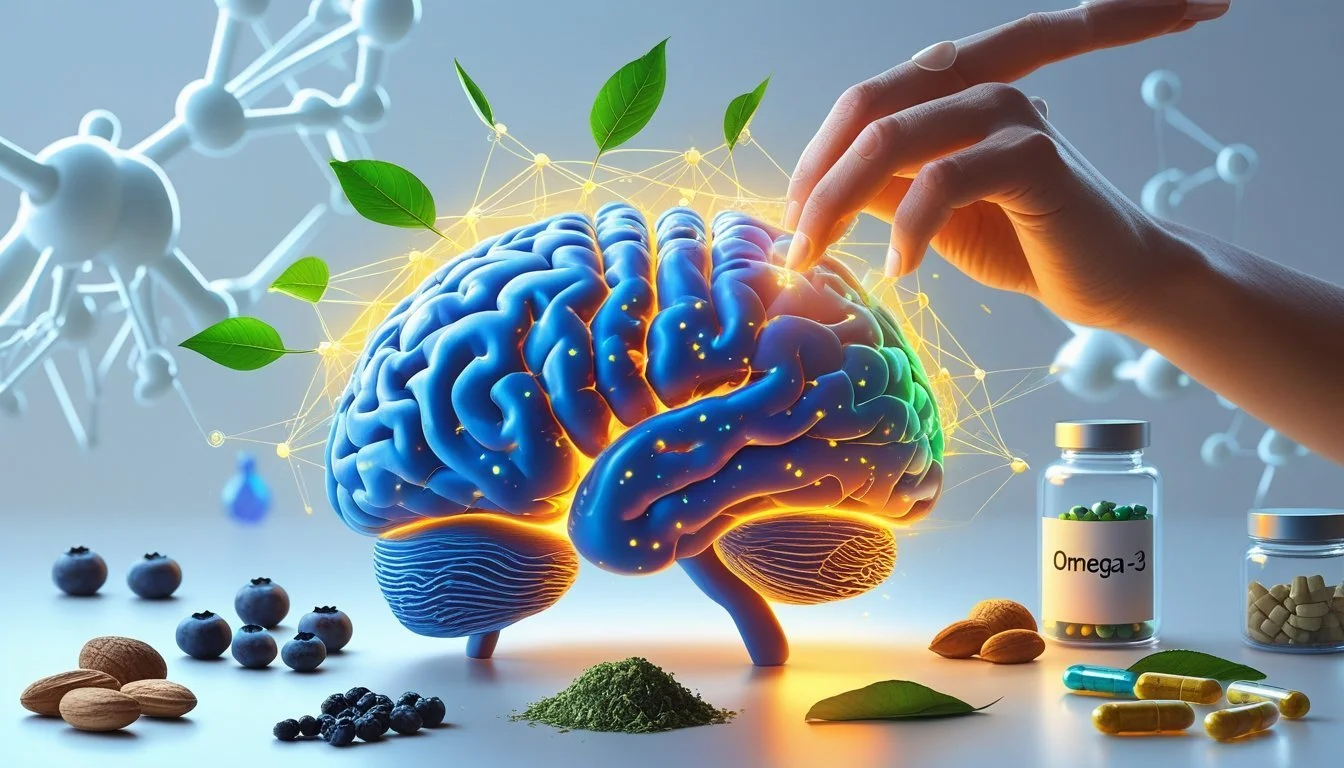
Smart ingredient choices play a critical role in supporting brain health, mental clarity, and sustained cognitive performance. Simple swaps and mindful food selection can help reduce brain fog, increase focus, and promote healthier brain function.
Nootropics and Cognitive Enhancement Foods
Nootropics, often called "smart drugs," refer to ingredients or compounds believed to support improved brain function. Some common nootropics include piracetam, L-theanine, and bacopa monnieri. These are sometimes used as supplements, but many foods also provide cognitive benefits.
Examples of cognitive enhancement foods:
Fatty fish (rich in omega-3s)
Blueberries (antioxidant support)
Pumpkin seeds (magnesium, zinc, iron, copper)
Including these foods in the diet may help with memory, concentration, and general brain health. Foods high in choline, such as eggs, support neurotransmitter synthesis important for focus and recall. Using natural nootropic foods provides a safer alternative to synthetic smart drugs.
Low-Glycemic Swaps to Avoid Brain Fog
Blood sugar spikes followed by crashes can cause brain fog and hamper mental clarity. Choosing low-glycemic ingredients helps stabilize energy levels and prevents rapid cognitive downturns.
Low-glycemic ingredient swaps:
High-Glycemic Low-Glycemic Alternative White bread 100% whole grain bread White rice Quinoa, wild rice Sugary cereals Steel-cut oats
Opting for complex carbohydrates provides a steady glucose supply to the brain without the sharp ups and downs. Adding fiber-rich foods further helps smooth out energy levels, contributing to clearer thinking and steadier performance throughout the day.
Caffeine Alternatives for Mental Clarity
While caffeine remains a common choice for alertness, it can sometimes lead to jitters or later energy crashes. Alternatives such as L-theanine (found in green tea), rhodiola rosea, and ginseng may promote mental clarity without these side effects.
Green tea offers a milder caffeine dose paired with calming L-theanine.
Adaptogens like rhodiola can help support sustained focus under stress.
Cacao provides mild stimulation and contains flavonoids for brain health.
These ingredient swaps help maintain alertness and cognitive performance, reducing the risk of overstimulation and post-caffeine fatigue. It enables individuals to sustain mental clarity in a balanced way.
Ingredient Swapping for Weight Management and Metabolic Health
Targeted ingredient swaps can improve dietary patterns that support weight loss and optimize metabolism. Choosing lower-calorie alternatives, reducing common triggers for food sensitivities, and aligning food choices with ketogenic or fasting protocols allows individuals to personalize a biohacking diet for sustained health.
Keto-Approved Food Substitutions
A ketogenic diet restricts carbohydrate intake while emphasizing fats and moderate protein. Ingredient substitution plays a central role in making traditional meals fit this pattern.
Alternatives such as cauliflower rice for white rice, zucchini noodles instead of pasta, and almond or coconut flour in place of wheat flour are commonly used. These swaps help limit carb intake while offering similar textures. Avocado puree can be used as a butter substitute in baking, reducing calories and adding fiber.
Sample Keto Swaps Table:
High-Carb Food Keto-Friendly Swap Bread Cloud bread, lettuce wraps Potatoes Mashed cauliflower Sugar Erythritol, stevia
Incorporating these substitutions can help maintain ketosis, support metabolic changes, and facilitate steady weight management.
Intermittent Fasting and Caloric Density Swaps
Intermittent fasting relies on structured eating windows, making meal quality and caloric density crucial. Adjusting ingredients helps maximize satiety and nutrition within fewer meals.
Swapping calorie-dense foods with high-fiber, nutrient-rich options—such as replacing heavy cream with coconut milk or cashew cream—provides satisfying servings while moderating caloric load. Leafy greens and vegetables can replace refined grains, offering volume without excess calories.
Reducing added sugars and saturated fats by using fruit purees or plant-based oils ensures meals remain satisfying. These choices can support metabolic flexibility and assist in sustainable weight loss during fasting periods.
Elimination Diet and Food Sensitivities
For those addressing food sensitivities, ingredient swapping is essential in tailoring an elimination diet. The goal is to remove common triggers such as gluten, dairy, soy, or nuts while maintaining nutritional adequacy.
Common swaps include using oat milk or almond milk instead of cow’s milk, gluten-free grains like quinoa or rice instead of wheat, and seed butters for peanut butter. It’s important to ensure alternatives provide comparable protein, fiber, and micronutrients.
Identifying and substituting trigger foods helps reduce inflammation and digestive distress. Thoughtful ingredient selection supports long-term adherence and better metabolic outcomes in sensitive individuals.
Biohacking for Longevity: Anti-Inflammatory Ingredient Replacements

Choosing specific ingredients can help lower inflammation and support healthy aging. Swapping out conventional items for more nutrient-dense options introduces powerful antioxidants, phytonutrients, and omega-3s with potential anti-aging effects.
Antioxidant-Rich Foods and Superfood Swaps
Antioxidants protect cells from damage linked to aging and chronic disease. One simple swap is replacing white rice with quinoa or wild rice, which offer more fiber and greater phytonutrient diversity.
Incorporate berries, such as blueberries or blackberries, instead of sugary dessert toppings. These fruits supply anthocyanins and vitamin C. Replace iceberg lettuce with leafy greens like kale, spinach, or arugula for higher levels of vitamin K and carotenoids.
Switch standard cooking oils for extra virgin olive oil. Olive oil contains polyphenols, a potent class of antioxidants. Use dark chocolate (70% cacao or higher) in place of milk chocolate for more flavonoids.
Conventional Ingredient Anti-Inflammatory Swap White Bread Sprouted Grain Bread Regular Pasta Lentil or Chickpea Pasta Milk Chocolate 70%+ Dark Chocolate Iceberg Lettuce Spinach/Kale/Arugula
Incorporating Omega-3s and Phytonutrients
Omega-3 fatty acids help modulate inflammation and support heart and brain health. Swap processed meats with wild-caught fish such as salmon, sardines, or mackerel. These fish are rich sources of EPA and DHA.
For plant-based diets, choose flaxseeds, chia seeds, or walnuts instead of refined snack foods. These seeds provide ALA, a plant-based omega-3. Adding flaxseed meal to smoothies or oatmeal boosts phytonutrient and omega-3 content.
Vitamin D is critical for immune regulation and may play a role in anti-aging. Fortified plant milks or wild-caught fatty fish can be practical dietary sources.
Select bright vegetables like bell peppers, purple cabbage, and tomatoes as meal bases. These provide a spectrum of phytonutrients—lycopene, lutein, and others—linked to reduced inflammation and healthier aging.
Supplements and Functional Foods for Biohacking
Diet optimization can be enhanced by adding targeted supplements and functional foods. Selecting quality products and understanding their interactions with ingredient swaps are important for effective biohacking.
Choosing Effective Biohacking Supplements
When choosing biohacking supplements, individuals should focus on products that are science-backed and address specific health goals. Supplements such as vitamin D, omega-3 fatty acids, magnesium, and probiotics support foundational wellness and metabolic function.
Label transparency and third-party testing help ensure product purity and potency. It's also important to consider dosage, timing, and potential interactions with existing dietary components or medications.
Below is a list of common biohacking supplements and their principal benefits:
Supplement Potential Benefit Vitamin D Immune and bone health Omega-3s Heart and brain function Magnesium Muscle and nerve support Probiotics Gut microbiome balance CoQ10 Cellular energy and heart
Regular use, paired with a balanced diet, can maximize effects and support personal health targets.
Synergy Between Supplements and Ingredient Swaps
Biohacking isn't just about adding supplements; it's also about making strategic ingredient swaps in daily meals. Replacing refined ingredients with nutrient-dense options—like using extra virgin olive oil instead of vegetable oil—can enhance the bioavailability of supplements, making them more effective.
Combining certain supplements with specific foods may increase absorption. For example, taking fat-soluble vitamins A, D, E, and K with a source of healthy fat improves uptake. Pairing turmeric (curcumin) with black pepper further boosts its bioactive impact.
A practical approach involves:
Swapping processed snacks for nuts or seeds rich in magnesium
Using garlic to support cardiovascular health, documented for its effects on blood pressure
Incorporating fermented foods to complement or replace probiotic capsules
Understanding these synergies offers a more holistic and efficient path to biohacking.
Vitamins, Minerals, and CoQ10
Vitamins and minerals remain the foundation for cellular health, energy metabolism, and longevity. Key biohacking nutrients include vitamin D for immune function, magnesium for nerve signaling, and B vitamins for cognitive support.
Coenzyme Q10 (CoQ10) is a standout for its role in mitochondrial energy production. Widely researched for its cardiovascular benefits, CoQ10 is especially important for those over 40 or on statin medications, as levels can decrease with age or drug use.
A mix of whole foods and targeted supplementation helps maintain adequate levels:
Leafy greens and seeds for magnesium
Fatty fish and sunlight for vitamin D
Organ meats and whole grains for B vitamins
Supplements for adequate CoQ10 when dietary intake is insufficient
These essential nutrients work best when combined with a thoughtful diet and regular ingredient upgrades.
Personalizing Ingredient Swaps Using Data and Technology
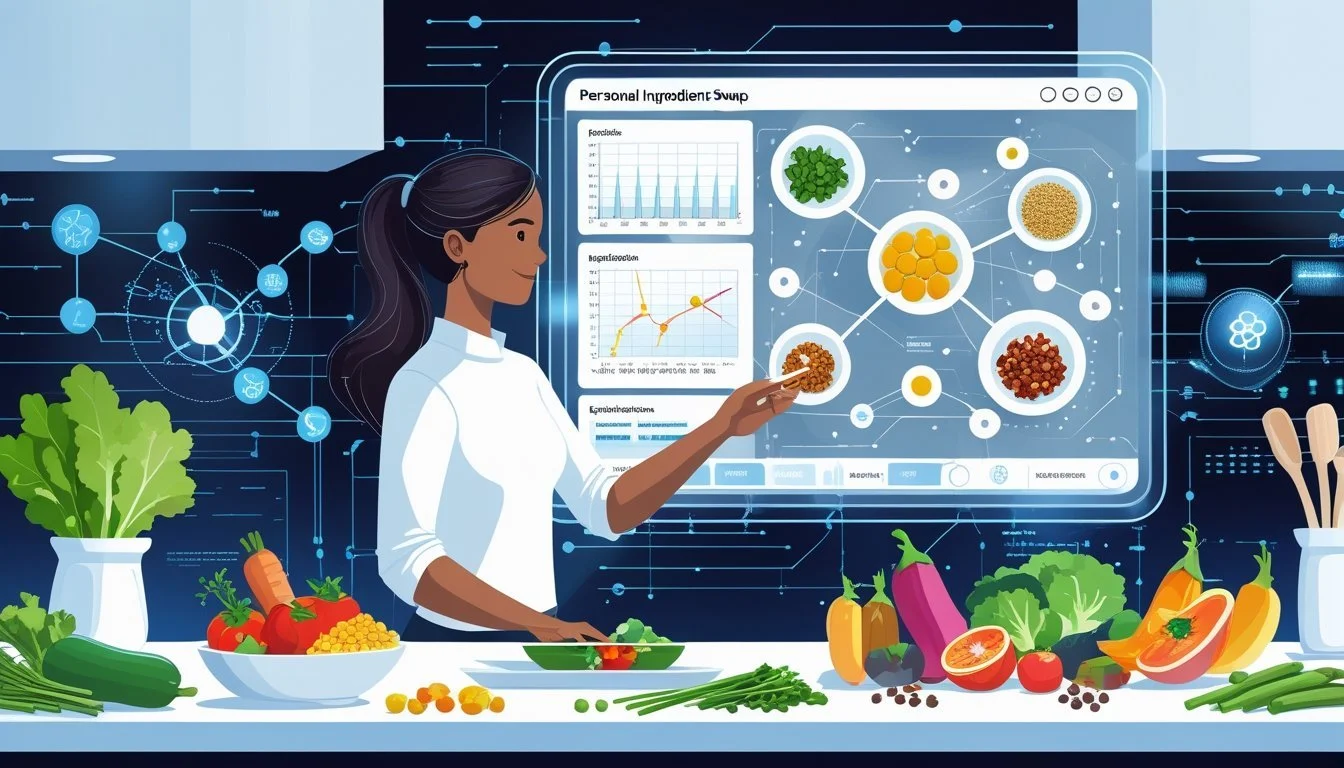
Data-driven tools and emerging technologies now allow users to customize ingredient swaps based on detailed health metrics. Combining information from wearables and genetics, individuals can make more precise dietary decisions that align with their health needs.
Wearables and Health Data Tracking
Wearable technology, such as the Oura Ring and advanced sleep tracking devices, continuously monitors key health metrics. These devices collect data on sleep patterns, physical activity, and stress levels, offering actionable insights for dietary adjustments.
By analyzing patterns—like periods of low sleep quality—individuals can use ingredient swapping to adjust their meals. For example, someone with low sleep efficiency might focus on swapping evening ingredients for those rich in magnesium or tryptophan, which are linked to better sleep.
Key wearable health data for ingredient swaps:
Device/Function Data Monitored Dietary Application Oura Ring, Sleep Trackers Sleep stages, HRV, temperature Swap for sleep-enhancing nutrients Fitness Trackers Steps, activity, stress levels Adjust macros, micronutrients
This approach enables more targeted ingredient changes that directly respond to tracked personal health variables.
Leveraging Nutrigenomics and Genetics
Nutrigenomics allows ingredient choices to be tailored according to individual genetic variations. Genetic testing services analyze how the body processes nutrients, revealing predispositions such as slow caffeine metabolism or a higher need for specific vitamins.
With genetic data, ingredient swaps can address unique needs—such as choosing A2 casein dairy for those with lactose gene variants or replacing high-oxalate foods for people at risk of kidney stones. Personalized suggestions use insights from genes related to vitamin D absorption or lipid metabolism.
Ways genetics informs ingredient swaps:
Identify substitutions for allergens or sensitivities flagged by gene results.
Optimize macronutrient balance for metabolic types identified in DNA analysis.
Swap ingredients to support genetic risks, such as heart or bone health vulnerabilities.
By integrating nutrigenomics with dietary habits, individuals make more informed, effective ingredient swaps for their long-term health.
Biohacking Lifestyles: Integrating Ingredient Swapping with Daily Habits

Ingredient swapping is most effective when linked to everyday routines. By incorporating simple changes and streamlining decision-making, individuals can reinforce healthy habits and support long-term self-improvement in diet and nutrition.
Meal Planning and Preparation
Meal planning allows for purposeful ingredient swaps, minimizing less nutritious options. Swapping white rice with cauliflower rice, for example, reduces calorie and carbohydrate intake while maintaining meal satisfaction. Prepping meals with alternative flours, such as almond or chickpea flour, can boost protein and fiber.
Batch-cooking with these ingredients saves time and limits the temptation to choose convenience foods. Maintaining a list of go-to swaps—like replacing sugary drinks with herbal teas or sparkling water—makes adjusting recipes faster. Labeling pantry and fridge items with preferred alternatives offers a visual reminder to make nutrient-dense choices.
A sample table of ingredient swaps:
Standard Ingredient Biohacked Swap White bread Sprouted grain bread Vegetable oil Extra virgin olive oil Regular pasta Zucchini noodles
Executing swaps during meal prep creates consistent, incremental changes in daily nutrition.
Habit Stacking for Lasting Change
Integrating ingredient swaps into daily routines, or habit stacking, leverages existing habits for more sustainable changes. For example, if someone already makes a morning smoothie, replacing dairy milk with unsweetened almond milk becomes a simple adjustment.
Pairing ingredient swaps with established behaviors limits the effort required for new routines. Placing pre-chopped vegetables next to the coffee machine encourages the addition of greens to breakfast. Keeping a running grocery list after each meal helps reinforce these swaps, making shopping more intentional.
Successful habit stacking creates a structure for lifestyle modification, allowing small changes to build up over time. This practical approach turns self-improvement into a natural part of the day, rather than a disruptive overhaul.
Advanced Biohacking: Cutting-Edge Approaches and Ethical Considerations

Modern biohacking includes highly technical approaches, such as gene editing and do-it-yourself biology. These developments offer new opportunities but also raise practical and ethical questions for both enthusiasts and the broader public.
CRISPR, Gene Editing, and Biotechnology
CRISPR is a powerful gene-editing tool that allows scientists to alter DNA with remarkable precision. This technology has made gene modification more accessible to research labs and individuals interested in personalized health. Its applications range from correcting inherited diseases to enhancing physical traits.
Biotechnology companies are rapidly exploring CRISPR-based therapies for conditions like cystic fibrosis and sickle cell anemia. Some biohackers use genetic interventions for self-experimentation. Silicon Valley startups are investing in solutions that promise cognitive boosts or improved longevity by tweaking genes or the microbiome.
Key features of gene editing via CRISPR include:
Feature Description Precision Targets specific DNA sequences Affordability Lower cost than earlier gene-editing methods Accessibility Usable in small labs and DIY biology settings
DIY Biology and the Grinder Movement
DIY biology, often called biohacking, involves non-professional innovators working with biology outside of traditional institutional settings. The movement includes community labs, online forums, and informal groups experimenting with biology.
The grinder subculture takes this a step further by integrating technology directly into the body. Some enthusiasts install microchips under the skin to unlock doors or store data. Others work on more experimental implants, like sensors for tracking biometrics.
These activities often bypass conventional medical oversight. Although most practitioners use off-the-shelf technology and open-source protocols, the legal and health risks remain significant. Silicon Valley has been a hotbed for grinder startups, which promote human enhancement and cyborg technologies.
Ethical Implications and Safety
Cutting-edge biohacking brings important ethical and safety issues. Equity and access are major concerns, as advanced gene editing and implants may only be available to those who can afford them. Privacy risks also arise when devices collect personal health data.
Regulatory oversight for DIY biology is inconsistent. There are few enforced standards for self-experimentation, implant safety, or genetic modification outside clinical trials. These gaps increase the risk of unintended health effects and biosecurity threats.
Key ethical considerations include:
Informed consent for experimental procedures
Long-term consequences of gene editing
Environmental and population-level risks
Potential for unapproved use in healthy individuals
Open discussion and balanced decision-making are essential to responsibly guide the future of advanced biohacking.

