
Culinary Forgery: When Substitution Becomes Art in Modern Cooking
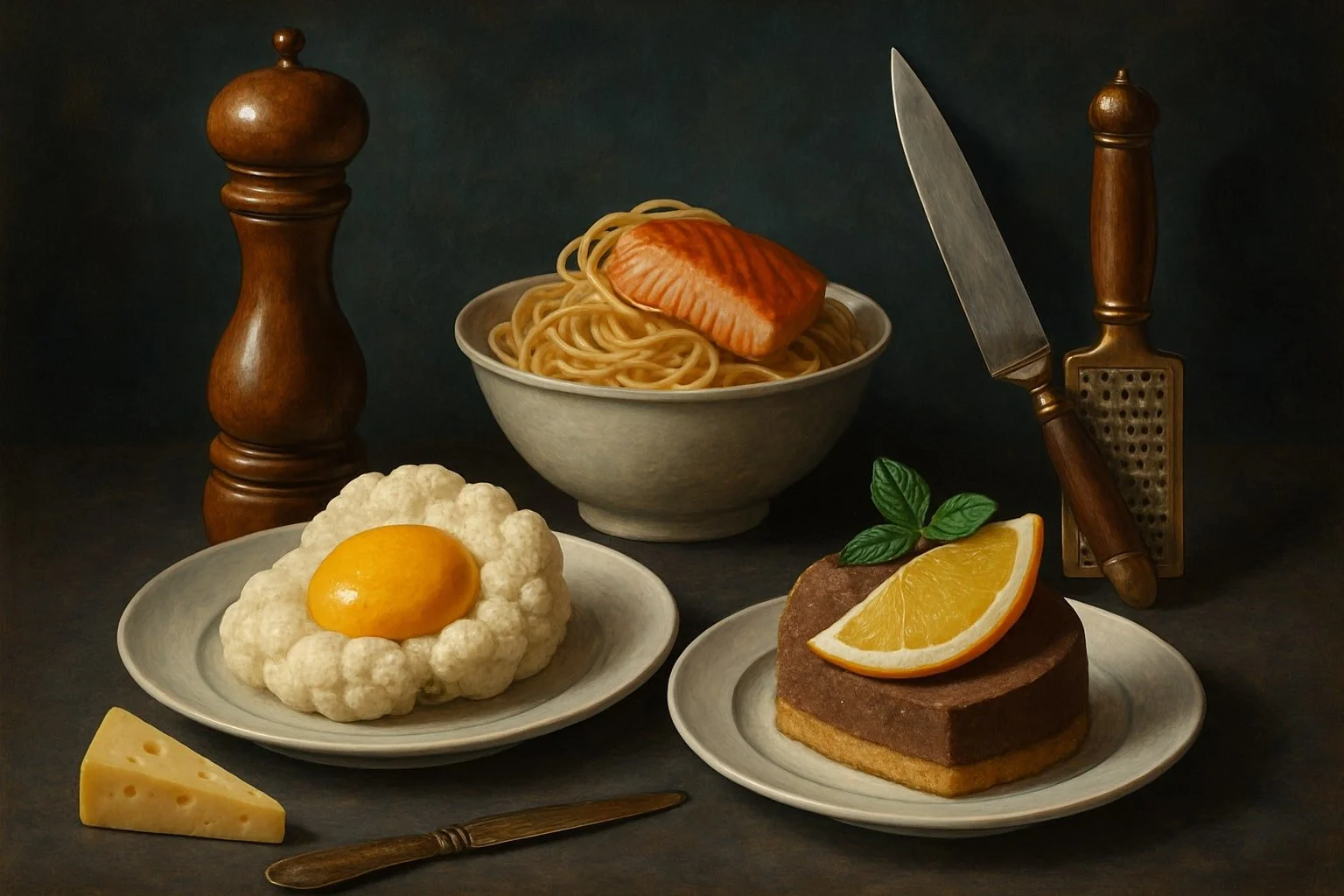
Culinary forgery is the creative act of substituting ingredients or reimagining familiar dishes in ways that challenge expectations without sacrificing taste or quality. When substitution becomes art, chefs and home cooks alike transform limitations into opportunities, using skill and knowledge to craft dishes that surprise and satisfy. This practice blends culinary technique, ingredient awareness, and thoughtful experimentation to elevate everyday cooking.
The rise of food analogs and creative culinary alternatives reflects how modern cooking celebrates innovation, whether accommodating dietary needs or simply inspiring curiosity. By mastering the art of substitution, anyone can expand their repertoire and explore new flavors, textures, and presentations within the kitchen.
Defining Culinary Forgery
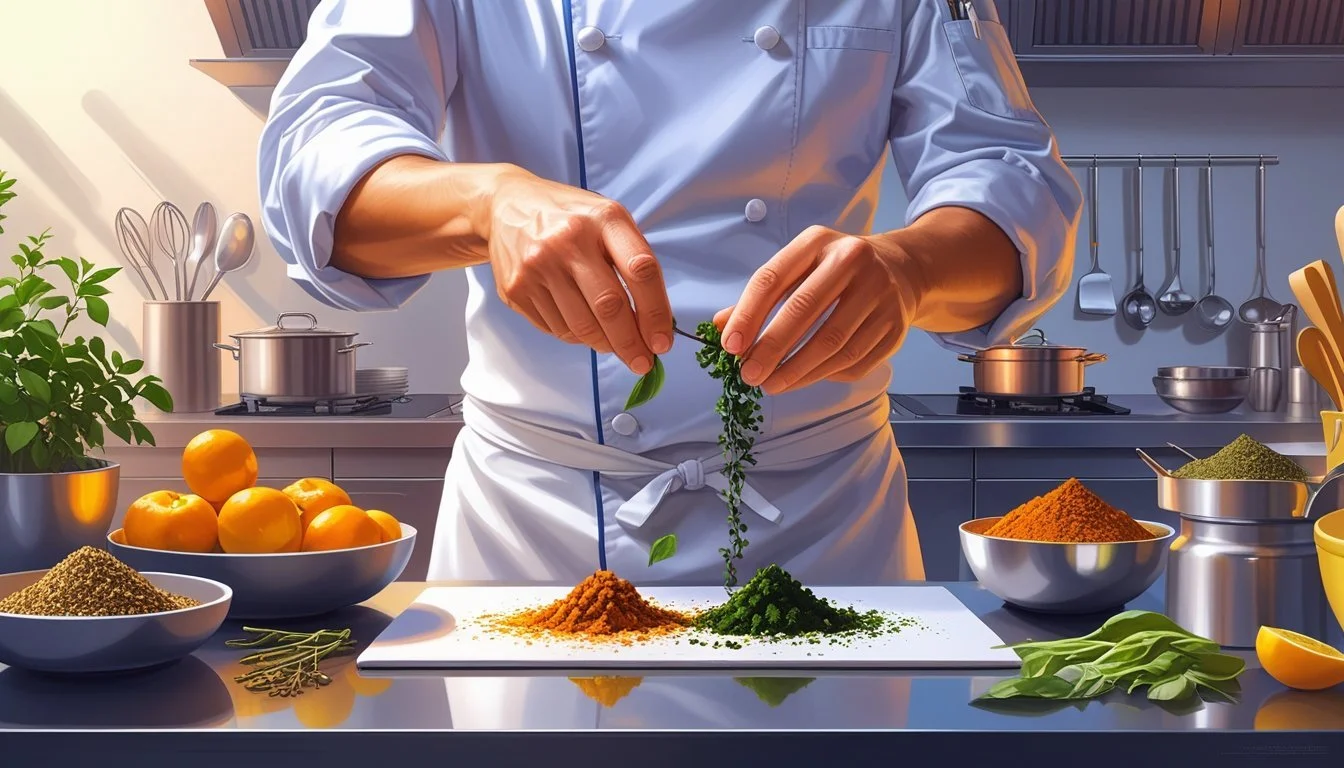
Culinary forgery explores the intentional substitution of ingredients in food, turning necessity or limitation into a demonstration of creativity. This approach highlights the similarities between culinary art and other art forms, revealing how chefs innovate within the boundaries of cuisine.
The Intersection of Cooking and Art
Cooking and art intersect through creativity, presentation, and the manipulation of ingredients. Chefs, much like visual artists, use texture, color, flavor, and composition to craft dishes that stimulate the senses.
Ingredient substitution is not just a practical response to missing items; it is a creative process. Swapping ingredients demands a thorough understanding of flavor profiles, texture, and desired outcomes. For example, using cauliflower instead of rice is not just about dietary restriction but about achieving a similar mouthfeel and visual appeal.
In modern cuisine, the practice of substitution inspires new recipes and unexpected flavor combinations. This constant experimentation pushes the boundaries of what is traditionally considered food art. The table below outlines common ingredient substitutions with their artistic effects:
Traditional Ingredient Substitute Artistic Impact Dairy cream Coconut cream Adds tropical note Wheat flour Almond flour Alters texture Butter Olive oil Brings earthiness
Historical Perspectives on Ingredient Substitution
The history of ingredient substitution shows a long tradition across cultures. In times of scarcity or trade restrictions, cooks replaced unavailable ingredients with local alternatives, leading to the evolution of regional cuisines.
During wartime, for instance, the use of powdered eggs or margarine in baking was common due to shortages. Medieval cooks often substituted exotic spices with local herbs when supplies ran low.
These historical adaptations reflect both necessity and ingenuity. Over time, such substitutions influenced culinary traditions, solidifying the practice as both a survival tactic and a creative force in cooking.
From the lean years of postwar Europe to the adaptability of immigrant kitchens, the narrative of substitution is one of transformation and resilience. Understanding these roots provides context for modern culinary creativity.
The Role of Chefs as Artists
Chefs act as artists when making deliberate substitutions, reimagining established dishes with a unique touch. Their expertise allows them to anticipate the outcome of changes in flavor and structure, relying on both intuition and experience.
Artists in food, like in painting or music, blend technical skill with imaginative choices. Through substitution, chefs develop new forms of expression within their cuisine. The reinterpretation of classic recipes, such as veganizing a béarnaise sauce or reinventing dessert with fruit purees, illustrates this artistry.
At high levels of culinary art, these choices are rarely random. They represent informed decisions that reflect a chef's creativity, adaptability, and vision for food as an evolving art form.
Ingredient Substitution as an Artistic Process
Ingredient substitution requires careful consideration of flavor, texture, and cooking function. Successful substitutions can drive innovation and enhance both the process and outcome of culinary work.
Creativity and Innovation in the Kitchen
Creative ingredient substitution often emerges when conventional ingredients are missing or unavailable. Chefs and home cooks alike use their understanding of ingredient properties to select alternatives that mimic or improve upon the original. This process encourages innovation, as seen when quinoa takes the place of rice in a traditional risotto, introducing new textures and nutritional benefits.
Cooks focus on maintaining or enhancing the flavor profile and structural integrity of dishes. Substitutions can turn restraints into opportunities for culinary invention. By experimenting within clear guidelines, these modifications often lead to the creation of new, memorable recipes.
Example table:
Original Ingredient Common Substitute Notable Outcome Butter Olive oil Different flavor nuance Wheat flour Almond flour Gluten-free texture change Cheese Nutritional yeast Vegan-friendly umami
From Necessity to Aesthetics
Ingredient substitution frequently begins as a matter of necessity, whether due to allergies, dietary restrictions, or lack of availability. Over time, it evolves into a tool for achieving specific aesthetic goals in plating, color, aroma, or mouthfeel. Attention shifts from simply replacing an item to deliberately enhancing the visual and sensory experience of a dish.
For example, substituting beetroot for synthetic food dye provides both rich color and earthy notes. Some chefs choose coconut cream in place of heavy cream for a lighter visual and taste effect. This approach adds value beyond the original intent, blending practicality with intentional design.
Adaptations are thoughtfully crafted, reflecting both the limitations and the creative ambition behind each dish.
Complexity and Culinary Techniques
Ingredient substitution is not always a straightforward swap; it can add complexity that challenges even experienced cooks. A successful exchange may require adjusting ratios, preparation methods, or even adopting unfamiliar culinary techniques to achieve the intended result.
For instance, when substituting eggs with aquafaba in baking, proper whipping technique is critical. Texture and consistency checks become a central part of this process, ensuring the substitute works harmoniously with other elements. Understanding the scientific properties of ingredients underpins successful substitutions, supporting both structure and flavor.
Lists and reference charts can help guide these adjustments:
Consider water, fat, and protein content.
Note differing cooking times or temperatures.
Factor in changes in moisture and binding capacity.
Thoughtful application of these methods can transform ingredient substitution into a sophisticated and satisfying aspect of culinary work.
Molecular Gastronomy and Modern Culinary Art
Molecular gastronomy has fundamentally changed how chefs approach flavor, texture, and presentation. Innovations in food science have allowed the culinary arts to blend creativity with precise scientific techniques.
Pushing Boundaries with Science
Through molecular gastronomy, chefs use chemistry and physics to alter a dish’s structure and flavor profile. Emulsification, gelification, and spherification are common methods, allowing ingredients to be reimagined in surprising ways.
For example, liquids can become edible pearls, and foams replace traditional sauces. These processes enable a level of control over taste and appearance not possible with classic cooking methods.
Key figures like Hervé This and Ferran Adrià have propelled this field, connecting scientific research with innovative kitchens. Culinary schools have responded by integrating molecular techniques into their curriculums.
Technique Effect/Result Example Spherification Liquid-filled spheres Fruit caviar Gelification Solid gels Tomato gel noodles Emulsification Stable foams Olive oil foam
Signature Dishes and Iconic Transformations
Leading chefs have created signature dishes that showcase the artistic and technical possibilities of molecular gastronomy. At El Bulli, Ferran Adrià’s deconstructed tortilla transformed a recognizable dish into layered textures and flavors in an unconventional format.
Molecular gastronomy also fosters culinary forgeries and creative substitutions. Chefs often replicate the flavor and texture of familiar foods by using novel ingredients and techniques, like plant-based caviar or smoke-infused gels.
This approach has expanded the definition of what is possible in contemporary cuisine, inviting diners to experience innovative interpretations of classic tastes. The result is a dining experience that balances familiarity with inventive surprises.
Sensory Experience and Aesthetics
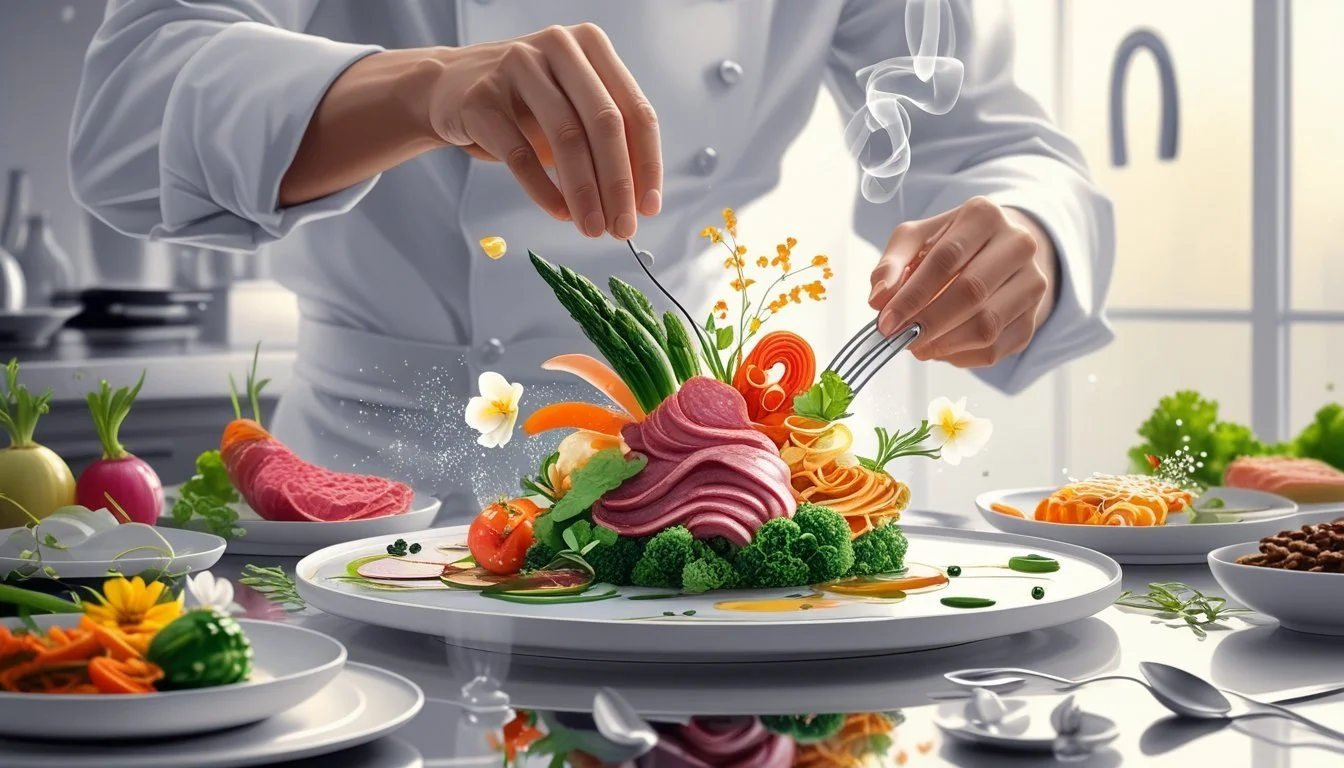
Culinary forgery relies on both visual and sensory cues to create convincing and enjoyable food experiences. Elements such as presentation, texture, and taste combine to shape how individuals perceive and value a dish designed as an imitation or substitute.
Visual Presentation and Food Photography
Visual appeal is the first aspect most diners notice in any dish. In culinary forgery, meticulous attention to color, shape, and plating can effectively mimic the appearance of the original food item. Techniques may involve arranging substitute ingredients to closely resemble established classics, even when the underlying components differ.
Food photography plays a decisive role in this perception. High-quality images enhance the credibility and "desirability" of a substitute dish, helping to set expectations before tasting. Professional styling—such as careful lighting, use of props, or close-up shots—can amplify details that sell the illusion. This interplay between sight and expectation is essential in convincing both the diner and onlookers of a dish’s authenticity and beauty.
Visual Techniques Common Purposes Plating patterns Mimic canonical presentations Color-matching Signal flavor or ingredients Creative lighting Highlight texture/details
Beauty and Sensual Pleasure in Cuisine
The aesthetics of food go beyond simply appeasing hunger. The integration of sensual pleasure—through aroma, taste, and mouthfeel—shapes how culinary forgery is experienced. Chefs and creators aim to evoke the same sense of satisfaction and beauty as the originals, despite ingredient substitutions.
Attention to balance, harmony, and contrast in flavor and texture is critical. For instance, a plant-based "cheese" must provide the same creamy mouthfeel and nuanced flavor notes as its dairy counterpart. The result is not only visual beauty but also a multisensory pleasure that turns food into a form of art, engaging all the senses in the experience.
Cultural Contexts of Culinary Forgery
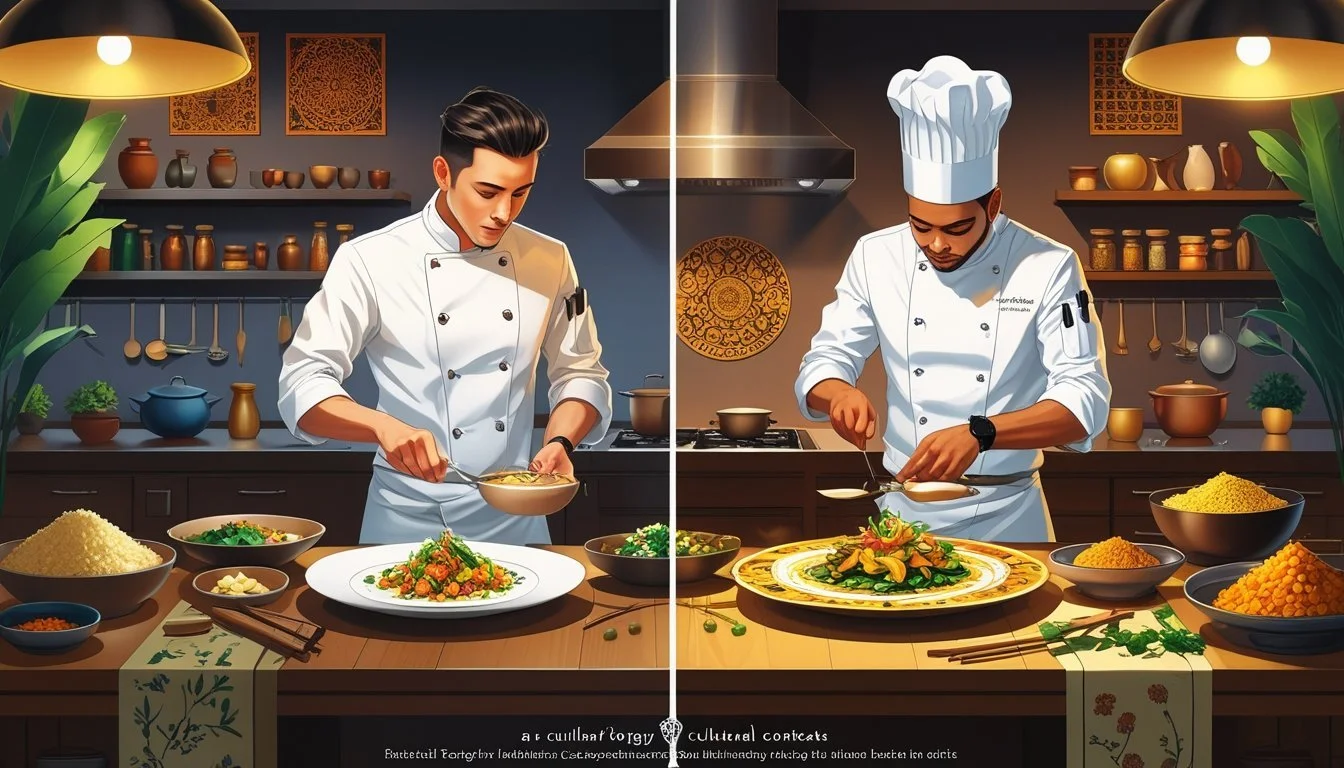
Culinary forgery often emerges in gastronomic traditions when chefs must adapt recipes due to resource limitations, regional palates, or historical necessity. The context in which substitutions happen shapes how these acts are perceived—sometimes as ingenuity, sometimes as controversy.
French Cuisine and the Art of Substitution
French cuisine has a long history of adapting recipes for practical reasons. Professional and home cooks alike have substituted unavailable ingredients with local or seasonal alternatives, especially during periods of scarcity such as war or economic hardship. This versatility is seen as both a survival strategy and a celebration of resourcefulness.
Many classic dishes, such as coq au vin or bouillabaisse, originated from an imperative to make the most of limited resources. Over time, these substitutions became codified into regional specialties. French gastronomy values both authenticity and creativity, blurring the line between careful preservation and inspired adaptation.
For instance, provincial chefs made changes based on available produce or meat, reinforcing the idea that authenticity is often fluid. In this way, substitution in French cooking is not just tolerated but respected when executed with an understanding of culinary tradition.
Ratatouille: An Iconic Example
Ratatouille is frequently cited as a quintessential case of adaptive French cuisine. It is a Provençal dish that traditionally combines eggplant, zucchini, tomatoes, peppers, and aromatic herbs. The choice of vegetables often depends on what is fresh and plentiful in the region.
Historically, ratatouille reflected subsistence cooking—families would use whatever was on hand, so no two batches were exactly alike. Some cooks added potatoes or left out peppers to suit taste or compensate for shortages. Rather than being seen as inauthentic, these adjustments are understood as vital expressions of culinary practice.
This flexibility both preserves tradition and encourages individual creativity, illustrating how culinary forgery can become a respected form of art rather than a breach of authenticity. Ratatouille reveals how adaptation has played a pivotal role in French cuisine and broader gastronomic culture.
Diversity Across Gastronomic Traditions
Globally, culinary traditions frequently adapt recipes through substitution, driven by cultural practice, migration, or economic shifts. In many Asian cuisines, local vegetables or spices are used in place of traditional ones when diaspora communities cannot access original ingredients. Similarly, Latin American and Middle Eastern cuisines display numerous examples of adaptation influenced by climate or trade.
Such substitutions often spark debate about authenticity, particularly when non-native chefs reinterpret heritage dishes. Studies have shown that these reinterpretations are sometimes met with skepticism, as taste and technique may shift due to unfamiliarity with the original cuisine.
Despite debates, these adaptations illustrate how cuisines evolve. Substitution becomes both a practical necessity and a creative force, contributing to the dynamic landscape of global gastronomy.
Practical Applications and Performance
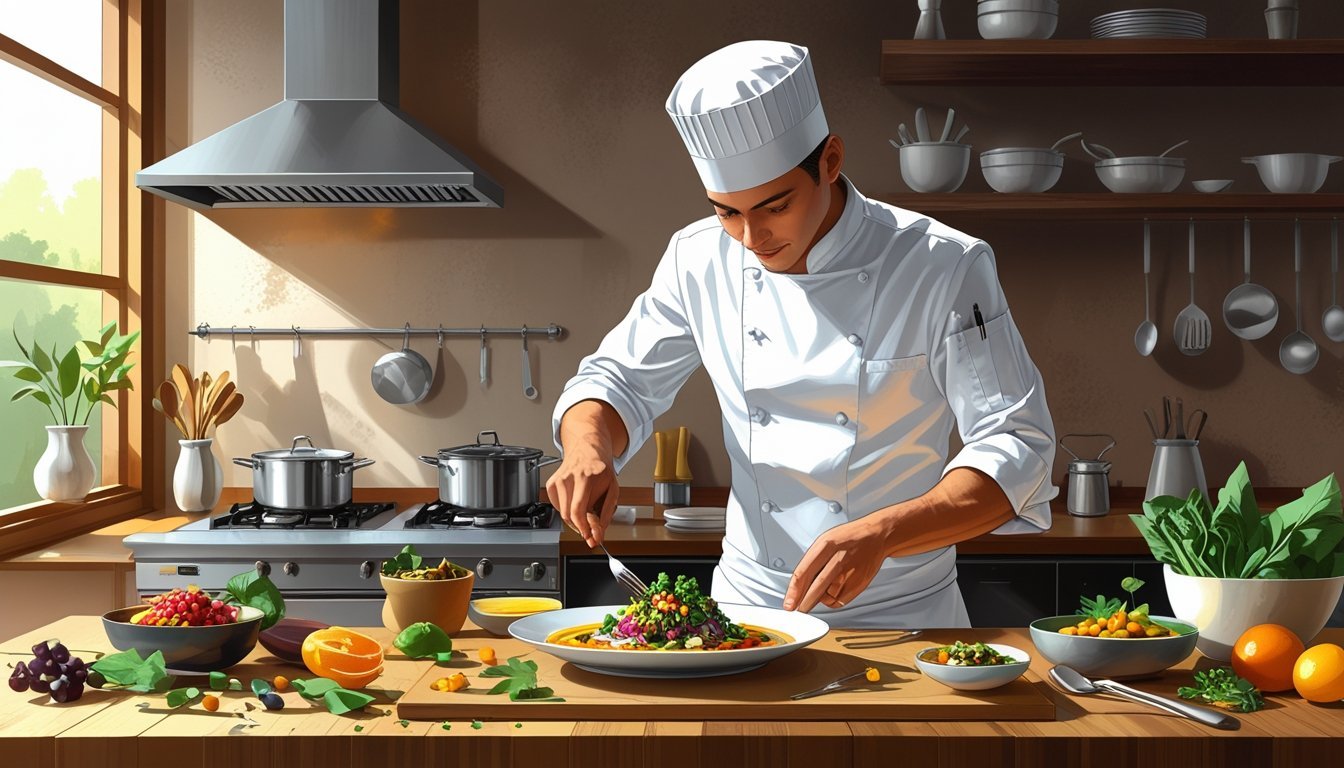
Ingredient substitution in culinary forgeries reveals new dimensions of creativity, challenging both the technical and artistic boundaries of cooking. The intentional use of alternatives—whether spices or whole ingredients—serves not only to replicate flavors but also to transform dishes into unique expressions.
Spices and Ingredient Innovation
Substituting traditional spices or ingredients often requires deep knowledge of flavor profiles and chemical interactions. For example, smoked paprika can evoke the essence of chorizo in vegetarian paella, while miso paste can replicate the umami found in aged cheeses.
A table of common substitutions:
Traditional Ingredient Forged Substitute Main Effect Fish sauce Soy sauce + Seaweed Salty, oceanic flavor Butter Olive oil + Cashew Creamy texture Saffron Turmeric Golden hue, mild aroma
These swaps highlight not just utility but the artistry in balancing taste, aroma, and color. Skillful combinations achieve results that respect culinary heritage while adapting to dietary needs or resource limitations.
Culinary Performance and Storytelling
Cooking as a performance art draws parallels to theater and music, where repetition, timing, and presentation matter. The use of substitutions can become part of the story the chef tells, inviting diners to engage with the meal as both an audience and a participant.
In live demonstrations or open-kitchen settings, chefs may explain their reason for choosing a particular substitute, creating a narrative around process and intention. This interactive experience adds depth and meaning to the meal, making the act of substitution a focal point rather than a hidden compromise.
Performance in cookery emphasizes not only the end result but also transparency and intentionality, allowing substitutions to showcase a chef’s ingenuity.
Balancing Cookery and Art
The balance between practical cookery and artistic ambition becomes critical when applying substitutions. While precise replication can meet expectations, diverging from norms must be done with care to avoid sacrificing the dish’s essential character.
Key considerations include:
Texture: Potato starch may replace eggs in baking, yet the final crumb must remain pleasing.
Flavor Integrity: The core taste must evoke the traditional dish, despite altered components.
Cultural Context: Substitution should respect the dish’s history, not simply imitate its appearance.
By treating substitution as both a technical solution and a creative act, chefs reinforce the boundary between culinary craft and performance, making each meal an exploration of what is possible within food’s established forms.
The Future of Culinary Forgery
New approaches in the culinary arts are challenging traditional boundaries between substitution and authenticity. Changes in technology, sustainability goals, and global perspectives are pushing creativity in food art to new levels.
Emerging Trends in Food Art
Culinary forgery is gaining acceptance as chefs and innovators use advanced techniques to replicate flavors, textures, and appearances. Molecular gastronomy allows ingredients like hydrocolloids and flavor compounds to stand in for animal or rare products. This not only addresses allergen concerns but also opens creative pathways.
Machinery such as 3D food printers is now enabling precise control over food structure. Chefs can reimagine classics, for example, crafting vegan “foie gras” or plant-based “seafood” that resemble originals in taste and presentation.
Notably, some culinary schools and restaurants encourage experimentation with substitutions, teaching chefs that culinary art is as much about technique and reinterpretation as tradition.
Technique Forged Element Example Molecular Gastronomy Texture, Flavor Spherified "Caviar" Food Printing Shape, Layers 3D-Printed Steak Fermentation & Koji Umami Plant-Based "Cheese"
Sustainability and Mindful Creativity
Environmental concerns drive chefs to use substitutions that reduce the reliance on resource-intensive ingredients. Culinary forgery offers ways to meet demand for rare foods without overharvesting or causing ecological harm.
Ingredient substitutions, like aquafaba for eggs or jackfruit for pulled pork, support cleaner supply chains. Chefs are also redesigning dishes using local or undervalued crops, reducing food miles and supporting regional agriculture.
Transparency is increasingly important. Menus note when a dish involves substitution, signaling mindful intent rather than deception. The modern culinary art values creative adaptability, considering both the ecological impact and the integrity of the culinary experience.

