
How to Design Entire Menus Around Missing Ingredients
Practical Strategies for Flexible Meal Planning
Unexpected ingredient shortages can disrupt even the best-planned restaurant menus, leading to frustration for both chefs and guests. By strategically designing menus with flexibility in mind, restaurants can quickly adapt to missing ingredients without sacrificing quality or customer satisfaction.
Adapting to shortages involves more than just simple substitutions; it requires thoughtful menu planning, clear categorization, and the use of cost-effective alternatives when necessary. Menu designers also benefit from regularly reviewing their offerings and incorporating items that can easily adjust to seasonal or supply chain changes.
A dynamic approach to menu design not only helps kitchens run efficiently but also maintains the dining experience customers expect. This article explains practical techniques to create menus that are resilient against ingredient shortages, ensuring restaurants can respond smoothly whenever supplies fall short.
Understanding the Impact of Missing Ingredients
When key food items become unavailable, restaurant operations are affected in terms of menu flexibility, guest satisfaction, and financial outcomes. Addressing missing ingredients quickly can help maintain quality standards and keep both customers and staff informed.
Effect on Menu Items
Missing ingredients can force a restaurant to remove, replace, or modify certain menu items. This may involve scrapping the entire dish if a key component cannot be sourced or adjusting recipes to create substitute versions. For example:
Removing a seafood item if fresh fish deliveries are delayed
Swapping out a unique herb for a more common alternative
These substitutions must balance flavor profiles and maintain consistency. A well-designed menu may use versatile ingredients to allow for easier adaptation, helping restaurants avoid gaps in offerings and reduce the frequency of “86’d” (unavailable) dishes.
Influence on Customer Experience
Ingredient shortages can affect the overall dining experience, particularly when highly anticipated menu items are unavailable. Guests may feel disappointed if a favorite dish is not offered, or if key flavors are noticeably changed.
Clear communication—both on printed menus and from staff—is essential. Listing currently available options and providing honest explanations for changes helps manage customer expectations. Staff training also helps guide guests to alternatives, reducing frustration.
Consistency and transparency around missing items can help build trust, even during supply chain disruptions. Restaurants that handle ingredient shortages with openness are better able to maintain positive relationships with their guests, even when disappointments occur.
Implications for Profitability
Ingredient shortages can impact profitability in several ways. Suddenly unavailable items may lead to wasted inventory or force the purchase of more expensive alternatives. Sudden changes to dishes can disrupt purchasing strategies, inventory management, and cost control.
Sales may decrease if popular menu items cannot be offered, potentially leading to lower average order values. Adapting the menu to focus on consistently available ingredients can help stabilize costs and reduce waste.
A strong approach includes analyzing menu performance data and revising offerings seasonally to match ingredient availability. Efficient ingredient management supports profitability, especially during periods of uncertain supply.
Core Principles of Menu Design
Effective menu design is based on layout strategy, clear categorization, proven visual concepts, and careful attention to detail. Each principle supports smart decision-making and helps provide a useful, appealing experience for both operators and diners.
Menu Layout Strategies
A well-planned menu layout increases readability and leads diners to key selections. Consistent spacing, logical flow, and the use of sections such as starters, mains, and desserts help guide the eye. Grouping similar items together allows customers to locate what they’re seeking more quickly.
Strategically placed highlights such as boxes, color, or icons draw attention to signature or profitable dishes. Typography matters—use clear fonts, proper text size, and contrasting colors for easy scanning.
Physical presentation also affects selection. Folded menus, single sheets, or digital formats each suit specific operations and situations. Operators should consider both customer comfort and operational demands when choosing a layout.
Categorization Techniques
Organizing dishes into clear categories reduces decision fatigue and improves satisfaction. Common categories include appetizers, soups, salads, mains, and desserts, but distinctions can go further—for example, separating vegetarian, vegan, or allergen-free items.
Use bullet points, tables, or visual section dividers to make distinctions obvious. Some operations use icons or labels for faster identification of dietary information.
Logical sequences (such as placing lighter dishes before heavier ones) help guide progression and support meal planning.
Grouping items by cooking technique or core ingredient is another strategy, especially in venues with varied offerings or themed concepts.
The Golden Triangle Concept
The golden triangle refers to the pattern diners’ eyes follow when reading a menu: typically from the middle, to the top right, then to the top left. Strategic placement of high-profit or recommended items in these zones can subtly influence ordering behavior.
Studies show that dishes placed inside the golden triangle attract more attention and have a higher chance of being selected. For missing ingredient planning, items that don’t rely on the unavailable ingredient can be positioned here to steer choices.
Use highlight boxes or special fonts within these areas for emphasis.
Understanding and applying the golden triangle can directly affect sales mix and reduce the likelihood of disappointed diners.
Attention to Detail
Small design choices influence perception and usability. Spelling and grammar should be flawless to maintain professionalism. Consistency in formatting—such as price placement, font style, and line spacing—prevents confusion and saves time for diners.
Descriptions must be accurate and concise, avoiding exaggeration. Clear labeling of substitutions or omitted ingredients prevents dissatisfaction when an item is unavailable.
Paying attention to visual balance, color schemes, and imagery helps create a polished finish. Responsive digital menus or QR code formats should maintain these principles for consistency across platforms.
A thoughtful and precise approach minimizes errors, saves time, and reinforces trust in the menu and the operation.
Adapting Menu Structure for Ingredient Shortages
Redesigning menus for ingredient shortages requires practical changes to maintain profitability, efficiency, and guest satisfaction. Focusing efforts on evaluating offerings, prioritizing high-performing dishes, and curating choices ensures that the business remains resilient when key items are unavailable.
Evaluating Current Menu Offerings
A thorough review of existing menu items helps identify dishes heavily dependent on hard-to-source ingredients. Restaurants can use inventory reports to track which ingredients are consistently plentiful and which are often missing or costly.
List high-usage ingredients and assess how often they appear across dishes. By mapping these dependencies, operators can quickly spot menu items to adjust or temporarily remove. Chefs may also explore ingredient substitutions, using less-affected items to maintain flavor and appeal without sacrificing quality or customer expectations.
Careful analysis avoids sudden supply issues and streamlines purchasing, making the kitchen more adaptable. Tracking which menu items require frequent ingredient changes can also inform future planning and highlight patterns that indicate which recipes are more resilient to disruptions.
Prioritizing Profitable Dishes
When ingredient shortages emerge, focusing on profitable dishes is essential for controlling food cost and maximizing margins. Calculate the food cost and gross profit margin for each menu item using up-to-date cost sheets.
Example Table:
Dish Name Food Cost % Profit Margin Grilled Chicken 28% High Pasta Primavera 34% Moderate Ribeye Steak 48% Low
Dishes with a low food cost percentage and high profit margin should be prominently featured during shortages. Promote meals using reliable, affordable ingredients as “chef’s specials” or limited-time offerings. This approach keeps menu options appealing and operationally sustainable.
Adapting pricing strategies for dishes with fluctuating ingredient costs can protect margins and ensure the menu remains viable. Continuous analysis and documentation support quick adjustments when market conditions change.
Curated Selection Approaches
A curated selection streamlines inventory and boosts efficiency during chaotic supply periods. Reduce the menu to focus on dishes that use a core group of reliable ingredients, minimizing reliance on scarce items.
Key Benefits:
Improved inventory management
Faster kitchen operations
Reduced waste
Menus containing fewer core ingredients support better consistency and quality. Highlight a smaller variety of menu items, making it easier for staff to execute consistently during busy or unpredictable service. Using seasonal and locally available produce further protects against sudden shortages while appealing to diner preferences.
Marketing the menu as a carefully curated selection rather than a restricted one can enhance perception. Introduce rotating features or themed nights to maintain excitement and flexibility without increasing ingredient demands.
Menu Planning and Development Solutions
Menu planning and development address challenges caused by missing ingredients by focusing on adaptability and proactive management. Solutions require both creative flexibility and structured processes to maintain food quality and control costs.
Flexible Menu Planning
Flexible menu planning starts with assessing current inventory and identifying essential ingredients that are unavailable. Chefs and managers often create alternative dishes using available products or substitute similar items to replace missing components.
It is important to maintain consistency in flavor, presentation, and portion size, even when substitutions are made. Planning flexible menus also means prioritizing versatile ingredients—such as grains, proteins, or seasonal vegetables—that can serve multiple roles in different dishes.
Frequently updating digital recipe databases or using menu management software helps track which items are low or missing. Clear communication between kitchen staff ensures everyone understands substitutions and new dish preparation methods.
Key points:
Inventory and sourcing monitoring
Use of versatile and easily replaceable ingredients
Regular staff updates
Documentation of recipes and substitutes
Responsive Menu Development
Responsive menu development goes beyond simple substitutions by integrating contingency planning and ongoing evaluation into the process. It involves creating multiple versions of recipes and menu items in advance to prepare for unexpected shortages.
Menu engineering tools and cost-analysis spreadsheets are essential for evaluating the impact of changing ingredients on food quality and profitability. Testing alternate recipes ensures they meet flavor and quality standards before being added to the menu.
Some restaurants use customer feedback systems to learn which substitute dishes are most successful. This data-driven approach allows them to adjust offerings quickly based on both ingredients' availability and diner preferences.
Practical steps:
Step Action Recipe alternatives Prepare backup versions Cost analysis Calculate effects of swaps Testing Try substitutes in trial runs Feedback Gather data from guests
Effective Menu Communication
Precise communication plays a direct role in how guests interpret and accept menu changes, especially when ingredients are missing. Clear writing, error-free presentation, and intentional arrangement of items can reduce confusion and shape customer choices.
Dish Descriptions and Item Names
Strong dish descriptions help diners quickly recognize when an ingredient has been removed or changed. Using specific, factual language—such as “served without pine nuts” or “cheese-free version”—manages expectations and builds trust. Avoid vague phrases like “modified” that can raise questions.
List ingredients in order of prominence, using bullet points for clarity if needed:
Main protein (chicken, beef)
Remaining staples (rice, bread)
Missing ingredients or changes in italics (without avocado, substitute cheese)
Name items clearly to reflect their current form. For example, “Seasonal Vegetable Pizza (No Mushrooms)” makes it obvious at a glance. Keeping the tone neutral and the information direct helps diners make informed choices without surprises.
Addressing Spelling Mistakes
Spelling mistakes inside dish names or item descriptions can create uncertainty about the dish itself and erode trust in menu reliability. Consistently review menus for accuracy before printing or posting. Simple tools like spell checkers or a review checklist minimize missed errors.
If a spelling mistake involves an ingredient change—such as “tomatoe” instead of “tomato”—it may cause confusion for guests who are sensitive to changes. Errors around allergens can have more serious implications. Consider having another team member proofread to catch overlooked mistakes.
Correct spelling in menu presentation demonstrates professionalism. It reduces the possibility of miscommunication, especially when dishes are being altered due to missing ingredients.
Consistent Item Placement
Keep menu presentation logical and predictable by placing items in consistent locations. Group similar dishes together and place those with missing ingredients in a separate section if possible, such as “Currently Unavailable” or “Modified Dishes.”
For example, if several pasta items are affected, list them together under a “Pasta” heading and use a subtle symbol or highlight for those with omissions. A sample format:
Item Name Description Note Spaghetti Carbonara Bacon, egg yolk sauce, no parmesan Modified Penne Primavera Seasonal vegetables, garlic, olive oil Unchanged
Consistent placement makes it easier for diners to scan for updates. This approach also streamlines communication within the kitchen and waitstaff.
Strategies for Menu Pricing and Profit Maximization
Setting prices carefully and presenting them strategically are key to improving profitability when menus are built around what’s available. Both pricing choices and menu design influence customer decisions and overall results.
Pricing Strategies for Limited Menus
When availability restricts certain ingredients, it can increase overall costs or force the use of premium items. Factoring in ingredient costs, labor, and customer perception is essential. Restaurants often use cost-plus pricing—marking up dishes by a set percentage above cost—to ensure every plate covers expenses and contributes to profit.
Another approach is value-based pricing, adjusting menu prices based on perceived customer value rather than just cost. For limited menus, focusing on high-margin items, cross-utilizing ingredients, and offering set-price meal bundles can stabilize income when availability is unpredictable.
Menu engineering comes into play here. Identifying top-performing and profitable dishes helps operators place these items strategically on menus to guide selections. A simple table can help keep track:
Dish Cost per Serving Price Gross Margin Item A $3.00 $10 $7.00 Item B $4.50 $13 $8.50
Regularly reviewing data like this ensures each item is priced for maximum return.
Eliminating Dollar Signs
The visual presentation of pricing has measurable effects on what customers spend. Research shows that removing dollar signs and minimizing emphasis on currency symbols helps reduce the association with spending and can increase average ticket size.
Menus that list prices with simple numerals (such as 15 instead of $15.00) feel less transactional. This change keeps the focus on food and experience, rather than the cost.
Using discreet formatting—placing prices after item descriptions and avoiding columns—helps further downplay the price. Subtle tactics like these are proven to make guests less price-sensitive, which can improve overall profitability for limited menus.
Enhancing Visual Appeal and Presentation
The visual design of a menu can influence a guest’s dining decisions and their perception of the restaurant's quality. Presentation choices such as photo quality, food imagery, and color selection make it easier for diners to navigate options and can drive interest in specific dishes.
Using High-Quality Food Photos
High-quality food photos provide clarity and detail, helping guests see exactly what to expect from each dish. Clear lighting and sharp focus ensure that ingredients are distinguishable, which is especially valuable when highlighting newly created items due to missing ingredients.
Professional imagery builds trust by accurately representing portion sizes and appearance. It is important to avoid cluttering the menu with too many photos, as this can diminish overall appeal. Select a few images of key dishes to allow white space and maintain a clean look.
Restaurants should use authentic images of their actual dishes rather than stock photos. This approach manages customer expectations and supports menu transparency. Balanced placement of food photos next to item descriptions also improves readability and encourages exploration of less familiar menu options.
Incorporating Food Images and Menu Color
Combining food images with intentional menu color choices draws attention to featured items and enhances the overall design. Warm colors, like reds or oranges, can stimulate appetite and guide the eye toward choices the restaurant wants to highlight. Cooler tones, such as greens or blues, can create a calming effect and suggest freshness or lighter fare.
A simple color palette aligned with the restaurant’s branding contributes to a cohesive and professional appearance. Consistency in color use between borders, sections, and background helps diners find what they are looking for without distractions.
Pairing images of dishes with matching color accents helps visually organize categories and increases accessibility. When used sparingly, these techniques can direct guest focus and strengthen the menu’s visual hierarchy. A clean, spacious layout supports the impact of both food images and color, making the menu easier to scan and more inviting.
Leveraging Digital and Online Menus
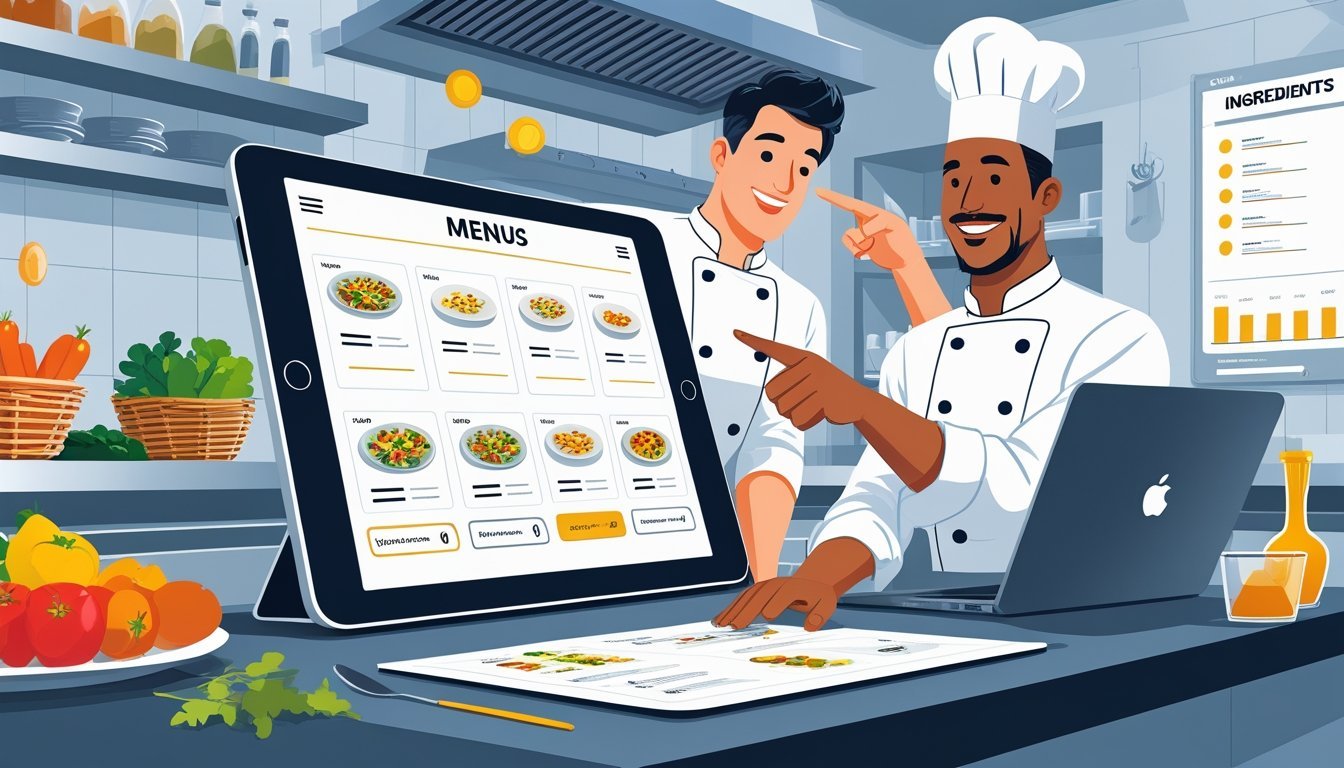
Digital menus let restaurants react quickly to ingredient availability and customer needs. Online menu platforms improve communication and help manage expectations when dishes must be changed or substituted.
Updating Digital Menus Quickly
Restaurants can update digital menus instantly to reflect real-time ingredient shortages. This rapid adjustment helps prevent customer frustration and reduces the risk of ordering unavailable items. When an ingredient runs out, staff or managers can easily remove dishes or make substitutions on the digital platform.
Many systems support scheduling, so temporary menu changes can revert automatically when ingredients are restocked. Some platforms also allow for the highlighting of new or alternate dishes to promote items made from available ingredients. Color coding or badges can clearly identify menu items that have been changed.
Benefits of fast digital updates:
Ensures menu accuracy
Reduces waste by highlighting dishes with available stock
Prevents miscommunication at the point of sale
A digital menu can also automatically sync changes across multiple displays or locations, maintaining consistency everywhere customers interact with the menu.
Optimizing the Online Menu Experience
A well-designed online menu improves customer satisfaction when certain dishes or ingredients are missing. Using clear, simple layouts and attractive images or icons, restaurants can guide diners toward in-stock alternatives or featured dishes.
Consider using filters or special sections for “Available Now” or “New This Week.” Transparency builds trust—notes or icons can clarify when a menu item is temporarily unavailable, sparking fewer questions for staff.
Integrate digital ordering tools to update customers in real time about menu changes. Pop-up banners, notifications, and interactive Q&A features can keep guests informed and streamline their decision-making. This approach maximizes ordering speed and minimizes frustration, especially during peak times.
Promotions and Upselling Opportunities
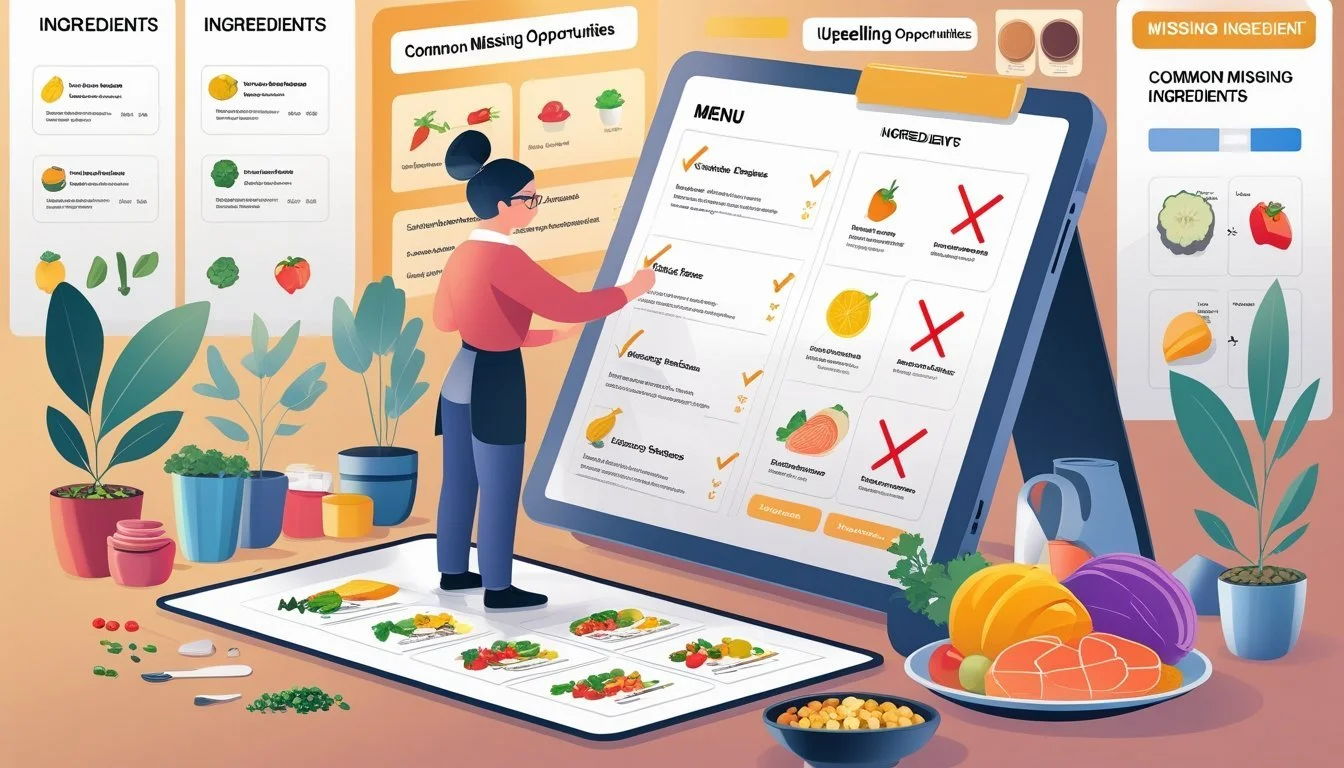
Successful menu design that accounts for missing ingredients can boost customer satisfaction and profit. Two important strategies involve targeted promotions and maximizing upselling options.
Designing Specials and Promotions
Restaurants can rotate specials to highlight dishes that do not rely on unavailable ingredients. This gives flexibility to adapt daily or weekly based on inventory. Promotions can be tied directly to seasonal items or in-stock products, ensuring that what is advertised is always available.
Example: A “Harvest Week Special” can showcase dishes made with in-season vegetables if certain produce is missing. Limiting the duration of specials creates a sense of urgency.
A simple table helps staff visualize current promotions and their ingredient requirements:
Promotion Key Ingredients Run Dates Brunch Week Eggs, spinach July 1-7 Taco Tuesday Chicken, beans Ongoing Pasta Night Penne, tomato sauce Fridays Only
Displaying specials clearly on the menu and promoting them in-person or online directs attention to high-margin, well-stocked items.
Maximizing Upselling Potential with Add-Ons
Upselling works best when suggestions fit naturally within the ordering process. Staff can be trained to recommend add-ons or substitutions that use available ingredients, such as sides, toppings, or premiums. For example, if avocados are unavailable, suggesting roasted peppers or house-made spreads as alternatives keeps the guest experience positive.
Key upselling tactics for missing ingredients include:
Substituting add-ons that are in surplus.
Featuring combo deals (such as drink and dessert add-ons) that use well-stocked supplies.
Suggesting signature add-ons that require minimal prep and offer high margins.
A concise approach to upselling allows for greater revenue per cover without overwhelming the diner or drawing attention to missing items. Upselling should always be timed with natural pauses, such as after a guest orders a main dish, to ensure it feels service-oriented.
Learning From Customer Feedback
Successful menu adaptation depends on understanding how diners respond to changes, especially when certain ingredients are missing. Gathering and using feedback allows restaurants to make timely adjustments that improve guest satisfaction and clarify the updated menu.
Collecting Feedback Post-Menu Changes
After a menu update, it’s important to use targeted methods for gathering feedback. Table-side conversations, digital surveys, and comment cards all help collect direct input on new or substituted dishes.
Staff should be encouraged to note diner reactions and any frequently asked questions about the menu. Restaurants can use online reviews and social media mentions to spot recurring themes, compliments, or complaints related to changes.
For a concise overview, managers may use spreadsheets or feedback tracking tools to organize responses. Regularly reviewing this feedback helps prioritize what needs immediate attention versus what can be monitored for future updates.
Using Input to Refine Menu Presentation
Input from customers often highlights which dishes or descriptions create confusion. If a guest is unclear about a substitute ingredient, the menu’s wording or design layout may need adjustment.
Bullet points or simplified dish descriptions help diners understand changes, especially if ingredients are swapped or unavailable. Strategically placed icons or color coding can signal substitutions or allergen information.
Restaurants may use before-and-after feedback to guide improvements in menu readability and organization. For instance, items that received repeated questions can be given clearer labeling or visual emphasis on the menu page, speeding up decision-making for diners.
Common Menu Design Mistakes to Avoid
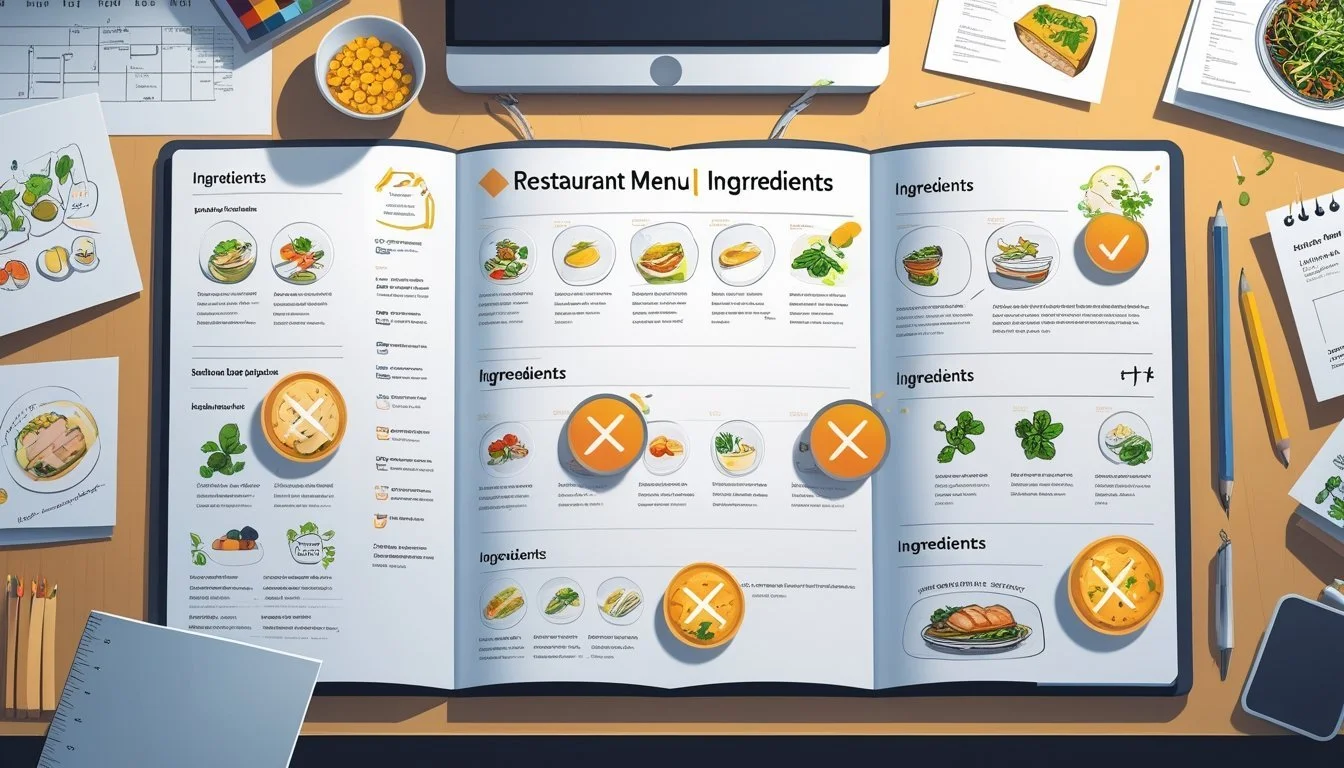
The right approach to menu design helps guests easily navigate choices and directly supports operational efficiency. Two issues that frequently disrupt this balance are improper categorization and providing more choices than necessary.
Inconsistent Categorization
Inconsistent categorization occurs when dishes are grouped without clear logic or uniform standards. For example, placing appetizers alongside desserts or using inconsistent naming conventions for similar items confuses customers and slows decision-making.
A menu where salads appear in both “Starters” and “Sides” can also create duplicate listings and frustration. Consistency in grouping—such as keeping all vegetarian options together or using standard section titles—improves readability.
Logical categorization helps kitchen staff as well. It streamlines prep work and prevents miscommunication in the back of house. Regular menu audits can help track and correct categorization issues. A well-structured table can clarify sections:
Section Example Items Starters Soup, Salad Mains Pasta, Grilled Chicken Desserts Cheesecake, Pudding
Uniformity in headings and item placement ensures guests quickly find what they want.
Overloading the Menu with Too Many Options
Offering too many menu options often overwhelms guests and complicates ingredient management. Large restaurant menus make it harder for staff to memorize dishes, slow down service, and may reduce the overall quality of each plate.
With a streamlined menu, kitchens are more agile when specific ingredients are unavailable. Too many choices also increase the risk of menu design mistakes, such as cluttered layouts and repetitive listings.
Studies indicate that five to seven options per section help keep menus manageable and guest decisions quicker. Limiting options allows the kitchen to focus on consistency and freshness. In cases where ingredients are unavailable, flexible, pared-down menus simplify substitutions, minimizing disruptions for both staff and guests.
A concise menu supports better inventory control and reduces the chance of disappointing a guest with unavailable items. Prioritizing clarity in design and selection improves the dining experience.

