
What to Learn from Airline Meals About Ingredient Swaps
Practical Lessons for Creative Cooking
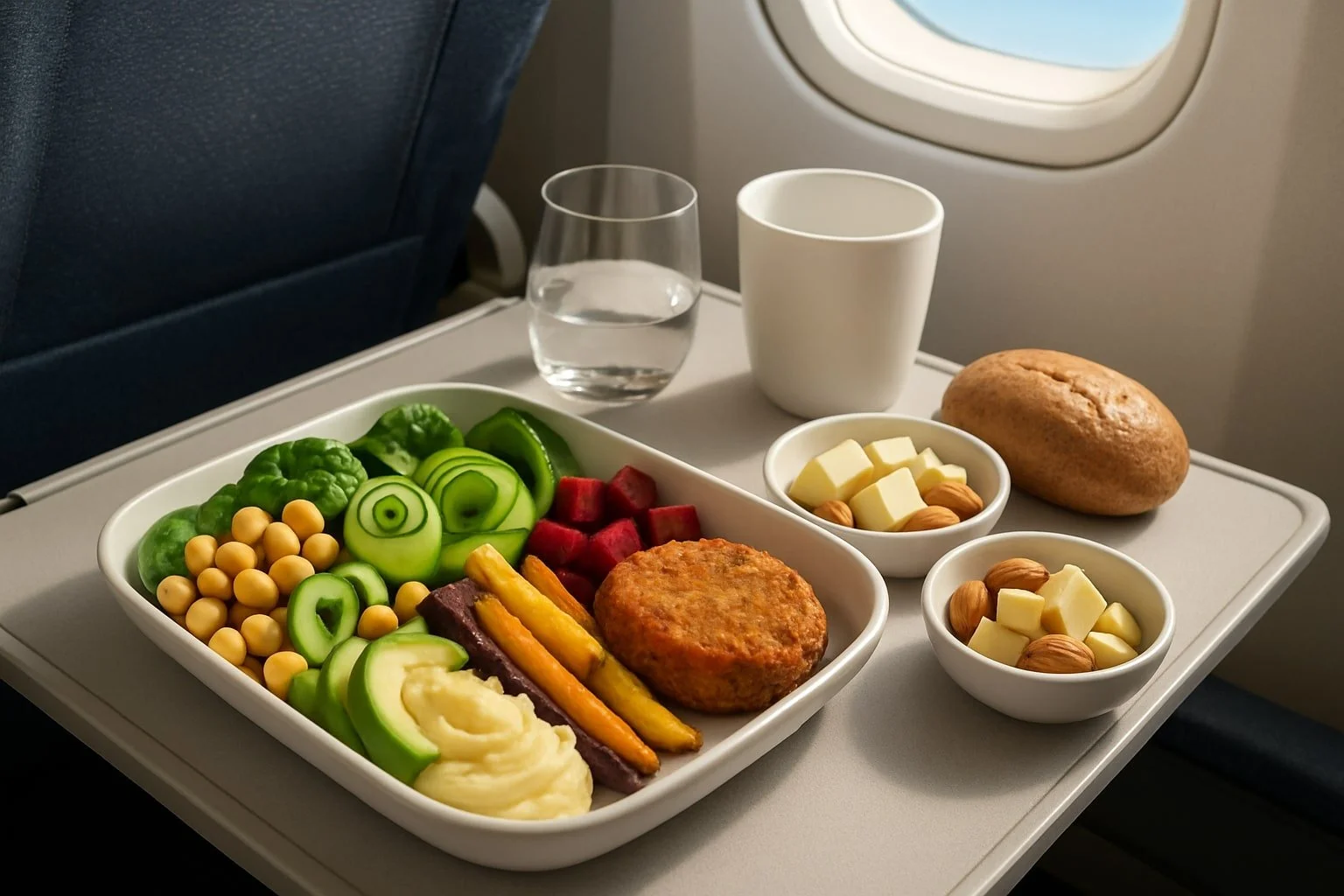
Airline meals are often seen as simple or unremarkable, but their development involves thoughtful decisions about ingredient swaps and substitutions. Flight kitchens must account for taste changes at altitude, food safety, shelf life, and passenger preferences, making every ingredient choice deliberate. By studying how airlines swap and adapt ingredients, home cooks and food enthusiasts can learn practical strategies for making meals tastier and more adaptable.
The process of creating airline food shows the importance of flexibility when faced with limitations—like using umami-rich sauces for flavor or selecting robust ingredients that withstand travel and storage. Seeing how ingredient swaps keep dishes enjoyable in challenging conditions provides valuable lessons for anyone looking to build resilience and creativity in their own cooking.
The Importance of Ingredient Swaps in Airline Meals
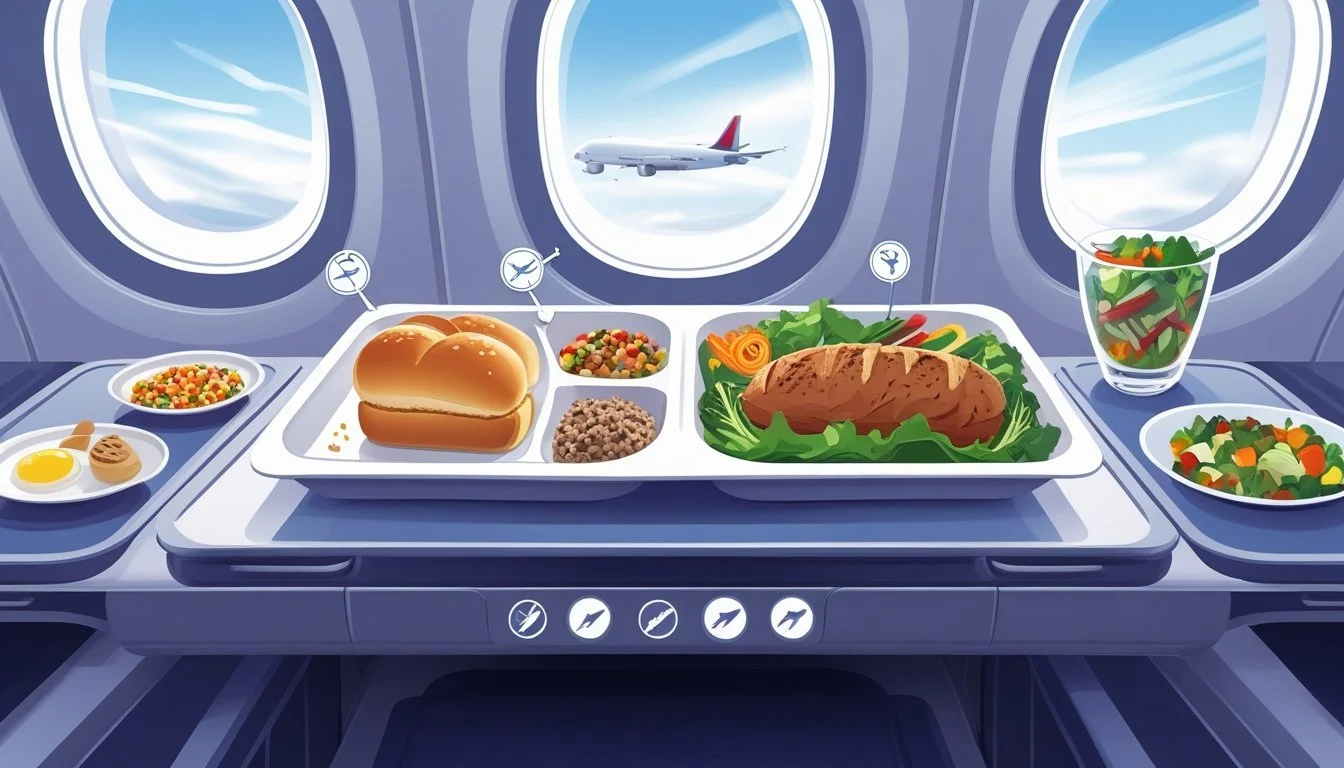
Ingredient swaps play a critical role in shaping the quality and nutrition of in-flight dining. Airlines rely on careful substitutions to meet high culinary standards while accommodating both environmental constraints and varied passenger preferences.
Why Airlines Use Ingredient Swaps
Airline catering faces unique challenges due to the limited space, storage, and resources on aircraft. Swapping ingredients allows airlines to manage food safety more effectively and minimize waste, as many fresh items spoil quickly during extended flights.
Ingredient swaps also help address complex dietary requirements. For example, dairy might be replaced with plant-based alternatives like coconut milk or cashew cream to cater to lactose-intolerant passengers. Airlines often substitute standard salts with low-sodium options to align with health guidelines.
Many flights serve hundreds of individuals at once, so swaps must support large-scale preparation and simplify logistics. Common swaps include using shelf-stable proteins such as light cottage cheese or low-fat mozzarella, which last longer and maintain texture better at cruising altitude.
Balancing Nutrition and Taste at High Altitudes
At cruising altitude, passengers' sense of taste is dulled, especially for salt and sweetness. Ingredient swaps can enhance flavors without increasing sodium or sugar, using alternatives like garlic powder, ginger, or paprika as flavor boosters.
Maintaining nutritional balance is challenging because certain ingredients lose their appeal or texture during reheating. Airlines opt for vegetables and grains that hold up well, ensuring meals remain appealing and nutritious. Swapping out high-fat ingredients for options with healthier fats—such as replacing heavy cream with lower-fat dairy or plant-based creams—improves the dining experience without compromising taste.
Passenger feedback guides improvements. Preferences for gluten-free, vegan, and high-protein meals are often met through strategic ingredient swaps, reflecting trends in global airline catering and modern dining experience expectations.
Meeting Dietary Needs and Preferences

Meeting individual requirements on flights involves careful attention to dietary needs, restrictions, and food quality. Airlines balance the challenge of catering to allergies, preferences, and nutrition by adapting their ingredients and menus with care and precision.
Addressing Dietary Restrictions and Food Allergies
Airlines routinely ask travelers to declare any food allergies or restrictions before their flights. This information allows airlines to reduce risks and cross-contamination.
For example, gluten-free, nut-free, and dairy-free meals are often available on request. These meals substitute common allergens with safer alternatives, such as using rice or quinoa instead of wheat, or offering plant-based proteins instead of dairy. Passengers with severe allergies benefit from strict handling procedures.
Key features for allergy-safe airline meals:
Allergen-Free Meal Common Substitutions Procedures Nut-free Seeds for nuts Separate prep and packaging Gluten-free Rice, potatoes for wheat Allergen controls in kitchens Dairy-free Soy, oat, or almond milk Staff training in allergen safety
A strong allergy protocol not only safeguards travelers but also encourages repeat business. Studies show that a majority of travelers with allergies favor airlines with safe, transparent food handling.
Customizing Meals for Special Diets
Meal customization now goes beyond allergies to include preferences like vegan, vegetarian, low-carb, and religious dietary requirements. Airlines support these needs by offering special meals and allowing pre-orders during booking.
Vegan meals often include legumes and tofu for protein, healthy fats from seeds, and various vegetables to supply vitamins and minerals. For low-carb or diabetic-friendly meals, chefs might swap starchy sides for extra vegetables or salads, increasing fiber and nutrition without raising sugar content.
Examples of special meal adaptations:
Vegan: Tofu, lentils, vegetables, olive oil
Vegetarian: Eggs, dairy, whole grains, legumes
Low-carb: Grilled meats, leafy greens, nuts
Kosher/Halal: Certified ingredients and preparation
These ingredient swaps maintain protein, fiber, and essential nutrient content, even when omitting major food groups. This flexibility shows a commitment to both nutrition and customer satisfaction.
Popular Ingredient Swaps and Healthy Alternatives
Airline meals often use creative ingredient swaps to balance nutrition, reduce calories, and meet dietary needs. These practical substitutions can easily be used in home kitchens to boost both the health value and the flavor of everyday dishes.
Greener Choices: Replacing Creams and Fats
Swapping out heavy creams and saturated fats for plant-based options helps cut calories without sacrificing texture. Avocado, for example, works well as a creamy spread or can be blended into dressings and dips for a rich mouthfeel. Greek yogurt is another versatile substitute, replacing sour cream in sauces, baked potatoes, or dips while providing extra protein and lower fat.
Coconut milk can stand in for cream in soups and curries, bringing a silky finish with added nutrients. Hummus offers a flavorful alternative for mayonnaise or cheese on sandwiches and wraps. By using these swaps, dishes retain richness but gain healthier fats and beneficial nutrients.
Nutritious Grains and Protein Substitutions
Traditional airline meals often feature processed grains like white rice or pasta, yet nutritious swaps are simple. Quinoa and brown rice can replace white rice, providing more fiber, vitamins, and minerals. Spiralized vegetables such as zucchini or sweet potato serve as great substitutes for pasta, lowering calorie intake and increasing vegetable consumption.
Flaxseed and almond meal can be used in place of breadcrumbs for coating or binding, adding omega-3s and nutty flavor. For a protein boost, fish, poultry, or plant-based proteins like lentils are smart alternatives to red meats. These swaps help improve the overall nutritional profile of the meal.
Smart Swaps for Added Flavor and Nutrition
Flavor often relies on high-calorie sauces or excess salt, but fresh ingredients and natural seasonings can offer just as much taste. Nutritional yeast, for example, provides a cheesy, umami flavor with added B vitamins and no cholesterol. Fresh herbs and spices work well to replace high-sodium mixes, brightening meals with little effort.
Using citrus juices or vinegars as seasonings can also heighten flavor without extra fat or salt. By focusing on these nutritious swaps and simple fresh additions, it’s possible to make meals more satisfying and beneficial to health.
Behind the Scenes: Meal Preparation and Safety
Airline meal preparation is shaped by careful ingredient choices, logistical planning, and rigorous food safety protocols. Standardized approaches support consistency, while health and regulatory requirements drive strict oversight from the kitchen to the airplane cabin.
Ingredient Sourcing and Seasonal Availability
Airlines must coordinate with global suppliers to secure large quantities of safe, consistent ingredients for mass production. They often prioritize ingredients that withstand long storage, reheating, and variable conditions, opting for high-starch vegetables, lean proteins, and shelf-stable grains.
Seasonal availability guides menu versatility. For example, airlines might use local produce when possible, substituting out-of-season items for alternatives—like switching asparagus to green beans in winter. This promotes both flavor and resource efficiency. Logistics teams and chefs jointly review ingredient quality, ensure sufficient supply, and adapt recipes to what is reliably available and cost-effective.
Below is a sample of how ingredient swaps can play out based on season and storage needs:
Original Ingredient Substitute Rationale Asparagus Green beans Better winter supply, similar texture Fresh berries Dried fruit Improved shelf life, sweetness Salmon Chicken Broader availability, lower cost
Ensuring Food Safety and Quality Control
Meal preparation in airline catering operates under strict food safety and health regulations. All ingredients undergo screening to prevent contamination, and kitchens follow Hazard Analysis and Critical Control Points (HACCP) protocols. Dishes are usually cooked in bulk, rapidly chilled, then vacuum-sealed to lock in flavor and prevent bacterial growth.
Quality control staff monitor every stage, checking temperatures, cleanliness, and packaging integrity. Before packing for flight, meals are reheated and tested for both flavor and safety adherence. Food scientists, chefs, and logistics experts routinely audit the process and implement corrective actions if standards are not met.
Strict compliance ensures meals not only taste consistent but also meet global airline safety standards, minimizing risk to passengers regardless of route or climate.
Innovative Approaches in Airline Catering
Airline catering has evolved with input from culinary experts and the need for inventive solutions that address in-flight challenges. Renowned chefs, advanced cooking methods, and thoughtful menu design help meet passenger preferences and dietary requirements.
Influence of Renowned Chefs and Menu Development
Major airlines now collaborate with acclaimed chefs to craft meal selections that reflect regional flavors and contemporary trends. Chef partnerships increase the overall quality and appeal, often resulting in updated menus that change seasonally to showcase fresh ideas or ingredients.
Menu development considers limitations of in-flight environments—such as restricted cooking equipment—and adapts classic recipes accordingly. Ingredient swaps play a role, enabling caterers to maintain familiar tastes while using items that store and travel well. For passengers with dietary needs, airlines develop specialized menus, balancing taste with logistical feasibility. Detailed customer feedback frequently informs future menu refinement and ingredient selection.
Key factors in successful menu development:
Collaboration with culinary experts
Seasonal or region-inspired dishes
Strategic use of shelf-stable or adaptable ingredients
Regular review of passenger preferences and satisfaction
Innovative Cooking Techniques at Altitude
Cooking at altitude presents unique technical challenges, from lower cabin humidity to altered taste perception. To address this, airlines employ techniques that preserve flavor and food texture during reheating.
Methods often used include:
Sous vide preparation, which ensures consistent doneness and moisture retention
Vacuum-sealing to lock in freshness and prevent spoilage
Use of spice and seasoning blends designed to compensate for dulled palates at high altitudes
Presentation also factors in, as meals must look appetizing after storage and reassembly. Creative plating, compact serving dishes, and careful ingredient arrangement enhance the overall in-flight culinary experience, despite physical constraints.
Sustainability and Future Trends in Ingredient Swapping

Ingredient swaps used in airline meals are increasingly shaped by concerns about environmental impact. Airlines and suppliers look for ways to reduce both the carbon footprint and food waste through focused sustainability initiatives.
Reducing Carbon Footprint with Smart Packaging
Airline catering teams face pressure to lower emissions, not just in operations but in food choices too. Swapping high-emission ingredients, like beef, for alternatives such as lentils or plant-based proteins significantly lowers the carbon footprint of each meal.
In addition to ingredient swaps, the use of smart packaging is gaining traction. New materials and designs require less energy to produce and transport. For example, lightweight and recyclable trays help reduce fuel usage and waste on flights.
A table of typical ingredient carbon footprints per kilogram shows the clear advantage of careful swaps:
Ingredient CO₂e per kg Alternative Beef 60 Lentils (1) Cheese 13 Tofu (3) Chicken 6 Legumes (1-2)
Airline meal planners now combine smart packaging with strategic recipe adjustments to maximize the sustainability impact.
Waste Reduction and Sustainable Practices
Food waste management aboard aircraft is crucial. By analyzing passenger meal choices and reducing overproduction, airlines cut down on discarded food.
Upcycled and repurposed ingredients have become more common in airline catering. Items that would otherwise go to waste, such as vegetable trimmings, are incorporated into soups or salads.
Sustainable sourcing practices ensure that ingredients are grown and harvested with care for resource use and soil health. Airlines partner with suppliers who prioritize regenerative agriculture, supporting ecosystems over the long term.
A focused approach to portion control, buying seasonally, and working with local producers all contribute to measurable waste reduction and more resilient supply chains.
Enhancing the Passenger Experience Through Ingredient Swaps
Careful ingredient swaps in airline meals can noticeably improve food quality and elevate the travel experience. Thoughtful choices contribute to freshness, better nutrition, and a sense of personal care for passengers.
Economy Class Upgrades and Customization
Airlines have historically offered standard meals in economy class, focusing on logistics and broad appeal. Now, they are introducing ingredient swaps that improve flavor and nutrition without complicating service.
For example:
Replacing white rice with whole grains like quinoa or brown rice.
Swapping processed meats for roasted, lean protein.
Offering plant-based options in place of dairy or meat.
These changes address common dietary needs and help passengers with allergies or specific preferences. Short, customizable ingredient lists also allow for better quality control and easier adjustments based on passenger feedback.
A table can illustrate typical economy swaps:
Traditional Ingredient Swapped Alternative White bread Multigrain or whole wheat Regular pasta Lentil or chickpea pasta Sugary snacks Dried fruits, nuts
By making these changes, airlines can offer tastier and more nutritious meals, creating a positive impression even in crowded cabins.
Maximizing Customer Satisfaction
Ingredient swaps directly impact passenger satisfaction by accommodating dietary restrictions and cultural preferences. Allowing travelers to select from a few tailored meal options helps create a sense of choice, even within economy service limitations.
Offering meals with clear labeling (such as gluten-free or vegan) lets passengers make informed decisions. Airlines also benefit from collecting passenger feedback on specific swaps:
Passengers who eat plant-based diets can enjoy satisfying alternatives.
Swapping high-sodium sauces for lighter dressings can reduce fatigue and bloating, which are common complaints at altitude.
A focus on fresh, regionally sourced ingredients not only addresses quality but also connects passengers to the local food culture. These ingredient swaps combine practicality with attention to detail, ensuring the airline meets diverse passenger needs while enhancing the overall travel experience.

