
Best Practices in Restaurant Inventory Rotation
Ensuring Freshness and Reducing Waste

Effective restaurant inventory rotation relies on the consistent application of best practices to minimize waste, maximize freshness, and ensure efficient inventory management. Restaurants that establish clear routines for checking, rotating, and recording inventory are better equipped to maintain quality control and reduce the risk of spoilage or overstocking.
Using strategies such as the FIFO (First In, First Out) method, setting automated reorder points, and categorizing stock helps keep operations running smoothly and supports profitability. Well-organized inventory rotation not only supports cost control but also improves sustainability and the overall dining experience.
Clear procedures, regular staff training, and well-defined responsibilities for inventory handling create a strong foundation for effective restaurant inventory rotation. These practices are essential for any restaurant aiming to run an efficient and reliable operation.
Understanding Restaurant Inventory Rotation
Restaurant inventory rotation is a key element in maintaining product freshness and reducing waste. Proper rotation methods ensure that stock is used in the optimal order, minimizing spoilage and supporting efficient inventory management.
What Is Inventory Rotation?
Inventory rotation is the practice of organizing and using stock so that older items are used before newer ones. The most common method is FIFO (First In, First Out), which helps ensure that products with the earliest expiry dates or oldest purchase dates leave inventory first.
In a restaurant, this may involve placing recently received food items behind existing stock. Staff are trained to always select older inventory first. This process is especially important for perishable goods, such as fresh produce, dairy, and meats, but it can also be applied to non-perishable items.
Effective inventory rotation is usually part of a broader inventory management system. For accuracy, restaurants may use clear labeling, shelf-life tracking, and frequent inventory counts. By keeping rotation consistent, restaurants achieve more accurate stock records and maintain quality control.
Importance of Effective Inventory Rotation
Proper stock rotation reduces food waste and saves money by ensuring less product is discarded due to spoilage or expired dates. Restaurants benefit from improved food safety, as older items are less likely to be missed and used past their safe date.
Consistent inventory rotation supports compliance with health and safety standards and helps during health inspections. It can reduce the risk of having to dispose of unusable stock, which keeps food costs lower and profit margins more stable.
An organized inventory management system that features stock rotation also streamlines ordering processes. Managers are less likely to over-order, and purchasing decisions are based on accurate data. This leads to better operational efficiency and improved overall restaurant performance.
Principles of FIFO and LIFO Methods
Effective restaurant inventory processes rely on systematic stock rotation to minimize waste and maintain product quality. Understanding FIFO and LIFO methods allows restaurants to adapt their approach based on menu, stock type, and business goals.
FIFO: First In, First Out Explained
The FIFO method is widely used in the restaurant industry. Under FIFO, the oldest inventory items are used first, meaning products received earliest are sold before newer stock. This system reduces spoilage, particularly important for perishable goods such as produce, dairy, and meat.
FIFO reflects the natural flow of goods in most kitchen operations. It helps maintain food safety standards and reduces the risk of expired stock being served to customers. Many inventory management software solutions support FIFO processes, making it easier to track stock movement.
Main benefits of FIFO:
Minimizes waste from spoilage
Improves accuracy of inventory valuation
Enhances food safety and regulatory compliance
FIFO is particularly effective for restaurants with high inventory turnover and those wanting to ensure freshness.
LIFO: Last In, First Out Overview
LIFO (Last In, First Out) uses the most recently acquired inventory first. This method is less common in restaurants but may be used in environments dealing with nonperishables or where price fluctuations are a significant concern.
LIFO can help match current costs with revenue, which is sometimes beneficial during periods of rising prices, as it bases cost calculations on newer, higher-priced inventory. However, it may leave older stock unsold, which can lead to potential quality, waste, or compliance issues if products expire.
Pros of LIFO:
Can lower taxable income when prices are rising
Matches recent costs to current sales more directly
Because foodservice usually prioritizes product freshness, LIFO is not often the preferred choice for menu items with a short shelf life.
How to Select the Right Method for Your Restaurant
Selecting between FIFO and LIFO depends on product type, operational needs, and regulatory requirements. Restaurants serving mostly perishable goods or looking to streamline food safety compliance typically favor FIFO.
Cost control goals and tax considerations may make LIFO attractive in some cases, especially where goods are shelf-stable and price volatility is high. Inventory management software can aid either approach by automating tracking and reducing errors.
Key factors to consider:
Product perishability
Desired inventory turnover rate
Impact on financial reporting and taxes
Level of software integration available
Clear policies and staff training in inventory processes further support consistency in applying these methods.
Implementing Inventory Rotation Best Practices
Effective inventory rotation prevents food waste, maintains quality, and supports operational efficiency. Consistent tracking and clear policies help staff handle ingredients properly and reduce spoilage.
Setting Up Clear Rotation Policies
Establishing written rotation policies ensures everyone understands the procedures. The FIFO (First-In, First-Out) method is widely recognized as a best practice in restaurant inventory management. This policy means older stock is used before newer arrivals, reducing the risk of expired goods.
Training staff is critical. Employees should receive regular instruction and reminders on these rotation practices. Develop checklists showing daily and weekly rotation tasks. Set up monitoring systems to verify compliance and schedule periodic audits to catch issues early.
Encourage a routine of immediate action for any items discovered out of rotation. Regular review and enforcement keep the policy active and effective, minimizing lapses that can lead to costly waste.
Labeling and Storage Organization
Accurate labeling helps maintain inventory rotation and prevents confusion. All food items should have clear labels indicating delivery dates, use-by dates, and batch numbers. Adopt a standard labeling system across the restaurant so staff can quickly identify what needs to be used next.
Organize storage areas so that older stock sits at the front or on top and newer arrives at the back or bottom. Use shelving and storage bins that allow for quick visual checks. Keep similar items together, grouping by category or use.
A structured storage layout, combined with visible labeling, helps staff perform rotation tasks with less confusion. Regular tidying and restocking routines prevent overstocking and simplify inventory counting, essential for accurate tracking with inventory software.
Automated Solutions for Streamlining Rotation
Inventory tracking software offers precise control over stock movement. Many restaurant inventory software tools provide real-time updates on item usage, expiration alerts, and reorder reminders. Automated alerts flag products nearing the end of their shelf life to prompt timely use or removal.
Food inventory software can integrate barcode scanning or RFID, making receiving and tracking faster and more accurate. Some systems generate reports that highlight rotation issues or track trends over time, allowing managers to address recurring problems quickly.
Choosing software with customizable inventory rotation features can help restaurants automate routine checks, reduce manual errors, and maintain optimal stock levels. This supports proactive stock management and maximizes shelf life, especially when paired with consistent best practices.
Conducting Regular Inventory Checks and Audits
Regular inventory checks and audits are essential for maintaining accurate stock levels and preventing losses. Clear procedures help identify discrepancies quickly and improve overall inventory tracking.
Frequency and Timing of Inventory Checks
Most restaurants benefit from scheduling inventory checks at consistent intervals. Weekly or biweekly counts are common for perishable items, while monthly checks may suffice for non-perishables. High-turnover items require more frequent monitoring.
The best time to perform inventory checks is during slow business periods or before new stock arrives. Counting before opening or after closing minimizes distractions and ensures accurate results. Set a fixed schedule, and communicate it with staff to ensure accountability.
Using a checklist or digital inventory tracking system streamlines the process. Monitoring on a regular basis helps highlight trends in usage, loss, or waste and supports timely reordering.
Steps for Regular Inventory Auditing
Effective inventory auditing follows a systematic approach. Begin by listing all items to be checked, and assign team members clear roles. Use the first-in, first-out (FIFO) system to assess stock rotation and actively check expiration dates.
Count each item physically, comparing recorded amounts with actual stock. Note any discrepancies immediately. Record results using a standardized inventory tracking form or app, including details like item name, unit, and quantity.
Conduct spot checks on high-risk or high-value items. After the audit, review findings as a team to pinpoint causes of discrepancies. Implement corrective actions, such as retraining staff or adjusting storage practices, to address persistent issues.
Leveraging Technology for Efficient Inventory Management
Using modern tools streamlines restaurant inventory rotation and helps reduce human error. Technology improves accuracy, saves staff time, and ensures critical data is available for smarter decision making.
Benefits of Inventory Management Software
Inventory management software automates tracking, ordering, and reporting for restaurant stock. By digitizing these tasks, restaurants can avoid common problems like over-ordering, stockouts, or misplaced items.
Most restaurant inventory software solutions provide real-time alerts for low stock, customizable categories for tracking specific food items, and automated order suggestions based on historical consumption. Some platforms include waste tracking features, which highlight patterns that contribute to ingredient loss.
Key features of inventory management systems:
Automated inventory counts
Integration with suppliers for faster ordering
Detailed analytics dashboards
Barcode and RFID support for faster stock checks
Food inventory software can also schedule regular inventory audits to keep records accurate. This level of oversight provides managers with up-to-date information, allowing them to act quickly when issues arise.
Integrating POS Systems for Real-Time Tracking
Connecting a POS system with inventory management software enables real-time inventory tracking. Each sale automatically updates inventory levels, reducing manual input and lowering the risk of outdated records.
Real-time tracking ensures that staff always see current stock numbers. It allows for faster restocking decisions and reduces the chances of selling out-of-stock menu items. This integration also helps forecast future supply needs by analyzing sales trends and usage rates.
Some systems allow the POS to trigger automatic reordering when certain ingredients reach a set threshold. This continuous feedback loop keeps the kitchen stocked with essential items. Staff can quickly check ingredient levels from any terminal, making it easier to plan daily operations and avoid last-minute shortages.
Staff Training and Roles in Inventory Rotation
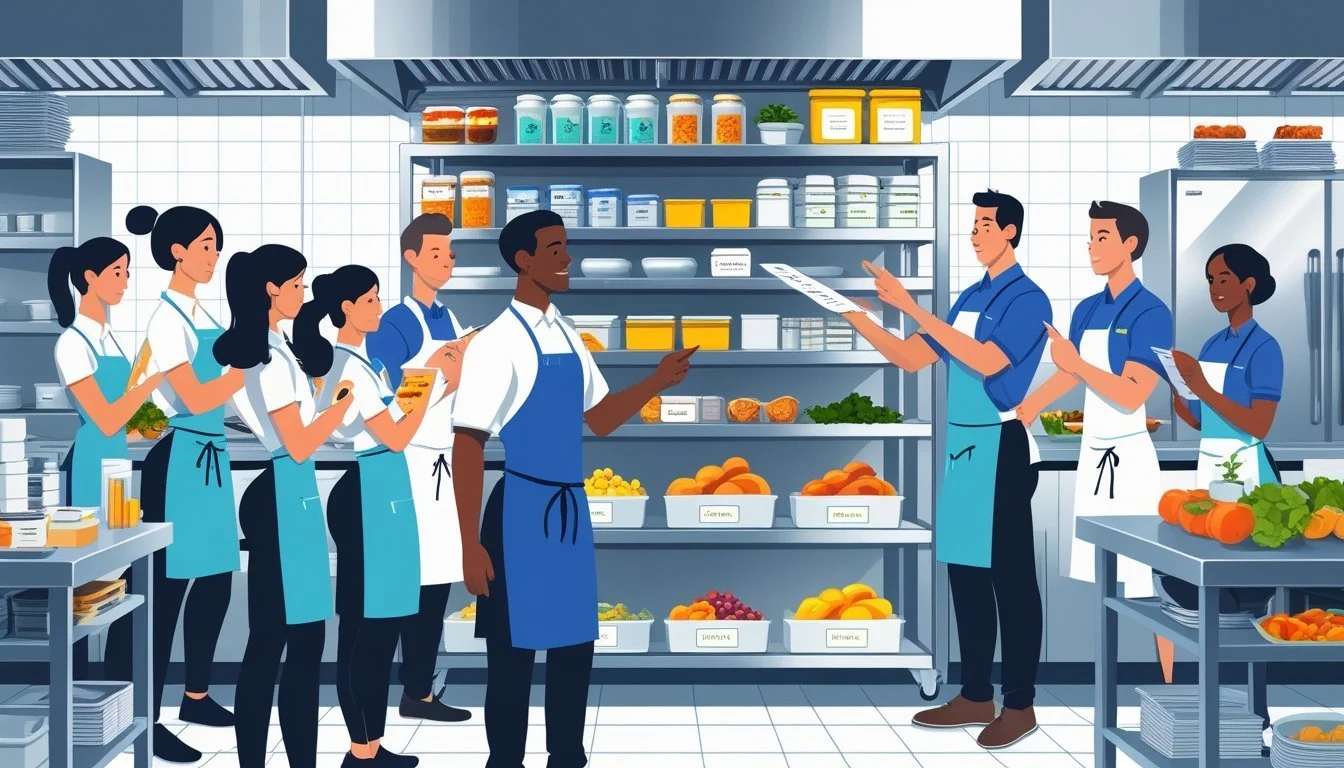
Staff training drives accuracy and consistency in inventory rotation. Clear role assignments and ongoing education keep employees engaged, reducing waste and supporting daily efficiency.
Establishing Standard Operating Procedures
A restaurant should define clear, step-by-step processes for inventory rotation, focusing on systems such as FIFO (First-In, First-Out) or FEFO (First-Expired, First-Out). These methods ensure older stock is used before newer deliveries.
Each team member must be assigned specific tasks related to counting, labeling, and storing products. Visual guides, such as labeled shelves or color-coded stickers, can simplify adherence and reduce mistakes.
Key Elements:
Written procedures for receiving, storing, rotating, and recording stock
Designated staff responsible for key actions
Use of checklists to confirm all steps are completed
Having these operating procedures documented and visibly posted in key storage areas helps reinforce consistent practices. This promotes higher productivity and fewer errors during busy shifts.
Ongoing Staff Education and Accountability
Inventory management training should be a routine part of onboarding and repeated regularly to reinforce best practices. Staff need to understand not only the “how,” but also the importance of following procedures for controlling costs and maintaining quality.
Regular briefings or refresher sessions keep everyone updated on any changes, such as new products or updated food safety requirements. Peer audits or spot checks help maintain standards and foster a sense of shared responsibility.
Tracking performance with logs or digital tools enables managers to identify gaps in knowledge or areas for improvement. Recognizing staff for accuracy in inventory tasks encourages continued attention and care, building both efficiency and accountability.
Managing Perishable Goods and Expiration Dates
Effective handling of perishable goods is central to food safety and cost control in restaurants. Small improvements in tracking expiration dates and minimizing spoilage can lead to significant waste reduction and compliance with health standards.
Proper Dating and Labeling Methods
All perishable goods should be labeled immediately upon receipt and when opened. Dates should be clear, consistent, and use a format easily understood by all staff, such as MM/DD/YYYY.
The use of color-coded labels for different product types or days of the week can further reduce errors. Pre-printed labels with product name, date received, and expiration date simplify tracking and auditing.
A laminated chart posted near storage areas can remind staff of standard shelf lives for common ingredients. Training employees to always check dates before use or storage supports food safety. Frequent spot checks ensure compliance and help identify breakdowns in the process early.
Minimizing Spoilage and Food Waste
Implementing the First-In, First-Out (FIFO) and First-Expired, First-Out (FEFO) systems is essential for inventory rotation. FIFO ensures older items are used first, while FEFO focuses on using goods nearing their expiration to directly reduce waste.
Storage conditions such as proper temperature and humidity should be monitored continuously. Items should never be overstocked to avoid product loss due to insufficient turnover.
Regular inventory audits—weekly or even daily for high-turnover items—help quickly identify products at risk of spoilage. Digital inventory systems equipped with expiration tracking and automated reminders support faster action and informed purchasing, leading to less food waste and better compliance.
Optimizing Stock Levels and Par Levels
Setting accurate par levels and closely tracking inventory helps restaurants prevent shortages, avoid waste, and control food costs. Consistent stock management ensures each ingredient is available when needed and supports efficient ordering routines.
Determining and Maintaining Par Levels
Par levels represent the minimum inventory amount needed to meet demand until the next delivery. They are calculated based on historical usage rates, forecasted guest counts, and supplier delivery schedules. Setting correct par levels for each item supports balanced stock, reducing overordering or unexpected outages.
Managers review sales data and seasonality to adjust par levels regularly. For example, high-selling items like chicken breast may need a higher par level during weekends or holidays. Using a table to list each product, average weekly usage, lead times, and set par helps maintain clear standards:
Item Avg. Use/Week Lead Time Par Level Ground Beef 50 lbs 2 days 70 lbs Romaine Lettuce 30 heads 1 day 40 heads
Staying proactive with these numbers supports inventory control and reduces spoilage.
Tracking Stock Levels Effectively
Accurate inventory tracking prevents both running out of items and building up excess stock. Using inventory management software or spreadsheets, staff can record each item’s on-hand quantity after every delivery and service period. Regular scheduled counts—weekly or biweekly—help spot discrepancies early.
Managers should standardize count procedures, ensuring staff check all storage areas and use consistent units for measurement. Marking recently received stock with delivery dates helps prioritize first-in, first-out (FIFO) rotation and identify slow-moving items.
Tracking patterns over time allows for quick adjustments to par levels, leading to more efficient stock management and food cost savings. Automated inventory tracking can further streamline reordering by alerting staff when items fall below set par levels.
Forecasting Demand and Menu Planning
Accurate demand forecasting helps restaurants reduce waste and avoid shortages. Smart menu planning and recipe costing play a key role in aligning inventory rotation with actual sales and customer trends.
Using Demand Forecasting Techniques
Effective demand forecasting allows restaurants to match purchasing and inventory levels to expected customer demand. Historical sales data, seasonality, and local events are analyzed to predict what menu items will sell and when. This makes it easier to purchase the right quantities and rotate stock before it expires.
Implementing tools for tracking sales trends and integrating them with inventory management systems can increase forecast accuracy. Regular cycle counts and schedule adjustments based on forecasted sales reduce overstocking and urgent, costly procurement. Accurate demand forecasting also supports better staff scheduling and meal preparation.
Techniques like FIFO (First-In, First-Out) and ABC analysis are often used to manage perishable inventory based on projected usage rates. This prevents excess aging stock and supports food safety by ensuring inventory is used in the order it was received.
Aligning Inventory Rotation With Menu Engineering
Menu engineering focuses on designing a menu that is both profitable and popular with customers. Combining this approach with inventory rotation means recipes are designed to use ingredients efficiently, combining high-turnover and slower-moving items to minimize waste.
Menu planning should consider which items can leverage ingredients across multiple dishes. This supports tighter inventory rotation because high-volume items help move ingredients with shorter shelf lives quicker. Recipe costing also ensures menu prices reflect ingredient costs and waste risk.
An effective alignment uses sales data and cost calculations to evaluate which menu items pull inventory at an optimal rate. Regular analysis helps adjust offerings to keep inventory fresh and reduce spoilage, while also identifying items that could be reformulated to use surplus stock. Strategic rotation, pricing, and menu adjustments can optimize both profits and food quality.
Cost Control and Profitability Through Inventory Rotation
Effective inventory rotation is essential for maintaining control over costs, improving profitability, and supporting steady cash flow in restaurant operations. Focusing on tracking food cost percentage, refining processes, and managing expenditures ensures resources are used efficiently.
Monitoring Food Cost Percentage and COGS
Tracking food cost percentage and cost of goods sold (COGS) gives restaurants a clear picture of how inventory influences profitability. Regular analysis of these metrics helps identify inconsistencies and potential waste.
Metric Purpose How to Measure Food Cost Percentage Tracks % of sales spent on food (Food Cost/Sales) ×100 Cost of Goods Sold Total cost of items sold Starting Inventory + Purchases – Ending Inventory
Monitoring these values, especially after introducing more rigorous rotation methods, reveals whether stock is being used before spoilage. This allows for timely adjustments, reducing excess inventory, and improving profit margins.
Reducing Restaurant Costs With Efficient Processes
Efficient processes begin with organizing inventory to ensure older stock is used first (FIFO method). Training staff to consistently rotate inventory and monitor expiry dates prevents unnecessary waste.
Implementing set inventory counts—such as checking supplies on the same day each week—reduces errors and makes tracking easier. Using digital tools can further minimize human error and streamline ordering, preventing over-purchasing.
Attention to portion control limits overuse of ingredients, directly affecting food cost percentage and lowering overall restaurant costs. Labelling and dating items supports staff in upholding rotation policies.
Improving Cash Flow Management
Proper inventory rotation ties up less cash in unused stock and reduces money lost from expired goods. When restaurants order only what is needed, based on actual consumption data, they free up funds for other operational priorities.
Forecasting future needs by analyzing trends in ingredient use allows for more accurate purchasing. This helps avoid tying up cash in excess inventory that sits idle on shelves.
Clear records of inventory movement and expiration dates support better planning and prevent sudden shortages. This leads to predictable costs and improved control over cash flow throughout the month.
Vendor Management and Automated Ordering
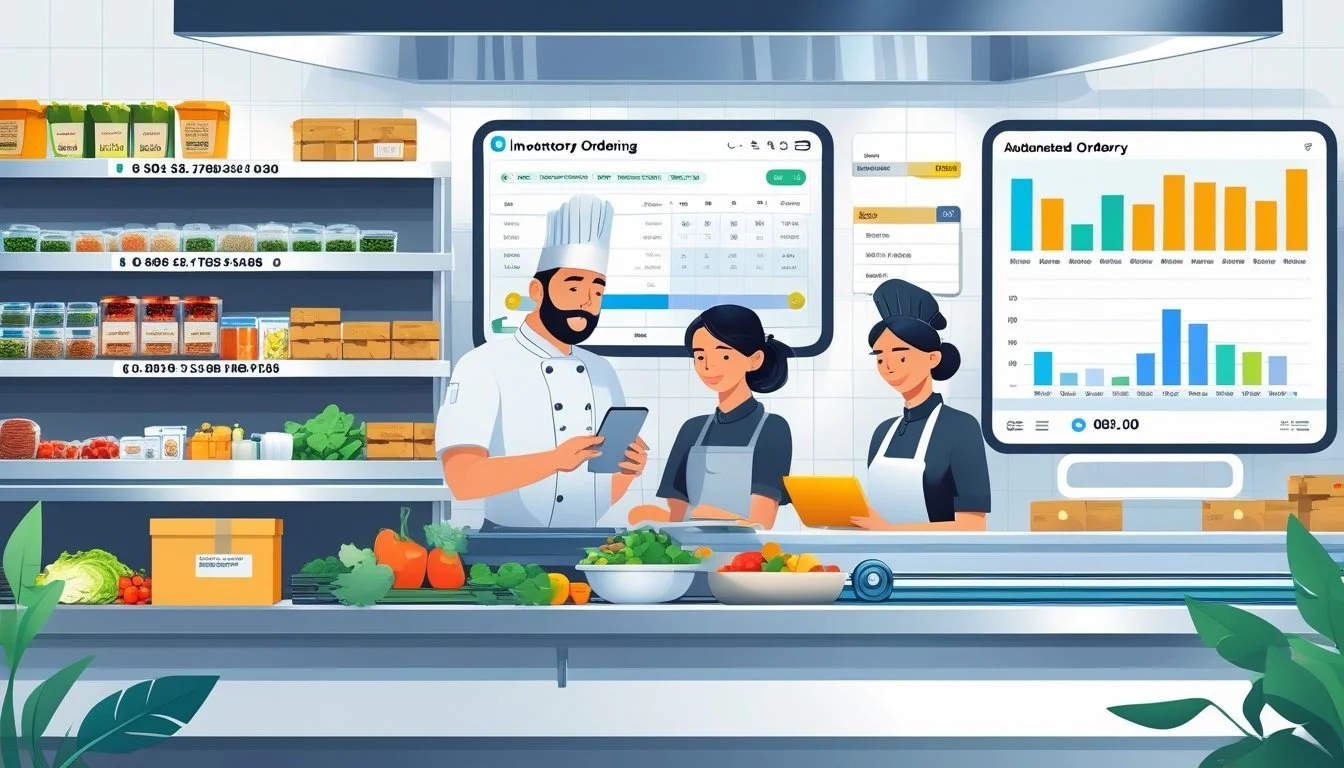
Effective vendor management and automated ordering streamline inventory rotation, reduce waste, and ensure stock levels match current demand. Both elements play a significant role in keeping inventory fresh and minimizing the risk of overstocking or shortages.
Building Strong Vendor Relationships
Successful inventory management relies heavily on reliable vendor partnerships. Restaurants that build transparent and consistent communication with suppliers gain better visibility on delivery schedules, product quality, and available stock.
Contract terms should be reviewed regularly to ensure they align with the restaurant’s purchasing needs and changing menu items. Clearly defined expectations can minimize confusion over order quantities, timelines, and product specifications.
Maintaining a list of approved vendors and tracking their performance helps identify any gaps in service or quality. Establishing clear feedback loops makes it easier to address issues quickly. Periodic reviews and face-to-face meetings foster trust and support consistent product rotation practices.
Key practices for vendor management:
Verify certifications and quality standards.
Set regular review meetings.
Use metrics to assess delivery accuracy and product freshness.
Automated Ordering for Consistent Stock Rotation
Automated ordering systems support consistent stock rotation by leveraging real-time inventory data and consumption trends. These tools analyze stock movement and alert managers when products drop below set par levels, triggering timely reordering.
Integration with a point-of-sale (POS) system can provide automatic updates on inventory usage, reducing the chances of human error in manual counts. This enhances accuracy in purchasing and helps prioritize items that need to be used based on the first-in, first-out (FIFO) method.
Automated ordering streamlines communication with vendors by sending routine purchase orders and confirmations. Features like low-stock alerts, purchase order tracking, and order history facilitate efficient inventory turnover and reduce administrative workloads.
Restaurants often benefit from increased efficiency, better cost control, and improved inventory freshness when adopting automated ordering solutions in their inventory management system.
Enhancing Customer Experience and Food Quality
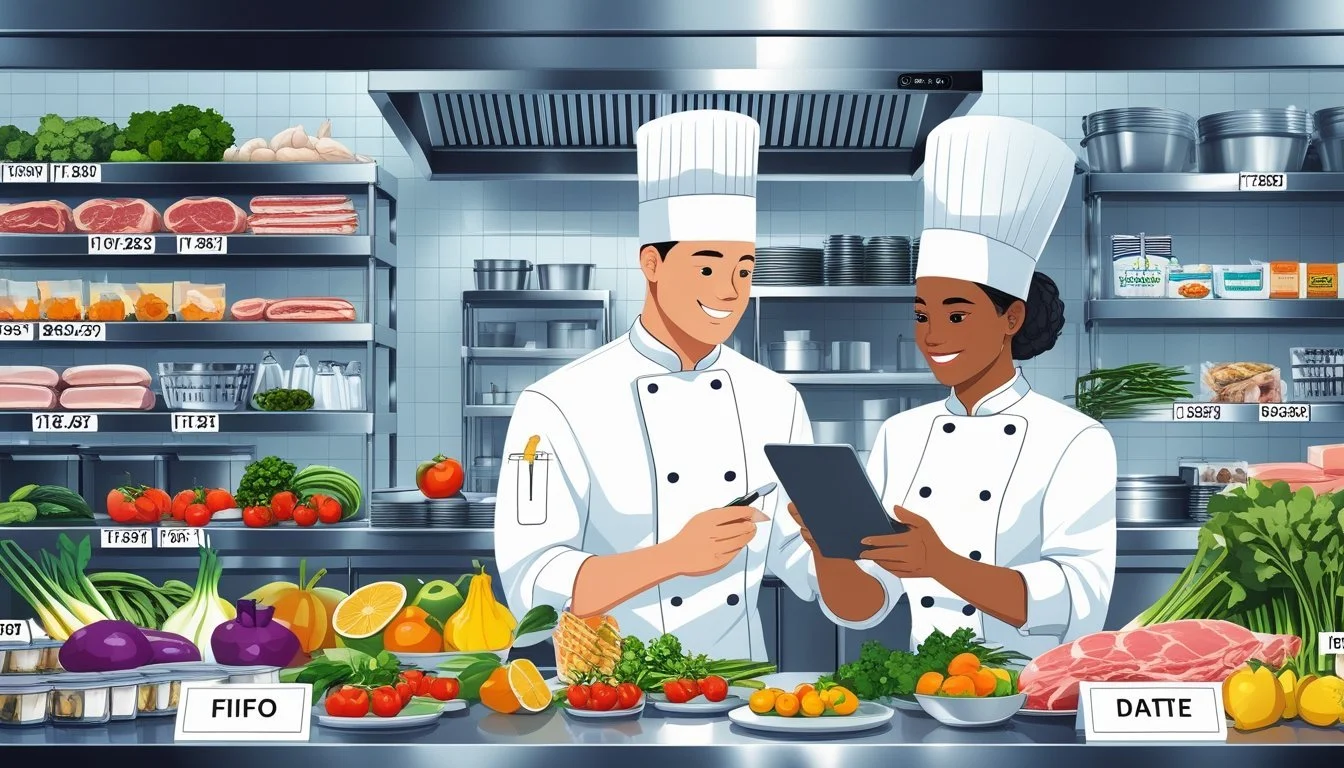
Effective inventory rotation directly influences both the consistency of dish quality and the likelihood that menu items are available to guests. Addressing inventory challenges helps food businesses uphold high standards and maintain customer trust.
Impact of Inventory Rotation on Food Quality
Proper inventory rotation is critical in ensuring that ingredients remain fresh and are used before their expiration dates. The use of the first-in, first-out (FIFO) method reduces spoilage and supports compliance with food safety standards.
Food quality relies on fresh, high-quality ingredients. When staff practice good stock rotation, dishes are more likely to taste as intended. This reliability contributes to a positive reputation and consistent customer experience.
Restaurants that prioritize inventory rotation will see fewer complaints related to poor taste or inconsistent servings. This focus on quality can set a food business apart in a competitive market.
Reducing Risk of Out-of-Stock Items
Efficient inventory rotation helps prevent shortages by making inventory levels visible and predictable. When teams are diligent with stock rotation and inventory tracking, they can reorder items in time, reducing the chances that essential ingredients run out.
Out-of-stock menu items can frustrate customers and lead to missed sales. By regularly assessing stock and involving staff in the process, restaurants keep menu offerings complete and avoid disappointing guests.
Clear records and automated systems can further streamline this process. Consistent stock availability ensures customers receive what they expect, positively impacting overall satisfaction with the restaurant.

