
How Supply Chain Delays Impact Product Freshness and Affect Consumer Satisfaction
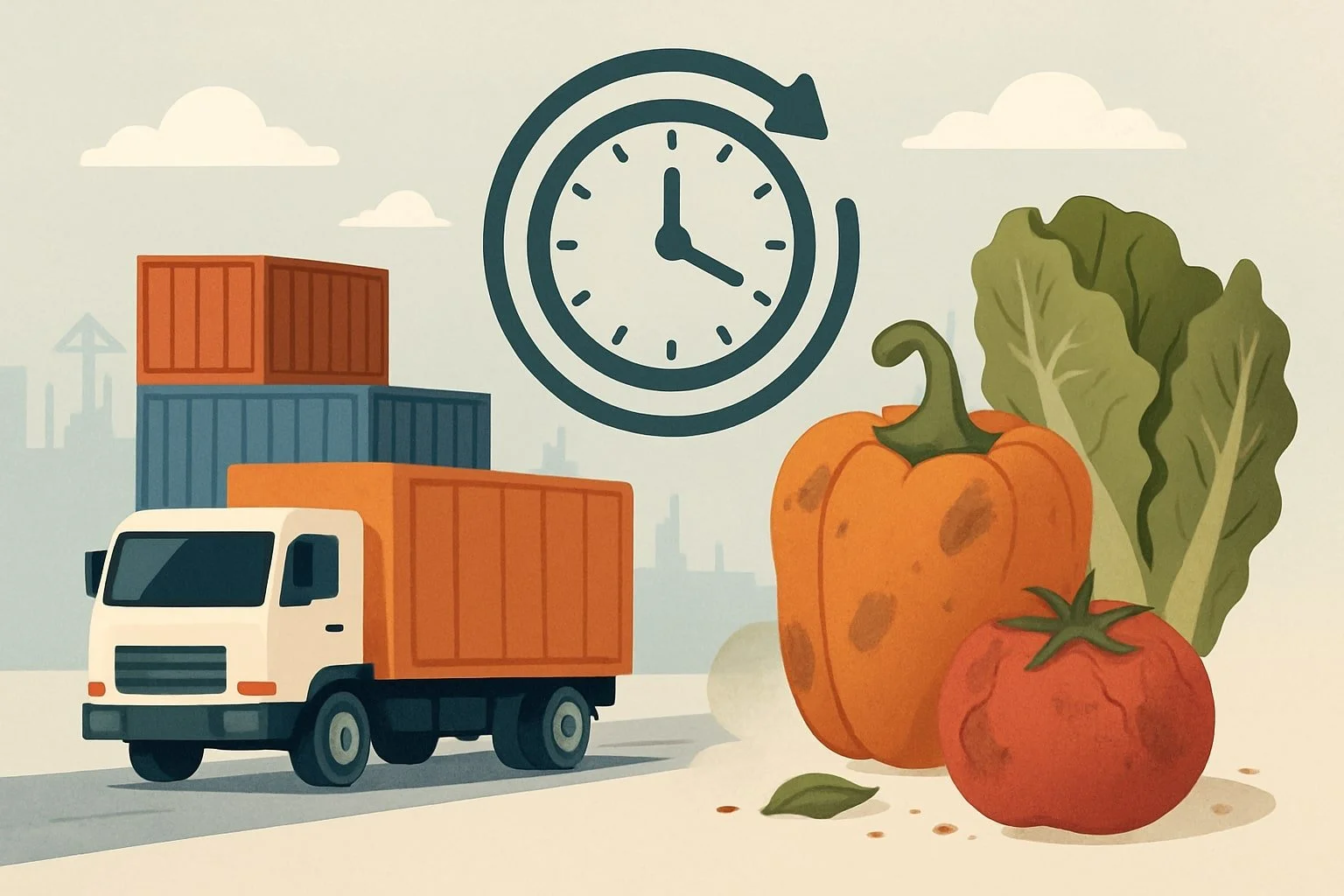
Supply chain disruptions have become a significant concern for businesses that rely on delivering fresh products, especially in the food industry. Delays at any stage, from farming to transportation, directly affect product freshness by increasing the risk of spoilage and reducing shelf life. These disruptions often result from complex logistics, customs regulations, or transportation issues, making it harder to get goods to market in prime condition.
Consumers expect high-quality, fresh products, but each delay in the supply chain can compromise this standard. For companies, the impact goes beyond inventory issues—damaged trust and a loss of customer satisfaction are common consequences when freshness cannot be guaranteed. This ongoing struggle underscores why understanding and addressing supply chain challenges is crucial for any business dealing with perishable goods.
Understanding Supply Chain Delays
Supply chain delays can affect both product quality and delivery timelines. Disruptions might result from supplier issues, transportation challenges, labor shortages, or unpredictable events like natural disasters.
Key Factors Leading to Delays
Several factors contribute to delays in the supply chain. Raw material shortages are common, particularly for items sourced globally, as fluctuating demand or supply-side problems can constrain availability. Transportation bottlenecks also play a major role; port congestion, limited freight capacity, and customs procedures may all slow down shipments.
Communication breakdowns between suppliers, logistics providers, and manufacturers add to lead times. Inaccurate demand forecasting or changes in customer requirements can trigger last-minute adjustments, causing further setbacks.
Key causes of delays:
Raw material shortages
Transportation issues
Supplier reliability
Ineffective forecasting
Complex customs processes
Timely coordination and clear expectations among all parties are essential to reducing these risks in supply chain management.
Types of Supply Chain Disruptions
Disruptions come in various forms, each impacting the supply chain differently. Supplier delays, for instance, might result from equipment failures, production errors, or delays in receiving their own materials. Transportation disruptions include weather-related delays, strikes, and infrastructure breakdowns.
External events such as trade disputes or geopolitical tensions can interrupt the steady movement of goods. The table below outlines common types of disruptions and their effects:
Disruption Type Example Common Impact Supplier issues Late shipments, quality problems Missed deadlines Transportation breakdowns Port congestion, trucking delays Increased transit time Regulatory changes Compliance updates, inspections Customs delays Technology failures System outages Processing slowdowns
Understanding these categories helps businesses plan for and mitigate the risk of product freshness loss.
Impact of Labor Shortages and Natural Disasters
Labor shortages are a frequent cause of supply chain delays. Insufficient staffing in warehouses, manufacturing sites, or shipping hubs may slow order processing, inventory restocking, and delivery scheduling. According to industry surveys, about one-third of supply chain professionals view labor shortages as a leading constraint.
Natural disasters—such as hurricanes, floods, and earthquakes—can suddenly disrupt transportation routes or temporarily close supplier facilities. These events can sever key links in global supply chains, forcing suppliers and manufacturers to pivot quickly to alternative options.
Both labor shortages and natural disasters create ripple effects, sometimes requiring emergency shipments, rerouting, or changes in supplier relationships. Companies prepared with contingency plans can often reduce the impact on product freshness and supply chain continuity.
Product Freshness: Definition and Importance
Product freshness is a key factor influencing quality, safety, and the perception of value in many supply chains. For goods like fresh food, maintaining optimal freshness is vital to extend shelf life, minimize spoilage, and support food safety standards.
Measuring and Monitoring Freshness
Freshness is typically assessed through a mix of sensory, chemical, and technological methods. Sensory evaluations may include checking the appearance, texture, aroma, and taste of products. Common chemical indicators involve measuring pH levels, moisture content, or the presence of spoilage bacteria.
Modern supply chains often use freshness monitoring technologies such as RFID tags, temperature loggers, and QR codes. These tools give real-time data on environmental conditions from the point of origin to the store shelf. Such monitoring helps identify breaks in the cold chain and can quickly signal risks to food safety or quality.
By detecting spoilage or deviations from optimal storage early, companies can take timely actions that maintain product freshness and reduce waste. Incorporating multiple monitoring techniques increases accuracy and supports compliance with food safety regulations.
Perishable Versus Non-Perishable Goods
Perishable products—including meat, dairy, fruits, and vegetables—are highly sensitive to time, temperature, and handling. Delays or mishandling in the supply chain can rapidly degrade their freshness, shrinking shelf life and increasing food safety risks. Timely delivery and optimal storage are essential to minimize spoilage for these goods.
By contrast, non-perishable goods like grains, canned foods, or dry goods are designed to withstand extended storage without significant loss of quality. While freshness is less critical, product quality can still decline due to factors such as humidity or improper sealing.
The distinction between perishable and non-perishable items shapes supply chain strategies. Fresh products require strict environmental controls and frequent monitoring to uphold standards and limit economic losses caused by spoilage.
How Delays Impact Product Freshness
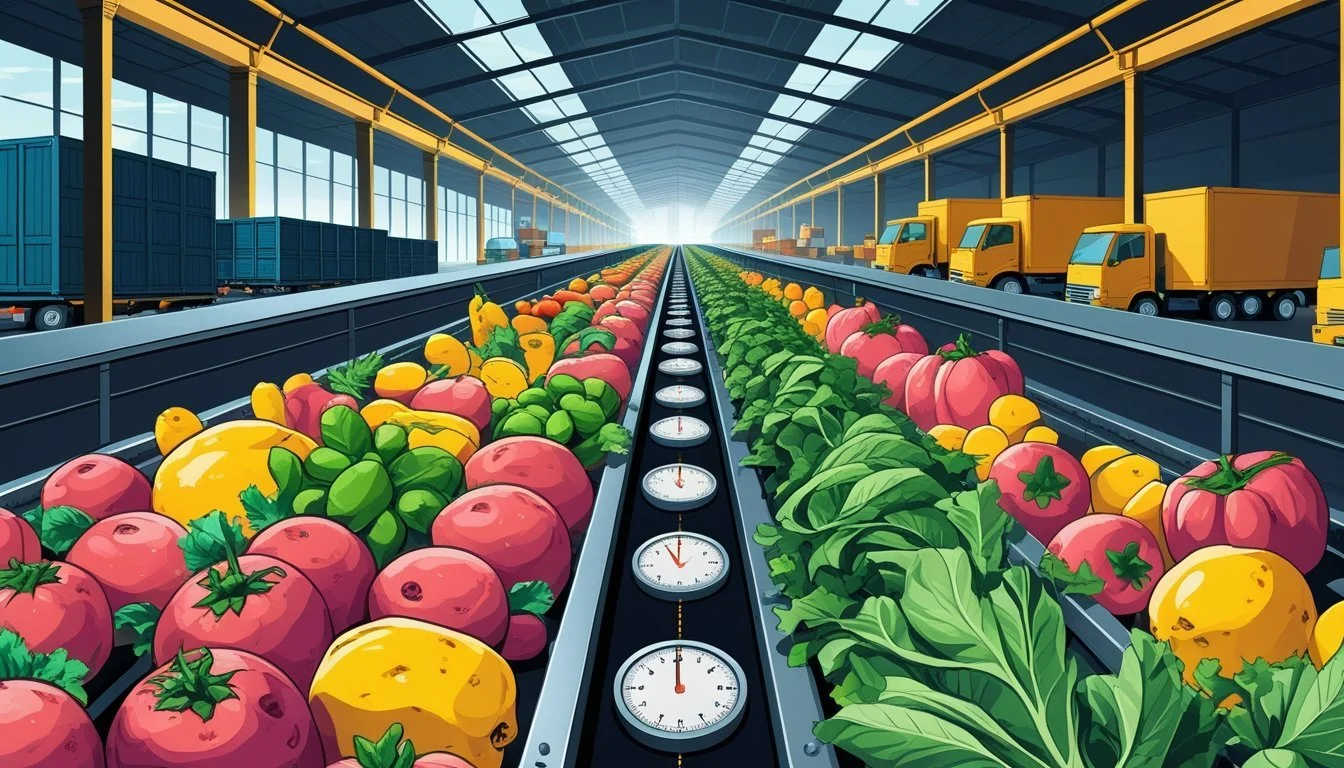
Delays in the supply chain lead to measurable consequences for perishable goods, affecting not only their marketability but also food safety and business profitability. These impacts are seen in product spoilage, reduction in shelf life, and increased risk of contamination.
Spoilage, Waste, and Financial Losses
When fresh products are delayed in transit or storage, the risk of spoilage rises sharply. Perishables like fruits, vegetables, dairy, and meat products are highly sensitive to time, temperature, and handling conditions. Each additional hour between harvest and delivery increases the chances of microbial growth, off-odors, and visible decay.
This spoilage directly contributes to food waste, with large quantities being discarded before reaching retail shelves. Companies face increased costs from unsellable goods, disposal fees, and higher inventory holding expenses. Over time, these losses add up and can erode profit margins.
Key impacts include:
Increased reject rates from retailers.
Added costs for expedited shipping to compensate for delays.
Wasted resources used in producing, packing, and transporting spoiled items.
Shortened Shelf Life and Quality Degradation
Even minor delays can reduce the shelf life of products significantly. For instance, a two-day delay in the cold chain can cut the consumer’s “use by” period by several days. This often makes products less attractive or even unfit for sale due to visible wilting, bruising, or discoloration.
Quality degradation is often irreversible and noticeable to consumers. Changes in texture, taste, and nutritional value can render products inferior, leading to customer complaints and brand reputation issues.
Table: Effects of Delays on Product Quality
Delay Condition Affect on Product Result Extended transit Moisture loss Wilting, shriveling Interrupted cooling Bacterial growth Spoilage, off-odors Rough handling Physical damage Bruising, leaks
Risks of Contamination and Food Safety Concerns
Supply chain disruptions heighten the risk of contamination in perishable goods. Breakdowns in temperature control, improper handling, or prolonged storage can create ideal conditions for harmful pathogens like Salmonella or E. coli.
This not only endangers product freshness but also raises serious food safety issues. Contaminated goods may never show visible signs until after consumption, resulting in recalls, potential legal action, and harm to consumer trust.
Primary risks:
Increased growth of spoilage bacteria and pathogens.
Higher likelihood of cross-contamination during extended storage.
Greater costs from recalls, liability, and reputational damage.
Critical Stages Affected by Supply Chain Delays

Supply chain delays have a direct impact on the shelf life, safety, and quality of perishable products. Each stage—harvesting, packaging, storage, transportation, and distribution—carries specific risks that can reduce product freshness if operations are disrupted or slowed.
Harvesting and Initial Processing
Delays at the harvesting stage expose crops to additional time in the field, leaving fruits and vegetables more vulnerable to spoilage, pests, and unfavorable weather. For products like leafy greens or berries, even a short delay can lead to increased spoilage rates and reduced nutritional value.
Initial processing, which includes washing, sorting, and cooling, is time-sensitive. Any holdup can allow bacterial growth or enzymatic processes to start, impacting both appearance and taste. For perishable proteins such as seafood, immediate chilling is essential; delays can deteriorate texture and create food safety risks.
Producers may use rapid cooling and time-tracking systems to limit these effects, but these measures are only effective when the supply chain flows smoothly. A delay at this early stage is difficult to reverse later in the chain.
Packaging and Storage Protocols
During packaging, most perishables are sealed, labeled, and moved into controlled storage environments. Delays can disrupt this transition, causing products to spend too much time at ambient temperatures. This problem is amplified for goods requiring the cold chain, such as dairy, meat, and certain pharmaceuticals.
Breaks in refrigeration protocols are especially problematic during this stage. Products may not reach optimal storage temperatures in time, which accelerates spoilage and shortens overall shelf life. Damage can also occur to packaging materials if they are not handled or stored under correct conditions.
To mitigate these issues, businesses prioritize prompt transfer between packaging lines and storage units. Automated storage systems and temperature monitoring help track and protect inventory, though these safeguards become less effective when upstream delays occur.
Transportation and Distribution Challenges
Transportation makes up a critical link between storage facilities and end consumers. Delays in transit increase the risk of products spending extended periods outside optimal temperature ranges, especially if trucks or containers lack reliable refrigeration.
Distribution centers can experience backlogs, leading to additional handling and time spent in non-ideal environments. This is particularly concerning for items with short shelf lives—such as fresh produce, bakery goods, and pre-prepared meals. Even minor delays can lead to higher rates of returned goods due to diminished freshness.
Logistics teams employ various solutions to address these issues, including rerouting, real-time temperature monitoring, and use of priority freight. However, widespread or unpredictable disruptions can reduce the effectiveness of these strategies, making it challenging to maintain product freshness through the entire chain.
The Role of Temperature Control and the Cold Chain
Maintaining proper temperature throughout the supply chain is critical for protecting product freshness, safety, and compliance. Temperature control failures and extended delays directly affect shelf life and quality, especially for perishable goods.
Cold Chain Logistics and Refrigeration Requirements
The cold chain relies on uninterrupted refrigeration and precise temperature control from manufacturing through storage and distribution. Goods such as dairy, seafood, vaccines, and certain pharmaceuticals all require specific temperature ranges, often between 2°C and 8°C, to remain safe and effective.
Cold chain logistics use specialized refrigerated vehicles, temperature-controlled warehouses, and insulated packaging. Any break in these systems increases the risk of spoilage, loss of nutritional value, or even the introduction of foodborne pathogens.
Regulatory requirements set by authorities like the FDA and EU mandate strict documentation and monitoring. Two-dimensional bar codes and IoT temperature sensors are now commonly used to enhance real-time visibility and compliance across every step of the journey.
Temperature Fluctuations and Their Effects
Temperature fluctuations during storage or transit can have significant effects on product quality and safety. Exceeding recommended ranges, even briefly, may result in microbial growth, chemical changes, or loss of potency in medicines.
For food, this can lead to rapid deterioration, off-flavors, and elevated risk of contamination. In the pharmaceutical cold chain, even a single temperature excursion can make a product unsafe to use or ineffective.
Port congestion and transportation delays further increase the likelihood of temperature excursions. Each additional hour in uncontrolled environments compounds the risk, making temperature monitoring and fast response essential components of modern supply chain management.
Modified Atmosphere Packaging
Modified Atmosphere Packaging (MAP) is a technology used to extend the shelf life of perishable products by altering the atmosphere within the packaging. By controlling oxygen, carbon dioxide, and humidity levels, MAP reduces spoilage and suppresses the growth of spoilage organisms.
MAP is commonly used for fresh produce, meat, and bakery items. It works in conjunction with cold chain logistics, as correct temperature storage is still required to maintain effectiveness.
MAP offers benefits such as reduced reliance on chemical preservatives and improved appearance and texture of foods. However, without reliable refrigeration, the advantages of MAP can be quickly lost during supply chain disruptions or delays.
Inventory and Demand Management Challenges
Supply chain delays expose vulnerabilities in inventory management by influencing product availability and freshness. Managing random demand, avoiding stockouts, and using the right inventory models are critical for both cost control and product quality.
Forecasting and Random Demand
Accurate demand forecasting is essential for maintaining optimal inventory levels, especially when supply chains are unpredictable. Uncertainties such as sudden market shifts, seasonality, and changing consumer preferences can lead forecasts astray.
Random demand further complicates planning, since it can’t be fully predicted even with advanced models. This variability often results in either excess stock, leading to stale inventory, or shortages when products are needed most. Companies must rely on continuous data monitoring and dynamic adjustment of forecasts.
Improving forecasting methods—such as integrating point-of-sale data or using machine learning—can reduce errors but never fully eliminate uncertainty. Firms that adapt quickly to demand fluctuations minimize both waste and missed sales opportunities.
Stockouts and Increased Costs
Stockouts—when products are unavailable—directly harm sales, customer trust, and brand reputation. When supply chain delays occur, the risk of stockouts rises, particularly for items with short shelf lives.
To buffer against disruptions, firms might increase safety stock, but this can elevate holding costs and result in product spoilage. The trade-off between availability and cost intensifies when replenishment is inconsistent.
Common consequences of poor inventory management:
Lost revenue from missed sales
Higher expedited shipping costs
Increased markdowns or waste from excess stock
Strained relationships with retailers and buyers
Effective policies must balance minimizing stockouts with controlling inventory costs to protect product freshness and profitability.
Role of Inventory Models
Inventory models guide decision-making on how much stock to order and when, especially in uncertain or delayed supply chains. Common models include Economic Order Quantity (EOQ), periodic review, and safety stock calculations.
These models help organizations analyze trade-offs between ordering frequency, order size, and holding costs. In the context of random demand and unpredictable supply, models that factor in variability—such as probabilistic or service-level-based approaches—become vital.
Regularly revising inventory parameters ensures companies remain responsive to both supply disruptions and shifting demand patterns. Incorporating real-time data, automated triggers, and scenario planning strengthens inventory management and supports product freshness across the supply chain.
Technological Solutions for Enhancing Freshness
Advances in supply chain technology allow companies to address product freshness issues caused by delays. Integrated systems such as IoT, blockchain, and data analytics are making it possible to monitor, track, and manage temperature-sensitive products with more accuracy and speed than ever before.
Real-Time Monitoring and IoT
IoT devices are critical for maintaining freshness across the supply chain. They include temperature and humidity sensors fitted in storage units, trucks, and containers. These devices transmit data in real time, so stakeholders can monitor conditions continuously and respond immediately if readings fall outside safe ranges.
Rapid alerts help prevent spoilage during unexpected delays. For example, if a refrigerated unit fails, automated notifications allow logistics teams to act before product quality suffers.
Additionally, IoT platforms often include dashboards that unify sensor data, providing operators and managers with a clear overview of risks. This level of visibility drives faster decision-making and reduces reliance on manual temperature checks.
Traceability and Blockchain
Traceability systems record each step of a product’s journey, from origin to final destination. Blockchain enhances traceability by creating secure, unalterable records that can be shared across all partners in the chain.
Using blockchain, every handoff is time-stamped and logged. This transparent ledger ensures any break in proper storage or transport protocols is quickly identified. Detailed traceability allows for rapid recalls and targeted quality checks, limiting waste and protecting consumers.
A blockchain-powered traceability table might look like this:
Step Date/Time Temp. (°C) Verified By Packed 2025-06-15 09:12 4.0 Packhouse A Shipped 2025-06-16 08:45 4.2 Carrier B Received 2025-06-17 13:29 5.0 Warehouse C
Data Analytics and Automation
Data analytics platforms analyze information across the supply chain to detect trends and predict potential issues that could impact freshness. By processing sensor data, shipping times, and weather forecasts, these systems help optimize inventory turnover and delivery routes.
Automation reduces human error and accelerates corrective actions. For instance, automated systems can adjust refrigeration units or reroute shipments in response to real-time data, minimizing the impact of unexpected supply chain delays.
Predictive models also help set optimal reorder points and stock levels, further reducing the risk of spoiled or out-of-date products reaching consumers. This improved planning is essential for businesses handling perishable goods.
Collaboration Across the Supply Chain
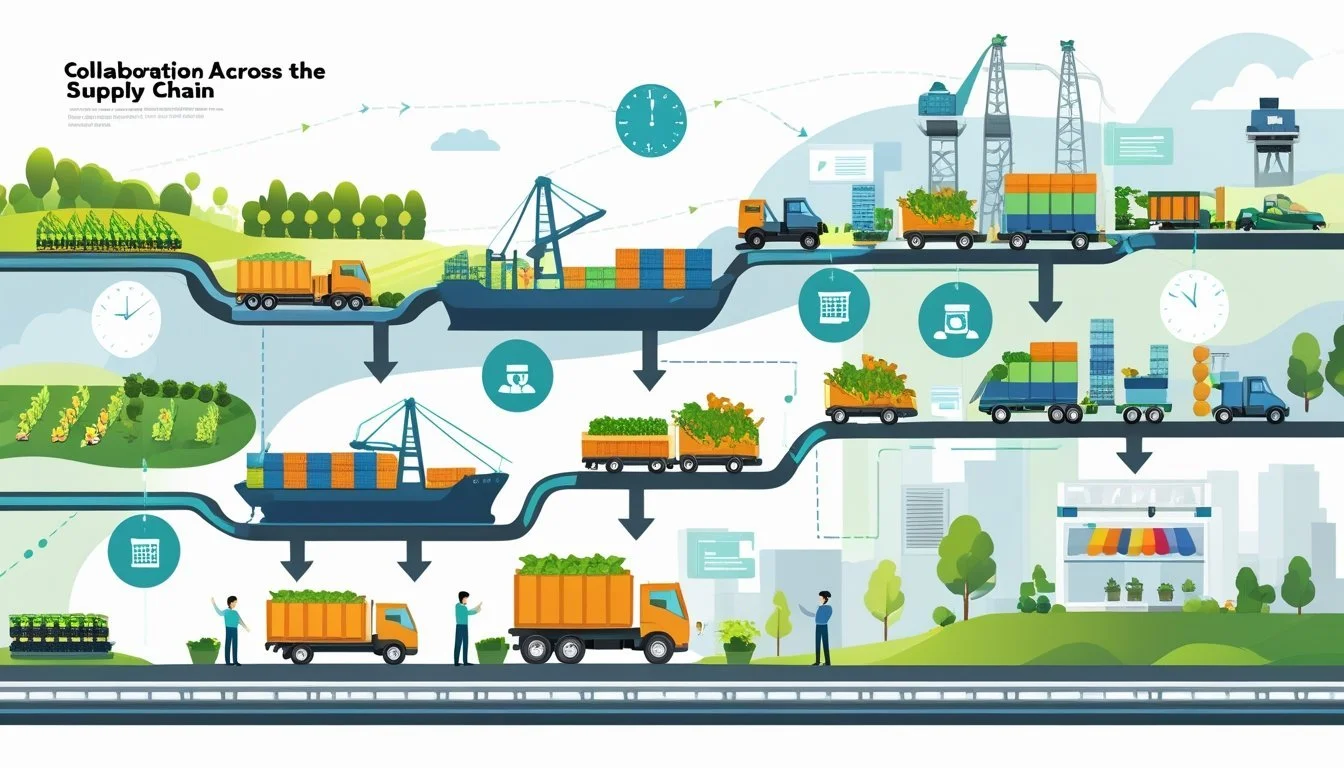
Coordinated efforts across all supply chain partners are essential to minimize delays and protect product freshness. Effective partnerships, open information sharing, and proactive risk planning help organizations reduce spoilage and meet consumer expectations for quality goods.
Supplier and Retailer Coordination
Strong collaboration between suppliers and retailers strengthens the chain's ability to respond quickly to disruptions. When both parties align delivery schedules, inventory management, and demand forecasting, products are more likely to reach stores before their shelf life expires.
Joint planning tools support real-time adjustments if production or shipping issues arise. Manufacturers who share updates on processing times and retailers that communicate changing order volumes allow both sides to plan effectively.
Regular performance reviews—such as periodic meetings or shared scorecards—help suppliers and retailers track key freshness indicators, such as lead times and spoilage rates. Faster feedback enables early problem-solving, minimizing the impact of delays on perishable goods.
Transparency and Communication
Visibility across the entire supply chain enables better decision-making and supports the maintenance of product freshness. Sharing accurate data on inventory levels, transit times, and environmental conditions (such as temperature) is critical for all stakeholders.
Digital platforms and integrated tracking systems let partners monitor goods in real time. This not only reduces the risk of delays but allows issues—like shipment breakdowns or unexpected bottlenecks—to be addressed immediately, preserving product quality.
Clear communication channels are essential. Updates about weather disruptions, traffic incidents, or system outages should be quickly relayed to all involved parties. Transparency ensures that everyone acts on the same information, reducing misunderstandings and preventing further loss of freshness.
Risk Management and Resilience Strategies
Managing risks through structured strategies builds resilience against supply chain delays that threaten product freshness. Partners analyze potential risks together and develop contingency plans, such as diversifying suppliers or setting up alternative distribution routes.
A risk assessment matrix can guide the identification of critical points that may cause spoilage. For example:
Risk Factor Impact on Freshness Mitigation Approach Transportation Delay High Backup carriers, route swaps Inventory Errors Medium Automated stock monitoring Supplier Shutdown High Multi-sourcing, safety stocks
Frequent scenario planning and stress tests help organizations adapt quickly. By setting clear protocols and sharing lessons from past disruptions, partners create a more robust network that safeguards product quality through effective risk management.
Consumer Impact and Market Dynamics
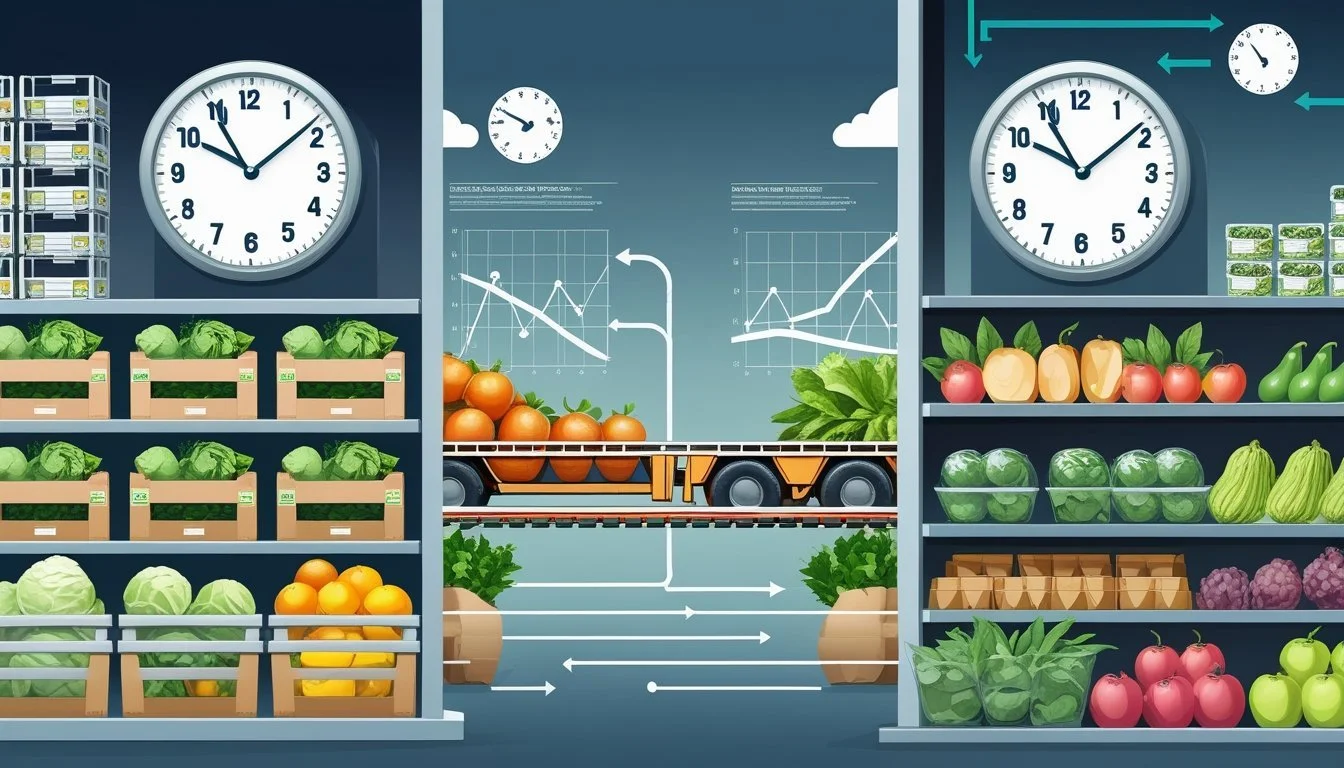
Supply chain delays directly affect the quality, availability, and pricing of products. The resulting changes influence how consumers shop, their satisfaction levels, and the e-commerce strategies that retailers adopt.
Changes in Consumer Behavior
Supply chain delays often lead to lower product availability in stores and online. Shoppers adapt by seeking alternative brands, adjusting purchase timing, or buying in bulk to avoid future shortages. In some cases, consumer demand shifts away from perishable items toward goods with longer shelf lives, especially when freshness cannot be guaranteed.
A rising trend is the preference for local or regional products, as shorter supply chains tend to face fewer disruptions. Many shoppers rely on inventory tracking tools or real-time updates to check product availability before visiting stores or placing online orders. These adaptations demonstrate how ongoing delays shape purchasing habits and expectations.
Customer Satisfaction and Experience
Reduced product freshness due to longer delivery times can negatively impact customer satisfaction. Perishable goods that arrive past their optimal quality window lead to returned items or loss of trust. Customer experience suffers when stores frequently stock less fresh items or must explain out-of-stock situations to regular patrons.
Retailers often face increased complaints or negative reviews related to delayed or substandard products. The complexity of addressing these issues grows, as businesses must balance clear communication, rapid resolution, and compensatory measures such as discounts or replacements. This dynamic puts pressure on companies to improve transparency and set realistic delivery promises.
Dynamic Pricing and E-Commerce Trends
Supply chain issues result in more volatile prices, especially in sectors where freshness is critical. Many online platforms and retailers use dynamic pricing algorithms that automatically adjust prices based on current stock levels, consumer demand, and supply chain conditions. For instance, prices may rise during periods of scarcity or decrease rapidly as perishable goods approach their sell-by dates.
E-commerce businesses respond by offering time-limited deals or subscription models for frequently purchased perishables. They also implement inventory visibility features, letting customers see countdowns or freshness indicators. These pricing and marketing strategies help manage fluctuating supply, encourage purchases, and address concerns around product freshness and availability.
Sustainability, Regulations, and the Future
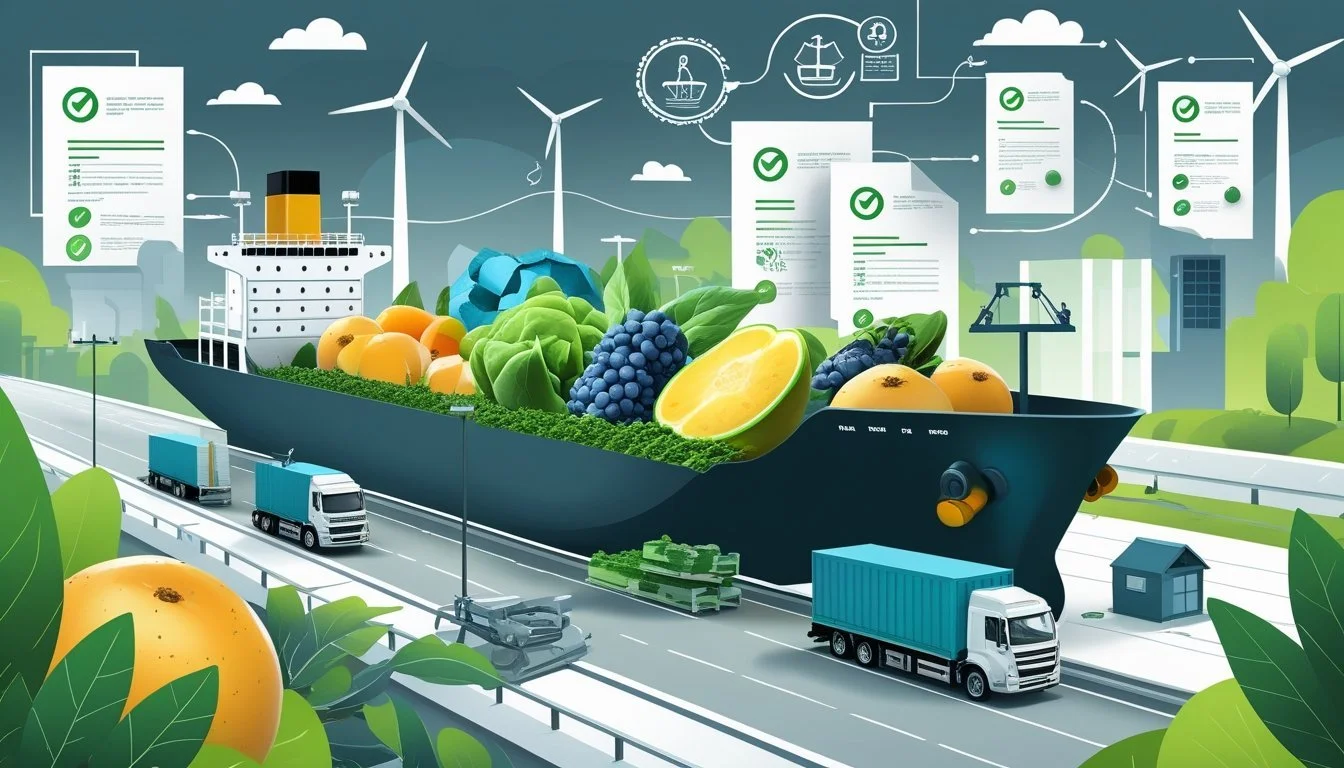
Supply chain delays present real challenges for maintaining product freshness, driving concerns about sustainability and regulatory compliance. Innovations in technology and supply chain design are reshaping how manufacturers address efficiency and minimize waste.
Sustainability and Minimizing Food Waste
Supply chain delays often contribute to increased food waste, especially when perishable products fail to reach retailers or consumers while still fresh. This waste impacts both environmental sustainability and the bottom line for manufacturers and retailers.
Companies are turning to strategies such as improved cold chain management and real-time IoT tracking to keep food in optimal condition. Modified atmosphere packaging is also being adopted to extend shelf life during transport.
Local sourcing is another response, helping reduce transit times and spoilage. By prioritizing local suppliers, businesses can cut emissions and keep more goods fresh, aligning both with sustainability goals and market demands for environmentally friendly practices.
Regulatory Compliance Challenges
Meeting regulatory requirements becomes more complex when delays disrupt standard operating timelines. Regulations often mandate strict temperature controls, traceability, and timely product recalls for food safety.
Producers must maintain meticulous records, monitor conditions continuously, and adapt quickly if products are held up in transit. Failure to comply may lead to fines or withdrawal of products from shelves, harming both reputation and financial results.
Key compliance challenges:
Ensuring cold chain integrity during unforeseen delays
Keeping documentation up to date despite disruptions
Meeting changing international standards for cross-border shipments
Adopting digital tracking systems and automation can help companies better manage these regulatory hurdles.
Future Trends in Supply Chain Efficiency
The future of supply chain management in the food industry is increasingly shaped by data-driven solutions. Artificial intelligence and predictive analytics are being used to forecast disruptions and optimize routing for perishable goods.
Emerging trends:
Automated warehouses: Speed up order processing and reduce spoilage.
Blockchain traceability: Increases transparency for regulatory and consumer assurance.
Collaboration with local producers: Shortens delivery times and supports regional supply chains.
Manufacturers and retailers adopting these technologies aim to balance product freshness with cost-effective, sustainable operations. As regulations change and consumer preferences shift, adapting supply chain processes becomes essential for ongoing efficiency and compliance.
Case Studies: Lessons from Recent Events
Supply chain disruptions have caused significant challenges for maintaining product freshness, especially for perishable goods. Real-world events have demonstrated both the vulnerabilities and the strategic responses within global supply chains.
Impact of covid-19 on Product Freshness
When the covid-19 pandemic hit in early 2020, widespread supply chain delays quickly developed. Major interruptions affected everything from border controls to transportation schedules. Perishable products, particularly fresh produce and pharmaceuticals, were among the most impacted.
Within the agricultural product supply chain, delays sometimes led to spoilage before products reached retailers. Toilet paper shortages were also widely reported, illustrating how demand spikes and supply bottlenecks can combine for rapid disruption. Inventories that once seemed sufficient rapidly became depleted or expired due to slow restocking.
In two-echelon supply chains, each additional delay—whether from manufacturing, shipping, or distribution—compounded the risk of product freshness loss. With refrigerated products, small time windows became critical, and inability to maintain ideal conditions meant increased waste and cost.
Responses to Major Supply Chain Challenges
Firms responded to disruption with a range of strategies aimed at protecting product integrity. Many businesses began holding greater inventory for essential goods. For example, 47% of surveyed supply chain leaders reported plans to increase stock levels after experiencing pandemic-related shortages.
Diversification of sourcing strategies also became more common. Companies reduced reliance on single suppliers and explored local options to limit transportation times, helping maintain product freshness. Some firms in the pharmaceutical and food industries invested in logistics upgrades, including cold chain technology and real-time monitoring, to minimize spoilage due to delays.
Labor disputes and industrial action, as seen in the Apple-Foxconn strikes, also underlined the need for flexibility. Businesses reviewed contingency plans and built in redundancy to respond to sudden breakdowns at key supply points. These lessons reinforced the importance of agile, resilient supply chains for keeping products fresh and available.

