
What Food Waste Tells Us About Shelf Life Assumptions and Consumer Misconceptions
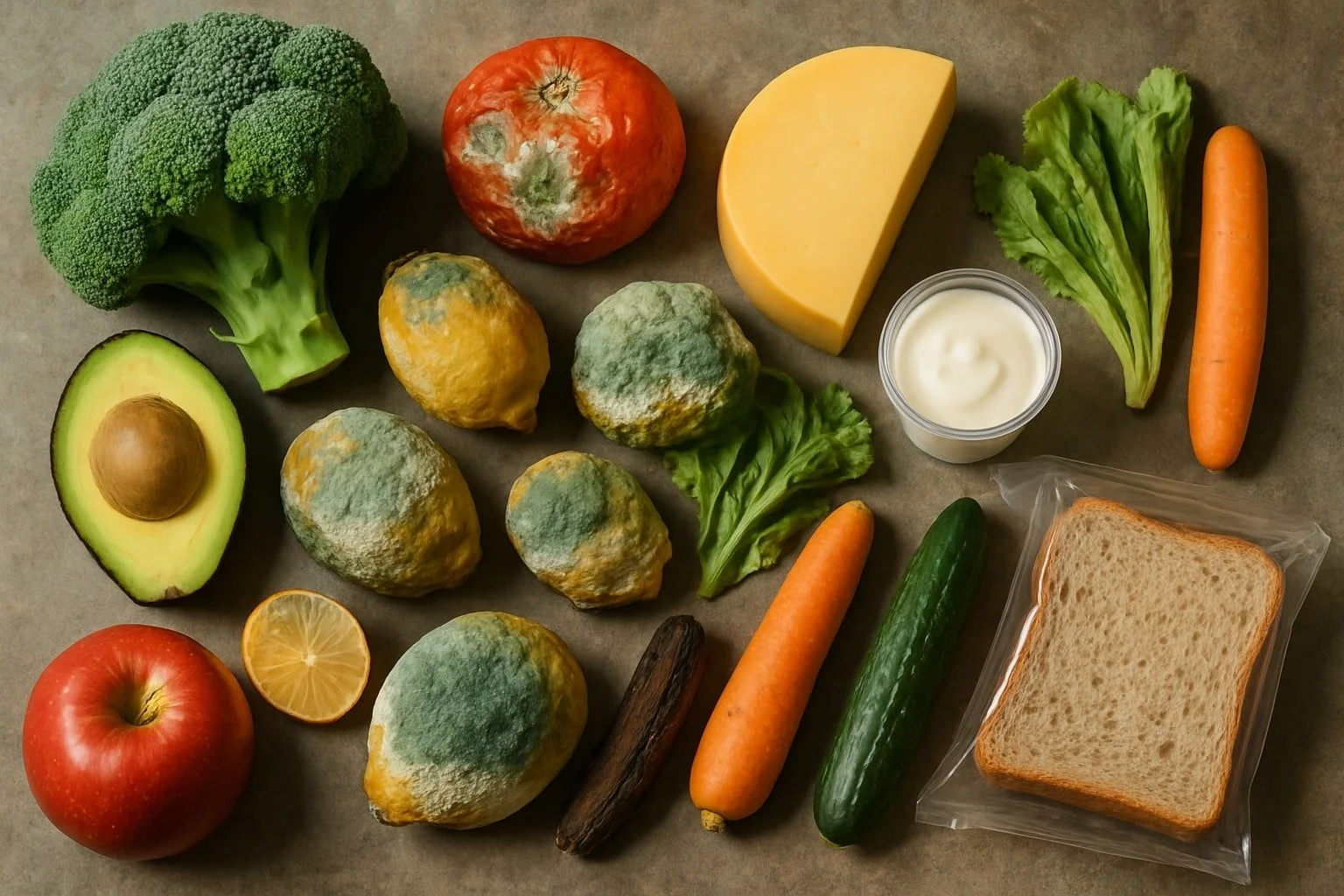
Food waste reveals that common assumptions about shelf life often lead to unnecessary disposal of edible products. Many people throw away food based solely on printed expiration or “best before” dates, even though these dates are usually about peak quality rather than actual safety. This practice not only wastes food but also has significant environmental and economic impacts.
The widespread misinterpretation of shelf life has shaped consumer behavior and industry practices. Products are frequently removed from shelves or discarded while still safe to eat, all because of overly cautious or misunderstood guidelines. The relationship between shelf life labeling and food waste shows why it's important to reconsider how these dates are set and communicated.
Understanding Food Waste and Shelf Life
Food waste is shaped by how people judge the quality and safety of what they eat, often making decisions based on date labels. Shelf life represents both a scientific measure and a guideline, but these measures and perceptions do not always align.
Defining Food Waste and Its Scope
Food waste refers to edible items that are discarded or left to spoil, whether at home, in restaurants, or throughout the supply chain. It differs from food loss, which often happens early in the supply process due to harvesting, storage, or transport issues.
In industrialized countries, a significant share of waste happens at the retail and consumer levels. According to various studies, large volumes of perishable foods like fruits, vegetables, and dairy are often wasted due to misjudgment of freshness or safety.
Households tend to dispose of food once it passes its labeled date or shows small changes in texture or color. This leads to preventable waste if the product is still safe and of acceptable quality.
Shelf Life and Its Determinants
Shelf life is the amount of time a food product remains safe to eat and maintains its desired sensory, chemical, and physical characteristics. It is evaluated through tests that monitor quality changes over time.
Key factors affecting shelf life include:
Microbial stability (e.g., bacterial growth)
Chemical stability (e.g., oxidation, browning)
Physical integrity (e.g., moisture migration, texture changes)
Perishable foods have the shortest shelf lives, with products like fresh produce, meat, and dairy most at risk for rapid spoilage. Packaging, storage conditions, and processing methods can extend shelf life, but only to a certain point.
Proper shelf life assessment incorporates both scientific data and regulatory guidance, balancing safety and food quality without unnecessarily shortening use periods.
Connections Between Food Waste and Shelf Life
There is a direct relationship between food waste patterns and assumptions about shelf life. People often use "best before" or "use by" dates to decide when to throw food away, even if the product quality may still be sufficient.
A lack of understanding about what these dates mean contributes to higher food waste. For example, "best before" mainly refers to quality, not safety, yet many discard food as soon as this date passes.
Retail practices, such as early removal of items from shelves and rigid adherence to label dates, increase the volume of unsold, discarded food. Improved communication about true shelf life and food quality indicators, as well as better storage practices, can reduce avoidable food waste.
Decoding Date Labels and Consumer Assumptions
Date labels on food packaging play a significant role in shaping consumer behavior and perceptions of food safety. Misunderstandings about what these labels mean often cause unnecessary food waste and uncertainty about shelf life.
Expiration Date vs. Use-By Date
Expiration date and use-by date are often thought to be the same, but there are important differences. An expiration date generally indicates when a food product should not be consumed for safety reasons. This label is common on items like infant formula, where safety is more sensitive.
A use-by date is usually the last date recommended for peak quality rather than safety. After this date, the product might lose freshness or taste, but is not necessarily unsafe. Many foods such as dairy, bread, and some packaged meals carry a use-by date.
Consumers sometimes treat both dates as strict cutoff points, discarding food immediately after these dates have passed. This practice ignores that food quality and safety do not always decline suddenly once the date is reached.
Best Before, Sell By, and Best If Used By
Other common date labels include best before, sell by, and best if used by. These are designed to indicate quality rather than safety:
Label Purpose Best Before/Best By Indicates optimal quality Sell By Aids inventory management Best If Used By Suggests flavor/texture peak
Best-before and best-by dates inform buyers of the period when the food is at its best flavor or texture. A sell by date is mainly intended for retailers, helping them manage stock rotation, not for consumers to determine edibility. Best if used by serves a similar purpose and is primarily for quality guidance.
Confusion arises because these terms are not standardized and vary by product and manufacturer. Consumers may treat these labels as indicators of food safety, leading to premature disposal.
How Date Labels Influence Consumer Behavior
Research shows that consumers often misunderstand date labels, leading to increased food waste. Many throw away food that is still edible after misinterpreting best before, use by, or sell by dates as hard safety limits.
A large percentage—up to 88% in some reports—discard food while it is still safe due to this confusion. People tend to be more cautious with perishable goods such as meat or dairy, especially if a clear date label is present.
Consumer knowledge plays a major role. Those who understand the difference between quality-based and safety-based labels are less likely to waste food unnecessarily. Clearer labeling and education can reduce food waste and help challenge false shelf life assumptions.
Factors Impacting Shelf Life Assumptions
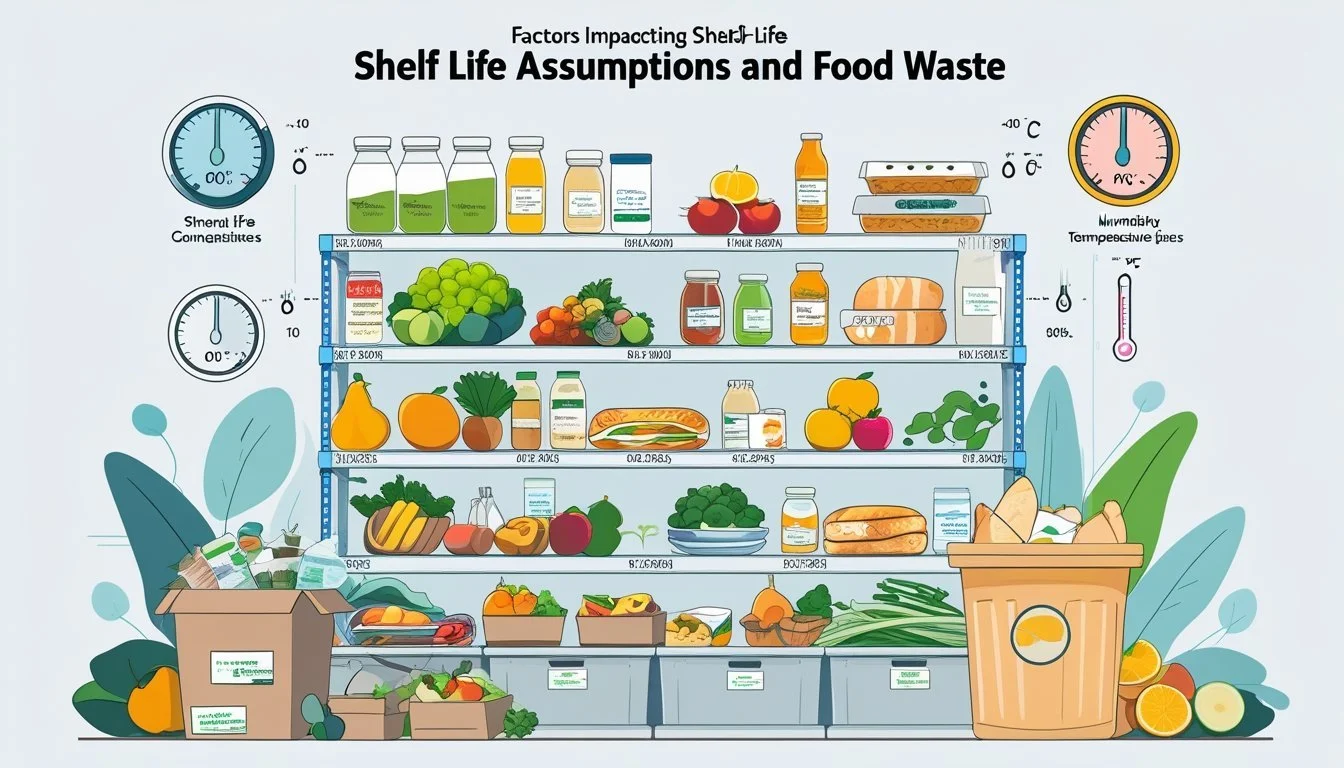
Shelf life assumptions depend on a range of chemical, biological, and technological factors. Understanding these elements helps clarify why food products may remain safe and edible past their labeled dates or, conversely, spoil more quickly than expected.
Microorganisms and Food Spoilage
Microorganisms like bacteria, yeasts, and molds play a central role in food spoilage. The rate at which these organisms grow depends on factors such as temperature, moisture, pH, and nutrient content. When favorable, growth accelerates, compromising safety and quality before labeled dates may suggest.
Pathogenic bacteria, such as Salmonella or Listeria, are particularly hazardous and can make food unsafe even if there is no visible spoilage. Spoilage organisms, though not always harmful, still degrade texture, flavor, and appearance.
Storage practices, like refrigeration and humidity control, are critical for slowing microbial activity. Incorrect storage is a frequent cause of shelf life discrepancies.
Preservatives and Natural Preservatives
Preservatives—both synthetic and natural—help extend shelf life by inhibiting the growth of spoilage microorganisms and slowing oxidation. Common synthetic preservatives include sorbates, benzoates, and nitrates, which target specific bacterial or fungal threats.
Natural preservatives, like salt, vinegar, and certain plant extracts, have been used for centuries. For example, salt draws out moisture, reducing water activity and therefore microbial growth. Vinegar creates acidic conditions less suitable for most bacteria.
The choice of preservative impacts not only shelf life but also consumer acceptance and regulatory approval. Some natural preservatives are favored for clean-label products, though their effectiveness can vary by food type.
Preservation Technologies
Food preservation technologies are essential for extending shelf life and ensuring safety. Thermal processing (pasteurization, sterilization) kills microorganisms and enzymes, significantly prolonging shelf life.
Non-thermal methods include high-pressure processing, pulsed electric fields, and cold plasma. These approaches maintain food quality while reducing spoilage organisms. Modified atmosphere packaging (MAP) alters gas concentrations to slow microbial and chemical changes.
Each technology affects shelf life assumptions differently, requiring precise control and validation for efficacy. Advances in packaging and processing continue to address the challenges posed by diverse food types and consumer demands.
Food Categories Most Affected by Shelf Life Misconceptions
Fresh produce and dairy products are among the top food categories prone to waste because of shelf life confusion. Misunderstandings around spoilage signs and expiration dates play a significant role in unnecessary disposal.
Fresh Produce and Food Waste
Fresh fruits and vegetables are often discarded while still safe to eat due to assumptions about appearance and shelf life. Minor blemishes, soft spots, or color changes frequently lead consumers to believe produce is spoiled, although these visual cues are not always indicators of danger.
Research has shown that consumer expectations for flawless produce result in large volumes of edible food being thrown away. According to data, perishable items such as leafy greens, berries, and tomatoes are especially affected due to their short shelf life and sensitivity to storage conditions.
Shoppers might also misunderstand "best by" or "sell by" labels as expiration dates, leading to further confusion. Practical strategies for reducing waste include:
Storing produce properly to extend freshness
Using imperfect produce in cooked dishes
Learning to identify actual spoilage versus cosmetic flaws
These practices can help reduce losses and ensure more food is consumed safely.
Dairy Products and Expiration Dates
Dairy products like milk, yogurt, and cheese are commonly thrown out at or before their labeled expiration dates, even if still safe to eat. This is often due to a widespread belief that dates on packaging mark a strict point of spoilage.
In reality, labels such as "sell by" or "best if used by" refer to quality rather than safety, and products may remain good for days or even weeks past these dates if stored correctly. Key signs of spoilage to observe include off smells, unusual texture, or visible mold, rather than simply the date.
Manufacturers provide dating mainly for inventory management and consumer guidance, not to signal food safety. Being informed about the true indicators of spoilage helps consumers make better decisions, cutting down on dairy waste significantly.
Food Safety, Quality, and Consumer Practices
Consumer decisions about keeping or discarding food often hinge on how they interpret shelf life and date labels. Accurate knowledge of food safety, proper storage, and product quality can significantly reduce food waste.
Distinguishing Food Safety from Food Quality
Food safety refers to the absence of harmful pathogens or substances that could cause illness when food is consumed. In contrast, food quality is about sensory attributes such as taste, texture, and appearance. Many consumers mistakenly equate reduced quality with compromised safety.
Understanding this distinction is crucial. For example, products may change color or texture over time but still remain safe if stored properly and not past a true spoilage threshold. Date labels like "best by" and "use by" generally signal optimal quality, not safety.
Addressing confusion around these terms can help prevent unnecessary disposal of safe food. Clear definitions support better choices, reducing waste due to misconceptions.
Proper Food Storage
Storage conditions play a vital role in maintaining both safety and quality. Perishable foods require refrigeration, while dry goods need to be kept in cool, dry places. Errors in storage can accelerate spoilage and increase waste.
Consumers can reduce waste by using simple strategies such as:
Keeping refrigerator temperatures at or below 40°F (4°C)
Storing raw meats separately to avoid cross-contamination
Using airtight containers for dry foods
A table of recommended storage times can further assist:
Food Type Refrigerator (Days) Freezer (Months) Raw poultry 1-2 9-12 Cooked meats 3-4 2-6 Milk 5-7 Not recommended Bread 7 3
Correct storage extends shelf life, maintains safety, and helps consumers rely less on conservative date labels.
Educating Consumers to Reduce Food Waste
Education is essential for bridging gaps in consumer knowledge. Surveys show many people discard food due to confusion over date labeling and uncertainty about the difference between safety and quality.
Effective consumer education should:
Clarify that most dates label quality, not safety
Promote the use of senses (smell, sight, touch) for determining edibility
Share best practices for safe food handling and storage
By providing accessible resources and practical tips, stakeholders can empower consumers to make informed decisions. This reduces food waste without compromising safety or quality.
The Role of Food Manufacturers and Companies
Food manufacturers and companies have a direct influence on the amount of food waste produced throughout the supply chain. Their methods for determining and communicating shelf life play a significant role in shaping both operational decisions and consumer behavior.
How Food Companies Determine Shelf Life
Food manufacturers rely on a combination of scientific testing, regulatory standards, and internal policies to set shelf life dates. These dates are influenced by factors such as microbial safety, chemical stability, and product quality.
Common methods they use include:
Microbiological tests to assess spoilage risk
Sensory panels to evaluate taste, texture, and smell
Packaging evaluations to ensure barrier properties and safe storage
Regulatory requirements may dictate minimum safety standards, but companies often set shelf life more conservatively to protect brand reputation. Businesses also account for transportation time, retailer practices, and anticipated consumer storage conditions.
Regular reviews and site-specific assessments are common practices, as companies work to minimize unnecessary waste while maintaining quality. New packaging technologies and mass balance analyses have helped some companies target and reduce the sources of food waste directly related to shelf life estimation.
Communicating Shelf Life to Consumers
Food companies typically use date labels such as "best by," "sell by," and "use by" to inform consumers about expected product quality. However, the language and placement of these dates can vary, leading to confusion.
The main types of date labels include:
"Best by" — signifying peak quality
"Use by" — indicating safety for certain items
"Sell by" — guiding retailers for inventory management
Misinterpretations can cause consumers to discard food prematurely, increasing waste. To address this, many manufacturers are working to standardize label formats and provide clearer guidance.
Some companies use packaging features like resealable closures or portion control to extend freshness and minimize spoilage at home. Clearer communication of storage tips and shelf life meaning can further support waste reduction.
Sustainability and Environmental Impact of Food Waste
Food waste significantly affects sustainability, resource use, and environmental health. Its implications range from contributions to climate change to lost opportunities in reducing world hunger and optimizing the food supply.
Reducing Food Waste to Address Climate Change
Wasted food represents not only lost nutrition, but also wasted energy, water, and land used during production, transport, and processing. When food waste is sent to landfills, it generates methane, a greenhouse gas far more potent than carbon dioxide.
Estimates from the Food and Agriculture Organization indicate that about 30% of all food produced is lost or wasted annually. This results in billions of tons of CO₂-equivalent emissions every year.
By reducing food waste, society limits unnecessary natural resource use and lowers greenhouse gas emissions. This directly supports climate change mitigation efforts and promotes a circular, more sustainable food system.
Waste Reduction Strategies Across the Food Supply
Food waste occurs at multiple levels: on farms, in processing, during distribution, at retail, and in consumers’ homes. Key strategies—such as improved inventory management, better packaging, and clearer date labeling—can reduce losses significantly.
Governments and retailers are implementing programs to standardize date labels, making it easier for consumers to understand actual shelf life. This helps prevent discarding safe, edible food due to confusion about expiration and “best by” dates.
Some companies use technology to monitor food freshness across the supply chain. Retailers and food service providers also donate surplus food instead of discarding it. Table 1 summarizes prominent waste reduction approaches:
Stage Example Strategy Farm Better harvesting tools Distribution Cold chain improvements Retail Donation programs Consumer Date label education
Impact on World Hunger
Despite enough food being produced to feed the global population, millions experience undernourishment. Food waste reduction can provide more food to those in need by redirecting safe, surplus items through food banks and other redistribution programs.
Organizations collect unused foods from retailers, restaurants, and producers, increasing supply for vulnerable populations. This helps bridge gaps in food access without increasing agricultural output.
Efforts to reduce food waste align with hunger reduction by preserving food quality along the supply chain. Addressing inefficiencies and improving distribution ensures that more resources reach people facing food insecurity.

