
The Rise of Edible Shelf Life Sensors
Transforming Food Safety and Waste Reduction
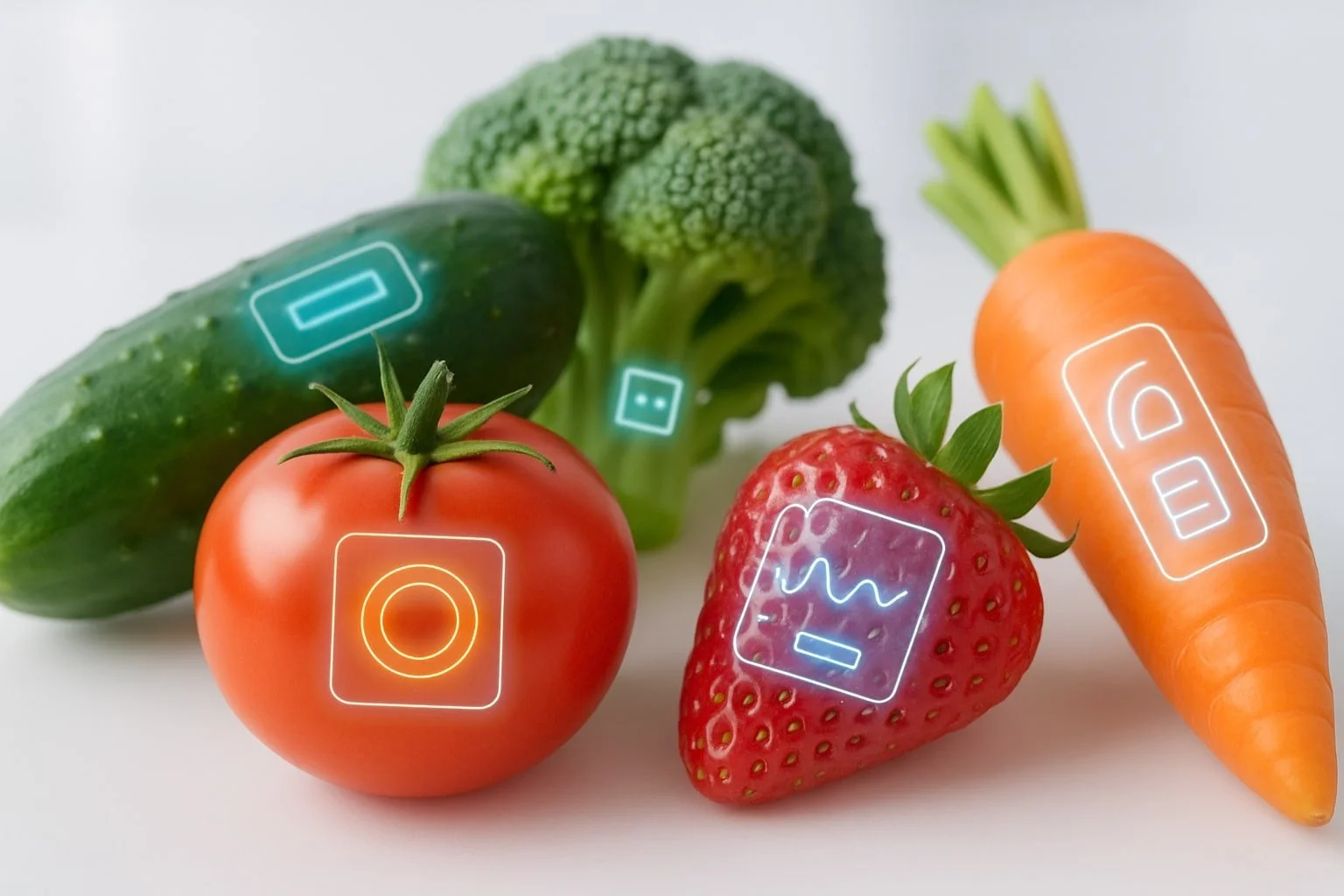
Food safety and waste reduction are growing concerns in households and across the global food industry. As traditional methods of monitoring product freshness reach their limits, edible shelf life sensors offer a practical, innovative approach to real-time quality assurance.
Edible sensors can directly inform consumers and retailers about the actual freshness and safety of food, offering clear and immediate guidance beyond conventional expiration dates. This technology is emerging as a key tool for reducing unnecessary food waste and providing transparency throughout the supply chain.
With advancements in materials and sensor design, edible sensor technology is becoming more accessible and reliable, allowing users to verify food quality without additional waste or packaging.
Understanding Edible Shelf Life Sensors
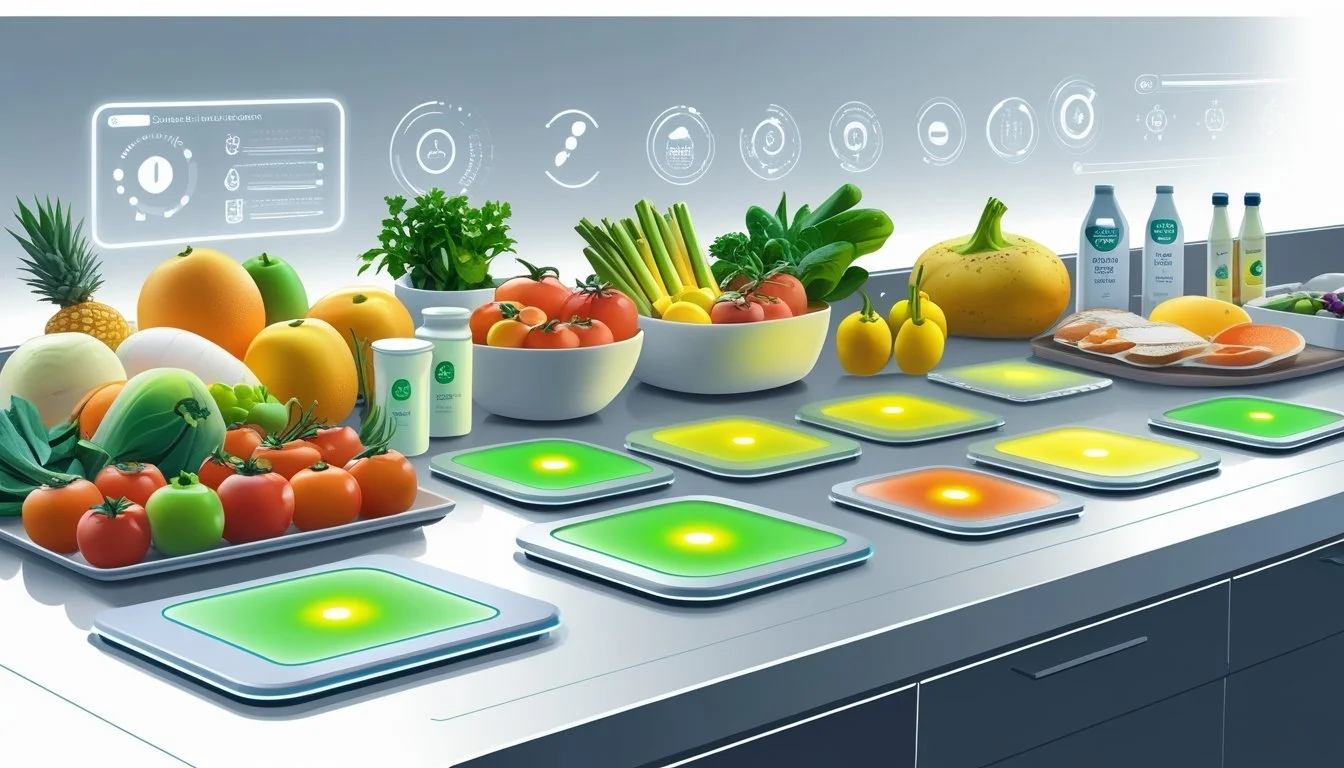
Edible shelf life sensors are shaping the future of food packaging by enabling direct, real-time monitoring of freshness, quality, and safety. These innovations leverage new materials and sensor technologies to reduce food waste and improve consumer safety.
Definition and Concept
An edible shelf life sensor is a small, ingestible device integrated within or applied onto food packaging to detect and signal changes in food quality. These sensors are designed to be safe for consumption and use food-grade or biodegradable materials.
Their main function is to react to specific indicators of spoilage, such as pH changes, gas emissions, or microbial activity. For example, an edible pH sensor might use color-changing anthocyanins from red cabbage to signal spoilage in real time.
Unlike traditional packaging indicators, edible sensors eliminate the need for external devices or expertise to interpret results. This allows for a more intuitive, reliable assessment of food freshness and safety in both industrial and home settings.
Evolution of Food Packaging Technologies
Food packaging has evolved from simple containment to more sophisticated roles like preservation and communication of product integrity. Early packaging materials focused on barrier properties to protect food from contaminants and oxygen.
Smart packaging emerged with the integration of sensors and indicators that can measure temperature, humidity, or time. These non-edible sensors, while effective, often contributed additional waste.
Recently, the push for sustainability and precision has led to edible materials being incorporated directly into packaging innovations. Now, edible shelf life sensors offer both environmental benefits and enhanced usability by reducing plastic and electronic waste, while still delivering essential freshness information.
Key Components and Materials
Edible sensors rely on safe, biodegradable ingredients that do not alter the food product. Common components include naturally derived indicators—such as anthocyanins, curcumin, or other food-grade dyes—that respond to chemical changes in food.
Materials used in edible sensors may include:
Bacterial cellulose membranes for stability and compatibility.
Biopolymers like alginate or starch for structural support.
Edible inks containing pH or gas-sensitive molecules.
These components allow sensors to respond to changes in the food environment and provide clear, visual signals that are easy to interpret. Their integration into smart packaging reflects a growing demand for safer, more sustainable monitoring solutions in the food industry.
How Edible Sensors Extend Shelf Life
Edible sensors monitor indicators of food freshness directly on the product. These sensors allow for more accurate decisions about shelf life, reducing unnecessary disposal while optimizing safety and quality.
Mechanisms for Detecting Freshness
Edible sensors often utilize color-changing pH indicators, enzymatic reactions, or nanosensors to signal changing conditions. For example, anthocyanin-based pH sensors derived from red cabbage change color when exposed to spoilage by-products, immediately warning of declining freshness.
Using nanosensors embedded in edible films, these devices can detect microbial growth, toxins, and oxygen changes with high sensitivity. Compared to traditional methods, they provide faster, more precise detection and clearer information on actual food condition.
Many edible sensors are integrated within smart packaging solutions. This real-time monitoring enables distributors and consumers to see obvious signs of spoilage or remaining freshness at a glance, reducing uncertainty.
Role in Reducing Food Waste
With clear, visible changes prompted by actual spoilage processes, edible sensors minimize reliance on conservative "best by" dates. Products are less likely to be thrown out prematurely because the sensor gives a more accurate assessment of freshness.
List of benefits in reducing food waste:
Real-time spoilage monitoring
Reduced unnecessary disposals
Better inventory decisions for retailers
By providing actionable information, these sensors empower consumers and retailers to use or sell products closer to the end of their safe shelf life. This targeted approach helps reduce both household and supply chain food waste.
Impact on Product Quality and Food Safety
Edible sensors help maintain product quality throughout storage and transport. By detecting and signaling the presence of harmful microbes or excessive oxygen levels, they address food safety risks proactively.
These sensors contain materials (such as bacterial cellulose or GRAS-approved dyes) that are safe to eat and do not alter the taste or texture of the food. Their presence can help reduce outbreaks and recalls by providing early warnings of contamination or degradation.
With improved monitoring, food processors and sellers can respond quickly to preserve both quality and safety, supporting confident consumption even near the end of the product's shelf life.
Scientific Principles and Technologies

Edible shelf life sensors rely on advances in sensor technology, nanomaterials, and food chemistry. These sensors can detect spoilage indicators directly in real time and help maintain food safety and freshness.
Gas Sensors and Their Applications
Gas sensors are critical for detecting spoilage in packaged foods. They can identify gases such as carbon dioxide and ethylene that are produced as a result of microbial activity and enzymatic changes during spoilage.
For example, ethylene detection is especially useful for fruits, as this gas accelerates ripening. By monitoring ethylene, shelf life sensors can enable producers and consumers to assess freshness and take action to reduce spoilage.
Many gas sensors are made with advanced nanomaterials, including carbon allotropes and metal oxides, which provide high sensitivity and selectivity. These sensors can be incorporated into edible films and coatings, making them a practical tool in smart food packaging.
Key features of gas sensors:
Feature Benefit High sensitivity Detects even small gas concentrations Selectivity Targets specific spoilage indicators Edible integration Safe for direct food contact
Use of Silver Nanoparticles and Antioxidants
Silver nanoparticles are frequently used in edible sensors due to their strong antimicrobial properties. They can inhibit bacteria and other microorganisms, extending the shelf life of perishable foods.
In addition to their antimicrobial action, silver nanoparticles can be combined with antioxidants such as ascorbic acid or tocopherols. Antioxidants help prevent oxidation, which is a major source of food degradation.
By integrating these components into edible sensors, it is possible to both monitor and actively combat spoilage. This dual action is particularly valuable for minimally processed foods and fresh produce, where shelf life is a consistent concern.
Safety is a crucial consideration. Edible sensors use food-grade materials and carefully controlled nanoparticle concentrations to ensure consumer safety.
Starch and Other Edible Materials
Starch is a common base material for edible shelf life sensors. It is biodegradable, abundant, and compatible with a wide range of sensor components.
Edible films made from starch can act as carriers for enzymes and indicators. These enzymes respond to specific spoilage markers, such as changes in pH or the presence of bacterial metabolites, visibly signaling when food is no longer fresh.
Other edible materials include gelatin, chitosan, and cellulose. These substances form flexible, transparent substrates that can be printed or coated onto food surfaces.
Using edible materials ensures that the sensors themselves do not add waste or require removal before consumption, which aligns with sustainability goals in modern food packaging.
Innovations in Food Packaging Integration
Recent advances in food packaging have enabled edible sensors to be embedded directly into products, creating new strategies for monitoring freshness and quality. These innovations demand careful coordination between packaging materials, the sensor's functional components, and real-world proof-of-concept deployments.
Compatibility with Packaging Materials
Edible sensors must be compatible with a variety of packaging materials, including plastics, biopolymers, and eco-friendly substrates. (Table 1) shows some common packaging materials and their properties related to sensor integration:
Material Key Properties Integration Suitability PET Barrier strength Good PLA (biopolymer) Compostable Moderate Cellulose Films Breathable, edible Excellent
Packaging innovation has focused on ensuring that sensors do not compromise barrier properties or leach unwanted substances. Researchers are testing edible inks and films that can form functional sensor layers without affecting recyclability or food safety. The choice of substrate must also maintain clear visibility and mechanical stability for the sensor.
Electrodes and Functional Additives
The performance of edible shelf life sensors often depends on specialized electrodes and additives. Electrodes made from materials like food-grade carbon or salts can safely interact with food while conducting signals. Some formulations use waxes, lipids, or starch-based polymers as carrier matrices for electrodes.
Functional additives include color-changing indicators, pH-sensitive dyes, or moisture-absorbing compounds. These elements allow the sensor to provide a clear visual or electronic signal of food freshness. Safe integration requires that all additives are non-toxic and approved for direct food contact, ensuring no contamination risk.
Proof-of-Concept Cases
Multiple proof-of-concept studies have demonstrated the practical potential of integrating edible sensors into food packaging. One example includes pH-sensitive gelatin films that change color to signal spoilage in packaged meats. Another case involves cellulose-based films with edible pigments that monitor humidity changes in bakery packaging.
Table 2 summarizes selected prototype demonstrations:
Use Case Material Sensory Output Meat freshness sensor Edible gelatin Color change Bread humidity tracker Cellulose film Pigment shift
These pilots reveal not only technical feasibility but also strong consumer interest in embedded, edible freshness cues.
Applications Across the Food Industry
Edible shelf life sensors are transforming how food freshness is monitored from harvest to sale. Their integration affects key points in the value chain, from the handling of perishable items to the practices of retailers and logistics providers.
Use in Fruit and Perishable Products
Edible sensors are particularly valuable for produce like berries, leafy greens, and cut fruits, which are highly sensitive to spoilage and temperature changes. By reacting to chemical markers such as volatile amines and organic acids, these sensors provide real-time alerts about freshness loss.
For example, a sensor may change color if the fruit's microenvironment reaches unsafe conditions, giving both handlers and consumers immediate visual feedback. This can help limit the sale of spoiled or overripe products. In some cases, sensors can detect specific spoilage bacteria or indicate if storage temperatures have fluctuated outside of safe ranges.
Such immediate insights help reduce waste and improve safety by making it easier to separate fresh from compromised produce quickly.
Role in Food Supply Chains
In supply chains, edible sensors play a crucial role by enhancing traceability and accountability. Transport and storage often span long distances, exposing foods to unpredictable temperature and humidity changes. Sensors embedded within packaging or on products monitor these conditions without introducing contaminants, as they are food-grade and often dissolvable.
Distributors can use sensor data to track which shipments have experienced unsafe conditions or prolonged shelf lives. This makes targeted action possible, such as rerouting or removing affected batches. It also supports compliance with food safety regulations by logging environmental data automatically.
Clear, accessible sensor information can be logged into supply chain management systems, helping reduce manual inspections and support recalls if necessary.
Adoption by Retailers and Distributors
Retailers are adopting edible shelf life sensors to better manage stock and enhance consumer trust. By providing visible, easily interpretable indicators directly on products or packaging, stores can rotate inventory more effectively and avoid selling items that are past their prime.
Edible sensors also offer marketing opportunities for retailers emphasizing food safety and freshness. Distributors benefit by accessing real-time spoilage and condition reports, streamlining warehouse processes, and ensuring higher quality upon delivery.
The adoption of these technologies aligns with broader industry goals of reducing food waste, increasing transparency, and meeting stricter regulations on shelf life labeling and traceability.
Market Dynamics and Growth Potential

Edible shelf life sensors are starting to shape a niche market fueled by technological advances and consumer expectations for food safety and waste reduction. Industry stakeholders monitor factors like cost, supply chain partnerships, and market share.
Cost-Effectiveness and Commercial Viability
Companies focus on making edible sensors economically feasible by using simple manufacturing processes and scalable techniques. Production costs depend on materials such as biopolymers, pH-sensitive indicators, and nano-encapsulated enzymes. Reducing reliance on expensive electronics helps keep prices competitive.
Key cost factors:
Raw material sourcing and availability
Manufacturing efficiency
Economies of scale achieved through strategic partnerships
Early adopters in the food packaging sector report that integrating edible sensors may add only a marginal cost per item. However, companies weigh this cost against expected benefits, such as reduced spoilage and fewer recalls.
Market Share and Stakeholders
The global edible packaging market is expected to grow from $1.1 billion in 2024 to $1.5 billion by 2029, with edible sensors representing a fast-emerging segment. Large food and beverage firms, packaging innovators, and technology vendors are among the primary stakeholders.
Supermarkets, logistics firms, and regulatory bodies also influence uptake through supply chain integration and compliance standards. Market share expansion depends heavily on forming alliances with established brands and securing pilot programs with major retailers.
Major stakeholders include:
Food manufacturers
Retail chains
Packaging solution companies
Technology startups specializing in sensors
Role of Raw Material Suppliers
Reliable raw material suppliers underpin the scalability of edible sensor production. Suppliers of biopolymers, natural dyes, and food-safe nanomaterials play a crucial role in innovation and cost management. Some partner directly with sensor developers to tailor materials for specific food applications.
Fluctuations in raw material prices affect overall sensor costs. Long-term contracts and diversified sourcing strategies help ensure steady supply and quality consistency. Partnerships between suppliers and manufacturers drive research for new edible compounds that enhance sensor performance without impacting food safety or taste.
Supplier priorities often include:
Ensuring food-grade certification standards
Developing sustainable sourcing practices
Speeding up time-to-market for novel sensor ingredients
Challenges and Future Prospects

Edible shelf life sensors are emerging as promising tools for real-time food monitoring. Despite their advantages, they face several technical and regulatory roadblocks but also present unique paths for innovation.
Technical and Regulatory Hurdles
One key challenge involves ensuring sensors are both safe for ingestion and maintain accurate performance in varied food environments. Materials must be biocompatible, non-toxic, and stable during preparation, shipping, and storage. Ensuring that they degrade safely in the body without lingering residues is essential.
Another concern is sensor calibration. Designing sensors that work reliably across different foods—each with their own pH, moisture content, and chemical composition—requires rigorous validation. Consistency and repeatability in readings remain difficult due to biological variability in edible materials.
From a regulatory standpoint, edible sensors must comply with both food safety and electronics standards. This involves approval from agencies such as the FDA or EFSA, and documentation of safety, efficacy, and traceability. Navigating different international regulations adds further complexity, slowing commercialization and widespread adoption.
Opportunities for Further Innovation
New advances in materials science are paving the way for more sensitive and selective edible sensors. Research into biodegradable polymers and nanomaterials could improve device functionality and user safety. Integration with wireless communication may allow for real-time data collection without invasive procedures.
Artificial intelligence (AI) and machine vision technologies can enhance shelf life prediction by analyzing patterns in sensor data. These tools may provide producers and consumers with better information for decision-making.
Opportunities for cost reduction and scalability exist through the use of printing technologies and mass production techniques. As technical barriers are addressed, partnerships between food manufacturers, researchers, and regulatory bodies may accelerate safe deployment and improve consumer trust.

