
What Retailers Do to Freshen Old Products
Strategies for Boosting Sales and Appeal

Retailers face the regular challenge of keeping older inventory appealing to customers. To "freshen" old products, they often rearrange displays, update signage, and create new product bundles to draw attention and make merchandise look more appealing. Small changes in product positioning or presentation can help reinvigorate interest and generate additional sales.
Many stores also use techniques like adding bright colors, changing product placement within the store, or combining older items with new releases. These strategies aim to give old inventory a fresh look and encourage shoppers to reconsider items they may have previously overlooked.
Understanding Product Freshening Strategies
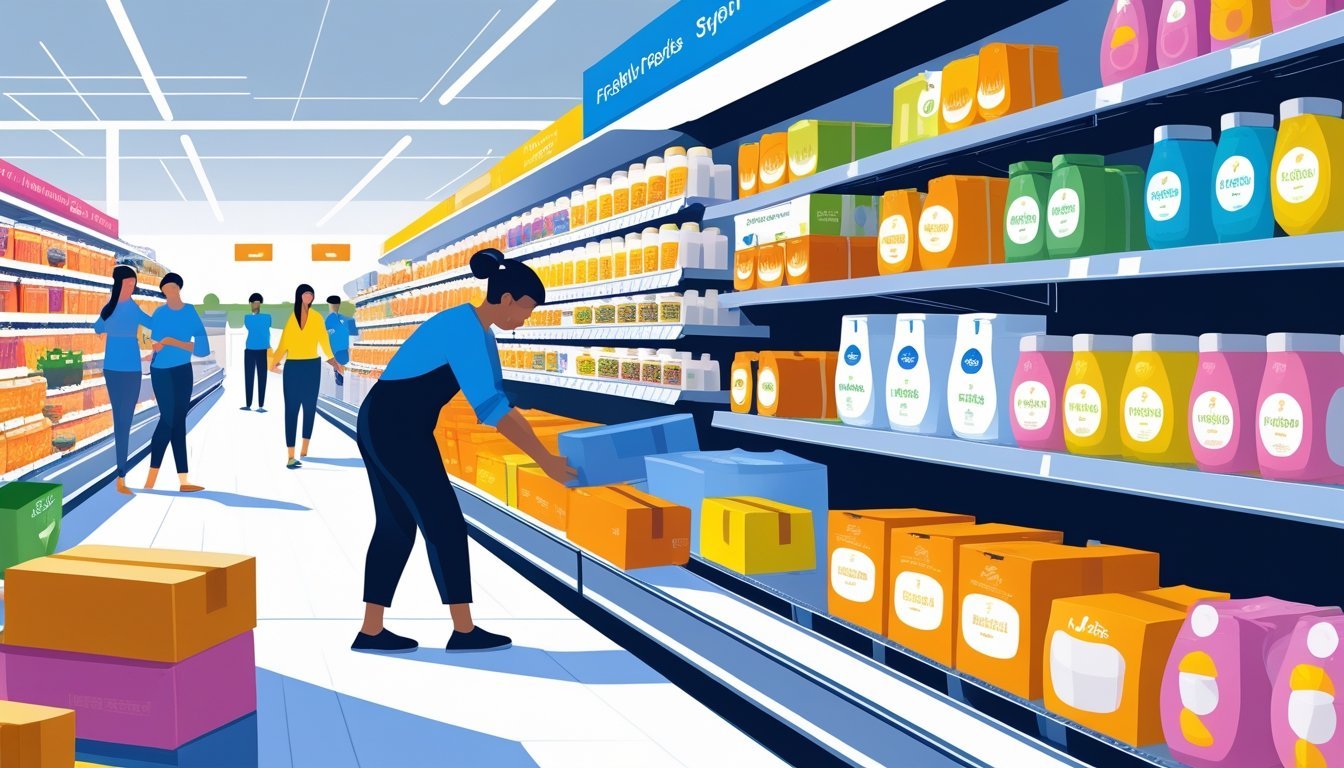
Retailers regularly update how they present and package old products to maintain sales and customer interest. By applying specific tactics, stores can draw attention to aging or excess inventory and encourage faster turnover.
Why Retailers Refresh Old Products
Retailers face challenges with excess inventory, especially as trends and customer preferences change.
Freshening products helps prevent losses from unsold stock and reduces waste. It also improves the store's appearance, making it more inviting for shoppers.
Product refresh efforts can reignite interest in older items through new displays, updated packaging, or placement in prime store locations. Offering promotions, repackaging, or bundling items are frequent strategies.
These actions help maintain a dynamic retail environment and contribute to effective inventory management by moving products that might otherwise linger on shelves.
Key Principles of Product Freshening
Effective product freshening relies on organization, presentation, and a focus on customer perception.
Stores often rotate stock, update signage, or create themed displays to highlight refreshed items. The use of visual merchandising—such as color coordination and strategic lighting—can make old products feel new.
Attention to product placement is crucial. Positioning items at eye level or near high-traffic areas can increase visibility and boost sales.
Retailers may also refresh product imagery for branding consistency, use limited-time offers, or incorporate feedback on what gets customers’ attention. These techniques combine to streamline inventory management and reduce the burden of excess inventory without large discounts.
Inventory Management Techniques for Aging Stock
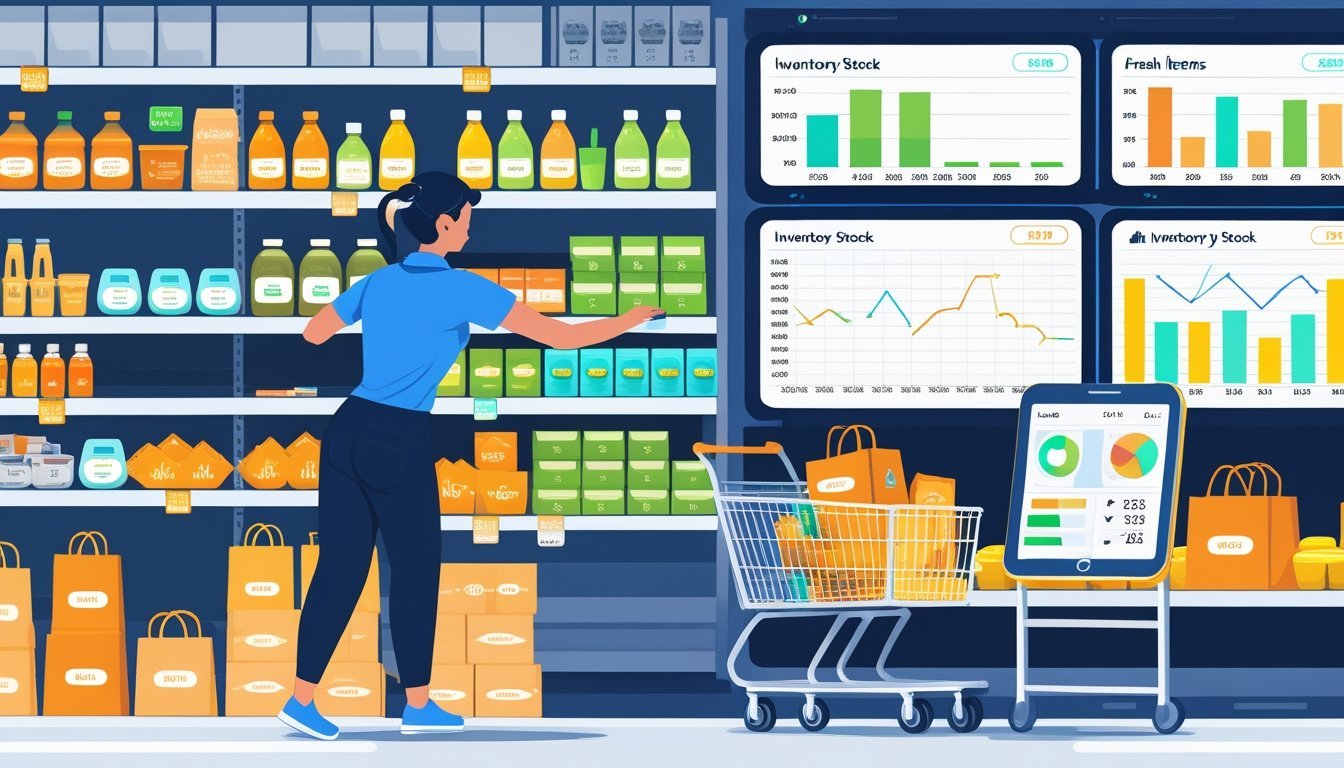
Effective inventory management and shelf space allocation are critical when dealing with aging stock. Retailers utilize targeted strategies to maintain product freshness and maximize the appeal of older merchandise for customers.
Shelf Space Optimization
Retailers assess the value and sales history of each product to determine where it should be placed. Items that are slow-moving or older often get moved to high-visibility areas or end-of-aisle displays to boost customer attention. Strategic placement helps ensure these products don’t remain overlooked.
They may also consolidate aging items to a dedicated clearance section. This tactic clears shelf space for new arrivals while making discounts and special offers clear to shoppers. The use of point-of-sale signage further draws attention and communicates value.
Key shelf space tactics include:
Grouping similar aging products to create themed displays
Rotating featured inventory in prominent locations weekly
Reducing shelf frontage of underperforming items to prioritize bestsellers
Maintaining a clean, uncluttered look ensures customers are not overwhelmed and old stock is easier to spot, increasing the likelihood of sales.
Product Rotation Methods
Product rotation involves regularly repositioning items so that older dates or versions are more accessible to customers. The first-in, first-out (FIFO) method is widely used, ensuring that products received earliest are sold first. This reduces the risk of goods expiring or becoming obsolete.
Retailers may use color-coded labeling or dedicated inventory tracking systems to easily identify aging items. Staff training is essential; employees are taught to check dates and positioning during routine restocks.
For high-turnover categories like snacks or apparel, frequent rotation—sometimes daily—is necessary. Slower-moving stock may require only weekly checks. Special promotions or markdowns often coincide with these rotations, targeting excess inventory before it becomes unsellable.
Pricing Approaches to Drive Sales
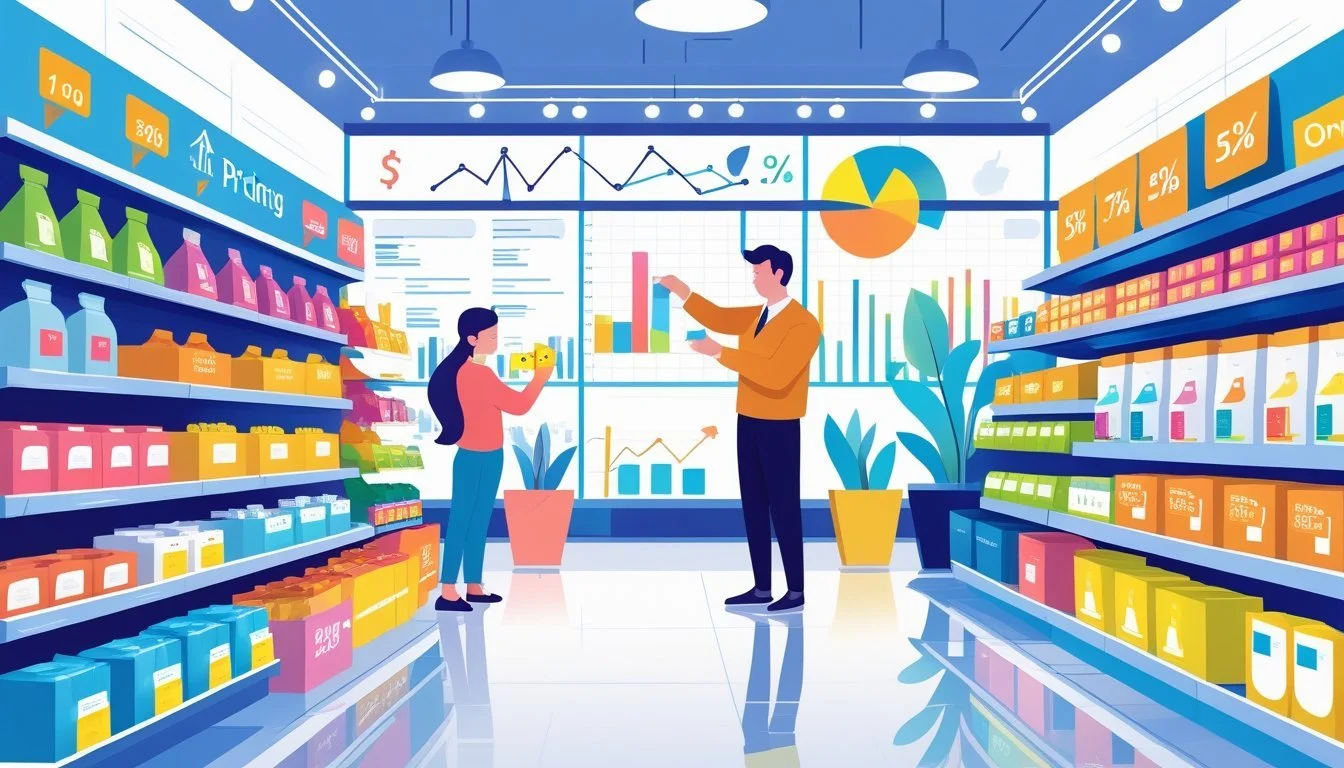
Retailers regularly adjust pricing tactics to revitalize interest in aging or slow-moving products. Effective methods center on targeted discounts and inventory reduction campaigns that protect margins and keep merchandise appealing to customers.
Discounted Product Strategies
Applying discounts is a central way retailers spark renewed attention for older products. Temporary price reductions, such as “buy one, get one 50% off” or bundling with newer items, can encourage shoppers to purchase more than they planned. These tactics work especially well for products with low margins or upcoming expiration dates.
Retailers often use pricing tables to communicate deals clearly:
Product Regular Price Discounted Price Offer Details Classic T-shirt $20 $15 Limited-time 25% off Shoe Cleaner (2 pk) $14 $20 for 2 Bundle & save
Flash deals and loyalty member discounts are also used to drive traffic and make old inventory appealing without needing to fully clear it out. Transparency in offer length and terms prevents customer confusion.
Implementing Clearance Sales
Clearance sales target products that have not sold despite prior promotions. Retailers mark down these items sharply, often applying bright signage and separate clearance fixtures to distinguish them from regular inventory. This increases visibility and signals urgency.
A structured clearance approach may include:
Gradual reductions: Prices decrease over scheduled intervals.
“Final sale” labeling: Warns buyers and limits returns.
Placement in high-traffic areas: Maximizes exposure to impulse shoppers.
Digital clearance sections: Moves unsold inventory online.
Clearance events both free up space for new product lines and help retailers recover sunk costs, even if items sell at a significant loss. Monitoring results guides when and how steep markdowns should be.
Marketing Campaigns for Revitalizing Old Inventory
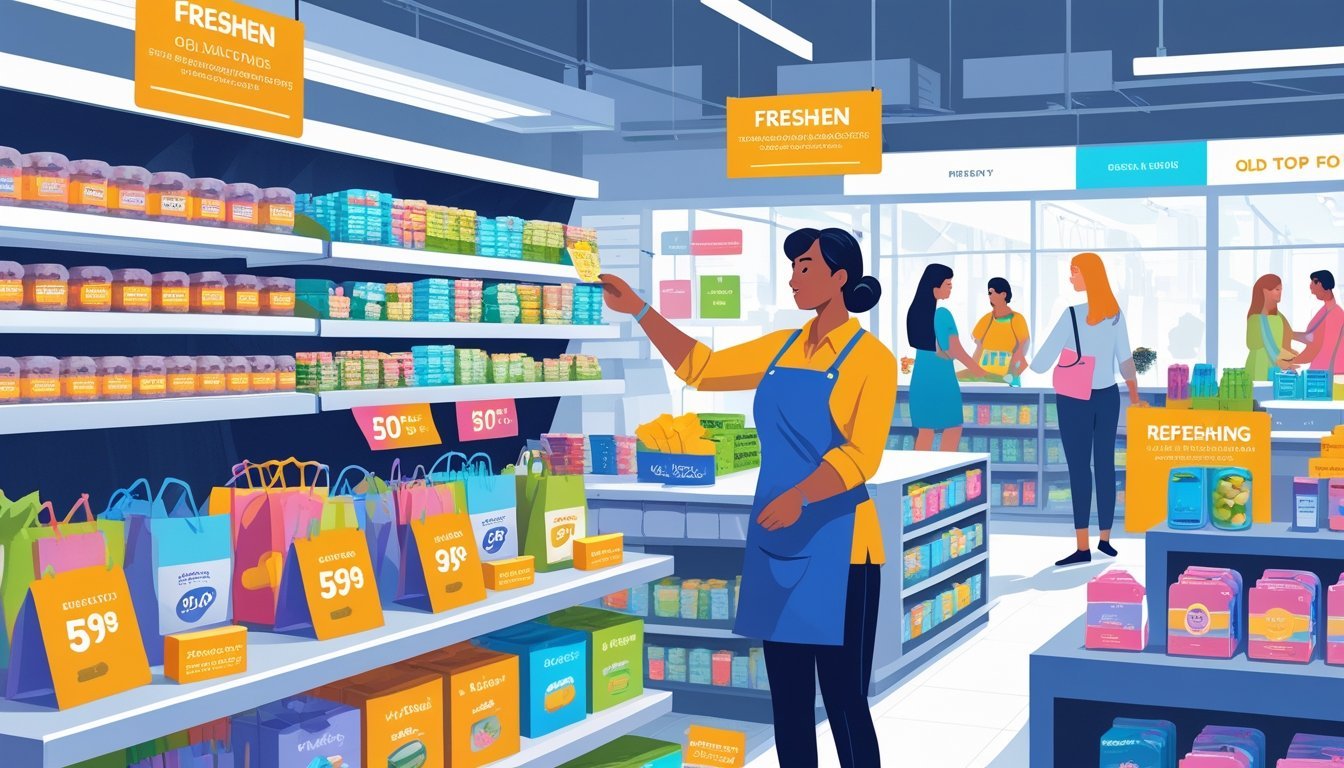
Retailers often need fresh approaches to move aging stock. Successful strategies focus on targeted marketing campaigns and provide tangible incentives to drive customer action.
Targeted Promotions
A common method to revitalize old inventory is to run targeted promotions. Retailers identify slow-moving products and create limited-time offers, like “buy one, get one 50% off” or exclusive bundle deals.
Segmenting customer lists allows them to send personalized emails featuring these promotions. This increases relevance and boosts open and conversion rates. For example, stores may target loyal shoppers with special discounts on surplus items.
Retailers can also update product displays and use eye-catching graphics, both in-store and online, to draw attention to refreshed deals. Social media ads with clear value propositions help expand reach and attract new customers to older stock.
Highlighting seasonal relevance, such as promoting spring-themed discounts, further increases interest in these products.
Incentives for Customers
Incentives play a key role in encouraging customers to purchase older inventory. Common incentives include:
Loyalty program points
Free gifts with purchase
Discount codes
Free shipping on older products or exclusive early access for members can also boost sales. Retailers might also organize flash sales featuring surplus inventory, increasing urgency to buy.
Clear communication of these offers is essential. In-store signage, mobile app notifications, and targeted SMS reminders help ensure customers are aware of the extra value.
Offering easy returns or extended guarantees on older items may increase consumer confidence, making them more likely to purchase refreshed stock.
Online Business Solutions to Move Stale Products

Retailers use targeted online strategies to address inventory that isn't selling. Effective techniques streamline inventory management and can improve both cash flow and product visibility.
E-Commerce Bundling Techniques
Bundling involves selling slow-moving products together with popular or complementary items. This method can clear out old stock while creating extra value for the customer. Common bundles may pair a stale item with a best-seller or offer a discounted group of similar products.
Retailers often use special bundle pricing to attract attention, encouraging buyers to take advantage of a perceived deal. These bundles are prominently featured on product pages or within promotional banners, making them easy to spot.
Integrating bundling with real-time inventory management systems allows retailers to adapt their offers quickly. For example, when an item isn’t moving, bundles can be created automatically based on stock levels. This reduces storage costs and helps avoid excess unsold stock.
Digital Advertising Tactics
Targeted digital ads help draw new interest to products that have become stagnant. Businesses use display advertising, sponsored product placements, and social media ads to reach specific audiences. These advertisements are crafted to highlight discounted pricing or exclusive online deals on older stock.
A/B testing is often used to adjust headlines, images, and call-to-actions, ensuring advertising spend converts to sales. Retargeting ads can also remind previous site visitors about these products, increasing the likelihood they return and purchase.
Careful monitoring of ad performance enables retailers to allocate budgets efficiently. When certain products remain unsold, advertising spend can be shifted toward bundles or time-limited promotions to stimulate demand. This approach enhances inventory management and supports continuous product turnover.
Evaluating the Impact of Product Freshening Initiatives
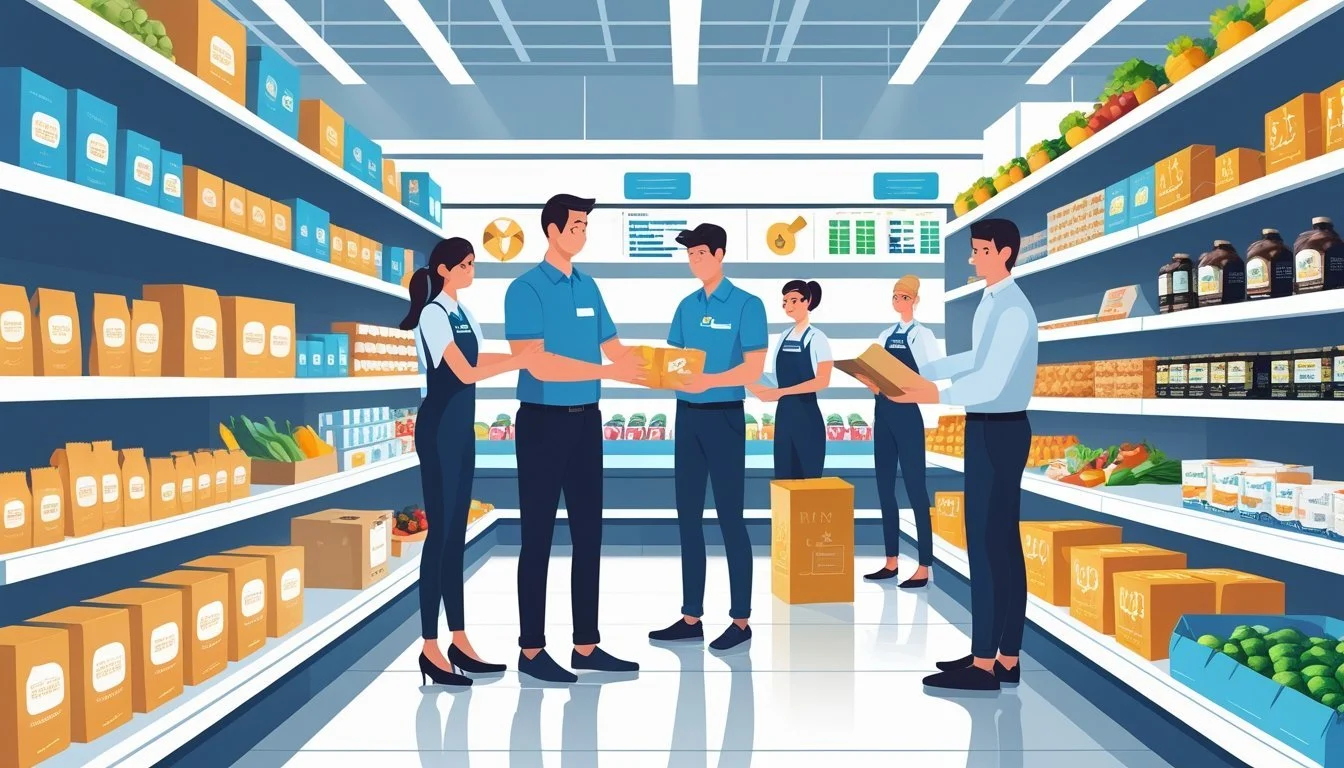
Retailers use a combination of quantitative data and feedback to determine if updates to older products are meeting business goals. These efforts often focus on both measurable outcomes such as sales numbers and less tangible metrics like customer satisfaction.
Measuring Sales Performance
Tracking changes in sales is a primary way retailers evaluate the effects of product freshening. They often compare sales figures before and after updates, such as redesigning product packaging, improving shelf placement, or updating formulas. Increases in sales volume or average transaction values can indicate successful initiatives.
Retailers may use tools like point-of-sale systems to create detailed reports over set timeframes. A/B testing is sometimes used to see if the refreshed version outperforms the old one in real-time retail environments. Tracking factors such as repeat purchases, return rates, and inventory turnover also provides insight. The table below highlights key sales metrics used in these evaluations:
Metric What It Shows Sales Growth Overall demand Inventory Turnover Stock management efficiency Repeat Purchases Customer loyalty Average Basket Size Added product value
Customer Perception and Brand Value
Retailers gauge how updates influence customer attitudes through surveys, online reviews, and direct feedback. Enhanced packaging or product quality often aims to improve perceptions of freshness, safety, and quality. This can affect brand value, particularly in categories where quality perception drives loyalty.
Focus groups and sentiment analysis tools are used to gather opinions about "freshened" products and their impact on brand trust. Retail trackers monitor shifts in net promoter scores (NPS) and overall satisfaction. Slight changes in packaging or messaging can alter how customers view both the product and the retailer, with implications for long-term loyalty and reputation.
Retailers also monitor social media channels and customer service interactions to catch early signals of positive or negative responses. Consistency in feedback may prompt more investment in successful initiatives or quick adjustment when changes do not resonate.
Future Trends in Retail Approaches to Aging Inventory

Retailers are adopting new strategies to address aging inventory by leveraging advanced technologies and a growing emphasis on sustainability. These approaches aim to improve efficiency, reduce waste, and appeal to evolving consumer expectations.
Technology-Driven Solutions
Retailers increasingly rely on artificial intelligence (AI) and data analytics to forecast demand and optimize inventory turnover. Automated systems can identify slow-moving items and suggest markdowns or repositioning tactics based on real-time sales data. This reduces guesswork and helps prevent overstocking.
Electronic shelf labels and dynamic pricing systems let retailers adjust prices quickly in response to changing trends or excess stock. Digital platforms also enable targeted promotions to specific customer groups, which can increase the likelihood of clearing aging goods.
RFID technology helps track product location and shelf life with greater accuracy. This not only streamlines logistics but also improves reordering decisions. By integrating these tools, retailers gain better visibility and control across the supply chain, helping to minimize the risks associated with stagnant inventory.
Sustainable Practices
Many retailers are shifting toward circular economy principles to manage unsold or outdated products. This includes upcycling, repackaging, or repurposing older items to create new value. Retailers might also partner with organizations to donate surplus inventory, reducing landfill waste and supporting community programs.
Sustainable packaging is another focus. By switching to recyclable or biodegradable materials, retailers extend product life on shelves while reducing environmental impact. Some companies are implementing refresh programs, where returned or nearly expired items are inspected, refurbished, and resold at a discount.
Efforts to offer refill services or encourage product reuse align with consumer demand for eco-friendly options. These sustainable actions not only address surplus products but also strengthen retailer reputation among environmentally aware shoppers.

