Building a Substitute Pantry for Emergency Preparedness
Essential Steps for a Resilient Food Supply
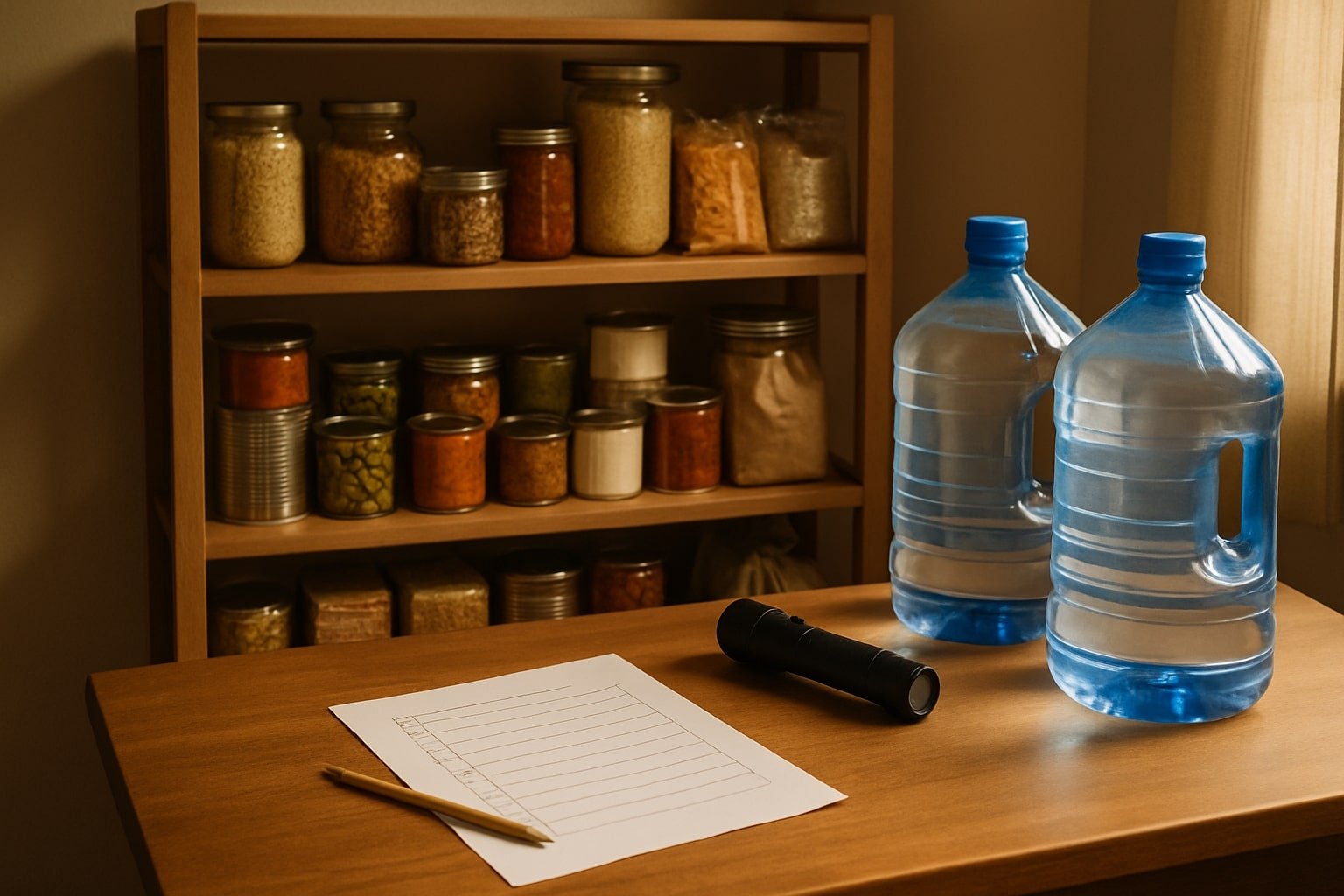
Being prepared for unexpected emergencies means more than just stocking up on the usual staples—it requires adaptability and smart planning. A substitute pantry ensures that even when certain items run out or aren’t available, families can continue to make balanced meals using alternatives already on hand. This approach helps address supply chain disruptions and sudden shortages without panic or costly last-minute shopping.
Building a substitute pantry involves storing versatile foods, learning which items can replace essentials, and understanding how to maintain nutrition with what’s available. By focusing on flexibility and thoughtful choices, anyone can develop a reliable pantry that supports both daily use and emergency needs. With a few simple steps, households can gain peace of mind and practical readiness for unexpected events.
Understanding Emergency Preparedness
Effective emergency preparedness ensures individuals and families have the supplies and strategies in place to weather disruptions, maintain access to food, and minimize uncertainty during a crisis. Building a substitute pantry specifically addresses the risks posed by emergencies, loss of supply chains, and natural disasters.
Why Build a Substitute Pantry
A substitute pantry provides flexibility and security when standard options may run out during a disaster. Unlike a regular pantry, this supply focuses on alternative foods, shelf-stable goods, and versatile ingredients for improvised meals.
A thoughtful pantry includes foods that require minimal preparation and can replace staples in case those are not available. Examples include powdered milk for fresh, canned proteins for frozen meats, or shelf-stable grains.
Benefits of a substitute pantry:
Benefit Description Flexibility Can make substitutions if certain foods run out Shelf Stability Ingredients last longer without refrigeration Versatility Ingredients suitable for multiple meal types
A substitute pantry is critical for maintaining food security during disaster events like hurricanes, floods, or power outages.
Types of Emergencies to Prepare For
Emergencies that disrupt access to food and supplies include hurricanes, earthquakes, floods, severe storms, and extended power outages. Even temporary supply chain interruptions or isolation from travel hazards can impact food availability at home.
In addition to natural disasters, disruptions may come from winter storms, fires, or prolonged power loss. Each scenario can make it difficult or impossible to reach stores, while groceries may also face shortages.
Planning a substitute pantry means assessing regional risks. For example, hurricane-prone areas prioritize no-cook and hydration-focused items, while winter storm regions may need extra heat-stable foods and water storage.
Resilience and Food Security
Resilience in emergency situations means being able to adapt and maintain wellbeing despite hardships. A substitute pantry increases household resilience by ensuring that food and nutrition needs continue to be met even if preferred options are unavailable.
Food security relies on having safe, adequate resources available throughout a crisis. By selecting non-perishable items and alternative ingredients, families reduce dependence on external supply chains and minimize the risk of running out of essentials.
Strengthening food security is not just about storing food, but about diversifying and rotating items so they remain usable for longer. This simple preparedness practice increases independence and decreases vulnerability, creating a greater sense of control during unexpected disruptions.
Fundamentals of a Substitute Pantry
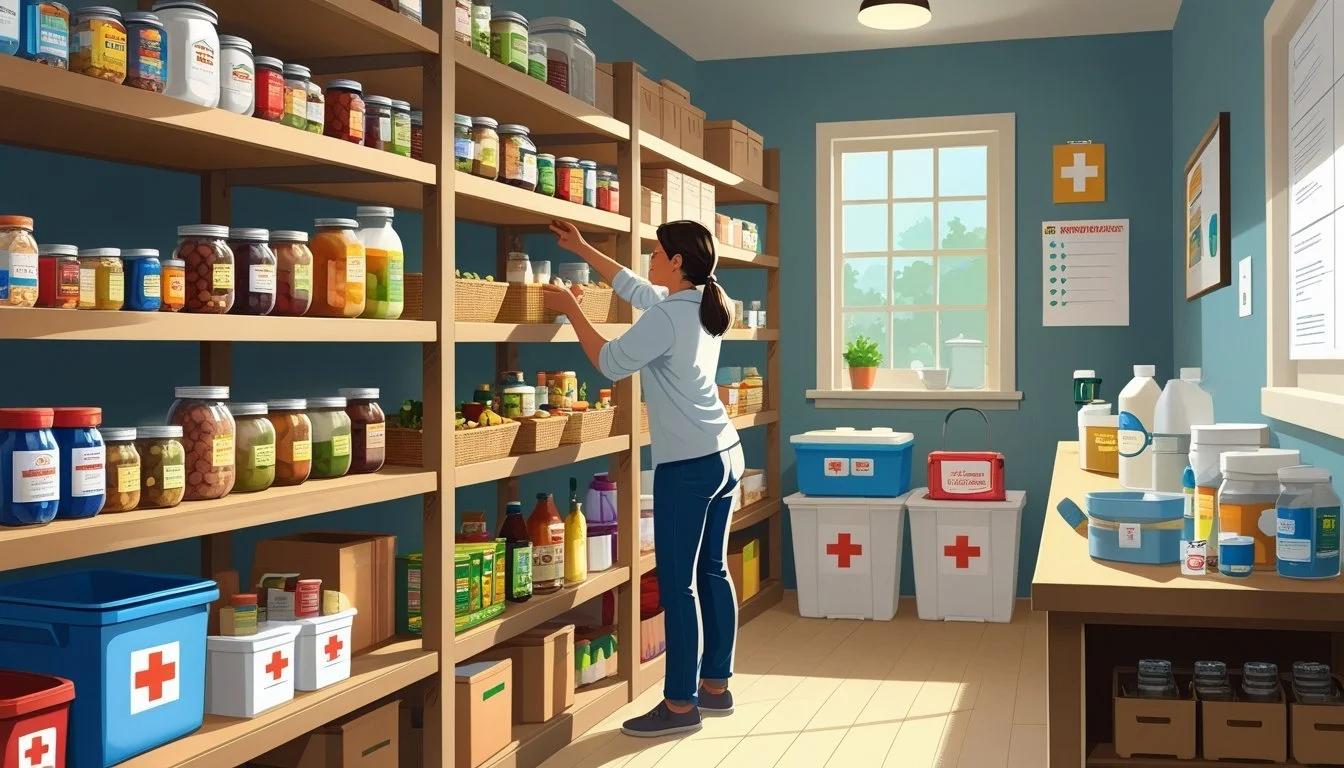
A substitute pantry focuses on alternate foods and ingredients to ensure flexibility during emergencies. It prioritizes nutritional value, long shelf life, and practical storage solutions to maintain a well-stocked emergency pantry.
Defining a Substitute Pantry
A substitute pantry is designed to provide alternatives for essential food items when regular supplies are unavailable. This type of emergency food pantry makes use of shelf-stable options, such as powdered milk instead of fresh, or canned vegetables in place of frozen produce.
Essential components include storing a variety of grains, beans, and protein sources that can serve as meal bases or replacements for commonly used ingredients. Consider listing substitutions in a table for easy reference, for example:
Common Item Substitute Option Fresh Milk Powdered or Evaporated Milk Fresh Eggs Powdered or Flaxseed "Eggs" Butter Cooking Oil or Shortening
They should also keep an inventory of these substitutes and practice rotating stock to prevent spoilage. This strategy ensures that meals remain nutritious and balanced, even when preferred foods run out.
Long Shelf Life Essentials
Long shelf life is key for any emergency food pantry. Focus on foods that last a year or more without refrigeration, such as dry pasta, rice, canned meats, and sealed legumes. These items can provide essential calories and protein while remaining edible over extended periods.
Oils, salt, sugar, and spices also play a critical role in flavor and preservation. Most should be stored in airtight containers, in cool and dark areas, to prolong usability. Ready-to-eat canned goods, dehydrated fruits, and shelf-stable dairy substitutes offer versatility and help minimize daily meal disruptions.
Water storage should not be overlooked. Prep guidelines recommend a minimum of one gallon per person per day, with clean containers or purchased water ensuring adequate hydration if regular supplies are disrupted. Consistent monitoring of expiration dates preserves food safety and quality in the well-stocked pantry.
Planning Your Emergency Food Supply
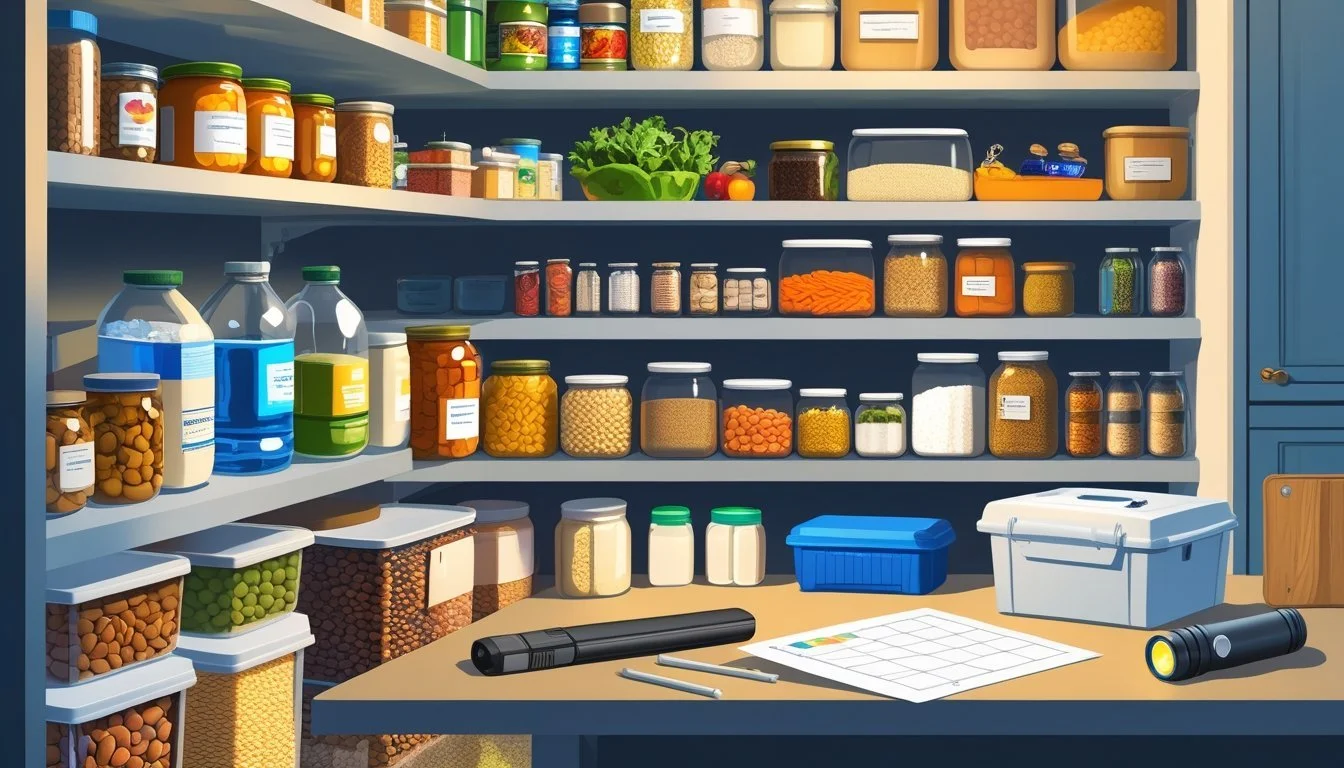
A successful emergency food supply supports basic caloric needs while maintaining good nutrition and accounting for specific dietary requirements. Individuals and families benefit by carefully considering quantity, nutritional value, and personal needs when selecting and storing emergency foods.
Estimating Food Needs
Estimating food needs starts with calculating the required daily calorie intake for each person. Most adults need between 2,000 and 2,400 calories per day, though requirements vary based on age, activity level, and health. For children, caloric needs are typically lower but change by age and growth stage.
It is practical to multiply the daily needs by the number of people and days in the emergency plan. For example, a family of four planning for two weeks would need about 112,000 calories total (2,000 calories x 4 people x 14 days). Include extra water for hydration and food preparation—one gallon per person, per day is recommended.
List out meals and snacks in a table or planner to track total calories and portions. Consider shelf life and storage space when selecting foods.
Balancing Nutrition
A balanced diet in emergency situations relies on incorporating all major food groups: carbohydrates, proteins, fats, vitamins, and minerals. Non-perishable items such as canned meats, beans, whole grains, dried fruits, and powdered milk offer a way to cover essential nutrients.
Use the following basic grouping to help achieve nutritional balance:
Food Group Example Items Carbohydrates Rice, oats, pasta Protein Canned fish, beans Fats Peanut butter, nuts Vitamins Canned vegetables Minerals Powdered milk, seeds
Rotate items regularly to prevent spoilage and maintain nutrient quality. Include a multivitamin if it is difficult to store fresh produce.
Addressing Dietary Restrictions
Emergency food supplies must take into account allergies, intolerances, and specific dietary preferences. Clearly label all foods to avoid accidental consumption of allergens such as nuts, gluten, or dairy.
For those requiring low-sodium or diabetic-friendly options, choose products labeled accordingly. Kosher, halal, vegetarian, and vegan needs can often be met with canned or dried beans, lentils, nut butters, and specialty crackers.
Make a checklist of each household member’s restrictions and preferences to ensure no critical items are missing. Include safe substitution ideas, like using shelf-stable plant milks in place of dairy, to maintain compliance with individual health needs.
Stocking Shelf-Stable and Non-Perishable Foods
Shelf-stable foods and non-perishable food items are essential for emergency preparedness. Selecting a wide variety of reliable options helps ensure balanced nutrition and practical meal planning if access to fresh food is disrupted.
Canned Foods and Canned Goods
Canned foods are a cornerstone of any emergency pantry due to their long shelf life and convenience. Items such as vegetables, fruits, beans, soups, and meats can last for years if stored in a cool, dry place.
Key advantages:
No refrigeration required
Easy to prepare—usually just heat and eat
Wide variety: tomatoes, corn, peaches, tuna, chicken, and chili
Most canned goods retain nutrients well during shelf life. Rotate supplies regularly and check expiration dates at least twice a year.
Common Canned Staples
Food Type Shelf Life (Unopened) Example Uses Canned Beans 2-5 years Chili, salads Canned Meat 2-5 years Sandwiches, stews Vegetables 1-3 years Soups, casseroles Fruit 1-3 years Desserts, sides
Freeze-Dried Meals and MREs
Freeze-dried meals and Meals Ready-to-Eat (MREs) are popular among survivalists and campers for their ease of storage and fast preparation. Freeze-dried foods have had almost all moisture removed, dramatically extending shelf life—often up to 25 years when properly packed and sealed.
MREs are complete, pre-cooked meals designed for military use but widely available to civilians. They do not require water or additional heating, though included flameless heaters can warm food.
Benefits: Lightweight, compact, nutrient-rich
Limitations: Higher cost, some varieties high in sodium
Consider storing at least a several-day supply, especially for situations where cooking or water access may be limited.
Bulk Staples: Grains and Carbohydrates
Grains and carbohydrate sources form the backbone of most survival food pantries. Rice, pasta, oats, and dried cereals all offer long shelf lives and flexible meal options.
Bulk staple suggestions:
White rice (lasts up to 30 years in proper storage)
Rolled oats (10+ years)
Dried pasta (8-10 years)
Shelf-stable flours and baking mixes (1-2 years)
Store grains in airtight containers or mylar bags with oxygen absorbers for maximum preservation. Rotating these staples helps prevent waste and ensures a usable supply.
Protein Sources
Sustaining energy and muscle mass during emergencies relies heavily on having varied protein sources. Canned meats (such as tuna, chicken, and ham), beans, lentils, and nut butters are all reliable shelf-stable proteins.
Plant-based options—like lentils, chickpeas, and soy products—are essential for those on vegetarian diets. Jerky, powdered eggs, and shelf-stable tofu expand the protein selection.
Protein Content Table (Per 100g, Approximate)
Item Protein (g) Canned Tuna 23 Lentils (dry) 25 Peanut Butter 25 Beef Jerky 33 Powdered Eggs 48
Prioritize variety and regularly check for spoilage, as storing only one type of protein can lead to diet fatigue and nutritional gaps.
Including Fruits, Vegetables, and Cooking Essentials
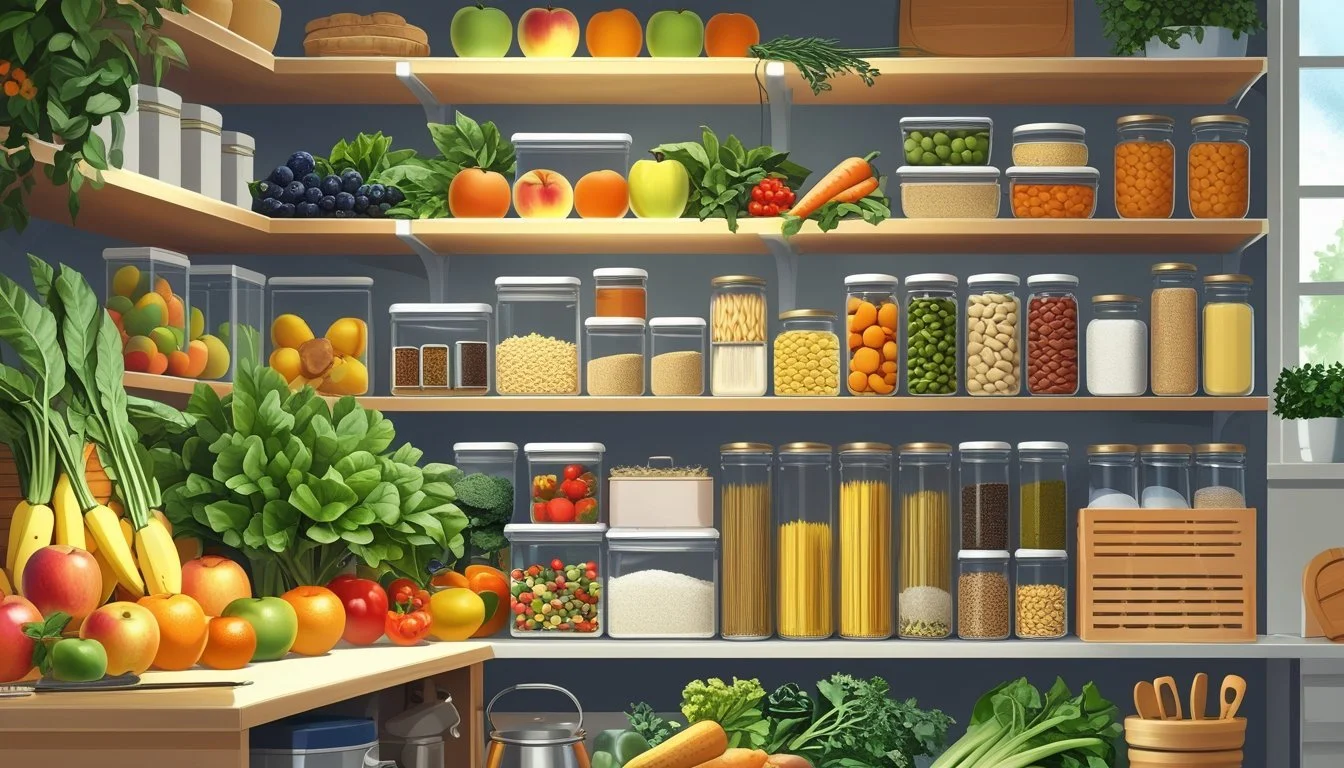
A substitute pantry must supply essential nutrients and practical cooking ingredients. Storing a mix of preserved fruits and vegetables with basic fats like oil ensures balanced meals during emergencies.
Preserved Fruits and Vegetables
Preserved fruits and vegetables supply vital vitamins, minerals, and fiber when fresh options are unavailable. Canned varieties such as tomatoes, green beans, and peaches are shelf-stable and widely available. Freeze-dried options, including strawberries, peas, and mixed vegetables, retain more nutrients and store for years with proper sealing.
Dried fruits like raisins, apricots, and apple rings offer concentrated calories and natural sweetness. These are useful both as snacks and meal additions. Fruit leathers made from pureed fruit are compact and have a long shelf life. For vegetables, dehydrated versions of carrots, potatoes, and peppers can be rehydrated quickly and used in stews or casseroles.
When choosing preserved produce, look for items with minimal added sugar or salt. Rotate older stock and check packaging for damage to ensure food safety.
Cooking Oil and Fats
Cooking oil is a fundamental staple for food preparation and energy. Vegetable oil and canola oil are cost-effective and have long shelf lives when stored in cool, dark places. Olive oil brings flavor and healthy fats but should be used within a year for peak freshness.
Shortening, ghee, and coconut oil are shelf-stable options that can withstand higher temperatures in storage. Small containers of butter or margarine powder can add variety, especially for baking or spreading.
Consider storing oil in multiple small containers to reduce spoilage from repeated opening. Always monitor expiration dates and replace oils before they turn rancid or develop off smells.
Water and Hydration Solutions
Clean drinking water is essential for health and survival during emergencies. Proper hydration, safe storage, and effective water treatment are all vital to avoid illness.
Water Storage Guidelines
A minimum of one gallon of water per person per day should be stored for emergencies. This amount covers both drinking and basic hygiene needs. For multi-day situations, it is recommended to store enough water for at least three days, but a two-week supply is safer when possible.
Water can be kept in food-grade containers, such as clean plastic or glass jugs. Regularly rotate stored water every six months to prevent stagnation. It is best to keep the water in a cool, dark place. Make sure all containers are tightly sealed and clearly labeled with the storage date.
Do not store water in containers that held chemicals or milk, since residues may be difficult to clean. Commercially bottled water can be used for convenience and peace of mind, but homemade storage works if care is taken.
Water Filtration Methods
Filtration removes dirt, debris, and many biological contaminants from water. Portable filters designed for hiking, such as those with ceramic or fiber elements, are effective and compact. Gravity-fed filter systems are useful for treating larger amounts for a family.
Popular filter types include:
Pump Filters: Useful for individual use, operated by hand.
Gravity Filters: Good for supplying groups, require minimal effort.
Straw Filters: Compact, designed for single-use at the source.
When selecting a filter, check the specifications for bacteria and protozoan removal. Most portable filters are not designed to remove viruses, so additional treatment may be necessary, especially in areas where viruses are a risk.
Water Purification Options
Purification kills or deactivates harmful microorganisms still present after filtration. Boiling is the safest method: bring water to a rolling boil for at least one minute (three minutes at high altitudes).
Chemical disinfectants like household bleach (unscented, 6% sodium hypochlorite) can also be used. Add 1/8 teaspoon (about eight drops) to one gallon, stir, and wait at least 30 minutes before using. Water purification tablets made with chlorine or iodine are convenient for portable kits and are effective against most germs.
Ultraviolet (UV) light devices are another option. They work by damaging the DNA of pathogens, rendering them harmless. Always check that water is clear before using UV devices, as cloudy water can interfere with effectiveness.
Medicine and Essential Supplies
Having a reliable backup pantry means more than just food and water. It also requires careful planning for health needs, safety, and short-term crisis scenarios.
Stocking Over-the-Counter Medicines
Individuals should regularly check and stock a selection of common over-the-counter (OTC) medications. This includes pain relievers like acetaminophen or ibuprofen, antihistamines for allergies, antacids for digestive issues, and medicines for symptoms such as cough, cold, or diarrhea.
A well-stocked medicine cabinet may also feature wound care products, including adhesive bandages, antiseptic creams, and sterile gauze. Thermometers and tweezers are useful tools for treating minor injuries at home.
OTC medicines should be stored in a cool, dry place, and expiration dates should be monitored. For anyone with chronic conditions, extra prescription supplies are advised if possible.
Other Emergency Supplies
Preparedness kits need much more than medications. Essential non-food items include flashlights and batteries for outages, a manual can opener, and portable phone chargers. Clean water is key, and a supply of bottled water or water purification methods—such as household bleach and droppers—should be included.
Checklist of Key Supplies:
First aid kit
Sanitation materials (soap, hand sanitizer, moist towelettes)
Basic tools (multi-tool, small shovel, whistle for signaling for help)
Emergency contact list in print
Personal hygiene products and backup eyeglasses are useful when normal routines are interrupted. Rotating stock and checking for expired or damaged items maintains kit reliability.
Ammo and Self-Defense
Self-defense and safety are important in some emergency circumstances. People who keep firearms should consider storing an adequate supply of suitable ammunition, reviewing local laws for safe storage and legal limits.
In addition to firearms, non-lethal options such as pepper spray, personal alarms, or stun devices can be useful for personal protection. Locks and reinforced doors also help deter unwanted entry.
A self-defense plan should account for all household members. Proper training and secure storage of defense tools are essential to prevent accidents and misuse.
Managing Inventory and Storage Conditions
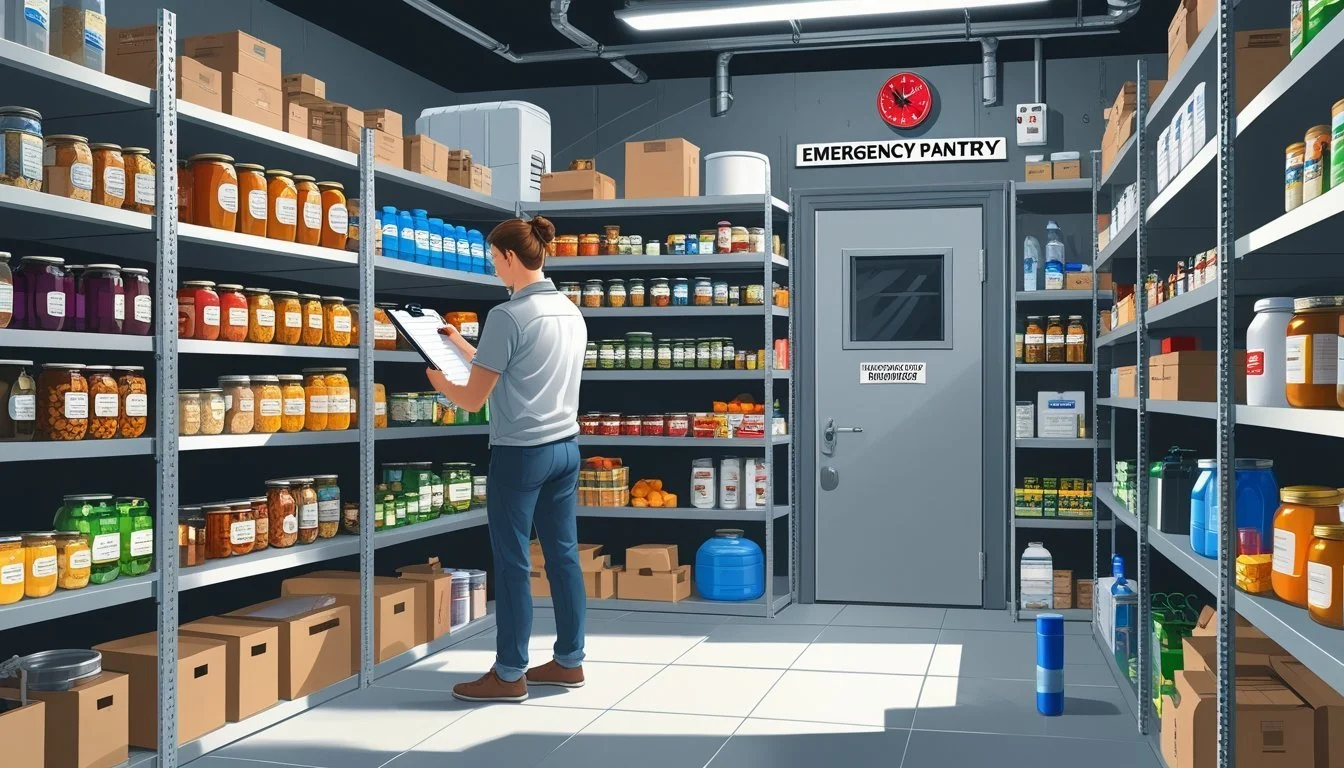
Accurate inventory records, efficient use of storage, and clear understanding of expiration dates help prevent waste and ensure reliable food supplies during emergencies. Paying attention to these factors also reduces costs and avoids shortages when disruptions occur.
Inventory Tracking Systems
Effective inventory tracking ensures reliable access to essential foods and supplies when emergencies happen. Using digital tools, like pantry management apps or spreadsheets, provides an organized way to monitor on-hand quantities and automate alerts for low stock or expiring items.
Methods for inventory management:
Apps: Inventory Wolfe and other pantry apps track supplies and expiration dates.
Spreadsheets: Customizable for individual needs, ideal for those familiar with spreadsheets.
Manual checklists: Simple paper records for those who prefer offline management.
Updates should occur whenever items are added or used. Accurate records help minimize food waste and guide future purchases.
Optimizing Storage Space
Making the most of available storage space maximizes the quantity and variety of foods that can be kept on hand. Shelving units, stackable containers, and clear labeling are basic steps for efficient storage.
Grouping foods by type, frequency of use, and shelf life improves access and visibility. Store heavy or bulky items on lower shelves and frequently-used products at an easily reachable level.
Common storage improvements:
Use airtight containers to keep pests out and preserve freshness.
Avoid stacking items higher than eye level to reduce risk of accidents.
Keep walkways clear for easy inventory checks.
Organization systems must account for rotation so that older stock is used first. Maintain clear pathways and avoid overcrowding to enable quick checks of supplies, especially during supply chain disruptions.
Understanding Expiration Dates
Proper understanding of expiration and best-by dates reduces waste and ensures food safety. Not all dates mean the same thing—"best by" and "use by" may refer to quality rather than safety, depending on the product.
Creating a simple table of items with their purchase date and expiration/best-by date in the inventory list helps track freshness:
Item Purchase Date Expiration Date Notes Canned beans 01/2025 01/2028 Rotate stock Dried rice 02/2025 02/2030 Airtight container Shelf milk 03/2025 09/2025 Use soon
Rotating inventory using the first-in, first-out (FIFO) method keeps older items from expiring unnoticed. Double-check labels for storage instructions, as some foods last longer in cool or dark environments. Keeping a close watch on expiration dates becomes especially important when normal food supply sources are interrupted.
Food Preparation and Cooking in Emergencies
Emergency situations require adapting meal preparation to limited resources, fluctuating power, and storage constraints. Having the right equipment and following safe practices helps prevent foodborne illnesses and makes cooking possible when utilities are unavailable.
Essential Tools and Equipment
Reliable food preparation during power outages depends on choosing practical tools. Manual can openers, sturdy knives, cutting boards, and mixing bowls are vital. Non-electric tools, like hand-powered blenders or whisks, allow meal prep without electricity.
Portable stoves (butane or propane), charcoal grills, or camp stoves enable basic cooking outdoors. It is important to store enough approved fuel and use these devices safely outside. For indoor use, fireplaces can heat food in emergencies, but only with safe cookware.
Other helpful items include matches/lighters, thermometers for monitoring food temperature, foil, and multi-purpose utensils. Candle warmers or chafing dishes can keep food warm temporarily. Store these tools together in an accessible location for quick response during an emergency.
Safe Food Preparation Practices
Safe handling is critical to prevent illness, especially when normal sanitation options are limited. Always start with clean hands and surfaces. Use hand sanitizer if water is scarce, and wipe surfaces with disinfectant wipes.
Use safe, potable water for drinking and food prep. Emergency guidelines recommend storing at least one gallon of water per person per day. If cooking with canned foods, ensure they are not damaged or swollen, and never heat sealed cans directly on a flame—open them first.
Keep raw and cooked foods separate, and cook food to safe internal temperatures when possible. Discard food left out more than two hours, especially in warm environments. When refrigeration is lost, prioritize eating perishable items first and transition to shelf-stable supplies as needed.
Maintaining and Updating Your Pantry Over Time
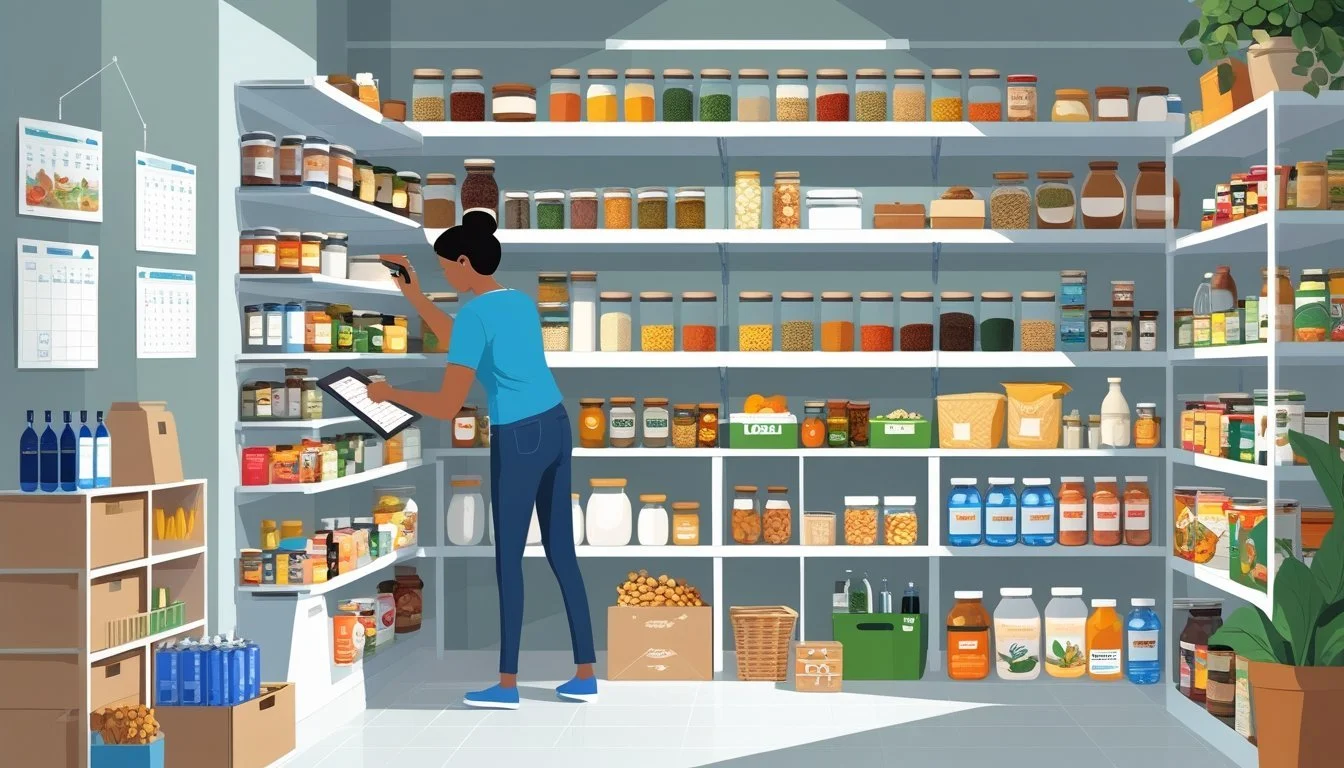
A well-maintained substitute pantry is essential for effective emergency preparedness. Keeping supplies fresh and adequately stocked helps prevent waste and ensures the pantry is always ready for use.
Rotating Supplies
Regularly rotating items ensures nothing in the food supply passes its expiration date. Older products should be placed in front or on top, so they get used first, while new purchases go to the back or beneath. This "first in, first out" method limits spoilage and keeps the emergency food kit safe for consumption.
Creating a simple rotation schedule can be helpful. For example, reviewing supplies every month or after making large purchases ensures items are checked for freshness and replaced as needed. Non-food items, like batteries and medications, should be rotated just like food to ensure reliability.
Keeping a written or digital inventory list that tracks purchase dates and expiration dates makes rotation more efficient. Marking these dates directly on containers with a permanent marker can help as well. This approach streamlines the process and reduces guesswork.
Replenishing Stock After an Emergency
After an emergency, take inventory right away to see what was used or consumed. Prioritize replacing what was used most, such as staple foods, bottled water, or ready-to-eat meals from the emergency food kit. Make a checklist to avoid forgetting anything essential.
Review the condition of the pantry to spot any damaged or compromised supplies. Items that were exposed to temperature shifts, leaks, or pests should be disposed of and replaced quickly. This minimizes health risks and keeps the food supply safe.
When restocking, consider adjusting item quantities based on what was actually needed. This helps refine future preparedness and reduces unnecessary clutter. Buying in bulk or choosing items with longer shelf lives can also improve efficiency and reduce restocking frequency.