
Replacing High-Allergen Ingredients in School Lunches
Strategies for Safer, Inclusive Meals
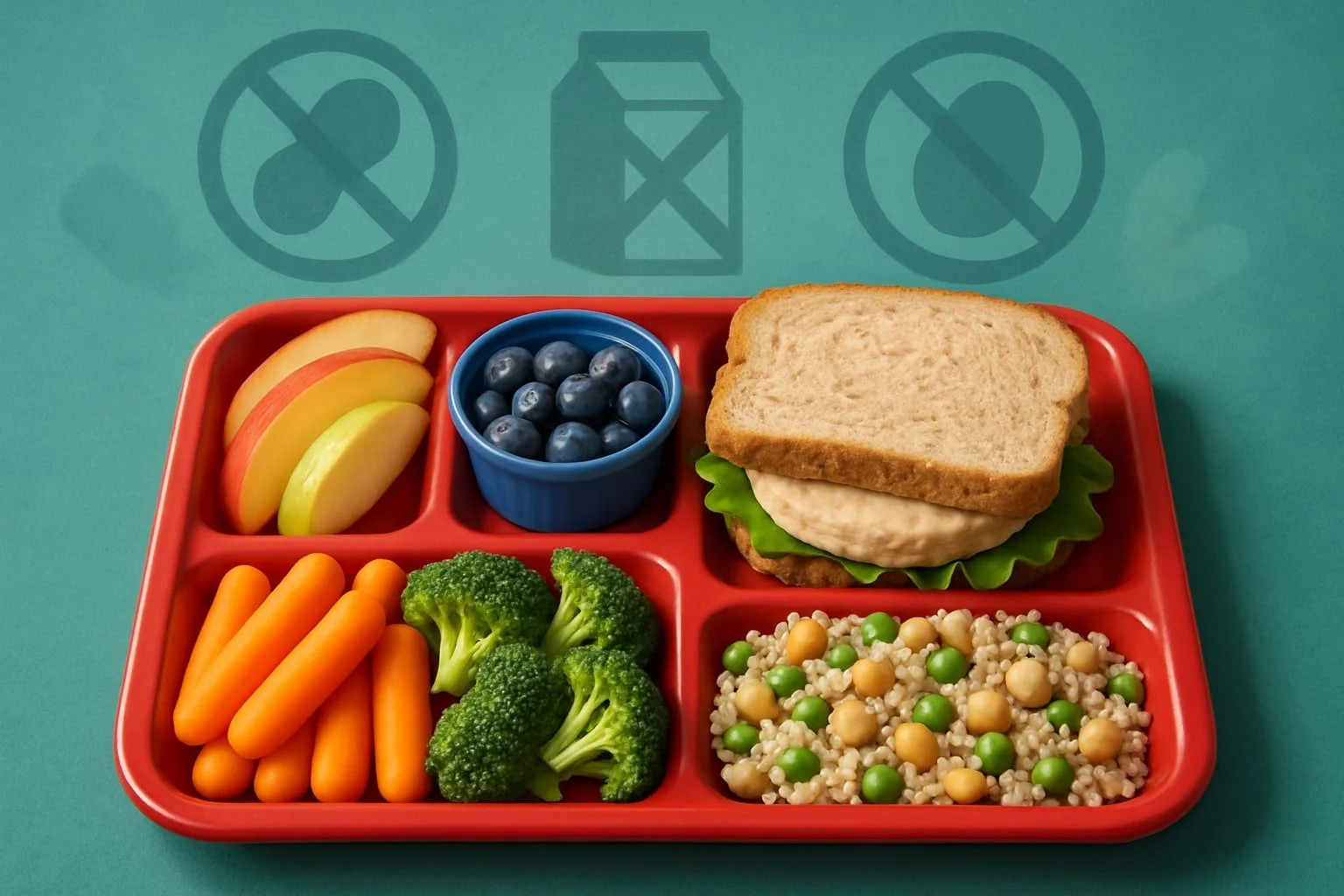
Replacing high-allergen ingredients in school lunches helps ensure that all students, including those with food allergies, can eat safely and participate fully in school meal programs. With up to 13 percent of school-aged children in the U.S. having one or more food allergies, schools face increasing pressure to provide safe and inclusive meal options. Ingredients such as milk, eggs, peanuts, tree nuts, wheat, soy, fish, shellfish, and sesame are some of the most common allergens that must be addressed.
Schools and nutrition professionals are finding practical solutions for creating allergen-safe menus. This includes carefully reviewing ingredient labels, training staff, preventing cross-contact, and actively seeking substitute ingredients that meet both nutritional needs and food safety standards. By prioritizing allergen management, schools can create a safer dining environment for all students while meeting federal and local nutrition guidelines.
Understanding High-Allergen Ingredients in School Lunches
Food allergies regularly affect the meals served in schools. Identifying high-allergen ingredients helps school staff make informed decisions about menu choices and food preparation.
Defining Common Food Allergens
Certain foods are responsible for most allergic reactions in children. The top eight food allergens include:
Allergen Examples Milk Cow's milk, cheese, yogurt Eggs Whole eggs, mayonnaise Peanuts Peanut butter, roasted peanuts Tree nuts Almonds, walnuts, cashews Soy Soy milk, tofu, soy sauce Wheat Bread, pasta, flour Fish Tuna, salmon, cod Shellfish Shrimp, crab, lobster
Peanut allergy is especially notable in schools because even small traces can cause severe reactions. Cross-contact, when allergens are transferred from one food to another, is a major risk and must be managed.
Prevalence of Food Allergies Among Students
Recent estimates indicate that about 13% of school-aged children in the United States have at least one food allergy. Food allergies in children have increased in recent decades, making them a significant concern in school nutrition programs.
Peanut and milk allergies are among the most common in children. Many schools now provide alternative options, such as nut-free or dairy-free products, to accommodate these students.
In classrooms and cafeterias, staff need to know which students have diagnosed food allergies. Communication between school staff, parents, and students plays a key role in keeping kids with food allergies safe.
Risks of Accidental Ingestion
Accidental ingestion can happen when students are exposed to food allergens they are allergic to, either through mislabeled foods, cross-contact, or shared surfaces during meals. Even trace amounts of an allergen can trigger a severe allergic reaction, known as anaphylaxis.
Breakfast, lunch, and snack times pose the highest risk for accidental allergen exposure in schools. Shared eating spaces, like cafeterias, increase the possibility of allergens spreading from one meal to another.
Effective risk management includes regular staff training, clear labeling practices, and designated allergen-free zones, such as “peanut free tables.” These steps help reduce the chances of accidental allergen exposure among students.
Health and Safety Implications of High-Allergen Foods
High-allergen foods pose significant risks to students with food allergies. Effective identification, management, and emergency response protocols are vital to ensure student safety and reduce potential harm in school settings.
Recognizing Allergic Reactions in Students
Allergic reactions to foods commonly occur within minutes to two hours after exposure. Symptoms vary and may include hives, itching, swelling of the lips or face, wheezing, abdominal pain, vomiting, and sudden fatigue.
Teachers and staff must be trained to notice these warning signs. Early detection can prevent the escalation of symptoms, especially in young children who may struggle to communicate discomfort.
A simple chart for reference:
Symptom Type Examples Skin Hives, redness, itching Respiratory Coughing, wheezing, shortness of breath Gastrointestinal Nausea, vomiting, diarrhea Cardiovascular Dizziness, rapid heartbeat Other Swelling, sudden fatigue
Consistent awareness helps staff intervene quickly, reducing the likelihood of serious events.
Understanding Anaphylaxis and Emergency Response
Anaphylaxis is a severe, life-threatening allergic reaction that can result in rapid airway constriction, drop in blood pressure, and loss of consciousness. Immediate recognition and action are essential to prevent fatal outcomes.
First-line treatment for anaphylaxis is the prompt administration of epinephrine using an auto-injector, such as an EpiPen. Staff should know when and how to use epinephrine and always call emergency medical services after administration.
An emergency care plan for each student with severe allergies must be in place and accessible. In some cases, an asthma action plan may also be needed if asthma is present, as respiratory issues can worsen reactions.
Protocols for Handling Accidental Exposure
Strict food allergy management policies reduce, but do not eliminate, accidental exposure to allergens. All staff should be familiar with specific protocols for handling exposure incidents.
Key steps:
Remove the allergen from the student’s environment immediately.
Monitor the student for symptoms, especially if ingestion is suspected.
Follow the student’s emergency care plan without delay if symptoms appear.
Administer epinephrine if anaphylaxis symptoms develop, then call 911.
Notify parents or guardians and document the incident.
Clear communication and established routines help ensure all staff members contribute to a safe environment for students with food allergies. Regular training is critical to maintaining readiness.
Strategies for Replacing High-Allergen Ingredients
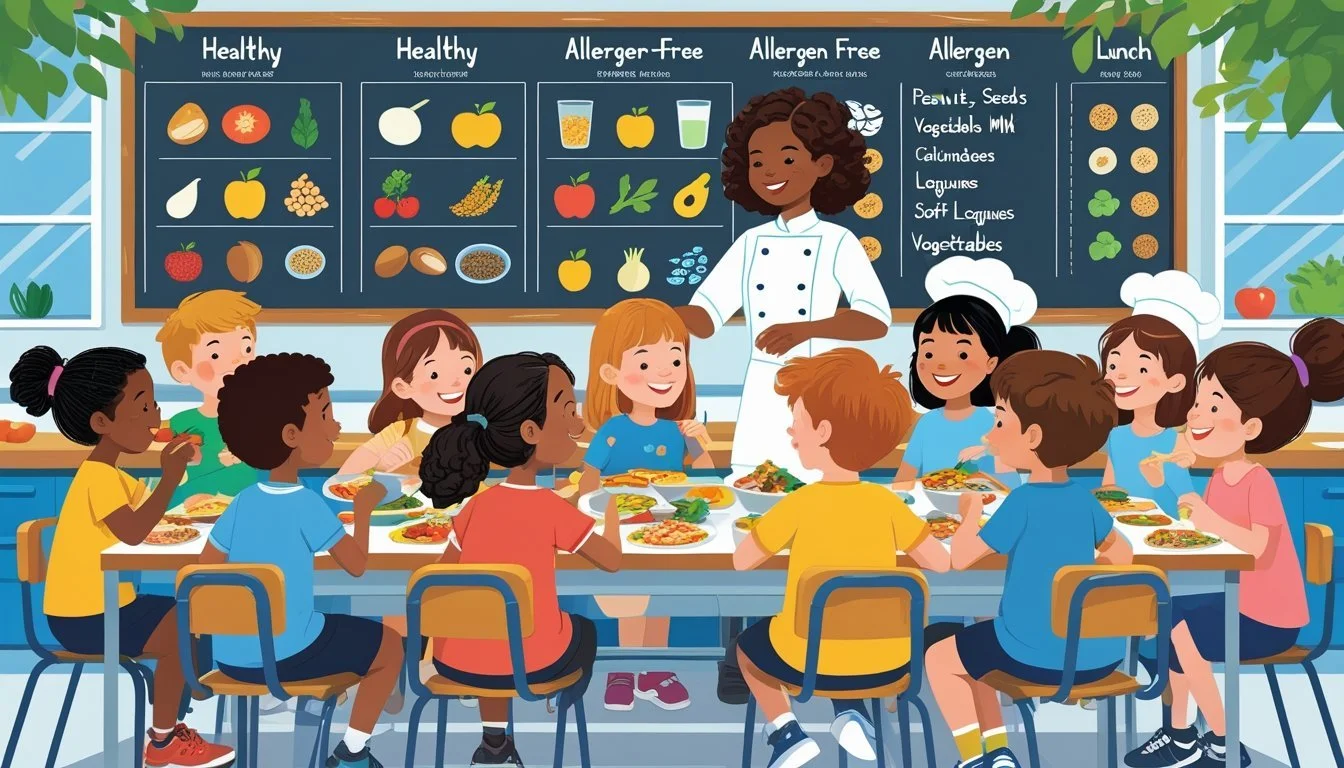
Replacing high-allergen ingredients in school lunches requires careful planning to avoid exposure while meeting students’ nutritional needs. School nutrition staff must make informed substitutions, ensure food safety, and maintain variety in meals to support children with allergies.
Substituting for Peanut Butter and Peanut Products
Peanut allergies are common and can be life-threatening, so eliminating peanut butter is essential. Sunflower seed butter and soy nut butter are popular substitutes that are creamy and easy to spread, offering similar protein content. Always check for cross-contamination labels when purchasing these products.
For those who cannot use seeds or soy, pureed chickpea (hummus without sesame) or pea protein spreads offer another alternative. Some schools have used fruit spreads or apple butter, though these typically lack protein. A table comparing major peanut butter replacement options can help staff choose:
Substitute Protein (per 2 tbsp) Contains Top 9 Allergens? Sunflower seed butter 7g No Soy nut butter 6g Yes (soy) Chickpea spread 2-3g Sometimes (sesame)
Replacing Milk, Egg, and Wheat Ingredients
Milk, egg, and wheat are leading causes of allergic reactions in children. For milk, nutrition staff can use rice, oat, or soy milk—each suitable for different allergy profiles. Use vegan margarine or olive oil instead of butter and check labels for hidden dairy proteins.
For egg-free baking, unsweetened applesauce, mashed bananas, or commercial egg replacers can give moisture and binding. In cooking, flaxseed meal mixed with water acts as an egg substitute. For wheat, gluten-free bread, rice cakes, or corn tortillas are safe alternatives. When selecting these foods, confirm they are certified gluten-free to avoid cross-contamination.
Introducing Allergen-Free Meal Planning
Creating an allergen-free lunch menu requires collaboration among food service staff, families, and school nurses. Rotational meal planning can decrease the risk of accidental exposures by ensuring strict ingredient controls. Menu boards and recipes should clearly state that they are free from common allergens.
Offer a designated allergen-safe prep area and use color-coded kitchen tools to prevent cross-contact. Provide staff with regular training on reading labels, cleaning procedures, and emergency protocols. Schools can use sample templates or checklist forms to document allergen-free meal components and sources.
Ensuring Adequate Nutrition with Alternatives
Managing food allergies involves more than replacement; it requires maintaining balanced, healthy meals. Substitute proteins (e.g., legumes, quinoa, seeds) provide essential amino acids, but menu planning should ensure enough iron, calcium, and vitamins are sourced as well. For instance, fortified plant-based milks supply calcium and vitamin D.
To help students meet fiber and nutrient needs, include a variety of fruits, vegetables, and whole grains. Engage a registered dietitian to periodically review menus. Track student feedback and participate in taste tests with safe ingredients to ensure meals remain appealing and adequately nutritious.
Implementing Allergen-Safe Lunch Protocols in Schools
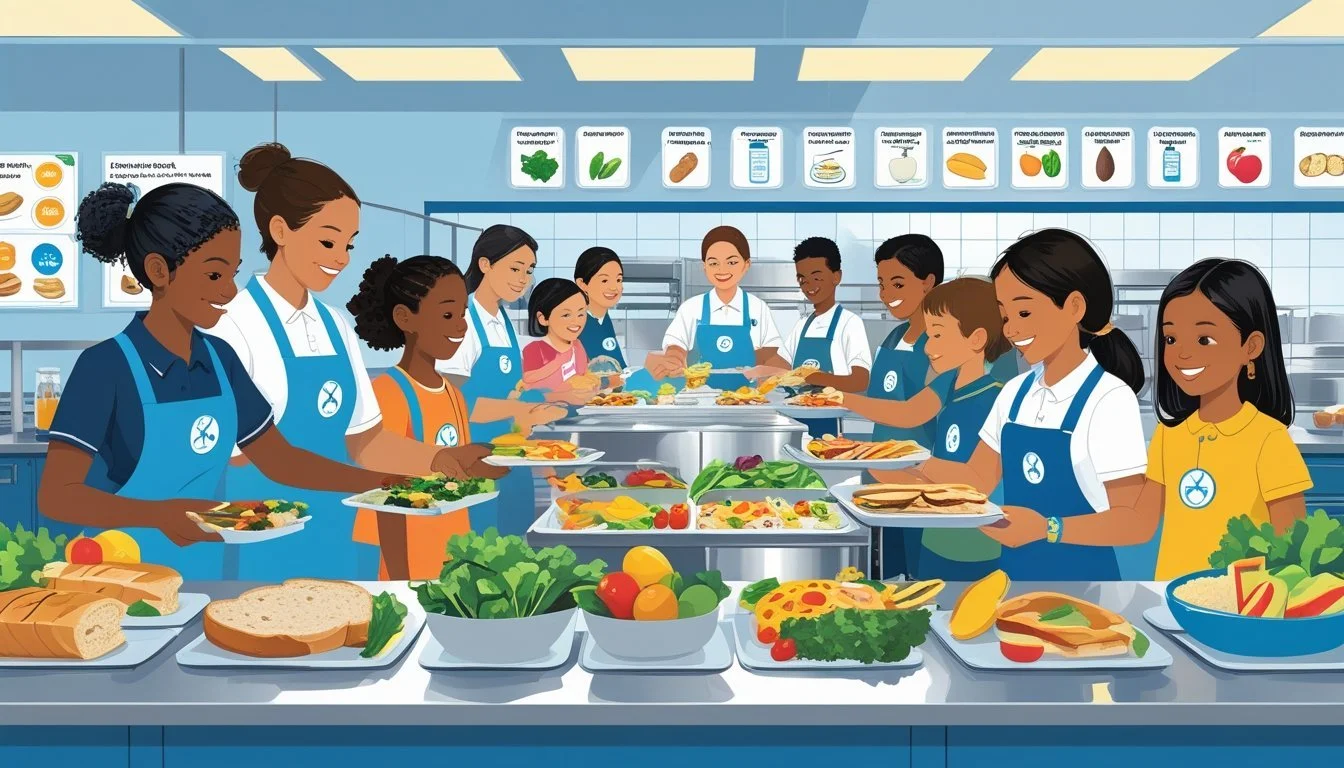
Developing effective allergen-safe lunch practices relies on thorough staff preparation, transparent food labeling, and strict food safety measures during meal services. These steps help schools protect students with allergies and support compliance with established policies and federal requirements.
Staff Training and Food Handling Procedures
Nutrition staff must receive annual training on recognizing food allergens, safe food handling, and emergency response procedures. Training should include practical steps, such as preventing cross-contact by using separate utensils and surfaces for allergen-free meals.
Staff should regularly update and review emergency plans, ensuring that all cafeteria personnel know how to administer epinephrine and act quickly if a reaction occurs. Involving all kitchen staff, not just managers, is essential to maintaining a consistent protocol.
Compliance with students’ 504 plans and healthcare action plans must be verified. These plans guide accommodations and substitutions for students with documented allergies, setting expectations for safe meal management across the school nutrition program.
Labeling and Communication Strategies
Clear and accurate ingredient labeling is critical in preventing accidental allergen exposure. Schools benefit from using visible, easy-to-read labels on all cafeteria foods, including packaged and prepared items. Allergen information should highlight the presence of common allergens (milk, eggs, peanuts, tree nuts, wheat, soy, fish, shellfish) using bold or colored text.
Communication extends to parents and guardians, who should receive up-to-date ingredient lists and menu changes. Schools are encouraged to establish a systematic process for families to raise concerns or request special dietary accommodations.
Staff should understand and communicate the limitations of allergen-free menus, emphasizing transparency about food production and preparation risks. Open channels for feedback, such as regular meetings or contact forms, help maintain trust between families and school administrators.
Food Safety in the Cafeteria
Ensuring food safety requires schools to implement standard procedures that reduce allergen risks during meal service. Separate preparation areas for allergen-free foods help minimize cross-contact. Allergen-free tables may be established based on 504 plan requirements or individual risk assessments.
Frequent cleaning of serving equipment and dining areas with appropriate sanitizers limits the likelihood of allergen residue contamination. Routine monitoring helps verify protocol adherence.
Nutrition staff should store allergen-containing ingredients in clearly marked containers, away from allergen-free foods. Ongoing supervision during meal service reinforces safe practices and allows for quick intervention if there are questions or concerns about food safety.
Supporting Students and Families with Food Allergies
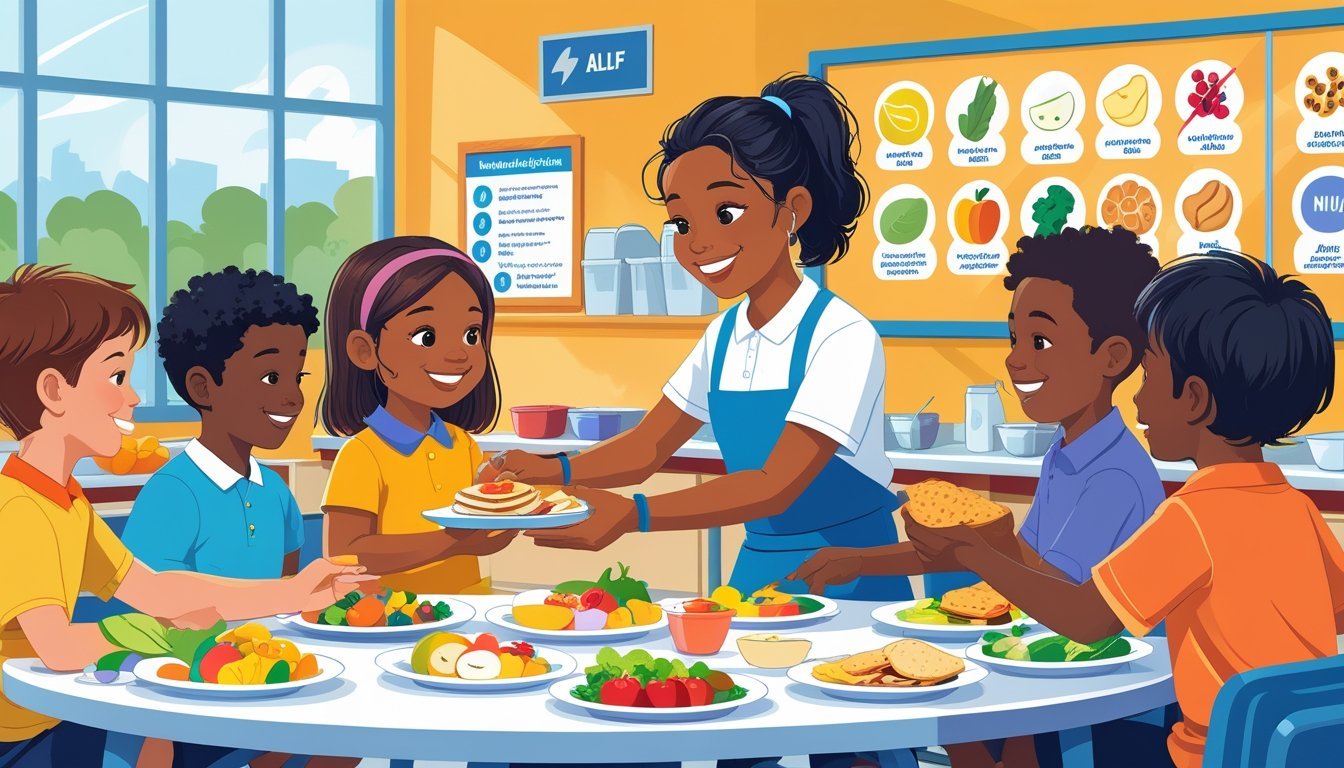
Effective management of food allergies in schools requires clear communication, documented care plans, and strategies to remove allergens from learning environments. Schools can reduce risks, support student participation, and ease family concerns by fostering partnerships and prioritizing safe practices.
Collaboration Between Schools and Parents
Schools and parents often coordinate to develop individualized health plans, such as 504 plans or Emergency Care Plans (ECPs), for students with known food allergies. These plans outline necessary accommodations, meal substitutions, and emergency protocols.
Open communication is essential. Schools should hold meetings at the start of each school year to review each student’s allergy documentation and update any changes.
Key points to address include:
Certifying that cafeteria staff receive up-to-date allergy information
Ensuring meal substitutions are safe
Providing staff training on recognizing and responding to allergic reactions
Shared responsibility helps prevent exposure and ensures prompt action if an incident occurs.
Role of Child Care Providers
Child care providers must understand each child’s specific allergens and emergency needs before the child enters their care. Providers should have access to emergency care plans and be trained to use epinephrine auto-injectors if needed.
It is important for providers to avoid cross-contact during food preparation and meal service. Label reading and ingredient tracking must be routine, not occasional.
Providers can use tables to document and monitor:
Allergen Symptoms Emergency Actions Peanut Hives, swelling Use epinephrine, call 911 Milk Wheezing, rash Use rescue inhaler, contact parents
Regular communication with parents about any exposure or incidents further promotes a safe environment for children with food allergies.
Incorporating Non-Food Rewards
Switching to non-food rewards reduces accidental allergen exposure and keeps all students included. Common non-food rewards include extra recess time, stickers, classroom privileges, and small toys.
Schools can introduce a reward menu, letting students select from options that do not involve food. This practice removes the need for ingredient checks and food substitutions in celebrations or classroom incentives.
Posting clear policies about non-food rewards in classrooms and newsletters sets expectations for staff, students, and families. This approach also supports inclusive participation for children with dietary restrictions or allergies.
Monitoring, Record-Keeping, and Continuous Improvement
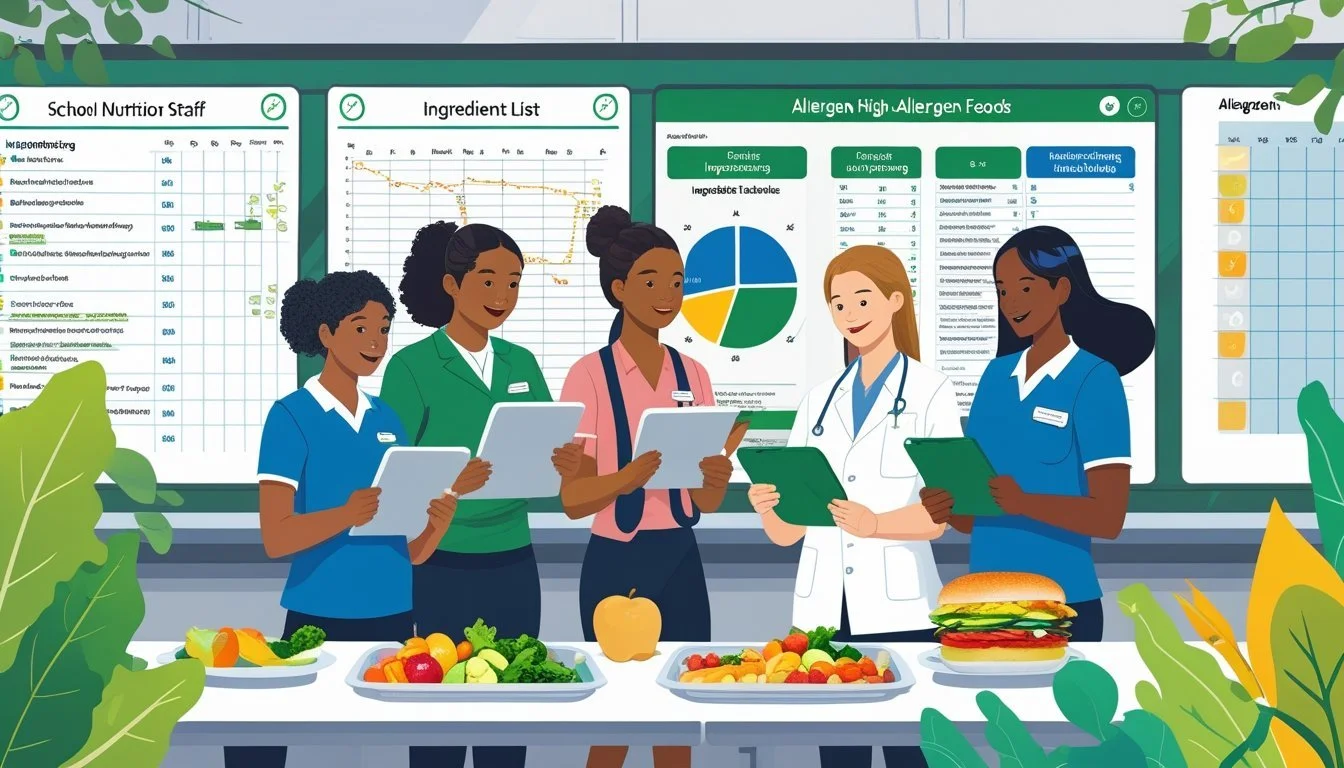
Effective management of food allergies in schools depends on systematic tracking and regular policy reviews. Both allergen incident documentation and adapting nutrition policies are crucial for safeguarding student health.
Tracking Allergen Incidents
Recording and analyzing allergen incidents in school lunch programs ensures issues are quickly identified and addressed. Schools should maintain clear logs that include:
Date and time of the incident
Type of allergen involved
Symptoms exhibited
Actions taken
Outcome and follow-up steps
All staff must know how to report incidents. Frequent reviews of this data can reveal patterns, such as recurring allergens or procedural gaps. This allows food allergy management teams to make timely, targeted adjustments.
Automated tracking systems or digital forms can assist with accurate record-keeping. Sharing summary reports with school nurses, nutrition staff, and administrators supports coordinated responses and ongoing student safety efforts.
Updating Nutrition Policies
Regular updates to school nutrition policies are essential as ingredient lists, vendor options, and allergy research change over time. Policy reviews should occur at least once per school year, and whenever new allergen risks or student needs are identified.
Input from parents, medical professionals, and food service staff can strengthen policy changes. Clear documentation and communication help ensure all staff understand new procedures concerning high-allergen foods.
School districts may use checklists or flowcharts to standardize policy updates. Training sessions and accessible reference materials can further support consistent implementation, helping to minimize allergen exposure for students with food allergies.

