
How Food Substitutes Reflect Cultural Values and Shape Dietary Practices

Food substitutes are a mirror of cultural values, reflecting how societies adapt traditional food practices to meet new beliefs, needs, and identities. When a community chooses or creates a substitute—like plant-based dairy in cultures valuing veganism, or halal meats for religious observance—it reveals what matters most to them, such as health, ethics, or religious identity. These choices not only shape the flavors on the plate but also reinforce the shared priorities and beliefs of that culture.
The relationship between food and identity becomes even more apparent when considering how people respond to changing circumstances, from globalization to dietary restrictions. By selecting certain substitutes, individuals demonstrate an understanding of their heritage while navigating a changing world. This connection between food choices and cultural values highlights the dynamic nature of food culture and what it means to belong.
The Relationship Between Food Substitutes and Cultural Values

Food substitutes are shaped by the cultural environment in which they develop. Their use often signals deeper attitudes toward identity, tradition, and beliefs, making them a visible marker of the values held by a society.
How Food Choices Reflect Cultural Identity
Food serves as a powerful symbol of cultural identity. When communities adopt substitutes such as plant-based meat alternatives or gluten-free grains, these changes reflect shifts in values and social priorities.
Substituting one ingredient for another can preserve traditional dishes while accommodating health trends, availability, or ethical concerns. For example, using tofu instead of meat in classic recipes allows people to uphold traditional culinary forms while expressing contemporary values such as environmental sustainability.
Examples:
Vegan “cheese” in Italian-American cuisine
Rice noodles replacing wheat noodles in gluten-free diets
Insect-based proteins and other alternatives also gain popularity in societies where sustainability and resource efficiency are valued.
The Meaning of Tradition and Culinary Practices
Tradition plays a significant role in how food substitutes are received and integrated. Some societies are more open to change, accommodating new ingredients into established cooking styles, while others maintain strict adherence to historical recipes.
Introducing food substitutes can be a way to honor the spirit of a dish even when original ingredients are unavailable. For example, immigrants often adapt recipes using local substitutes, allowing them to maintain a connection to their heritage while adapting to a new environment.
Lists of traditional substitutions:
Cassava flour for wheat flour in African diaspora cooking
Tempeh for pork in Indonesian dishes where dietary shifts occur
The willingness to adapt tradition often signals broader cultural values related to flexibility and preservation.
Influence of Religion and Dietary Restrictions
Religious beliefs and associated dietary laws are key drivers in the adoption of food substitutes. Many religions prescribe restrictions or call for specific ingredients, creating a demand for culturally acceptable alternatives.
In Judaism, kosher substitutes for non-kosher foods (such as parve desserts instead of dairy-based ones) allow adherents to enjoy familiar dishes within religious guidelines. In Islam, halal-certified plant-based meat enables observant Muslims to participate in global food trends while upholding their faith.
Major examples include:
Religion Substitution Example Value Expressed Hinduism Paneer for meat Non-violence, purity Judaism Margarine for butter Kosher observance Islam Halal tofu for pork Dietary law adherence
These practices illustrate how food substitutes support religious identity and values across diverse societies.
Traditional Diets and the Evolution of Food Substitutes

Traditional diets are shaped by environmental factors, cultural heritage, and social practices. As communities have changed due to migration, modernization, and global trade, their food traditions have evolved through adaptation and creative substitutions.
Preserving Food Traditions Through Substitutions
Cultures often seek to maintain their food traditions even when key ingredients are unavailable. People may use local or similar items as substitutes while preserving dish identities.
For example, cassava leaf stew eaten in West Africa might be recreated in the diaspora using spinach or collard greens instead of cassava leaves. These changes allow immigrant communities to maintain a connection to their culinary roots.
Using substitutes helps retain symbolic flavors and preparation methods. Such adaptations contribute to the continuity of identity and ritual, even across generations or in new locations.
Adaptation of Traditional Recipes
Traditional recipes evolve to suit changing supplies and preferences. In regions where rice is a dietary staple but becomes scarce, cooks might replace it with barley, millet, or maize.
Lists of common substitutions include:
Butter replaced by oil in baking when dairy is not accessible.
Meat replaced by legumes in stews during times of scarcity or dietary restrictions.
Herbs swapped for what is seasonally available.
These changes highlight resilience and flexibility in traditional cooking, ensuring that meals can be prepared with available resources while still honoring original techniques and tastes.
Impact of Migration on Food Practices
Migration pushes communities to adapt their meals to new environments, often blending host and origin cuisines. Migrants typically encounter unfamiliar ingredients and tools, prompting creative solutions in meal preparation.
A clear example is the adaptation of traditional dumplings; wheat flour may be swapped for local flours if wheat is not readily found in the new country. Spices central to home cooking may be replaced by local herbs or blends.
Such changes reflect practical needs but also reinforce cultural identity, with families passing modified recipes to future generations. Food substitutions in diaspora settings serve as a visible marker of both adaptation and the desire to stay connected to inherited food ways.
Globalization and Cultural Exchange in Food Substitutes
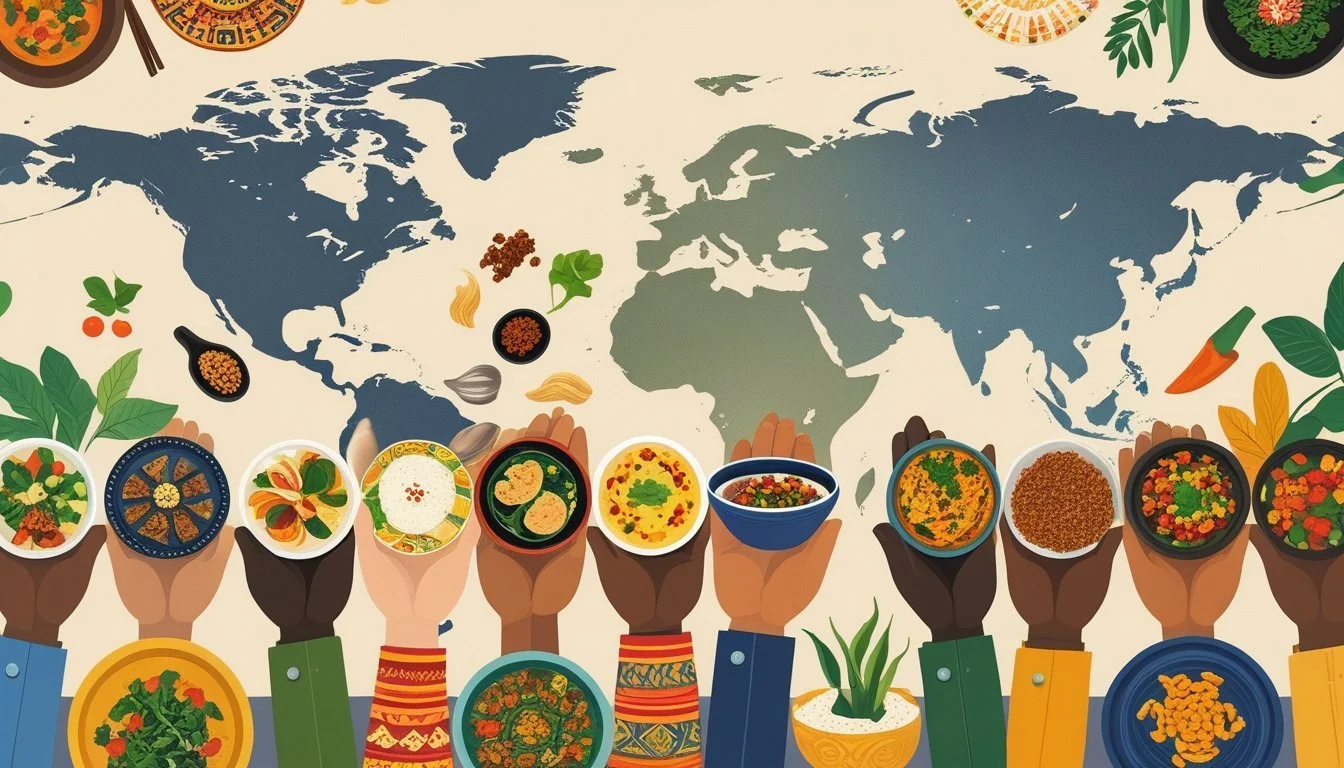
As food substitutes become more widespread, they often reflect patterns of migration, international trade, and shifting preferences for both traditional and modern food options. The increased movement of people and products has led to new blends of cuisines and attitudes, while also affecting the use and availability of local ingredients.
Global Cuisines and Food Diversity
Globalization has expanded the reach of many cuisines, making dishes and their substitutes accessible across continents.
Fusion foods—like sushi burritos or Korean tacos—highlight how culinary traditions blend and adapt.
Food substitutes, such as tofu in place of meat or quinoa instead of rice, expose eaters to new textures and flavors. Fast-food chains and supermarkets introduce diverse alternatives, allowing individuals to try different cultural staples.
This access supports dietary flexibility and encourages the wider acceptance of non-native food products.
Popular Food Substitutes Original Ingredients Country or Region Origin Tofu (soy protein) Meat East Asia Quinoa Rice, wheat South America Paneer Animal meat Indian Subcontinent
Exposure to such diversity also creates opportunities for local cuisines to evolve.
Cultural Attitudes Toward Imported Foods
Attitudes toward imported food substitutes can vary widely, shaped by tradition, national identity, or perceived health benefits.
Some societies are enthusiastic about adopting foreign flavors and ingredients. Others might resist, viewing imports as threats to traditional foodways.
For example, plant-based burgers and dairy alternatives receive a positive reception in cities that prioritize health trends or environmental sustainability.
Meanwhile, in regions with strong food traditions, such as parts of Italy or Japan, imported alternatives might face skepticism.
These reactions often highlight broader cultural values, from openness to foreign ideas to the desire to conserve culinary heritage.
Choice of substitutes can therefore become a reflection of both curiosity about the world and concern for maintaining tradition.
Impact of Globalization on Local Ingredients
Globalization can benefit local producers by creating demand for special ingredients, but it can also put pressure on traditional crops.
The mass availability of substitutes like soy, wheat, or potato-based products sometimes displaces native grains, legumes, or vegetables.
Small-scale farmers may shift cultivation to meet international demand, sometimes at the expense of indigenous varieties.
This trend can erode biodiversity and threaten local food security if traditional plants are abandoned.
At the same time, renewed interest in exotic and heritage ingredients—such as ancient grains or regional spices—can help revive and sustain local food culture.
Some communities actively promote their unique ingredients as an answer to the growing similarity of global cuisine, reinforcing a distinct cultural identity within the broader process of exchange.
Health, Nutrition, and Socioeconomic Factors
Food substitutes reveal much about cultural priorities, prevailing health conditions, and the relationship between economic status and food access. Patterns of use often change with availability, public health shifts, and differing levels of food security.
Nutritional Status and Health Outcomes
The nutritional quality of food substitutes directly affects health outcomes. Some substitutes provide essential nutrients and beneficial fiber, while others may have lower vitamin and mineral content or more additives.
Health professionals regularly monitor the nutrition transition, which involves a shift from traditional diets to more processed alternatives. This transition can alter portion sizes and increase the risk of obesity, diabetes, and other chronic diseases.
Portion size changes are common during dietary shifts. Substitutes with higher energy density or added sugars can increase calorie intake without improving nutrition. Selecting substitutes requires careful attention to the dietary needs of the population.
Socioeconomic Impact on Food Access
Socioeconomic status is a key influence on which foods, and, by extension, which substitutes, people choose. Lower-income groups may rely more heavily on affordable but less nutritious substitutes.
Higher-income areas tend to offer a wider selection of healthier alternatives. Affordability shapes not only what is purchased but also the nutritional profile of diets across different communities.
In many settings, food prices and household income define whether families can access fresh foods or must depend on processed substitutes. This dynamic demonstrates how economics and nutrition are deeply interconnected.
Role of Food Insecurity and Food Deserts
Food insecurity and food deserts exacerbate reliance on certain types of food substitutes. In food deserts, where access to fresh produce is very limited, residents turn to processed or shelf-stable substitutes.
This shift can lead to poorer overall nutritional status. High rates of food insecurity are linked with increased risk for health problems tied to diets rich in sodium, sugar, and saturated fats from substitutes.
Community-level interventions, such as subsidized healthy foods or mobile produce markets, attempt to address these gaps. The effectiveness of these strategies highlights the importance of both availability and affordability in shaping nutritional health outcomes.
Sustainability and the Environmental Impact of Food Substitutes
Food substitutes play a key role in reducing the environmental footprint of diets. They also present opportunities for minimizing waste and supporting resilient food systems that can respond to climate challenges.
Sustainable Food Systems and Local Sourcing
Adopting plant-based and alternative proteins can decrease resource demands when compared to traditional livestock farming. Crops for meat substitutes typically require less land and water and result in fewer pollutants entering soil and water systems.
Local sourcing and the use of community gardens can further enhance sustainability. Foods grown and consumed locally often have lower transportation emissions and support the economic health of local communities. The integration of regionally adapted crops and culturally relevant substitutes helps align sustainable practices with community values.
Building a sustainable food system through these methods requires collaboration between producers, consumers, and policymakers. Emphasis on crop diversity, regenerative agriculture, and responsible sourcing strengthens resilience to climate variability and market shocks.
Reducing Food Waste Through Substitution
Food substitutes can contribute to reducing food waste in several ways. Many alternative proteins have a longer shelf life than fresh meat or dairy, which can lower spoilage in households and retail environments.
Processed substitutes, like plant-based burgers, often use crop leftovers or by-products that might otherwise be discarded, increasing overall yield from agricultural production. Substitutes tailored for dietary restrictions further ensure fewer products are wasted due to spoilage or inaccessibility.
Efficient supply chain management and consumer education around substitutions support waste reduction. Small-scale initiatives, such as surplus produce in community gardens being used for plant-based foods, also demonstrate practical ways to redirect excess yield.
Climate Change and Greenhouse Gas Emissions
Animal-based food production is a major source of greenhouse gas emissions, contributing significantly to climate change. Transitioning to plant-based proteins and other food substitutes can lead to substantial reductions in emissions. According to research, farming activities can account for 61-81% of the food system’s greenhouse gases.
Substituting high-carbon foods with lower-impact alternatives reduces methane, nitrous oxide, and carbon dioxide outputs. Many plant-based alternatives, like legumes and grains, produce far less methane than beef or dairy cattle.
A table summarizing emissions reductions from common substitutions:
Food Replaced Substitute Emission Reduction (%) Beef Lentils ~90 Pork Tofu ~75 Cheese Soy Cheese ~50
Widespread adoption of these substitutions is aligned with national targets for emissions reduction and climate policy. Aligning food choices with climate goals is achievable with informed substitution.
Cultural Significance of Specific Food Substitutes
Food substitutes reveal how societies maintain or adapt culinary practices in response to changing resources, beliefs, and global influences. Examining staple foods, dietary shifts, and the spread of certain dishes helps clarify how values are expressed and maintained through what people choose to eat.
White Rice in Japanese Food Culture
White rice is central in Japanese cuisine, symbolizing purity, prosperity, and social harmony. As the main component of meals like sushi or as a side to ramen, white rice is more than a carbohydrate; it is intertwined with ceremony, tradition, and daily life.
When alternatives like brown rice or multigrain rice are used, especially in modern Japanese households, these choices reflect shifting attitudes toward health and Western dietary trends. Yet, white rice remains a default choice in many traditional dishes and rituals due to its cultural symbolic weight.
Table: White Rice vs. Substitutes in Japan
Use Traditional (White) Substitute (Brown/Grain) Everyday meals Preferred Increasing in health-focused homes Ceremonial/ritual Required Rarely used
The enduring preference for white rice demonstrates how food substitutes do not always fully displace culturally valued staples.
Mediterranean Diet and Its Global Influence
The Mediterranean diet, rooted in countries like Italy, Greece, and Spain, centers around olive oil, legumes, vegetables, fish, and whole grains. As this diet has gained international popularity, local adaptations often substitute olive oil with other fats or incorporate local produce in place of traditional ingredients.
These substitutions reflect both a respect for Mediterranean eating principles—such as prioritizing plant-based foods—and the integration of regional taste preferences. For example, in North America, quinoa or avocados might replace traditional Mediterranean staples due to availability and health perceptions.
Key substitutions:
Olive oil replaced with canola or sunflower oil
Legumes like lentils swapped for locally grown beans
Fresh Mediterranean herbs replaced with dried or different regional varieties
Such adaptations reveal how the core values of health, variety, and freshness are maintained, while flexible ingredient swaps recognize local conditions.
The Rise of Vegetarianism Across Cultures
Vegetarianism has expanded far beyond its historical origins in South Asia and among certain religious groups. In the UK and US, vegetarian substitutes—such as plant-based meats, tofu, or legumes—appeal to environmental, ethical, and health motivations.
Traditional dishes, like Japanese ramen, are now frequently offered with vegetarian broths and meat substitutes. This shift is guided by growing demand for animal-free options while trying to preserve the essence of classic flavors and textures.
Common vegetarian substitutes:
Meat analogues in burgers, ramen, and sausages
Tofu or tempeh replacing meat in stir-fries and curries
Mushroom and legumes as hearty stand-ins in stews and soups
These developments illustrate how food substitutes can be used to honor culinary heritage while accommodating new ethical standards and preferences.
Food Substitutes, Identity, and Community
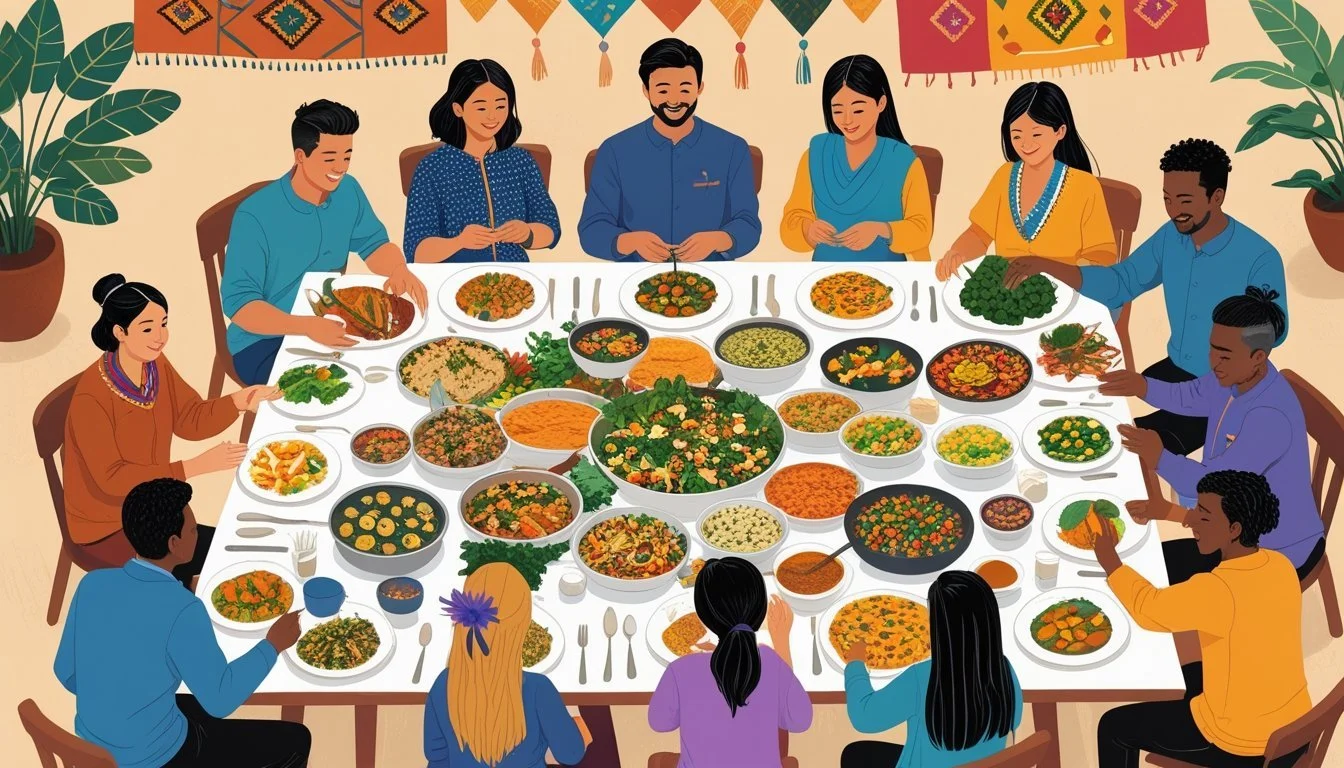
Food substitutes often reinforce cultural identity and foster a sense of belonging. These adaptations in ingredients and recipes preserve traditional meanings while allowing for inclusion across diverse groups.
Role of Communal Dining in Cultural Inclusion
Communal dining connects individuals through shared meals, even when food substitutes are used. For example, during religious feasts or festivals, communities often adapt traditional recipes for those with dietary restrictions, ensuring no one is excluded. This creates a sense of unity and reinforces community bonds.
Kosher, halal, or vegetarian substitutes allow everyone at the table to participate fully in cultural events. This practical approach supports inclusion, especially in multicultural settings where traditions vary.
A simple table of examples:
Occasion Common Substitute Purpose Passover Seder Gluten-free matzo Celiac inclusion Diwali Feast Dairy-free sweets Lactose intolerance Ramadan iftar Non-alcoholic drinks Religious observance
Substituting ingredients does not diminish the significance of shared meals. Instead, it demonstrates how communities value participation and foster belonging.
Culinary Arts as Preservation of Identity
Culinary arts act as a safeguard for cultural identity, even when ingredients change. Skilled cooks adapt recipes when local or traditional items are unavailable, using substitutes that still preserve the heritage and intent of a dish.
For instance, immigrants might swap native vegetables for locally available ones while maintaining original cooking methods. This adaptation keeps the essence and storytelling behind recipes alive.
By documenting substitute techniques and modifications, communities preserve knowledge for future generations. Culinary schools and family traditions often teach both the original and adapted forms of recipes, highlighting the importance of flexibility without losing cultural significance. This approach helps cultural identity endure, even as foodways change.
Gender, Power Dynamics, and Food Practices
Food practices are closely connected to gender roles and social hierarchies in many cultures. These dynamics shape who prepares, serves, and decides on foods, including the adoption of substitutes, and reveal broader social norms about authority and identity.
Gender Roles in Meal Preparation
In numerous communities, meal preparation remains primarily the responsibility of women. This division of labor is reinforced by socialization, where cooking and food management are seen as a central part of female identity.
Historical patterns show that men may be more involved in food production and procurement, while women handle meal planning, preparation, and serving. This allocation often persists across generations, establishing expectations about taste, health, and nutrition.
Common influences on gendered cooking roles include:
Family tradition and cultural norms
Access to kitchen spaces and culinary resources
Customs regarding hospitality and care
Women are frequently the arbiters of introducing new food substitutes or adapting recipes, demonstrating their central role in shaping dietary change.
Power Dynamics in Culinary Traditions
Power dynamics are evident in decisions about what foods enter the household, who controls food budgets, and how new culinary trends are adopted. Authority in these matters often mirrors broader hierarchies, with elders or male heads of households exerting control over ingredient choices and spending.
Ethnic and local food traditions may privilege certain groups or reinforce gender hierarchies. For example, men's preferences might dominate festive menus, whereas women’s dietary needs receive less consideration.
The embrace or rejection of food substitutes sometimes reflects negotiations of status or resistance to cultural change. Changing food practices can become a site where gender and power are contested, illustrating broader shifts in societal values.
Language and Representation in Food Substitutes

The way people talk about food substitutes often highlights cultural attitudes toward dietary needs and culinary innovation. Cultural preferences and local vocabulary can influence both the creation and acceptance of substitute ingredients.
Food Vocabulary and Cultural Narratives
Food vocabulary offers insights into how societies interpret and adapt new ingredients. For example, Italians use detailed terminology for pasta shapes, reflecting their deep cultural connection to specific foods. In contrast, substitute products tend to acquire names that either mimic traditional dishes—like "plant-based burger"—or directly signal their deviation, such as "imitation crab."
Communities may adopt or reject food substitutes based on how well these products fit into existing culinary narratives. Words and descriptions can frame substitutes positively—as creative adaptations—or negatively, as lesser versions of the original. This language not only affects individual food preferences but can also influence larger dietary patterns.
A table comparing typical food vocabulary:
Culture Traditional Vocabulary Substitute Example Italian Penne, ravioli, fusilli "Vegan bolognese" Japanese Udon, soba, natto "Konjac-based noodles" North American Burger, steak, cheese "Plant-based burger"
Representation of Cultures in Singapore's Cuisine
Singapore's cuisine is defined by its blending of Chinese, Malay, Indian, and Western influences. Food substitutes are often chosen and named to reflect both ethnic diversity and sensitivity to dietary requirements, such as halal or vegetarian diets.
Local dishes, such as vegetarian laksa or mock chicken rice, use substitute ingredients while retaining original flavors and presentation. Singaporean food vocabulary adapts to encompass new products, signaling openness to culinary innovation yet maintaining strong ties to traditional dishes.
Lists of common substitutes include:
Soy-based "fish" balls in hawker centers
Plant-based renditions of classic satay and curry puffs
Rice- or tapioca-based noodles for gluten-free options
This approach allows consumers to enjoy diverse diets while upholding the cultural emphasis on communal dining and food heritage.

