
The Minimalist Pantry: How Fewer Ingredients Enhance Cooking Skills and Flavor
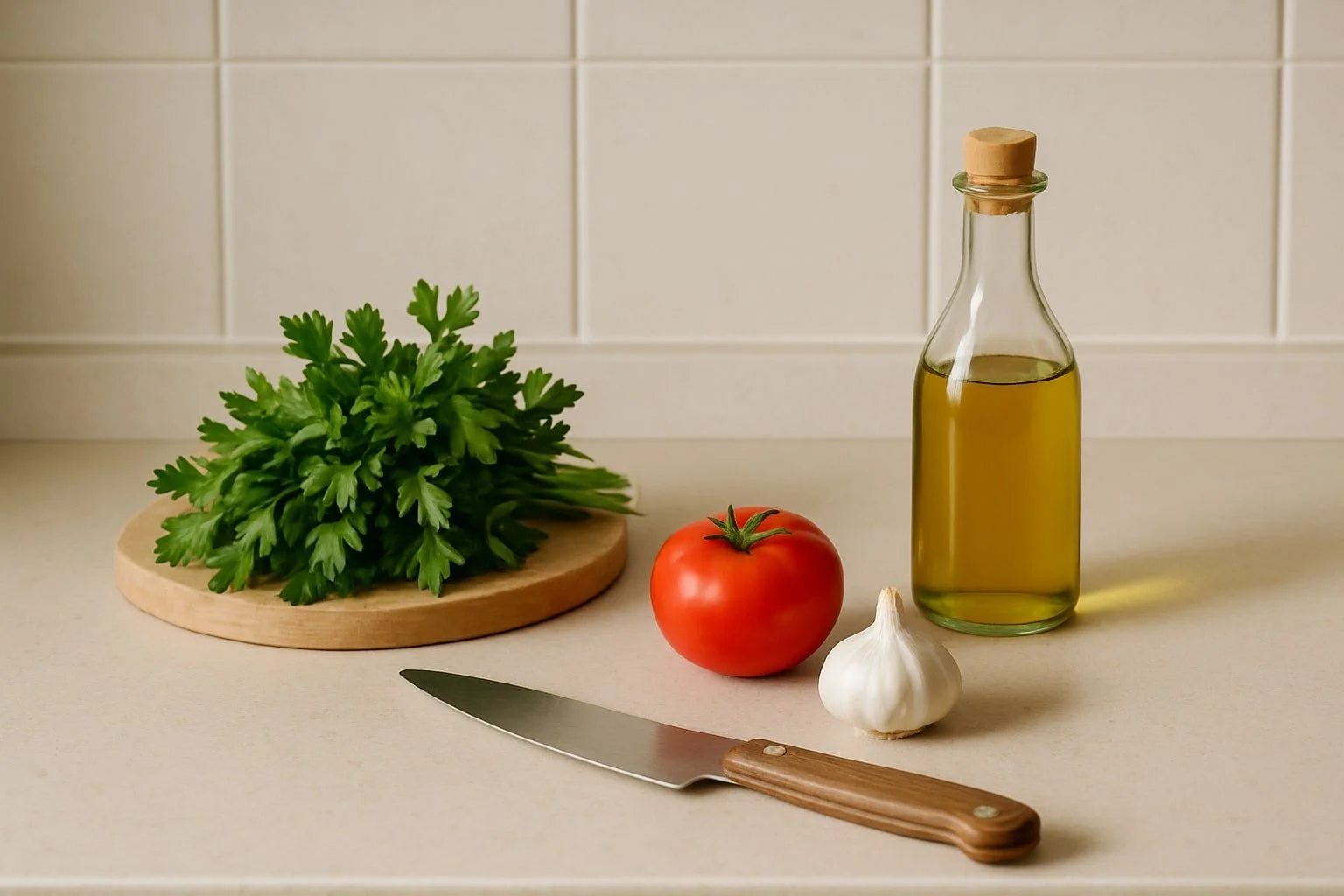
Building a minimalist pantry isn’t about having less just for the sake of it, but about making intentional choices that support simpler, more effective cooking. By focusing on fewer, versatile ingredients, cooks can reduce waste, save money, and create better meals with less stress. This approach helps clarify meal planning and enables anyone to quickly see what’s available and what’s truly needed.
Instead of a cluttered pantry with unused or forgotten items, a minimalist pantry prioritizes staples that actually get used. With a smaller selection, cooks learn to be more creative and flexible, making it easier to adapt recipes and try new things without feeling overwhelmed by choices. This shift builds practical skills and encourages a sense of confidence in the kitchen, showing that less can truly be more.
The Principles of a Minimalist Pantry
A minimalist pantry relies on a small set of versatile and high-quality ingredients, streamlining meal preparation and simplifying storage. This approach emphasizes intentional choices, reducing excess and focusing on making every item count in daily cooking.
Embracing Simplicity In Cooking
Minimalism in the kitchen means prioritizing ease and reducing clutter—both in ingredients and in workflow. Home cooks benefit by relying on fewer staple items that serve multiple functions, which eases both decision-making and cleanup.
A minimalist pantry eliminates the need to manage dozens of specialty items, making it easier to see what is available at a glance. This encourages cooks to become creative with what they have rather than constantly acquiring new products.
The reduced selection shapes habits and cooking skills, moving away from relying on prepackaged mixes or complex recipes that require specific ingredients. Instead, cooks learn to prepare everyday meals from scratch, building skill and confidence with a handful of core ingredients.
Essential Benefits of Minimalism In the Kitchen
A minimalist pantry saves time when planning meals, shopping, and cooking. Maintaining a lower inventory level means ingredients do not go unnoticed or expire unused. It limits food waste and keeps storage simple and uncluttered.
By focusing on essentials, individuals avoid impulse buying and reduce unnecessary spending. This leads to a more intentional grocery routine and prevents stockpiling foods that will rarely be used.
A minimalist kitchen is also quicker to clean and organize. With clear categories for staples—such as grains, canned goods, oils, and spices—finding what is needed becomes straightforward. Each item is chosen for its frequency of use and compatibility with multiple dishes.
Quality Over Quantity: Choosing Ingredients
In a minimalist pantry, ingredient selection matters more than variety. The focus is on stocking a reliable set of high-quality ingredients that can be used across different cuisines and meals.
Core ingredient categories include:
Category Examples Grains Rice, oats, pasta Proteins Beans, lentils, canned fish Canned Goods Tomatoes, broth Condiments Olive oil, vinegar, soy sauce Spices Salt, pepper, garlic, cumin
Choosing fewer but better products—such as extra-virgin olive oil or fresh spices—enhances the flavor of simple dishes. By investing in fresh vegetables and quality pantry staples, a minimalist kitchen makes even basic recipes taste satisfying and complete.
Building Your Minimalist Pantry
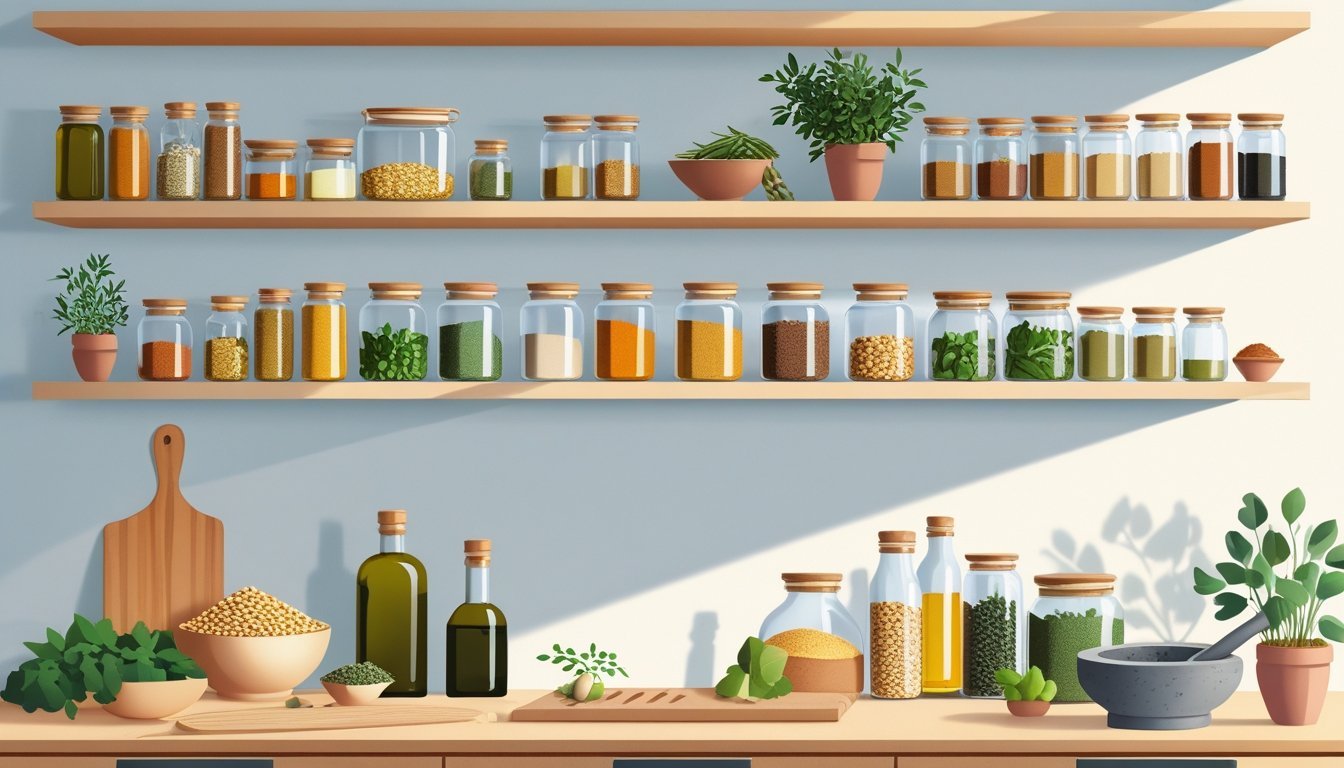
A minimalist pantry centers on carefully chosen staples, versatile key ingredients, and clear organization. Focusing on quality and multipurpose items helps reduce waste and streamlines meal preparation.
Core Pantry Staples
Every minimalist pantry starts with a set of core ingredients used in a wide range of recipes. These usually include olive oil, salt, and pepper as foundational items. Whole grains such as rice or oats, canned goods like beans and tomatoes, and a selection of dried pasta are also essential.
Baking supplies such as flour, sugar, and baking powder allow for simple baking needs. A small collection of vinegars and condiments like soy sauce or mustard can elevate flavor without clutter.
A concise list looks like this:
Category Examples Oils Olive oil, vegetable oil Grains Rice, oats, pasta Canned Goods Beans, tomatoes Condiments Vinegar, soy sauce Baking Supplies Flour, sugar, yeast Spices Salt, pepper, paprika
Keeping this list targeted supports efficient grocery shopping and an organized pantry.
Selecting Key Ingredients For Versatility
Minimalist pantries rely on ingredients that serve multiple functions and fit a range of dishes. Olive oil can be used both for sautéing and as a salad dressing base. Dried beans or lentils work in soups, stews, and salads, maximizing their value.
Choosing pantry staples based on versatility simplifies meal planning. Salt and pepper are basic seasonings that complement nearly every dish. Canned tomatoes can form the base for sauces, soups, and casseroles.
Aim for ingredients with a long shelf life and wide applicability. Baking supplies like flour are not just for baking bread but also for thickening sauces or coating proteins. Stocking these kinds of items ensures fewer, but more useful, ingredients on hand.
Organizing For Accessibility
Organization is vital for a functional, minimalist pantry. Items should be visible and easy to access to cut down on clutter and reduce food waste. Using clear containers or labeling can help quickly identify what is available.
Store similar items together—group all baking supplies, gather oils and condiments, and line up canned goods. Keep frequently used items like salt and olive oil on a front shelf or a countertop for easy reach.
Rotating stock is also important. Place newer pantry staples at the back and older ones in front to ensure nothing expires unnoticed. Consistent organization makes grocery shopping more efficient and keeps the pantry well-stocked and manageable.
Must-Have Ingredients for Minimalist Cooking
Minimalist cooking relies on a collection of versatile staples that form the backbone of everyday meals. Having the right ingredients on hand makes it easier to create healthy, satisfying recipes without unnecessary clutter or waste.
Essential Grains and Legumes
Grains and legumes provide substance and nutrition to most minimalist dishes. Rice—both white and brown—offers a neutral base for countless meals and stores well for long periods. Quinoa is another excellent grain that cooks quickly, delivers protein, and adds texture to salads or bowls.
Beans are vital, with options like chickpeas, black beans, and canned beans. Chickpeas can be roasted for snacks, blended for hummus, or tossed into salads. Black beans work well in soups, stews, and Mexican-inspired dishes. Keeping both dried and canned varieties on hand adds flexibility for quick or slow cooking options.
A small table can help track essentials:
Grains Legumes Rice Chickpeas Brown Rice Black Beans Quinoa Canned Beans
Fundamental Cooking Oils
Choosing a few high-quality oils allows for greater control over flavors while staying minimal. Olive oil is highly versatile and can be used for sautéing, roasting, and dressings. It’s best to keep both regular olive oil for cooking and extra virgin olive oil for finishing dishes or cold uses.
Coconut oil is ideal for baking and high-heat frying, bringing subtle flavor and stable performance. Many minimal kitchens also carry a neutral cooking oil—such as canola or grapeseed—for times when no added flavor is desired. Each oil serves a unique purpose but can be substituted in many recipes to suit taste or dietary needs.
Spices, Seasonings, and Herbs
A focused range of spices and dried herbs lifts simple dishes and prevents monotony. Key choices include salt and pepper, which are essential for nearly every meal. A few core dried herbs, such as oregano, thyme, and basil, add depth to sauces, roasted vegetables, and proteins.
Paprika, cumin, and chili powder bring warmth and spice to many cuisines. Keeping parmesan cheese allows for instant flavor in salads, pastas, and soups. Rather than collecting dozens of jars, sticking to the spices used weekly ensures freshness and efficiency. A basic list:
Salt
Pepper
Oregano
Thyme
Paprika
Cumin
Parmesan cheese
Basic Condiments and Sauces
A sparse but diligent selection helps amplify and finish meals. Soy sauce enables instant umami and works in marinades, stir-fries, and dressings. Vinegars—such as white, apple cider, or wine vinegar—are versatile for sauces, salads, and quick pickling.
Mustard is a tangy spread and foundation for dressings. Storing a few items like these makes it possible to mix, dip, or marinate with little effort. They can be enhanced with a pinch of spice or used as-is for simple, bold flavors. Most recipes need only one or two of these at a time for balanced results.
Simple Meal Planning and Prep Strategies

Minimalist meal planning focuses on reducing decision fatigue, using pantry staples efficiently, and streamlining the entire cooking process. By choosing straightforward strategies, home cooks can save time, cut waste, and enjoy healthy, consistent meals with less stress.
Efficient Weekly Meal Prep
A structured meal plan is essential for minimalist cooking. Many find it helpful to repeat familiar recipes—dishes that require little thought and use versatile ingredients.
Creating a master meal list simplifies weekly decisions. For example, rotating five or six go-to dinners can cover much of the week without monotony. Planning in this way prevents both ingredient overload and excess shopping.
Meal prep should include prepping ingredients in advance, such as washing greens, chopping vegetables, and cooking grains or proteins. Storing these components in clear containers in the fridge makes it easy to assemble meals quickly during the week.
Using a meal plan also supports portion control and helps manage dietary goals. This keeps both the kitchen and the cook organized, with minimal clutter.
Smart Grocery Shopping Techniques
A minimalist pantry starts with a targeted grocery list. Lists should focus on fresh staples and a short list of multi-use items, rather than specialty products.
Sample Minimalist Pantry Staples:
Category Examples Grains Rice, oats, quinoa Proteins Eggs, beans, chicken breast Vegetables Spinach, carrots, bell peppers Extras Olive oil, basic spices
Buying in bulk for core ingredients reduces both cost and packaging waste. Shopping the perimeter of the store, where fresh items are located, also helps focus on healthy, whole foods.
Sticking to a meal plan during grocery trips means less impulse buying. This approach prevents overcrowding in the pantry and streamlines meal prep throughout the week.
Batch Cooking and Freezing
Batch cooking provides maximum convenience for minimal time investment. Preparing double or triple portions of staple dishes such as soups, stews, grains, or roasted vegetables allows for meals to be packed away for later.
Proper labeling and organizing in the freezer saves time on busy days. Small, stackable containers take up less space and make it easy to see what is available at a glance.
Batch cooking works especially well for ingredients that form the base of several meals. For instance, a large pot of brown rice or roasted sweet potatoes can serve as a side, salad topping, or main component in different dishes.
This method ensures that healthy, ready-made meal components are always on hand, making it easier to avoid last-minute unhealthy choices or the temptation to order takeout.
Reducing Food Waste With Fewer Ingredients
Keeping a minimalist pantry supports both pantry organization and reducing food waste. By using fewer ingredients and keeping only what is needed, it becomes easier to track what is on hand and use it efficiently.
Creative Use of Leftovers
A streamlined pantry encourages cooks to use leftovers creatively, minimizing waste. When meal ingredients are limited and familiar, it’s simpler to combine odds and ends into new meals, such as frittatas, stir-fries, or grain bowls. Fewer and more versatile ingredients also reduce the risk of forgotten foods going stale at the back of shelves.
Meal planning becomes more flexible, as fewer unique items mean more overlap between dishes. For example, rice or lentils can serve as a base for multiple meals throughout the week. This intentional overlap helps ensure everything bought is used before it spoils.
Using up ingredients before restocking leads to an organized pantry and fewer expired goods. The key is to recognize which staples get used most and consistently incorporate them into weekly meals.
Proper Storage for Pantry Items
Storing pantry items correctly extends their shelf life and prevents spoilage. Clear containers and tidy shelving allow cooks to see what they have and monitor expiration dates easily. Labeling containers with purchase or open dates adds another layer of pantry organization.
A minimalist pantry often features a smaller inventory, which means items cycle through faster. This reduces the risk of food sitting too long and becoming unusable. Proper rotation—placing newer items behind older ones—also encourages first-in, first-out use.
Basic storage guidance includes keeping grains and flours in airtight containers and storing spices away from heat and direct sunlight. This approach not only preserves freshness but also reduces food waste linked to poor storage practices.
Delicious Minimalist Pantry Recipes
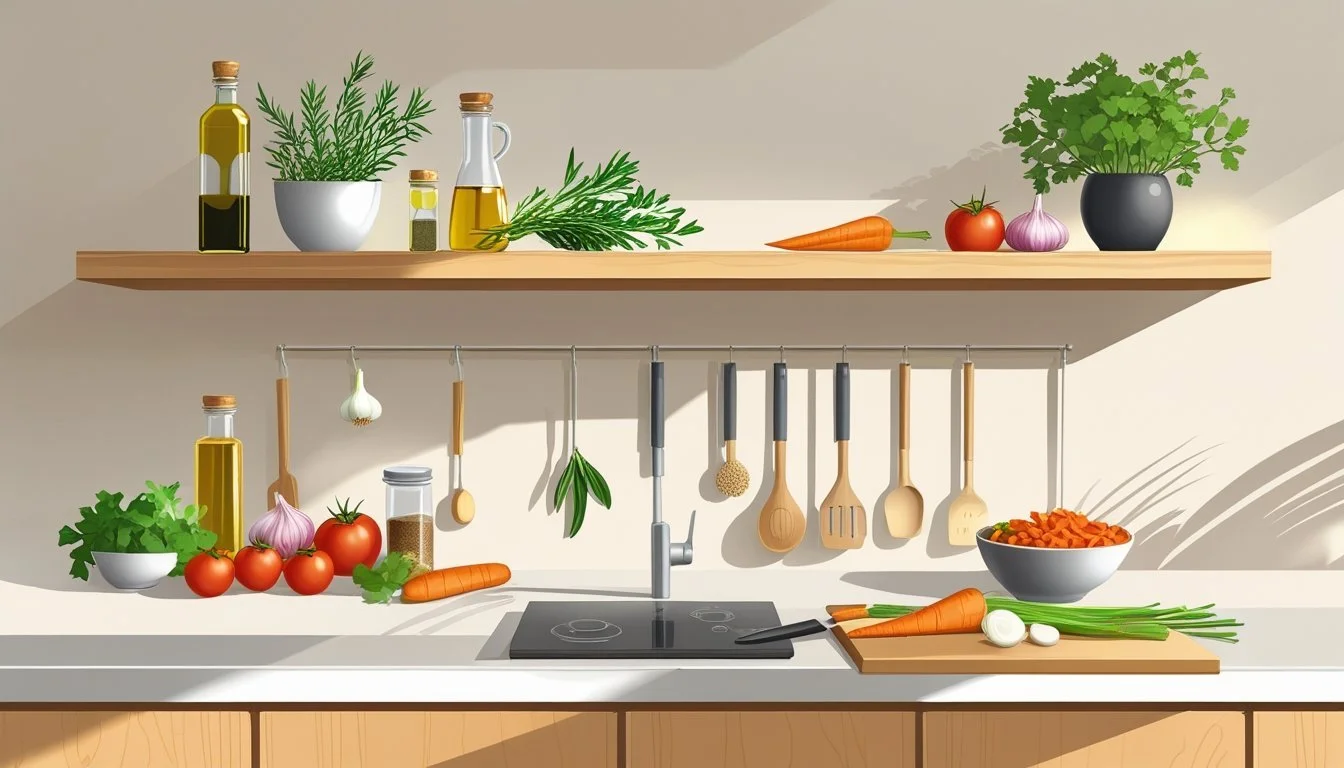
Relying on fewer, straightforward ingredients allows cooks to focus on quality, technique, and flavor. Using basic pantry and fridge staples, anyone can create meals that are satisfying, flexible, and cost-effective.
Classic Spaghetti With Minimal Ingredients
A simple spaghetti dish needs only a handful of key items: dried pasta, a can of diced tomatoes, olive oil, garlic, and dried oregano. This combination forms a base for a flavorful sauce without cluttering the meal with extras.
Cook pasta until just tender. While it cooks, gently sauté minced garlic in olive oil, then stir in the canned tomatoes and sprinkle with oregano. Simmer until thickened, season with salt and pepper, and toss with the drained spaghetti.
For added protein, diced cooked chicken breast or a handful of roasted vegetables can be stirred in. Finished with a drizzle of good olive oil, this dish proves that a minimalist approach does not sacrifice flavor or satisfaction.
Versatile Frittata
Frittatas are an ideal way to use up pantry basics and leftover vegetables. All that’s typically needed are eggs, a splash of milk, a pinch of salt, and any vegetables or protein on hand—such as roasted vegetables or cooked chicken breast.
Beat eggs with milk, salt, and a little dried oregano. Pour into a skillet, then add small pieces of vegetables, diced chicken, or both. Cook gently on the stovetop until almost set, then place under the broiler to finish the top.
Serve warm or chilled, straight out of the pan or sliced atop a bed of greens. A homemade vinaigrette made from pantry staples like oil, vinegar, and mustard can be drizzled over for extra flavor.
Homemade Bread With Pantry Staples
Basic homemade bread requires only flour, water, yeast, and salt. Mixed, kneaded, and left to rise, it transforms into a comforting staple that is both filling and adaptable.
Knead the dough by hand or with a stand mixer. After rising, shape it and bake until golden. Fresh bread pairs beautifully with almost any meal, from sopping up tomato sauce over pasta to being topped with roasted vegetables.
For variation, mix in dried herbs like oregano or top with olive oil before baking. The result is a pantry-friendly bread that helps round out minimalist meals, adding warmth and texture with little effort.
Snacks and Quick Meals From the Minimalist Pantry
A minimalist pantry supports quick snacks and meals by relying on staple ingredients with long shelf lives. These options prioritize nutrition, simplicity, and limited food waste.
Nutritious Snack Ideas
Many great snacks require only a few quality ingredients. Dried fruit like apricots, raisins, or dates offer natural sweetness and energy without added sugar or preservatives. Paired with a handful of nuts, they make for a convenient, balanced option.
Whole grain crackers with a slice of parmesan cheese deliver protein and flavor in seconds. Parmesan keeps well and is versatile in both snacks and meals. Canned vegetables such as chickpeas or corn can be rinsed and seasoned for a quick snack bowl or eaten with a splash of olive oil and salt.
For those wanting variety, try mixing dried fruit and nuts into homemade trail mix or layering with plain yogurt for a filling snack. The key to minimalist snacking is to avoid heavily processed options and use what’s available in the pantry.
Simple Salad Inspirations
Minimalist salads rely on pantry standbys rather than perishable greens. Combine canned chickpeas, diced canned vegetables (like artichokes or peppers), and a drizzle of olive oil for a quick, satisfying dish.
Shaved parmesan cheese adds flavor and a creamy texture without needing a complex dressing. Add dried fruit such as cranberries or chopped dates for a hint of sweetness and extra fiber.
A basic pantry salad might include the following:
Ingredient Example Protein base Canned beans or lentils Vegetables Canned or jarred veggies Cheese Parmesan Accent Dried fruit, nuts
Such salads require little prep and are ready in minutes. Using only shelf-stable staples ensures these salads are always an option, regardless of fresh produce availability.

