
The Role of Water Content in Substitute Selection
Key Considerations for Effective Ingredient Replacement
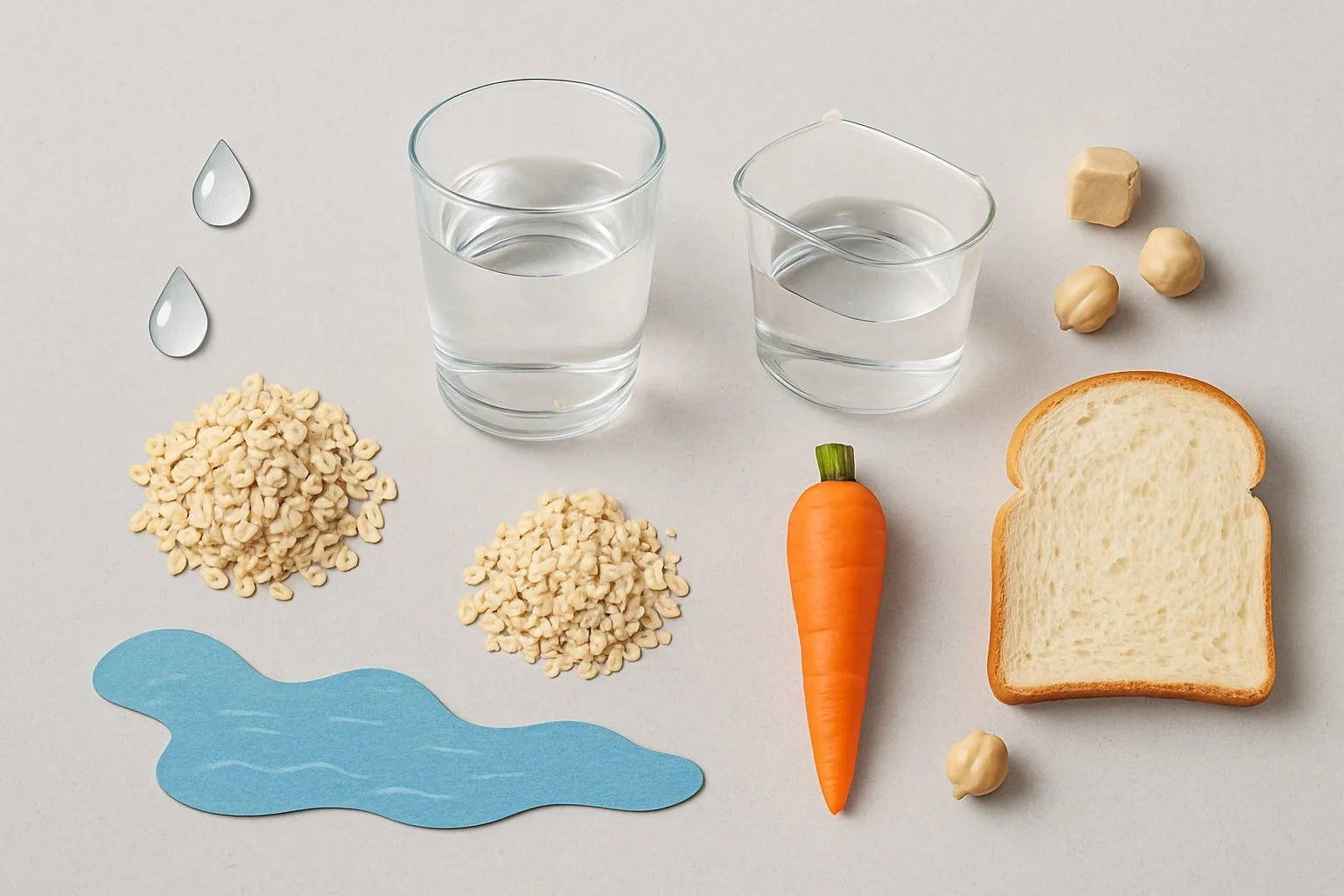
Water content is a key factor in selecting effective substitutes for food, pharmaceuticals, and other products because it significantly affects texture, stability, processing, and overall functionality. In foods, for example, choosing a substitute with similar water levels ensures comparable texture and mouthfeel, while also influencing shelf life and spreadability.
This principle extends to other fields as well. In pharmaceuticals, matching the water content of excipients can impact chemical reactions and stability, while in plant-based meat analogues, water content helps achieve the desired cooking behavior and binding properties. Decisions around substitution are more effective when water content is carefully considered alongside other ingredient properties.
Understanding Water Content in Substitute Selection
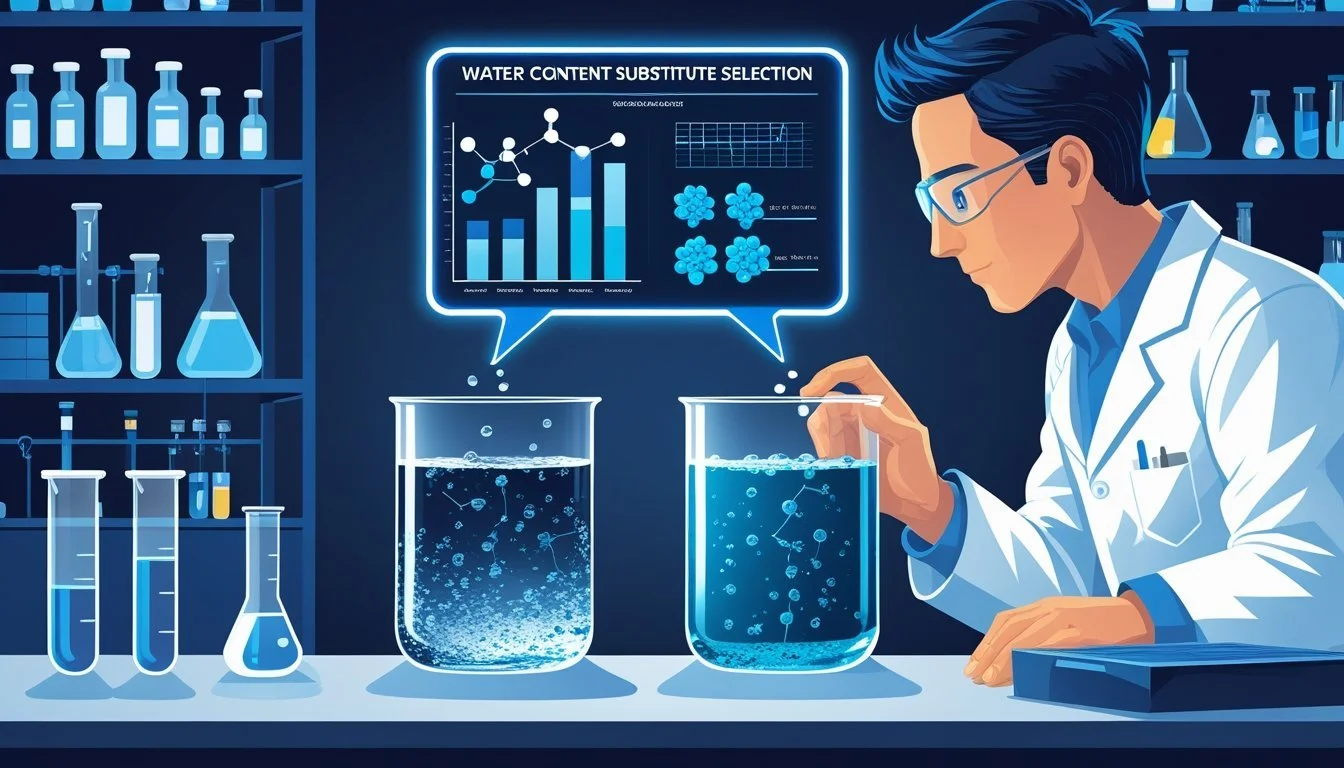
Water content has a direct impact on the safety, stability, and efficacy of substituted chemicals and pharmaceutical formulations. Differences in water activity and moisture levels influence how excipients interact within a formulation and can affect the selection process for alternatives.
Definition and Importance of Water Content
Water content refers to the amount of water present within a material, ingredient, or mixture. In the context of substitute selection, it is a critical parameter because water can affect the physical and chemical properties of both active ingredients and excipients.
Higher water content can increase the risk of degradation reactions, hydrolysis, or microbial growth in pharmaceutical or chemical products. Low water content is often preferred to enhance stability, but some water may be necessary for optimal performance or processing.
When selecting substitutes for excipients or chemicals, considering water content is important for ensuring similar functionality and maintaining product safety. For instance, certain excipients, such as sugars, are chosen specifically for their ability to replace water and protect proteins during drying processes.
Measuring Water Content and Water Activity
Measurement of water content and water activity involves several analytical techniques. Moisture content is typically determined by gravimetric methods, Karl Fischer titration, or thermal analysis. These provide quantifiable values for the percentage of water in a sample.
Water activity (a_w), representing the available free water, is measured using specialized meters that detect vapor pressure. It is a more relevant parameter than total water content for predicting microbial growth and stability.
Raman spectroscopy is gaining use for non-destructive, real-time analysis of moisture within pharmaceutical solids. Combining water content and water activity data can help in assessing the processability and shelf-life of both excipients and substitutes.
Impacts on Excipient Selection
Excipient selection is heavily influenced by water content and water activity, particularly in formulations containing moisture-sensitive APIs or excipients. Some excipients can absorb or release water, potentially triggering unwanted reactions such as salt disproportionation or hydrolysis.
For solid oral dosage forms, choosing excipients with controlled water-binding properties helps ensure the stability and efficacy of the final product. In stabilizer selection, excessive water may promote degradation, while inadequate moisture can hinder ingredient blending.
A table below illustrates common excipient choices based on water handling properties:
Excipient Type Water Interaction Typical Use Sugars (e.g., trehalose) Water replacement Protein stabilization Polyols Water retention Moisture control Silicates Moisture scavenging Desiccant or stabilizer
Selecting the right substitute requires matching the water compatibility of the excipient with the needs of the formulation and the properties of the active ingredient.
Influence of Water Content on Stability
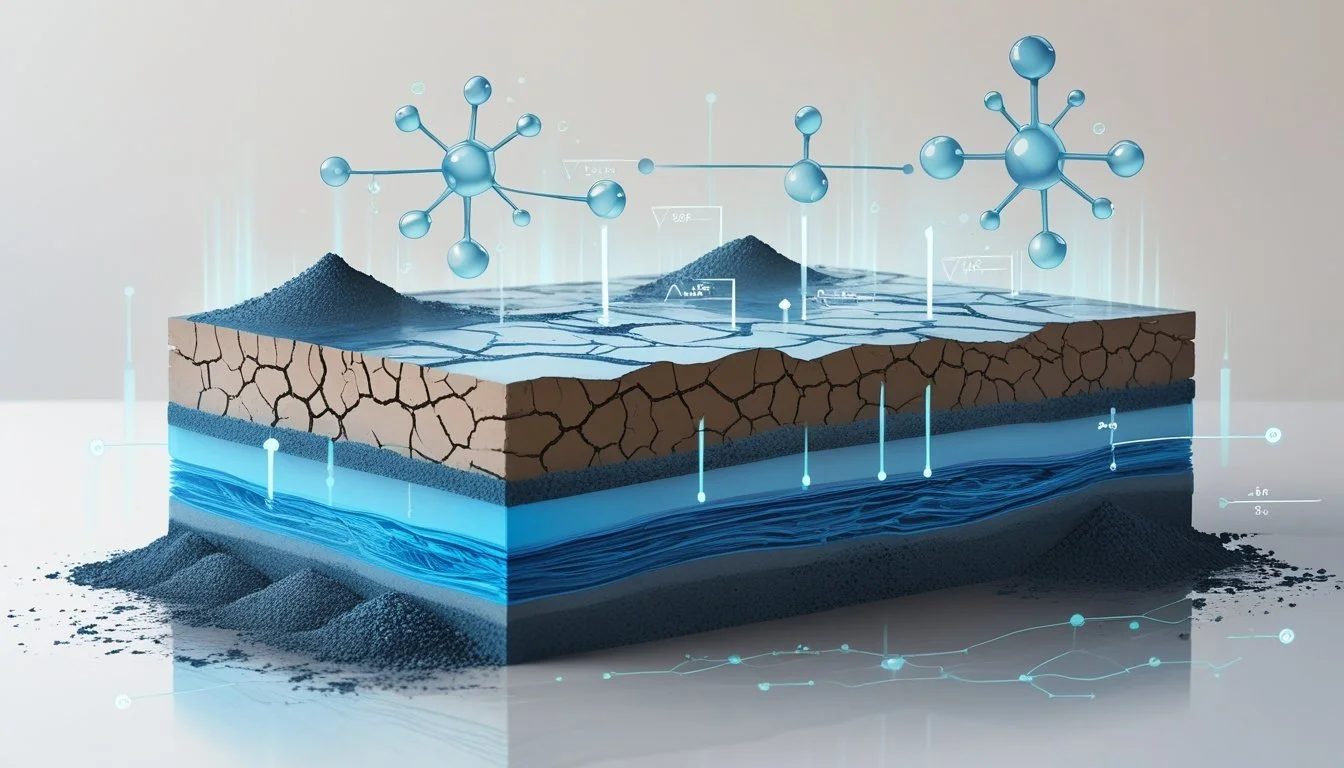
Water content plays a direct role in determining the physical and chemical stability of materials, especially substitutes used in formulation. Even small changes in moisture levels can affect how a product behaves during storage, transport, and application.
Physical and Chemical Stability Concerns
Both excess and insufficient water content introduce risks for substitute materials. High moisture can enable hydrolysis, promote microbial growth, or alter the structure of emulsions, affecting product performance. Insufficient moisture, on the other hand, can lead to brittleness, changes in mechanical strength, or destabilization of colloidal systems.
For pharmaceuticals and food products, regulated moisture levels are essential to ensure consistent quality. Moisture can influence key parameters like powder flow, tablet compaction, and even the permeability of packaging films. The choice of substitute must account for how moisture could affect both immediate and long-term stability.
A balance in water content helps maintain physical cohesion and chemical compatibility in various formulations. Excessive variances from optimal moisture levels often result in reduced shelf life and increased risk of product failure.
Glass Transition Temperature Implications
The glass transition temperature (Tg) marks the point where amorphous materials transition from a brittle glassy state to a more flexible, rubbery state. Water acts as a plasticizer, lowering Tg by increasing molecular mobility within the material. This shift affects the mechanical properties and stability of many substitute compounds.
For instance, when water content rises, materials can become sticky or deform more easily under stress. In thermal analysis, a drop in Tg due to absorbed moisture signals potential vulnerability to temperature fluctuations during storage or processing.
Maintaining an optimal water content ensures that substitutes remain above their Tg under typical use conditions, preserving structural integrity and stability. Too much moisture can compromise the safe temperature range of a product and reduce its resistance to deformation.
Moisture-Induced Decomposition
Water can drive several decomposition pathways. In solid dosage forms, moisture may promote hydrolytic degradation or create catalytic environments that accelerate breakdown of active or excipient components.
Decomposition risks are heightened for materials sensitive to hydrolysis, such as certain polymers or proteins. Moisture not only acts as a direct reactant but can also facilitate secondary reactions—such as enzymatic or oxidative processes—when present above critical thresholds.
To mitigate unwanted decomposition, strict control of humidity and moisture levels throughout production and storage is essential. Selecting substitutes with lower moisture sensitivity, or using protective packaging, is a key strategy for stability.
Materials with well-defined moisture tolerances and robust thermal analysis data allow more predictable performance in real-world conditions.
Role of Water Content in Pharmaceutical Formulations

Water content plays a direct role in influencing stability, shelf life, and performance of pharmaceutical formulations. It affects physical behavior, chemical integrity, and the interactions between active pharmaceutical ingredients (APIs) and excipients during both manufacturing and storage.
Formulation Design Strategies
Formulating a stable drug product requires precise control of water content. Moisture can initiate degradation pathways, such as hydrolysis or disproportionation reactions, especially in moisture-sensitive APIs. Manufacturers use dynamic vapor sorption and water activity measurements to identify optimal moisture levels for each formulation.
Controlling water levels helps avoid issues like polymorphic transitions, unwanted crystallization, and amorphous phase changes. Selecting materials based not only on their function but also on their water-holding properties is central to successful design. Sometimes, drying agents or protective coatings are included to maintain integrity during storage.
Water is also a factor in processing methods. For example, granulation and lyophilization processes require careful moisture management to ensure product uniformity and performance.
Compatibility with Excipients
Excipients are selected partly based on their interaction with water and APIs. Water can act as a plasticizer, changing the glass transition temperature (Tg) of polymeric excipients, which affects mechanical properties and drug release profiles.
Some excipients are hygroscopic—absorbing water from the environment and potentially altering the formulation’s physical state. This can lead to stickiness, changes in dissolution rates, or even reduced shelf life.
Using excipients with low moisture uptake or compatible water sorption profiles minimizes risk of incompatibility. Stability studies often focus on moisture-driven reactions, including potential interactions at the molecular level between water, APIs, and excipients. Careful excipient selection is essential to prevent negative impacts on pharmaceutical product performance.
Analytical Techniques for Assessing Water Content
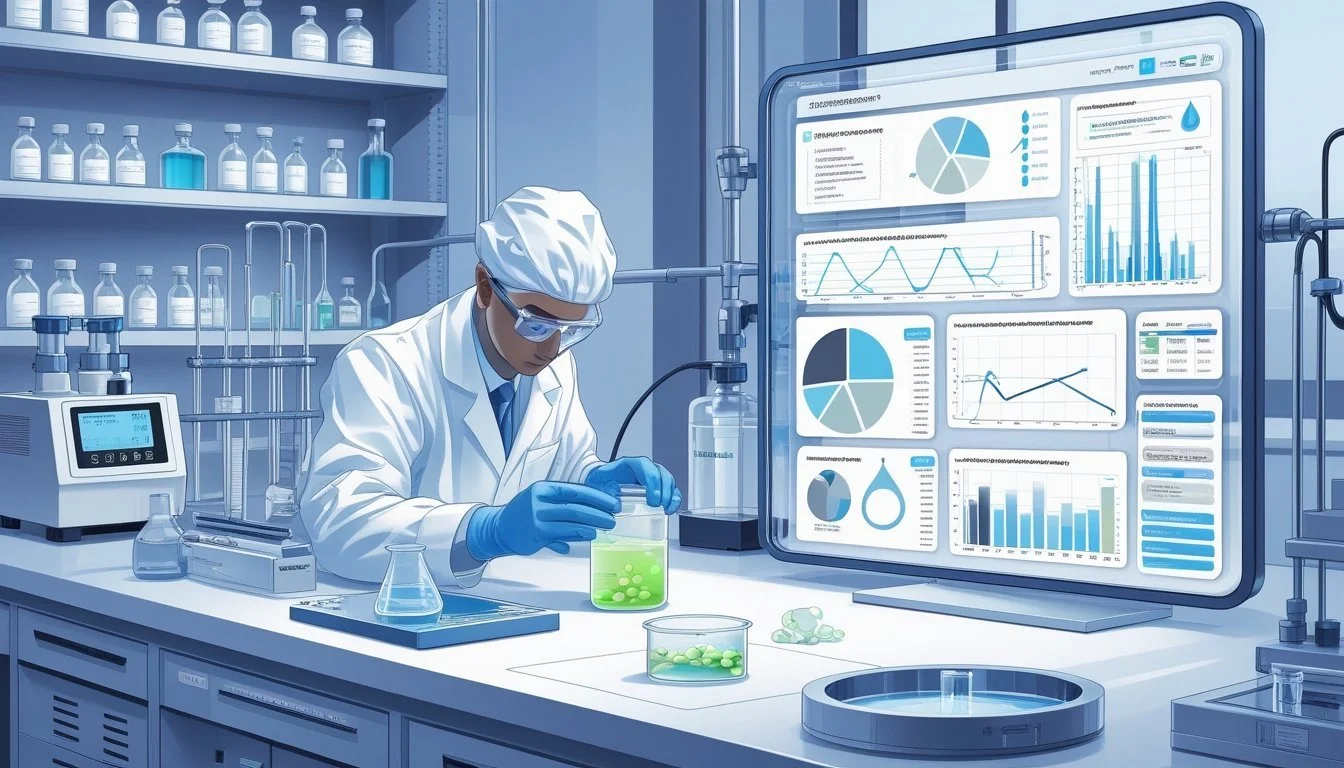
Accurate assessment of water content is essential for selecting appropriate substitutes in many applications. Modern analytical techniques enable precise measurement and characterization of water in diverse samples, improving reliability in substitute selection.
Differential Scanning Calorimetry
Differential Scanning Calorimetry (DSC) is a thermal analysis technique that measures how a sample’s heat flow changes with temperature. DSC is widely used to identify and quantify different forms of water, such as free and bound water, in pharmaceutical and food products.
A key advantage of DSC is its ability to distinguish between water loss due to evaporation and phase transitions within the sample. It provides both qualitative and quantitative data by producing thermograms that plot heat flow against temperature. These thermograms allow identification of dehydration temperatures and enthalpic changes associated with water.
DSC is valued for its sensitivity and minimal sample preparation. It is especially useful when the water's physical state or interaction with the matrix affects substitute performance. This technique also helps detect subtle changes in physical state, aiding decisions where water activity and phase behavior matter.
Raman Spectroscopy Applications
Raman spectroscopy analyzes molecular vibrations to identify and measure water content in materials. Unlike thermal methods, Raman spectroscopy is non-destructive and often requires little to no sample preparation.
It leverages the unique vibrational signature of water molecules. By focusing on specific Raman shifts, analysts can determine both the total water content and its chemical environment within a matrix. This is especially important for substances where water is present in both free and bound forms.
Advantages include rapid analysis, minimal interference from other components, and applicability to solid, liquid, or gel samples. Raman spectroscopy is also effective for mapping water distribution at a microscopic level, which can be critical when uniformity of hydration impacts substitute suitability.
Selecting Appropriate Substitutes Based on Water Content
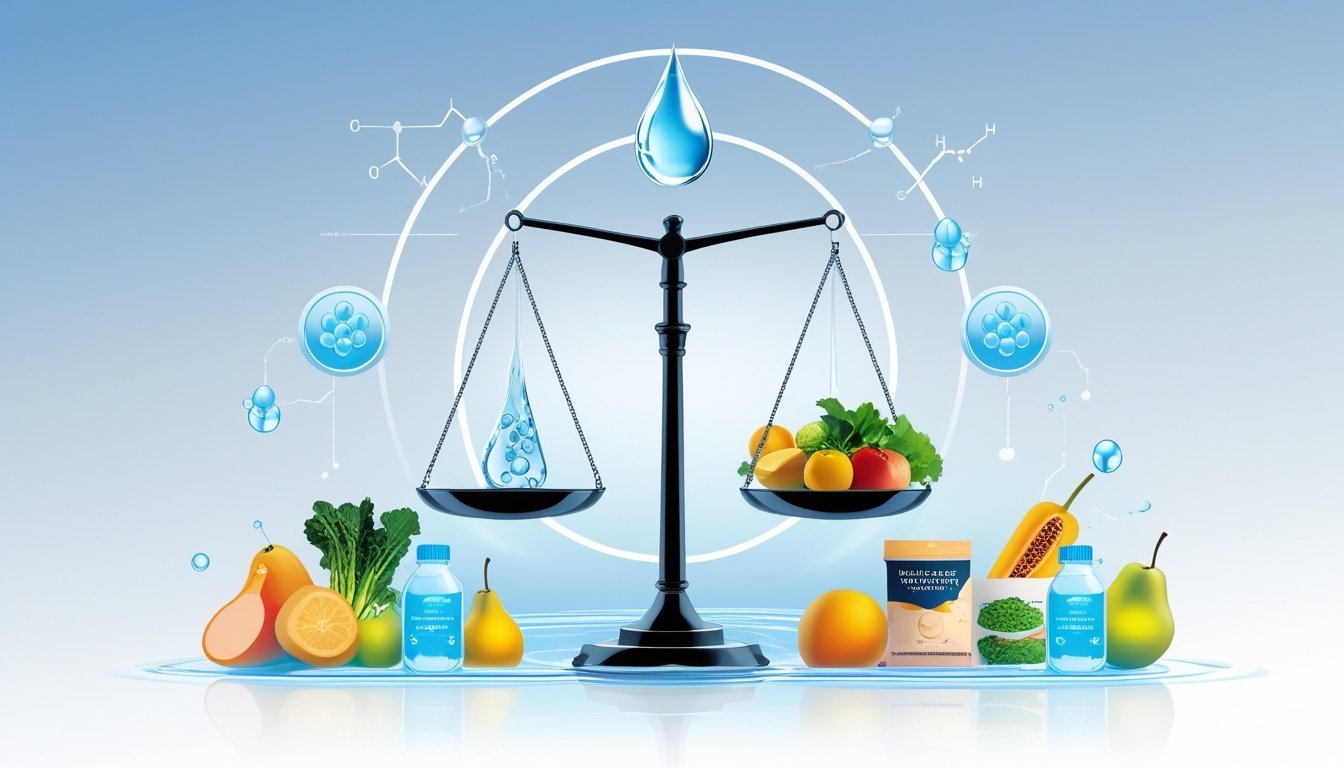
Water content directly influences substitute compatibility, product texture, and stability during processing and storage. It also affects the performance of lactose and other stabilizers in applications where moisture sensitivity is crucial.
Criteria for Substitute Selection
Selecting a substitute requires evaluating water affinity, solubility, and hygroscopicity. Water content must align with the required moisture level for optimal stabilizer performance and product consistency.
Key assessment criteria include:
Moisture migration risk: Substitutes with high water retention can alter shelf life or texture.
Solubility behavior: Full dissolution or partial dispersion impacts uniformity.
Chemical stability: Water can affect the degradation rates of sensitive ingredients.
A table below summarizes water-related criteria:
Criterion Low Water Content High Water Content Texture Impact Crisp, dry texture Softer, moister Stabilizer Efficiency Lower solubility Enhanced solubility Shelf Life Usually longer Potentially shorter
Case Study: Lactose and Other Common Stabilizers
Lactose acts as both a filler and a stabilizer in many formulations but is sensitive to moisture. High water content can speed up lactose dissolution and potentially cause crystallization or caking in products like dry mixes or tablets.
Stabilizers such as cellulose derivatives and gums (e.g., xanthan gum, guar gum) each respond differently to water. For instance, hydrocolloids often need minimum water for full activation, whereas excess water can lead to overgelling.
Selecting an alternative stabilizer involves comparing how each candidate interacts with water. Substitutes must maintain the intended texture without introducing instability, off-flavors, or unwanted reactions like Maillard browning when combined with reducing sugars. Proper analysis ensures optimal storage and processing characteristics.
Effect of Water Content on Product Quality
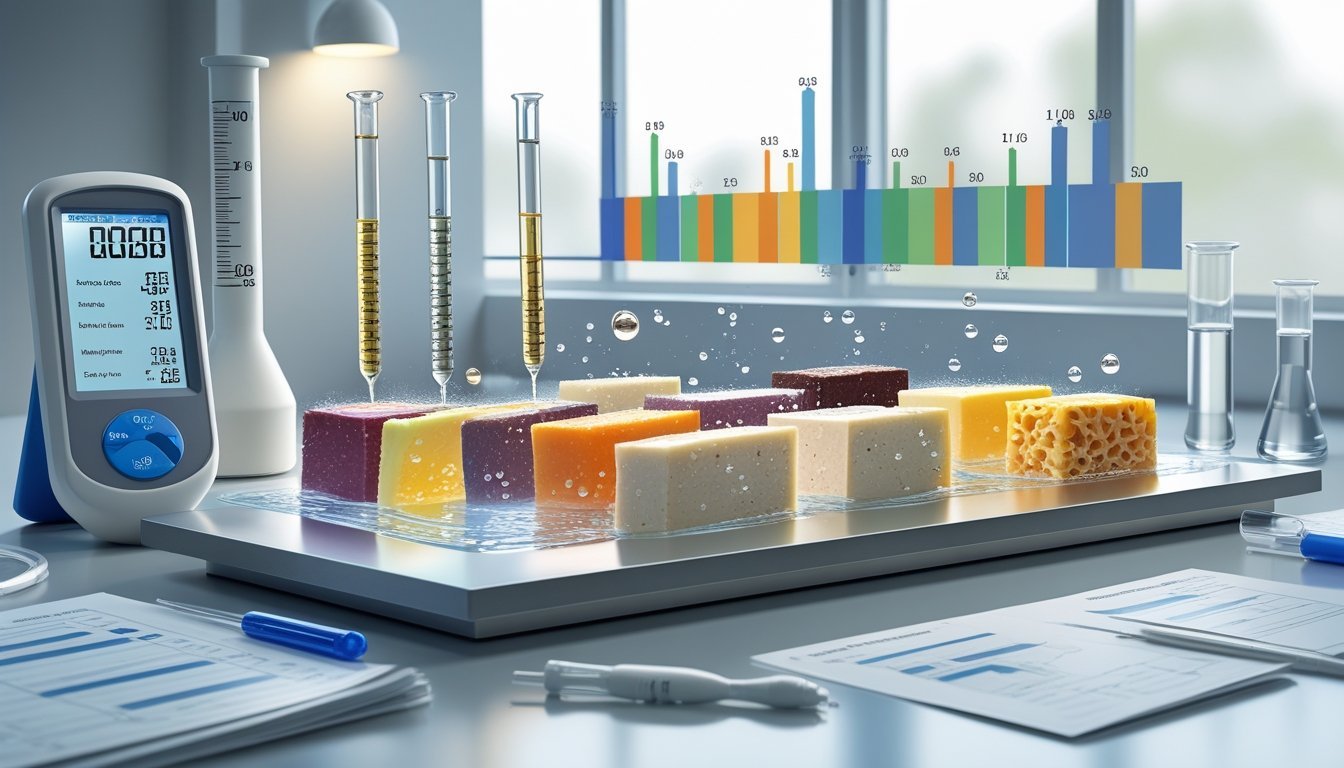
Water content directly shapes product quality by influencing particle size, texture, shelf life, and safety. The selection of ingredients or substitutes must consider how differences in moisture levels affect the physical and sensory properties of the final product.
Impact on Particle Size and Morphology
Moisture plays a pivotal role in determining the particle size and structure of food products. A higher water content typically leads to larger, less compact particles, which can alter the texture and appearance.
When emulsifiers are present, changes in water content can affect the stability and integrity of particles. For example, increasing the moisture from 5% to 15% has been shown to soften products and reduce structural strength.
This change in morphology may influence how substitutes behave during processing, such as dissolving, mixing, or baking. Choosing the right substitute requires understanding how its water content will interact with the other ingredients to produce the desired particle size and product consistency.
Quality Assurance Considerations
Ensuring consistent water content is essential for maintaining product quality and safety. Water activity and moisture levels must be closely monitored to prevent microbial growth and spoilage.
Quality assurance protocols often rely on moisture content analysis for both raw materials and finished goods. Deviations can cause unexpected texture changes, altered flavor, or weight inconsistencies.
Analytical techniques, such as gravimetric or infrared methods, are used to verify that water content stays within specified limits. This helps manufacturers select suitable substitutes with similar moisture profiles, reducing the risk of quality variability in the final product.
Current Trends and Future Perspectives
As substitute selection practices evolve, recent advances center on how water content impacts the efficiency and suitability of formulation components. Emphasis on education and rapid knowledge sharing has influenced both product innovation and regulatory compliance.
Innovations in Excipient and Stabilizer Development
Recent research highlights the impact of water content on excipient compatibility and stability. Pharmaceutical and food industries now favor synthetic and naturally derived stabilizers that are less sensitive to ambient humidity. Spray-dried lactose and anhydrous sugar alcohols, for example, maintain low water content, reducing the risk of hydrolysis and microbial growth.
Emerging trends include using nanomaterials and biopolymer-based excipients that provide stable performance in diverse moisture conditions. Companies also invest in predictive modeling to evaluate how water sorption affects shelf life. Modified-release polymers and coatings offer improved moisture protection versus traditional ingredients. The regulatory focus on moisture stability testing has led to greater transparency in documenting suitability for intended applications.
Knowledge Dissemination Through Webinars
Webinars play a key role in disseminating advancements related to water content and substitute selection. Leading organizations organize live sessions and archived presentations targeting R&D scientists, formulators, and regulatory professionals. These webinars often share updates on analytical techniques for measuring water activity, case studies on excipient performance, and recent regulatory guidelines.
Interactive sessions enable experts to discuss moisture-related failures and present data-driven solutions. Key points from webinars are frequently compiled into guidance documents or technical bulletins, accelerating adoption of best practices across the sector. Increased global access to webinars ensures that up-to-date information reaches professionals in both established and emerging markets.

