
Flavor Layering to Make Substitutes Work
Enhancing Taste in Replacement Ingredients
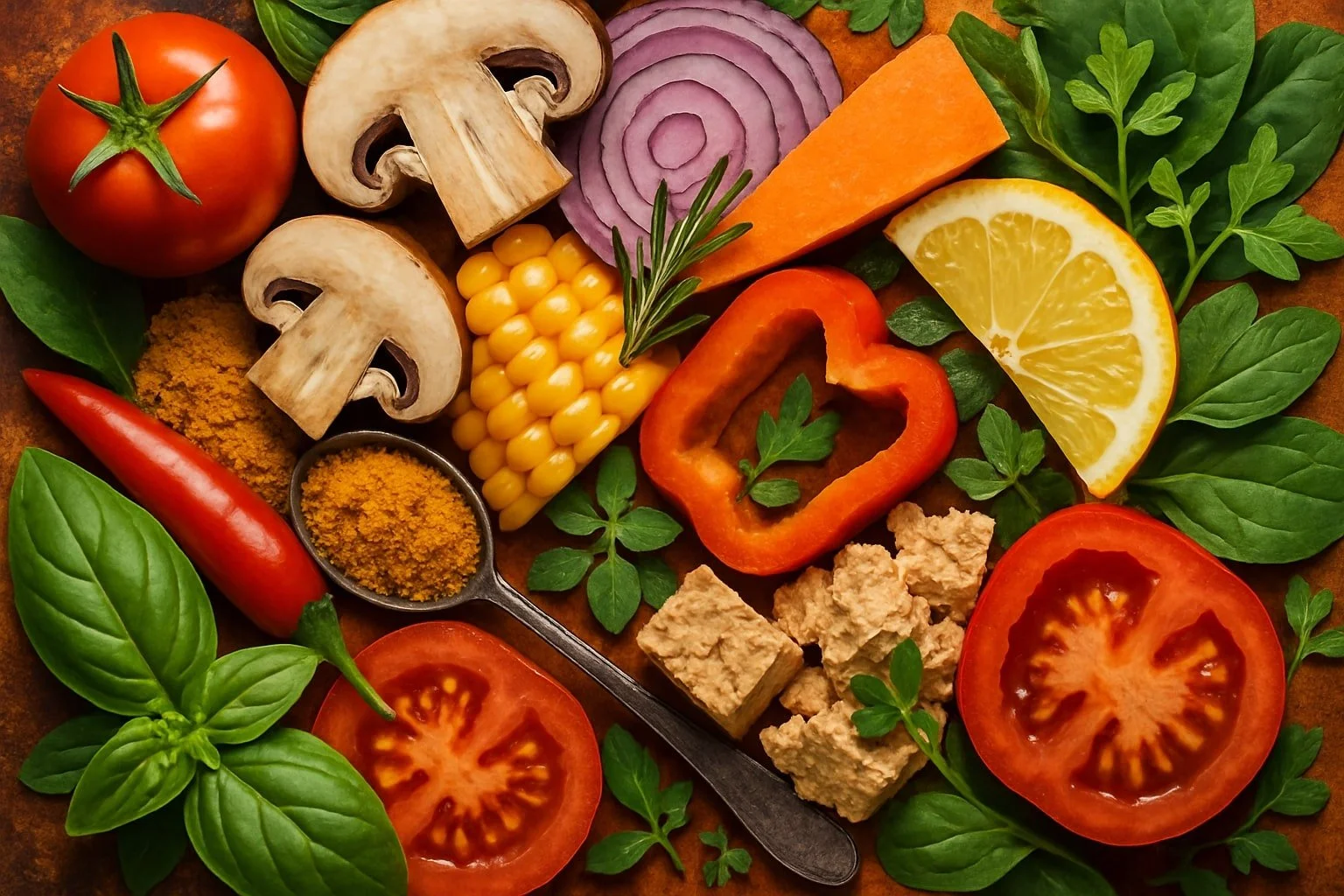
Layering flavors is a practical way to make substitutes in cooking taste as rich and satisfying as the original ingredients. Whether it’s swapping butter for a dairy-free alternative or finding a new base for a classic sauce, the technique focuses on combining spices, herbs, and various textures to build complexity.
Cooks use flavor layering to ensure that even when some ingredients are missing or replaced, the dish remains balanced and enjoyable. Each added element contributes a distinct note that supports and enhances the overall profile.
This makes it possible to adapt recipes confidently, knowing that substitutes can be more than just placeholders—they can actively help achieve great flavor.
Understanding Flavor Layering
Layering flavor is a technique that underpins how ingredients interact to deliver depth, balance, and satisfying complexity in every bite. Using this approach, cooks turn even simple substitutes into components that contribute to a full, cohesive flavor profile.
Principles of Building Flavor
Building flavor starts by considering the five basic tastes: sweet, salty, sour, bitter, and umami. Each taste brings a unique note to a dish, so the right combination leads to a more balanced and robust result. Layering flavors means adding ingredients at various stages of cooking rather than all at once.
Cooks often begin by creating a flavor base—such as sautéed onions, garlic, or spices—to create a foundation. Aromatics are followed by main ingredients and supporting elements, with finishing touches like herbs or acids added last for freshness and brightness. This order helps extract the maximum potential from each ingredient.
The goal is to develop depth and richness that a single ingredient or shortcut cannot provide alone. Even when making substitutions, understanding when and how to add each component can make substitute ingredients blend harmoniously with the rest of the dish.
The Science of Layering Flavors
Flavor layering relies on the chemical interactions between ingredients and how they dissolve, interact, or break down at different stages. For example, fat dissolves flavor compounds from spices, intensifying their aroma, while acid can brighten and balance richness. Cooking techniques such as browning, deglazing, or reducing liquids can introduce new layers by concentrating flavors or encouraging caramelization.
Enzymes and heat can either build complexity or break down flavors, depending on cook times and temperatures. Timing also plays a critical role: some herbs and spices need extended simmering for their flavors to develop, while others should be added at the end to prevent loss of freshness.
By manipulating these scientific processes, cooks can coax out complex flavors even when using pantry swaps instead of original ingredients.
Key Elements of Flavor Profiles
A flavor profile is the combination of tastes, aromas, and mouthfeel elements that define a dish. The interplay between basic tastes—sweet, salty, sour, bitter, and umami—is essential for creating a satisfying taste experience. Thoughtful use of textures and temperatures can also add perceived complexity to flavor layering.
For substitutes to work well, they must align with the intended flavor balance. For example, replacing a salty, umami-rich cheese might mean adding both a salty component and another ingredient high in glutamates, such as soy sauce or nutritional yeast. Acids like lemon juice or vinegar help lift heavy flavors, while a touch of bitterness from greens or herbs can temper sweetness or richness.
Table: Example Elements in Flavor Profiles
Taste Example Ingredients Sweet Caramelized onions, honey Salty Sea salt, soy sauce Sour Lemon juice, vinegar Bitter Kale, dark chocolate Umami Tomato paste, mushrooms
Selecting and combining these elements is fundamental to building flavor, especially when working with substitutions. This ensures every dish still achieves balance, depth, and a well-rounded taste experience.
Core Components of Flavor
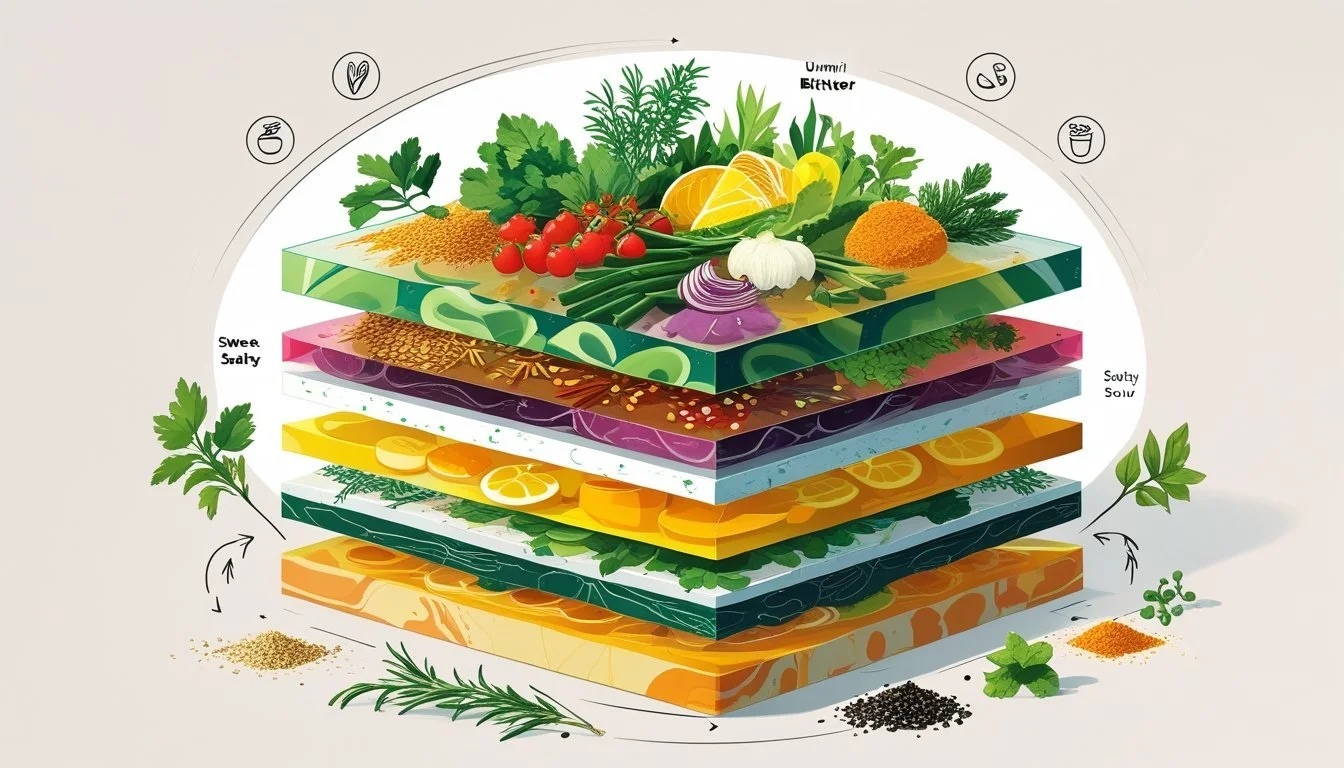
Building balanced flavor starts with an understanding of the fundamental taste elements. These essential components—sweet, salty, umami, acid, sour, and bitter—shape the outcome of any substitution and ensure the resulting dish isn’t flat or one-dimensional.
Sweet and Sweeteners
Sweetness enhances a dish by counteracting harsh or sour notes and providing roundness. Common sources of sweetness include sugars (white, brown), honey, and maple syrup. Brown sugar also brings a mild molasses flavor that adds extra warmth to recipes.
Using sweeteners can soften the impact of spices or acidity. For instance, adding honey to a spicy sauce balances heat and rounds out the final taste. Reducing a sauce or caramelizing onions naturally intensifies sweet notes. Whenever substituting, match both the sweetness and complementary flavors; maple syrup lends earthiness, while white sugar remains neutral.
A small addition of sweetness—such as a teaspoon of sugar in tomato sauce—can reduce bitterness or acidity without making the dish overtly sweet. Remember, it's important to taste and adjust gradually. Too much sweetener can overwhelm other components and mask subtle flavors.
Salty and Umami
Salt is essential not just for taste but for bringing out the flavors of every ingredient. It acts as both a final seasoning and a flavor enhancer throughout cooking. Besides standard table salt or sea salt, soy sauce and miso can supply both saltiness and a layer of umami.
Umami refers to a savory, brothy depth found in foods such as parmesan, mushrooms, soy sauce, and miso. It enriches dishes and supports the overall flavor profile. When substituting ingredients, look for sources like fish sauce or nutritional yeast if traditional umami-rich elements are unavailable.
Careful balance is important; over-salting masks other flavors and cannot be undone. Using combinations like soy sauce with a pinch of salt or incorporating umami-rich ingredients such as parmesan can provide depth. Below is a list of salty and umami contributors:
Table salt, sea salt, kosher salt
Soy sauce, miso, fish sauce
Parmesan cheese, aged cheeses
Mushrooms, nutritional yeast
Acid and Acidity
Acidity brings brightness, sharpness, and a cleaner finish to many dishes. It can lift heavy or rich flavors and balance sweetness or fat. Common sources include vinegar (white, apple cider, red wine), lemon juice, and other citrus juices.
Acid is especially useful when making substitutions, as it can replace complexity lost from ingredients that provide both flavor and freshness. For example, a splash of vinegar or squeeze of lemon juice in a creamy sauce can cut through richness and keep the dish lively.
The impact of acids differs by type. Lemon juice adds citrus notes and freshness, while balsamic vinegar brings depth and subtle sweetness. When substituting, select an acid that supports the main flavors of the recipe. A little goes a long way—taste as you add, since too much acid can overpower more delicate notes.
Bitter and Sour Notes
Bitterness, often perceived as an undesirable flavor, plays a crucial role in balancing dishes and preventing them from becoming cloying or bland. Bitter flavors are commonly found in vegetables like kale, broccoli rabe, and radicchio. Dark chocolate and coffee also contribute bitterness to sweet preparations.
Sourness is distinct from acidity; it often signals freshness and sharpness, like in yogurt, sour cream, or certain fruits such as green apples. Both elements can create complexity and highlight other flavors, especially when compensating for missing ingredients.
When adjusting or substituting, small amounts of bitter or sour components can counteract excess sweetness or saltiness. It’s important not to overwhelm the dish, as strong bitter flavors can dominate. For those seeking alternatives, a dash of unsweetened cocoa or a spoonful of plain yogurt can both supply the needed edge in savory recipes.
Enhancing Substitutes Through Aroma and Texture
Aroma and texture are critical to making substitutes taste and feel satisfying. The right blend of herbs, spices, fats, and structural components can transform plant-based or alternative proteins into dishes with distinct character.
Leveraging Aromatics and Herbs
Aromatics and herbs are essential for boosting both fragrance and flavor in substitute recipes. Ingredients like garlic, onions, and leeks form the backbone of many dishes, providing a foundation of savory aroma. Fresh herbs, including basil, cilantro, and parsley, introduce bright, fresh notes that can lift otherwise bland substitutes.
Using a mix of dried and fresh herbs provides depth. For heartiness, rosemary and thyme work well, while spices like cumin, paprika, or nutmeg lend warmth and complexity. Chili flakes or ginger can add controlled heat or a hint of sharpness. It is important to sauté aromatics at the right stage to maximize their impact before combining them with main ingredients.
Recommended Aromatic & Herb Combinations:
Purpose Herbs/Aromatics Freshness Basil, cilantro, parsley Warmth Cumin, nutmeg, paprika Savory foundation Garlic, onions, leeks Heat Ginger, chili flakes
Balancing Texture With Substitutes
Texture plays a big role in making alternatives realistic and enjoyable. Many substitutes can lack the chew or moisture found in the original ingredient. To address this, combining different plant-based ingredients in layers can help mimic authentic textures.
For example, layering sprouted fava bean flour with wheat gluten can provide a firm bite and fibrous mouthfeel often expected in meat substitutes. Adding cooked onions or leeks can create juiciness, while finely chopped fresh herbs add color and crispness. Adjusting moisture content with a small amount of vegetable broth can prevent dryness and improve mouthfeel.
Structural diversity can be enhanced by using tender versus crunchy elements intentionally. Roasted chickpeas can add crunch, while tofu or beans offer softness.
Adding Layers With Oils and Fats
Fats and oils bind flavors and add necessary richness to substitutes. The choice of oil—such as olive oil for Mediterranean flair or sesame oil for Asian-inspired dishes—directly affects flavor depth and mouthfeel. Incorporating small amounts of fat at different cooking stages can help distribute flavors evenly.
Drizzling extra-virgin olive oil over finished dishes can amplify herb and spice notes. Toasted oils, like walnut or sesame, deliver earthy undertones. Adding a pat of plant-based butter or coconut oil to hot foods enhances gloss and creates a creamy texture.
A careful balance of oils and fats keeps substitutes from becoming greasy while ensuring the end result feels full and satisfying on the palate.
Techniques for Layering Flavor in Substitutes
Effective flavor layering is key when using substitute ingredients. By mastering certain cooking methods and smart additions, cooks can develop depth and complexity, even with limited or alternative items.
Sautéing and Roasting Techniques
Sautéing adds foundational flavor to vegetables, meats, and substitutes like tofu or beans. The process involves cooking ingredients in a small amount of oil until they soften and brown. This stage develops subtle sweetness and highlights aromatics such as onions and garlic.
Roasting brings out bold, concentrated tastes through caramelization and the Maillard reaction. Roasting vegetables or substitute proteins at high temperatures produces a golden-brown color and savory notes. Toasting spices in a dry pan before adding them releases their essential oils and intensifies their flavor.
To maximize depth, it helps to stagger the addition of ingredients—starting with the ones requiring longest cooking and finishing with more delicate items. Browning substitutes—like cauliflower or mushrooms—can mimic the umami that meats offer in traditional recipes.
Adding Sauces and Broths
Sauces and broths allow home cooks to mimic the richness and body that meats or specialty ingredients bring. A quality broth or stock, whether vegetable-based or made from roasted substitutes, forms the base for many dishes. Even simple water can be upgraded with aromatics and simmered to create a more robust liquid.
Tomatoes, when simmered into sauces, deliver acidity and umami. A splash of soy sauce, vinegar, or a spoonful of tomato paste can be added for greater depth. Adding these layers at different cooking stages ensures well-rounded results.
Combining liquids—such as broth, a dash of wine, or a spoonful of miso—creates complexity. Adjusting seasoning gradually while tasting frequently helps maintain balance. This approach supports layering within sauces and ensures substitutes capture the qualities of the original ingredient.
Creating Balanced Flavor Combinations
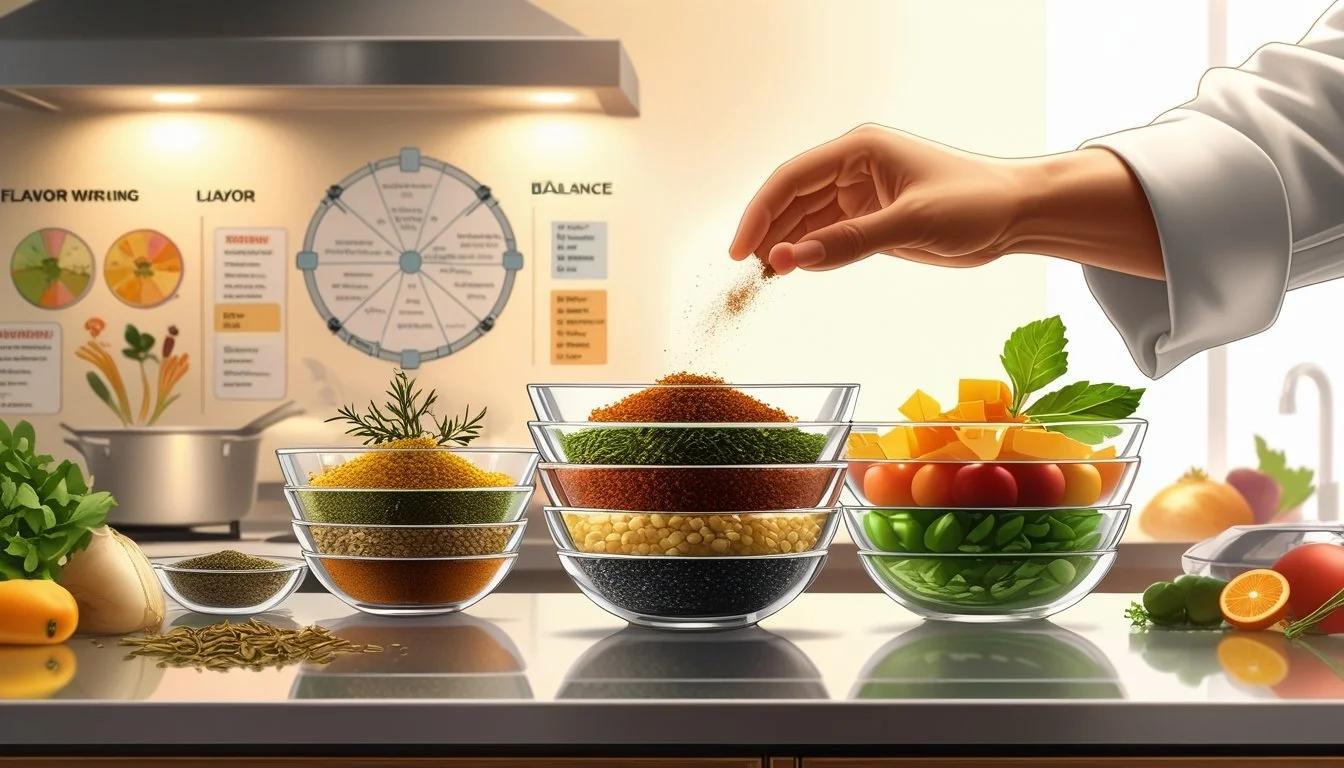
Balancing flavors with substitutes means considering how each ingredient contributes to taste, aroma, and mouthfeel. Using the right techniques and adjustments helps maintain depth and complexity even when original components are swapped out.
Pairing Ingredients for Depth
Achieving depth in flavor starts with blending the five basic tastes: sweet, salty, sour, bitter, and umami. Each component can balance or enhance the others; for example, a dash of acidity can lighten rich or fatty elements, while sweetness can temper bitterness from greens or spices.
Layering means introducing flavors gradually. Start by building a base with high-quality ingredients such as fresh vegetables, aromatics, or stocks. Then, add spices, herbs, and condiments in stages, tasting as you go. This stepwise approach allows flavor compounds to fully develop and integrate.
Refer to this simple table for classic pairings that build complexity:
Main Flavor Balances Well With Example Umami Sour, sweet Soy sauce + rice vinegar + honey Bitter Sweet, salty Dark greens + citrus + feta cheese Sweet Sour, salty, spicy Tomatoes + sea salt + chili flakes
Careful pairing and layering ensure substitutes still create a rich, harmonious taste experience.
Adjusting for Substituted Ingredients
When making substitutions, it's important to identify what the original ingredient contributed—such as umami from parmesan or brightness from lemon. Choose substitutes that provide similar flavor compounds to maintain the dish’s profile. For umami, mushrooms or tamari can replace cured meats; for sourness, yogurt or lime can stand in for vinegar.
Seasonings often need adjusting when substitutes are used. Layer flavors by adding salt, acid, or sweetness gradually and tasting frequently. For instance, plant-based cream may lack the slight tang of dairy cream, so a small amount of lemon juice or mustard can compensate.
Texture matters too. Substitutes should mimic the mouthfeel of the original ingredients when possible. Paying close attention to flavor development at each step gives the cook more control and helps keep dishes balanced and satisfying.
Best Practices for Everyday Meals
For everyday meals, building depth comes down to mindful ingredient choices and timing. Layering flavors thoughtfully not only compensates for ingredient substitutions but also transforms simple food into satisfying, well-balanced dishes.
Integrating Layering Into Grain Bowls
Grain bowls are versatile and benefit from strategic layering. Start by selecting a base such as rice, quinoa, or farro, each offering distinct textures that carry flavors differently. Add sautéed aromatics like onion or garlic, cooked on medium heat to release sweetness and build foundational depth.
Include a protein—beans, tofu, chicken, or a substitute—and season it separately with spices for extra complexity. Add vegetables in stages: roast or grill denser items and toss in fresh greens at the end for temperature and texture contrast.
Finishing touches matter: drizzle a bright dressing, top with fresh herbs or citrus zest, and consider a sprinkle of seeds or nuts for crunch. Each component adds a layer, making even substitute ingredients taste intentional.
Step Example Ingredients Why It Matters Base Brown rice, farro Texture, mild flavor Aromatics Garlic, onions Sweet, savory base Protein Tofu, lentils Umami, weight Vegetables Roasted broccoli, spinach Contrast, layers of taste Finishing Touch Lemon zest, cilantro, nuts Brightness, texture, freshness
Elevating Simple Dishes With Substitutes
When ingredients are missing, substitutes can step in without sacrificing flavor, provided they're layered skillfully. Cooking substitutes with the same time and temperature adjustments as the original ingredient ensures textures remain pleasant. For example, stir-frying mushrooms instead of chicken requires less time but higher heat to develop a savory, umami flavor.
Balance any change with seasoning. Add salt, acid (like vinegar or citrus juice), or a touch of sweetness if the substitute lacks depth. Use herbs or spices to reinforce key flavors.
A simple pasta with frozen vegetables becomes memorable when finished with fresh basil, cracked black pepper, and grated hard cheese. Even pantry staples, when combined with mindful layering, achieve complexity and satisfaction.

