
Smart Substitution for Smoothies and Juices
Healthier Alternatives for Every Recipe
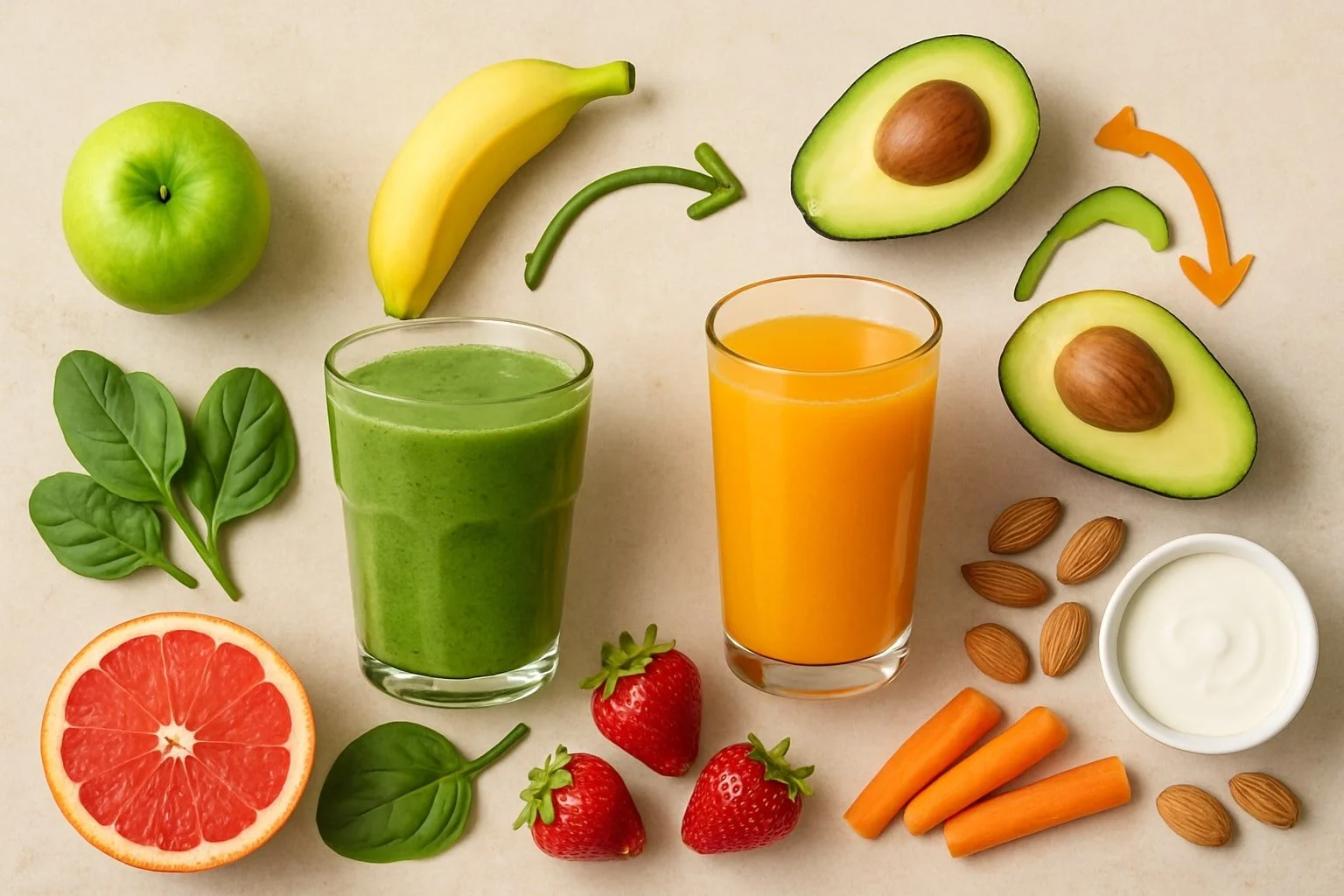
Many people enjoy smoothies and juices as part of a healthy lifestyle, but not everyone wants to rely on the same ingredients each time. Whether due to allergies, taste preferences, or availability, finding smart substitutes can make these drinks more enjoyable and accessible. Choosing the right substitutions for smoothies and juices can help retain both flavor and nutrition while meeting individual needs.
There are plenty of options for those looking to switch out typical bases like banana or juice. Swapping in avocado, pumpkin, or even chilled green tea can change the texture and nutritional profile without sacrificing taste. By exploring these alternatives, anyone can easily adjust their favorite recipes.
Small adjustments—such as using water, coconut water, or non-dairy milk instead of juice—can cater to dietary restrictions or reduce sugar content. These practical swaps make it simple to customize every blend.
Understanding Smart Substitution for Smoothies and Juices
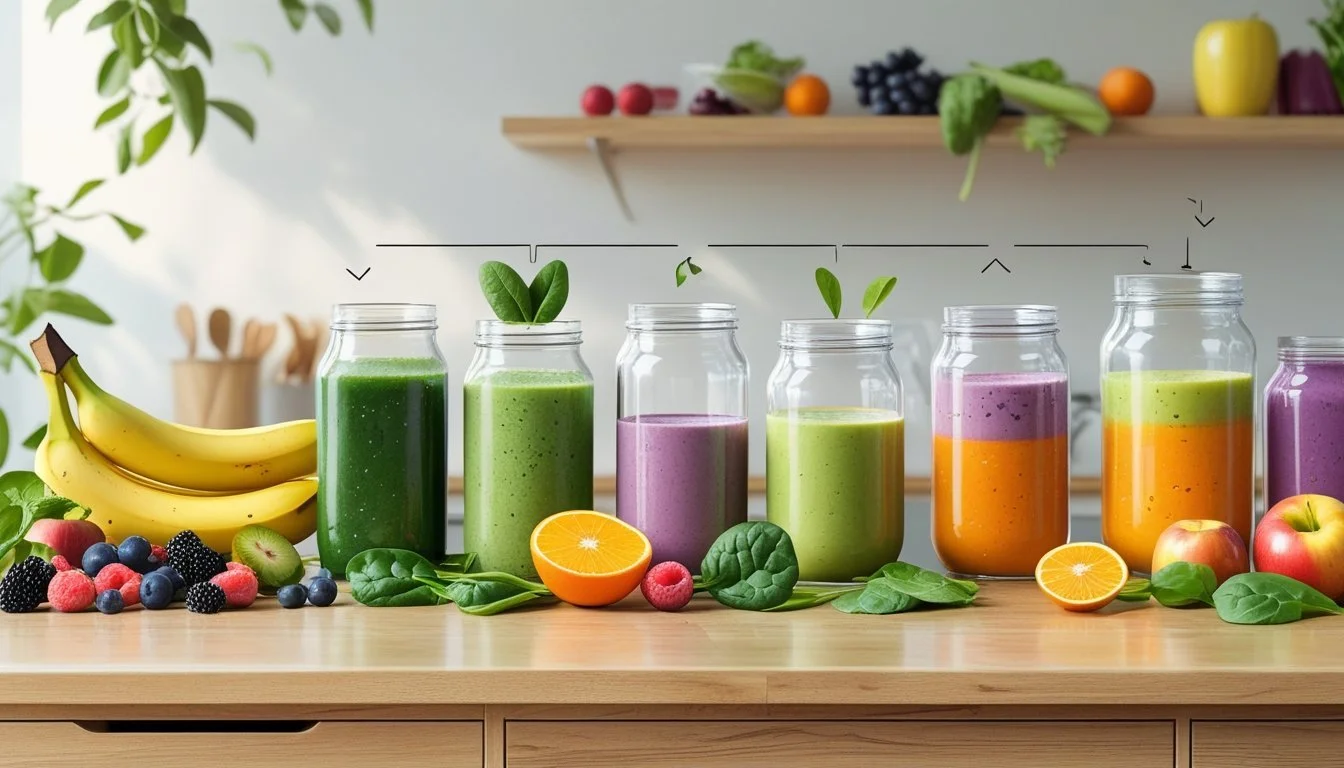
Smart substitution involves carefully swapping out ingredients in smoothie recipes to change flavor, reduce sugar, or boost nutrition. Making these adjustments allows for more customizable drinks that better suit dietary needs and preferences.
Benefits of Ingredient Swaps
Making ingredient swaps in smoothies can reduce calories, sugars, and processed sweeteners. For example, replacing orange juice with carrot and ginger juice lowers sugar and adds immune-supporting nutrients. Swapping out sugary fruit juice mixes for options like beet and pomegranate juice introduces more antioxidants and supports heart health.
A table of common swaps:
Original Ingredient Smart Substitute Key Benefit Orange juice Carrot & ginger juice Less sugar, vitamin A Yogurt (sweetened) Plain Greek yogurt More protein, less sugar Milk powder Almond/coconut milk Fewer calories, dairy-free Turbinado sugar Stevia/monk fruit Zero calories, natural
Swaps also allow people with food allergies or lactose intolerance to enjoy smoothies safely. Unlimited substitutions within the same category, such as fruit for fruit or protein for protein, provide flexibility without sacrificing taste.
Improving Nutritional Value
Adjusting ingredients can significantly raise the nutritional value of smoothies. Using whole fruits instead of juice increases fiber content, which helps with digestion and keeps blood sugar stable. Including low-sugar vegetables like spinach or kale adds vitamins and minerals without extra sweetness.
Replacing sweetened dairy with unsweetened plant-based milk can lower both sugar and calories. Adding seeds, for example, chia or flaxseed, brings in omega-3s and extra fiber. Using natural sweeteners in moderation, such as stevia or monk fruit, helps avoid spikes in blood sugar.
Thoughtful ingredient swaps make smoothies healthier while maintaining or even improving flavor and texture. They can also help meet specific dietary goals, such as increasing protein, reducing carbs, or lowering fat.
Choosing Healthier Bases and Liquids
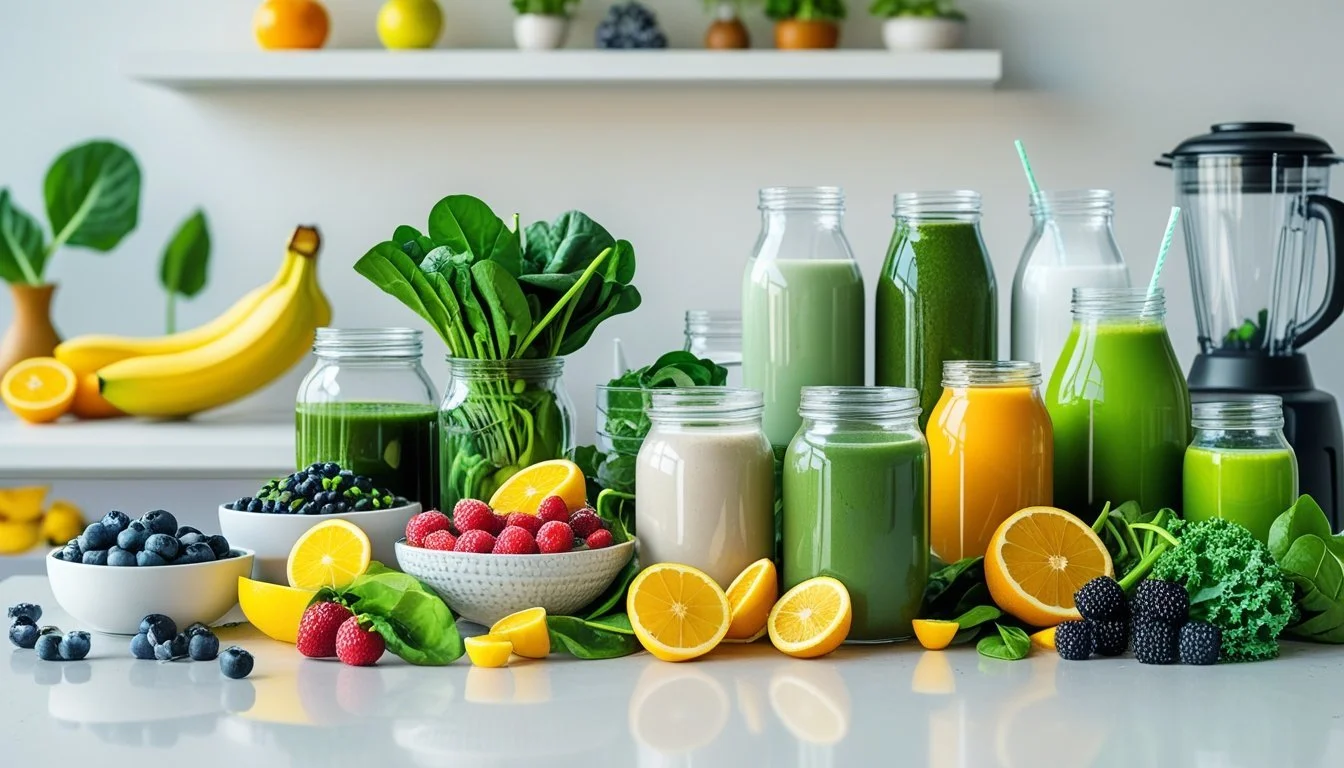
Making informed decisions about smoothie and juice bases can support various nutrition goals. The right liquid enhances taste, texture, and health benefits—while helping meet individual dietary needs and preferences.
Replacing Dairy Milk With Alternatives
Dairy milk has long been a popular base for smoothies, offering protein and calcium. However, those with lactose intolerance, dairy allergies, or plant-based diets often need substitutes. Many plant-based milks provide similar texture without the saturated fat and cholesterol of cow's milk.
Swapping dairy milk impacts the smoothie’s flavor and nutrient profile. Almond milk, soy milk, and oat milk are commonly chosen replacements. Each option has a distinct taste and nutrient profile, so attention to labels is important. For people managing allergies, nut-free options like oat milk or soy milk may be safest.
Comparison Table: Dairy vs. Plant-Based Alternatives
Milk Type Protein Calcium Lactose Flavor Dairy High High Yes Creamy Almond Low Varies No Nutty Soy High Varies No Creamy Oat Moderate Varies No Mild, sweet
Selecting the Best Plant-Based Milks
Choosing the best plant-based milk depends on taste preference, nutrition, and recipe needs. Soy milk contains about as much protein as dairy milk and has a neutral, creamy taste. Almond milk is lower in calories and offers a mild nutty flavor, though it's low in protein.
Oat milk is favored for its natural sweetness and creaminess. It foams well for blended drinks and suits those with nut allergies. Some plant-based milks add calcium, vitamin D, or B12, which helps mimic the nutritional benefits of dairy.
When buying, check for unsweetened or “original” varieties to avoid extra sugar. Fortified options can help fill nutritional gaps. Always shake well before pouring, as some nutrients settle on the bottom.
Using Coconut Water and Hydration Benefits
Coconut water can be used as a base to boost hydration, thanks to its natural electrolyte content. It contains potassium, magnesium, and a small amount of sodium, making it a refreshing addition for post-exercise smoothies.
Unlike plant milks, coconut water is low in calories and fat. Its mild, slightly sweet flavor works well with tropical fruits like pineapple and mango. For those watching sugar intake, unsweetened coconut water is best, as some varieties contain added sugars.
Mixing coconut water with herbal greens or citrus brings extra freshness. This base also keeps juices light and naturally thirst-quenching, especially during hot weather or after physical activity.
Sweetener Solutions: Reducing Added Sugars
Controlling sugar intake in smoothies and juices supports healthier choices. Selecting the right sweetener—whether natural, fruit-based, or artificial—directly affects nutrition, taste, and overall sugar consumption.
Natural Sweeteners Versus Artificial Sweeteners
Natural sweeteners, such as honey and maple syrup, are often chosen for their simple ingredient lists and trace nutrients. While they may contain some vitamins and minerals, these options still contribute to overall sugar intake. It's important to note that, despite being less processed, they raise blood sugar similarly to regular sugar.
Artificial sweeteners like sucralose or aspartame offer a sweet taste without the calories or added sugars. Some people choose these to lower their calorie intake or control blood sugar levels. However, there are ongoing debates about their long-term health effects, and some consumers report sensitivity to taste or digestion.
Natural and artificial sweeteners both present benefits and drawbacks. Always check labels for added sugars or sweetener blends when selecting packaged products.
Using Fruit for Sweetness
Using fresh fruits such as bananas, mangoes, or berries in smoothies or juices is an effective way to enhance natural sweetness and reduce the need for added sugars. Whole fruits supply fiber, vitamins, and antioxidants that are absent in isolated sweeteners and refined sugar.
Frozen fruit is equally useful, maintaining nutrients and contributing to a smoother texture. Blending fruits like dates or pineapple delivers sweetness without extra syrups or powders. Below is a list of fruits commonly used to sweeten beverages:
Banana: Creamy, mildly sweet
Berries: Tart with subtle sweetness
Pineapple: Bright, tropical flavor
Dates: Dense sweetness, caramel notes
Swapping added sugars for fruit not only lowers sugar intake, but also improves overall nutrition.
Alternative Sweeteners to Sugar
Several alternative sweeteners can replace added sugars in recipes for smoothies and juices. Stevia and monk fruit extract are popular natural, zero-calorie sweeteners that do not spike blood sugar. These options are often found in powders or liquid drops and suit those looking to avoid both added sugars and artificial sweeteners.
Sugar alcohols like erythritol or xylitol may also be used, though they can sometimes cause digestive discomfort in sensitive individuals. For those avoiding artificial ingredients, blends of natural sweeteners are readily available.
Some use small amounts of honey or maple syrup for flavor, but even these should be used sparingly to prevent excessive sugar intake. Comparing options side by side helps identify the right balance for both health and taste preferences.
Sweetener Calories Blood Sugar Impact Suitable For Stevia 0 None Low-carb, diabetes Honey ~60/tbsp Moderate Natural preference Maple Syrup ~52/tbsp Moderate Flavor addition Sucralose 0 None Sugar-free diets
Boosting Nutrients with Greens and Vegetables
Incorporating greens and vegetables into smoothies and juices significantly increases their fiber, vitamins, and mineral content. Different options can also add texture, flavor variety, and thickness without extra sugar or calories.
Leafy Green Additions
Leafy greens are a practical way to enhance nutrient density. Spinach is mild in taste and blends easily, offering iron, folate, and vitamins A, C, and K without overpowering flavors. Romaine lettuce brings a fresh, crisp taste and contributes hydration and folate, making it suitable for lighter blends.
Swiss chard provides a mix of antioxidants and potassium, while arugula offers a peppery note and extra vitamin K. Bok choy, with its subtle yet slightly bitter taste, supplies calcium and vitamin C. Using a variety of these greens gives smoothies a broader nutrient spectrum and keeps flavor profiles interesting without added sugars or artificial ingredients.
Vegetable Alternatives for Texture and Nutrition
Vegetable additions can improve texture and further boost nutrition. Cucumber is high in water, so it makes smoothies lighter and more hydrating, adding vitamin K and some electrolytes. Cauliflower, especially when steamed or frozen, gives a creamy consistency with little flavor, making it excellent for thickening without dairy. It is also a source of vitamin C, fiber, and B vitamins.
Avocado is a well-known smoothie thickener, benefiting both creaminess and nutrient density. Rich in heart-healthy fats, it also supplies fiber, magnesium, and potassium. The table below summarizes the contributions of these vegetables:
Vegetable Main Benefit Notable Nutrients Cucumber Hydration, light texture Vitamin K, potassium Cauliflower Creamy texture, low taste Vitamin C, fiber, B vitamins Avocado Creaminess, healthy fats Potassium, magnesium, Vitamin E
Protein and Creaminess Enhancers
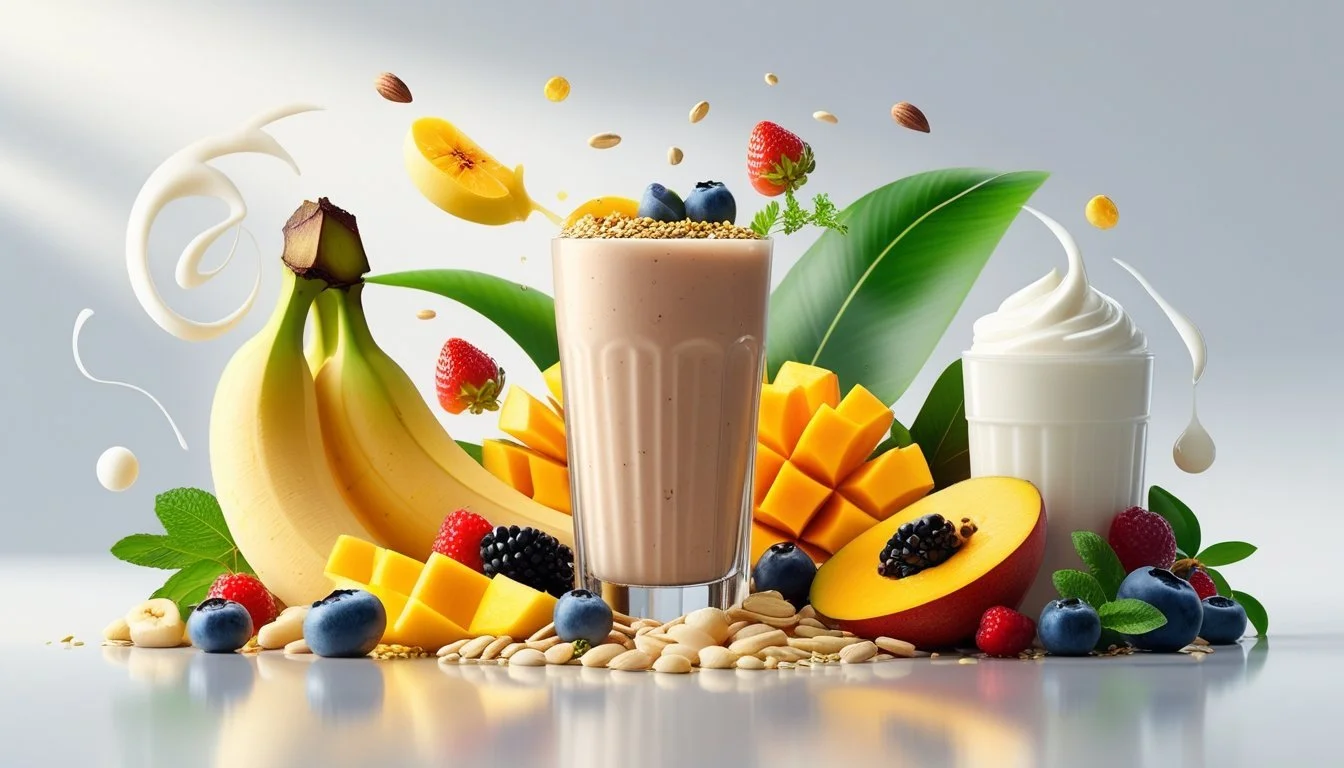
Choosing the right protein and texture boosters is essential for making smoothies and juices both satisfying and balanced. Options like Greek yogurt, protein powder, nut butters, and non-dairy milks offer different nutritional benefits, flavors, and mouthfeels.
Nut Butters and Plant Proteins
Nut butters such as almond, peanut, and cashew butter provide a convenient way to increase both protein and healthy fats. These help promote satiety and add a rich, creamy texture to any blend. Just 1–2 tablespoons can noticeably improve the mouthfeel.
Plant proteins like hemp seeds, chia seeds, or sunflower seeds deliver protein, fiber, and micronutrients. Chia and flax seeds are also a source of omega-3 fatty acids, which can enhance heart health.
Avocado is another plant-based ingredient that adds creaminess with a mild taste and offers healthy fats and some fiber.
Protein Source Key Nutrients Texture Almond butter Protein, Vitamin E Creamy Chia seeds Omega-3, Fiber Slight gel Avocado Healthy fats, Fiber Silky
Dairy vs. Non-Dairy Creamy Options
Both dairy and non-dairy choices offer creamy results, but each brings unique properties. Greek yogurt stands out due to its high protein content and thick consistency, which lends substantial body to smoothies. Regular yogurt and cottage cheese are also used, although with different protein levels and tanginess.
For those seeking non-dairy alternatives, soy milk is closest in protein content to cow’s milk. Unsweetened soy milk keeps smoothies creamy with a neutral taste. Almond, coconut, and oat milks offer different flavors and consistencies but are usually lower in protein compared to soy.
People with dietary restrictions or preferences can easily swap dairy for non-dairy options without losing smoothness or taste by selecting the right plant-based milks and add-ins.
Using Protein Powder
Protein powders are one of the most direct methods for boosting the protein content of smoothies. Available in whey, casein, soy, pea, and other varieties, each type has distinct digestibility, flavor, and nutritional profiles.
Whey protein mixes well and is commonly used in smoothies for its mild taste and complete amino acid profile. Plant-based powders such as pea or soy protein are suitable alternatives for vegans and those avoiding dairy.
The recommended serving is typically 1 scoop (about 20–25g protein), though this should be adjusted based on nutritional needs. Carefully check ingredient lists for added sugars or artificial flavors. Protein powders work equally well in both dairy and plant-based blends to support muscle repair and satiety.
Incorporating Fruits for Flavor and Nutrition
Using a range of fruits can boost both the taste and nutritional profile of smoothies and juices. Choosing between fresh and frozen options depends on convenience, availability, and desired texture.
Best Fruit Swaps for Smoothies and Juices
Selecting the right fruits for smoothies and juices can improve fiber, vitamin, and antioxidant content. Common choices like strawberries, raspberries, and blueberries offer notable antioxidants and add vibrant color. For a tropical flavor, mango and kiwi can be blended in, each bringing vitamin C and a tangy taste.
Cantaloupe, honeydew, and watermelon are hydrating options, ideal in summer blends. They’re lower in calories and provide subtle sweetness without added sugars. Swapping in nectarine or pear adds mild flavor and texture, especially when paired with leafy greens or yogurt.
A comparison of common swaps:
Original Fruit Swap Suggestion Nutrient Benefit Banana Mango Higher vitamin C Pineapple Kiwi More antioxidants Apple Nectarine Extra fiber
Using a mix of these fruits ensures variety in texture and nutritional value.
Frozen Versus Fresh Fruit Options
Using frozen fruits in smoothies is convenient and extends shelf life, making it easier to enjoy fruits year-round. Frozen berries, for example, are typically flash-frozen at their ripest point, which helps preserve antioxidants and nutrients.
Fresh fruits such as cantaloupe, honeydew, and watermelon provide crisp texture and subtle flavors but may require more preparation. Frozen options, on the other hand, act as natural thickeners and can help chill the blend without needing ice.
Nutritionally, both fresh and frozen fruits retain most vitamins and minerals, though some water-soluble vitamins may decrease slightly during freezing. Choosing between them depends on texture preference and seasonal availability. For smoothies, frozen fruit works especially well to create a satisfying, creamy texture.
Improving Taste and Texture with Extra Ingredients

Enhancing smoothies and juices with additional ingredients allows for more nuanced flavors and better texture. Selecting the right herbs, spices, and chocolate options can make the difference between an ordinary blend and something memorable.
Adding Herbs and Spices
Utilizing herbs like mint, basil, or cilantro can introduce fresh, aromatic notes to smoothies. For a warmer flavor profile, spices such as cinnamon, ginger, or nutmeg can be added in small amounts. These additions work well with both fruit-based and green smoothies, elevating taste without overpowering other ingredients.
When mixing, he or she should start with a pinch or a few leaves, then taste before adding more. Some herbs can also lend a subtle texture; finely chopped mint gives a slight crunch, while ground spices blend smoothly. For juices, a sprig of rosemary or a dash of turmeric can provide both flavor and potential health benefits. Experimentation is effective, but incremental additions prevent the flavors from becoming too intense.
Chocolate Choices: Dark vs. Milk
Adding chopped chocolate or cacao powder enhances texture and depth in both smoothies and juices, but the type chosen is important. Dark chocolate offers a richer, more robust flavor without excessive sweetness. It typically contains higher cocoa content and can introduce mild bitterness that blends well with berries or nuts.
Milk chocolate brings a sweeter, creamier taste and smoother consistency due to added milk solids. It is often easier to blend and appeals to those preferring milder flavors. When choosing between them, consider dietary preferences: dark chocolate is lower in sugar, while milk chocolate can balance more acidic fruits. A quick comparison highlights the contrast:
Aspect Dark Chocolate Milk Chocolate Cocoa Content 60-80% or higher Usually 20-50% Flavor Rich, slightly bitter Sweet, creamy Sugar Level Lower Higher Texture Firmer, less creamy Softer, smoother
To maintain a balanced nutrition profile, using small amounts (1-2 tablespoons) is usually sufficient. Both types can be grated, melted, or blended, depending on the desired texture.
Lowering Unwanted Additives in Your Drinks
Limiting unnecessary ingredients in smoothies and juices helps improve nutritional value and supports healthier eating patterns. Focusing on healthier substitutions can minimize intake of saturated fats, artificial sweeteners, and added sugars without sacrificing flavor or satisfaction.
Reducing Saturated Fats
Saturated fats often sneak into smoothies through ingredients like whole milk, cream, coconut milk, full-fat yogurt, or ice cream. These fats can raise LDL cholesterol and contribute to heart disease risk in some individuals.
Swapping out high-fat dairy and plant-based options is an easy fix. Opt for low-fat or nonfat milk, unsweetened almond milk, oat milk, or fat-free yogurt. For added creaminess without the saturated fat, blend in a small amount of avocado or silken tofu.
When choosing plant-based milks, check nutrition labels. Some varieties add coconut oil or palm oil, contributing saturated fat. Use table 1 below to compare common bases:
Beverage Base Saturated Fat (per cup) Whole Milk 4.5g Almond Milk (unsw.) 0g Oat Milk (unsw.) <0.5g Coconut Milk 4g Fat-Free Yogurt 0g
Avoiding Processed Ingredients
Processed ingredients often add unnecessary calories, sugars, and artificial sweeteners. Many commercial juice blends and smoothie packets contain added sugar, syrups, preservatives, and colorings that are not needed for flavor or nutrition.
Fresh or frozen whole fruits are a better choice for homemade drinks. They provide natural sweetness and fiber, and they eliminate the need for added sugars. For sweetness, using a small amount of very ripe banana or berries avoids artificial sweeteners and syrups.
Always review ingredients on packaged items. Short, simple ingredient lists usually indicate fewer additives. If a fruit juice or nondairy milk has more than a few recognizable components, it may be best to select another option. Consider using spices like cinnamon or nutmeg for extra flavor without added sugars or processed ingredients.
Comparing Smart Substitution Strategies for Meals
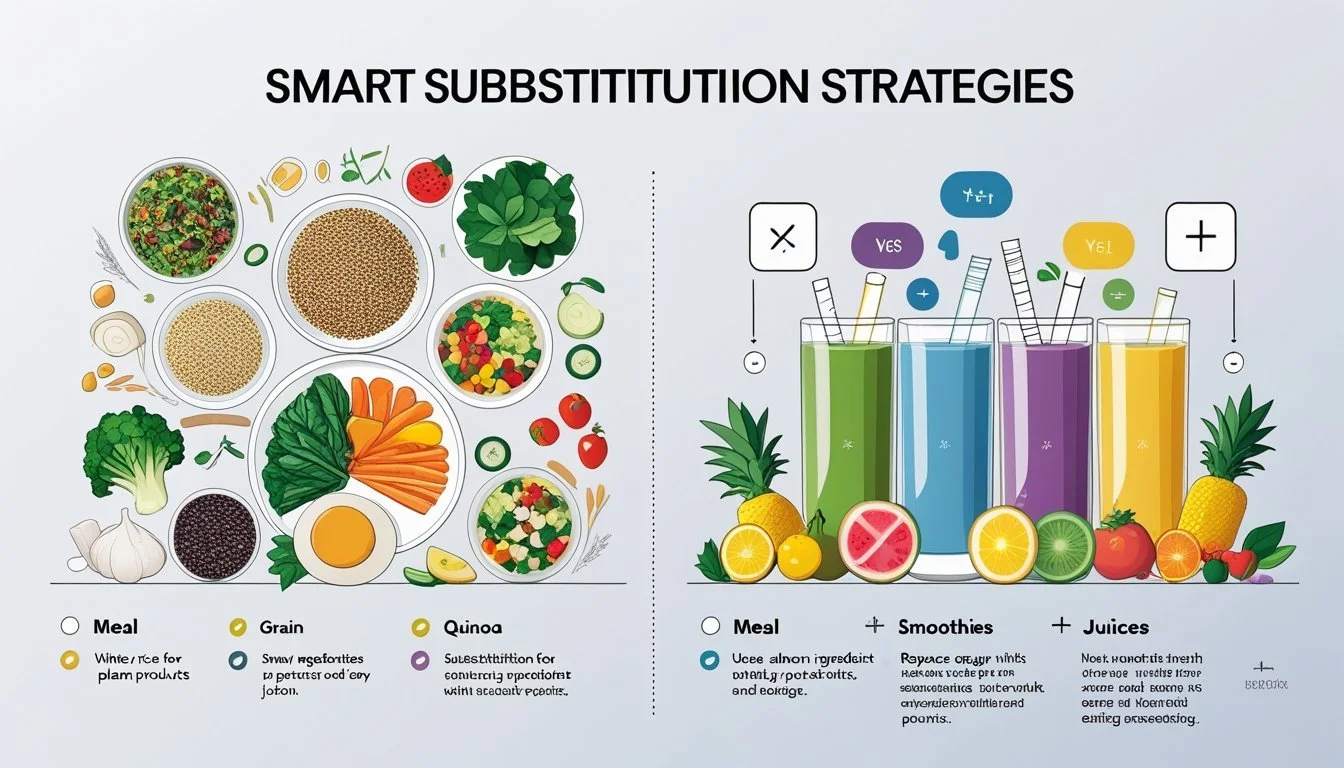
Choosing substitutes for highly processed foods can support better nutrition and longer-lasting energy. Small changes, like replacing refined grains and adjusting snack choices, often make a noticeable impact without sacrificing flavor or satisfaction.
Whole-Grain Alternatives
Swapping out refined grains for whole-grain options increases fiber, vitamins, and minerals in everyday meals. Instead of white bread, using whole-grain bread provides more dietary fiber and supports digestion. For a side dish or base, brown rice is a more nutrient-dense choice than white rice, offering complex carbohydrates and a mild nutty taste.
Whole-grain pasta can be used instead of regular pasta for higher protein and fiber per serving. Whole-grain crackers are a smart substitution for those who want a crunchy snack with more nutritional value compared to traditional varieties. These swaps help manage blood sugar and contribute to a feeling of fullness after eating.
Substitute Replaces Key Benefit Whole-grain bread White bread More fiber, longer satiety Brown rice White rice More vitamins & minerals Whole-grain pasta Regular pasta Higher fiber & protein Whole-grain crackers Regular crackers Better nutrient profile
Better Sides and Snacks
Shifting snack and side dish choices away from high-calorie, low-nutrient foods supports balanced eating. Instead of a baked potato loaded with butter or sour cream, roasted vegetables or a baked sweet potato offer more fiber and nutrients with less saturated fat.
For a crunchy snack, air-popped popcorn or carrot sticks are preferable to chips, as they are lower in calories and sodium. Swapping sugary drinks for water or unsweetened iced tea reduces added sugars and empty calories.
When choosing desserts, fruit or no-sugar-added frozen treats can satisfy cravings while controlling calorie intake. These substitutions focus on reducing excess sugar and unhealthy fat while maintaining enjoyable flavors and textures.

