
Replacing Ingredients to Fit Macros or Diet Plans
Practical Tips for Successful Substitutions
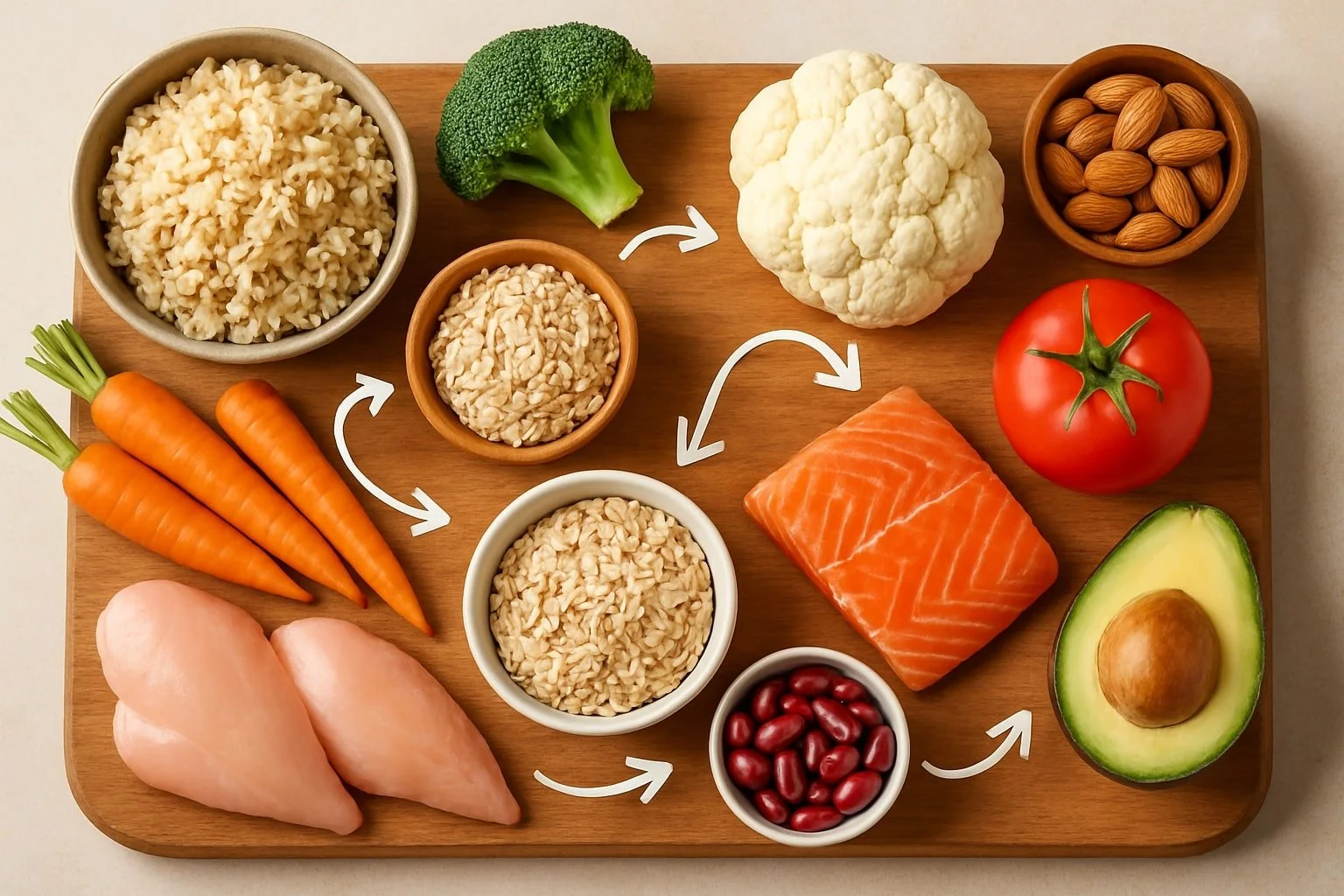
Swapping out ingredients is a practical way for people to stick to their macros or specific diet plans without giving up their favorite dishes. Replacing ingredients allows a person to adjust the amounts of protein, carbohydrates, or fats in a meal so it better fits their current nutrition goals. This approach gives more flexibility and helps prevent the frustration that can come with rigid dieting.
Learning which alternatives work well is key to making meals satisfying and supportive of one’s objectives. For example, someone who needs more protein might swap rice for quinoa, or pick Greek yogurt instead of sour cream. This simple habit makes it easier to manage calories and nutrients, even when cooking at home or eating out.
Understanding Macros and Diet Plans
Macronutrients form the foundation of all meal plans, affecting how the body uses energy, builds tissue, and manages weight. Diet plans often use specific macronutrient ratios to help people achieve goals like fat loss, muscle gain, or maintenance.
What Are Macronutrients?
Macronutrients, or macros, are nutrients required in large amounts by the body. There are three main types: protein, carbohydrates, and fats.
Protein is vital for building and repairing muscles and tissues. It's found in foods like meat, fish, eggs, legumes, and dairy.
Carbohydrates are the body’s main energy source. They come from grains, fruits, vegetables, and legumes.
Fats support hormone regulation, organ protection, and long-term energy. Sources include oils, nuts, seeds, dairy, and fatty fish.
Each type of macronutrient provides a specific number of calories per gram:
Macronutrient Calories per Gram Protein 4 Carbohydrate 4 Fat 9
Understanding macro types and their functions helps with selecting foods that meet nutrition needs.
The Role of Macros in Nutrition
Macros directly influence body composition, performance, and energy levels. Balancing protein, carbohydrates, and fats ensures the body gets the right nutrients for recovery, growth, and daily function.
Protein plays a major role in muscle repair and maintenance. Carbs provide energy, especially for physical activity and brain function. Fats help absorb fat-soluble vitamins (A, D, E, K) and regulate hormones.
Setting clear macro goals can help with tracking and meeting nutrition targets. Many people use nutrition apps and food scales to monitor intake and support their macro diet or meal plan.
Common Macro Ratios for Different Diets
Macro ratios refer to the percentage of total daily calories from protein, carbs, and fats. These ratios can vary by diet plan and personal goals.
Some typical macro breakdowns:
Diet Type Protein (%) Carbs (%) Fats (%) Standard 15–25 45–65 20–35 Low-Carb/Keto 20–30 5–10 60–75 High-Protein 30–40 30–40 20–30 Balanced 25–30 40–50 25–35
Individuals tailor macro ratios based on factors like age, activity level, health conditions, and specific macro goals such as muscle gain or fat loss. Adjusting these targets is central to any macro diet or nutrition-focused plan.
Determining Macro Goals and Dietary Requirements
Establishing the right macro and calorie targets is crucial for designing a personalized meal plan that aligns with health and nutrition goals. By understanding specific needs and using calculation tools, individuals can tailor their diet to achieve better results.
Setting Personal Macro Targets
Personal macro targets are based on multiple factors such as age, gender, weight, activity level, and overall nutrition goals. The USDA recommends adults get 45-65% of calories from carbohydrates, 10-35% from protein, and 20-35% from fats. These percentages are just a starting point.
People aiming for muscle gain may choose higher protein percentages, while those looking to lose weight might reduce carbohydrates or fats. Tracking current intake for a week can provide insight into existing patterns and serve as a reference for adjustments. Every individual’s requirements can vary, so personalizing macro targets is essential.
Using a Macro Calculator
A macro calculator helps translate personal data into specific numbers for grams of protein, carbohydrates, and fats per day. Users typically input their age, sex, weight, height, activity level, and goals (weight loss, maintenance, or muscle gain). The calculator uses this information to suggest a breakdown of macronutrients and calories.
Some calculators allow custom macro ratios, making it possible to align closely with unique dietary preferences or medical advice. Reliable macro calculators also factor in total daily energy expenditure (TDEE) to increase accuracy. Using such a tool provides a clear, actionable plan to guide food choices and substitutions.
Calculating Calorie Targets
Calorie targets are determined by calculating total daily energy expenditure as well as basal metabolic rate (BMR). The BMR is the number of calories the body needs at rest. By factoring in daily activity, exercise, and other lifestyle habits, it’s possible to calculate TDEE.
The formula is typically:
Calorie Target = BMR x Activity Multiplier (TDEE)
Setting a calorie goal supports tailored macro distribution across meals. A table can help track these values:
Category Example Value BMR 1,500 kcal Activity Level Moderate TDEE 2,100 kcal Calorie Goal 1,800-2,100
Essential Ingredient Swaps for Macro Diets
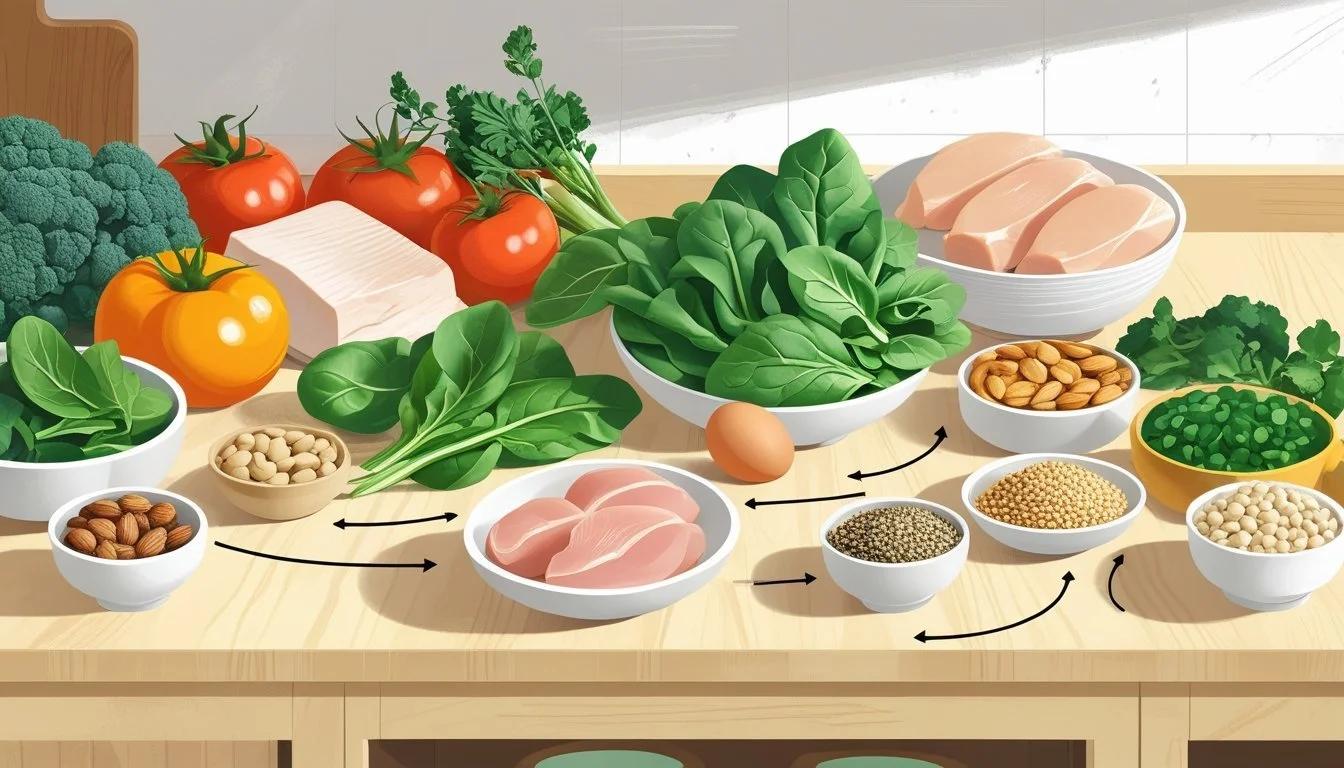
Adjusting recipes to fit specific macro targets often means finding ingredient alternatives that align with low-carb, lean protein, or healthy fat requirements. Smart swaps can improve nutrition while making it easier to track carbohydrate, protein, and dietary fat intake accurately.
Replacing High-Carb Ingredients
Choosing low-carb substitutes helps reduce total carbohydrate intake without sacrificing meal volume. For example, replacing white rice or pasta with cauliflower rice or zucchini noodles provides similar texture and appearance with significantly fewer carbs and calories.
Bread can be switched to low-carb wraps or whole grain tortillas, which offer better fiber content and fewer simple carbs. For breakfast, swapping traditional pancakes for those made with oats or almond flour can help limit carbohydrate spikes while supporting satiety.
When seeking alternatives for high-starch sides like mashed potatoes, consider mashed cauliflower. This substitute delivers fewer carbohydrates and more fiber, which aligns with many macro-focused meal plans. Such changes can help maintain steady blood sugar and align energy intake with goals.
Original Ingredient Lower-Carb Substitute White rice Cauliflower rice Spaghetti Zucchini noodles Mashed potatoes Mashed cauliflower White bread Whole grain tortillas
Substituting Protein Sources
Selecting lean proteins supports higher protein goals without excessive dietary fat. Chicken breast, turkey, and egg whites are popular choices for their high protein and low-fat content. Ground turkey or lean beef (90% lean or greater) can be used in place of fattier cuts to reduce calories from fat while keeping protein intake high.
Dairy protein can also be optimized. Greek yogurt, especially the nonfat variety, offers more protein per serving than standard yogurt. For convenience, whey protein powder provides a concentrated protein boost with minimal carbs or fats, making it a useful addition to smoothies, oatmeal, or baking recipes.
Vegetarians may turn to lentils, tofu, or tempeh, which supply quality plant-based protein. While plant sources often include some carbs, choosing lower-carb options such as edamame or seitan can help minimize the impact.
Protein Comparison Table
Protein Source Calories Protein (g) Fat (g) Chicken breast 120 26 1.5 Lean ground beef 140 22 5 Egg white (3) 51 11 0 Whey protein (1 scoop) 120 24 1
Swapping Fats for Healthier Options
Replacing saturated fats with sources of healthy fat can enhance nutrition and support heart health. Use olive oil or avocado oil instead of butter for cooking to introduce more monounsaturated fats, which are linked to better cardiovascular outcomes.
In baking, substituting butter with unsweetened applesauce or Greek yogurt can decrease saturated fat while adding moisture. For spreads, avocado or hummus can be used rather than mayonnaise or cream cheese, providing more unsaturated fats, fiber, and key micronutrients.
Snacks such as nuts, seeds, and olives offer healthy fats alongside vitamins and minerals. When choosing animal proteins, opting for fatty fish like salmon or trout increases omega-3 intake, whereas limiting processed meats helps reduce saturated fat consumption. Smart ingredient swaps like these help align fat intake with broader nutrition and health goals.
Tailoring Recipes to Fit Individual Macros
Meeting specific macro goals often requires changes to both ingredients and serving sizes for each meal. Careful adjustment helps maintain nutritional balance, maximize flavor, and keep a macro meal plan on track.
Adapting Portion Sizes
Adapting portion sizes is one of the simplest ways to fit a recipe into a macro diet plan. For example, increasing or decreasing the amount of protein, carbohydrates, or fats in a dish adjusts the macronutrient profile to align with individual needs.
Using a kitchen scale makes it easier to measure exact amounts. Many meal planning apps include basic calculators to help estimate macros per portion. Adjusting portions is especially useful for recipes like stir-fries, salads, and bowls, where ingredient amounts are flexible.
Dividing recipes into even servings at the end of cooking always helps ensure accurate tracking. If a meal calls for 200g of chicken but more protein is needed, the portion can be increased during meal prep without changing the rest of the recipe.
Modifying Ingredients in Recipes
Ingredient swaps are a direct way to control macros in cooking without sacrificing the structure of a dish. For higher protein, chicken breast, Greek yogurt, or egg whites often replace fattier meats or full-fat dairy. Low-carb alternatives like cauliflower rice or zucchini noodles can substitute for regular grains or pasta.
Swapping out high-fat ingredients—such as using avocado or light cheese instead of butter—lowers overall fat content. For carbohydrates, oats, sweet potatoes, or legumes can offer slow-digesting options that fit a balanced meal plan.
Table: Example Ingredient Swaps for Macro Adjustment
Macro Goal Original Ingredient Swap Suggestion More Protein Ground beef Ground turkey Fewer Carbs White rice Riced cauliflower Lower Fat Full-fat cheese Reduced-fat cheese
Reading nutrition labels and checking serving sizes for each food ensures accurate tracking in a macro meal plan.
Maintaining Flavor and Texture
Modifying recipes for macro balance should not compromise flavor or texture. Sauces and spices, such as fresh herbs, citrus, and vinegars, add flavor with minimal calories or macros. Lean cuts of meat, when cooked properly, stay juicy and appealing.
For creamy dishes, Greek yogurt or low-fat cottage cheese creates similar textures as cream while keeping protein higher and fat lower. Baked goods can use applesauce or mashed banana in place of oil for moisture and sweetness.
If reducing fat, roasting and grilling can maintain a satisfying crust and texture. Adjust cooking times as needed, since leaner ingredients may cook more quickly or require added moisture. Using a combination of spices and fresh produce helps compensate for any differences in the original recipe’s taste.
Meal Planning and Prepping for Macro Success
Consistent macro meal planning and proper meal prepping can simplify nutrition tracking and support a wide range of fitness or health goals. By selecting foods that match calculated macro targets, individuals improve adherence and make grocery shopping and daily meal choices more predictable.
Building a Macro-Friendly Meal Plan
Building a macro-friendly meal plan starts with identifying individual daily targets for protein, carbohydrates, and fats. These targets are typically determined by factors such as age, weight, activity level, and specific goals. Many use a meal planning app or a meal plan generator to estimate their numbers.
Each meal or snack should be portioned so the sum meets daily macro goals. For example, someone aiming for 130g protein, 180g carbs, and 50g fat may split those across 3-5 meals as follows:
Meal Protein (g) Carbs (g) Fat (g) Breakfast 30 45 10 Lunch 35 55 15 Snack 15 30 5 Dinner 35 50 15 Evening Snack 15 - 5
Rotating recipes and including a variety of foods like lean meats, whole grains, low-fat dairy, legumes, fruits, and vegetables helps to keep the custom meal plan balanced and sustainable.
Creating Grocery Lists for Your Diet Plan
A targeted grocery list makes macro-based shopping straightforward and efficient.
Start by listing key protein, carbohydrate, and fat sources. For each meal, write down the specific ingredients needed. Use the meal plan or a personalized meal plan template as a reference. Organizing the food list by store section or macro group (proteins, carbs, fats, mixed) reduces missed items and wasted time.
Example grocery list format:
Proteins: Chicken breast, tofu, Greek yogurt, eggs
Carbohydrates: Brown rice, oats, sweet potatoes, whole wheat bread
Fats: Olive oil, avocado, nuts
Other: Spinach, broccoli, tomatoes, spices
Revising the grocery list weekly helps adjust for new recipes or changing macro needs. Tracking new foods keeps grocery spending and dietary variety in check.
Meal Prepping Strategies
Effective meal prepping saves time and reduces the risk of eating off plan. Setting aside a few hours—often on the weekend—to batch-cook or portion foods for the week is key.
Options include cooking proteins in bulk (such as grilled chicken or baked tofu), pre-chopping vegetables, and portioning snacks into containers. Some prefer assembling full meals in advance, while others prep ingredients for quick assembly day to day.
Labeling containers and using clear portion sizes aids macro tracking. Using a meal prepping or meal planning app can track inventory and prevent food waste. This approach supports consistent adherence to macro goals with less daily stress and decision fatigue.
Adjusting Ingredient Choices for Specific Diets

Choosing ingredients that align with a particular diet plan is essential for supporting goals such as weight loss, muscle gain, or maintaining ketosis. Smart substitutions help manage macronutrient ratios and support consistent progress.
Fits for Keto and Low-Carb Lifestyles
Keto and low-carb diets require minimizing carbohydrate intake while increasing fats. Common swaps include using almond or coconut flour instead of wheat flour and replacing rice or pasta with cauliflower rice or spiralized zucchini.
For sweeteners, erythritol or stevia can substitute for sugar without raising blood glucose. High-carb vegetables like potatoes are often replaced with lower-carb options such as leafy greens, broccoli, or bell peppers. Selecting fattier protein sources—like salmon, sardines, or fatty cuts of beef—helps meet fat targets.
Many dairy products, including full-fat cheese and heavy cream, work well for both texture and fat content. Snacks such as nuts, seeds, and olives offer satisfying options that fit the diet’s macros.
Ingredient Swaps for Calorie Deficit and Weight Loss
For calorie-restricted diets aimed at fat loss, ingredient swaps focus on lowering overall calorie density without sacrificing volume or satiety. Lean meats (chicken breast, turkey, white fish) are prioritized over higher-fat meats.
Cooking methods matter—grilling, baking, or steaming uses less added fat than frying. High-fiber vegetables bulk up meals but add minimal calories, making them useful for those targeting a calorie deficit.
Using Greek yogurt or low-fat cottage cheese instead of sour cream or full-fat cheese cuts calories but still provides protein. Replacing oils with cooking sprays or broth helps reduce fat content further.
Simple swaps for grains include using riced cauliflower or zucchini noodles. Sugar can be reduced or replaced with fruit purees or low-calorie sweeteners.
Optimizing for Muscle Gain and Bodybuilding
When the goal is muscle gain, ingredient choices should support increased protein intake and recovery. Lean protein sources like chicken breast, lean beef, eggs, fish, and low-fat dairy are staples. Carbohydrate intake is adjusted based on energy needs and training demands.
Complex carbohydrates—such as brown rice, oats, and whole-grain breads—support glycogen replenishment and sustained energy. Nut butters, avocado, and olive oil add calorie density for those struggling to meet higher energy needs without excess volume.
Pre- and post-workout meals can include easy-to-digest options like white rice, bananas, or low-fiber bread to optimize performance and muscle protein synthesis. Protein powders or shakes are often used for convenience and ensuring adequate daily protein targets.
Macro Tracking Tools and Flexible Dieting
Tracking macronutrients helps individuals tailor their diets to specific nutritional goals, whether for weight loss, performance, or overall health. Using technology and structured diet approaches simplifies the process and makes it easy to stay consistent with health and fitness plans.
Macro Tracking Apps and Technology
Macro tracking apps are essential for those wanting to meet their specific nutrient goals. Popular apps like MyFitnessPal, Cronometer, and Lose It! offer barcode scanning, custom food entries, and automatic calculations for protein, carbohydrates, and fats.
Many tools let users set daily macro targets and track progress in real-time. With large food databases, apps often provide accurate macro data for both packaged foods and home-cooked meals. Some apps sync with fitness trackers or smartwatches, giving more detailed insight into calorie expenditure and nutrient intake.
Users can export or share progress reports, making it easier to adjust plans with a dietitian or fitness coach. Accessibility through smartphones and web platforms ensures flexible use across different environments.
Flexible Dieting Approaches
Flexible dieting, often described by the acronym IIFYM ("If It Fits Your Macros"), focuses on achieving daily macronutrient targets rather than restricting specific foods. This allows for a wider range of food choices, as long as they fit within set protein, fat, and carbohydrate goals.
The primary benefit for many is reduced feelings of deprivation, which can help with long-term adherence. People calculate their macro needs based on body composition, activity level, and individual goals. After calculating targets, foods can be swapped or replaced to fit these macros without compromising the overall plan.
Flexible dieting emphasizes moderation and encourages learning about food composition. It suits individuals wanting structure but also the freedom to enjoy occasional treats, provided these fit their daily macro allocation.
Monitoring Progress and Adjustments
Regular monitoring is a key aspect of successful macro tracking and flexible dieting. Individuals often log food intake daily, reviewing entries for accuracy and consistency. Watching weekly or monthly trends can highlight areas needing adjustment, such as protein intake or total calorie consumption.
Progress is tracked using measurements like weight, body composition, and strength or endurance changes. If goals aren't being met, recalculating macros or making ingredient substitutions helps bring progress back on track.
Visual feedback through graphs and charts available in most tracking apps keeps motivation high and pinpoints patterns in eating habits that may impact progress. Periodic review enables timely adjustments without drastic or restrictive changes.
Common Challenges and Practical Tips

When adjusting recipes to fit macros or specific diet plans, practical barriers often arise. Ingredient availability, the lure of processed foods, and keeping meals nutritionally balanced can make dietary changes challenging.
Overcoming Ingredient Limitations
Many find that their local store may not carry every macro-friendly or diet-specific substitute. For example, finding low-carb flours, unsweetened non-dairy milks, or lean protein sources might not always be possible.
Creativity is useful. Swapping oat flour for almond flour or using canned beans instead of lentils can help meet targets. Planning ahead is essential—keep a list of versatile substitute ingredients on hand.
Online grocery options or bulk stores may broaden choices. Home-cooked meals using whole foods allow for greater control and easier substitutions. Freeze leftovers or batch-cook to ensure there’s always a diet-compliant meal available.
Keep a chart of common ingredient swaps for quick reference, such as:
Common Ingredient Macro-Friendly Swap White rice Cauliflower rice Sour cream Greek yogurt Sugar Stevia or monk fruit
Dealing with Processed Foods
Processed foods are convenient but often contain hidden ingredients that do not align with specific macro goals or dietary requirements. Sodium, added sugars, and unhealthy fats can add up quickly.
Checking nutrition labels is critical. Identify processed foods that offer higher protein or fiber, or are labeled low-sugar or reduced sodium. Limit intake as much as possible and favor options with simple, recognizable ingredients.
Meal prepping with whole foods, such as simple roasted chicken, fresh vegetables, and steamed grains, avoids pitfalls. When processed foods can’t be avoided, choose minimally processed options, such as canned beans (rinsed to lower sodium), frozen fruit, or plain yogurt.
A straightforward list helps:
Read ingredient lists carefully
Choose options with fewer additives
Avoid items with trans fats, added sugars, and high sodium
Ensuring Variety and Energy Levels
Restrictive diets or ingredient swaps can inadvertently reduce meal variety and lower overall energy intake, impacting energy levels. Monotony in meals may cause loss of motivation or nutrient deficiencies.
Diversifying protein sources—using fish, poultry, tofu, and legumes—supports different dietary requirements while maintaining interest. Rotate carbohydrate sources, like sweet potatoes, quinoa, or brown rice, for better nutrient coverage and to help sustain energy.
Adding plenty of colorful fruits and vegetables boosts vitamin and mineral intake. Planning themed meal nights or trying new recipes keeps eating enjoyable and supports adequate calorie intake.
Keeping snacks such as nuts, yogurt, and sliced vegetables on hand helps maintain steady energy and meets macro targets without relying on processed foods.

