
Time as a Substitute: Letting Dishes Marinate or Rest for Maximum Flavor

Time is a key ingredient in the kitchen, often transforming flavors and textures in ways that heat and seasoning alone cannot achieve. Allowing dishes to marinate or rest gives ingredients the opportunity to absorb flavors, tenderize, and develop a depth that would be impossible with rushed preparation. Some meats and mixtures benefit greatly from hours, or even overnight, left undisturbed, while others only require a short period to rest before serving.
Many home cooks overlook or underestimate the impact that waiting can have on their meals. Understanding how marinating or resting affects different foods provides more control over results and opens up new possibilities for both taste and texture. Experimenting with time as a substitute allows for greater flexibility and better outcomes, making it a valuable tool for cooks seeking consistently delicious dishes.
Understanding Marination and Resting in Cooking
Marination and resting are two distinct culinary techniques that use time to enhance texture, flavor, and juiciness. Each process affects the cooking outcome in different ways, depending on the method, ingredients, and specific needs of the dish.
The Science Behind Marinating and Resting
Marination involves soaking foods, usually meat or vegetables, in a seasoned liquid. The liquid often contains acids like vinegar or citrus juice, enzymes, oils, herbs, and spices.
Acids and enzymes begin to break down proteins on the surface of food, resulting in a more tender texture. The process allows flavor compounds to penetrate the outer layers, but cannot reach deep into thick cuts. Most of the change happens on the surface.
Resting occurs after cooking, letting the food sit undisturbed. During this time, juices redistribute within the cut, and internal temperatures stabilize. This minimizes moisture loss when slicing and improves mouthfeel and succulence. The interplay of temperature and time during resting is critical for best results.
Differences Between Marination and Resting
Marination is a pre-cooking step aiming to flavor and tenderize. It's a deliberate immersion, and duration depends on the thickness of the food and the strength of acids or enzymes in the marinade.
Resting happens post-cooking, focusing on quality rather than flavor enhancement. Resting time varies, typically from 5–20 minutes for meats, adjusted for size and type.
Technique Stage Purpose Duration Marination Before cooking Flavor and tenderize 30 min – 12 hrs Resting After cooking Redistribute juices, texture 5 – 20 min
These techniques are not interchangeable, as each addresses different physical and chemical changes in the food. Both rely on timing but serve separate roles in the cooking process.
The Role of Time in the Cooking Process
Time is a central factor in both marination and resting. Extended marination intensifies surface flavor but too much time, especially with acidic marinades, can lead to mushy or unpalatable textures.
Resting must be carefully timed to prevent not only moisture loss but also overcooking from residual heat. Short resting periods may not allow juices to evenly distribute, while excessively long resting can lead to cooling and drying out.
Understanding the right resting time and marinating period for each dish ensures the culinary technique achieves the intended flavor and texture goals. Proper timing supports optimal results in taste, tenderness, and the overall cooking process.
How Marinating Enhances Flavor and Texture

Marinating involves soaking foods in seasoned liquids, often resulting in noticeable changes in both taste and mouthfeel. It alters the chemical and physical properties of ingredients such as meat, vegetables, and tofu, offering benefits that include deeper flavors, improved texture, and increased juiciness.
Mechanisms of Flavor Absorption
A marinade usually contains acid (like vinegar or citrus juice), oil, salt, seasonings, and aromatics. Acids and salt help break down the surface of foods, allowing flavors to penetrate beyond just the outer layer. Oil acts as a carrier, distributing fat-soluble flavors evenly.
Most vegetables need only 15 minutes to a few hours for absorption, while proteins may require longer. The size and natural structure of the food influence how deeply flavors infuse—denser foods need more time for the marinade to work effectively. The flavor profile of the dish develops as the culinary compounds in the marinade interact with the food’s surface and, to a lesser extent, its interior.
Tenderizing Meat and Proteins
Acidic ingredients such as lemon juice, yogurt, or vinegar denature proteins in meat, leading to a softer texture. The acid unravels protein strands, while salt modifies the structure of protein molecules like myosin, making the fibers less rigid.
For tougher cuts of meat, marinating is particularly useful for tenderizing, especially if combined with enzymatic agents like pineapple or papaya. However, marinating too long in strong acids can tenderize excessively, resulting in a mushy texture. The choice and balance of ingredients in a marinade matter; they help target the right amount of tenderization for the dish.
Impact on Juiciness and Moisture Retention
Salt in the marinade helps proteins retain moisture during cooking by altering their structure, allowing them to hold more water. As a result, marinated foods often remain juicier even when cooked at higher temperatures or for longer periods.
Moisture retention is vital in grilled or roasted meats, where dehydration is a risk. Foods that have soaked in a well-balanced marinade retain more internal juices, creating a pleasant eating experience. Appropriate marinating time and salt concentration are key to maximizing juiciness without making the dish overly salty or dry.
Selecting and Using Marinade Ingredients
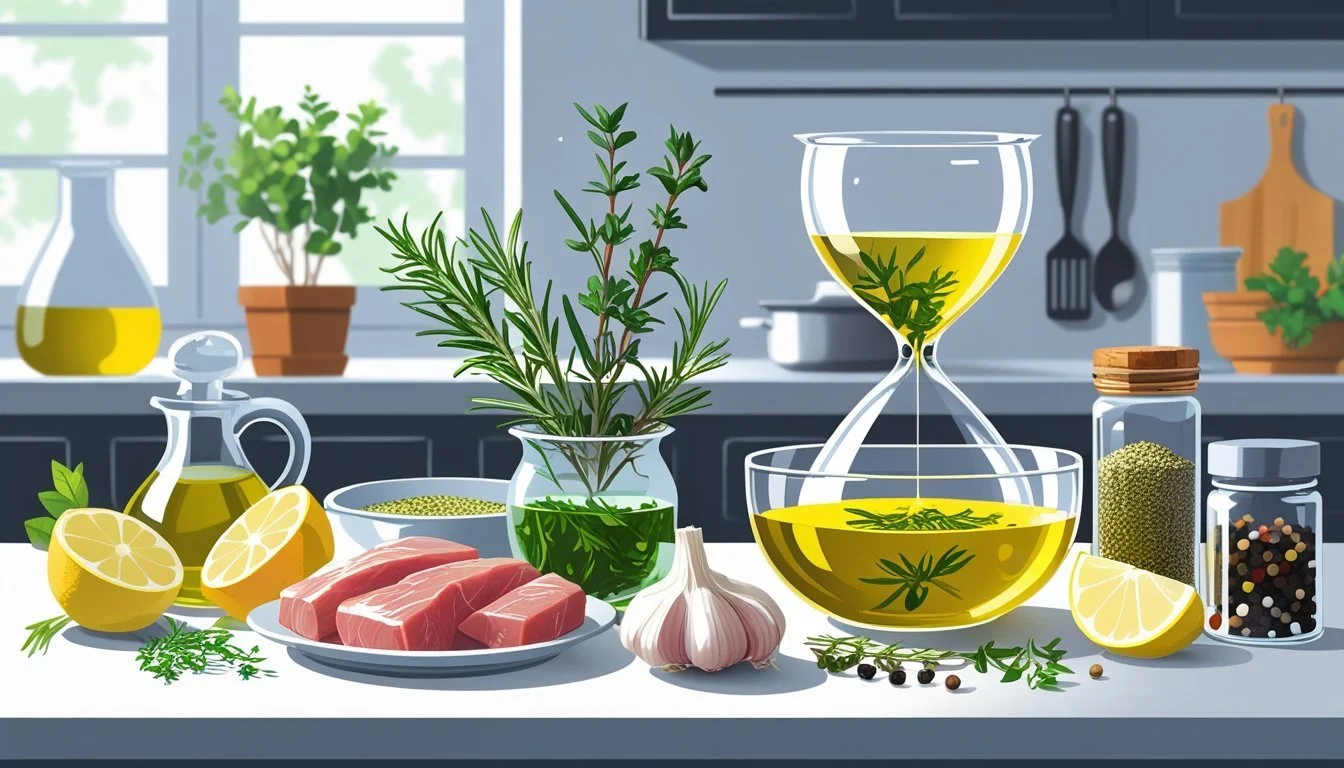
Marinating starts with choosing the right combination of liquid bases, flavors, and supporting ingredients to achieve the desired texture and taste. The correct balance of acids, oils, and aromatic components is crucial for effective marination and proper flavor absorption.
Common Marinade Bases: Acidic, Oil, and Yogurt
Acidic bases such as vinegar, citrus juice, and wine help tenderize proteins by breaking down muscle fibers. These acids also impart a distinctive tang to meats, fish, or vegetables. Popular acids include lemon juice, red wine vinegar, and apple cider vinegar.
Oil-based marinades, using olive oil or vegetable oils, coat the food, help retain moisture during cooking, and allow fat-soluble flavors from added herbs and spices to infuse. They work well for both lean and fatty proteins.
Yogurt-based marinades are frequently used in South Asian and Middle Eastern cuisines. The lactic acid in yogurt gently tenderizes meats while also adding a creamy texture and subtle tartness.
Base Type Examples Effect on Food Acidic Lemon juice, vinegar, wine Tenderizes, adds tang Oil-Based Olive oil, canola oil Locks in moisture, flavor Yogurt Plain yogurt Tenderizes gently
Herbs, Spices, and Aromatics for Flavor
Herbs and spices deliver the main flavor profile in any marinade. Common choices include fresh or dried rosemary, thyme, oregano, paprika, cumin, and coriander. These seasonings can be customized to suit specific cuisines or dishes.
Aromatics such as garlic, onions, shallots, and ginger add depth and complexity. They are typically crushed or minced to maximize extraction of their natural oils and juices.
Using fresh versus dried herbs can change the final taste—fresh herbs provide a brighter flavor, while dried herbs are more concentrated. Including a mixture of both offers layered notes in the finished dish.
Balancing Marinade Components
A well-designed marinade contains a balance of acidic, oily, and flavoring ingredients. Too much acid can toughen proteins if left too long, while too little reduces tenderizing effects. Generally, a marinade ratio of 3 parts oil to 1 part acid works for most recipes.
Add enough salt or soy sauce for seasoning, but avoid over-salting if the marinade will be used for an extended soak. Sweeteners like honey or brown sugar can balance acidity and aid in browning during cooking.
For effective marination, ensure all surfaces of the food are evenly coated. Massage the marinade into the ingredients, or use a resealable bag to maximize surface contact.
Optimizing Marinating and Resting Times
Proper marinating time can enhance flavor and texture, but over-marinating may result in unwanted changes. Resting cooked proteins also plays a vital role in juiciness and tenderness, making it important to time both steps correctly.
Guidelines for Marinating Times by Ingredient
Seafood: Marinate for 15-60 minutes. Acidic marinades, such as those using lemon juice or vinegar, should be limited to the lower end to prevent toughening.
Chicken: Typically marinate for 1-8 hours. Small pieces, like diced chicken, need less time than whole breasts or thighs. Very acidic mixtures can cause texture changes if used longer than a couple of hours.
Red Meat (Beef, Lamb): Most cuts benefit from 1-8 hours. Tougher cuts can handle up to 24 hours, but highly acidic marinades should be limited to prevent mushiness.
Vegetables and Plant-Based Proteins: Vegetables can marinate from 15 minutes up to 2 hours, depending on texture and desired flavor absorption. Firm items like tofu benefit from at least 30-60 minutes.
General Tip: Avoid marinating at room temperature for safety. Always refrigerate foods during marination.
Ingredient Ideal Marinating Time Seafood 15–60 minutes Chicken 1–8 hours Beef/Lamb 1–8 hours (up to 24 for tougher cuts) Vegetables/Plant-Based 15–120 minutes
Resting Times for Different Proteins
Steak and Roasts: After cooking, steaks and large roasts should rest for 5-20 minutes, depending on thickness. A general guide is 5 minutes per inch of thickness, allowing juices to redistribute and making the meat more tender.
Poultry: Whole chickens or turkeys need to rest for 10-20 minutes before slicing. Smaller portions like breasts benefit from a 5-minute rest.
Fish: Fish usually requires a very short rest, around 3-5 minutes, due to its delicate texture.
Plant-Based Proteins: Items like tofu or tempeh may rest briefly (2-5 minutes) to allow residual heat to finish cooking and firm up their textures.
Always rest proteins uncovered or loosely tented with foil to avoid trapping steam, which can soften crusts or skins. Short but adequate resting times make a noticeable difference in final texture and moisture.
Choosing the Right Cooking Method After Marination

The ideal cooking method after marination depends on the type of protein, the ingredients in the marinade, and the desired final texture. Matching the cooking method to the marinated dish enhances flavor absorption and helps achieve the best taste and tenderness.
Grilling for Maximum Flavor
Grilling excels at delivering deep, smoky flavors to marinated meats and vegetables. The high heat and direct flame create caramelization, which works especially well with marinades that contain sugar, honey, or other sweeteners.
For best results, excess marinade should be patted off before grilling to prevent burning and flare-ups. A well-prepared grill—whether gas or charcoal—should be preheated and cleaned. Marinated chicken, beef, seafood, and vegetables all benefit from grilling because it locks in moisture while adding a crisp, remarkable crust.
Key Tips:
Use a grill basket for smaller marinated items, like shrimp or diced vegetables.
Monitor for charring; sweet marinades burn quickly.
Cook thicker cuts over indirect heat for even results.
Roasting and Baking Techniques
Roasting and baking are versatile cooking methods that evenly cook marinated dishes while encouraging flavor development. Ovens provide steady, all-around heat, which is suitable for proteins like chicken breasts, pork loin, or even marinated tofu.
Lining a baking tray or using a roasting rack helps circulate heat and prevents sogginess. Basting during cooking with leftover marinade (set aside before marinating raw proteins) can enhance juiciness and boost flavor. Covered roasting (with foil or a lid) keeps moisture in, while uncovering toward the end allows browning.
Comparison Table:
Cooking Method Best for Temperature Roasting Larger cuts, whole birds 350–450°F Baking Fillets, small cuts 325–400°F
Sautéing and Quick Cooking Methods
Sautéing is best suited for thinly sliced marinated proteins or vegetables. High heat and a small amount of oil let dishes cook rapidly, preserving both texture and flavor. This method is ideal for stir-fries using marinated beef strips, chicken pieces, or tofu cubes.
To avoid steaming, ingredients should be added in small batches and not overcrowd the pan. Draining excess marinade minimizes splattering and ensures crisp edges. Stirring constantly keeps food from sticking and allows even searing.
Benefits:
Fast cooking time preserves the marinade’s bright flavors.
Ideal for busy weeknights or delicate cuts.
Leaves a flavorful fond for quick pan sauces if desired.
Special Considerations for Protein Types
Different types of proteins react uniquely to marination and resting. The timing, techniques, and ingredients used can have a significant effect on flavor development and texture.
Marinating and Resting Meat (Beef, Pork Chops, Poultry)
Beef generally benefits from longer marination times because its denser structure allows marinades to slowly penetrate and improve flavor. Marinating beef for 6-24 hours can enhance tenderness and depth of taste.
Pork chops respond well to both marinating and resting. Acidic marinades help tenderize this cut, while a resting period of 5-10 minutes after cooking helps redistribute juices and prevents dryness.
Poultry such as chicken or turkey absorbs marinades efficiently. Shorter marination—about 1-6 hours—is typically sufficient. Resting after cooking for just a few minutes helps retain moisture in the meat.
Recommended Time Chart:
Protein Marinate Time Rest Time (After Cooking) Beef 6–24 hours 10–20 minutes Pork Chops 2–12 hours 5–10 minutes Poultry 1–6 hours 5–10 minutes
Acidic ingredients like vinegar and citrus can over-tenderize if left too long, especially for poultry.
Techniques for Tofu and Plant-Based Proteins
Tofu and other plant-based proteins are naturally porous and can absorb marinades quickly. Pressing tofu before marinating is essential to remove excess moisture and create more space for flavors to infuse.
Marinating tofu for 30 minutes to 2 hours is usually effective. Longer times can intensify flavor but may break down delicate varieties. Using soy sauce, garlic, ginger, and a small amount of oil helps marinades adhere and enhance taste.
Plant-based proteins like tempeh and seitan benefit from similar methods. Slicing them thinly or scoring surfaces increases the depth of flavor penetration. Quick resting after cooking can firm up texture without drying out these proteins.
Vegetables: Maximizing Flavor and Texture
Vegetables require shorter marination compared to animal proteins. Thinly sliced vegetables may need as little as 15–30 minutes to absorb flavors. Firmer vegetables such as carrots, cauliflower, and potatoes benefit from up to 2 hours to allow seasonings to penetrate.
Avoid highly acidic marinades for long periods, as they can make some vegetables mushy. Roasted or grilled, vegetables develop deeper flavor if rested briefly before serving, allowing juices to redistribute and surface moisture to reabsorb.
For best results, coat vegetables evenly with marinade. Use zip-top bags or shallow containers to ensure all pieces are covered. Excess liquid should be drained before cooking to promote caramelization and avoid steaming.
Mastering Flavor Combinations and Profiles
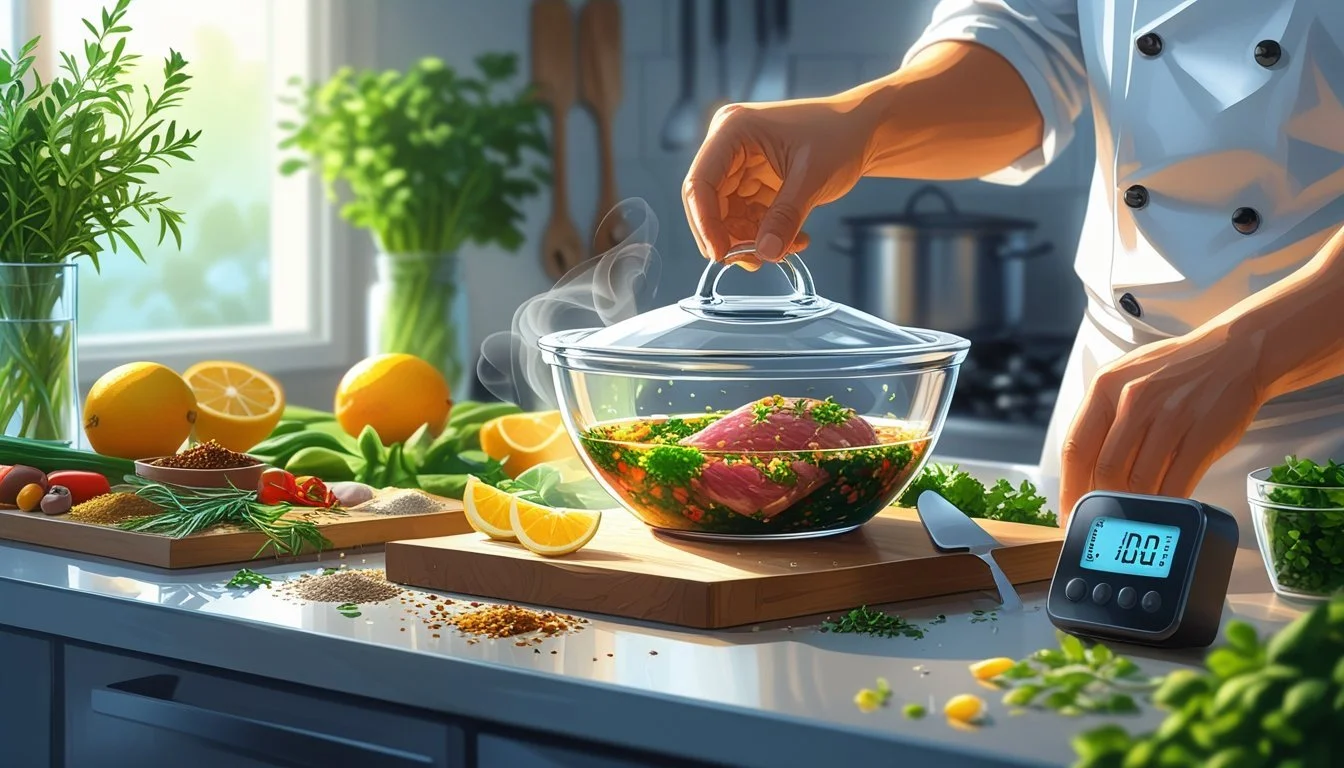
Balancing sweet, salty, bitter, sour, and umami elements is key to enhancing any dish. Understanding how these tastes interact helps cooks pair flavors, layer complexity, and achieve more depth when letting foods marinate or rest.
Classic and Innovative Flavor Pairings
Many traditional dishes draw on proven combinations, such as tomatoes with basil and mozzarella or rosemary with lamb. These pairings work because their flavor molecules complement one another, resulting in harmony or pleasant contrast.
Here are some classic combinations:
Ingredient 1 Ingredient 2 Notes Lemon Dill Common in fish dishes Pork Apple Sweet enhances salty Tomato Basil Fresh, aromatic Soy Sauce Ginger Asian cuisine staple
Innovative pairings may focus on blending unexpected tastes, like chocolate and chili or watermelon and feta. Success often depends on balancing primary taste notes while allowing one flavor to take the lead and others to support.
Herbs, Garlic, Ginger, and Soy Sauce Enhancements
Fresh herbs such as cilantro, parsley, or thyme bring brightness, while dried versions provide deeper, earthy tones. Garlic and ginger are potent flavor carriers; together, they create aromatic bases found in global cuisines.
Soy sauce introduces saltiness and umami, elevating marinades, dressings, or dipping sauces. Combining ingredients like garlic, ginger, and soy sauce with a touch of sweetness (such as honey or brown sugar) produces nuanced flavor profiles—simultaneously savory, aromatic, and complex.
Examples of enhancements:
Finely minced garlic and ginger in stir-fry sauces
Soy sauce blended with lime and fresh herbs for dipping
Chopped parsley or cilantro sprinkled before serving
Building Complex Marinades
A well-constructed marinade has components that serve different roles: acid (like vinegar or citrus juice) for tenderizing, oil to help flavors penetrate, and seasonings for depth. The right balance between these parts allows flavors to meld during extended rest or marination.
Complex marinades often feature multiple flavor profiles:
Sweet: honey, brown sugar, or fruit juice
Salty/Umami: soy sauce, fish sauce, or miso
Acidic: lemon juice, vinegar, or yogurt
Aromatics: herbs, garlic, onion, ginger
Layering these ingredients creates depth. For example, chicken marinated overnight in a mixture of soy sauce, ginger, garlic, and citrus will develop savory, aromatic qualities that simple seasoning cannot replicate.
Common Mistakes and Food Safety Tips
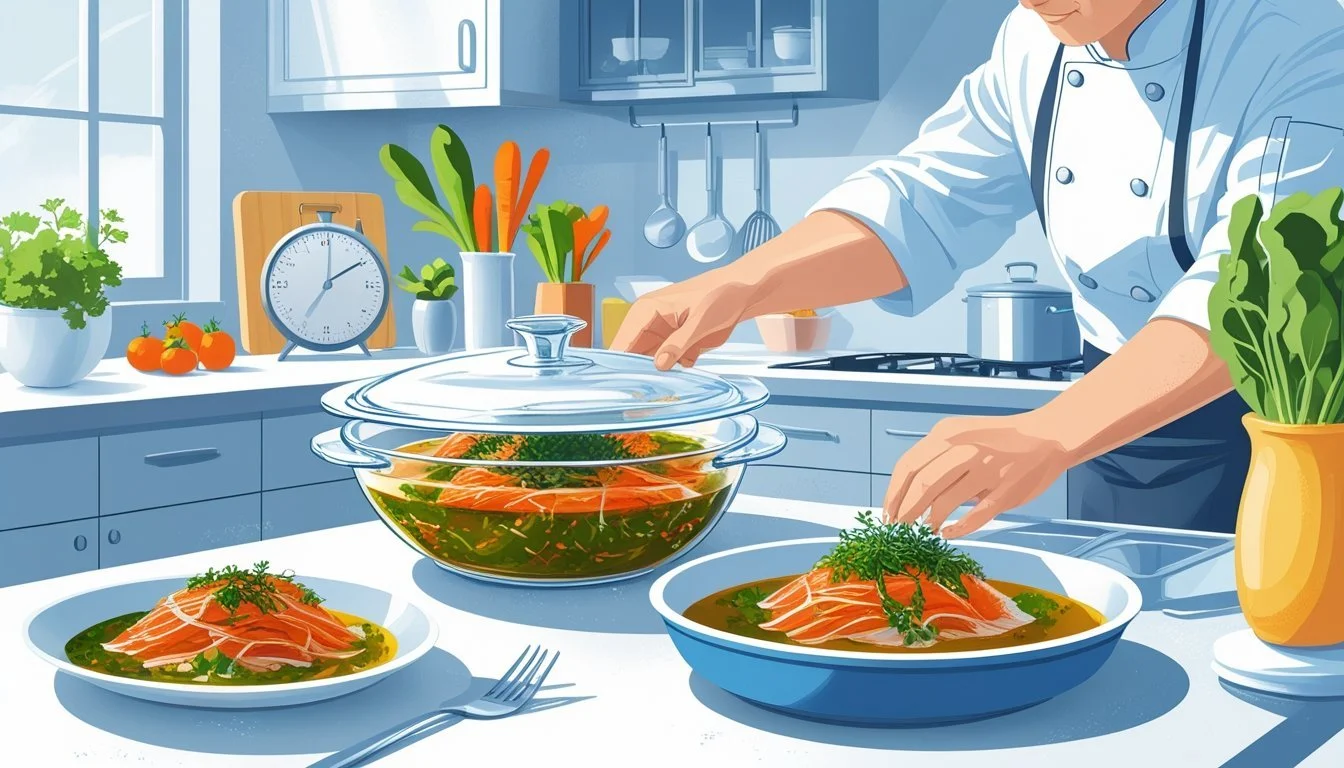
Proper marinating and resting improve flavor and tenderness, but mishandling food during these steps can increase safety risks. Key issues include marinating too long, poor temperature control, and improper use of foil or thermometers.
Dangers of Over-Marinating
Leaving ingredients in marinades for too long can negatively affect both food quality and safety. Acidic marinades with lemon juice or vinegar can break down proteins in meat or seafood, making them mushy and unpalatable if left too long. For example, chicken should rarely marinate longer than 24 hours; fish often needs just 30 minutes to an hour.
Over-marinating in the fridge is safer than at room temperature but does not eliminate food safety risks. Marinating at room temperature, even for short periods, allows bacteria to multiply quickly between 40°F and 140°F (4°C and 60°C), increasing the risk of illness.
For safety, always follow guidelines specific to each type of meat. Use the following table as a quick reference:
Food Recommended Max Marinate Time Safe Location Chicken 24 hours Refrigerator Beef 24-48 hours Refrigerator Fish 30-60 minutes Refrigerator
Safe Resting and Marinade Handling Practices
Letting food rest after cooking allows juices to redistribute and can ensure even temperature throughout. However, never let cooked or uncooked foods sit out at room temperature for more than 2 hours (or 1 hour if above 90°F/32°C).
Never reuse marinades that have contacted raw meat or seafood unless they are boiled for several minutes first. Always marinate in the refrigerator and use covered, non-reactive containers such as glass or food-grade plastic. Avoid cross-contamination by keeping raw meats and their juices away from other foods, utensils, and surfaces.
If thawing or marinating, do it in the fridge, not on the counter. Promptly refrigerate leftovers or cooked foods. Bacteria grow rapidly in the "danger zone" — between 40°F and 140°F (4°C and 60°C).
Using Aluminum Foil and Meat Thermometers
Covering meats with aluminum foil while resting can keep food warm and allow residual heat to finish cooking. However, avoid direct contact between acidic marinades and aluminum foil, as acid can react with foil, causing off-flavors or discoloration. Use a layer of parchment between acidic foods and foil if necessary.
A meat thermometer is essential for food safety. Internal temperatures should reach at least 165°F (74°C) for poultry and 145°F (63°C) with a rest time for beef, pork, and fish. Always insert the thermometer into the thickest part of the food, avoiding bone or fat for accuracy.
Regular use of a thermometer prevents undercooking and helps avoid overcooking, supporting both food safety and optimal texture. Proper handling of foil and precise temperature checks are vital in preventing common kitchen mistakes.
Expert Advice on Maximizing Flavor and Texture
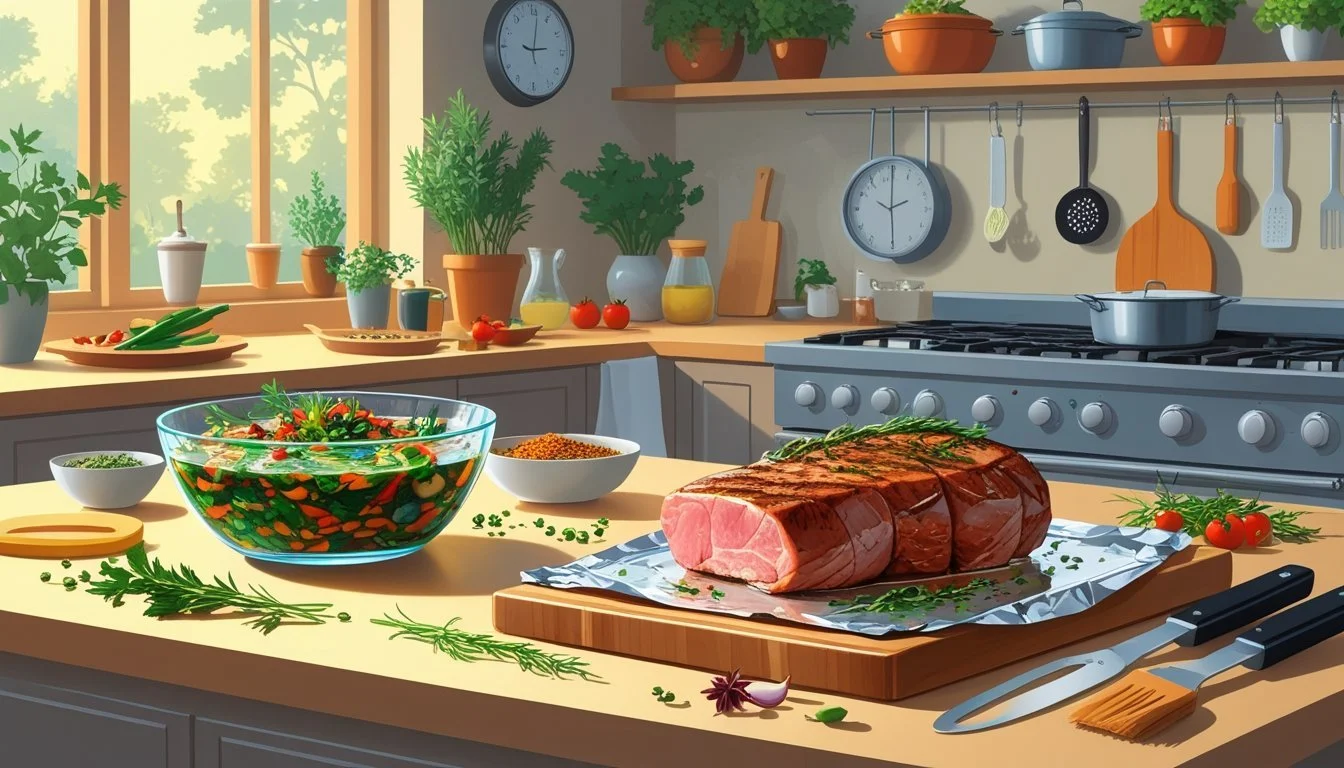
Careful control over marinating or resting time directly affects both flavor and texture. Using smart techniques and understanding ingredient interactions yield more consistent and satisfying results.
Secrets for Consistent Results
Food professionals recommend using cuts with plenty of surface area, such as skirt steak or chicken thighs, to allow marinades to cling and work effectively. Thin, even pieces expose more to the marinade, supporting uniform flavor and tenderness.
Time is crucial but so is the balance of marinade components. An effective marinade typically contains acid (vinegar, lemon juice), oil (olive, sesame), and seasonings (herbs, spices). Too much acid can turn the outer layer mushy, while insufficient time limits flavor absorption.
For consistent results, fully thaw proteins before marinating. Use a resealable bag or a non-reactive container to coat the food evenly. Marinate in the refrigerator for safe temperature management. Turning or flipping items halfway can further ensure all sides absorb flavor equally.
Ensuring Balanced Marinade Penetration
A balanced marinade does not just rest on the surface; it should impart taste without overpowering or damaging the food’s structure. Start with the right ratio: about three parts oil to one part acid, plus a measured amount of spices or aromatics.
Avoid over-marinating, particularly with lean proteins like fish or chicken breasts, as they break down quickly and can become mushy. For tougher or more fibrous cuts, such as beef flank or pork shoulder, longer marinating—up to 24 hours—is more effective for both flavor and tenderizing.
Thinner cuts benefit from shorter marinating times, usually between 30 minutes and 2 hours. Always discard used marinades or boil them if planning to use as a sauce, to prevent cross-contamination. Small additions—like gentle pricking or scoring—can help the marinade penetrate further, improving taste and texture.

