
Salt Substitutes That Don’t Taste Like Cardboard
Flavorful Alternatives for Healthier Meals
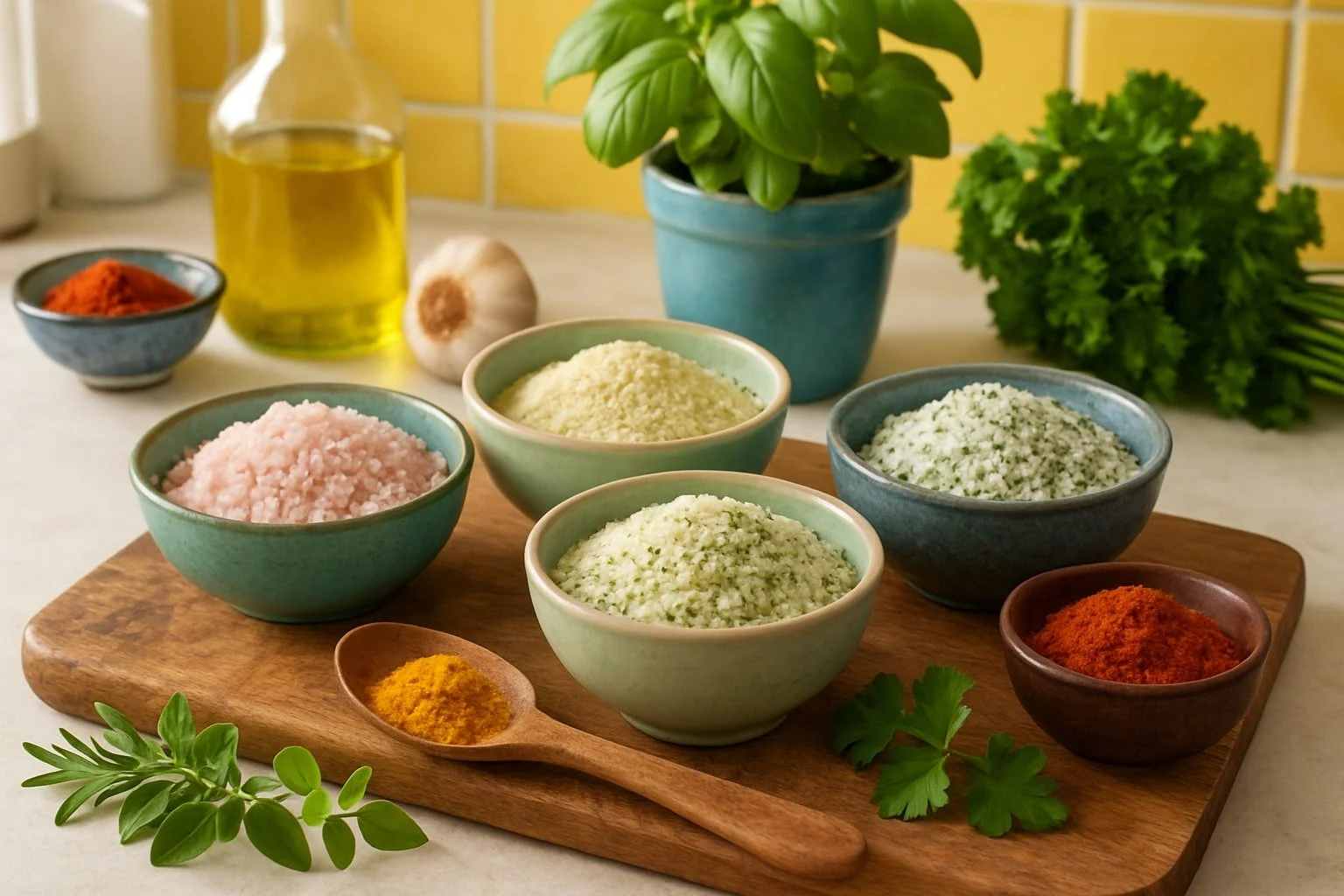
Many people worry that cutting back on salt means settling for bland or cardboard-like flavors. A variety of salt substitutes can deliver rich, satisfying taste without overwhelming sodium content. Options like potassium chloride-based blends, umami-rich seasonings, and acidifiers such as lemon juice or vinegar can enhance food without sacrificing flavor.
The right salt substitute can complement everything from bread to burgers, offering enjoyable meals for those watching their sodium intake. Readers looking for flavorful alternatives will find practical and tasty solutions that fit a range of dietary needs and preferences.
Understanding Salt Substitutes
Salt substitutes offer alternatives for those needing to reduce sodium in their diet without sacrificing flavor. Key differences exist in their ingredients, flavor profiles, and how they impact health.
Types of Salt Substitutes
Salt substitutes come in several varieties. The most common are potassium chloride-based versions. These are found in products labeled as “sodium-free” or "salt alternatives."
Other substitutes use blends of herbs, spices, citrus, and even umami-rich ingredients to enhance flavor. This can include dried garlic, onion powder, lemon zest, or nutritional yeast. Some brands combine multiple flavor enhancers for a more balanced taste.
While these products aim to imitate salt’s savory profile, not all replicate the familiar taste exactly. Individual preferences play a large role in finding one that fits seamlessly into everyday meals.
The Role of Sodium Chloride and Potassium Chloride
Sodium chloride, the main ingredient in table salt and sea salt, is valued for both flavor and its function as an essential nutrient. It helps regulate fluid balance and nerve function.
Potassium chloride is the most common alternative in salt substitutes. It mimics the salty taste, but some find it has a slightly bitter or metallic aftertaste, especially at higher concentrations.
Potassium is also an essential nutrient involved in muscle and heart function. However, excessive intake can be harmful for people with certain kidney or heart conditions. Anyone considering a potassium-based salt substitute should consult a healthcare provider if they have health concerns.
Reduced Salt vs. Salt Substitutes
Reduced salt products retain some sodium chloride but offer lower sodium content than standard table salt. These are often labeled as “lite salt” or “lower sodium salt.” They typically blend sodium chloride with potassium chloride to keep flavor close to regular salt.
Salt substitutes, on the other hand, may contain little or no sodium. Their primary appeal is helping people cut sodium intake significantly, which can support heart health and blood pressure control.
Below is a comparison:
Product Type Main Ingredients Sodium Content Table Salt Sodium chloride High Sea Salt Sodium chloride + minerals High Reduced/Lite Salt Sodium & potassium chloride Medium Salt Substitute Potassium chloride, others Low to Zero
Choosing between reduced salt and salt substitutes depends on taste preference, dietary targets, and any medical issues related to sodium or potassium intake.
Comparing Taste: Why Some Substitutes Disappoint
Many salt substitutes fail to deliver the full taste experience of regular salt. The reasons lie in the way these alternatives interact with human taste receptors and sensory cues.
Sensory Properties and Food Taste
Salt enhances flavor by balancing bitterness, increasing sweetness, and boosting umami. Its unique profile can be measured by tools like the electronic tongue and confirmed by tasting panels, both showing gaps when substitutes are involved.
Salt blends and common substitutes such as potassium chloride, MSG, and nutritional yeast try to mimic this complexity. However, not all manage to activate the same taste pathways or create the familiar mouthfeel. Consumer acceptance depends not only on perceived saltiness, but also on aftertaste, texture, and overall enjoyment.
Data from sensory testing and consumer surveys notes that texture and delayed aftertastes are frequent complaints. For many, even a slight metallic or bitter note can reduce product success in everyday cooking.
The ‘Cardboard’ Problem Explained
When people describe a salt substitute as “tasting like cardboard,” they are highlighting its blandness or flatness. This perception often results from a lack of the layered flavors found in real salt.
Most substitutes do not dissolve or spread flavors through food in the same way. Instead of enhancing food, they may leave it with a dull, one-note profile or an undesirable aftertaste. For example, potassium chloride—while salty—can taste metallic and sometimes bitter.
Testing panels and consumer feedback often reveal “cardboard” as shorthand for a non-engaging or artificial sensation. Texture can amplify this effect; if a substitute is gritty or powdery, the comparison becomes even more pronounced and consumer acceptance drops.
Salt Substitutes That Actually Taste Good
Finding a good salt substitute means choosing options that actually enhance food rather than simply reducing sodium. Several well-formulated products and natural seasonings add flavor and complexity, making lower sodium dishes much more enjoyable.
Best Store-Bought Salt Blend Options
Store shelves now offer a variety of salt substitutes that use potassium chloride, such as NU-SALT and similar brands. These blends provide a salty flavor with zero sodium, which can help those trying to lower sodium intake for health reasons.
Potassium chloride is the main ingredient in most commercial salt substitutes and comes close to replicating the taste of table salt, but some users report a slightly bitter aftertaste. To improve flavor, some blends combine potassium chloride with herbs, dehydrated vegetables, or spices.
For convenience, salt-free seasoning blends also exist. These products, like Mrs. Dash or other “no-salt” seasonings, contain mixes of garlic, onion, black pepper, paprika, and other flavors. They're especially helpful when seasoning proteins or vegetables and can be used straight from the jar.
Those sensitive to potassium or with kidney issues should consult a doctor before switching to potassium-based products. The following table compares a common sodium salt and a potassium-based substitute:
Product Main Ingredient Sodium per tsp Potassium per tsp Table Salt Sodium Chloride ~2,300 mg 0 mg NU-SALT Substitute Potassium Chloride 0 mg ~530 mg
Herbs and Spices as Flavor Enhancers
Herbs and spices deliver robust flavor without adding sodium and are particularly useful when cooking foods that would otherwise rely heavily on salt. Basil, oregano, thyme, and rosemary can transform basic vegetables or proteins into well-seasoned dishes.
Fresh herbs like basil add brightness and complexity to salads, pasta, and sauces. Dried spice blends with black pepper, cumin, smoked paprika, or garlic powder can mimic much of the “savory” character that salt provides.
When reducing salt in processed foods, a heavy hand with herbs and spices can boost flavor and make low-sodium options taste more satisfying. Combinations such as lemon zest with dill, or smoked paprika with garlic, work well for roasted vegetables or lean meats.
Experimenting with herbs and spices helps tailor flavors to individual preferences while maintaining a flavorful diet.
Creative Uses of Salt Substitutes in Cooking
Many salt substitutes have distinct flavors that can enhance certain dishes without overpowering them. Choosing the right substitute can dramatically impact the final taste and is especially important in recipes like seafood, soups, and baked goods.
Enhancing Seafood and Tomato Soup
Seafood dishes benefit from the brightness of citrus-based salt substitutes. Lemon juice or zest can bring out natural flavors in fish or shrimp and add a satisfying tang. Vinegar—such as white wine or rice vinegar—can be drizzled over grilled fillets to mimic some of salt’s palate-cleansing effect.
In tomato soup, herbs like basil, oregano, and thyme can compensate for low sodium while boosting complexity. Roasted garlic and a pinch of smoked paprika add depth, making up for the loss of traditional salt. Many cooks combine these flavors with a potassium chloride-based salt substitute for balance, but always check for bitterness before adding too much.
Consider using a dash of nutritional yeast for umami in both seafood and soup. Its savory profile can mask the absence of regular salt and create a richer overall flavor.
Baking Without Table Salt: Cookies and Beyond
Baking relies on salt for flavor and sometimes for food science, like regulating yeast and browning. Lower-sodium baking is possible by using potassium-based substitutes or herbs such as rosemary and cinnamon, which complement many cookies and quick breads.
For cookies, vanilla extract and unsalted nut butters can provide richness, reducing the need for added salt. Consider these swaps:
Substitute Typical Measurement Notes Potassium salt blends 1:1 for regular salt Taste may vary; test before final baking Unsalted nut butter Varies by recipe Adds depth and texture Vanilla extract 1 tsp per batch Enhances sweetness and flavors
Avoid overusing some salt substitutes, as they can turn bitter with heat. Taste dough before baking, and adjust as needed to avoid a bland result.
Health Impacts of Lower Sodium Intake
Reducing sodium intake is directly linked with specific health benefits, especially for those at risk of high blood pressure or heart disease. Evidence consistently supports improvements in both blood pressure levels and cardiovascular health when sodium is limited.
Sodium Reduction and Blood Pressure
Sodium is a critical factor in regulating blood pressure. Consuming high levels of sodium can raise blood pressure, especially in individuals who are salt-sensitive or already have hypertension.
Population studies and clinical trials indicate that reducing daily sodium intake lowers both systolic and diastolic blood pressure. This benefit can occur in people with high blood pressure and in those with normal readings, though the effect tends to be more pronounced in the hypertensive population.
Switching to salt substitutes, particularly those enriched with potassium, is one practical approach. Potassium helps counteract sodium’s effects and may contribute to maintaining healthier blood pressure levels.
A modest reduction in sodium—such as using low-sodium or potassium-based salt substitutes—often yields measurable improvements within a few weeks. These changes do not require drastic dietary overhauls, making sodium reduction accessible to most adults.
Cardiovascular Disease and Health Outcomes
Lowering sodium intake has been shown to reduce the risk of cardiovascular events such as stroke and heart attack. People who consistently consume less sodium experience lower rates of hypertension—a major risk factor for cardiovascular disease.
Research also links reduced sodium consumption to improved overall health outcomes. For example, lower sodium diets are associated with decreased progression of heart failure and better kidney function in those at risk.
Policy recommendations from health organizations often focus on sodium reduction as a core strategy to prevent non-communicable diseases. Using salt substitutes can be particularly helpful in populations where dietary salt is a major sodium source.
Key health outcomes affected by sodium reduction:
Outcome Effect of Lower Sodium Intake Blood Pressure Decreases systolic and diastolic levels Stroke Risk Lowered Heart Disease Risk Reduced Kidney Function Less deterioration in at-risk groups
Scientific Approaches and Innovations
Food scientists use evidence-based strategies to cut sodium while preserving flavor and texture. Recent techniques harness chemistry and multisensory science to create salt substitutes that taste better and work well in many foods.
Stealth Approach in Processed Foods
The stealth approach involves gradually reducing sodium chloride in processed foods so that consumers do not notice changes in taste. This technique has been applied in products like bread, snacks, and meats.
Manufacturers often pair salt reduction with minor reformulations, such as improving the product’s texture or including yeast-derived taste enhancers. For instance, yeast extracts can help mask off-flavors or metallic notes sometimes left by potassium chloride.
A stepwise decrease—sometimes up to 67%—can be achieved with careful blending and testing, but taste and mouthfeel must be monitored to avoid noticeable differences. Successful stealth reduction relies on small, incremental changes combined with sensory evaluations.
Key Points:
Gradual sodium reduction helps maintain consumer acceptance
Taste enhancers like yeast extracts can improve flavor
Sensory testing is essential to avoid sudden taste or texture changes
Advances in Salt Solutions and Chemistry
Scientific advances have enabled the use of alternative salt blends and new chemistries in food processing. Calcium chloride, potassium chloride, and magnesium salts appear frequently as sodium substitutes, but their unique tastes present reformulation challenges.
New salt solutions integrate these mineral salts in precise ratios to minimize bitterness and the “cardboard” note often associated with typical substitutes. Researchers now use microencapsulation and tailored crystal structures to control how salty flavors are released in the mouth.
Multisensory approaches can enhance perceived saltiness, combining taste, aroma, and mouthfeel technologies.
Notable Advances:
Substitute Type Benefits Challenges Potassium Chloride Similar saltiness Bitter, metallic taste Calcium Chloride Functional properties Unique mouthfeel Enhanced salt blends Better balance Requires innovation
Efforts focus on minimizing off-flavors and preserving safety and quality in final products.
Research and Thought Leaders in Salt Substitutes
Recent advances in salt substitutes have been driven by targeted sensory studies and interdisciplinary research. Evidence-based findings guide product innovations to balance health concerns with taste.
Key Studies from Washington State University
Washington State University (WSU) has conducted multiple studies to address the sensory limitations of salt substitutes. Their research explores how consumers perceive and accept blends containing potassium chloride and other compounds that can replace sodium chloride.
Analysis from WSU labs often includes side-by-side comparisons of traditional salt and alternative formulations. Trained sensory panels assess variables like aftertaste, perceived saltiness, and off-flavors. Some experiments introduce flavor enhancers or natural extracts to improve overall acceptance.
A notable finding is that blends containing up to 30% potassium chloride, when carefully matched with food types and masking agents, often avoid strong metallic or bitter notes. WSU researchers also monitor sodium reduction targets that align with World Health Organization guidelines, making their studies highly relevant for food industry applications.
Influential Experts: carolyn ross and Collaborative Teams
Carolyn Ross, a professor of Food Science at Washington State University, has played a significant role in sensory evaluation research related to salt reduction. Her work focuses on consumer testing, identifying the main drivers of taste dissatisfaction in low-sodium products.
Ross regularly collaborates with interdisciplinary teams, including nutritionists and food technologists, to refine salt substitute blends. Their collective efforts analyze both the chemical interactions and sensory impacts. They seek practical solutions that allow food manufacturers to lower sodium without compromising consumer acceptance.
Through publications and conferences, Ross and her teams influence industry trends by sharing data-driven recommendations. Their expertise helps bridge scientific research with real-world product development, supporting healthier and more palatable salt substitute options.

