
Flavor vs Function: Which to Prioritize When Substituting in Recipes for Best Results

Swapping ingredients in a recipe isn't always as simple as picking the closest item in the pantry. Home cooks and bakers are often faced with the decision to prioritize flavor or function when making substitutions. For the best results, it’s essential to identify whether the ingredient mainly affects taste or plays a key role in texture, structure, or cooking chemistry.
Ignoring the function of an ingredient can lead to disappointing textures or failed bakes, while overlooking flavor may cause the final dish to taste flat or unfamiliar. Considering both aspects, and deciding which matters most to the recipe, helps ensure a successful substitution.
Choosing the right substitute becomes much clearer when the primary role of the ingredient is understood. This approach saves effort, reduces waste, and increases kitchen confidence, no matter what needs replacing.
Understanding Ingredient Substitutions
Ingredient substitutions allow cooks and bakers to adapt recipes for different needs without sacrificing essential qualities of the dish. By understanding how and why to substitute, individuals can address dietary issues, manage shortages, or personalize flavor, all while keeping results as close as possible to the original intent.
What Are Ingredient Substitutions?
Ingredient substitutions involve replacing one component in a recipe with another that performs a similar role. Substitutes can match a specific taste, texture, or chemical function. Some examples include exchanging butter for margarine or swapping cow’s milk with almond milk in baking.
A successful substitution considers the function of the original ingredient—such as moisture, fat, or structure—alongside its flavor profile. Using the wrong substitute may alter texture, taste, or even the overall outcome of a dish.
A basic understanding of ingredient roles is essential. For example, eggs add both structure and moisture to cakes. Substituting eggs may require a combination of ingredients, such as mashed bananas and baking powder, to achieve a similar effect.
Reasons for Substituting Ingredients
Substituting ingredients often addresses dietary restrictions like food allergies, lactose intolerance, or veganism. A soy allergy, for instance, may require replacing soy sauce with coconut aminos in savory dishes. This can help ensure everyone can enjoy the meal safely.
Limited ingredient availability can prompt substitutions as well. Unexpected shortages in the pantry—such as running out of all-purpose flour—can be managed using alternatives like oat flour or whole wheat flour, though recipe adjustments may be necessary.
Food waste reduction is another driver. Using leftover vegetables instead of fresh ones or swapping in foods that are approaching their expiration can cut down on waste. Personal taste and nutritional goals, such as lowering sugar or fat content, also motivate many to seek alternative ingredients.
Common Ingredient Substitutions
Below is a table of common ingredient substitutions in cooking and baking. These swaps are used frequently to address allergies, dietary needs, or missing ingredients:
Original Ingredient Common Substitute Notes Cow’s Milk Almond, soy, or oat milk Adjust for sweetness and fat Eggs Flaxseed meal + water Useful in vegan baking Butter Coconut oil or margarine Slight change in flavor Wheat flour Gluten-free flour blend May need more liquid or binder Soy sauce Coconut aminos, tamari Check sodium content
Each substitution comes with unique considerations regarding flavor, texture, and function. Careful selection helps preserve the intended results and meets dietary or availability needs.
Prioritizing Flavor in Substitutions
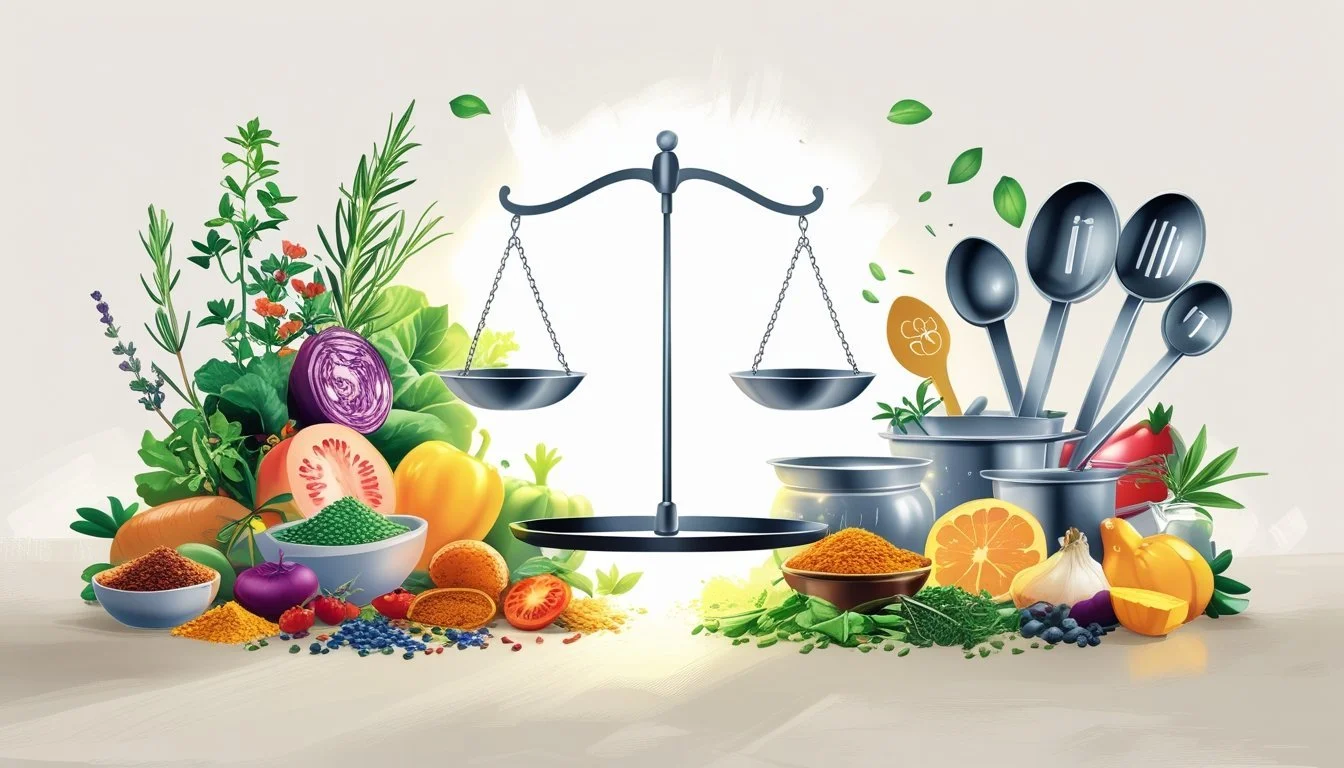
When substituting ingredients, flavor preservation is critical for achieving a satisfying dish. Matching the original taste, adapting spice levels, and using effective flavor enhancers are key strategies for maintaining a balanced and enjoyable result.
Preserving the Flavor Profile
The flavor profile encompasses not just the basic taste, but also the aroma, complexity, and aftertaste of a dish. When replacing an ingredient, it is important to choose a substitute that closely mimics both the taste and aromatic qualities of the original.
For example, if a recipe calls for fresh basil and none is available, flat-leaf parsley may add similar freshness, but additional herbs or a touch of lemon zest might be needed to fully replicate the flavor. Citrus zest, smoked paprika, or ground cumin can also fill gaps left by missing ingredients while preserving the depth of the original dish.
It's helpful to identify whether the ingredient brings sweetness, bitterness, umami, or acidity, and match those characteristics as closely as possible with the substitute. A mismatch can disrupt the entire flavor balance of the meal.
Adjusting Spices and Seasonings
When making substitutes, it's common for the balance of spices and seasonings to shift. A substitute might be more or less pungent, sweet, or salty than the original ingredient. Adjusting quantities helps maintain the intended taste.
For instance, if replacing onion powder with fresh onion, a larger volume may be needed, and the intensity will differ. Gradual adjustments, such as adding half the amount first and then tasting, allow for precise spice management.
A simple chart can guide adjustments:
Substitute Typical Ratio Notes Dried herbs 1 tsp dried = 3 tsp fresh Reduce quantity for dried Garlic powder 1/8 tsp = 1 clove Intensify or dilute as needed Soy sauce for salt 1 tbsp soy = 1/2 tsp salt Adds umami and saltiness
Tasting as you go ensures dish accuracy, especially when using substitutes with stronger flavors or altered salt content.
Choosing Flavor Enhancers
Flavor enhancers are additional ingredients used to round out and boost the overall taste, especially when a substitute is less robust. Common enhancers include umami-rich items like soy sauce, Worcestershire sauce, miso paste, or nutritional yeast.
Herbs such as rosemary, thyme, and dill often strengthen or complete the flavor profile when a main ingredient is missing. A few drops of acid—lemon juice or vinegar—can brighten taste and compensate for dulled flavors caused by substitutions.
The right enhancer depends on the dish. Miso works well in savory broths. A dash of citrus may revive mild Mediterranean recipes. It is important to add enhancements sparingly, as too much can overwhelm the original character and tip flavor balance.
Focusing on Function During Substitution
When substituting ingredients, it is critical to ensure the replacement performs the same role as the original. Texture, structure, and end results are often more important than matching exact flavors.
Replicating Texture
One of the main reasons for an ingredient in a recipe is the texture it contributes. For instance, eggs provide binding and moisture, while nuts can give a crunchy element. Substitutes must deliver a comparable mouthfeel.
Consider using applesauce or mashed banana to mimic moisture and binding in baking when eggs are unavailable. To match the creaminess of dairy, coconut cream or silken tofu are common alternatives. For crunch, seeds like sunflower or pumpkin can often replace chopped nuts in salads or baked treats.
A table can help when assessing possible textural substitutes:
Texture Needed Common Substitute Examples Creaminess Silken tofu, coconut cream, yogurt Crunch Seeds, toasted oats, crispy onions Chewiness Dried fruits, cooked grains
Matching overall texture is essential for achieving the correct eating experience and avoiding disappointment.
Matching Leavening and Structure
Leavening agents like baking soda, baking powder, and yeast are crucial for rise and structure in baked goods. When substituting these, it’s important to choose ingredients that provide the same chemical reaction to trap gases and form a stable crumb.
For instance, if buttermilk is not available to activate baking soda, a mix of milk and vinegar or lemon juice can stand in. Chia or flax "eggs"—created by mixing ground seeds with water—may substitute for eggs’ structure, though may require recipe adjustments. Self-rising flour can replace flour plus baking powder, but salt amounts may need to be reduced.
These substitutions affect not only the rise but also the final texture:
Yeast: Use sourdough starter, but allow more time for leavening.
Baking Powder: Mix cream of tartar with baking soda as a DIY fix.
Eggs: Use commercial egg replacers, especially in cakes and muffins.
Proper functional substitution helps avoid dense, flat, or crumbly results.
Maintaining Desired Results
Preserving the desired outcome means focusing on what the ingredient achieves—whether it is moisture, structure, or mouthfeel. This sometimes requires adjusting cooking techniques, cooking time, or even combining several substitutes to mimic the original’s range of functions.
For example, substituting oil for butter in a cake affects moisture and richness. Reduce the amount slightly, and consider adding a pinch of salt for balance. If the original ingredient is crucial for browning, such as in yeast bread, brushing the surface with plant-based milk or oil can help substitute the effect.
Always prioritize function when taste alone will not create the correct result. Assess how each ingredient impacts the appearance, texture, and technical needs of the dish. This approach ensures reliable, satisfying results in both cooking and baking.
Substituting for Dietary Restrictions and Allergies
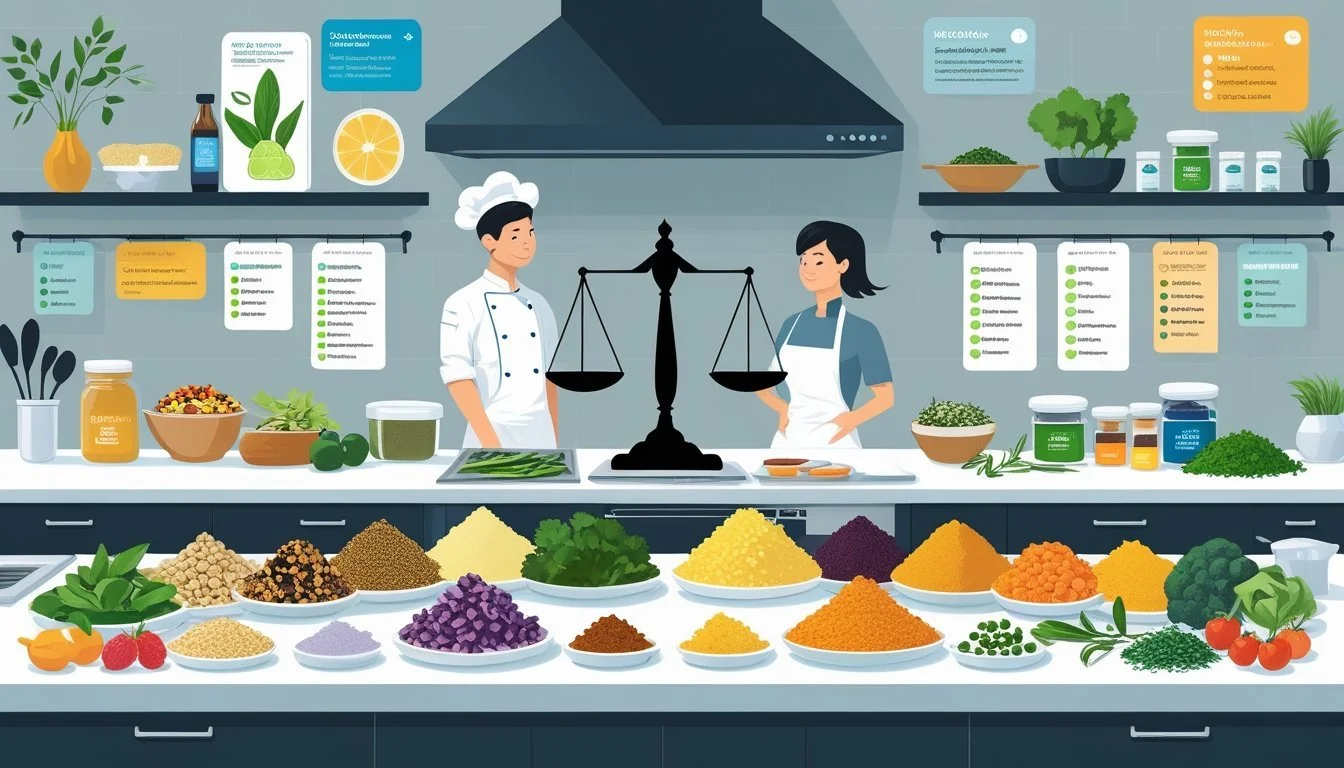
Substituting ingredients for dietary needs often requires balancing taste and function. Selecting the right alternative depends on allergies, intolerances, or personal dietary choices, as well as the cooking method and the desired outcome. Some substitutes offer a similar texture, while others focus on matching flavor profiles.
Dairy Substitutions and Non-Dairy Alternatives
For those avoiding dairy, a wide range of non-dairy alternatives is available. Popular options include oat milk, almond milk, coconut milk, and soy milk. Each offers a different taste and consistency, which can affect the final product, especially in baking or creamy sauces.
Oat milk is particularly valued for its neutral flavor and creamy texture, making it suitable for both sweet and savory dishes. Coconut milk provides richness but can add a distinct coconut flavor. Cheese substitutes often use nuts or soy and are suitable for melting or flavoring. When replacing butter, plant-based spreads or oils like olive oil are commonly used, with varying results depending on the application.
Here's a quick comparison:
Dairy Product Common Alternative Functionality Milk Oat/Almond/Soy Milk Similar moisture, taste Butter Plant Margarine/Oil Texture, fat content Cheese Vegan Cheese/Nutritional Yeast Melting, flavor
Egg Substitutions and Aquafaba
Eggs provide structure, binding, and leavening in many recipes. For egg allergies or vegan diets, aquafaba (the liquid from canned chickpeas) is frequently used as it whips and binds similarly to egg whites.
Chia or flaxseed gels (1 tbsp seed + 2.5 tbsp water) are also common, particularly in baking for their binding ability. Unsweetened applesauce or mashed banana can replace eggs in certain baked goods where moisture is the main concern.
Each substitute varies in performance. Aquafaba foams best for meringues, while flax or chia work in denser baked goods. No single option fully mimics both flavor and function, so the purpose of the egg in the recipe should guide the choice.
Gluten and Plant-Based Alternatives
Gluten provides elasticity and structure in baked products. Individuals with celiac disease or gluten intolerance often use flours like rice, almond, oat, or chickpea as substitutes. Each flour behaves differently, so results can vary.
Xanthan gum or psyllium husk is sometimes added to mimic gluten's binding properties, especially in bread. Plant-based alternatives such as lentils and chickpeas are also used for gluten-free pasta and baked goods. Potato and tapioca starches increase flexibility and improve texture.
For those seeking both gluten and plant-based options, blends of several flours often give the best outcomes. Closely following a tested recipe is recommended, as ingredient ratios make a significant difference in the final product.
Balancing Flavor and Function: Practical Examples

Both flavor and function influence ingredient substitutions in recipes. The following examples show how specific choices affect taste, texture, nutrition, and satisfaction in everyday cooking.
Sugar and Sweetener Substitutions
Substituting sugar for another sweetener can change both the taste and how a recipe behaves. For example, replacing granulated sugar with honey adds moisture and a mild floral note, but also slightly acidifies the mixture and causes faster browning during baking.
Choosing artificial sweeteners like aspartame or sucralose eliminates sugar, but these substitutes may leave an aftertaste or behave differently during caramelization. Brown sugar brings extra molasses flavor and moisture, which impacts cookies and cakes differently than white sugar would.
The following table summarizes some common sugar substitutions:
Substitute Flavor Impact Functional Impact Honey Floral, more depth Adds moisture, browns faster Maple Syrup Woody, earthy Lowers structure, softens Stevia Mild, some bitterness No bulk or browning Coconut Sugar Caramel-like Less sweetness, coarser crumb
Selecting a sweetener involves weighing how much to compromise on taste, baking properties, and health preferences.
Using Spinach in Place of Other Greens
Spinach often substitutes for other leafy greens such as kale, chard, or arugula in many dishes. Its tender texture and mild flavor make it a popular choice, especially in salads, smoothies, and cooked dishes.
When cooked, spinach wilts quickly and releases water, which can alter the final texture of a quiche or stir-fry. Kale, on the other hand, stays firmer and has a more pronounced bitter taste that stands up to long cooking.
If using spinach instead of heartier greens, consider adjusting the cooking method—add it near the end, drain excess liquid, or pair it with strong flavors like garlic or lemon to keep dishes balanced. The choice of green should reflect both the desired flavor and the way it will interact with other ingredients during cooking.
Honoring Personal Preferences
Personal taste is a key factor in deciding how to substitute ingredients. Some people dislike the bitterness of dark leafy greens, while others are sensitive to the aftertaste of certain sweeteners.
Substitutions may also accommodate dietary needs, such as choosing plant-based options or lower-calorie alternatives. For example, one might replace butter with coconut oil or applesauce when baking to change fat content, taste, or texture.
Empowering individuals to adjust recipes helps them find a balance that suits both health priorities and the flavors they enjoy. Flexibility in ingredient swaps supports broader enjoyment and increases the likelihood of a recipe’s success.
Tips for Successful Ingredient Substitutions
Effective ingredient substitution depends on understanding both the cooking process and how to make the best use of available resources. Adjusting techniques and making informed choices reduce both recipe mishaps and kitchen waste.
Adapting to Different Cooking Methods
Each cooking method—such as baking, roasting, or sautéing—can affect ingredient performance. For example, baking relies on precise leavening and texture, so swapping butter for oil can change moisture and crumb. Using applesauce or yogurt as a fat substitute in baked goods works well for moisture, but may not always provide the same richness.
When stir-frying, one can substitute proteins easily, such as swapping chicken for tofu, but should consider marinating times and moisture levels. In soups and stews, replacing rice with quinoa or barley changes cooking time, so adjustments may be required to avoid overcooking.
Tips for adapting substitutions:
Check cooking times and moisture requirements.
Match the substitution to the role (structure, flavor, texture) of the original ingredient.
Use charts or tables for quick reference:
Original Substitute Adjustments Butter in baking Applesauce Reduce liquids Chicken in stir-fry Tofu Shorter cook time
Minimizing Food Waste
Ingredient substitution is a practical way to use up leftovers or perishable items before they spoil. For example, wilted greens can replace fresh spinach in many recipes without a noticeable taste or texture difference. Overripe fruit works well in smoothies or baked goods, like banana bread or muffins.
Making substitutions based on what is already in the refrigerator or pantry prevents unnecessary purchases and reduces the chance of throwing away unused food. Keeping a list of common swaps on hand helps when faced with missing ingredients, encouraging resourcefulness.
Key practices:
Rotate perishable items into meals using flexible recipes.
Freeze excess produce for future use or blend into sauces and soups.
Store an ingredient substitution chart in the kitchen for quick ideas.
Taking these steps lets cooks adapt to what they have while cutting down food waste, supporting both cost savings and sustainability in the kitchen.

