
Building a Substitution Mindset for Everyday Cooking
Practical Strategies for Flexible Meals
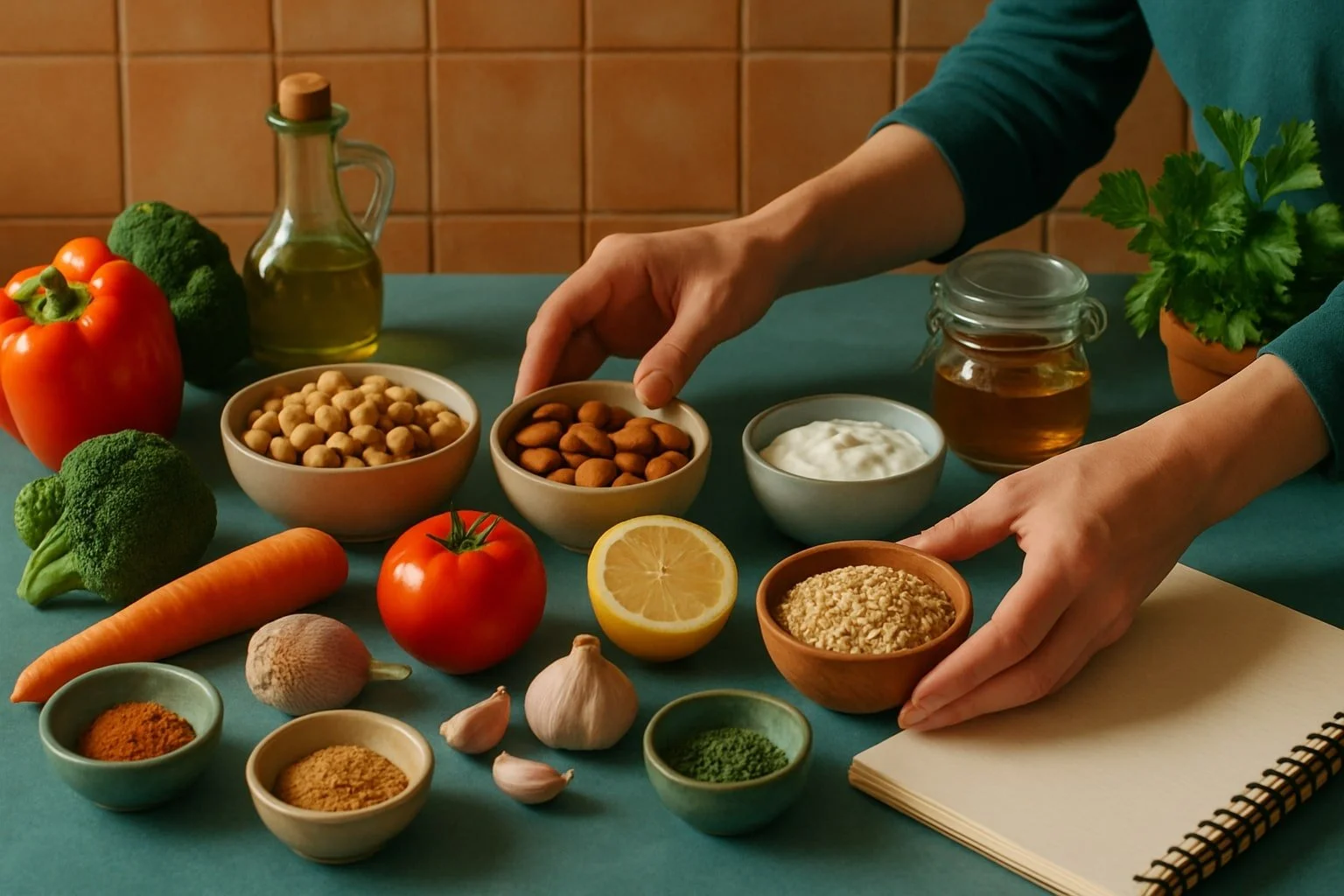
A substitution mindset in the kitchen helps home cooks adapt any recipe to what they actually have on hand, saving time, reducing waste, and making meals more reliable. Knowing how to swap ingredients confidently leads to more flexibility, better nutrition, and less stress during daily cooking.
Building this skill doesn’t require expert culinary training or expensive products—just a willingness to experiment and learn which ingredients can work as alternatives for others. Swapping whole milk with low-fat milk plus a splash of oil, or using coconut oil instead of vegetable oil, are practical examples that make recipes healthier or simply work when a key item is missing.
By developing these substitution habits, anyone can handle unexpected shortages, dietary needs, or flavor preferences without sacrificing the quality of their meals. This approach turns everyday cooking into a more enjoyable and adaptable experience.
Understanding a Substitution Mindset

A substitution mindset enables cooks to adjust recipes using available ingredients, rather than feeling restricted by missing items. This approach supports creativity, resourcefulness, and ongoing improvement in the kitchen.
Why Mindset Matters
Mindset shapes how individuals respond to challenges in the kitchen. When someone develops a substitution mindset, they feel more confident replacing ingredients to meet dietary needs, flavor preferences, or ingredient availability.
Instead of viewing missing ingredients as obstacles, they see them as opportunities for experimentation. This increases satisfaction and reduces frustration when cooking with limited supplies.
A positive and flexible mindset encourages learning over strict adherence to recipes. It supports an open approach to trying non-traditional substitutions, such as using yogurt instead of sour cream, or choosing lentils in place of ground beef for a plant-based meal.
The Role of Adaptability in Cooking
Adaptability is the practical skill behind effective substitutions. Cooks who practice adaptation can quickly assess ingredient properties—such as texture, flavor, or cooking time—and find suitable alternatives.
For example, understanding that 1 teaspoon of dried herbs usually replaces 1 tablespoon of fresh herbs allows for easy switches based on pantry stock. Swapping heavy cream for a blend of milk and butter is another common adaptive choice.
Being adaptable also means recognizing how ingredient changes may affect cooking time, consistency, or taste. A table may help illustrate typical substitutions:
Original Substitute Buttermilk Milk + Lemon Juice Eggs Flaxseed Meal + Water Meat Tofu or Lentils
Learning these swaps reduces waste and increases the likelihood of home-cooked meals, even in unpredictable situations.
Personal Growth Through Everyday Meals
A substitution mindset can create ongoing personal growth in cooking. Trying new substitutions often leads to learning new techniques, flavor pairings, and efficiencies.
Over time, individuals become less reliant on strict recipes and more comfortable trusting their judgment. This growth is part of the journey from beginner to skilled home cook.
Food substitutions also foster creativity, allowing each meal to reflect individual preferences or dietary needs. The act of making these decisions in daily cooking builds confidence, patience, and enjoyment in the cooking process.
Fundamental Cooking Skills for Substitutions

Successful ingredient substitution starts with a solid grasp of basic cooking skills and the ability to manage tasks efficiently in the kitchen. Mastering these core areas helps cooks adapt confidently when ingredients are missing or need to be replaced.
Essential Cooking Techniques
Knife skills are foundational. Being able to dice, chop, mince, and slice ensures even cooking, making it easier to swap fresh ingredients for others with similar textures. Understanding cooking methods such as sautéing, roasting, steaming, and boiling is key—each affects flavor and texture differently, which is important when changing components in a recipe.
Balancing flavors matters. Recognizing how sweet, salty, sour, bitter, and umami components interact allows cooks to make substitutions without losing the dish’s intended taste. When out of an ingredient, someone with strong flavor knowledge knows how to replace it with another that supports or mimics the original profile.
A cook should also be familiar with basic thickening and emulsifying techniques. Knowing how flour, cornstarch, egg yolks, or purees affect sauces and soups makes it more likely that substitutions will result in a pleasing texture. Practice helps build this flexible skill set.
Time Management in the Kitchen
Strong time management enables more effective substitutions. Preparing ingredients (“mise en place”) before starting ensures that any missing items are identified early, allowing time to find replacements without disrupting the workflow.
Multitasking in the kitchen helps keep cooking on track. Cooks who monitor several processes at once—such as boiling pasta while sautéing vegetables—can more easily substitute if something needs adjustment partway through.
A clear schedule reduces mistakes. Using timers, checklists, or choreographed steps means substitutions can be made smoothly, even under time pressure. This steadiness helps maintain food quality and consistency.
Efficient cooks are less stressed by changes, making it easier to adapt and substitute with confidence. Good organization means fewer errors if a new ingredient behaves differently, ensuring smoother results.
Identifying Substitution Opportunities
Spotting substitution opportunities in everyday cooking involves assessing which ingredients are flexible, how pantry staples can solve shortages, and when perfection is not required. An effective substitution mindset uses problem-solving skills to maintain flavor, texture, and quality even when some items are missing.
Recognizing Ingredients to Swap
Not all ingredients are equally critical. Core ingredients like eggs, flour, or oil provide structure or essential flavors, while others—such as certain spices, types of nuts, or specific cheeses—can often be swapped without much impact.
It helps to identify whether an ingredient is for taste, texture, or function. For instance, when a recipe calls for buttermilk, plain yogurt mixed with a little milk can offer similar acidity and moisture. A missing vegetable in a stir-fry can usually be replaced by another with a similar texture, such as swapping broccoli for snap peas.
Types of Common Swaps:
Dairy: Milk → almond, soy, or oat milk (1:1 ratio)
Butter: Margarine or coconut oil
Cheese: Nutritional yeast for flavor in vegan or allergy-friendly dishes
Assess quality and function to ensure swaps work. If an ingredient drives a recipe's core structure or flavor, substitutions must fulfill that same role.
Adapting Recipes to Your Pantry
A well-stocked pantry allows quick adaptation. When a specific ingredient is unavailable, cooks can look for similar items that match in texture, taste, or function.
Review what is on hand, then consider the requirements of the recipe. If baking and lacking eggs, a mix such as mashed banana with baking powder, or a commercial egg substitute, can often create a similar result.
For sauces and stews, various thickeners—like cornstarch, flour, or arrowroot—can be interchanged with little loss of quality. A shortlist of staple alternatives increases flexibility:
If Out Of Try Using Fresh herbs Dried herbs (using 1/3) Heavy cream Coconut cream, thinned Breadcrumbs Crushed crackers, oats
The key is thoughtful problem-solving and knowing what each ingredient contributes to the final dish.
Embracing the ‘Good Enough’ Approach
A substitution mindset is built on accepting when “good enough” is sufficient. Not every swap will exactly replicate the original; some changes are about making the best of what’s available.
Quality ingredients are still important, but the ability to adapt is more valuable during shortages or when improvising. For example, using oat milk instead of dairy in baked goods may shift the flavor slightly, but the overall quality can remain high.
Prioritize the end goal: a meal that meets taste, nutrition, and structure needs. Staying flexible fosters creativity and reduces stress, helping cooks focus on solutions rather than limitations. This approach lets them solve problems quickly, avoid waste, and maintain enjoyable meals with a mix of shelf staples and fresh items.
Creative Cooking and Flavor Pairings
Creative cooking involves exploring new ingredient combinations and using what is on hand to produce flavorful meals. A thoughtful approach to flavor pairing and utilizing leftovers can broaden cooking skills and bring variety to daily dishes.
Building Confidence With Flavor Combinations
Learning successful flavor pairings starts with understanding ingredient characteristics and the basics of taste—such as sweet, salty, sour, bitter, and umami.
New cooks often rely on recipes, but they can develop intuition by tasting and adjusting as they go. An easy way to gain confidence is to use tried-and-true pairings. For example:
Staple Ingredient Good Pairings Chicken Garlic, citrus, rosemary Tomatoes Basil, mozzarella, olive oil Beef Onion, black pepper, thyme Rice Ginger, soy sauce, scallion
Once familiar, cooks can experiment by adding one unexpected element to classic combinations, like roasted grapes with chicken, or miso with buttered corn. Keeping notes on these experiments helps reinforce what works and inspires future creativity.
From Leftovers to New Creations
Leftovers can be transformed into new meals by changing their context, flavor profile, or texture. Rather than reheating, smart cooks use leftovers as a base for something different.
Examples include:
Turning roasted vegetables into a grain bowl with a new dressing.
Mixing leftover proteins into frittatas or fried rice.
Combining stale bread with olive oil and tomatoes for a panzanella salad.
The key is to see leftovers as flexible components, not finished products. By remixing flavors and combining with fresh ingredients, leftovers become an opportunity for creative cooking each day.
Navigating Common Cooking Challenges

Cooking often presents unexpected problems, especially when ingredients are missing or recipes require specific substitutions. The process of adapting can vary greatly depending on whether someone is preparing a casual meal or following precise baking instructions.
Dealing With Missing Ingredients
Missing ingredients are a frequent obstacle. The ability to adapt starts with understanding the core function of each item in a recipe. For example, milk can often be replaced with plant-based alternatives in soups or sauces, and applesauce can stand in for oil or eggs in some baked goods.
A useful approach is to categorize potential substitutes by their purpose:
Function Common Swap Examples Binder Egg → Flaxseed meal + water Liquid Milk → Almond or oat milk Sweetener Sugar → Honey or maple syrup
Texture, taste, and moisture should guide substitution choices. Reading labels and tasting as you go can help maintain balance in the final dish.
Baking vs. Cooking: Adjusting Substitutions
Baking is more sensitive to ingredient changes. Most baked goods rely on chemical reactions, such as leavening or gluten formation. Substituting flour types or leavening agents may impact structure and flavor.
For example, substituting baking powder for baking soda requires adjustment of acid content in the recipe. In contrast, cooking methods like stir-frying or making soups allow greater flexibility, as ingredients can often be changed without affecting the final result drastically.
It is helpful to review tested substitution guides or charts when baking. Small-scale substitutions, like vanilla extract swaps, are safest, while major changes should be approached cautiously to avoid altering texture or rise.
Maximizing Nutrition and Reducing Food Waste
Building a substitution mindset in the kitchen not only helps create more nutritious meals but also minimizes food waste. Making thoughtful ingredient swaps and finding creative uses for leftovers supports a more efficient, health-focused approach to everyday cooking.
Making Nutritious Choices With Substitutions
Substituting ingredients can boost nutritional value and adapt recipes to what is available. Swapping white rice with quinoa or brown rice increases fiber and protein content. Using Greek yogurt in place of sour cream adds probiotics and reduces saturated fat.
Whole grain breads or pastas can replace refined versions for added vitamins and minerals. Cooked lentils or beans serve as effective meat substitutes in dishes like tacos or soups, offering plant-based protein and reducing reliance on animal products. Exploring these options helps meet dietary needs and supports varied, balanced meals without sacrificing flavor.
To streamline substitutions, keep a table like the one below as a reference:
Common Ingredient Nutritious Substitute White rice Quinoa, brown rice Sour cream Greek yogurt Ground beef Lentils, black beans White flour Whole wheat flour, oat flour
Smart Strategies for Using Leftovers
Leftovers can be transformed into new, appealing dishes. Roasted vegetables become the base for frittatas, grain bowls, or soups. Cooked chicken or fish can be added to salads, wraps, or stir-fries, avoiding waste and creating fast meals.
Stale bread can be turned into breadcrumbs, croutons, or bread pudding. Excess cooked grains work well in casseroles or as fillers in homemade veggie patties. Labeling and organizing leftovers in the refrigerator helps prevent spoilage and ensures ingredients get used before going bad.
Batch cooking and freezing single portions also extends the life of food. These practical steps reduce waste and stretch grocery budgets while still delivering nutritious meals.
Satisfaction and Consistency in Everyday Cooking

Cooking at home offers ongoing opportunities to adjust methods for consistent results and personal satisfaction. Achieving both reliability and enjoyment means accepting that each dish may turn out differently, but still finding value and pleasure in the process.
Maintaining Consistency in Results
Consistency in home cooking starts with understanding ingredients, basic techniques, and ratios. Regularly tasting during the process helps catch mistakes early and make real-time adjustments. Using reliable equipment, such as a digital scale or measuring spoons, also supports predictable outcomes.
Many cooks benefit from keeping notes about past substitutions or modifications. Recording what works and what doesn’t streamlines future decisions and builds confidence. For quick reference, tables listing safe substitutions or flavor pairings can be kept visible in the kitchen.
Common strategies for dependable results include:
Choosing similar cooking methods for substitutions (e.g., roasting instead of steaming)
Repeating recipes with slight adjustments to iron out inconsistencies
Prepping ingredients ahead, which limits stress and distraction
Establishing these routines means less guesswork and more dependable meals.
Finding Satisfaction in ‘Imperfect’ Dishes
Not every meal will turn out flawlessly, especially when experimenting with ingredient substitutions. Satisfaction comes from viewing each cooking session as a learning experience instead of focusing only on perfection. Home cooks often find pleasure in creativity, adaptability, and the ability to solve unexpected problems on the spot.
Appreciating small wins, such as successfully using a new ingredient or salvaging a dish with clever adjustments, supports a positive mindset. Sometimes, a surprising combination can become a new family favorite.
A short list of ways to enjoy imperfect results:
Emphasize taste, even if presentation isn’t perfect
Share the story and process with others at the table
Take mental notes of what worked for next time
By adjusting expectations and celebrating progress, cooks develop greater satisfaction and a sense of accomplishment, regardless of minor flaws or variations.
Case Studies: Substituting in Everyday Recipes

Substituting ingredients in common dishes allows cooks to tailor meals based on dietary needs, allergies, or pantry limitations. Knowing how key components like eggs and vegetables can be replaced provides versatility, while still maintaining flavor and texture.
Egg Substitutions Across Meals
Eggs are common in breakfast items, baked goods, and even as binders in savory dishes. For those with egg allergies or vegan diets, replacements are essential. Flaxseed meal mixed with water (1 tbsp flaxseed + 3 tbsp water = 1 egg) works well in pancakes and muffins, offering needed structure.
For scrambled eggs or omelets, silken tofu can be seasoned and cooked to mimic the same texture. In recipes where eggs serve as a binder, such as in meatballs or veggie burgers, mashed potatoes or unsweetened applesauce provide effective alternatives. The following table shows some of the most used egg substitutes:
Substitute Amount for 1 Egg Best Uses Flaxseed + water 1 tbsp + 3 tbsp Baking, pancakes Silken tofu 1/4 cup Scrambles, omelets Applesauce 1/4 cup Cakes, brownies Mashed potato 1/4 cup Binders in savory recipes
Casserole Transformations With Substitutions
Casseroles are highly adaptable, making them ideal for ingredient swaps. Instead of white potatoes, cooks can use carrots, cauliflower, or mushrooms for a similar texture and hearty component, as noted in the search results. These substitutions work well in both vegetarian and meat-based casseroles.
For creamy sauces requiring heavy cream, unsweetened plant-based milks combined with a thickener like flour or cornstarch achieve similar results. Those avoiding cheese might opt for nutritional yeast for flavor, or blend soaked cashews for a creamy texture. Here are some practical casserole swaps:
Vegetables: Carrots, broccoli, or sweet potatoes for regular potatoes
Dairy: Cashew cream, soy milk, or nutritional yeast for cheese and cream
Protein: Canned beans or lentils if meat is not available or desired
Such flexibility lets home cooks meet dietary needs without sacrificing satisfaction or taste.

