
How to Substitute Without Changing Flavor Profiles
Expert Tips for Seamless Ingredient Swaps
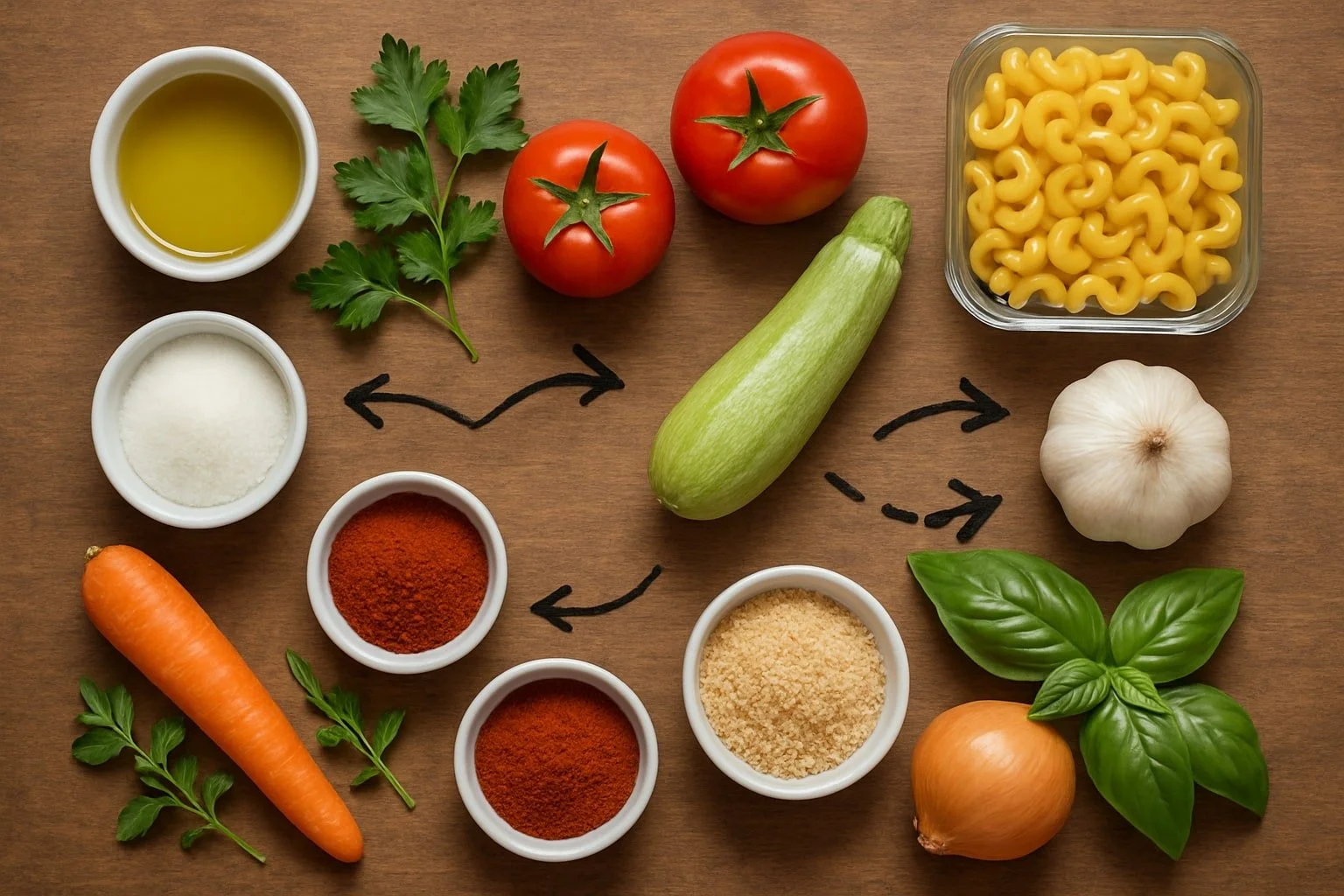
Mastering ingredient substitution without altering a dish’s flavor profile is a valuable skill for any cook. By identifying ingredients with similar taste, aroma, and texture, cooks can swap components while preserving the intended flavors of their recipes. This approach helps when items are missing from the pantry or dietary needs arise.
Understanding the core flavor profile—whether it’s herbal, sweet, spicy, or umami—is essential to making smart substitutions. For example, using oregano in place of basil or swapping tamari for soy sauce can maintain the balance of a dish. Thoughtful substitutions make it possible to adapt recipes confidently, ensuring meals still taste as they should.
Principles of Flavor Profiles and Substitution
Matching the original dish’s flavor profile is essential for successful ingredient substitution. Different herbs, spices, and seasonings influence the complex balance of tastes and aromas, so understanding their roles helps maintain the intended result.
Understanding Flavor Profiles
A flavor profile is the combination of taste, aroma, and mouthfeel created by a specific set of ingredients. Chefs commonly group flavor profiles into categories like earthy, floral, peppery, and warm.
Seasonings and spices play different roles in shaping these profiles. For example, cumin and coriander add earthiness, while basil and lavender provide floral notes. Substituting within the same category—such as swapping thyme for oregano—helps maintain the dish’s intended flavor.
A helpful approach is to recognize which flavors are dominant, supporting, or background, as demonstrated below:
Role Example Ingredient Flavor Impact Dominant Cumin Earthy, strong Supporting Garlic Pungent, savory Background Bay leaf Subtle, herbal
Understanding these positions allows informed substitutions without dramatically altering the original character.
Role of Ingredients in Maintaining Flavor
Each ingredient contributes uniquely, either by providing key tastes (sweet, salty, sour, bitter, umami) or by adding specific aromas and textures. Proper substitution means replacing not just a taste, but the full experience an ingredient brings.
For example, herbs like parsley offer freshness, while spices like cinnamon impart warmth and depth. When substituting spices and herbs, it’s effective to choose options that share a similar flavor compound or intensity. For instance, swapping smoked paprika for regular paprika preserves color but might lack the same depth unless an additional smoky element is added.
Careful consideration of moisture content, volatility of oils, and how heat affects the replacement helps maintain consistency and flavor.
Balancing Complexity and Simplicity in Substitutes
Substituting ingredients can either simplify or retain the complexity of a dish. Simple substitutions, such as replacing onion powder with fresh onion, may shift the intensity or texture, so adjustments in quantity or preparation method may be required.
With complex seasoning blends, each component may have a different function. Using a single replacement herb can flatten the flavor, while crafting a balanced substitute from multiple herbs and spices preserves the layered profile.
List of considerations for complex substitutions:
Match dominant and supporting notes.
Adjust quantities to avoid overpowering the dish.
Consider overall saltiness, acidity, and heat.
Even small changes require awareness of how each element interacts within the recipe.
Substituting Dairy Without Altering Flavor
Matching the taste and texture of dairy in cooking relies on the right choice of substitutes and careful preparation. Popular dairy alternatives can work well without noticeably changing a dish’s flavor when selected and used thoughtfully for each type of dairy product.
Cream and Heavy Cream Alternatives
For replacing cream or heavy cream, full-fat coconut milk is a top non-dairy option, especially for soups and desserts, as it mimics the creaminess quite well. To keep the flavor profile close, unsweetened options work best.
Blended silken tofu and unsweetened soy milk also provide a neutral flavor, making them good for both sweet and savory recipes. For those who tolerate dairy but want a lighter option, half-and-half or evaporated milk can be used in place of heavy cream in equal amounts, preserving the texture.
If whipping is needed, chilled coconut cream or a mixture of cashew cream and neutral oil will create similar volume but with little detectable nutty flavor if seasoned lightly. Avoid low-fat dairy or thin plant milks for recipes where richness is crucial, as they may water down the dish.
Milk and Evaporated Milk Substitutions
Plant-based milks vary widely in taste and texture. Soy milk and oat milk have more neutral flavors, making them suitable for baking or cooking without overwhelming the dish. Rice milk is light and naturally sweet, working best in cereals and lighter desserts.
For evaporated milk, blend equal parts plant milk and unflavored soy creamer or simmer down coconut milk until thickened. Another dairy solution is mixing 1 cup regular milk with ¼ cup powdered milk for a thicker consistency that stands in for evaporated milk.
When a recipe calls for buttermilk, add 1 tablespoon of lemon juice or vinegar to 1 cup plant-based milk or dairy milk and let it sit for several minutes to sour. This keeps the tang and acidity without much impact on overall flavor.
Cheese Replacements
Cheese substitutes pose a challenge since dairy cheeses like parmesan, ricotta, or cream cheese add both flavor and texture. For ricotta or cottage cheese, blend firm tofu with a little lemon juice and salt for a mild, slightly grainy texture.
Nutritional yeast combined with finely ground cashews can create a parmesan alternative, providing a similar savory note. For recipes using cream cheese, whipped tofu or store-bought plant-based cream cheeses tend to work best in spreads and fillings.
In recipes calling for melted cheddar, try shredded vegan cheddar brands known for melting properties, though some may have a noticeable aftertaste if overused. When replacing cheese in baked dishes, use small quantities and adjust seasonings to mask any subtle differences in flavor.
Butter and Margarine Options
In baking and cooking, plant-based margarines and vegan butter spreads are most similar in taste and function to regular butter. Choose unsalted versions to more closely mimic traditional butter in recipes.
For a simple substitute, mix equal parts refined coconut oil and olive oil for a neutral taste and smooth texture. When making pastries or baked goods, chilled coconut oil or vegan shortening can provide the right flakiness without strong flavor.
In savory recipes, olive oil or avocado oil can act as butter replacements, though they may slightly impact flavor if used in high amounts. When a buttery finish is important, opt for high-quality vegan butters specifically designed for baking and sautéing.
Egg Substitutes That Preserve Original Taste

Eggs play several roles in recipes, including binding, moisture, and leavening, making it important to select alternatives carefully. Substitutes can maintain both texture and flavor, as long as the right choice is made based on the specific function eggs perform in a dish.
Choosing the Right Egg Alternative
When replacing eggs, flavor neutrality should be a priority. Options such as unsweetened plain applesauce, silken tofu, or commercial egg replacers tend to blend seamlessly into most batters without introducing overt flavors. For each egg, typically use 1/4 cup unsweetened applesauce or 3 tablespoons of silken tofu as a substitute.
Flaxseed and chia seed "eggs" (1 tablespoon ground flax or chia seeds mixed with 3 tablespoons water) can be useful, especially for binding, but their mild earthy flavor may appear in delicate recipes. If aiming for minimal flavor change, avoid substitutes like banana or pumpkin, which may impart noticeable taste. Commercial egg replacers are usually designed to have a neutral impact on flavor and are ideal for recipes like cookies, muffins, or cakes.
When to Use Aquafaba, Applesauce, or Other Binders
Aquafaba (the liquid from canned chickpeas) is effective for whipped applications like meringues, macarons, or mousse. It whips similarly to egg whites and carries almost no flavor when baked, preserving the original taste profile. Use 3 tablespoons aquafaba to replace 1 egg.
Applesauce is best for moist baked goods such as brownies or quick breads, where its slight sweetness won’t overwhelm other flavors. Use it when binding and moisture are needed, but limit its use in savory dishes to avoid unwanted fruit notes.
For savory recipes or those requiring firmer structure, silken tofu or plain yogurt are reliable binders that do not alter overall flavor. Always consider the main purpose of the egg in the recipe before choosing a substitute, focusing on those with the most neutral flavor for undetectable results.
Protein Substitutions: Maintaining Texture and Flavor
Maintaining familiar textures and flavors is crucial when swapping proteins in recipes. The right substitution not only preserves the original character of a dish but also ensures balanced nutrition and consistent culinary results.
Poultry Swaps: Chicken and Ground Turkey
Chicken and ground turkey are versatile and often interchangeable. For recipes calling for bone-in chicken thighs, boneless thighs or skinless breasts can be used. Boneless thighs keep moisture and flavor close to the original, while skinless breasts will yield a leaner, milder result.
When switching ground beef to ground turkey, opt for turkey that includes both dark and light meat—this keeps fat content and moisture higher, preventing a dry texture. Using chicken broth instead of beef broth in soups or casseroles maintains a light flavor and helps keep the dish cohesive.
Table: Common poultry substitutions
Original Substitute Maintains Texture? Notes Bone-in Thighs Boneless Thighs Yes Similar fat/moisture content Bone-in Thighs Skinless Breasts Partial Milder flavor, leaner texture Ground Beef Ground Turkey Usually Use mixed meat for best texture Chicken Broth Vegetable Broth Partial May slightly alter flavor profile
Replacing Beef and Pork
Replacing beef or pork in traditional recipes often requires careful selection. Ground turkey or chicken can substitute for ground beef in dishes like tacos, meatloaf, or pasta sauce. Choose a higher-fat blend if possible to more closely mirror beef's juiciness.
When beef broth is required, a combination of mushroom broth and a splash of soy sauce can replicate the deep, savory flavor. If substituting pork sausage, try poultry-based sausage or a vegetarian sausage with similar seasoning.
Adjust seasoning levels to ensure flavors match the intended profile, as leaner substitutes may lack the same richness. Avoid overcooking lean meats to prevent toughness.
Using Beans and Plant-Based Proteins
Beans work well as substitutes for animal proteins in soups, stews, salads, or casseroles. Black beans, chickpeas, and lentils provide structure and a mild taste that does not overpower other ingredients. They also contribute a creamy or firm texture depending on the variety used.
To maintain a consistent flavor, season beans with broth rather than plain water—beef broth for heartier dishes or chicken broth in lighter recipes enhances depth. In recipes where ground beef is replaced with beans, mash beans slightly for a denser, meat-like bite.
Plant-based protein powders or products such as tofu and tempeh absorb flavors from sauces and seasonings, making them effective in dishes where texture is important. Use firm tofu for stir-fries and silken tofu for creamy sauces or blends, ensuring the substitute doesn’t alter the intended taste.
Fats and Oils: Swapping Without Losing Nuance
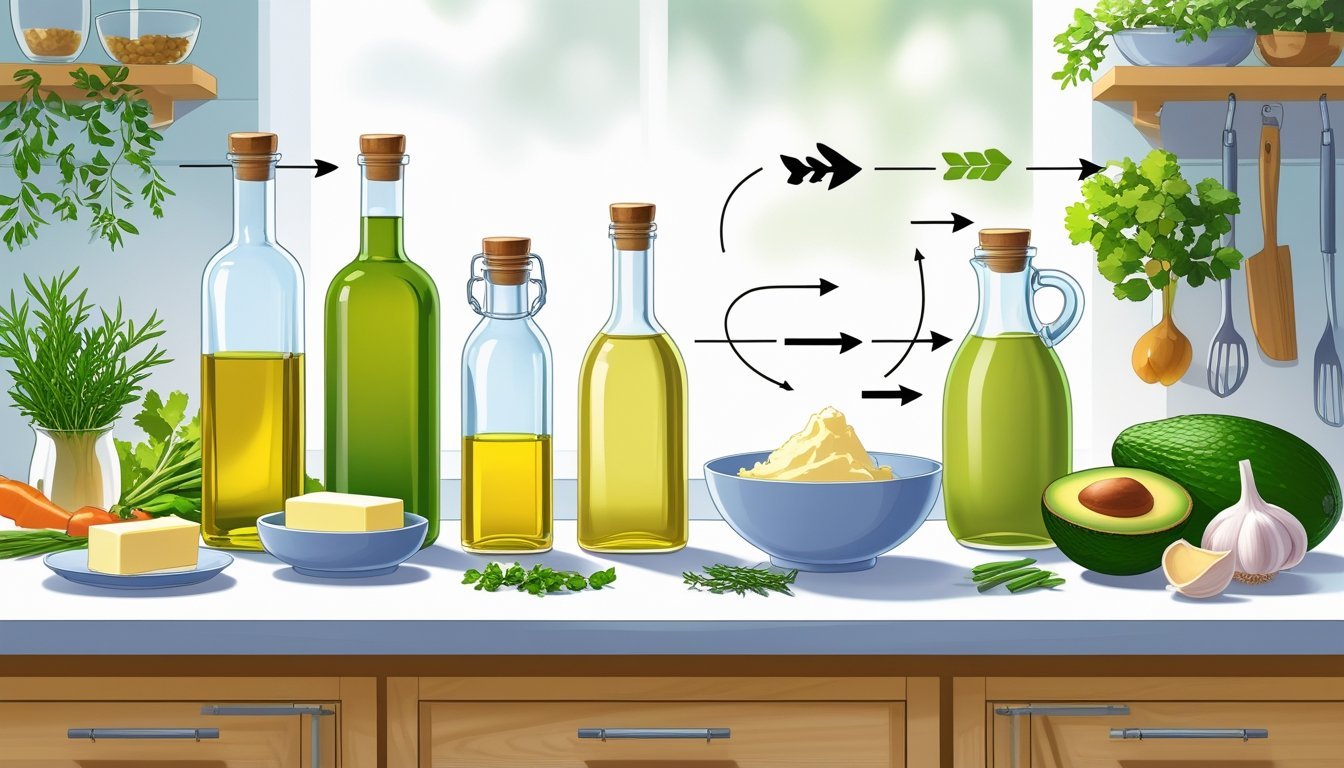
Selecting the correct fat or oil can maintain the intended flavor and texture of a dish. A mismatch can unintentionally add or remove flavors, or change the way foods cook and feel in the mouth.
Neutral Oils Versus Flavored Oils
Neutral oils, such as canola oil, vegetable oil, and refined avocado oil, add moisture and fat without changing the food’s taste. These are best for dishes where clean flavors are desired, like baked goods or sautéed vegetables. For frying, peanut oil is a prime choice due to its high smoke point and mild profile.
Flavored oils, like extra virgin olive oil or unrefined coconut oil, bring distinct tastes. Olive oil adds fruitiness and peppery notes, working well in salad dressings or Mediterranean recipes. Coconut oil imparts a subtle sweetness, complementing baked goods but possibly overpowering delicate flavors. When swapping, consider if the oil’s flavor will blend well or mask other ingredients.
Use the table below as a quick reference:
Oil Type Typical Flavor Best Uses Canola/Vegetable Neutral Baking, frying, sautéing Olive (extra virgin) Fruity, peppery Dressings, drizzling, roasting Avocado (refined) Mild, buttery Grilling, sautéing Coconut (unrefined) Sweet, coconutty Baking, some curries Peanut Light, nutty Frying, Asian cuisine
Solid Fats Versus Liquid Fats
Solid fats like butter, lard, and coconut oil (when cool) create different textures compared to liquid oils. In pastry, for example, butter’s solid state helps create flaky or crumbly textures, while liquid oils tend to make baked goods softer and more uniform.
When swapping, the ratio may need adjustment. For many recipes, substitute solid fat with liquid oil at a 1:1 ratio, but reduce added liquid slightly to account for oil’s higher moisture content. When a buttery or savory note from lard or butter is crucial, consider using clarified butter (ghee) or blending oils with a touch of butter flavor for a closer match.
Banana, applesauce, or mashed avocado sometimes replace solid fats in baking for a healthier alternative but can slightly alter taste and texture. The biggest impact is on richness and mouthfeel, so evaluate if these changes fit the dish’s intent before swapping.
Seasonings and Aromatics: Preserving the Essence
Substituting seasonings and aromatics successfully means retaining complexity and depth without altering a dish’s characteristic taste. Selecting the right forms and combinations is essential when swapping fresh ingredients for dried versions or blends.
Onion, Garlic, and Their Powdered Forms
Fresh onion, green onion, and garlic each provide distinct layers of flavor. When substituting, onion powder and garlic powder can match much of the aromatic depth but lack the moisture and texture of fresh.
A practical approach is to use the following ratios:
Substitute Amount to Replace 1 Tbsp Fresh Onion powder 1/4 tsp Garlic powder 1/8 tsp
These powdered forms dissolve quickly and offer a concentrated taste. They work well in spice blends, soups, or dry rubs. Green onion can be replaced by a mix of dried chives and a pinch of onion powder, though the sharpness may be softer. Ground ginger is a strong alternative to fresh ginger but should be used sparingly, as it is more intense and slightly different in aroma.
Be mindful that powdered substitutes do not caramelize or offer the same subtle sweetness as their fresh counterparts. To mimic this in cooked dishes, a pinch of sugar or lightly browned butter can help fill the gap.
Spices and Dried Herb Blends
When using spice blends and dried herbs instead of fresh, balance and intensity are important. Blends without fillers provide purer flavor. For example, dried parsley, mint, or chervil should be added earlier in cooking to allow flavors to release fully.
Allspice, chili powder, and paprika have concentrated flavors that can easily overpower a dish if used in excess. Measuring carefully preserves the recipe’s intended flavor profile. Herb and seasoning blends like Italian seasoning or herbes de Provence often contain oregano, thyme, and marjoram, and can replace fresh herbs at a ratio of 1:3 (1 tsp dried for 1 Tbsp fresh).
It’s helpful to let dried herbs rehydrate in a bit of water or oil before adding to dishes. This improves their texture and allows essential oils to release fully, maintaining depth and aroma even in the absence of fresh ingredients. Dried mint or parsley is milder than fresh, so tasting and adjusting is advised to avoid under-seasoning.
Sweeteners and Acidic Components: Achieving Balance

Finding a substitute for sweeteners or acids in a recipe requires careful consideration of texture, sweetness level, and acidity. Each option has distinct properties that can impact the final taste and consistency.
Sugar, Honey, and Syrup Replacements
Sugar, in its many forms, not only adds sweetness but also affects moisture, browning, and mouthfeel. When replacing brown sugar, honey, or corn syrup, choosing the right substitute is crucial for maintaining flavor and structure.
Brown sugar: Combine white sugar with a small amount of molasses for a quick substitute. This mimics the moisture and deep flavor of brown sugar without altering the profile much.
Honey: Use about ¾ cup of honey for every cup of sugar, and reduce liquids in the recipe. Maple syrup or light corn syrup can also substitute, though maple adds a distinct note.
Stevia: As a high-intensity sweetener, it offers sweetness without calories but can introduce a subtle aftertaste. Use sparingly and in recipes where sugar’s bulk is not crucial.
Molasses: Swap with a mixture of honey and maple syrup to approach the complex, rich flavor if molasses is unavailable.
Adjusting for moisture content is vital. Liquid sweeteners like honey or syrup require a reduction in other liquids (reduce by ¼ cup per cup swapped) to avoid overly wet batters.
Vinegar, Citrus, and Alternative Acids
Acidic ingredients enhance brightness, balance sweetness, and can prevent dishes from tasting flat. Vinegar, lemon juice, and lime juice each have their own profiles and strengths.
Lemon juice: It provides a clean, sharp acid suitable for desserts, dressings, and marinades. Substitute with lime juice or a mix of orange juice and zest for a subtle variation in citrus notes.
Vinegar: Use mild vinegars, such as white wine or apple cider vinegar, to maintain flavor without overpowering the dish. For recipes needing both acid and a bit of fruitiness, a splash of orange juice or a small amount of lemon zest can deliver both.
Lime juice: This is best for a more intense tang. It pairs well with tropical flavors and in dishes where a touch of extra brightness is needed.
It's important to balance acid additions cautiously. Overuse can dominate, so add in small increments and taste frequently.
Sauces, Condiments, and Marinades: Substitution Best Practices

Selecting substitutes for classic condiments or sauces means paying close attention to their base flavors, texture, and level of acidity or umami. The right alternative keeps dishes balanced and delivers the intended taste, even when key ingredients are swapped.
Soy Sauce, Miso, and Umami Boosters
Soy sauce is commonly substituted for its saltiness and umami. If someone can't use soy sauce, they might try tamari for a gluten-free version or coconut aminos for a lower-sodium, soy-free alternative. Both offer similar depth but with slightly different undertones.
Miso paste can replace soy sauce in some marinades, providing savory, fermented notes. Worcestershire sauce is another option, though it is less salty and has a different spice blend. For simple umami enhancement, add a splash of fish sauce or a sprinkle of nutritional yeast to soups, sauces, or stir-fries.
A quick overview:
Substitute Key Flavor Notes Best Uses Tamari Salty, savory Stir-fries, dressings Coconut Aminos Mild, slightly sweet Marinades, dipping sauces Worcestershire Sauce Tangy, umami, spiced Beef marinades, sauces Miso Paste Fermented, rich Soups, glazes, dressings
Mayonnaise, Mustard, and Creamy Dressings
Mayonnaise adds richness and body to sandwiches, dips, and dressings. As a replacement, Greek yogurt supplies similar creaminess with a tangy profile and added protein. For vegan options, blended silken tofu or commercial vegan mayo can mimic traditional mayonnaise well in most recipes.
Substituting mustard involves matching both its tang and spice. Dijon or brown mustard can swap for each other with minor flavor shifts. If none are available, mix ground mustard powder with a little vinegar and water as a substitute.
For creamy salad dressings, use sour cream, thinned cream cheese, or a mix of yogurt and olive oil. These swaps work well in both dips and marinades, ensuring the desired texture and acidity aren't lost. Adjust by tasting, as some substitutes are more strongly flavored than others.
Alcohol and Liquid Enhancers: Non-Alcoholic Alternatives

Swapping alcoholic ingredients in recipes can preserve expected flavors and textures without introducing unwanted sweetness or bitterness. Choosing the right non-alcoholic substitutes allows cooks to maintain depth and complexity in savory or sweet dishes.
Cooking With Wine, Beer, and Spirits
Replacing wine in cooking usually calls for something with similar acidity and mouthfeel. For white wine, a combination of white grape juice, a splash of white wine vinegar, and a bit of water replicates the tang and fruitiness without overpowering the dish.
Beer in recipes, such as in batters or braises, can be swapped with a mixture of non-alcoholic beer or low-sodium chicken broth plus a teaspoon of malt vinegar if some bitterness or malt is desired.
When omitting rum or brandy, especially in desserts or flambéed recipes, a mix of apple juice or white grape juice and a few drops of vanilla or almond extract offers comparable richness. The lack of alcohol’s volatility changes reduction time, so liquids may need a slightly longer cook to concentrate flavors.
Quick Substitution Table
Alcohol Substitute Notes White wine White grape juice + white wine vinegar Add in small amounts, taste Beer Non-alcoholic beer or malty broth Adjust for bitterness Brandy/Rum Apple juice + vanilla or almond extract Use sparingly in desserts
Broths and Reduced Juices as Replacements
Broths and reduced juices are helpful for mimicking the body and umami of wine or spirits. Chicken broth offers a mild, savory base suitable for replacing white wine in poultry or vegetable dishes. For red wine, beef broth combined with a spoonful of tomato paste or a splash of balsamic vinegar gives both color and boldness.
Vegetable broth works well in place of wine or beer in vegetarian or vegan recipes. Reducing fruit juices like cranberry or pomegranate can add tartness and complexity for sauces or glazes, especially in dishes where wine reduction would be standard.
A small amount of acid, such as lemon juice or vinegar, can brighten the substitute and prevent flatness in the finished dish. Seasoning adjustments may be needed, as broths are often saltier than wine or beer, so it’s best to use low-sodium versions and add salt at the end.
Baking Fundamentals: Substitution Strategies
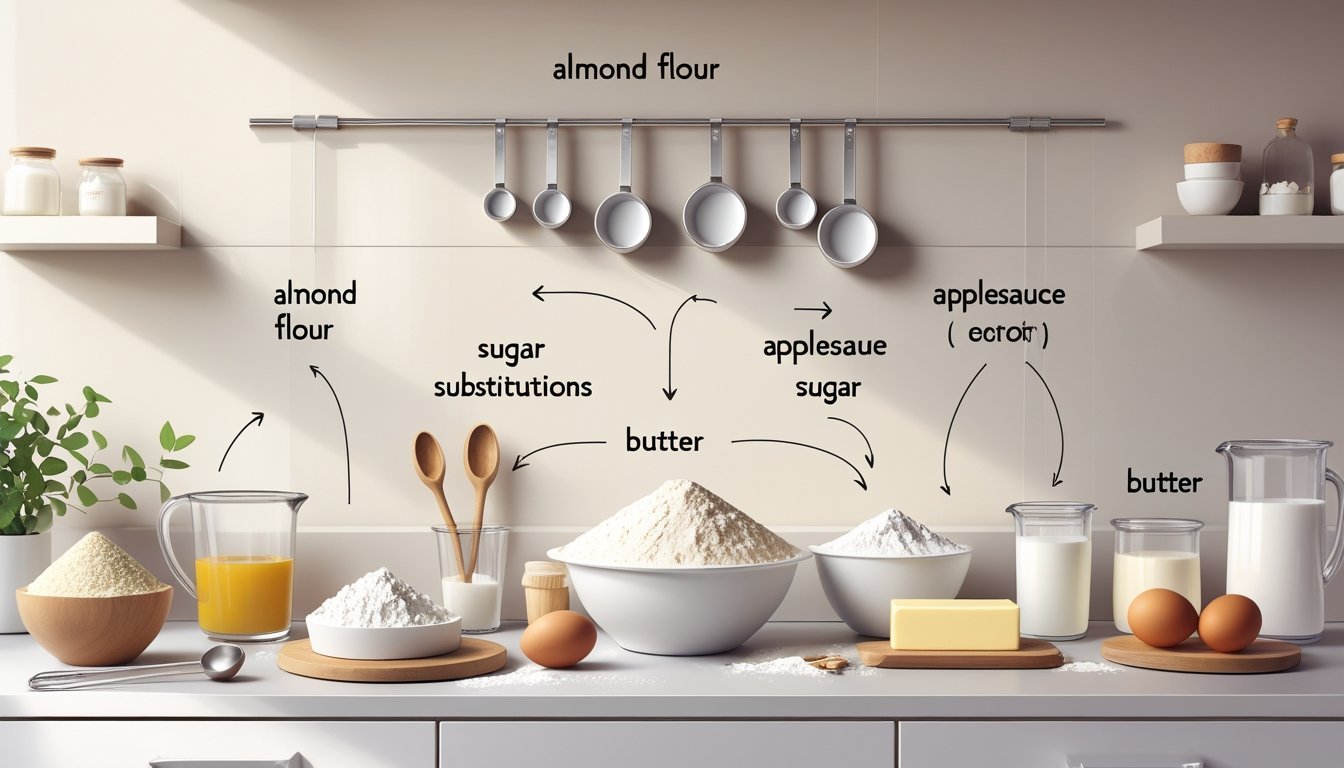
Baking substitutions require careful choice to preserve the original texture, rise, and sweetness of recipes. Choosing the right replacement keeps baked goods familiar and helps maintain structural integrity.
Flour, Leaveners, and Textural Integrity
Flour serves as the backbone of baked goods. All-purpose flour can often be swapped with self-rising flour, but it's important to adjust added leaveners like baking powder or baking soda. Self-rising flour already includes baking powder and salt, so omitting or reducing these in a recipe prevents over-leavening.
For gluten-free options, millet flour can replace up to 25% of standard flour to avoid drastic texture changes while maintaining a cakelike crumb. When switching flours, consider protein content and grain structure—using cake flour creates a finer crumb, while bread flour leads to more chew.
Leaveners require accuracy. Baking powder can be substituted with 1/4 teaspoon baking soda plus 1/2 teaspoon cream of tartar for each teaspoon, preserving rise and taste. Balancing leaveners ensures consistent volume and prevents unwanted flavors.
Fat and Sugar Substitutions in Baking
Fats influence mouthfeel and richness. When substituting butter with oil, expect less flakiness—especially in pie crusts and pastries—but oil will keep cakes moist. For pie crust, solid fats like shortening or lard provide structure, so swapping with oil can disrupt texture.
For sweeteners, granulated sugar can be replaced with equal parts powdered sugar, but it dissolves faster and may affect the crumb. Substituting sweetened condensed milk for sugar and milk together adds richness and moisture, so other liquids should be reduced.
To keep moisture and flavor balanced, consider each fat or sugar’s function, and use this table for quick reference:
Ingredient Substitute Notes Butter (1 cup) 1 cup oil (cakes only) Texture will be less flaky Granulated sugar Powdered sugar (1:1) Faster dissolving, lighter crumb Sweetened condensed milk Sugar + milk (as needed) Adjust other liquids
Specialty Substitutions for Dietary Restrictions
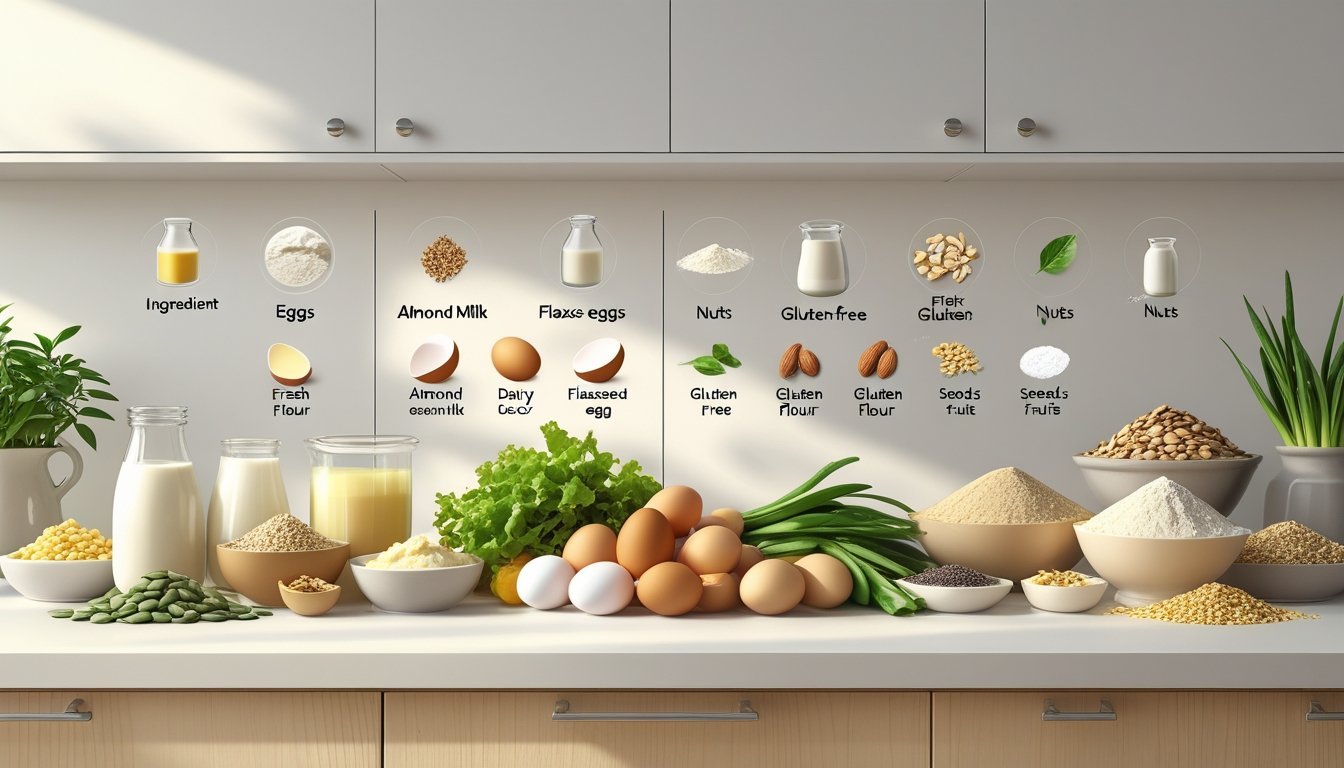
Cooks often face the need to adapt recipes due to dietary restrictions such as gluten intolerance, veganism, or allergies. Making ingredient swaps without altering the core flavor or texture of a dish is possible with careful choices and knowledge of available alternatives.
Gluten-Free and Vegan Adaptations
Those needing to avoid gluten can substitute wheat flour with blends like rice flour, almond flour, or certified gluten-free oat flour. For thickening, cornstarch or arrowroot powder works well instead of traditional flour in sauces and gravies.
Vegan recipes require replacing both eggs and dairy. Eggs can be swapped with applesauce (1/4 cup per egg), flaxseed meal mixed with water (1 tablespoon flaxseed meal + 3 tablespoons water per egg), or commercial egg replacers. Dairy milk can be substituted with almond, soy, or oat milk in equal amounts. Butter can be replaced with plant-based margarine or coconut oil. These alternatives maintain moisture and richness while keeping flavor neutral.
Traditional Ingredient Gluten-Free Alternative Vegan Alternative Wheat flour Almond or rice flour Almond or rice flour Eggs N/A Flaxseed meal or applesauce Milk Gluten-free oat milk Soy, almond, or oat milk Butter N/A Plant-based margarine
Low-Carb and Allergy-Friendly Choices
Low-carb diets require swaps such as replacing sugar with erythritol or stevia, and using almond or coconut flour instead of all-purpose flour. For pasta, zucchini noodles or spaghetti squash are good alternatives.
When accommodating allergies, clarity about the allergen is crucial. Nut allergies can be addressed by choosing sunflower butter instead of peanut butter, and using seeds (like pumpkin or sunflower seeds) instead of nuts in baking. For dairy allergies, coconut yogurt and oat-based cheeses offer replacements that mimic texture and taste.
Soy allergies can be managed by substituting soy milk with rice or oat milk. For recipes needing egg, aquafaba (the liquid from canned chickpeas) functions as an effective binder and whipping agent, especially in vegan and allergy-friendly baking.

