
How Cultural Cuisines Handle Food Shortages with Substitution
Strategies from Around the World
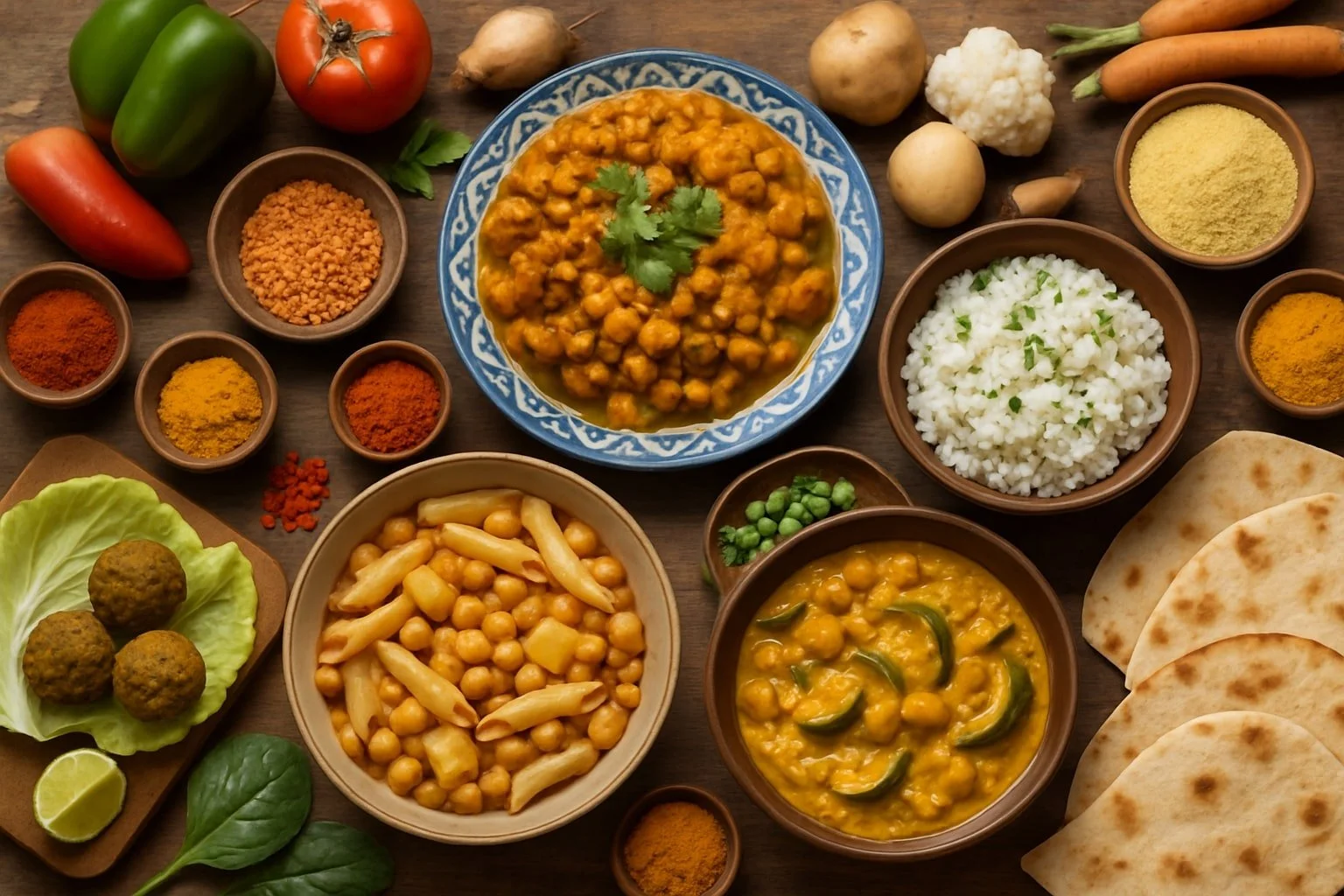
Cultural cuisines have developed unique strategies to handle food shortages by substituting scarce ingredients with locally available or affordable alternatives. These adaptations, often passed down through generations, ensure communities maintain both nutrition and traditional flavors, even in challenging times. Simple swaps, such as using wild mushrooms as a meat substitute during crises or relying on traditional staples that grow locally, help sustain households when preferred foods are limited.
Acculturation and the preservation of food heritage also shape how communities address scarcity. By maintaining traditional cooking methods and ingredient substitutions, people safeguard their cultural identity while enhancing food security. The ingenuity found in these practices demonstrates how resilience and adaptation are deeply embedded in the world’s diverse culinary traditions.
The Impact of Food Shortages on Cultural Cuisines
Cultural cuisines adapt in specific ways to food shortages, using available resources and creative substitutions to sustain food security. Communities rely on longstanding traditions and shared knowledge to face food insecurity without losing cultural identity.
Historical Food Shortages and Culinary Adaptation
Throughout history, communities have faced crop failures, war, and economic hardship that led to food shortages. In response, families substituted ingredients, sometimes changing staple recipes for generations.
For example, during World War II, British households replaced meat with root vegetables and legumes in classic dishes. In East Asia, rice shortages led to mixing or replacing rice with barley, millet, or sweet potatoes.
Table: Historical Ingredient Substitutions
Region Shortage Common Substitution Britain Meat Root vegetables, beans Japan/Korea Rice Barley, millet Italy Wheat (war periods) Chestnut flour
These adaptations helped maintain traditions during periods of scarcity, and some substitutions became part of local food culture over time.
Cultural Drivers Influencing Substitution Strategies
Cultural values and beliefs play a crucial role in how and why substitutions occur. Some societies prioritize flavor preservation, while others focus on maintaining the dish’s symbolic or ritual role.
Family traditions often dictate which ingredients are considered acceptable substitutes. Religion can also influence choices, with fasting periods or dietary restrictions shaping what substitutions are made.
Migration introduces new foods, leading to creative fusion and the retention of key cultural elements, even when original ingredients are unavailable. The preservation of recipes, even in changed forms, helps communities retain cultural continuity through periods of insecurity.
Food Insecurity and Community Resilience
Food insecurity does not only affect nutrition but also impacts cultural identity and community well-being. Shared meals and traditional foods serve as sources of comfort and social connection, especially in uncertain times.
Cultural food networks, such as community gardens and local markets, help families access essential ingredients or suitable alternatives. Maintaining traditional diets can foster resilience, as familiar foods support emotional and mental health during challenges.
Community-driven approaches—food sharing, resource pooling, and preserving traditional knowledge—strengthen food security. These strategies help ensure that, despite shortages, people can continue to express their culture and values through food.
Culinary Substitution Techniques in Different Cultures
Food shortages have led cultures to adapt unique substitution techniques based on local knowledge and resources. These responses help maintain dietary diversity and ensure survival during difficult times.
Indigenous Approaches to Ingredient Shortages
Indigenous cultures often rely on ancestral knowledge to manage food scarcity. When staple foods become limited, they substitute local plants, seeds, and tubers as alternate sources of nutrition. For example, in the Andean region, potatoes might be replaced with oca or mashua during poor harvests.
Methods such as drying, fermenting, and smoking allow for flexibility in diet. Community sharing and collective harvesting further increase access to alternative ingredients. These approaches preserve traditional foods and uphold cultural identity, even when resources are strained.
Traditional Food Processing Methods
Traditional food processing extends the shelf life of limited ingredients and creates new food options when harvests fail. Fermentation is used in East Asian cultures to turn surplus vegetables into kimchi or pickles, providing nutrients over winter. Drying fish, meats, and grains has long played a role in African and Mediterranean diets as a buffer against scarcity.
Grinding, soaking, and sprouting can turn less palatable or tough foods into edible staples. Such processing not only prevents waste but also diversifies the diet when fresh supplies dwindle. Adaptation through these methods reflects deep regional expertise and problem-solving skills.
Role of Wild Vegetables and Foraged Foods
Wild vegetables and foraged foods become essential during times of shortage. Mediterranean communities may collect wild greens like purslane or dandelion, adding vitamins and minerals to meals when cultivated crops are scarce. In North America, Indigenous peoples gather nuts, berries, and edible roots for sustenance.
Foraging traditions ensure dietary diversity and minimize risk of nutrient deficiencies. Learning what is safe and nutritious to eat from the wild is passed down through generations. This relationship with the local ecosystem supports resilience and food security without reliance on commercial supply chains.
Maintaining Culinary Heritage through Substitution
When facing food shortages, many cultures rely on substitution techniques to preserve their culinary heritage. These methods help communities adapt without losing the unique characteristics that define their food traditions.
Preservation of Unique Flavors and Identity
Preserving unique flavors is central to maintaining culinary identity during shortages. Instead of abandoning traditional dishes, cooks often find local or accessible alternatives that mimic the taste, texture, or role of scarce ingredients.
For example:
Cassava may replace wheat in bread among some African cuisines.
Jackfruit can stand in for meat in Southeast Asian recipes.
Substitutions are chosen for their sensory similarities and cultural appropriateness. The goal is not just to fill a gap, but to uphold the values, symbolism, and flavors passed down through generations.
Families share oral histories about why certain ingredients are swapped, helping maintain connection to the original dish. This keeps the core identity of the cuisine intact, despite shifts in ingredient availability.
Culinary Traditions Amid Globalization
The spread of globalization introduces new foods, which can both aid and threaten culinary traditions. When global trade disrupts the supply of traditional ingredients, substitutes may come from imported products or local innovations.
Communities strive to retain culinary heritage by documenting substitution practices, including them in cookbooks and teaching younger generations. This is done through community events, workshops, and family gatherings.
UNESCO recognizes some food-related practices as intangible cultural heritage, encouraging documentation and education. Adapting recipes with accessible ingredients allows traditional methods to survive, even as external influences grow.
Key strategies include:
Recording original and adapted recipes
Teaching context behind substitutions
Celebrating modified dishes at festivals or special occasions
Nutritional Implications of Food Substitution
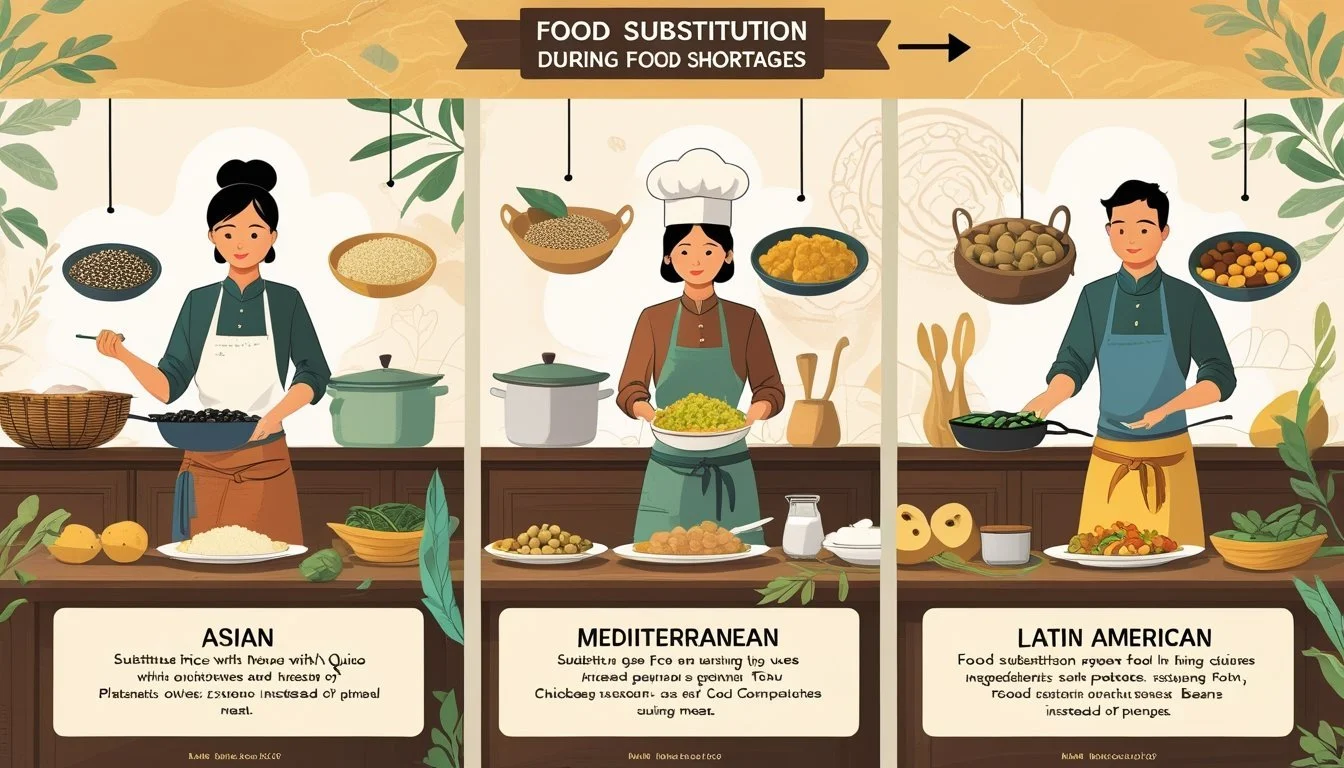
Food substitutions during shortages can alter the nutritional quality of diets and influence the prevalence of malnutrition or chronic diseases. The selection of substitute foods plays a direct role in shaping dietary intake and health outcomes.
Impacts on Nutritional Quality and Dietary Patterns
The nutritional quality of a diet often shifts when traditional staple foods are replaced. For example, replacing animal protein with legumes or wild mushrooms can maintain or increase protein intake but may lower iron or vitamin B12 levels. Traditional European cuisines have used wild mushrooms as a substitute for meat during scarcity, which increased protein diversity but did not fully replace certain micronutrients.
Changes in dietary patterns from substitutions can reduce or increase the risk of chronic diseases. When processed grains replace whole grains, fiber intake often drops. This may impact the risk of diabetes and heart disease over time. Conversely, substitution of saturated fats with plant-based oils may support better cardiovascular health.
Food substitution models in epidemiology are used to track these effects over time. Such analysis helps clarify how long-term substitutions affect health at a population level.
Addressing Malnutrition and Dietary Intake
Effective food substitutions during shortages are critical for addressing malnutrition risks. Nutrient-dense alternatives, like pulses or fortified foods, can help maintain adequate dietary intake of essential vitamins and minerals. However, some substitutions may lack certain micronutrients, leading to deficiencies if not carefully chosen.
In regions where food access is limited, communities may use local wild plants, roots, or alternative grains to fill dietary gaps. The nutritional benefits of these substitutes depend on their composition and how they are prepared. Cooking methods and preservation can either enhance or reduce the nutrient value of substitute foods.
Efforts to monitor and guide community substitutions are important. Nutrition education can help families make informed choices to avoid protein-energy malnutrition and micronutrient deficiencies during times of food scarcity.
Food System Challenges and Solutions
Food systems face several pressures that directly impact the supply of ingredients and the options available for cultural cuisines. Solutions often depend on changing agricultural practices and adapting to environmental change.
Monoculture Versus Agricultural Biodiversity
Monoculture, which is the practice of growing a single crop over a large area, can lead to increased risks of crop failure and reduced soil health. It often results in food systems that are more vulnerable to pests, diseases, and market shifts.
In contrast, agricultural biodiversity involves cultivating a diverse range of crops. This approach supports greater resilience and offers more substitution options when key ingredients become scarce. For example, communities that grow both rice and millet can switch between them if one fails.
The table below outlines key differences:
Aspect Monoculture Agricultural Biodiversity Crop Variety Low High Pest Resistance Low Higher Adaptation Options Limited Broad
Diversified farming allows for flexibility in cultural recipes, letting communities swap ingredients with locally grown alternatives when shortages arise.
Climate Change and Food Availability
Climate change is altering growing seasons, rainfall patterns, and the frequency of extreme weather events. These shifts can disrupt traditional food systems and reduce the availability of staple crops.
Regions experiencing drought may see reduced yields in water-intensive crops like rice or wheat. This forces cooks and producers to use more drought-resistant crops such as sorghum or cassava, impacting food traditions.
Communities with a long history of adapting recipes according to available ingredients show greater resilience. They often maintain traditional knowledge on using less common native plants or grains, supporting food security during prolonged shortages. Food system flexibility remains essential as climate conditions continue to shift.
The Role of Sustainable Practices in Ingredient Substitution
Cultural cuisines often rely on ingredient substitution not just for culinary variety but as a response to limited resources and environmental pressures. Sustainable practices play a critical role in how communities adapt their food traditions while supporting local ecosystems and economies.
Sustainable Agriculture and Food Production
Sustainable agriculture prioritizes methods that preserve natural resources and minimize environmental impact. Crop rotation, agroforestry, and intercropping are common techniques that enhance soil health and biodiversity, making it easier for communities to grow a variety of substitute ingredients.
When certain ingredients become scarce due to climate shifts or market disruptions, producers often turn to more resilient crops. For example, legumes, seeds, and indigenous grains can replace more resource-intensive options while offering similar nutritional profiles.
Local food production also reduces energy use and emissions from transportation. By supporting regional food systems, communities maintain access to alternative ingredients and reduce their dependence on imported goods, fostering both sustainability and food security.
Practice Impact Example Crop rotation Boosts soil fertility Legumes after cereals Agroforestry Increases biodiversity Trees with cash crops Intercropping Reduces pests and disease Maize with beans
Reducing Food Waste and Increasing Economic Resilience
Ingredient substitution contributes to waste reduction by encouraging the use of food items that might otherwise be discarded or overlooked. Cooks incorporate surplus produce, misshapen vegetables, or locally abundant foods into traditional recipes, creating new dishes while minimizing waste.
This practice helps stabilize household budgets and local economies, especially during shortages. By diversifying ingredient sources and adapting recipes, communities become less vulnerable to price spikes and supply disruptions.
Key methods include:
Using leftover grains and vegetables in soups and stews.
Replacing expensive animal proteins with plant-based alternatives like pulses or seeds.
Repurposing by-products, such as turning stale bread into breadcrumbs or puddings.
Such strategies not only address environmental concerns but also build long-term economic stability within food systems.
Changes in Traditional Diets and Globalization of Food
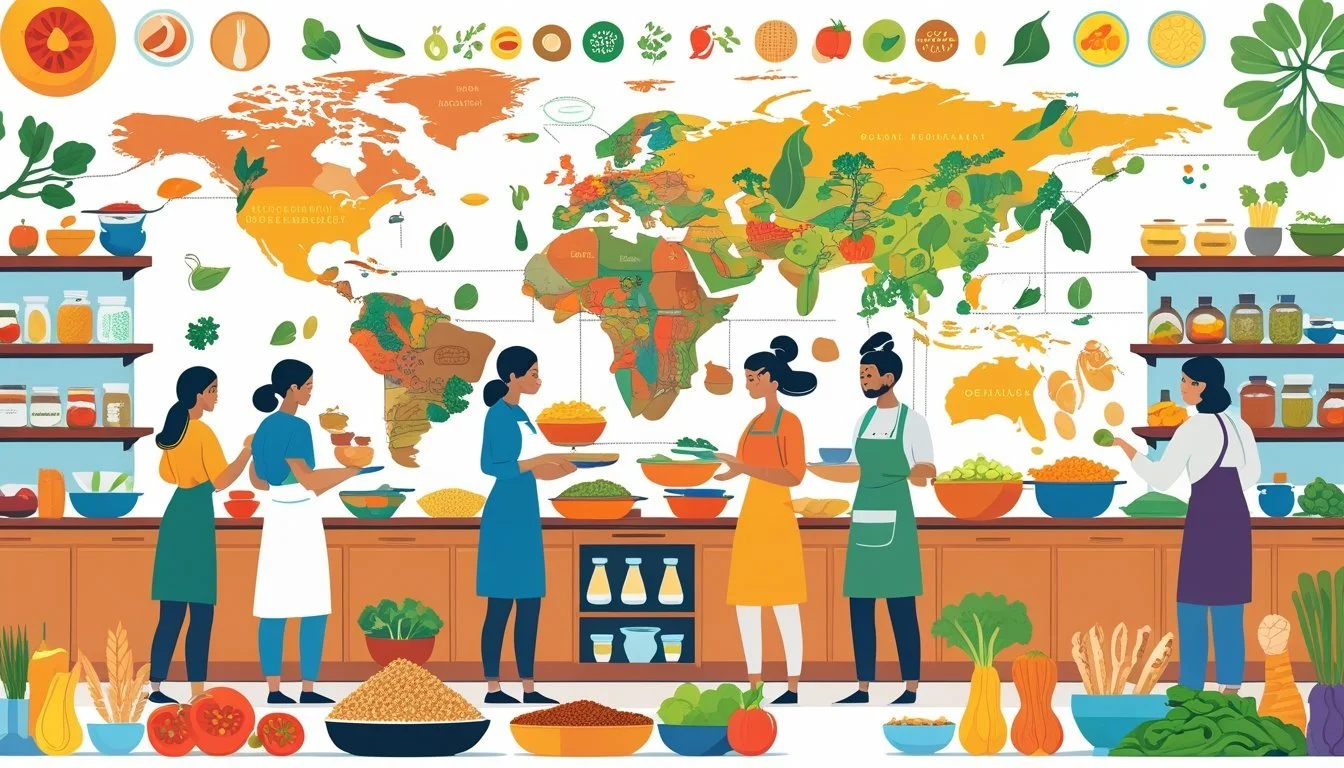
The globalization of food has created new forms of dietary diversity while reshaping how traditional diets are practiced. Shifts in food availability and public dietary recommendations have encouraged both the enrichment and loss of certain food customs.
Influence of Globalization on Dietary Diversity
Globalization has led to the rapid exchange of ingredients, flavors, and cooking techniques. Foods once limited to specific regions are now widely available due to trade and the spread of food chains.
While this has expanded dietary options, resulting in greater diversity, it has also led to the homogenization of eating habits. Many traditional diets have incorporated imported products, often at the expense of local ingredients and methods.
Examples of change:
Italian cuisine now uses tomatoes and corn, both originally imported from the Americas.
Sushi in Japan increasingly uses farmed salmon, a non-native ingredient.
Fast food and processed items have become more common, sometimes contributing to rising rates of obesity. This shift often means traditional food preparation and consumption patterns are less prominent.
Cultural Adaptation to Modern Dietary Recommendations
Public health organizations now regularly issue dietary guidelines to combat chronic diseases and obesity. Countries have responded by modifying both official recommendations and local food culture.
Some traditional diets, such as the Mediterranean diet, are incorporated into national recommendations due to their health benefits. Communities may alter recipes to use less salt, sugar, or saturated fat in line with modern nutrition science.
Table: Traditional Diet vs. Recommended Adaptation
Item Traditional Version Adapted Version Kimchi (Korea) High salt Lower-salt fermentation Mexican tortillas Traditional lard Vegetable oil or no fat Indian dishes Ghee (clarified butter) Plant-based alternatives
These adaptations aim to retain cultural identity while addressing modern health challenges resulting from dietary changes and globalized food systems.
Community and Societal Factors Affecting Substitution
Cultural cuisines often adapt to food shortages by relying on specific community and societal norms. Factors such as division of labor by gender and unequal access to resources strongly influence how ingredient substitution takes place.
Gender Roles in Ingredient Selection
In many cultures, women are primarily responsible for food preparation and ingredient selection within households. This division of labor places women at the center of the substitution process during food shortages. They often develop creative strategies to maintain traditional flavors and nutritional value, substituting missing ingredients with locally available or affordable alternatives.
Gender roles may also dictate access to certain markets or food sources. For example, in some communities, men purchase larger staples while women shop for perishables or spices, affecting what can be substituted. Decisions about substitutions are often informed by knowledge passed down through generations, emphasizing the practical expertise of women in adapting recipes when resources are limited.
Patterns of substitution vary depending on whether the society is urban or rural, and the degree to which women participate in the workforce. In urban settings, time constraints may prompt reliance on processed substitutes or convenience foods.
Food Access Across Socioeconomic Groups
Access to diverse ingredients is not equal across all socioeconomic groups, directly impacting which foods can be substituted during shortages. Lower-income communities tend to substitute expensive or scarce foods with more affordable staples, such as switching from meat to legumes for protein.
Socioeconomic status often determines proximity to markets, grocery stores, or fresh produce. In food deserts or areas with limited access, communities may rely on food aid, community gardens, or preserved goods for substitutions. Wealthier groups typically have more options, favoring specialty products or imported goods to maintain culinary traditions.
Social networks, community organizations, and informal trade play a critical role in shaping substitution practices. In times of scarcity, communities often share information on available substitutes, bulk purchasing, or pooling resources for greater food security. This leads to distinct patterns of food adaptation based on social class and communal ties.
Emerging Trends: Agritourism and Future Adaptations
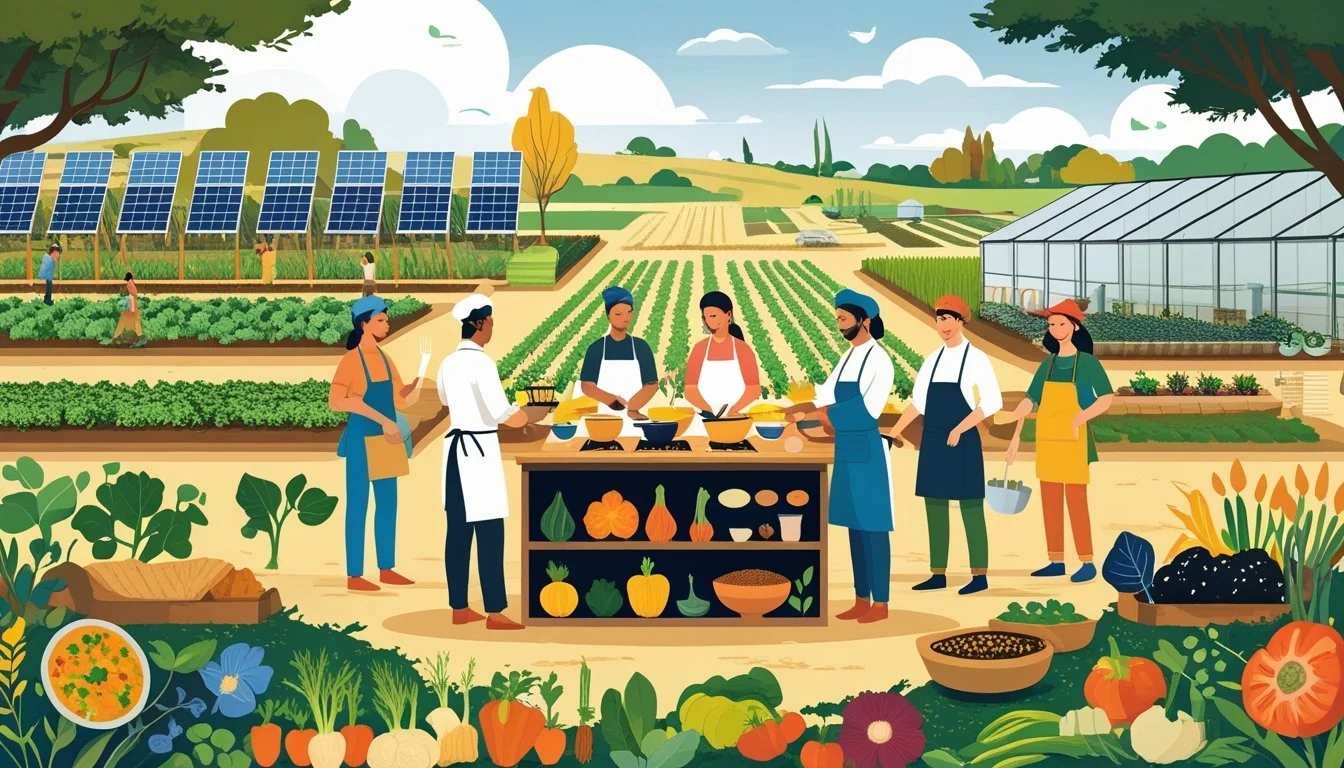
Agritourism is connecting rural food producers with consumers, while new approaches in traditional cuisine are enhancing food options and resilience. These trends highlight the evolving relationship between culture, agriculture, and local food security.
The Rise of Agritourism Supporting Local Cuisines
Agritourism blends tourism with agriculture by giving visitors firsthand experiences on farms and rural communities. People learn about traditional food preparation, see how ingredients are grown, and often taste dishes made with locally sourced products.
This direct interaction supports local economies and helps small farmers maintain their livelihoods. For example, selling products to tourists or guiding culinary tours provides farmers with new income streams.
Agritourism also strengthens local food security by creating markets for traditional crop varieties, which encourages biodiversity. Villages hosting agritourism often report increased demand for traditional foods, helping to preserve culinary heritage while adapting to changes in food supply.
Key contributions of agritourism:
Enhances financial sustainability for small farms
Preserves local food cultures
Promotes crop and ingredient diversity
Innovation in Traditional Foods for Food Security
Cultural cuisines are integrating new ingredients and methods to address food shortages. Chefs and home cooks substitute scarce foods with local or more abundant alternatives, often using guidance from agricultural experts or community elders.
This process maintains the integrity of traditional dishes while ensuring availability. For instance, if a specific grain becomes unavailable, cooks may use regional grains with similar nutritional profiles, supporting both tradition and adaptability.
Communities also experiment with wild or underutilized plants to supplement diets and keep biodiversity high. These adaptations reflect a broader strategy where traditional knowledge and resourcefulness drive innovation, helping cultures withstand environmental and market changes.
Examples of innovation include:
Substituting native plants in classic recipes
Developing seasonal menus based on local harvests
Partnering with agritourism to source ingredients sustainably

