
How Food Substitutes Spark Culinary Innovation in Modern Cooking

Food substitutes are reshaping the way people cook and experience food by providing new options for familiar favorites. Substituting traditional ingredients with alternatives such as plant-based proteins or reformulated grains opens the door to creative culinary techniques, enabling chefs and home cooks to explore innovative flavors, textures, and recipes.
Consumer demand for healthier, sustainable choices has accelerated the development of alternatives that closely mimic the taste and texture of conventional foods. Mushrooms, tofu, and specially crafted plant-based products, for example, offer unique nutritional and sensory properties that appeal to a wide range of preferences and dietary needs.
Adapting cooking methods and seasonings for substitutes has become an important aspect of recipe development, leading to fresh solutions for both classic dishes and brand-new creations. This shift demonstrates how food substitutes act as a driver for culinary innovation, challenging cooks to think differently and experiment with novel ideas in the kitchen.
The Rise of Food Substitutes in Modern Cuisine

Food substitutes have pushed chefs and product developers to rethink familiar ingredients, leading to new textures, flavors, and food experiences. The ongoing adoption of these alternatives is shaped by history, technological advancement, and shifting consumer values.
Historical Context of Food Substitutes
Food substitutes have long been part of the culinary landscape. During times of scarcity, such as wars or economic hardship, societies often innovated to replace inaccessible or expensive ingredients. For example, margarine was introduced as a butter alternative in the 19th century due to shortages and cost.
Soy-based products like tofu and tempeh have centuries-old roots in East Asian cuisines. These traditional substitutes show that seeking alternatives is not unique to modern diets but is embedded in food history. Over time, such innovations laid the groundwork for today’s expanding market of novel substitutes.
The rise of plant-based and lab-grown alternatives builds on this legacy. These products leverage new technology but follow the same principle: meeting nutritional, cultural, and economic needs through creative adaptation.
Drivers of Change in the Culinary Landscape
Several factors have accelerated the adoption of food substitutes. Advances in food technology have enabled the creation of alternatives that closely resemble meat, dairy, and eggs in taste and texture. Consumer demand for sustainable and health-conscious options is a significant motivator.
Culinary professionals use substitutes to develop new menu items that appeal to broader audiences including vegetarians, vegans, and those with allergies. This adaptability spurs food innovation and introduces entirely new culinary experiences.
Environmental concerns and rising awareness about animal welfare increase interest in plant-based proteins and cultured meat. Restaurant menus now commonly feature jackfruit tacos, pea-protein burgers, and mushroom “meats,” reflecting this shift.
Consumer Acceptance and Trust
Consumer acceptance of food substitutes depends on multiple factors, including taste, texture, and perceived nutritional value. Satisfaction is not automatic; studies indicate some diners still consider plant-based substitutes less satisfying than their traditional counterparts.
Trust plays a crucial role. Food neophobia—the reluctance to try unfamiliar foods—can pose a barrier to widespread adoption. Transparent labeling, clear ingredient lists, and third-party certifications can help ease concerns.
Education and exposure shape attitudes over time. As more people experience high-quality alternatives and understand their environmental and health benefits, acceptance grows. Brands that focus on authenticity and familiarity gain higher consumer trust.
Plant-Based Ingredients as Catalysts for Culinary Creativity

Plant-based ingredients have broadened the possibilities for chefs and home cooks. Their adaptability drives innovations, supporting a wide range of dietary choices such as vegan and vegetarian diets.
Exploring Plant-Based Protein Sources
Contemporary protein alternatives now come from sources like peas, lentils, soy, chickpeas, and even microalgae. Texture and functionality are central to their use in dishes—tempeh’s hearty bite, tofu’s versatility, and the meaty chew of seitan enable new textures in plant-based recipes.
Their protein content can rival that of traditional animal-based foods. Soy protein, for instance, offers a complete amino acid profile, while pea protein is favored for allergen-free applications. Newer products, like fermented legumes and precision-fermented proteins, continue to expand what is possible in vegan and vegetarian cooking.
Culinary professionals frequently deploy blends of these proteins to mimic meat’s structure and flavor. This not only provides diverse tastes but also makes plant-based menus more appealing across various age groups and dietary preferences.
Whole Grains, Legumes, Fruits, and Vegetables
Whole grains (quinoa, farro, barley, brown rice) serve as much more than side dishes. They provide essential fiber, nutrients, and subtle flavors that form the foundation of hearty grain bowls, vegetarian loaves, and global-inspired salads.
Legumes like black beans, lentils, and chickpeas are prized for their ability to develop flavor and texture in curries, burgers, and spreads. Their high protein and complex carbohydrates make them staples for balanced plant-based diets.
A wide selection of fruits and vegetables drives creativity, allowing for seasonal adaptations and colorful presentations. For example:
Ingredient Use Example Zucchini Spiralized noodles Cauliflower Pizza crust, steaks Carrots & Beets Veggie burgers, salads
Innovative use of produce replaces traditional animal-based components while delivering nutrients and visual appeal.
Role of Nuts, Seeds, and Mushrooms
Nuts (cashews, almonds) and seeds (hemp, sunflower, chia) are essential for their fats, nutrition, and ability to create creamy sauces, dressings, and cheeses in vegan preparations. They contribute texture and nutritional density, supporting heart health and satiety.
Mushrooms—particularly varieties like shiitake, oyster, and portobello—serve as umami-rich, meatlike additions. They bring depth and earthiness to plant-based menus, making them popular in sandwiches, stir-fries, and as stew bases.
Combining nuts, seeds, and mushrooms broadens the spectrum of flavors and textures that plant-based dishes can offer. Their inclusion empowers chefs to craft meals that satisfy diverse palates and dietary requirements.
Technological Innovation in Food Production
Advances in food technology are prompting new ways to create substitutes and redesign products. Key developments such as fermentation and functional foods are transforming both consumer choices and industry practices.
Fermentation and Cultured Meat
Fermentation has moved beyond traditional bread, cheese, and yogurt. Modern fermentation techniques now enable the production of animal-free proteins, enzymes, and texture agents. Companies use microbial fermentation to create alternatives for dairy, eggs, and even seafood.
Cultured meat involves growing animal cells in bioreactors to create real meat without raising or slaughtering animals. This method offers potential benefits such as less land and water use, fewer emissions, and the ability to tailor nutritional content. Startups are focusing on improving cell culture mediums, texture, and scalability for commercial viability.
Both fermentation and cultured meat technologies require rigorous product development and quality control. They depend on advances in bioengineering and food safety, changing the landscape of protein supply and influencing how new food cultures emerge.
Emergence of Functional Foods and Beverages
Functional foods and beverages are defined by their added health benefits beyond basic nutrition. Innovations in this area include fortification with probiotics, fiber, antioxidants, or plant-based compounds. Products such as fortified drinks, snacks, and meal replacements are continually being developed.
The functional food market has expanded due to consumer demand for healthier options and scientific advances in ingredient delivery systems. Nanoencapsulation, precision fermentation, and smart packaging are used to enhance efficacy and shelf life.
Common examples include probiotic yogurts, energy drinks with added vitamins, and plant-based milks enriched with minerals. This segment encourages ongoing technological innovation, especially in how bioactive ingredients are integrated without affecting taste or texture.
Ingredient Substitution and Its Impact on Flavors and Textures
Food substitutes play a major role in shaping both the taste and texture of dishes. Changes in ingredient choice often lead to new culinary experiences, as flavor profiles and mouthfeel are adjusted by different components.
Creative Flavor Combinations
Ingredient substitution expands the repertoire of possible flavor combinations by introducing alternatives to traditional components. For example, swapping dairy milk for coconut or almond milk in baked goods adds nutty or tropical notes, creating a distinct flavor profile. Using miso in place of salt can impart umami depth not found in standard seasoning.
Spices and herbs are frequently substituted to align with availability or dietary needs, offering new layers of aroma and nuance. Substituting smoked paprika for standard paprika provides a subtle smoky flavor, which can transform classic recipes. Creative substitutions are often driven by necessity but can lead to lasting changes in cuisine.
Examples of Unique Substitutions:
Original Ingredient Substitute Resulting Flavor Soy sauce Coconut aminos Sweeter, less salty Butter Olive oil Fruity, lighter Lemon juice Vinegar Sharper, acidic
Flavor fusion becomes possible as cooks blend ingredients from different regions and traditions. This practice often introduces unexpected, yet harmonious, flavor pairings.
Binding Agents and Texture Enhancers
When a cook replaces binding agents such as eggs or gluten, the texture of the finished product changes considerably. Common alternatives like flax meal, chia seeds, or commercial egg replacers mimic binding and moisture-retaining properties but may produce a different crumb or density.
Gluten-free flours, including rice, potato, or almond flour, offer unique textures compared to wheat flour. While some create more crumbly baked goods, others provide a chewy or moist consistency. The selection of texture enhancers, such as pectin or xanthan gum, further affects the mouthfeel and stability of foods.
Important considerations in texture-focused substitutions:
Moisture retention: Applesauce or mashed bananas add both binding and moisture, altering softness.
Elasticity: Xanthan gum helps gluten-free doughs to stretch and hold shape.
Structure: Cornstarch and arrowroot can offer structure in the absence of eggs or gluten.
These adjustments highlight how the choice of alternative ingredients is not only about dietary needs, but also about controlling the final sensory experience.
Addressing Dietary Restrictions and Health Concerns

Innovative food substitutes are transforming how recipes can be adapted to meet health needs. Modern food science and culinary arts focus on making recipes safer and more nutritious for people with dietary restrictions by using new ingredients and technology.
Gluten-Free Innovations Including Baking
Recent advancements in gluten-free products have made significant changes for people with celiac disease or gluten intolerance. Traditional wheat flour is often replaced with alternatives such as rice flour, almond flour, or oat flour. These substitutes keep textures and flavors close to the original recipes.
Gluten-free baking often requires the use of gums like xanthan gum or psyllium husk to mimic gluten’s binding properties. Without these, baked goods can become crumbly or dense. Improved mixes now add fiber and protein to increase nutritional value.
Table 1: Common Gluten-Free Flour Substitutes
Substitute Texture Nutritional Value Rice Flour Light, neutral Low fiber Almond Flour Moist, nutty Higher protein & fiber Oat Flour Soft, mild Rich in fiber
Reducing gluten also means adjusting baking times, temperature, and moisture. These tweaks help maintain the quality and enjoyment of gluten-free foods.
Meeting Nutritional Needs with Essential Nutrients
Substitution is about more than taste—it is critical for providing key nutrients, especially when certain foods are avoided due to allergies or health concerns. Many gluten-free products are now enriched with iron, fiber, and essential vitamins to prevent nutritional gaps.
Iron can be low in gluten-free or plant-based diets, so fortification with ingredients like quinoa or lentils is common. Plant-based milk and dairy alternatives often add calcium and vitamin D.
Consumers with dietary restrictions should look for products with a complete array of nutrients. Balanced substitutes can support long-term health, while foods high in fiber promote digestion and help regulate blood sugar.
List of Essential Nutrients Often Added:
Iron
Fiber
Calcium
Vitamin D
These practices ensure that dietary adjustments do not come at the expense of nutritional adequacy.
Environmental and Ethical Implications of Food Substitution

Food substitutes influence both the environmental impact and ethical dimensions of food systems. Choices related to alternative proteins and substitutes can directly change resource demand, greenhouse gas emissions, and animal welfare outcomes.
Reducing Carbon Footprint and Enhancing Sustainability
Switching from traditional animal-based foods to plant-based substitutes—such as replacing beef with soy, legumes, or plant-based meat alternatives—can significantly lower greenhouse gas emissions. Studies highlight that food production accounts for around a third of all human-related carbon emissions.
Food substitutes typically require less land, water, and chemical inputs compared to conventional animal agriculture. For example, using soy-based alternatives instead of cow's milk or beef reduces not only emissions, but also water and resource intensity.
Some models suggest that broad adoption of plant-based proteins or seafood substitutes can shift industry resources, potentially reducing pressures on water use and chemical applications. While the results may vary depending on the specific food and region, the trend is clear: sustainable food substitutes support environmental sustainability and can make diets more climate-friendly.
Ethical Considerations in Food Choices
Beyond environmental issues, food substitution has ethical dimensions. Individuals and organizations increasingly consider animal welfare and broader ethical concerns when making food choices.
Choosing plant-based proteins, such as those derived from soy, legumes, or grains, can help minimize the reliance on intensive animal farming. This shift addresses ethical concerns over animal treatment and the use of antibiotics in traditional livestock systems.
Additionally, food substitutes can improve access to more sustainable protein sources across diverse populations. This approach supports values around equitable food access and resource distribution, making plant-based alternatives a sustainable choice for both people and the planet.
Culinary Techniques for Innovative Plant-Based Cooking
Modern plant-based cuisine uses both traditional and advanced methods to create depth, texture, and flavor. Innovations in technique and ingredient choice give cooks the tools to create vibrant and satisfying plant-based foods.
Cooking Techniques that Elevate Plant-Based Dishes
Chefs often turn to fermentation to unlock umami flavors in vegetables, legumes, and grains. Fermented foods like tempeh, kimchi, and miso not only add complexity but also enhance nutritional profiles.
Molecular gastronomy is another approach, allowing for creative textures in plant-based dishes. Techniques such as spherification and foaming transform purees, fruit juices, and nut milks into novel forms.
Roasting and smoking bring depth and a sense of comfort to plant-based protein sources like tofu and seitan. Steaming, blanching, and grilling are used to preserve the natural color and crunch of vegetables, making them more visually appealing and enjoyable to eat.
Cooks also employ sous-vide for precise temperature control when preparing delicate vegetables or plant-based proteins. This method enhances flavor and maintains texture.
Reinventing Traditional Recipes
Innovative plant-based cooking often involves reimagining classic dishes with new substitutes. For example, cashew cream can replace dairy in sauces, while jackfruit is widely used as a pulled pork alternative.
Chefs use aquafaba to mimic egg whites for meringues and mousses. Lentils, mushrooms, and beans frequently stand in for ground meat in recipes like burgers, tacos, and meatballs.
A table of common substitutions found in plant-based cuisine:
Traditional Ingredient Plant-Based Substitute Heavy cream Cashew or soy cream Ground beef Lentils, mushrooms, beans Egg whites Aquafaba Cheese Nut-based cheese
Creative use of herbs, spices, and new techniques helps these substitutions deliver flavor and texture that closely match their originals. By blending ingredients, such as combining mushrooms with legumes, cooks can closely mimic the familiar textures and tastes of beloved dishes.
Case Studies: Unique Plant-Based Food Substitutes
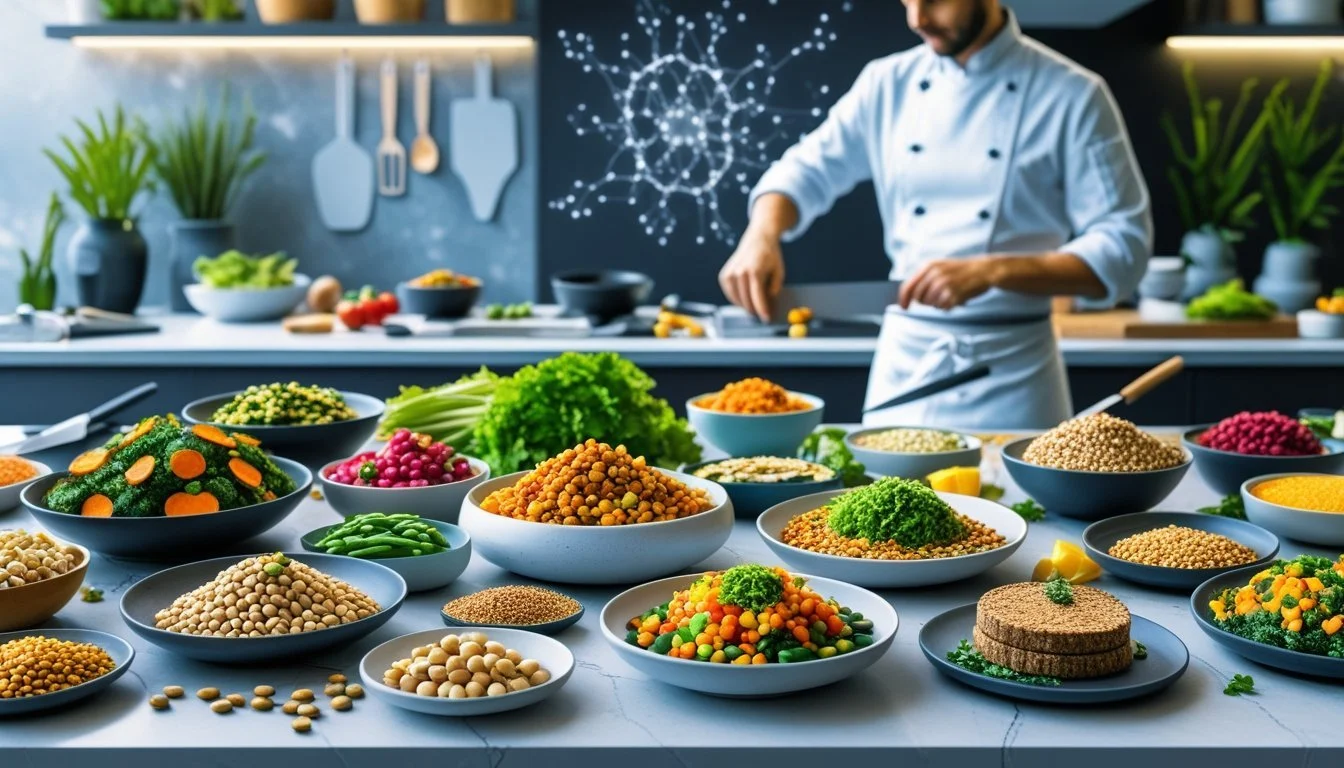
Plant-based culinary innovation is reshaping how food substitutes are integrated into meals. Specific examples, both from natural ingredients and technology-driven brands, are changing how consumers approach meat substitutes.
Jackfruit as a Meat Substitute
Jackfruit has become a recognized plant-based meat alternative due to its fibrous texture and neutral flavor. It is often used in dishes such as pulled "pork" sandwiches and tacos.
The fruit absorbs marinades and seasonings well, letting cooks create savory, meat-like dishes with minimal processing. Nutritionally, jackfruit is low in calories, contains some protein, and offers fiber.
Key attributes of jackfruit meat substitutes:
Aspect Description Texture Fibrous, pulls apart like meat Use Cases Tacos, sandwiches, stir-fries Main Benefits Low-calorie, versatile, allergen-free
Although it is not as protein-rich as legumes or soy products, jackfruit appeals to those seeking whole-food alternatives to processed meat analogs.
Innovations from Brands like Plenty
Brands such as Plenty are leading plant-based culinary innovation by utilizing vertical farming and high-tech growing methods. Their focus is on freshness, nutrition, and sustainability.
By growing greens indoors using controlled environments and automation, Plenty delivers consistent quality year-round. Their produce is used in salads, plant-based snacks, and ready-to-eat meals, offering consumers new ways to enjoy plant-based foods.
Highlights include:
Precision agriculture: Automated systems to monitor crops
Resource efficiency: Lower water and land use
Product variety: From leafy greens to customized blends
These innovations make plant-based food substitutes more accessible and appealing for everyday consumption.
Market Trends and Consumer Perspectives
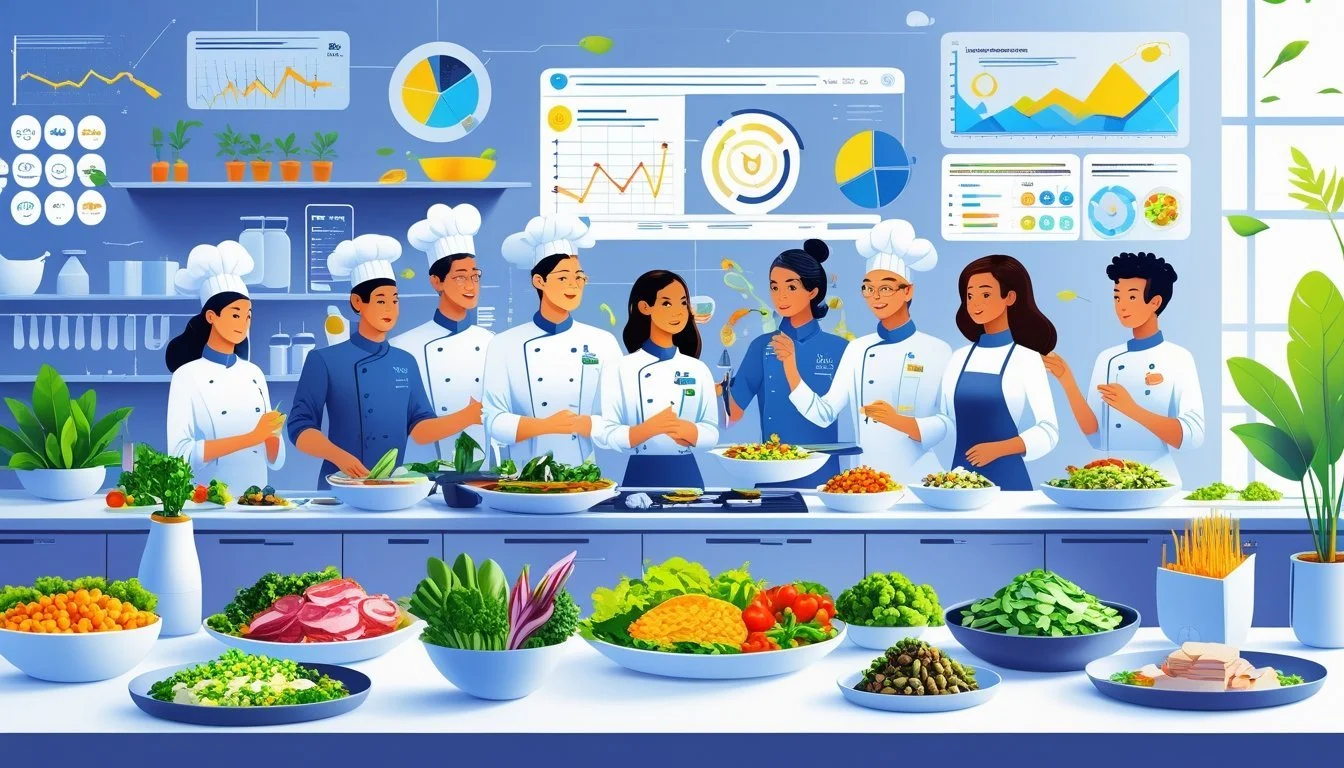
Market analysis shows growing adoption of food substitutes driven by price sensitivity and shifting dietary habits. Consumers increasingly evaluate alternatives for both savings and alignment with modern eating preferences.
Cost-Effectiveness of Food Substitutes
Food substitutes are often marketed as affordable alternatives to conventional ingredients. This cost advantage appeals to budget-conscious consumers, particularly in regions with rising food prices or constrained incomes.
Manufacturers achieve lower costs through efficient production processes and use of scalable ingredients such as soy, pea protein, and mushrooms. These inputs are less resource-intensive than animal-based foods, which helps reduce overall product prices.
Retailers also use promotions and value-pack options to attract shoppers who are focused on maximizing their food budget. According to recent industry data, cost-effective substitutes help households manage food spending without sacrificing nutrition or convenience.
Below is a table comparing common food substitutes by average price per serving:
Substitute Average Price/Serving Typical Use Soy Protein $0.45 Meat replacement Plant-Based Milk $0.60 Dairy substitute Mushroom Burger $0.80 Meat alternative
Flexitarian and Alternative Dietary Movements
Flexitarian and plant-forward diets are reshaping how consumers approach daily meals. Flexitarians limit but do not eliminate animal products, instead incorporating food substitutes to diversify their diet.
Consumers motivated by health, sustainability, or ethical concerns often seek out alternative proteins and plant-based products. These preferences drive innovation in categories such as dairy alternatives, meat analogs, and egg replacers.
Brands respond by widening their offerings and marketing transparency around ingredients and sourcing. Innovations such as mushroom-based products and pea protein foods address both dietary variety and the desire for more sustainable choices.
Consumer attitudes continue to evolve as new products enter the market, supported by advances in food science and culinary creativity. The flexibility of substitutes allows individuals to balance taste, nutrition, and personal dietary goals.
The Future of Culinary Innovation Through Food Substitutes
Food substitutes are influencing food innovation by enabling chefs and manufacturers to address both culinary creativity and health needs. This is driving significant changes in how new products are developed and how dietary health is approached.
Anticipated Developments in Product Development
The next decade will likely see a rise in substitutes that provide similar taste and texture to traditional ingredients but with improved sustainability. Advances in plant-based proteins, lab-grown foods, and fermentation processes are leading to substitutes that closely mimic animal products.
Manufacturers are prioritizing local and minimally processed ingredients to meet consumer demand for transparency and eco-friendly sourcing. Novel functional foods—such as meat analogues with added fiber or probiotics—are expected to become more common.
Collaboration between food scientists and chefs is accelerating the pace of product development. This teamwork enables faster market launches of alternatives that cater to diverse dietary and ethical preferences. Some companies already tailor their substitutes to meet allergies, religious restrictions, or cultural tastes.
Long-Term Health Benefits
Food substitutes are being carefully designed to offer specific health benefits beyond basic nutrition. Plant-based and alternative proteins are often lower in cholesterol and saturated fat compared to their animal-based counterparts, which may help support heart health.
Substitutes fortified with vitamins, minerals, and bioactive compounds can address common deficiencies. Many products are now including prebiotics, probiotics, or added fiber, supporting digestion and improving the overall functional food profile.
By diversifying available ingredients, these innovations allow for reduced dependence on allergens and major dietary triggers, such as gluten or dairy. In the long term, well-formulated substitutes could play a role in lowering chronic disease risk and supporting population-wide nutrition improvement.

