
The Science Behind Food Substitutions Explained for Healthier Cooking Choices
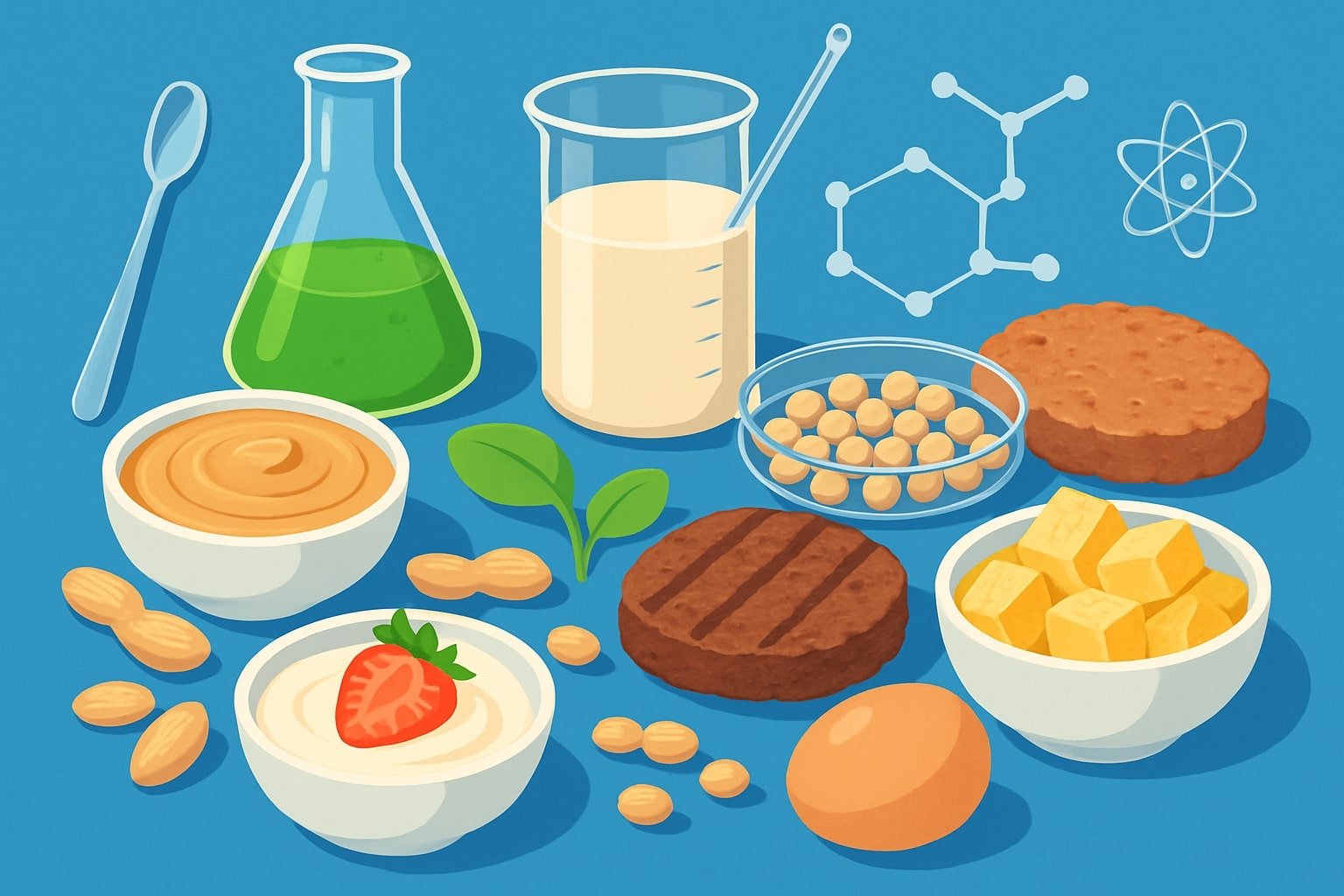
Food substitutions use science to swap one ingredient for another, so recipes can fit different dietary needs without changing too much of the taste or texture. The chemical and physical properties of ingredients guide how substitutions work—helping maintain structure, moisture, or flavor even when baking without eggs, dairy, or wheat.
Understanding ingredient substitution is especially helpful when specific items are unavailable or when someone wants to eat healthier. The right substitutes can reduce sodium, sugar, or saturated fats in meals, supporting wellness goals while still providing satisfying results.
This science-backed approach allows cooks to adapt recipes for allergies or preferences with confidence. Knowing why certain ingredients can stand in for others makes it possible to cook creatively and problem-solve in the kitchen.
Understanding Ingredient Substitutions
Ingredient substitution is a vital skill for cooks dealing with dietary restrictions, allergies, or pantry shortages. By understanding food substitutions, individuals can adapt recipes to match personal dietary needs, preserve flavor, and ensure meals stay nutritious.
Definition and Importance of Food Substitutions
Food substitution means replacing one ingredient in a recipe with another that performs a similar function. This may be necessary due to ingredient shortages, price changes, food allergies, or dietary preferences.
Substitutions often address common allergens like dairy, gluten, or nuts. Correct substitution ensures recipes still taste good, maintain desirable texture, and meet nutritional requirements.
Food substitutions empower cooks to create inclusive meals for varying diets. This flexibility is especially important in households with multiple food restrictions or specific nutritional needs.
Common Ingredient Substitutions
Many staple ingredients have widely accepted alternatives, making recipe adaptation straightforward. Some examples are:
Original Ingredient Common Substitute Use Case Cow’s milk Almond, soy, or oat milk Dairy-free diets Eggs Flaxseed meal + water Vegan baking Wheat flour Gluten-free flour blend Gluten intolerance Butter Coconut oil or margarine Lactose intolerance Sugar Honey or maple syrup Natural sweetening
Substituting ingredients often involves adjusting quantities or cooking methods. For eggs, a mix of 1 tablespoon flaxseed meal and 2.5 tablespoons water replaces one egg in most baked goods.
Individuals should consider flavor, texture, and how each ingredient functions within the dish. A thoughtful substitution can prevent undesirable results.
Impact on Nutritional Content
Substituting ingredients may alter a meal’s nutritional profile. For example, replacing whole milk with almond milk reduces calories and fat, while using whole wheat flour instead of white flour increases fiber.
Dietary needs like low-sugar, high-protein, or allergen-free diets often drive substitution choices. It is important to check labels for added sugars, sodium, or allergens in replacement products.
A successful substitution maintains the dish’s nutritional balance. For instance, plant-based protein sources can replace animal proteins for those with allergies or following a vegetarian diet. Paying attention to nutrients helps ensure the meal remains healthy and supports specific dietary goals.
Scientific Principles of Food Substitutions

The effectiveness of a food substitution depends on understanding how ingredients interact at both a chemical and physical level. Detailed knowledge of ingredient functionality and proper ratios ensures substitutions work in practice.
Chemical and Physical Properties
Each ingredient is defined by its chemical structure and physical attributes. For example, proteins can coagulate, starches gelatinize, and lipids create smoothness or act as carriers for fat-soluble flavors. These reactions influence how an ingredient behaves during cooking or baking.
Emulsion structure often comes into play, especially when replacing fats or dairy. Substitutes like plant-based milks must replicate not just flavor, but also the ability to form stable emulsions when mixed with water and oils. Emulsifiers such as lecithin or mono- and diglycerides may be needed to improve stability, texture, and mouthfeel.
Proper substitutions consider elements like melting point (as seen with butter vs. margarine), viscosity, and moisture content. Ignoring these factors can result in undesirable changes to texture, rise, or final flavor profile.
Functionality of Ingredients
Ingredient functionality refers to what a component does in a recipe. A leavening agent like baking powder creates air pockets, while gluten provides structure in bread. When substituting, it is essential to match these specific roles.
A table can clarify functional pairs:
Original Ingredient Common Substitute Main Function Eggs Flaxseed meal Binding, structure Butter Oil or margarine Fat, flavor, structure Wheat flour Almond flour Texture, structure
Flavor and texture must also be replicated. For instance, coconut oil mimics butter’s mouthfeel, but adds a distinct flavor profile. Data sources such as the USDA FoodData Central database can help compare nutrient and compositional properties when making choices.
Substituting without regard for functionality often yields poor results, affecting emulsion structure and final product acceptability.
Ingredient Ratios
Adjusting ingredient ratios is crucial during substitution. Ratios control hydration, structure, flavor intensity, and texture. Some flours, for instance, absorb more or less water; adjusting liquids in the recipe may be necessary.
When replacing high-protein wheat flour with lower-protein alternatives, the amount of liquid and leavening may also change to maintain desired texture and rise. Substitutions that alter the balance of emulsifiers or lipids can affect emulsion stability or mouthfeel.
Using measurement guides and standardized tables helps ensure that new ratios result in a familiar structure, even when flavors or textures subtly shift. Attention to these ratios and the precise role each ingredient plays supports successful recipe modifications.
Role of AI and Data in Ingredient Substitution Models
Artificial intelligence and large-scale food datasets are reshaping how ingredient substitutions are identified and ranked. Modern approaches are moving beyond basic rules to semantic analysis, nutrient profiling, and personalized nutrition.
AI-Powered Substitution Suggestions
AI algorithms analyze ingredient lists, recipes, and nutritional information to suggest practical and healthier substitutions. Systems can evaluate ingredient compatibility based on factors like nutrient profiles, flavor compounds, and food classification. For instance, knowledge graphs help map out relationships between foods, allowing models to identify alternatives that match both functionality and dietary requirements.
Machine learning techniques support dynamic substitutions by factoring in user constraints such as allergies, preferences, or specific diets. These models can also factor in cultural or regional culinary practices, making suggestions more context-aware. AI can further assess the impact of substitutions on taste, texture, and nutritional value.
Some advanced frameworks use semantic similarity, learning from vast datasets to recommend swaps not just for health, but for culinary creativity or sustainability. This approach enables chefs and home cooks to discover ingredient combinations they might not consider otherwise.
Datasets and Data Sources in Food Science
Robust substitution models rely on diverse and structured datasets. Key sources include nutrition databases, culinary recipes, ingredient taxonomies, and scientific profiles of food components. For example, government databases like the USDA FoodData Central provide standardized nutrient profiles for thousands of foods.
Examples of common data sources:
Source Type Example Key Content Nutrition databases USDA FoodData Central Macronutrients, micronutrients Recipe repositories Food.com, Allrecipes Ingredients, methods Academic datasets FoodKG, Recipe1M Food graphs, cooking data
Clean and well-labeled data enable AI models to assess not just ingredient categories but also subtleties such as degree of processing and health outcomes. Open data and structured ontologies further improve the accuracy and breadth of substitution suggestions. Reliable, up-to-date information ensures models remain relevant and practical in real-world applications.
Baking Science: Exploring Substitutions
Ingredient substitutions in baking are often necessary to address dietary restrictions or ingredient shortages. Key substitutes like alternative flours, egg replacements, and dairy alternatives can change a recipe’s structure, flavor, and nutritional content.
Flour Substitutes
Flour plays a structural role in baked goods. Replacing wheat flour requires attention to texture and binding properties. Gluten-free baking often uses rice flour, almond flour, or oat flour. Almond and coconut flours add moisture but can make the final product denser.
Starch-based substitutes like potato or tapioca starch give a lighter texture, though they sometimes lack the protein needed for stability. Commercial gluten-free flour blends often mix rice flour, starches, and xanthan gum to better mimic wheat flour’s function.
Common Flour Substitutes Best Used In Almond Flour Cookies, cakes Rice Flour Muffins, pancakes Oat Flour Quick breads, bars Tapioca Starch Light cakes, brownies
Measurement conversions may vary, so bakers should start by substituting up to 25% and test from there.
Egg Alternatives
Eggs contribute moisture, binding, and structure to baked goods. Substitutes are essential for those with allergies or following a vegan diet. Flaxseed meal mixed with water forms a gel, working well as a binder in cookies and muffins. Aquafaba (the liquid from canned chickpeas) can be whipped like egg whites to create foams ideal for meringues or mousses.
Other options include commercial egg replacers, applesauce for moisture in cakes, and mashed bananas for added binding. Each alternative affects the taste, color, and texture differently.
Substitute Amount Replaces 1 Egg Best For Flaxseed + Water 1 tbsp + 3 tbsp water Cookies, quick breads Aquafaba 3 tbsp Meringues, brownies Applesauce 1/4 cup Cakes, muffins
Testing is recommended, as some recipes—especially those depending on eggs for volume—may need additional adjustments.
Dairy and Butter Alternatives
Dairy and butter add tenderness, flavor, and moisture to baked goods. Lactose-intolerant or vegan bakers can use plant-based milks such as soy milk, almond milk, or coconut milk. Soy milk’s high protein makes it especially suited for recipes needing structure.
Butter can be replaced with vegetable oils, coconut oil, or vegan margarine. Swapping oils for butter often produces a moister texture, but lacks the aeration that butter imparts when creamed. Coconut oil gives a slight flavor and works well in cookies and brownies, while olive or canola oils are preferable for cakes.
Some alternatives have different fat and water content. Adjustments in ratios or baking times may be needed to get consistent results.
Gluten-Free and Low-Carb Substitutions
Gluten-free and low-carb cooking both require careful ingredient choices to achieve desired results in baking and savory dishes. Ingredients such as almond flour and xanthan gum play specific roles in texture, structure, and mouthfeel.
Gluten-Free Flours
Gluten-free flours replace wheat flour for those with celiac disease or gluten sensitivity. Common options include rice flour, oat flour, tapioca starch, and potato starch. Each has unique properties.
Rice flour gives a light texture but can be gritty if used alone. Oat flour is praised for its mild flavor and fiber content, but only certified gluten-free oat flour guarantees safety for those with gluten intolerance.
Tapioca starch, often combined with other flours, improves elasticity and moisture retention. It is commonly used to replicate the chewy texture found in traditional breads. Many gluten-free baking blends combine these flours to achieve balanced results.
Low-Carb and Alternative Flours
Low-carb diets emphasize flours with fewer carbohydrates and higher fat or fiber. Almond flour and coconut flour are two frequently used options.
Almond flour is made from finely ground blanched almonds and provides a moist crumb, making it suitable for cakes and muffins. Its fat content also helps extend shelf life.
Coconut flour, high in fiber, is very absorbent, requiring recipes to increase their liquid and eggs to maintain structure. Due to its density and flavor, coconut flour is rarely a one-to-one substitution for wheat flour; small amounts can replace larger quantities of standard flour.
Comparison Table:
Flour Type Carbs (per ¼ cup) Fiber (g) Common Uses Almond Flour 3g 3g Pancakes, cookies Coconut Flour 6g 5g Muffins, breads Oat Flour 21g 3g Quick breads, bars
Binding and Texture Agents
Without gluten, baked goods can become crumbly. Several agents can help improve binding and texture.
Xanthan gum is a popular addition in both gluten-free and low-carb recipes. Even a small amount creates a more elastic dough, improving rise and chew.
Psyllium husk is used for additional binding, moisture retention, and fiber. It's often found in gluten-free bread recipes to mimic wheat’s chewiness.
Other alternatives include chia seeds and flax seeds. When hydrated, these form gels that help bind ingredients and replace eggs in some vegan recipes.
Many recipes use a blend of these agents for the best texture and structure, especially in yeast-leavened breads and tender cakes.
Sweeteners and Flavor Modifications

Food substitutions often require careful choices to balance sweetness, flavor profiles, and chemical reactions. Selecting the right ingredients can impact both taste and how recipes behave during cooking or baking.
Sugar Alternatives and Sweeteners
Replacing sugar in recipes involves understanding both the chemical structure and sweetness intensity of alternatives. Artificial sweeteners like aspartame and sucralose taste much sweeter than sugar, so only small amounts are required. Natural options, such as honey and stevia, bring their own flavors and may affect moisture retention or browning when heated.
Some substitutes can have effects beyond taste. For example, certain artificial sweeteners may impact gut or metabolic health, according to recent studies. Others, like honey, add trace minerals but also contribute to the glycemic load.
When substituting, it is helpful to compare sweetness levels and bulk, as shown below:
Substitute Relative Sweetness to Sugar Bulk Properties Honey ~1.2x Adds moisture Stevia 200-300x Minimal bulk Sucralose 600x Minimal bulk
Flavor Profiles and Combinations
Balancing flavor involves more than replacing ingredients. Sweeteners such as honey introduce floral and fruity notes, which can influence the overall flavor profile of baked goods or desserts. Choosing the right flavor combinations can enhance or mask certain tastes, allowing for creativity without sacrificing balance.
Pairings such as honey with cinnamon or lemon juice with stevia are common techniques to modify and round out flavors. Acidic additions, like lemon juice, can sharpen the perception of sweetness, even when using less sugar.
Combining different sweeteners or adding spices allows for nuanced results. Using a mix of brown sugar and honey, for example, provides both caramel notes and added moisture, making cookies chewier and more flavorful.
Acidic and Leavening Agents
Acidic ingredients and leavening agents play essential roles in baking, especially when substitutions are made. Lemon juice or buttermilk can both add tartness and activate baking soda for leavening, leading to lighter textures in cakes and muffins.
When replacing traditional ingredients, adjustments are sometimes needed. If using honey or other liquid sweeteners, the recipe may require additional baking soda to ensure proper rise. Buttermilk, with its acidity, not only impacts texture but also alters the final flavor profile.
Here is a quick reference for common acid-leavening pairs:
Lemon juice + Baking soda: Adds rise and subtle citrus notes.
Buttermilk + Baking soda: Creates a tender crumb and mild tang.
Yogurt + Baking soda: Softens texture and introduces slight sourness.
Understanding the chemistry behind these ingredients ensures substitutions achieve the desired effect in both flavor and structure.
Culinary Creativity and Adaptation

Culinary creativity allows cooks to tailor food to specific dietary needs and flavor profiles. By understanding ingredient properties, individuals can adapt recipes for health, sustainability, and taste.
Dietary Adaptations and Food Choices
Adapting recipes for dietary preferences or restrictions increases culinary flexibility. For example, plant-based alternatives like flaxseed "eggs" or oat milk make baking accessible to vegan diets. Gluten-free flours, such as rice or almond flour, offer options for those with celiac disease or other gluten intolerance.
Careful substitution requires consideration of both nutrition and functionality. Chickpeas or lentils can replace meat in stews to boost plant-based protein without sacrificing texture. Many people select these substitutes to support personal well-being or ethical food choices, creating a more inclusive and adaptable kitchen.
Taste as You Go: Adjusting Substitutions
Flavor and texture vary between ingredients, so tasting throughout the cooking process is essential when substituting foods. For example, using applesauce instead of oil in baking may change moisture levels, requiring adjustments in cooking time. Swapping Greek yogurt for sour cream impacts both flavor and acidity.
A few strategies to refine results include:
Gradually incorporating new ingredients
Tasting at each stage
Adjusting seasoning and texture as needed
These steps help compensate for unexpected changes, leading to results that satisfy both taste and well-being.
Reducing Food Waste Through Substitutions
Effective use of substitutions can minimize food waste at home. If a recipe calls for buttermilk, plain yogurt with a bit of lemon juice can prevent unnecessary purchases. Overripe bananas become a natural sweetener or egg substitute in baked goods, leveraging ingredients that might otherwise be discarded.
The practice of substituting based on available ingredients encourages resourcefulness. By prioritizing what is on hand or nearing expiration, cooks reduce waste and promote sustainability. This approach positively impacts both the environment and individual food budgets.
Practical Considerations and Common Mistakes
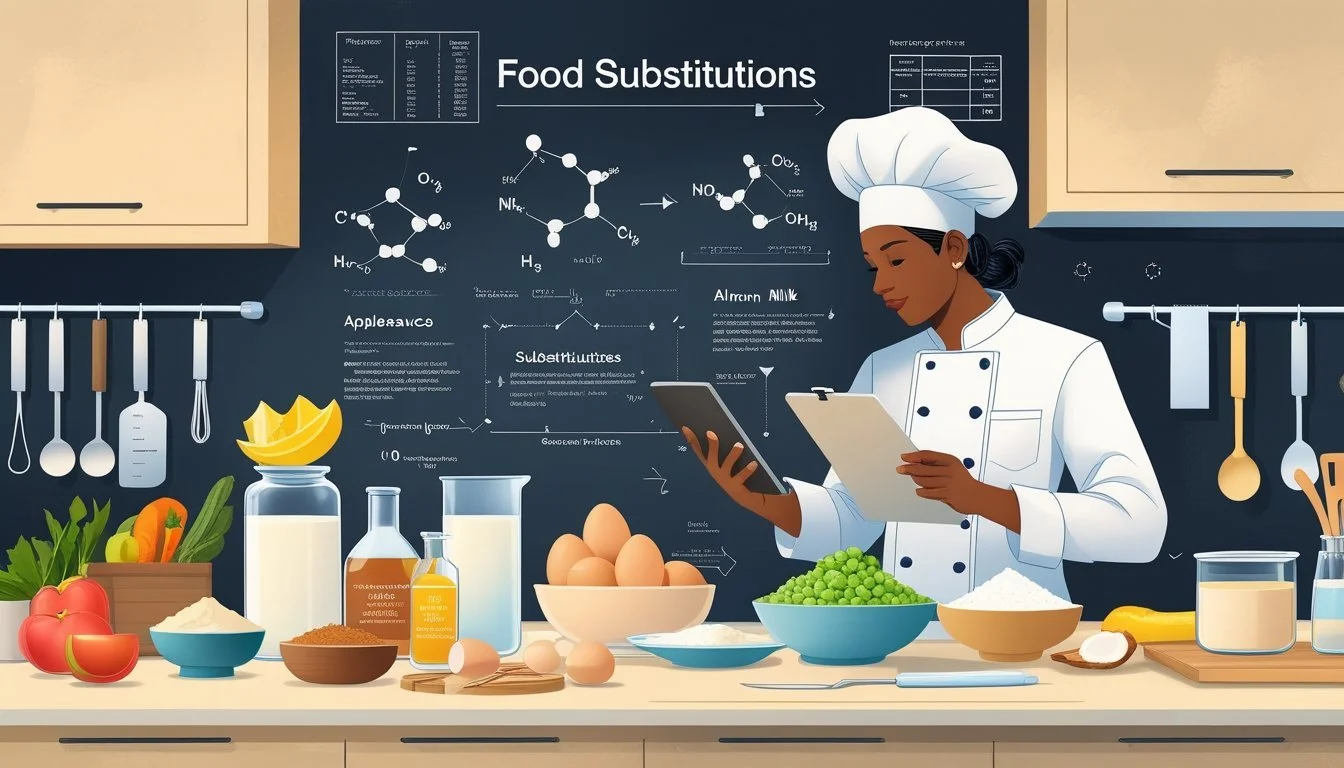
Ingredient substitutions require careful attention to details such as ingredient labels, preparation methods, and specific dish requirements. Mistakes can compromise safety and texture, so accuracy is important when making changes.
Reading Labels and Allergen Awareness
Accurately reading ingredient labels is critical, especially for those with food allergies. Even small amounts of allergenic ingredients can cause severe reactions. Foods marketed as substitutes may still contain traces of allergens due to cross-contamination in manufacturing facilities.
Common allergens to watch for include nuts, soy, dairy, and eggs. Gluten and traces of wheat may appear in sauces, dressings, or seasonings. Double-check labels each time, as formulations frequently change.
The following table lists frequent allergens and hidden sources:
Allergen Possible Hidden Sources Dairy Dressings, processed foods Nuts Baked goods, granola, sauces Soy Sauces, breads, snacks Gluten Condiments, spice mixes
Consumers should contact manufacturers if unsure about labeling practices or risk of contamination.
Avoiding Common Errors
Over-substituting ingredients is a frequent mistake in home kitchens. For example, replacing both eggs and butter in pancakes without considering structure and moisture can result in a dense, dry product. It's important to understand the role of each ingredient before choosing a replacement.
Swapping in substitutes with different fat or water content, such as using Greek yogurt for sour cream or oil, can change the final texture. Adjust other recipe components when using these alternatives. Using too much of a substitute can overpower flavors or alter cooking times.
Using precise measurements and testing small batches helps prevent waste. Referencing reputable substitution guides or culinary science resources can provide more reliable outcomes.
Substitution in Popular Dishes
Certain dishes are more amenable to substitutions than others. For instance, zucchini noodles can easily replace pasta for those seeking to avoid gluten, but the cooking time and flavor profile differ. In pancakes, mashed bananas or Greek yogurt can substitute for eggs to provide binding and moisture, though the final product may be slightly denser or tangier.
Creating meringue without eggs often involves aquafaba (chickpea water), but beating times and stability differ from traditional egg whites. It's important to monitor texture and consistency carefully.
Popular substitutions may require experimentations with ratios and cooking methods to maintain quality. Home cooks should be aware that even small changes can lead to noticeable differences in taste, structure, and appearance.

