
Using Leftovers as Unexpected Substitutes
Creative Solutions for Everyday Cooking

Leftovers can serve as practical substitutes for many ingredients or meals, helping reduce food waste and streamline meal preparation. Instead of letting surplus food linger in the refrigerator, it can be used to replace expected ingredients in recipes or create new meals from what is already available. For example, last night's roasted vegetables might stand in for fresh produce in a stir-fry, or cooked grains can be transformed into the base for a casserole.
People often overlook how adaptable leftovers can be in everyday cooking. By thinking creatively, common leftovers become key components in soups, salads, sandwiches, and more. Making these swaps not only saves time and money but also brings variety to meals throughout the week.
The Value of Using Leftovers as Unexpected Substitutes

Reusing leftovers as unexpected substitutes serves practical, environmental, and emotional purposes. This approach not only conserves resources but can also turn familiar dishes into new, comforting meals.
Reducing Food Waste
Most households throw away a significant portion of edible food, often because leftovers are not repurposed. Using leftovers in creative ways helps reduce this waste and makes the most of the food already purchased.
Consuming leftovers lowers the frequency of grocery shopping. It allows people to save both time and money by stretching meals further. For example, yesterday’s roasted vegetables can be added to an omelet or soup, cutting down additional cooking or preparation efforts.
A deliberate effort to reuse leftovers also prompts smarter meal planning. People who incorporate leftovers regularly tend to waste less food overall and foster a habit of resourcefulness in the kitchen.
Environmental Impact of Food Waste
Food waste is a major contributor to global greenhouse gas emissions. When leftovers end up in landfills, they decompose and emit methane, a potent greenhouse gas. Reducing food waste by using leftovers helps lower the overall environmental footprint of a household.
According to multiple studies, minimizing food waste can play a critical role in addressing environmental issues tied to food production. It takes considerable resources—water, land, and energy—to grow and transport food. When leftovers are put to use, fewer resources are wasted.
Small actions, like reusing a bowl of rice or a portion of stew, add up. Over time, these choices can lead to a measurable decrease in household greenhouse gas emissions and reduce the demand on waste management systems.
Connection to Comfort Food
Leftovers often form the basis for many classic comfort foods. Many traditional dishes worldwide—such as casseroles, fried rice, and bread puddings—originated as ways to repurpose what was on hand. This familiarity offers both practical and emotional benefits.
Turning leftovers into new meals can evoke memories and provide a sense of continuity. Recipes handed down in families sometimes emerge from the need to use yesterday’s ingredients, creating lasting bonds through food.
People who embrace leftovers as substitutes not only reduce waste but build a repertoire of comforting, reliable dishes. This habit can make everyday eating more meaningful and less stressful, especially for busy households.
Principles of Creative Substitution in Cooking
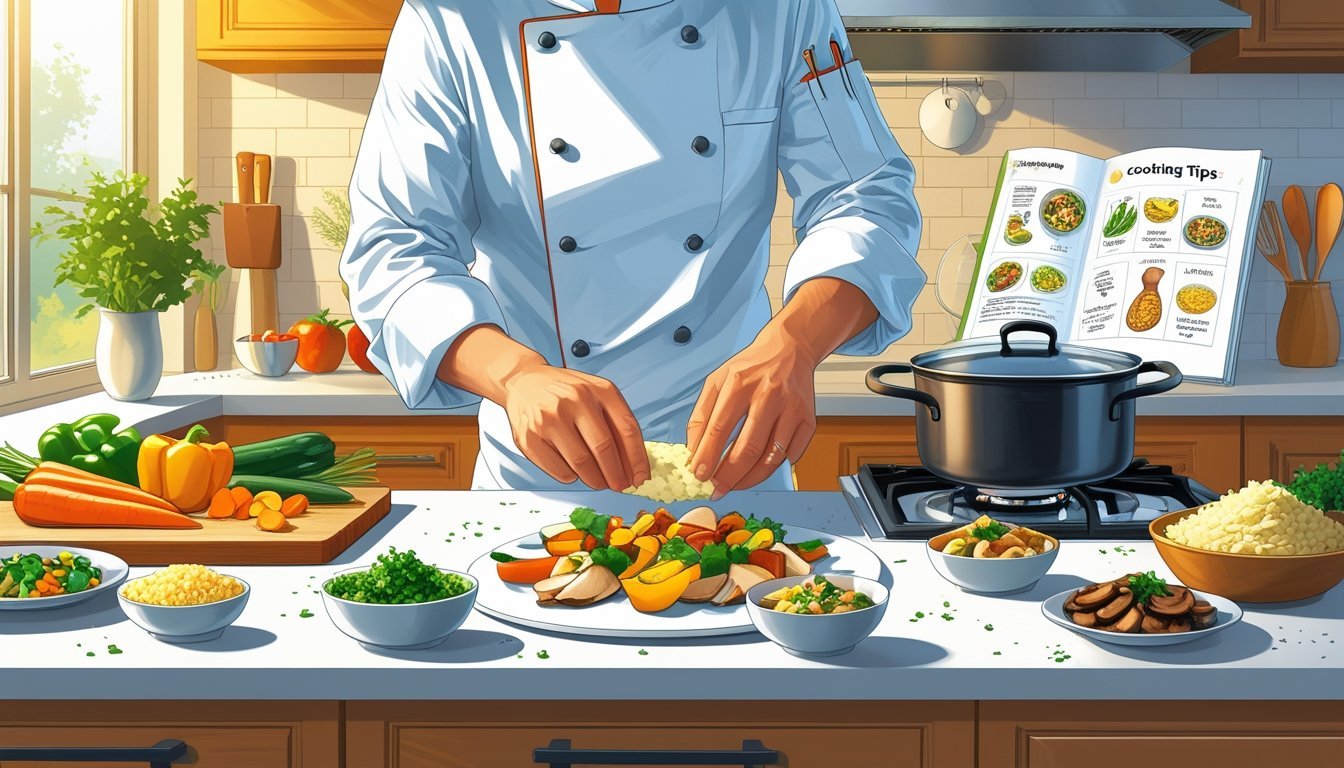
Creative substitution with leftovers can stretch ingredients, reduce waste, and inspire inventive meals. Success depends on understanding ingredient versatility, maintaining flavor and texture, and practicing proper food safety.
Identifying Versatile Leftover Ingredients
Some leftovers adapt easily to many dishes because of their basic flavors or textures. For example, cooked rice can be added to soups, stir-fries, or turned into rice pudding. Roasted vegetables can form the base of sauces, salads, or sandwich fillings.
A simple table can help spot versatile options:
Leftover Possible Uses Cooked Chicken Soups, casseroles, wraps Steamed Veggies Frittatas, pastas, grain bowls Mashed Potatoes Pancakes, thickening soups
Choosing neutral or lightly seasoned leftovers will give the cook more flexibility. Checking the seasoning level also prevents accidental overpowering of new dishes.
Balancing Flavors and Textures
When substituting, it's important to match similar flavors and textures. Boldly seasoned leftovers like spicy beef may change the original flavor profile of a new recipe. Opt to use hearty grains in place of pasta for a different texture but similar bulk.
Use a list to remember the main points:
Combine soft with crisp for texture variety (e.g., soft beans with crunchy bell peppers).
Adjust seasoning as needed to compensate for residual flavors.
If the original dish contains strong spices, balance with milder components.
Being mindful of both flavor and mouthfeel helps maintain a satisfying and harmonious dish.
Ensuring Food Safety
Proper handling of leftovers is essential. Only use leftovers that have been stored in airtight containers and kept in the refrigerator at 40°F (4°C) or below. Most cooked leftovers are safe for 3–4 days.
Follow the food safety checklist:
Reheat leftovers to 165°F (74°C) before consuming or adding to new dishes.
If leftovers look, smell, or taste off, discard them.
Avoid repeatedly cooling and reheating the same batch, as this increases the risk of foodborne illness.
Adhering to food safety guidelines keeps meals safe and enjoyable for everyone.
Transforming Dairy and Protein Leftovers

Dairy and cooked proteins left behind in the refrigerator do not have to go to waste. Simple changes and substitutions can turn cheese, butter, turkey, or meatballs into the foundation of new meals with different flavor profiles.
Cheese and Parmigiano-Reggiano Innovations
Cheese—especially hard types like Parmigiano-Reggiano—keeps its flavor and texture even after being grated or sliced. Parmigiano-Reggiano rinds, for example, add depth to soups and stews when simmered with broth.
Chopped cheese scraps work well for melting into omelets, quesadillas, or baked pasta. Softer cheese can be added to savory muffins or biscuits. Leftover grated Parmesan is useful for homemade pesto or as a topping for roasted vegetables.
A quick comparison of uses for different cheese types:
Cheese Recommended Use Parmigiano Broth flavoring, pesto, salads Cheddar Grilled sandwiches, bakes Feta Salads, scrambled eggs
Unsalted Butter in New Roles
Unsalted butter can be used for more than just spreading on toast. It acts as a base for homemade sauces, such as brown butter for pasta or vegetables. To revive slightly softened butter, make compound butters by mashing in minced herbs, zest, or spices.
In baking, leftover bits of butter can be melted and drizzled over popcorn for a simple snack, or used to sauté bread cubes for salad croutons. For extra flavor in grains, melt butter and toss with rice, barley, or couscous before serving. Avoid using butter that has absorbed strong off-odors from other foods.
Repurposing Leftover Turkey and Meatballs
Leftover turkey slices and cooked meatballs are versatile in multiple dishes. Shredded turkey makes a quick filling for tacos, enchiladas, or casseroles. Sliced turkey can be added to stir-fries or mixed into rice dishes.
Meatballs, whether pork, beef, or poultry, can be sliced and added to breakfast hashes or served in a sub sandwich with tomato sauce and cheese. For fast soups, crumble leftover meatballs into vegetable broth and add orzo or diced vegetables. Below are ideas grouped by protein:
Turkey: Tacos, fried rice, noodle salads
Meatballs: Pasta, sandwiches, rice bowls
Careful reheating prevents the texture from becoming dry. Store cooked proteins in air-tight containers to keep flavors separate.
Creative Uses for Everyday Kitchen Scraps
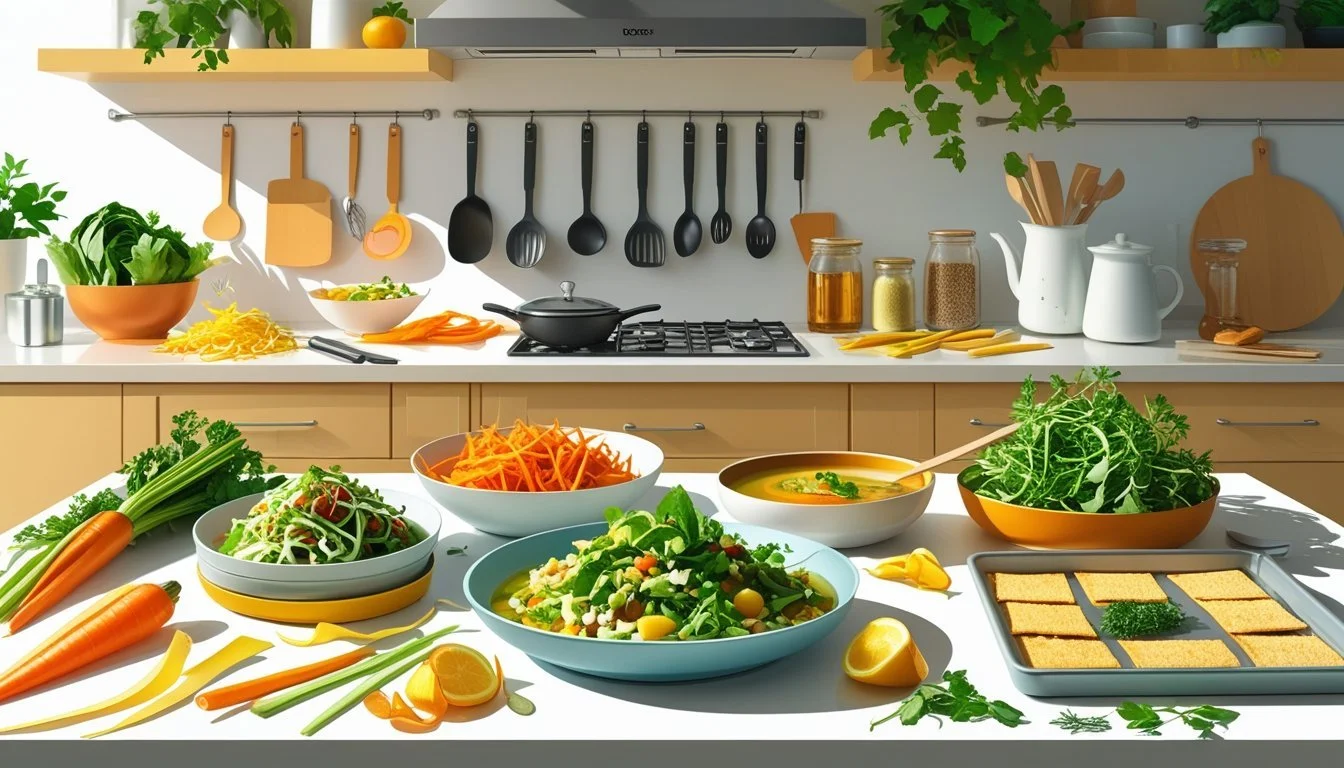
Simple kitchen scraps like eggshells or mushroom stems can become practical ingredients instead of being thrown out. These common leftovers can provide texture, flavor, or a finishing touch in many dishes.
Egg Wash and Its Alternatives
An egg wash gives baked goods a glossy, golden finish. When eggs are unavailable or for those avoiding them, several substitutes can mimic its effects.
Common alternatives include:
Substitute Result on Pastries Notes Milk Mild shine Works well for a soft crust Cream Glossier finish Slightly richer, more color Oil + Water Subtle sheen Neutral flavor Non-dairy Milk Light gloss Suitable for vegan baking
For a crisp texture, brush with melted butter after baking. Sweet pastries can benefit from a light honey or syrup glaze diluted with water. Each substitute works best depending on the crust and flavor profile desired.
Mushroom Stems as Flavor Boosters
Mushroom stems are often discarded, but they’re packed with earthy flavor. Chop stems finely and sauté them with onions or garlic as a base for sauces and soups.
Simmering stems in water makes a quick, robust mushroom broth. Dried stems can be ground into a powder and stirred into risotto, stews, or gravies for a savory depth.
When roasting vegetables, include chopped mushroom stems for added umami. These methods reduce waste and make the most of every part of the mushroom.
Inspiring Leftover Transformations From Renowned Chefs
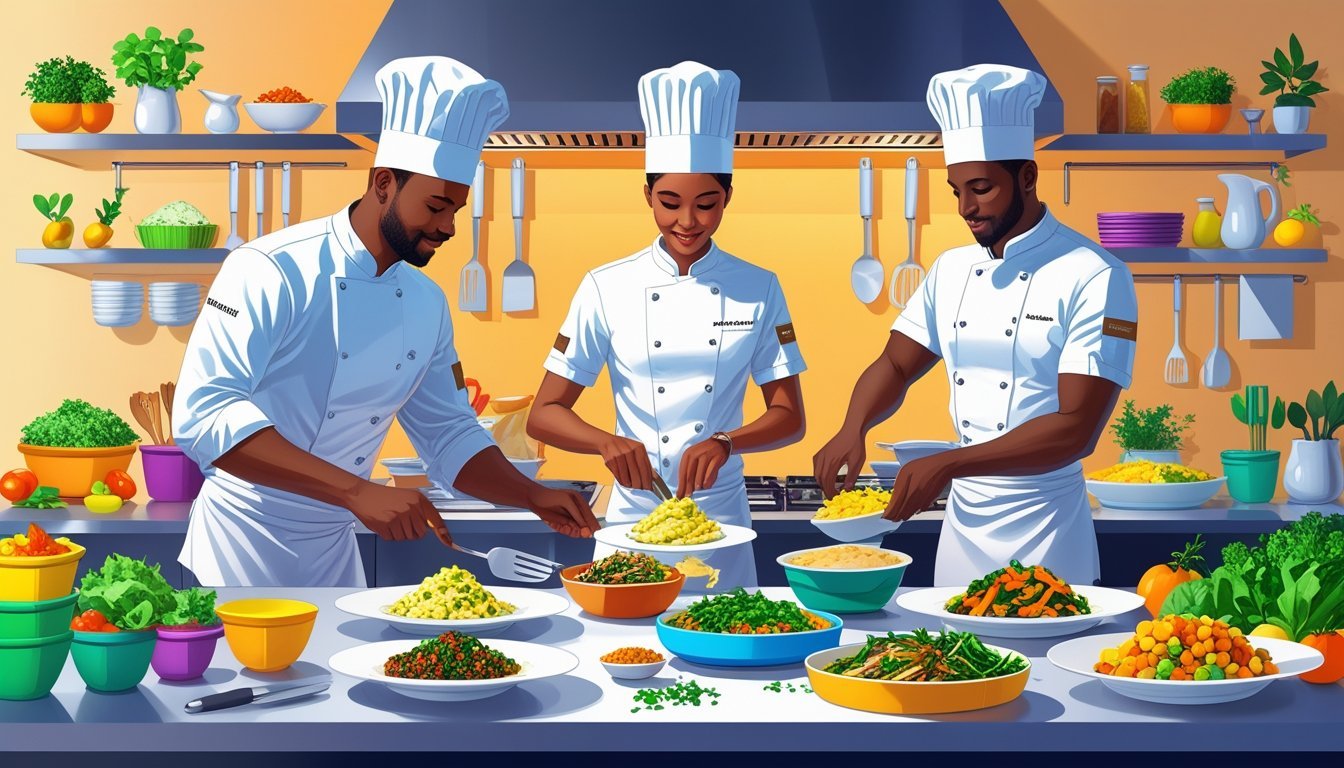
Globally recognized chefs have pioneered practical and creative ways to use leftovers. Their approaches do more than reduce waste—they create memorable flavors and showcase responsible cooking.
Massimo Bottura’s Approach
Massimo Bottura is an influential Italian chef known for his dedication to sustainability and culinary innovation. He views leftovers as valuable resources, not as kitchen scraps.
Bottura’s philosophy centers on respecting ingredients by transforming them using classic and modern techniques. For example, he uses stale bread to create inventive breadcrumbs or as a thickener for soups.
His emphasis on resourcefulness is reflected in his kitchens, where staff are trained to see potential in every ingredient. By reimagining remnants as critical components of new dishes, he shifts the conversation about waste in the restaurant industry.
Osteria Francescana’s Signature Recipes
Osteria Francescana, Bottura’s three-Michelin-starred restaurant in Modena, blends art and utility in its menu. Dishes such as his renowned “Bread is Gold” rework day-old bread into rich desserts, soups, and even main courses.
Another signature concept is the reinterpretation of classic Italian recipes by utilizing common leftovers. For example, parmesan rinds are simmered to add depth to broths, and vegetable trimmings become flavorful seasoning bases.
This creative use of leftovers helps maintain Michelin-level standards while minimizing waste. Guests experience dishes that honor traditional flavors while promoting ingredient conservation.
Food for Soul and the Why Waste? Project
Food for Soul, founded by Bottura and Lara Gilmore, is a non-profit initiative focused on fighting food waste and social isolation. The organization creates community kitchens, known as Refettorios, where top chefs prepare nutritious meals using surplus food.
The Why Waste? project, tied to Food for Soul, encourages chefs and home cooks to find inventive uses for ingredients that are typically discarded. Educational campaigns share step-by-step guides on repurposing items like vegetable peels, cheese rinds, and stale pastries.
These efforts have led to collaborations with food suppliers, charities, and industry leaders, promoting a culture where zero-waste cooking becomes accessible and desirable. Community impact and education are central to both initiatives’ missions.
Favorite Innovative Leftover Recipes
Transforming leftovers into new dishes can reduce food waste and add variety to weekly meals. By rethinking the role of leftovers, cooks can create meals with unique flavors and textures using what they already have on hand.
Second-Life Pasta Pie
Second-life pasta pie is an effective way to reinvent last night’s pasta. Instead of reheating plain noodles, leftover spaghetti or penne is mixed with eggs, cheese, and any spare vegetables or meats.
This mixture is pressed into a skillet and cooked until the edges are crisp. The inside stays soft, holding together in slices like a frittata or casserole.
Pasta pie is versatile. Ingredient swaps are easy; nearly any cooked vegetable, shredded meat, or cheese can be added. Families often serve it hot for dinner or cut it cold for lunchboxes.
Ingredient Possible Leftover Substitute Pasta Any cooked shape Cheese Any melting cheese Vegetables Roasted, steamed, or grilled Meat Chicken, sausage, ham
A well-made pasta pie delivers both texture and robust flavor. It makes the most of kitchen scraps in just one pan.
Refettorios Creations
Refettorios are community kitchens founded by chef Massimo Bottura that focus on turning surplus and leftover food into nutritious, creative meals. The chefs involved transform donated or unused ingredients from markets and stores, often working with a completely different selection each day.
Meals range from rustic stews using leftover meats and vegetables to inventive bakes and bread puddings. Presentation is thoughtful, and dishes are balanced to ensure both flavor and nourishment.
The Refettorio approach is not about hiding leftovers; it’s about showcasing their potential. Recipes often combine grains, greens, and proteins in unexpected ways, with minimal waste.
This philosophy has inspired home cooks to view their own leftovers as building blocks, not afterthoughts. Refettorios demonstrate that limited ingredients, handled with care and creativity, can produce memorable meals.

