
How to Substitute Without Losing Nutritional Value
Smart Swaps for Balanced Meals
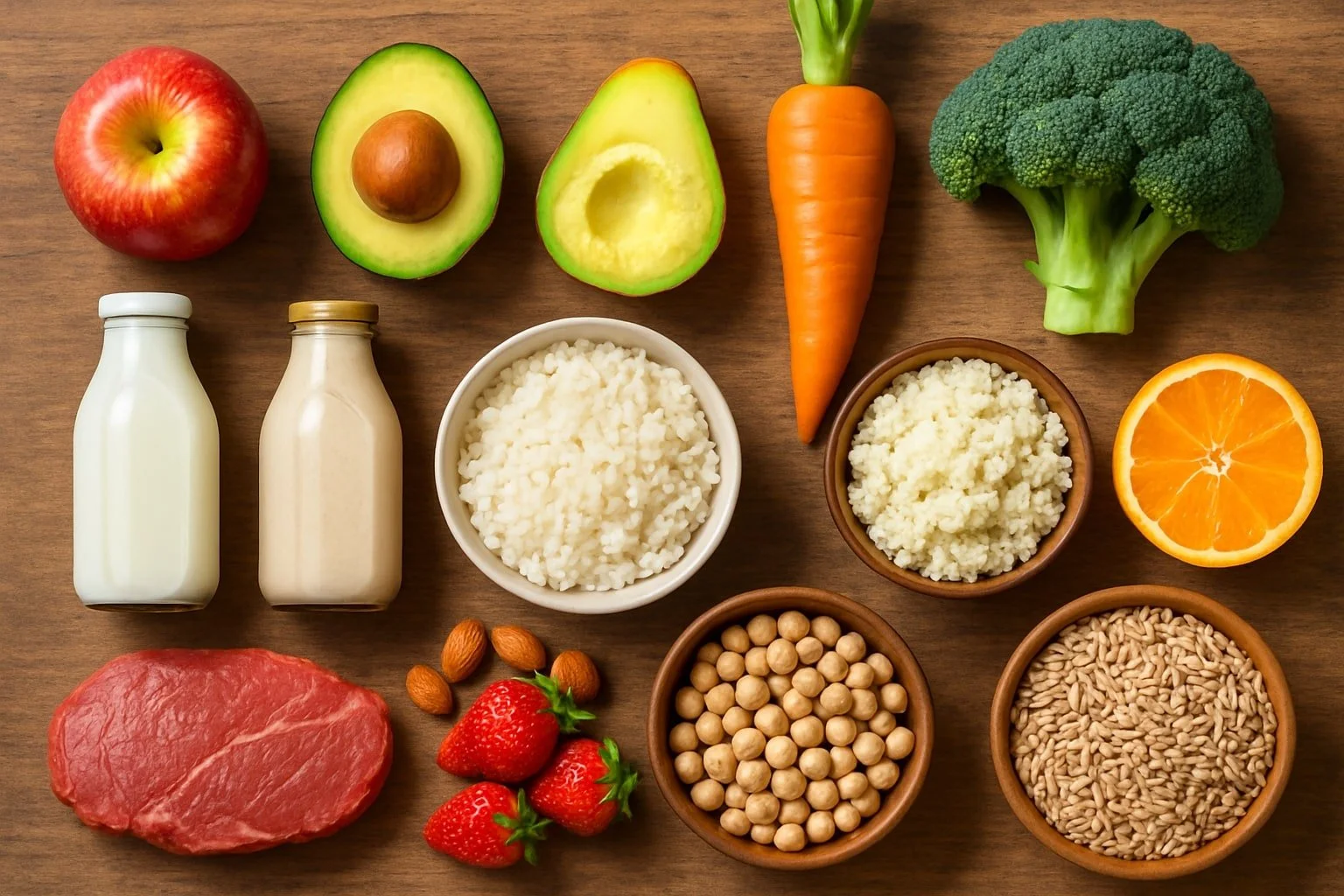
Many people worry that swapping out ingredients in their meals means losing out on important nutrients or flavor. Smart substitutions can help maintain or even boost nutritional value while making recipes healthier and just as enjoyable. Changing small elements like switching white rice for brown rice, or using Greek yogurt instead of sour cream, can make a significant difference without sacrificing satisfaction.
Simple swaps such as using applesauce instead of oil for baking, or hummus instead of mayonnaise, offer healthier alternatives that support better nutrition. These choices add fiber, protein, and reduce excess sugar or unhealthy fats, showing that eating well does not mean giving up taste or texture.
Understanding Nutritional Value in Food Substitution
To make informed food substitutions without sacrificing nutrition, it is necessary to know what nutrients are being swapped and how that affects diet quality. Choosing nutrient-dense options preserves essential vitamins, minerals, and supports healthy eating patterns.
The Importance of Nutritional Value
Nutritional value describes the content of essential nutrients in foods like vitamins, minerals, protein, fat, and carbohydrates. Retaining or improving this value is critical when making substitutions, so the body receives what it needs for proper functioning.
When a substitution takes place, it's helpful to compare labels or use a table to note differences:
Substitute Key Nutrients Increased Key Nutrients Decreased Greek yogurt for sour cream Protein, calcium Total fat, calories Brown rice for white rice Fiber, magnesium Glycemic index Applesauce for oil Fiber, vitamin C Saturated fat, calories
Each swap should aim to maintain a similar or improved nutrient profile, emphasizing healthy eating and overall well-being.
Macronutrients vs Micronutrients
Macronutrients include protein, fats, and carbohydrates. These nutrients provide energy and help build and repair the body's tissues. When substituting, it is important to maintain the right balance of these to keep energy levels and metabolism steady.
Micronutrients—like vitamins and minerals—do not provide energy but are vital for health. Swapping out whole foods for processed items may lower micronutrient intake. To avoid this, they should choose foods high in vitamins and minerals, such as leafy greens or whole grains, over less nutrient-dense options.
Understanding the contributions of both macro- and micronutrients in each food makes it easier to choose suitable replacements without losing essential nutritional value.
Nutrient Density Explained
Nutrient density refers to how many nutrients a food contains in relation to its calorie content. Foods that are nutrient-dense provide more vitamins and minerals with fewer calories, supporting a healthy eating pattern and reducing unnecessary calorie intake.
Examples of nutrient-dense foods include leafy vegetables, berries, lean proteins, nuts, and seeds. Substituting lower nutrient options with these foods helps preserve or enhance nutritional value, especially when replacing items high in sugar, saturated fat, or refined grains.
Seeking out nutrient-dense foods ensures the diet remains rich in vital vitamins and minerals while keeping calorie intake in check. This approach promotes long-term health by delivering the nutrition the body needs most efficiently.
Substituting Proteins While Maintaining Nutrition
Protein is essential for building and repairing tissues, supporting immune function, and maintaining muscle. When substituting protein sources, careful choices can preserve nutrients like iron, vitamin B12, fiber, and essential amino acids.
Plant-Based vs Animal Proteins
Animal proteins such as lean meat, poultry, fish, and eggs contain all essential amino acids, making them complete proteins. Plant sources—like beans, lentils, nuts, and seeds—often lack one or more essential amino acids, but eating a variety of plants supplies all required amino acids over the day.
Some plant-based proteins (quinoa, soy) are complete and can substitute for animal proteins without loss of amino acid quality. Other options, like pairing rice with beans or bread with peanut butter, create complementary proteins in the diet.
Animal proteins tend to provide more vitamin B12 and heme iron. Those who choose plant proteins should include fortified foods or supplements as needed.
Swapping Meat for Legumes and Pulses
Legumes and pulses—such as chickpeas, black beans, lentils, and split peas—are excellent swaps for red meat or processed meats. They provide protein, fiber, and important minerals, while being low in saturated fat and free from dietary cholesterol.
A half-cup of cooked lentils or beans offers about 7–9 grams of protein. Replace ground beef in recipes with cooked lentils or black beans for similar texture and nutrition, but with more fiber and less fat.
Some meals, like chili or enchiladas, are easily adapted. Combining legumes with whole grains or vegetables can help readers achieve balanced and satisfying meals.
Dairy and Egg Alternatives
For those avoiding cow’s milk or eggs, several plant-based alternatives offer comparable protein. Unsweetened soy milk, pea protein milk, and certain yogurts made from soy or pea protein often have 7–10 grams of protein per serving, similar to dairy milk.
Egg substitutes include silken tofu or chickpea flour blends. For baking, use flaxseed or chia seed mixed with water (“flax egg” or “chia egg”). These swaps add protein along with healthy fats and fiber.
Choose fortified dairy alternatives to ensure adequate calcium and vitamin D. When replacing eggs, check for essential nutrients like choline and include other sources if needed.
Replacing Fruits and Vegetables Without Losing Nutrients
Getting essential nutrients without fruits and vegetables requires careful planning and attention to food choices. Selecting substitutes that provide similar vitamins, minerals, and fiber is important for maintaining overall health and reducing the risk of chronic diseases.
Choosing Nutrient-Rich Substitutes
When avoiding fruits and vegetables, the focus should shift to foods rich in vitamins, minerals, and fiber. Legumes like lentils, beans, and peas offer protein, iron, folate, and dietary fiber. Nuts and seeds, such as walnuts, chia, and flaxseeds, contribute healthy fats and micronutrients like magnesium and vitamin E.
Whole grains—like oatmeal, brown rice, and quinoa—help replace fiber and some B vitamins lost when omitting produce. Fish, eggs, and dairy can increase intake of nutrients like vitamin D, calcium, and iodine. Including a variety of these items ensures a broader nutrient intake across meals.
Leafy Greens and Their Alternatives
Leafy greens, such as spinach, kale, and Swiss chard, are known for their high vitamin K, vitamin A, and folate content. If leafy greens are not an option, other vegetables like broccoli, Brussels sprouts, and green peas can help fill in some gaps in nutrients. Seaweed varieties, including nori and wakame, offer additional vitamins and minerals such as iodine and calcium.
Edible mushrooms are another alternative, providing small amounts of vitamin D and B vitamins. For those avoiding most vegetables, fortified foods and quality multivitamin supplements may help cover key shortfalls, especially for vitamin K and folate. Comparing nutrient values with the table below can help in planning:
Substitute Key Nutrients Broccoli Vitamin C, fiber, folate Mushrooms Vitamin D, B vitamins Seaweed Iodine, calcium, iron
Substituting Fruits for Optimal Benefits
Fruits mainly supply vitamin C, potassium, fiber, and antioxidants. If skipping fruits, foods like sweet potatoes, bell peppers, and tomatoes can help provide vitamin C and carotenoids. Potatoes (with skin), dairy, and certain meats can supply potassium.
Avocado is a fruit but is often grouped with vegetables; for similar healthy fats, nuts and seeds are practical alternatives. Dried legumes such as lentils and chickpeas contribute fiber. When fruit is excluded entirely, using fortified juices or vitamin C supplements can prevent deficiencies.
Cooking Methods and Nutrient Retention
How foods are prepared affects nutrient availability. Boiling vegetables can lead to loss of water-soluble vitamins like vitamin C and some B vitamins. Steaming or microwaving with minimal water reduces nutrient loss and preserves texture. Roasting and sautéing with healthy oils can enhance flavor and increase absorption of fat-soluble vitamins.
Raw alternatives, such as sliced cucumbers or bell peppers, retain most nutrients, but not everyone enjoys raw vegetables. Regardless of the substitute, gentle cooking and avoiding excessive heat or long cooking times improves overall nutritional retention. Using methods like stir-frying or grilling for mushrooms and legumes helps preserve fiber and micronutrients critical for health.
Navigating Grains and Fiber-Rich Alternatives
Making changes to grain choices is a practical way to maintain or boost nutritional value in a diet. Selecting the right types of grains and focusing on fiber-rich sources can support digestive health and balanced nutrition.
Whole Grains vs Refined Grains
Whole grains contain the entire grain kernel, including the bran, germ, and endosperm. This gives them more fiber, vitamins, and minerals compared to refined grains, which lack the bran and germ. Examples of whole grains include oats, barley, brown rice, quinoa, and whole wheat.
Refined grains, such as white rice and white bread, have a lighter texture but fewer nutrients and much less fiber. Consistently choosing whole grains can improve satiety, support stable blood sugar levels, and help meet daily nutrient needs. Many dietitians recommend inspecting ingredient lists for “100% whole grain” or whole grain as the first ingredient.
Whole Grains Refined Grains Oats White rice Brown rice White bread Quinoa Regular pasta Barley Pastries
Swapping White Rice for Brown Rice
Substituting white rice with brown rice is a simple way to increase fiber and nutrition. Brown rice retains the outer bran and germ layers, which include B vitamins, iron, zinc, and extra fiber. White rice undergoes more processing, removing these parts and much of the nutritional value.
Brown rice has a chewier texture and nutty flavor that some may need time to appreciate. It generally takes longer to cook than white rice. For best results, cook brown rice with extra water and allow it to rest after cooking for improved texture. Some people gradually mix brown rice with white rice to transition taste and texture preferences.
Increasing Fiber Intake Through Substitution
Fiber is an important part of a healthy diet and supports digestive function. Swapping low-fiber foods for fiber-rich alternatives can include replacing white bread with whole-grain bread, regular pasta with whole-wheat pasta, and choosing high-fiber cereals.
Other high-fiber foods to consider include legumes (beans, lentils), chia seeds, barley, and various vegetables. For added benefit, combine several fiber-rich foods in meals, such as adding beans to brown rice or including berries on oatmeal. Reading nutrition labels for fiber content per serving can help in making informed choices.
Maintaining Vitamins and Minerals in Food Swaps
Nutrient retention is crucial when making food swaps, as many common substitutions can reduce or enhance the levels of vitamins and minerals in a meal. Attention to specific nutrients like vitamins, minerals, folic acid, and riboflavin can help avoid unintended nutritional gaps.
Vitamins: A, B1, B6, B12, C, D, E, and K
Certain swaps may decrease the intake of vital vitamins. For example, replacing whole milk with plant-based milk can lower vitamin B12 and D content unless the substitute is fortified. When swapping leafy greens like spinach for iceberg lettuce, one may lose vitamin K and A, so incorporating kale or romaine can preserve these nutrients.
Citrus fruits swapped for apples improve vitamin C intake but may lower vitamin E. To boost B-vitamins, nuts and seeds can replace processed snacks. The table below shows how some common substitutions affect vitamin content:
Original Food Swap Key Vitamin Impact Whole Milk Fortified Soy Milk Maintains B12, D if fortified Spinach Romaine Lettuce Preserves A, K Potato Chips Almonds Increases B6, E
Ensuring food swaps align with vitamin needs ensures better nutritional outcomes.
Essential Minerals: Calcium, Iron, Potassium, and Sodium
Substituting whole grains for refined grains increases iron and magnesium content while also providing more potassium. Switching from table salt to potassium salt or using more herbs can help lower sodium without sacrificing flavor.
Dairy alternatives may lack calcium unless fortified. When choosing plant-based yogurts or beverages, opt for those with added calcium and vitamin D. Swapping red meat for beans or lentils maintains iron levels if combined with vitamin C-rich foods to enhance absorption.
Food Swap Tips:
Use beans or tofu with bell peppers to boost iron uptake.
Select unsalted nuts for snacks to reduce sodium.
Look for "calcium-fortified" on plant-based products.
These strategies help maintain essential mineral levels during dietary adjustments.
Ensuring Folic Acid and Riboflavin Retention
Folic acid (vitamin B9) and riboflavin (vitamin B2) are commonly found in enriched breads, cereals, and leafy greens. Swapping whole wheat bread for gluten-free options can reduce both nutrients, unless the substitute is enriched.
To keep folic acid levels steady, include more beans, lentils, and dark leafy vegetables in new recipes. For riboflavin, dairy products are primary sources, but eggs, almonds, and mushrooms are useful alternatives when avoiding dairy.
Simple ways to retain these nutrients:
Choose fortified gluten-free breads as a substitute for wheat bread.
Add lentils or chickpeas to salads replacing croutons.
Use mushrooms or eggs in meals that lack dairy components.
Thoughtful swaps ensure continued intake of folic acid and riboflavin without compromise.
Swapping High-Fat and High-Sugar Foods for Healthier Choices
Making effective swaps for high-fat and high-sugar foods can improve nutrition, maintain flavor, and help manage calorie intake. Focusing on specific ingredients and meal staples can significantly reduce saturated fat and added sugar consumption.
Reducing Saturated Fat Intake
Choosing alternatives to foods high in saturated fat can support heart health and help manage cholesterol levels.
Milk and dairy products are a common source of saturated fat. Swap whole milk with low-fat or skim milk, and use plain low-fat or non-fat yogurt in place of sour cream or cream in recipes. For spreads, switch from butter to soft tub margarine that is low in saturated fat and trans fat.
When cooking, replace fatty cuts of meat with leaner options like skinless poultry, fish, or beans. For baking, use fruit purees (such as unsweetened applesauce) or mashed banana to substitute some fat, reducing both saturated fat and overall calories.
Making these substitutions can provide similar taste and texture without excess saturated fat.
Cutting Added Sugars
High intake of added sugars is linked to increased risk of weight gain and certain chronic diseases.
A practical way to reduce added sugar is to replace sugary drinks like soda and energy drinks with sparkling water or water infused with fresh fruit. Switch sugar-laden breakfast cereals with options that are unsweetened or have little added sugar, and top them with fresh berries or sliced bananas for sweetness.
In baking, use spices such as cinnamon or nutmeg, or incorporate dried or ripe fresh fruit to add flavor without relying heavily on added sugar. Read labels to identify products with high sugar content and seek alternatives with less or no added sugar.
Healthy Snack Alternatives
Many common snacks are high in fats and added sugar, but healthier substitutes are widely available.
Instead of chips or cookies, choose options like air-popped popcorn, whole grain crackers, or cut vegetables with hummus. Swap candies or pastries for snacks such as Greek yogurt with fruit, a small handful of unsalted nuts, or apple slices with a thin spread of nut butter.
The table below offers examples of simple snack swaps:
High-Fat/Sugar Snack Healthier Alternative Soda Sparkling water with lemon Potato chips Air-popped popcorn Candy bars Fresh fruit or dried fruit Ice cream Frozen banana slices or yogurt
Selecting snacks with less saturated fat and added sugars helps manage energy intake and improves diet quality.
How Food Substitutions Impact Long-Term Health

Smart food substitutions can meaningfully influence health markers like cholesterol, blood pressure, digestive function, and body weight. Thoughtfully swapping ingredients may lower the risk of heart disease, stroke, and chronic conditions if done with nutritional awareness.
Cholesterol Levels and Heart Health
Replacing sources of saturated fat, such as butter or lard, with plant-based oils like olive or canola oil can lower LDL cholesterol. Even a modest daily swap—10 grams of butter with plant oils—has been linked to a 17% reduction in cancer mortality and lower rates of heart disease.
Better fat choices help reduce the chance of heart attack and stroke. Using more nuts, seeds, and fatty fish instead of processed meats also supports heart health. Consistent choices like this may help with blood pressure control and long-term vascular health.
Table: Saturated vs. Unsaturated Fat Substitutions
Original Substitute Health Benefit Butter Olive oil Lowers LDL cholesterol Sausage Grilled salmon Adds omega-3 fatty acids Cream Avocado Adds fiber, healthy fats
Digestive Health and Weight Management
Choosing whole grains over refined grains increases dietary fiber, which helps digestion and encourages regular bowel movements. Fiber intake can also help manage body weight by improving satiety, making people feel fuller for longer after meals.
Substituting high-calorie snacks with fruits, vegetables, or legumes can lower energy intake and reduce obesity risk. These changes are linked to a lower risk of developing type 2 diabetes. Limiting processed foods while increasing plant-based foods supports healthy gut bacteria, further improving digestive health.
List: Effective Substitutions for Digestive Health
White bread → Whole wheat bread
Potato chips → Roasted chickpeas
Sugary desserts → Mixed berries
Risks of Nutrition Gaps
Some substitutions, especially processed plant-based alternatives, may not provide adequate levels of iron, vitamin B12, or high-quality protein if not chosen carefully. Relying too much on packaged meat substitutes or low-nutrient swaps can cause nutrient shortfalls, especially in diets excluding animal products.
It’s important to read labels and choose fortified products or supplement as needed to avoid deficiencies. Nutrition gaps can lead to energy loss, increased fatigue, or long-term health complications such as anemia or impaired immune function.
Monitoring nutritional intake helps prevent unintentional negative effects from substitutions. Balancing variety and nutrient density gives the best chance of maintaining health when changing eating patterns.
Evaluating Substitutions Using the Nutrition Facts Label
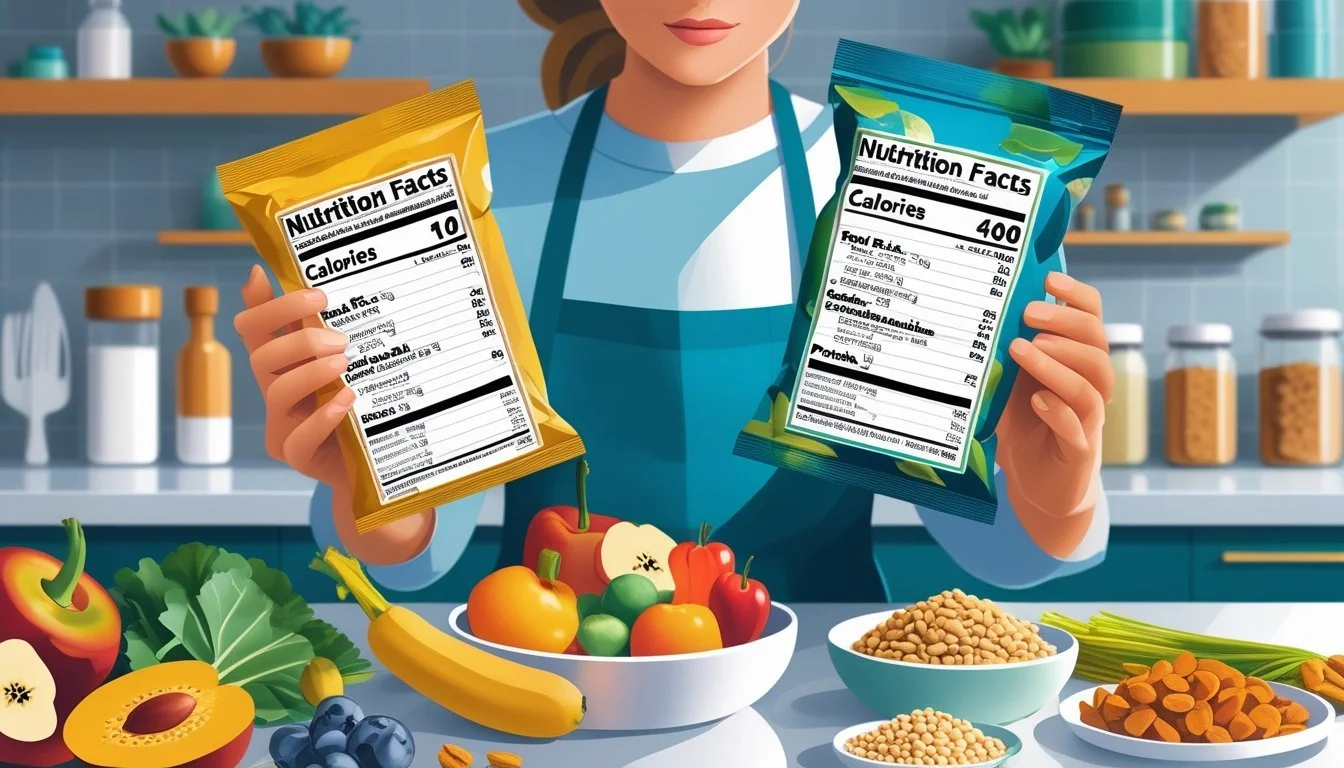
When swapping ingredients, reviewing the Nutrition Facts Label is essential for maintaining balanced nutrition. Careful attention to nutrients, serving sizes, and ingredient lists will help ensure substitutions meet dietary needs.
Key Nutritional Information to Compare
When evaluating a substitute, the primary nutrients to examine are calories, total fat, saturated fat, carbohydrates, sugars, protein, and sodium. These are found near the top and middle of the Nutrition Facts Label. Vitamins and minerals, such as calcium, iron, vitamin D, and potassium, should not be overlooked, especially if a food is a significant source.
Many labels display % Daily Value (%DV) for key nutrients. This value makes it easier to compare products side by side. For example, if replacing cow’s milk with a non-dairy alternative, compare protein and calcium content per serving.
A table can help with quick comparison:
Nutrient Original Substitute Calories 120 90 Protein (g) 8 1 Calcium (%DV) 30 25
Look for significant differences, especially for nutrients that might be less prevalent in certain substitutes, such as vitamin B12 or fiber.
Serving Sizes and Hidden Ingredients
The serving size listed near the top of the Nutrition Facts Label is key. Two similar foods can have very different serving sizes, which may affect your intake calculations. Always standardize servings when comparing options.
Pay close attention to the ingredient list, usually located below the label. Some substitutes contain added sugars, sodium, or preservatives to mimic the taste or texture of the original. Hidden ingredients might increase the intake of less desirable nutrients, such as trans fats or artificial additives.
Scan for terms like “added sugars,” “hydrogenated oils,” or “modified starches.” If a food is labeled as “low fat,” watch for added carbohydrates or sodium used to enhance flavor. Reading both the label and ingredient list provides a clearer nutritional picture before making substitutions.
Incorporating Herbs and Spices for Added Nutrition

Herbs and spices can boost both the flavor and nutritional profile of meals without increasing calories, fat, or sodium. They help people limit the use of salt, sugar, and oil, making dishes healthier.
Common fresh herbs and their benefits include:
Herb Key Nutrients Use Parsley Vitamin K, C, A Salads, soups Basil Vitamin K, antioxidants Sauces, pasta, pesto Cilantro Vitamin K, potassium Salsa, curries, salads Mint Vitamin A, antioxidants Drinks, desserts, salads Dill Vitamin C, manganese Fish, potatoes, yogurt
Adding herbs like oregano, rosemary, and thyme contributes plant compounds that support overall health. These herbs may also contain small amounts of minerals and vitamins.
Aromatic vegetables such as garlic and onions provide flavor complexity, allowing cooks to further cut back on added salt. Even citrus zest or juice can brighten a dish and supply beneficial antioxidants.
Try experimenting with different herbs in familiar recipes. For example, add fresh basil to roasted vegetables, or sprinkle chopped parsley on grains. This simple swap maintains flavor and may increase nutrient content.
When using dried herbs, remember they are more concentrated in flavor. Start with smaller amounts and adjust to taste. Both fresh and dried forms can play a role in a nutrient-focused kitchen.

