
How Ingredient Age Affects Substitution Viability
Key Factors for Successful Recipe Adjustments

The age of an ingredient can significantly impact how well it works as a substitute in recipes and food production. As ingredients age, their flavor, texture, and chemical properties may change due to factors such as exposure to air, moisture levels, or natural breakdown processes. These changes can influence whether an older ingredient is still a reliable substitute for a fresher one or if it will compromise the final product.
Manufacturers and home cooks alike need to account for ingredient variability caused by age, which can be unavoidable, especially with natural and perishable items. Considering ingredient age helps ensure substitutions yield consistent results in quality and taste.
Understanding the effects of ingredient age on substitution can help anyone make better decisions when swapping ingredients, whether during meal preparation or in large-scale food production. This knowledge is especially valuable as ingredient substitutions become more common due to availability, cost, and dietary preferences.
The Role of Ingredient Age in Substitution Decisions

Ingredient age directly impacts the success of substitutions in both culinary and safety terms. Accurate quality information, attention to freshness, and a risk-based approach help reduce hazards and preserve food standards when making ingredient swaps.
Impact on Quality and Potency
Older ingredients often lose potency, affecting the flavor, texture, and overall outcome of the dish. For instance, aged spices and herbs may be dull in color and aroma, reducing their impact when substituted for fresh equivalents.
Quality is compromised when substituting with ingredients past their prime, such as using old flour which can result in bitterness or poor rise in baked goods. In the case of oils, rancidity becomes a risk after prolonged storage, making them unsuitable choices.
Potency is also essential for functional ingredients. Baking powders and yeasts lose effectiveness over time, directly diminishing leavening action. Substituting with such items can yield unsatisfactory or unpredictable results.
Factors Affecting Ingredient Freshness
Several elements influence how quickly an ingredient ages, mainly storage conditions, packaging, and type of ingredient. Exposure to heat, light, and moisture accelerates spoilage, especially for perishables such as dairy and produce.
Packaging impacts shelf life, with airtight containers extending freshness for dry goods, while poor sealing hastens staleness. Deterioration rates differ: leafy herbs degrade in days, while dried grains last for months if stored properly.
Knowing expiration or best-by dates offers a reference, but visual cues like color changes, texture shifts, or off-odors are also practical indicators of declining quality. A risk-based approach relies on assessing both date and physical signs before choosing an ingredient for substitution.
Ingredient Age and Food Safety
Food safety risks increase as ingredient age advances, especially for items prone to microbial growth or spoilage. Using dairy, eggs, or meats past their recommended period raises the likelihood of foodborne illness.
Health risks can arise even from dry goods if they develop mold or bacteria under poor storage conditions. Stale nuts and seeds might harbor toxins from mold growth, such as aflatoxins. When substituting ingredients, confirming both the original and the substitute are within safe age limits is critical to prevent health hazards.
Special caution should be used with ingredients lacking clear quality information. Any uncertainty about the past handling or integrity of an ingredient should lead to opting for fresher alternatives to mitigate safety risks.
Nutritional Implications of Aged Ingredients

Ingredient age can alter nutrient levels, affect the ability to make certain nutrition claims, and change the ways foods contribute to health. These factors directly influence substitution options and the accuracy of nutrition information on packaging.
Changes in Nutrient Content
As ingredients age, degradation of certain nutrients can occur. For example, vitamins such as vitamin C in fresh produce, and B vitamins in grains or cereals, may decrease more rapidly with exposure to air, light, and fluctuating temperatures. Fats in nuts, seeds, and oils can oxidize, leading to reduced essential fatty acid content.
Proteins and minerals tend to be more stable, but water-soluble vitamins are particularly sensitive to storage time and conditions. Losses in these nutrients can impact the Nutrition Facts Table and the actual contribution to the user's daily value intake. Freshness is especially important in foods where vitamin retention is a key selling point.
Effect on Nutrient Content Claims
Many packaged foods contain nutrient content claims such as "high in vitamin C" or "good source of fiber." The eligibility for these claims depends on lab-tested values that align with the current Table of Daily Values. As ingredients age and certain nutrients diminish, products may no longer meet regulatory thresholds.
Manufacturers must recalculate nutrition labeling if ingredient age leads to lower nutrient contents. Failure to do so can result in misleading claims. This can also change serving size requirements to meet daily value percentage targets. For substitutions, verifying the nutrient content of aged versus fresh ingredients is essential for compliance with labeling laws and truth in advertising.
Altering Health Benefits
Health benefits listed on products or assumed by consumers often depend on the typical nutrient profile of an ingredient. Aging ingredients can reduce the practical health impact, especially where specific vitamins or antioxidants are promoted for immune support or cardiovascular benefits.
For example, older leafy greens with depleted vitamin K or folate levels may no longer support bone or heart health as effectively as fresher ones. The same applies to oils that have lost omega-3 content through oxidation. This variance can mislead consumers on expected health outcomes, particularly if substitutions are made without considering ingredient age.
Regular testing and tracking of ingredient nutrient levels help ensure that stated health benefits remain accurate as foods age or are substituted. This is important for those who rely on nutrition labelling to manage dietary needs.
Food Safety Considerations and Shelf Life

Ingredient age can significantly impact microbial safety, chemical stability, and the reliability of shelf life estimates. These factors determine whether substitutions are still viable and safe for consumption.
Microbial and Chemical Contaminants
Older ingredients are at greater risk for microbial contaminants such as bacteria, yeasts, and molds. As ingredients age, water activity may increase due to packaging changes, raising the risk of spoilage organisms and pathogens proliferating.
Chemical contaminants also become more likely over time. Ingredients can oxidize or break down, creating undesirable byproducts like rancid fats or off-flavors. Some additives or preservatives, if present, may lose effectiveness, leading to changes in quality assurance protocols.
Regular product testing and monitoring are essential. Risk management measures such as batch sampling and laboratory analysis for microbial load and chemical residues help minimize safety hazards.
Signs of contamination include:
Visible mold or discoloration
Unpleasant or sour odors
Sudden texture changes
Shelf Life and Expiry Dates
Shelf life is affected by both ingredient composition and their handling over time. Each food has an estimated period when it remains safe and of expected quality. Using aged ingredients in substitutions might reduce the overall product’s shelf life or make its expiry date unreliable.
It is important to consult original manufacturer literature or conduct a shelf-life study if the substitution uses older materials. Food industries typically perform accelerated stability tests to predict end dates, but ingredient age complicates these predictions.
Expired or near-expiry ingredients carry risks for both food safety and consumer trust. Proper risk management includes discarding ingredients past their shelf life and adjusting expiry dating on finished products to account for the age of substitute ingredients.
Storage Conditions
Storage conditions play a direct role in both microbial and chemical stability. Temperature, humidity, and light exposure all influence how fast ingredients deteriorate.
Dry, cool, and dark environments can slow down degradation processes and minimize contamination risk. However, if older ingredients have been stored improperly, their safety for substitution is compromised no matter the original shelf life.
Packaging integrity is also critical. Vacuum sealing and air-tight containers, when undamaged, limit oxygen and moisture, reducing both microbial and chemical threats. Monitor inventory with a first-in, first-out policy to ensure older ingredients are either used while still safe or removed before quality assurance is jeopardized.
Regulatory Context for Ingredient Substitution
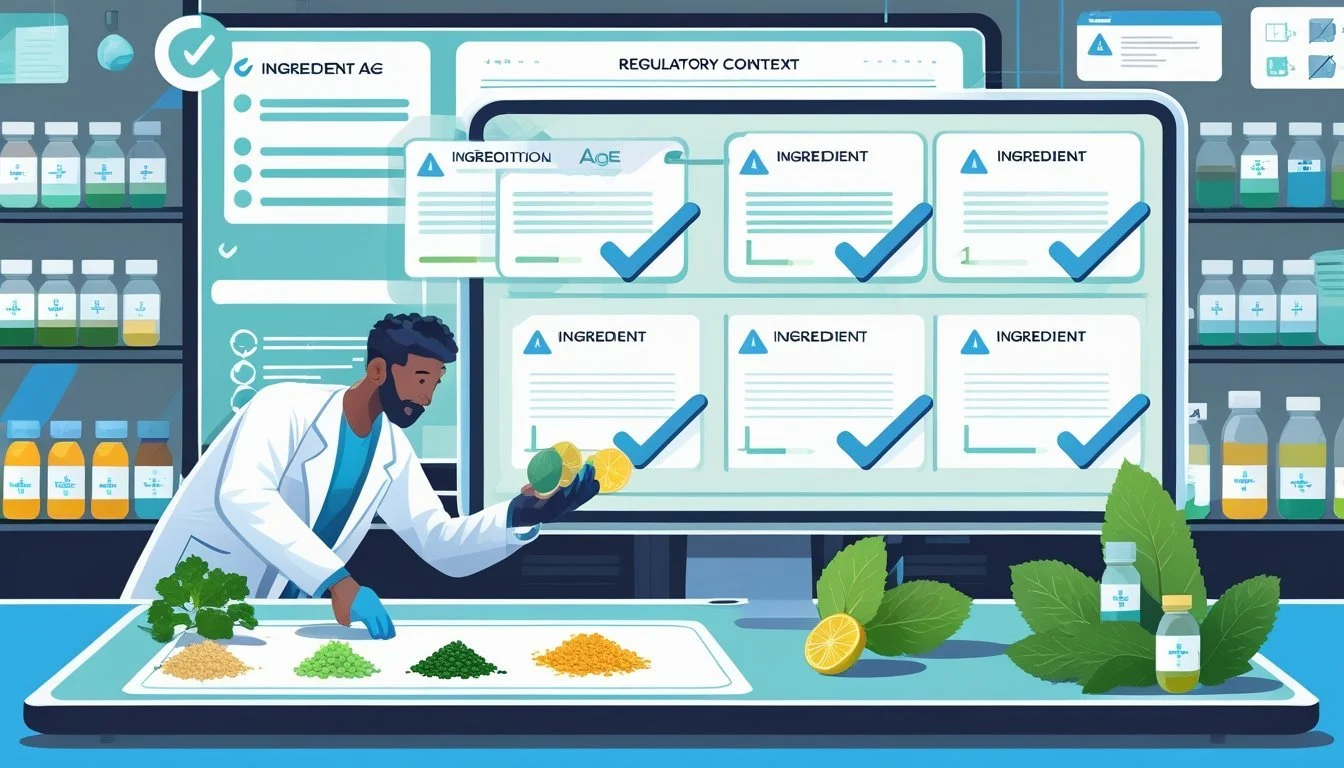
Ingredient substitution in food and drug products is closely regulated to ensure safety, accuracy, and public trust. Regulatory bodies such as Health Canada set clear standards for compliance and enforcement, especially when changes affect the composition, safety, or efficacy of prepackaged products.
Food and Drug Regulations on Substitution
The Food and Drugs Act and associated regulations create the statutory authority for governing substitutions in food and drug products. Ingredient changes must be assessed for both safety and effectiveness, particularly if aged ingredients are used.
Health Canada requires that any substitution, especially due to ingredient age or variability, follows an official method of evaluation. This may involve testing to confirm the substituted ingredient meets purity and functionality standards set within the regulatory framework.
For food imports, the same rules apply. Importers must be able to demonstrate compliance for all ingredients, including any substituted due to age or degradation. Inspectors have the authority to examine records, inspect production, or request proof of regulatory approval for substituted ingredients.
Labelling Requirements and Compliance
Labelling must accurately reflect any substitution of ingredients, regardless of whether the change was prompted by ingredient age. The regulatory framework demands full disclosure on the prepackaged product, including the name and function of substituted components, to ensure consumer transparency.
Health Canada monitors compliance through mandatory inspections and random checks. Any discrepancies between actual composition and labelling may trigger enforcement actions, such as product recalls or penalties.
Manufacturers must update labels promptly when substitutions occur, especially for imported products. This is essential for upholding consumer rights and maintaining compliance with Canadian importation and labelling standards.
Impacts on Food Manufacturing and Marketing

Ingredient age influences manufacturing efficiency, labeling accuracy, and regulatory compliance. This section examines how manufacturers and regulatory bodies address the challenges connected with ingredient substitution viability due to aging components.
Quality Assurance in Manufacturing
Manufacturers face significant challenges when older ingredients vary in quality, potency, or texture. Quality assurance teams must adjust specifications and sometimes re-validate processes to ensure finished products remain consistent. Aged ingredients can introduce unpredictable variables such as altered moisture content or reduced efficacy.
Documented controls and testing measures become essential. Manufacturers often implement more frequent quality checks or introduce corrective actions when ingredient age affects performance. This can lead to higher costs and more complex manufacturing protocols.
Regulatory bodies, especially in the food manufacturing industry, require verifiable documentation proving products meet defined standards regardless of ingredient age. Compliance with these standards ensures safety and protects consumer trust.
Marketing Authorization and Claims
When manufacturers substitute aged ingredients, they must carefully assess their product’s compliance with existing marketing authorizations. Ingredient changes may impact the product's approved claims, nutritional profile, or allergen status.
Regulatory impact analysis statements and guidance from authorities such as the Canada Gazette often specify when a change in ingredient source or age triggers new approval requirements. Stakeholder feedback is sometimes solicited during policy revisions, affecting transition periods for enforcing new standards.
If a product is marketed with specific claims (e.g., “freshness” or “all-natural”), substituting older ingredients may alter the truthfulness of those claims, impacting both compliance and enforcement. Manufacturers need to update labels and notify relevant authorities to avoid regulatory action.
Small Businesses and the Substitution Process
Small businesses tend to have limited capacity to manage ingredient age variability. They may lack the robust quality assurance systems or large-scale supplier networks available to bigger manufacturers, making consistent ingredient sourcing and testing more challenging.
During regulatory changes or required transition periods, small businesses face additional hurdles in reformulating products to comply with updated guidance. Accessing timely information through sources such as the Canada Gazette can be critical for maintaining compliance.
Guidance documents sometimes offer flexibilities or extended timelines for small businesses. However, the costs and administrative demands of repeated testing or marketing authorization updates can pose significant burdens for them, requiring targeted support and clear communication from regulators.
Consumer Perceptions and Expectations
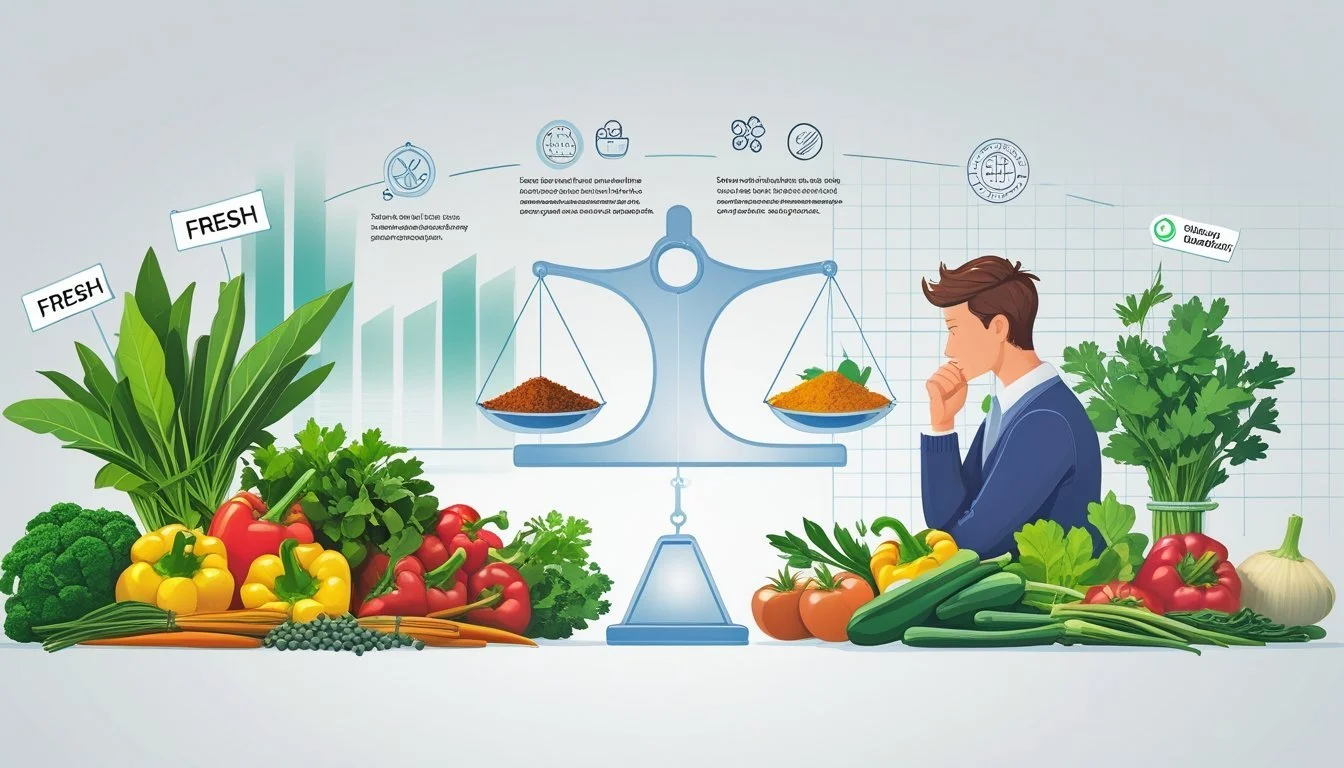
Consumer expectations play a direct role in how ingredient age impacts perceptions of product quality and substitution viability. Ingredient freshness, familiarity, and perceived naturalness all shape food choices and trust in alternative or substitute products.
Impact on Food Choices
Consumers tend to favor foods with ingredients they perceive as fresh or "natural." Ingredients perceived as aged or with unfamiliar, chemical-sounding names are often met with skepticism, affecting willingness to try substitutes. Familiarity and the expectation of quality influence Canadian consumption patterns, with shoppers often checking labels for ingredient origin and freshness.
Perceived value and product appeal can drop if an ingredient is seen as outdated or lower quality. For example, in Canada, products with well-known, recently processed ingredients are more readily accepted. Consumers are also influenced by prior experiences and awareness campaigns that emphasize the benefits or safety of newer ingredients.
Influence of Ingredient Age on Consumer Trust
Ingredient age, whether viewed as a sign of tradition or as a potential quality risk, significantly impacts consumer trust. Older ingredients sometimes signal authenticity or heritage in specialty products, but can also prompt concerns about shelf-life and nutritional value in everyday foods. Trust in a substitute depends on whether consumers believe the older or alternative ingredient is genuinely safe and maintains quality.
Consumer expectations around transparency and information have risen. In food markets such as Canada, clear labeling and detailed sourcing information can help mitigate concerns about ingredient age. Brands that provide this reassurance are more likely to maintain consumer confidence in substitution decisions.
Shifts in expectations mean that transparency and clear communication around the nature and age of ingredients can directly affect purchasing behaviors and long-term loyalty.
Health Risks and Chronic Disease Considerations
Ingredient age can impact health directly and indirectly, especially when substitutions are made without attention to nutrients, spoilage, or additive changes. The risk to health is influenced by both deterioration and misleading diet-related claims during ingredient swaps.
Heart Disease Risk and Old Ingredients
Ingredients past their prime may develop harmful byproducts. For example, aged fats and oils can oxidize, forming compounds that potentially contribute to atherosclerosis, raising heart disease risk.
Stale grains and cereals might also have increased levels of acrylamide or mycotoxins, which are linked to chronic diseases. The use of older meat or dairy in substitutions may increase exposure to oxidized cholesterol, a concern for cardiovascular health.
The health cost rises when ingredient quality is ignored. Substituted ingredients, especially processed ones, can be higher in sodium, trans fats, or additives, increasing the burden on heart health.
Potential Risks Table
Ingredient Type Aging Byproduct Health Impact Fats/Oils Oxidized Lipids Atherosclerosis risk Grains/Cereals Acrylamide, Mycotoxins Carcinogenic/Heart risk Meat/Dairy Oxidized Cholesterol CVD risk
Diet-Related Health Claims
Substitutes, especially those labeled as “healthy” or “natural,” may not always reduce chronic disease risks if underlying ingredient quality is poor. Health claims can distract from real nutritional differences introduced by ingredient age.
Older ingredients might lose beneficial nutrients, such as vitamins or antioxidants, undermining the intended health benefit of a substitution. In some cases, synthetic additives used to compensate for flavor or texture loss can lead to concerns about cumulative exposure and long-term health effects.
Consumers should not rely solely on front-of-package claims but should review both expiration dates and ingredient lists. Only by assessing both ingredient freshness and actual composition can individuals limit risk to health from chronic diseases.
Functional and Practical Aspects of Substitution

Ingredient age introduces practical challenges when evaluating how well a substitute completes the same role as the original. Factors such as chemical stability, dosage form, and batch consistency must all be examined to reduce risk and maintain end-product quality.
Assessing Functional Equivalence
Functional substitutes must closely match the original ingredient in purpose and effect. For a substitute to be viable, it should replicate key characteristics such as strength, dosage form, and performance in the specific recipe or formulation.
Old or degraded ingredients might have altered potency or physical appearance. To assess equivalence, professionals compare properties such as solubility, texture, or visual equivalent to ensure substitutions are indistinguishable when used.
A simple checklist to assess functional equivalence:
Verify batch or lot number for traceability.
Compare active ingredient concentration.
Evaluate sensory and physical attributes (e.g., color, smell, granule size).
If a substitute ingredient has aged differently from the original, it could affect blend uniformity or product function, making real-world comparison tests essential.
Stability Testing of Substitutes
Stability testing determines whether the substitute ingredient remains effective and safe across its intended shelf life, especially if the direct replacement is of a different age or storage history.
Key aspects of stability testing include:
Monitoring active ingredient degradation over time.
Assessing changes in dosage form, such as tablets hardening or powders caking.
Recording expiration date and lot number for accountability.
Stability data help users understand if the older substitute maintains required potency and quality standards compared to a freshly manufactured ingredient. Product appearance and performance can signal loss of stability, necessitating exclusion or further testing before substitution.
Special Considerations for Specific Ingredient Types

Substitution viability changes depending on the type, intended use, and regulatory standards of the ingredient. Ingredient age, in particular, directly affects how suitable or safe a substitute might be for sugars, colours, and specialized nutritional products.
Sugars-Based and Sweetener Substitutes
Older sugars-based ingredients, such as cane sugar or syrups, may experience crystallization, moisture loss, or flavor degradation over time. This can affect both their sweetness and their texture in a final product.
Substituting older sugars with alternative sweeteners like stevia, sucralose, or monk fruit requires attention to how aging impacts the original ingredient's density and solubility. For example, aged honey may be thicker and less pourable, while old table sugar can clump or harden.
Manufacturers need to adjust measurements based on the reference amount declared on the package. It’s important to review the principal display panel for the product's best-before date and storage information to ensure the substitute matches the original in both function and flavor release.
Food Colours and Synthetic Additives
Food colours, especially synthetic food colours, can degrade, fade, or lose intensity as they age. This degradation affects both the visual appearance and sometimes even the taste or safety of finished foods.
Replacing an expired or aged colouring agent requires matching hue intensity while maintaining safe levels as specified by the official method for food testing. Natural colours tend to be more sensitive to light and storage conditions than synthetic versions, and outdated batches may behave unpredictably.
In processed foods, check for signs of sedimentation or separation in liquid colourants. Substitute only trusted, regulated alternatives and ensure the new batch adheres to both composition limits and labeling rules.
Human Milk Substitutes and Nutritional Standards
Human milk substitutes (infant formulas) are strictly regulated for composition, quality, and freshness under national and international standards. Older product may lose essential nutrients such as vitamins A, C, D, and essential fatty acids.
Substituting with another batch or alternative formula must follow guideline amounts for nutrient content and water-to-powder ratios as listed on the principal display panel. Adherence to the manufacturer's recommended expiration date is vital because outdated formula may not meet nutritional requirements for infants.
Decisions should be supported by reference to official methods that specify testing for nutrient levels and shelf life validation, ensuring the substitute product maintains intended safety and efficacy.
Legal and Policy Oversight

Ingredient substitutions in consumer goods face direct scrutiny from regulatory bodies, both for health safety and environmental impact. Oversight aims to ensure product substitutions, especially those involving aged ingredients, meet clear safety, efficacy, and environmental standards.
Roles of Health Canada and Department of Health
Health Canada is the primary authority responsible for evaluating the safety of food, cosmetic, and health product ingredients, including cases involving ingredient age. It mandates safety assessments for novel food ingredients or substitutions, requiring manufacturers to submit data on shelf life, stability, and any chemical changes that may result from ingredient aging.
The Department of Health supports these efforts by establishing clear protocols for risk assessment and management. Regulatory frameworks such as pre-market notification and post-market surveillance ensure substitutions do not introduce unsafe variables due to aging components. Authorities require manufacturers to provide full disclosure on ingredient sourcing, age, and stability as part of regulatory oversight.
Table: Key Regulatory Actions
Regulatory Body Key Responsibilities Health Canada Safety assessments, pre-market approval, stability testing Dept. of Health Protocols, post-market surveillance, risk management
Environmental and Public Protection
Ingredient substitutions also fall under environmental protection regulations, especially when aged materials could change product breakdown or emissions. Pest control regulations become relevant if microbial activity increases in older ingredients, potentially posing risks during use or disposal.
Authorities assess the effect of substitution on environmental toxicity, persistence, and byproduct generation. Some substitutions involving aged ingredients must undergo additional environmental safety assessments before approval.
Enforcement includes monitoring for any violations in handling or disposing of outdated substances. This ensures both public safety and compliance with environmental standards when ingredient age complicates substitution viability.
Labelling, Packaging, and Consumer Information
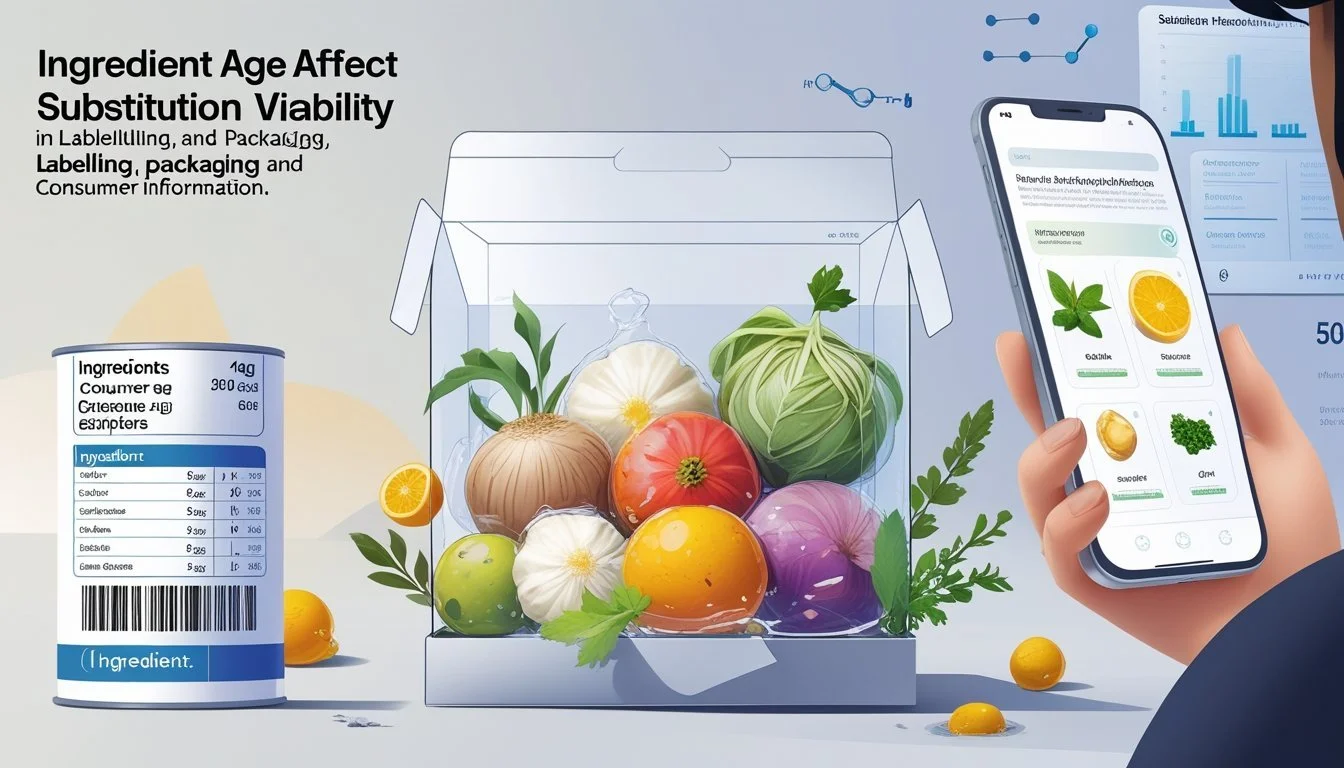
Ingredient age requires precise communication on labels and packaging. Clear information helps consumers make informed choices about food quality and substitution.
Principal Display Panel and Cautionary Statements
The principal display panel is the main area on packaging where product information is immediately visible. This panel often includes the product name, net quantity, and specific cautionary statements.
When ingredient age may impact substitution—such as freshness or expiration concerns—cautionary statements must be clear and readable. These statements should highlight any limitations or risks associated with swapping ingredients of differing ages.
For example, if using an aged ingredient reduces food safety or changes the recommended preparation method, it should be plainly disclosed.
Regulations require the use of easily legible fonts, such as sans serif, and appropriate font sizes to ensure accessibility. Prompt and accurate labelling ensures consumers immediately see any critical warnings.
Nutrition Facts Table and Visual Communication
The Nutrition Facts Table (NFT) provides essential nutrient details, including serving size and reference amounts, allowing consumers to assess ingredient impact. Ingredient age can alter nutrient values, potentially affecting the accuracy of the NFT.
Manufacturers must update NFTs when ingredient substitution, especially with older or fresher ingredients, results in significant nutritional differences.
Visual aids, such as icons or color coding, can highlight freshness levels or alert consumers to nutritional changes.
NFTs must use simple layouts and be placed where consumers naturally look for nutritional data. Consistency across products is key to helping shoppers compare items. Any changes triggered by ingredient substitutions should be immediately reflected in the table.
Dual Language and Accessibility Standards
Many jurisdictions require packaging and labelling to meet dual language requirements. In Canada, for example, both English and French must be featured prominently.
All details, including cautionary statements and the NFT, must appear in both languages and retain their clarity and accuracy. Standardizing the use of sans serif fonts and adequate contrast ensures legibility for all consumers.
Accessibility standards recommend using clear headings, sufficient font size, and formatting like bullet points or tables for improved readability.
This attention to clarity allows consumers to easily understand any risks or considerations related to ingredient age and substitution, regardless of language proficiency or visual ability.
Future Trends and Longevity of Substitution Viability

Ingredient substitution viability is increasingly shaped by advanced biotechnology and improved storage technologies. These innovations target both the underlying biological characteristics of ingredients and practical solutions to extend their usable lifespan.
Gene Expression and Next-Generation Ingredients
Recent advances in gene expression offer new opportunities to tailor crops and microbial sources for specific substitution roles. By modifying genes linked to oxidation, spoilage, or nutrient loss, it is possible to develop ingredients with extended longevity and predictable stability. For instance, CRISPR and other precision breeding tools allow producers to suppress pathways that accelerate aging or reduce flavor compounds.
Some researchers are exploring engineered probiotics and yeasts that maintain quality in plant-based dairy substitutes, even as ingredients age. Novel food categories, such as lab-grown proteins, are being evaluated through rigorous stability testing to set benchmarks for substitution performance over time. Improvements in ingredient DNA can directly impact both the storage life and the functional capacity for substitution in various recipes.
Emerging Practices in Shelf Life Extension
Shelf life extension relies on both traditional methods, like dehydration and vacuum sealing, and new technologies. Active packaging, which uses films containing antimicrobials or oxygen absorbers, is maintaining ingredient quality longer. High-pressure processing and cold plasma treatments are also used to suppress microbial growth and enzyme activity that would otherwise shorten ingredient usability.
In addition, digital tracking—like blockchain systems—records storage conditions and ingredient age, providing more precise data for substitution decisions. This ensures that substitutions are based not only on type but also on real-time stability testing data. These combined practices are helping both manufacturers and consumers make safer and more effective substitution choices as ingredients age.

