
How to Substitute Ingredients by Texture Profile
A Practical Guide for Cooks
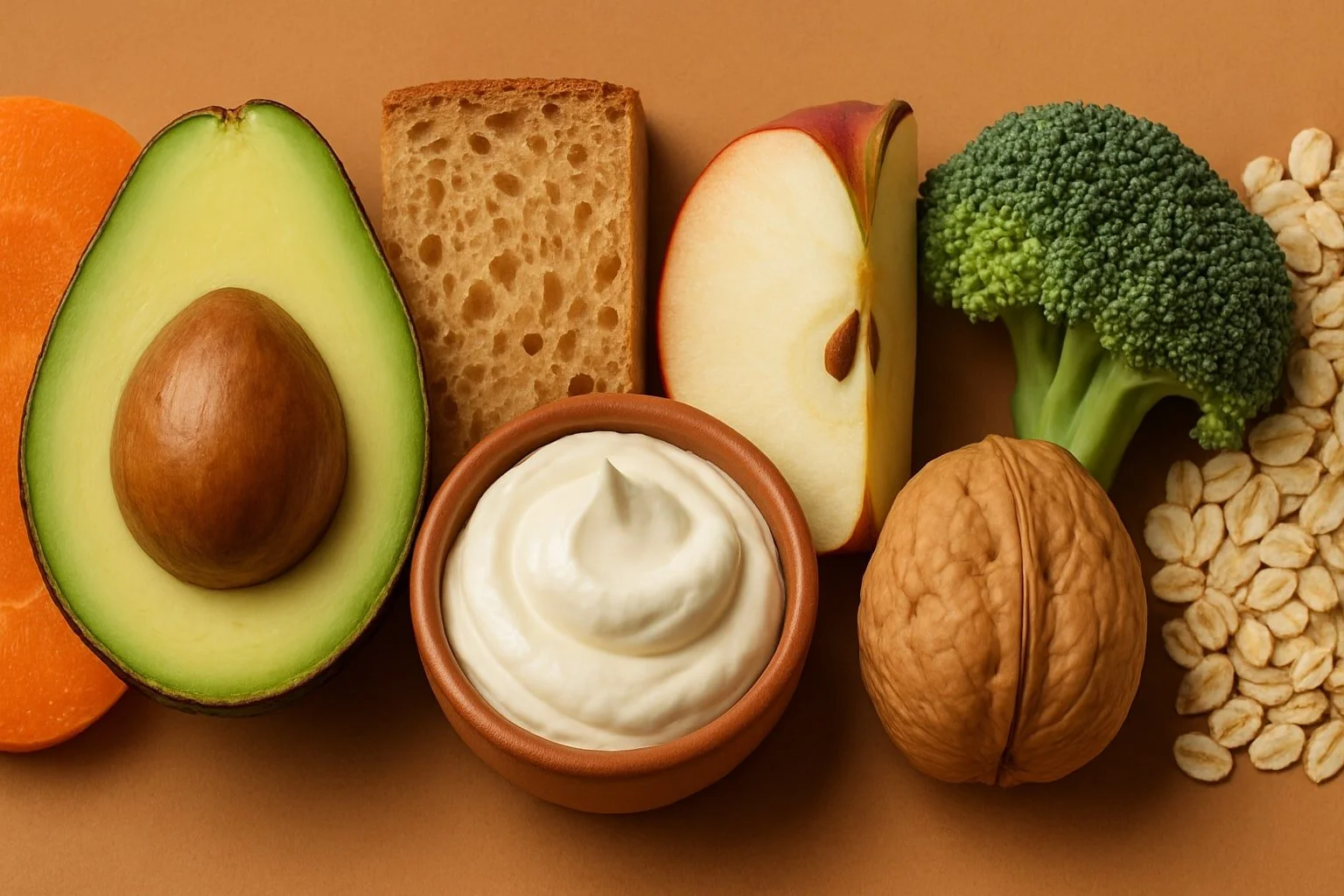
When substituting ingredients, matching the original texture is essential to maintain a dish’s intended consistency and overall eating experience. The right substitute not only mimics the flavor but also ensures the dish keeps its expected crunch, creaminess, or moisture level. This approach helps avoid ending up with sauces that are too runny, baked goods that are too dense, or salads lacking bite.
Understanding texture profiles allows cooks to make informed swaps, whether due to dietary needs or missing ingredients. For example, using Greek yogurt instead of heavy cream can offer a tangy twist while preserving creaminess in sauces, and swapping almonds for croutons adds crunch to salads without affecting the overall texture balance.
By identifying what role each ingredient plays in a recipe’s texture, anyone can confidently select alternatives that keep the final result as close as possible to the original.
Understanding Texture Profiles in Food
Texture plays a vital role in food quality, impacting everything from mouthfeel to consumer preference. Analyzing texture involves both sensory experiences and scientific measurement, helping cooks and manufacturers make informed ingredient substitutions.
Texture and Mouthfeel
Texture describes the physical feel and structural characteristics of foods. Mouthfeel focuses on how food sensations are perceived during chewing and swallowing.
Consumers often notice terms such as crunchy, creamy, chewy, or gritty when describing their eating experiences. These physical sensations result from the food’s structure, ingredient composition, and preparation method.
The interaction between saliva and the food's surface also shapes mouthfeel. Differences in fat content, water activity, or fiber can make substitutions tricky since small changes can shift texture dramatically. For successful substitutions, it helps to match the main mouthfeel attribute, whether that’s smoothness, firmness, or crispness.
Textural Properties and Sensory Perception
Textural properties are measured by attributes such as hardness, cohesiveness, springiness, adhesiveness, and brittleness. These characteristics influence how people perceive food’s overall quality and manageability.
For example, a fresh apple is evaluated for its crispness, while bread might be judged for its softness and chewiness. Sensory panels often score foods on several of these traits to create a texture profile.
Sensory perception is complex and can be affected by prior experience, expectations, and cultural background. When finding substitutes, maintaining similar textural properties ensures that the replacement is perceived as close to the original as possible.
Texture Profile Analysis Techniques
Texture Profile Analysis (TPA) uses both sensory and instrument-based methods. Common techniques involve compressing food samples and generating data on properties like hardness and cohesiveness.
Instruments such as the texture analyzer or penetrometer provide repeatable measurements that help standardize texture evaluation. Labs might use double compression to simulate chewing, tracking force and deformation.
This quantifiable texture data supports product development and ingredient substitution by making it possible to compare textures between different ingredients or recipes. For practical purposes, cooks can use texture charts or guides to identify suitable substitutions based on measured properties.
Texture and Food Quality
Texture is closely tied to food quality and consumer satisfaction. Even when taste is identical, a mismatched texture can result in poor acceptance or enjoyment.
Maintaining food quality means replicating the textural attributes most valued in the original ingredient. For instance, the right texture balance in a pie filling, salad, or sauce can mean the difference between perceived freshness and staleness.
The industry standard for quality often combines instrumental tests and sensory evaluation to assess texture. This dual approach helps ensure that both physical structure and mouthfeel align with expectations when substituting ingredients.
Key Components Influencing Food Texture
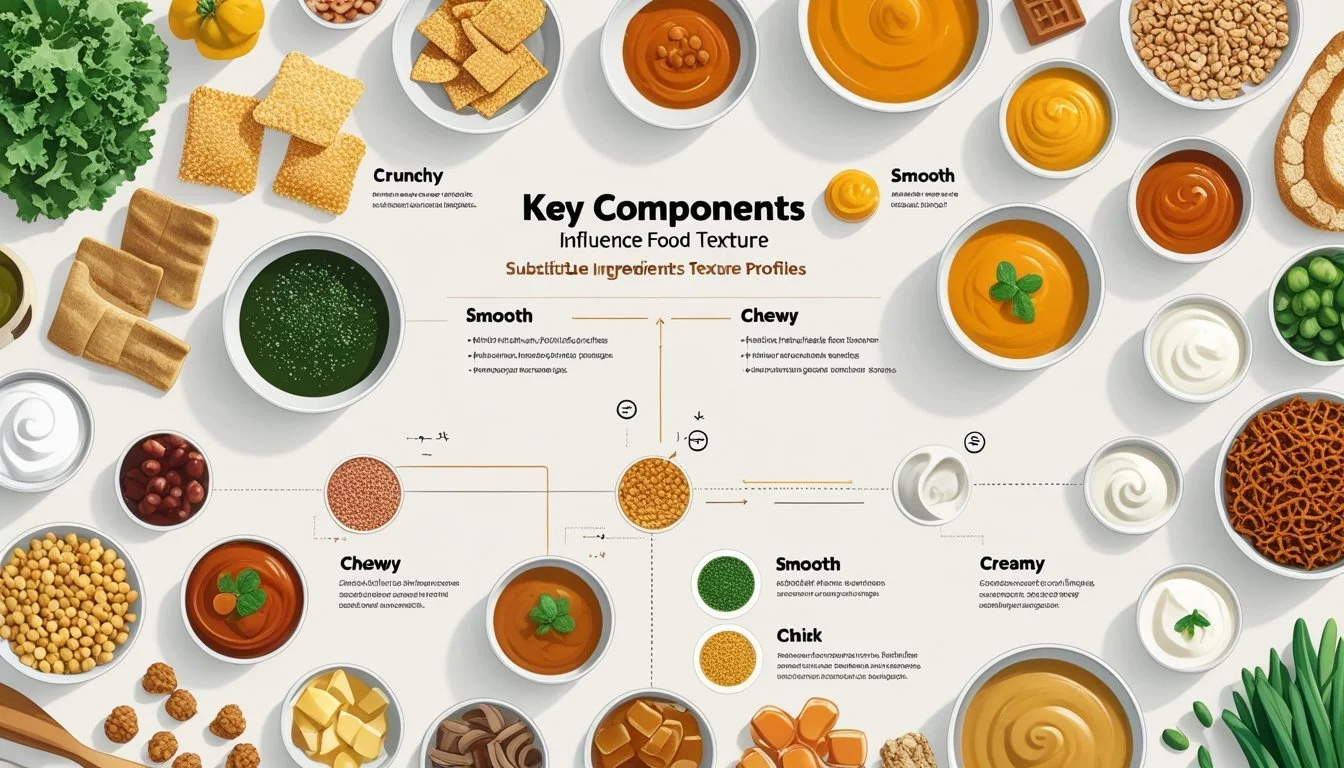
Food texture depends on the physical and chemical properties of key ingredients. Specific components such as proteins, fats, and carbohydrates determine firmness, extensibility, smoothness, and mouthfeel.
Proteins and Gluten
Proteins contribute to the texture by providing structure, elasticity, and binding in various foods. In bread and wheat dough, gluten—formed from gliadin and glutenin proteins—allows dough to stretch and hold gases, which creates volume and a chewy crumb.
Gluten is vital in the bakery industry for dough extensibility and strength. Non-wheat proteins, such as those in soy or eggs, can also impact texture by forming networks or by coagulating when heated. Changes in protein type or quantity influence final product characteristics like tenderness, cohesiveness, and resilience.
When substituting, it is important to consider the functional properties of different proteins. For example, gluten-free baked goods often require hydrocolloids to replace gluten’s elastic qualities.
Fats and Oils
Fats add richness and influence sensory aspects like creaminess, crumb structure, and mouthfeel. Saturated fats such as butter or shortening contribute to flakiness and stability, especially in pastries. Vegetable oils, being unsaturated, can provide moistness and softness but typically result in less structure.
The melting point of the chosen fat affects texture and spreadability. For instance, butter creates a firmer crumb compared to oil. Changes in fat content or type impact not only texture but also the handling properties of dough or batter.
Substituting fats requires understanding their role—replacing solid fats with oils may need additional modifications, such as adding emulsifiers or adjusting other ingredient ratios, to maintain the desired textural profile.
Carbohydrates and Hydrocolloids
Carbohydrates like starches and sugars influence viscosity, body, and moisture retention. In wheat dough, starch provides bulk and helps set the structure during baking. Sugars not only sweeten but also tenderize and add to browning.
Hydrocolloids—including xanthan gum, guar gum, and carrageenan—are often used to adjust or replicate texture, especially in gluten-free or reduced-fat formulations. They form gels or thicken solutions, replacing lost elasticity or improving water binding.
Selection and proportion of carbohydrates and hydrocolloids determine firmness, extensibility, and shelf life. For texture substitution, a combination of these ingredients can closely match the original mouthfeel and structural integrity.
Methods for Texture Measurement and Analysis
Accurate texture measurement is critical for food scientists aiming to substitute ingredients while maintaining desired characteristics. Multiple analytical approaches offer insight into food’s texture, allowing manufacturers to control quality and innovate during product development.
Texture Analyser Instruments
Texture analyser instruments measure mechanical properties by applying force to a food sample and recording responses like firmness, springiness, or cohesiveness. These devices simulate human actions such as chewing or cutting and generate objective, repeatable results.
Common tests include Texture Profile Analysis (TPA), which uses a double-compression cycle to mimic mastication. Parameters obtained—such as hardness, adhesiveness, and resilience—are vital for comparing ingredient substitutions. A basic table of typical TPA parameters appears below:
Property What It Measures Hardness Force at maximum compression Cohesiveness Degree sample recovers after compression Springiness Distance recovered after compression Chewiness Energy needed to chew a solid food
Instrumentation, such as the Stable Micro Systems TA.XTplus, allows food scientists to quantify results and evaluate new ingredient blends efficiently.
Rheology and Rheological Properties
Rheology studies how food flows and deforms when subjected to forces, focusing on viscosity, elasticity, and viscoelasticity. Rheometers and viscometers are commonly used tools for these measurements, helping to assess how substitutions affect mouthfeel and stability.
Rheological properties such as yield stress or shear thinning are crucial in products like yogurt, sauces, and doughs. By measuring these properties, food manufacturers can predict and control changes in texture when altering ingredients.
Testing includes both steady-state and dynamic methods. For example, oscillatory measurements reveal viscoelastic behavior, important in gels or bakery batters. Understanding these parameters helps maintain consistency when substituting or reducing specific ingredients.
Quality Control and Product Development
Texture analysis and rheological measurement guide both quality control and product development teams. By establishing measurable texture profiles, manufacturers can ensure batches remain consistent, minimizing consumer complaints and product rejections.
During product development, research and development teams use instrument data to compare new ingredient formulations with established standards. This aids in achieving target textures for new or reformulated products.
Routine quality control relies on clear benchmarks for product firmness, chewiness, or viscosity. Any deviation signals need for process adjustment or reformulation. These analytical methods help avoid costly errors in large-scale production and support food innovation.
Principles of Substituting Ingredients by Texture
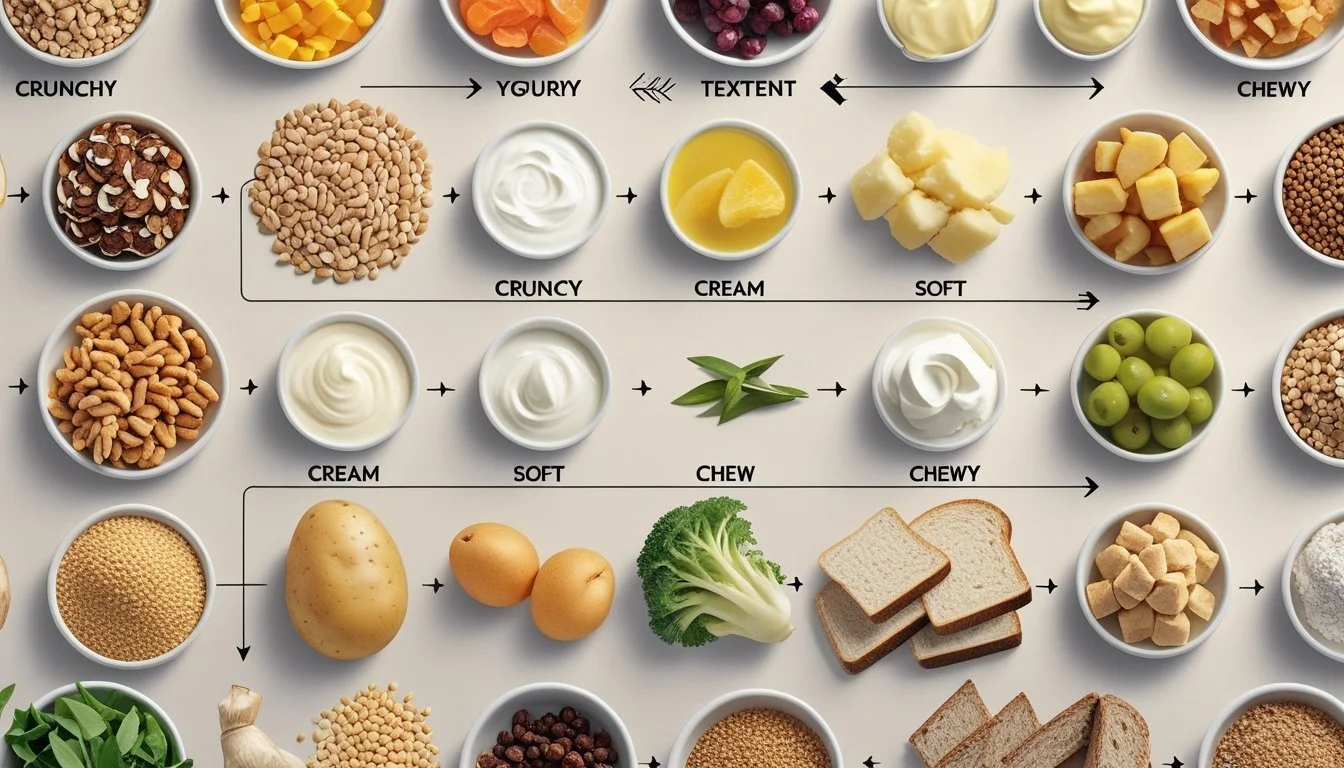
Effective ingredient substitution based on texture requires an understanding of physical properties and the specific function of each ingredient. The most successful substitutions result from matching both textural outcome and performance in the recipe.
Identifying Desired Textural Outcomes
Texture plays a key role in the eating experience of most dishes. When considering alternatives, it is essential to specify whether a creamy, crunchy, chewy, or crumbly result is needed.
For example, substituting yogurt for sour cream in baked goods works well when the goal is a similar moist and creamy texture, but it may not work in dishes where thickness is vital. List of common textures:
Creamy (custard, pudding, spreads)
Crispy/Crunchy (coatings, toppings)
Chewy (breads, candies)
Flaky (pastries)
Dense (brownies, fudge)
Identifying the final texture enables more accurate ingredient choices, reducing the risk of unwanted results during baking or cooking.
Matching Functional Properties
Each ingredient contributes specific functional properties that impact texture: thickening, binding, aeration, or moisture retention. Substitute ingredients must offer comparable functionality, not just similar appearance.
For instance, eggs act as both binders and leavening agents in cakes. Replacing them with applesauce addresses moisture and binding but may not provide adequate lift. An additional leavening agent, such as baking powder, might be necessary. Table: Functional Role of Common Ingredients:
Ingredient Main Texture Role Possible Substitutes Butter Tenderness, flakiness Margarine, coconut oil Gelatin Gelling Agar, pectin, carrageenan Wheat flour Structure, chew Oat flour, almond flour
Assessing the main function ensures the texture remains as intended with natural ingredients or alternatives.
Formulation Challenges
Not every ingredient behaves identically, even when textures seem close. Some substitutes can alter moisture absorption, cooking time, or even flavor, leading to formulation challenges.
Natural ingredients such as coconut flour absorb much more liquid than wheat flour, requiring recipe adjustments. Gluten-free flours may need binding agents like xanthan gum to mimic elasticity. Handling hydration, fat content, and emulsification are common hurdles when swapping ingredients for texture purposes.
Testing and small-batch experimentation can reveal whether a substitute ingredient’s texture profile matches recipe needs. This hands-on approach helps to minimize unexpected outcomes and maintains product quality.
Popular Texture-Based Ingredient Substitutions
Choosing the right ingredient substitution involves understanding its texture and how it will affect the finished dish. The best swaps preserve the texture while supporting flavor, making the transition between ingredients seamless for both cooking and baking.
Fat Substitutes
Swapping fats requires attention to consistency. Melted butter is often replaced with coconut oil in recipes that need rich, moist crumbs, like brownies or cookies. Coconut oil is solid at room temperature, so it mimics butter’s texture well.
For a lighter, moist texture in baked goods, applesauce and mashed banana are both effective. These options work in muffins or eggless cakes. Mashed banana adds subtle flavor, while applesauce is more neutral.
Avocado offers creamy texture and healthy fats, making it a reliable choice for brownies or dense cakes. It purees smoothly, though it may slightly tint baked goods green. The substitution ratio typically matches the original fat by volume.
Dairy and Yogurt Alternatives
When replacing yogurt or Greek yogurt, texture matters for both cooking and baking. Silken tofu blends to a creamy consistency and stands in well for yogurt in smoothies, sauces, or baked goods. For baking, it can keep cakes soft and moist.
Plant-based yogurts (like almond or coconut) work in recipes where slight flavor shifts are acceptable. They are useful in parfaits, pancakes, and quick breads, though their consistency can be thinner than dairy yogurt. Thicker plant yogurts are preferred for recipes that call for Greek yogurt because they contribute similar body and creaminess.
Ricotta or cream cheese is sometimes swapped for blended silken tofu, maintaining a smooth texture in cheesecakes or dips. Always match the consistency and water content of the substitute for best results.
Egg Replacements
Egg replacements must consider structure and moisture. Aquafaba (the liquid from canned chickpeas) can be whipped into foams or used as a binding agent. It’s ideal for meringues, macarons, and eggless cakes.
Chia seeds and flaxseed, when mixed with water, form a gel that mimics the binding quality of eggs. Use 1 tablespoon of ground seeds plus 3 tablespoons of water for each egg replaced. These gel substitutes add some density and can affect the crumb, so they're best in muffins, pancakes, or dense cakes.
Mashed banana and applesauce also replace eggs in recipes that need extra moisture rather than lift, such as brownies. These options add subtle flavors and work well in sweet baked goods. The choice of substitute depends on whether the emphasis is on binding, lift, or moisture.
Case Studies in Texture Substitution
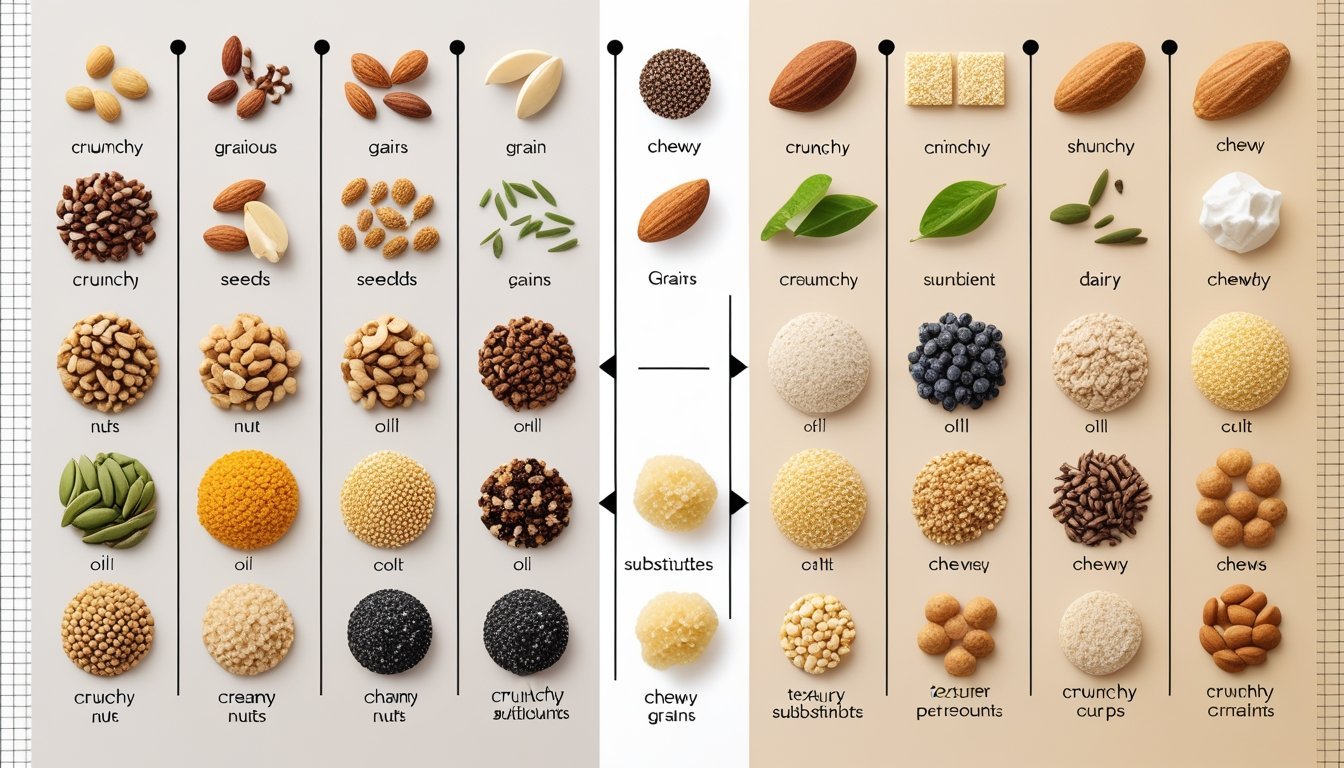
Ingredient substitution often depends on recreating the correct texture, particularly in products closely linked to mouthfeel and structure. Considerations such as elasticity, chewiness, and crispness can vary widely depending on the food category and the ingredients used.
Baked Goods and Gluten-Free Alternatives
Replicating the texture of traditional baked goods is a primary challenge when eliminating gluten. Gluten provides elasticity and chewiness to bread, muffins, and cakes. For gluten-free baking, xanthan gum, psyllium husk, and guar gum are often used to mimic gluten’s texture.
A comparison table illustrates popular gluten-free binders:
Substitute Function Typical Application Xanthan gum Adds chew Breads, muffins Psyllium husk Adds structure Pizza crusts, bread Guar gum Improves elasticity Cakes, cookies
Potato starch and rice flour also adjust crumb and softness. Successful gluten-free recipes often require a blend of these ingredients for optimal texture.
Desserts and Snacks
In desserts and snacks, texture is crucial for consumer acceptance. For creamy textures, silken tofu can replace dairy in puddings or cheesecakes, providing a smooth, airy consistency. Avocado, with its natural creaminess, is a common alternative in mousse recipes.
To create crispness or crunch, puffed rice or nuts are common additions in bars and snack mixes. For chewiness in vegan candies or snacks, agar and pectin substitute for gelatin, delivering a similar bite without animal products. These ingredient swaps must be measured precisely to avoid grainy results.
Sugar Alternatives and Replacing Sugar
Replacing sugar involves more than adjusting sweetness; texture and structure are deeply affected. Sugar contributes bulk and moisture retention in baked goods.
Erythritol and xylitol are popular granulated sugar substitutes that provide similar crystalline texture. However, these sugar alcohols can cause a cooling sensation and may not caramelize like sucrose. In moist desserts, pureed fruits such as dates or bananas can add both sweetness and a soft, dense crumb.
Health-conscious consumers and those managing obesity or diabetes often seek these sugar alternatives. It's important to consider the effect on browning and mouthfeel to maintain quality. Adjustments in liquid ratios are often needed since sugar alternatives may absorb moisture differently.
Advanced Ingredients and Additives for Texture Modification
Food scientists and chefs frequently rely on specialized additives for reliable manipulation of food structure. These ingredients allow for precise adjustments, enabling the recreation of specific mouthfeels even when substituting major components.
Hydrocolloids and Gums
Hydrocolloids are a major group of texture modifiers, often relied upon in processed foods. They include ingredients such as xanthan gum, guar gum, carrageenan, and agar. Used in small amounts, these substances can thicken, gel, or stabilize mixtures without significantly changing taste.
Common Uses of Hydrocolloids:
Hydrocolloid Main Function Typical Foods Xanthan gum Thickening, stabilizing Salad dressings, gluten-free breads Carrageenan Gelling, thickening Dairy alternatives, deli meats Agar Gelling Desserts, plant-based jellies
Xanthan gum, in particular, is valued because it works in both hot and cold processes. Guar gum and locust bean gum are used for their synergy in ice cream and sauces, preventing ice crystallization. Hydrocolloids are critical when substituting wheat or egg proteins, ensuring food holds together and maintains the desired texture.
Innovative Plant-Based Substitutes
Plant-based texture modifiers are increasingly common as consumers seek alternatives to animal ingredients and artificial additives. These innovations include starches from potato, tapioca, and rice, as well as specialized plant proteins and fibers.
Plant-based gelling agents, such as pectin from fruit peels and konjac flour, help create textures similar to those of traditional animal-derived gelatins. Modified starches deliver thickening and stabilizing effects, often used in gluten-free and allergen-friendly recipes.
Benefits:
Enable creation of stable, freezable doughs and batters
Support dietary restrictions and clean label formulations
Add minimal flavors and are generally neutral in color
Food developers often blend multiple plant-based agents to mimic familiar chewiness or creaminess, especially in dairy or meat alternatives.
Chubak Root Extract in Texture Engineering
Chubak root extract, also known as soapwort root, is gaining attention as a natural texturizer and foaming agent. Traditionally used in certain Middle Eastern and Mediterranean sweets, it creates fine, stable foams and soft gels.
In texture engineering, chubak root extract is valued for its mild surfactant properties, allowing it to stabilize air in confections without altering taste. Unlike some hydrocolloids, it imparts a unique softness and persistent foam, useful for nougat, halva, and marshmallow-type products.
Research has also explored the antioxidant properties of chubak root extract, indicating potential dual functionality in foods by improving texture while possibly extending shelf life or adding health value. Its use remains niche but is expanding in innovative food applications.
Impact of Ingredient Substitution on Food Shelf Life
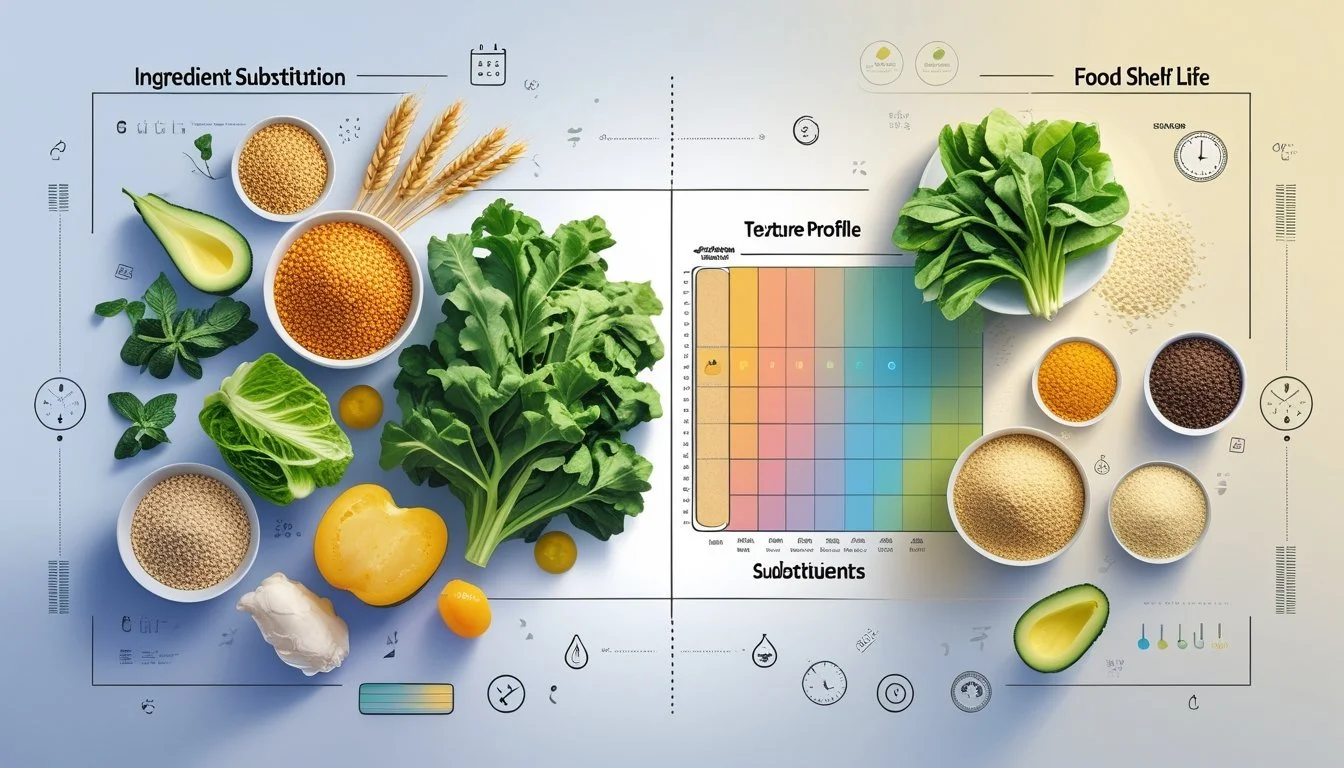
Changing key ingredients can affect not only taste and texture but also how long foods remain appealing and safe to eat. The choice of substitute can either extend or reduce the product’s shelf life by altering moisture, fat content, and the physical structure of the food.
Preservation of Crispiness and Firmness
Substituting ingredients in crispy or firm foods often changes how well they stay fresh after preparation. For example, replacing butter with vegetable oils in cookies may result in a less crispy texture and faster softening due to the oils’ higher moisture retention.
Foods such as crackers or bread crusts rely on low water activity to maintain crispness and firmness. Using ingredients like humectants or sugar alternatives can affect browning and water migration, sometimes causing products to become stale or soggy more quickly.
Table: Common Ingredient Effects on Crispiness
Substitute Impact on Crispiness Notes Shortening Preserves, shelf-stable No flavor, vegan Oil for Butter Reduces, softens faster Higher fat, more moist Honey for Sugar Reduces, draws in water Can make items sticky
Ingredient function, not just flavor compatibility, is critical when maintaining crispiness and firmness during storage.
Springiness and Chewiness Over Time
Springy and chewy textures depend greatly on proteins and specific carbohydrates, such as gluten or starches. Substituting these with gluten-free flours or certain binders can sometimes diminish the elastic structure, causing baked goods to dry out or harden faster over time.
Adding certain humectants can help maintain chewiness by slowing water loss, but excessive moisture retention may lead to quicker spoilage or decreased shelf life. Selecting plant-based proteins instead of eggs in some recipes can result in a denser or less springy texture that may stale more quickly.
Attention to the substituting ingredient’s water-binding capacity and interaction with other ingredients is essential for maintaining desirable chewiness and springiness, as well as preventing early staleness. Adjustments often must consider both immediate and long-term textural impacts.
Allergies, Nutrition, and Consumer Considerations
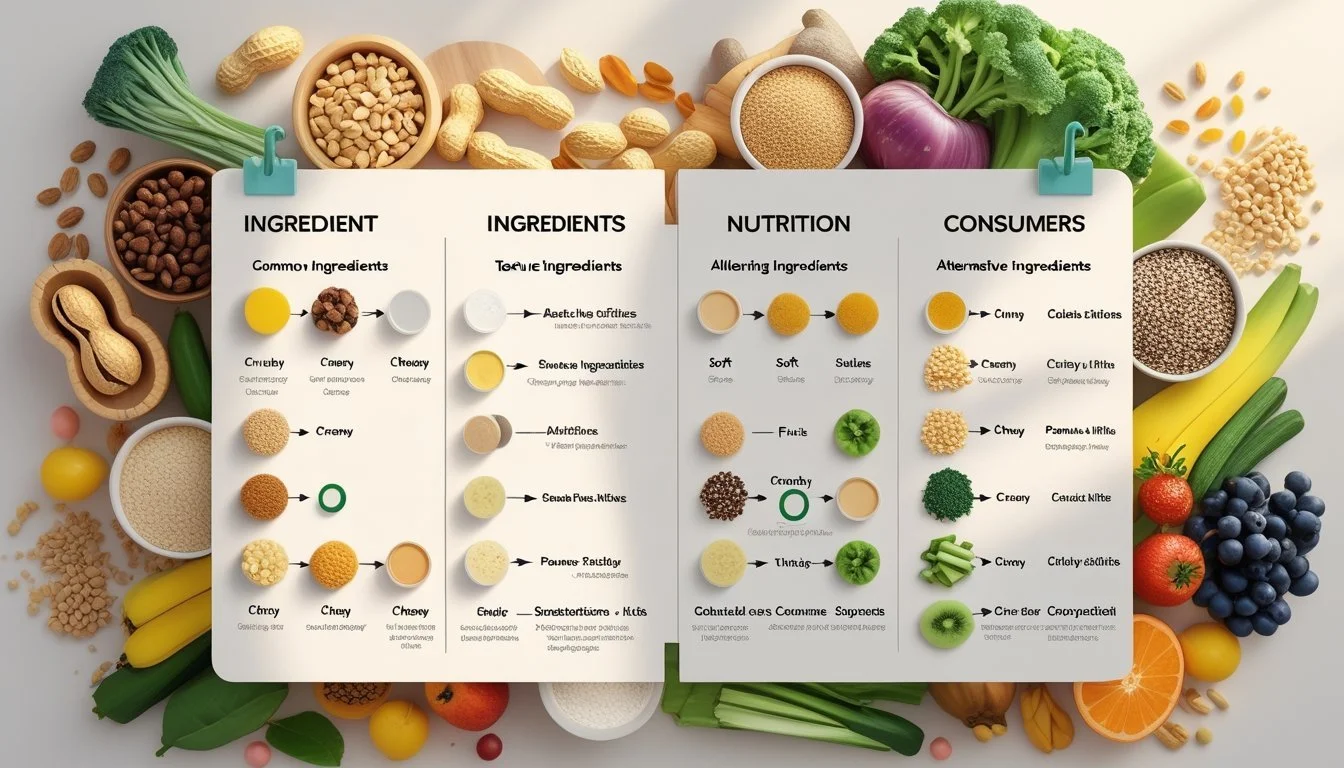
Ingredient substitutions should prioritize both allergen safety and nutritional adequacy. Matching textures is important, but so is ensuring that replacements meet the dietary needs and sensitivities of the end consumer.
Nutritional Profile Adjustments
When swapping ingredients, the nutritional value can change significantly. For example, replacing whole milk with almond milk lowers calories and protein, while swapping butter with coconut oil changes the fat composition and can add saturated fats. Considerations such as protein, fiber, and micronutrients should be examined for each replacement.
A comparative table can help visualize these differences:
Original Substitute Key Change Cow’s Milk Oat Milk Less protein, more carbs Butter Olive Oil Healthier fat profile Wheat Flour Almond Flour More fat, less fiber
Label reading is essential, especially when using commercial alternatives, which may contain additives or hidden sugars. Aim to balance the taste, texture, and nutrition to maintain the overall quality of the dish.
Catering to Food Allergies
Allergen safety must take precedence when substituting ingredients. Always identify the eight major allergens: milk, eggs, peanuts, tree nuts, soy, wheat, fish, and shellfish. Swap allergens with allergy-safe options that offer similar texture, such as using sunflower seed butter for peanut butter or silken tofu for dairy-based cream.
Double-check ingredient lists for hidden allergen sources like casein in non-dairy products or gluten in spice mixes. When preparing food for others, clear communication about substitutions helps prevent cross-contact and accidental exposure. Restaurants and home cooks should keep allergen-free zones and use separate utensils. These steps help protect individuals with severe sensitivities while allowing for enjoyable meals.

