
How Texture Affects Substitution Success in Cooking and Baking
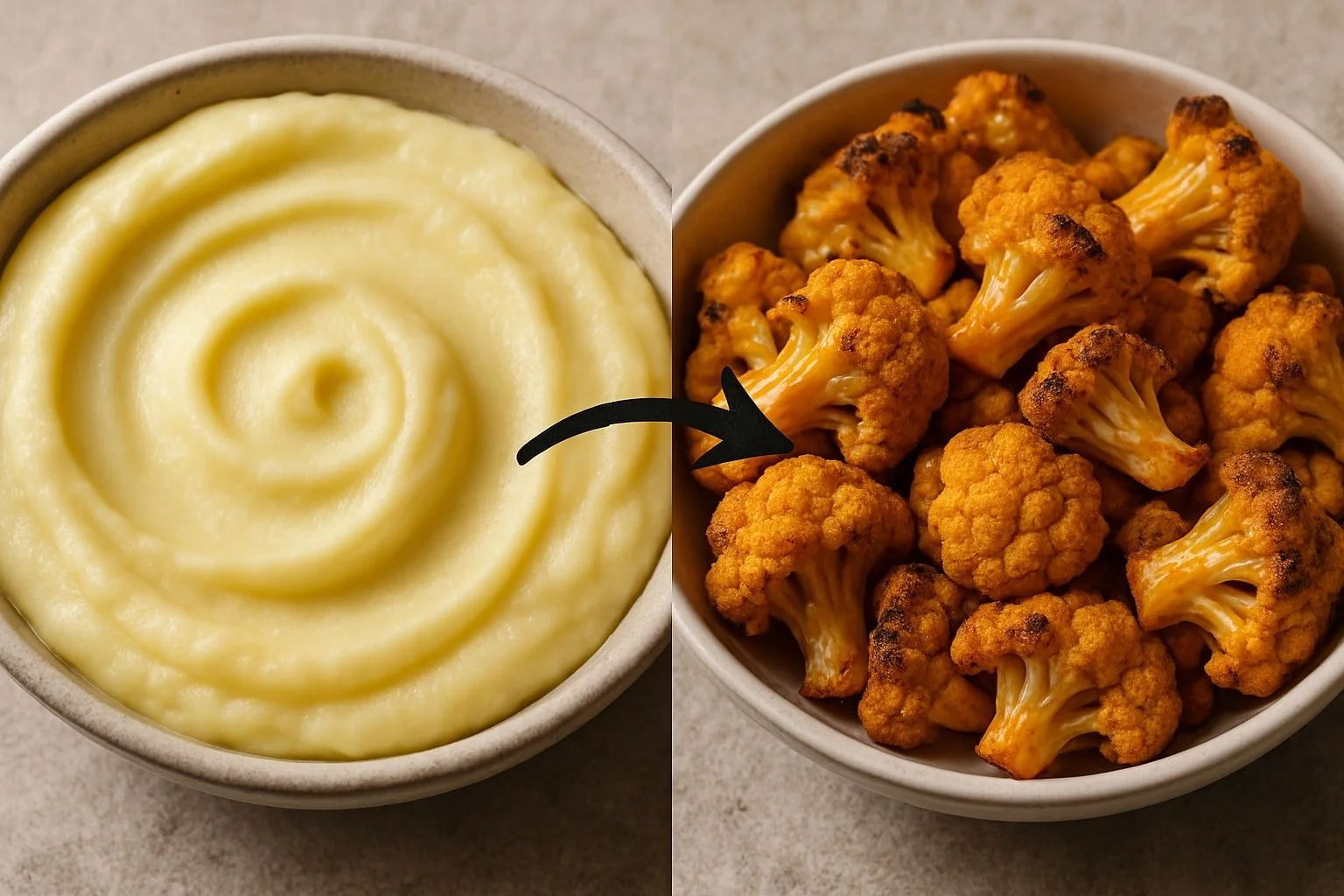
Texture plays a central role in whether a sugar substitute, or any ingredient swap, can successfully mimic the original food's experience. In product development, even small changes in the formulation can impact structure, mouthfeel, and acceptance, especially when sugar is replaced. A substitute may provide similar sweetness, but without the right textural qualities, the taste and enjoyment of the item may noticeably decline.
Developers need to evaluate compatibility and sensory characteristics when reformulating baked goods or other foods. A change that seems minor—like reducing sugar by 20% or swapping out butter—can alter crumb, density, and even aroma, affecting how consumers perceive freshness and overall appeal.
Understanding these texture-related challenges is crucial for anyone looking to improve recipes or launch new products while maintaining customer satisfaction.
Understanding Texture and Its Role in Food
Texture can define food quality, influence consumer preference, and play a central role in how substitutes perform in recipes. Its properties affect not just taste, but also the structure and identity of many products.
Texture Definition and Attributes
Texture refers to the physical feel or structure of food as perceived by touch or during eating. It incorporates aspects like hardness, chewiness, crispness, smoothness, and viscosity. These attributes are detected both by the mouth and, in some cases, by hand.
In food science, texture profile analysis measures key properties such as firmness, cohesiveness, springiness, gumminess, and adhesiveness. The texture profile offers a quantifiable way to compare products or track changes due to processing and storage. These measurements help food professionals predict how substitutions might alter a dish.
Sensory characteristics related to texture include mouthfeel, moisture release, and the food's reaction to biting and chewing. Texture is seen as both a sensory (organoleptic) and physical trait, impacting acceptance and overall eating experience.
Textural Properties in Baking
Baking relies on specific textural properties to achieve desirable products. Common characteristics include crumb structure, tenderness, flakiness, and crust crispness. Flour type, fat content, liquid ratios, and mixing method each alter these results.
Starch and proteins (mainly gluten) in wheat flour contribute to elasticity and volume. Substances added as substitutes can change these aspects, creating goods that may be denser, have less structure, or develop a different crust. Bakers often use sensory profiling to compare outcomes, focusing on key indicators like softness or chew.
The importance of texture becomes clear when substituting ingredients for health, cost, or dietary needs. Any change—such as replacing butter with oil or wheat flour with almond flour—alters hydration, binding, and crumb, all of which affect the final texture profile.
Texture in Sensory Experience
Texture perception is critical to how consumers judge food quality. Crispness in crackers, creaminess in yogurt, or chewiness in bread can shape acceptance and enjoyment. These organoleptic characteristics have a direct impact on repeat consumption and preference.
Consumers often notice undesirable changes in texture before any difference in flavor or aroma. Sensory profiling tools like taste panels or instrumental texture analysis help evaluate these effects. Perception is influenced not only by mouthfeel but also by appearance and sound, such as the crunch of a chip.
The link between texture and sensory experience is especially important when using substitutes that risk altering established expectations. Recognizing these factors allows for better decision-making when developing or adapting recipes.
Principles of Ingredient Substitution
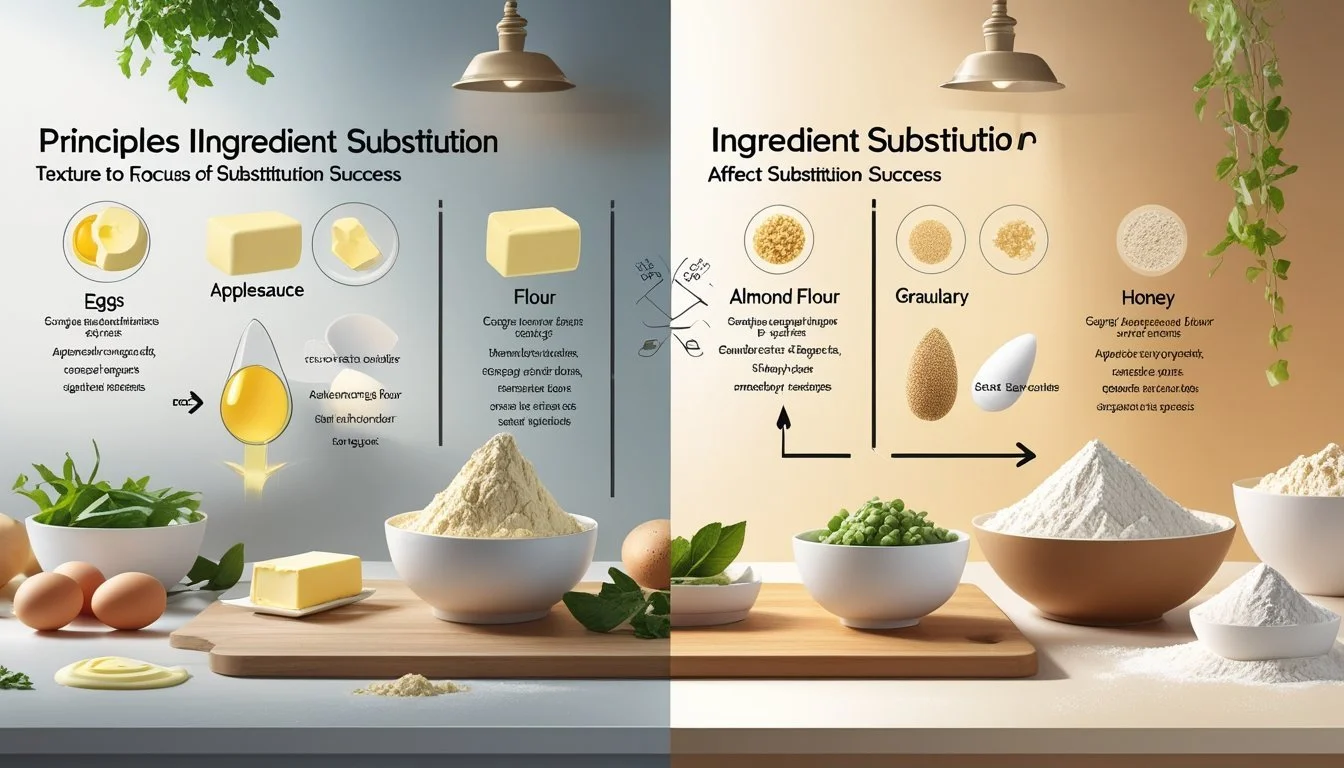
Successful ingredient substitution in baking depends on understanding the original ingredient’s function, its effect on texture, and the specific characteristics of possible alternatives. Each replacement should match the original’s role as closely as possible to maintain the intended results.
Functionality of Common Baking Ingredients
Baking ingredients such as flour, eggs, sugar, and fats each play a distinct role. For example, flour provides structure through gluten formation, while eggs contribute to binding, leavening, and moisture. Substitutes need to replicate these functions to produce a similar texture or rise.
Eggs can often be replaced with options like flaxseed meal or unsweetened applesauce. These alternatives add moisture and binding, but may give a denser final product. Fats like butter can be swapped for oils or plant-based spreads, which can alter tenderness and richness.
It helps to consider a substitute’s moisture content, fat type, and protein structure. Small differences in these areas may influence final texture, so adjustments to other ingredients or baking times are often necessary.
Role of Sugar in Baking
Sugar is not only a sweetener; it affects moisture, browning, and texture. Granulated sugar, brown sugar, and confectioners’ sugar each have unique properties. For instance, brown sugar’s molasses content creates additional moisture and chewiness, while powdered sugar dissolves quickly for smoother textures.
Without sugar, baked goods may become dry, pale, or heavy. It also helps with caramelization, adding both flavor and color during baking. In recipes like cookies or cakes, sugar participates in the creaming process, incorporating air and enhancing leavening.
Substituting sugar means accounting for changes in volume, sweetness, and consistency. Using a less sweet alternative like honey or maple syrup also adds liquid, so baking ratios must be adjusted to prevent a soggy or dense texture.
Impacts of Alternative Sweeteners
Alternative sweeteners—such as stevia, erythritol, xylitol, monk fruit, or artificial options—each behave differently in heat and moisture. Many of these do not caramelize or retain moisture like sugar, resulting in cakes and cookies that may be dry or less golden.
Some substitutes are much sweeter than sugar, requiring smaller amounts. This can impact bulk and structure, especially in recipes that depend on sugar for texture. For example, erythritol can crystallize, leading to a gritty mouthfeel.
Table: Sweetener Properties
Sweetener Sweetness Level Bulk Replaceable Browning Effect Sugar 1.0 Yes Yes Stevia 200–300x No No Erythritol 0.7 Yes Minimal Honey 1.2 No Some Xylitol 1.0 Yes Low
When using sugar substitutes, changes in structure, color, and mouthfeel are likely. It’s important to select alternatives based on the desired texture and adjust recipes as needed for the best result.
How Texture Influences Substitution Outcomes
Texture modifications play a central role in food substitution, altering not only the perceived quality but also physical properties and consumer reactions. The success of a substitute hinges on how closely it can replicate structural, sensory, and experiential aspects of the original ingredient.
Effect on Structural Integrity
Structural integrity determines how well a food item maintains its shape and firmness after substitution. For example, when replacing butter with margarine in baked goods, the finished product may spread or rise differently due to varying fat structures. The moisture content and crystallization patterns of substitutes can make cakes denser or cookies crumblier.
Substitutions can also impact the binding abilities of mixtures. Proteins or gums may be added as stabilizers to mimic the strength provided by gluten or animal fats in recipes. In products like cereal bars, improper substitutions can result in crumbling, uneven textures, or visible separation of layers.
Manufacturers often use comparative texture analysis to anticipate these effects. Testing helps ensure that products do not lose their intended texture, which is integral to perceived food quality and consumer acceptance.
Impact on Mouthfeel and Cohesiveness
Mouthfeel is critical in evaluating substitution, as it addresses the sensations experienced during chewing and swallowing. The cohesiveness of a product—its ability to hold together without being sticky or falling apart—often depends on the interactions between added ingredients.
Substituting one carbohydrate or fat for another, such as swapping sucrose for a sugar alcohol, can alter smoothness or creaminess. This can lead to grainy textures or unexpected gumminess if not balanced correctly. In dairy alternatives, plant-based proteins may cause chalkiness unless combined with texturizers that enhance cohesiveness.
Consumer feedback frequently identifies mouthfeel issues as a primary reason for product rejection. Table 1 shows typical textural challenges and solutions for common substitutions:
Substitution Common Issue Solution Butter → Margarine Crumbliness Add emulsifiers Wheat → Gluten-free Dryness Use hydrocolloids Sugar → Polyols Graininess Finer grinding or blending
Texture, Flavor, and Consumer Perception
Texture and flavor are closely linked in the way consumers judge food quality and decide if a substitute is acceptable. A product’s feel in the mouth can enhance or detract from the flavor profile—even when the basic taste remains unchanged.
Research indicates that a mismatch between expected and actual texture, such as a crunchy cookie being soft after substitution, leads to lower consumer acceptance. Even minor textural changes can give an impression of inferior product quality or artificiality. Multicultural surveys show that preferences for certain texture combinations drive acceptability, and congruence between texture and flavor increases satisfaction.
Producers monitor these sensory responses, often utilizing hedonic tests, to ensure that substitutions do not negatively impact the overall chewing and eating experience. Success depends on replicating the original’s texture, which shapes first impressions and sustained consumer loyalty.
Textural Considerations for Sugar Alternatives
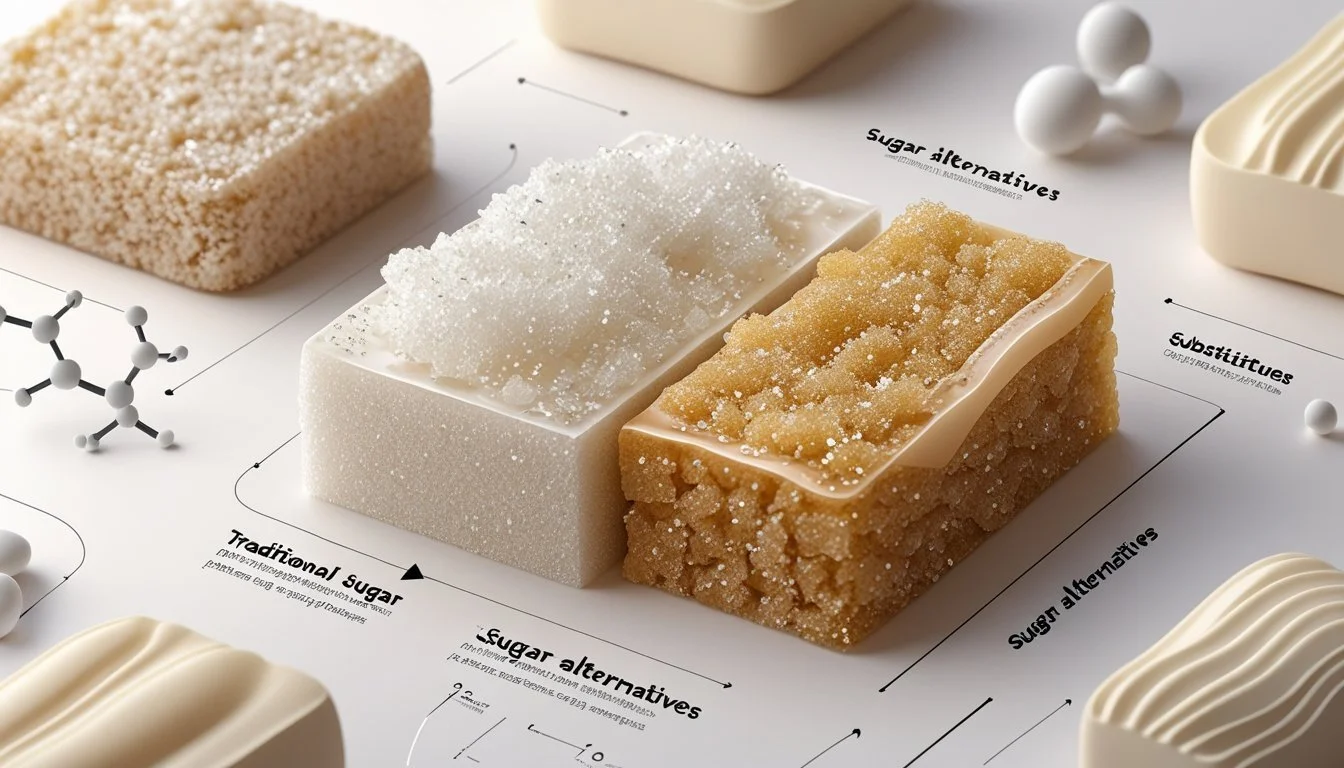
The selection of a sugar alternative can significantly impact the final product’s crumb, structure, and mouthfeel. Different sweeteners and sugar types influence moisture retention, density, and smoothness in distinct ways.
Granulated Sugar Versus Powdered Sugar
Granulated sugar is prized for providing both sweetness and structure in baked goods. Its medium-sized crystals aerate batters and contribute to a tender crumb. When substituted with powdered sugar (also called icing sugar), the texture changes noticeably. Powdered sugar contains cornstarch to prevent clumping, which can lead to a softer, denser bake and altered mouthfeel.
Key textural differences:
Sugar Type Texture Contribution Granulated Sugar Light, airy, promotes rise Powdered Sugar Finer, denser, smoother texture
Granulated sugar helps create air pockets during creaming, critical for cookies and cakes. Using powdered sugar in place of granulated sugar often produces more compact and fine-crumbed results. These modifications are especially important in recipes that rely on the structural qualities of sucrose.
Brown Sugar and Other Specialty Sugars
Brown sugar retains molasses, introducing extra moisture and a slight chewiness. This makes it ideal for baked goods where a softer or moister crumb is desired, such as in chocolate chip cookies. Coconut sugar, another specialty sugar, is less refined than white sugar and often retains a slight graininess, which can result in a more rustic texture.
Using brown sugar in place of white sugar will affect not only flavor but also texture and color. Alternative sweeteners like steviol glycosides do not replicate the hygroscopic (moisture-retaining) qualities of sucrose, which can result in drier or crumblier products. Specialty sugars may also alter caramelization and browning, impacting crust formation and softness.
Liquid Sweeteners and Texture Challenges
Liquid sweeteners, such as honey, agave, and some sugar alcohol syrups, bring added moisture to recipes. This can lead to a denser, stickier finished product. Adjusting the amount of liquid elsewhere in the formulation may be necessary to maintain structure.
Liquid sweeteners lack the crystalline structure of granulated sugar, so they do not trap air during mixing. As a result, cakes and cookies may rise less or have a heavier crumb. When substituting liquid for dry sweeteners, bakers should watch for excessive spreading or soggy texture in the final product. Proper balancing of wet and dry ingredients is crucial to achieve acceptable texture and mouthfeel.
Effects of Texture on Specific Bakery Products
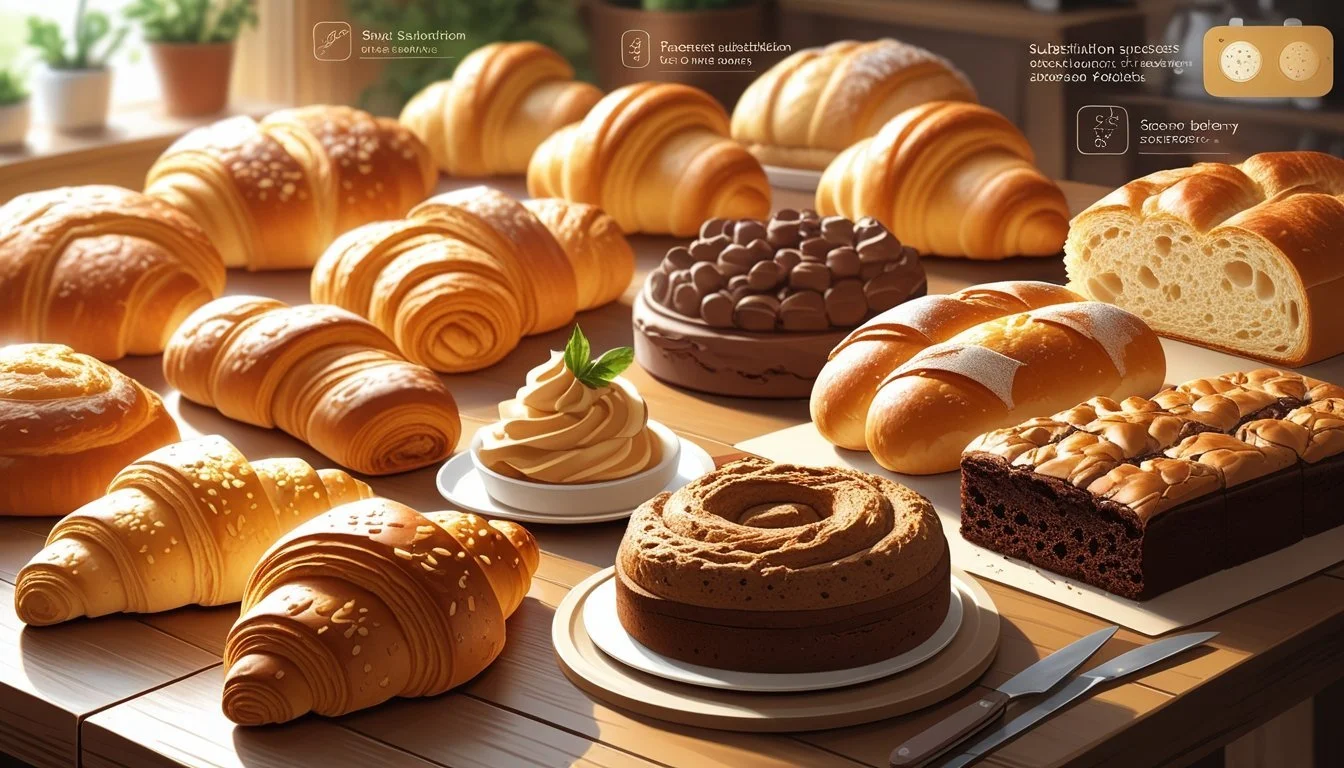
Texture directly determines whether a substitution will preserve the eating qualities customers expect in bakery items. Ingredient changes can alter characteristics such as hardness, moisture, and smoothness, significantly affecting product acceptance.
Cookies: Achieving Ideal Hardness and Chewiness
For cookies, texture is most often judged by hardness and chewiness. The correct substitute must maintain the balance between a crisp edge and a chewy or soft center, typical of many popular cookies.
Ingredients such as butter and sugar play key roles—reducing butter can make cookies dry, while alternative sweeteners may lead to increased hardness. Flour type also affects chew: higher protein (gluten) content increases toughness, while substitutions like oat or nut meal can introduce grittiness or crumbliness.
Common texture concerns in cookie reformulation:
Loss of spread and crispness
Unintended crumbliness
Excessive hardness or gumminess
Testing texture using tools for hardness or sensorial panels helps guide successful substitutions. Achieving ideal textural contrast is crucial for consumer preference.
Cakes: Moisture Retention and Springiness
The texture of cakes depends heavily on moisture retention and springiness. Proper ingredient substitutions must avoid producing a product that is dry, dense, or crumbly. Fats, sugars, and eggs each contribute to a cake's soft crumb and resilience.
Using applesauce or yogurt in place of fat can boost moisture, but may affect the cake's rise and tender structure. Gluten-free flours often reduce springiness, making cakes denser and less appealing. Additives like emulsifiers or hydrocolloids (e.g., xanthan gum) are sometimes needed to mimic the texture achieved with wheat flour.
Key cake quality factors:
Soft, moist crumb
Uniform springiness when pressed
Resistance to collapsing after baking
Understanding these factors helps formulate substitutions that match traditional expectations.
Desserts and Icings: Smoothness and Clumping
Smoothness is vital for desserts like puddings and mousses, as well as for icings and frostings. Ingredient swaps, especially reducing or changing fats and sugars, can increase the risk of clumping or grittiness.
For icings, using alternative sweeteners or fats may cause separation or create a grainy mouthfeel.
In creamy desserts, dairy replacements such as soy or coconut milk often require stabilizers to maintain a homogeneous, smooth structure.
Common adjustments include:
Increasing mixing time
Adding emulsifiers
Sifting dry ingredients
Attention to these details helps prevent textural flaws and ensures consistent quality in bakery desserts and frostings.
Textural Impact of Other Ingredient Substitutions
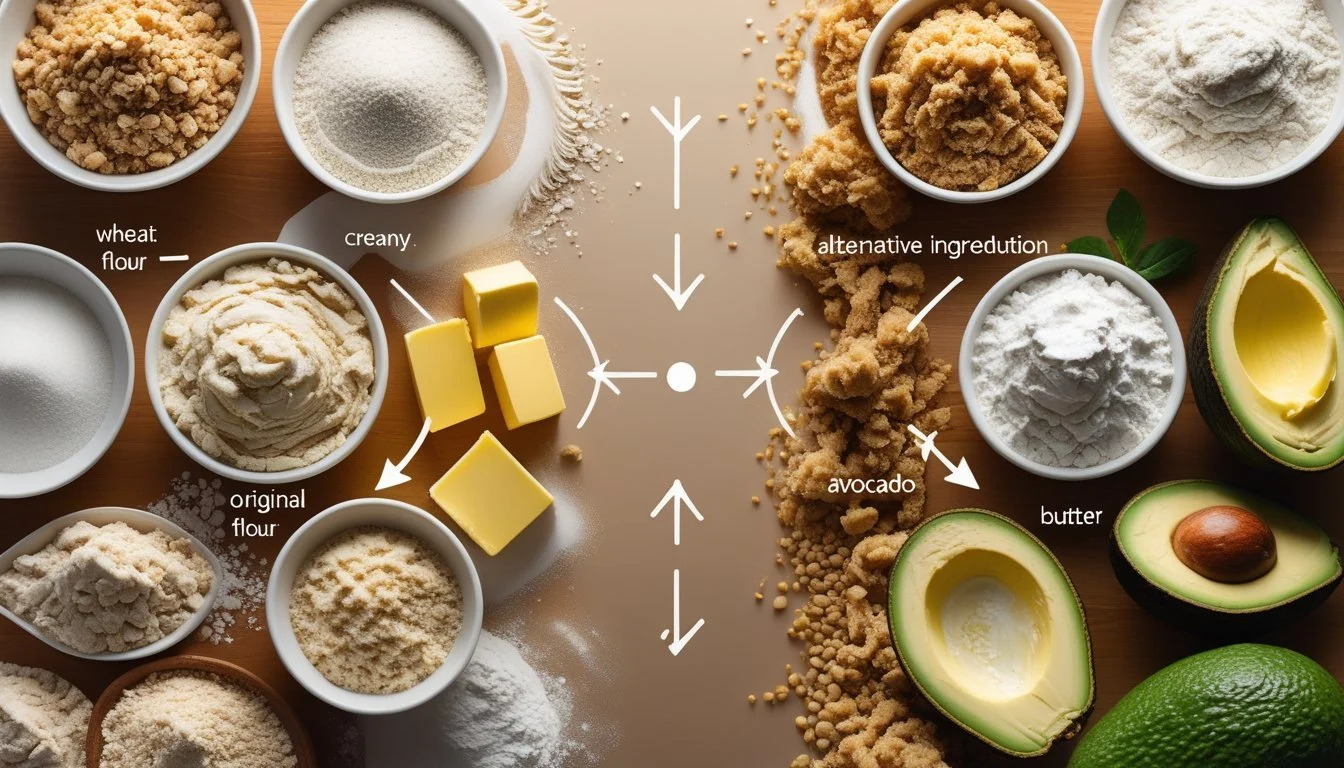
Replacing core ingredients such as fat, protein, and carbohydrates can significantly alter the texture of food products. The physical properties of these substitutes—ranging from creaminess to chewiness—play a crucial role in consumers’ acceptance and the final product’s performance.
Fat and Protein Replacements
Replacing fat with alternatives like carbohydrate-based fat replacers or protein-based substitutes can change more than mouthfeel. These substitutes generally reduce hardness and chewiness but may increase adhesiveness and gumminess, particularly in low-fat and high-fat formulations. This is important in bakery and dairy products, where texture is closely linked to consumer preference.
Common fat replacements include:
Starches
Fibers
Protein isolates
Emulsifiers
When protein is also replaced or altered, as in some dairy analogs, texture may become less creamy and more rubbery. Achieving the right balance of softness, springiness, and cohesiveness is challenging. The impact is measured using instrumental texture analysis, which allows adjustment of formulas to improve palatability and structure.
Dietary Fiber and Carbohydrate Substitutes
Substituting dietary fiber or alternative carbohydrates affects not just nutritional content but also the physical feel and integrity of foods. Fiber addition can increase crumb firmness, reduce stickiness, and influence moisture retention in baked products. However, excessive fiber can lead to a coarse or dry texture.
Effects of fiber and carbohydrate substitutes:
Increased water absorption
Changes in volume and density
Modified mouthfeel—often described as gritty or fibrous
For carbohydrate substitutes, such as polydextrose or sugar alcohols, the impact on crystallization and moisture is critical. These changes are especially apparent in cookies, bread, and confectionery where texture expectations are high.
Hydrocolloids and Their Functions
Hydrocolloids, including gums and certain fibers, are used to modify viscosity, gelling, and stabilization in a variety of products. They play a key role in replacing gluten, thickening low-fat spreads, or stabilizing dairy-free beverages.
Common hydrocolloids:
Hydrocolloid Primary Function Xanthan gum Viscosity, suspension Guar gum Water retention, softness Carrageenan Gelling, creaminess Pectin Setting, mouthfeel
The right type and concentration can prevent syneresis (water separation), improve mouthfeel, and enhance the perception of creaminess or body in reduced-fat or sugar-free products. Selection is product-specific and requires careful adjustment to avoid slimy, rubbery, or brittle textures.
Influences of Baking Processes on Texture
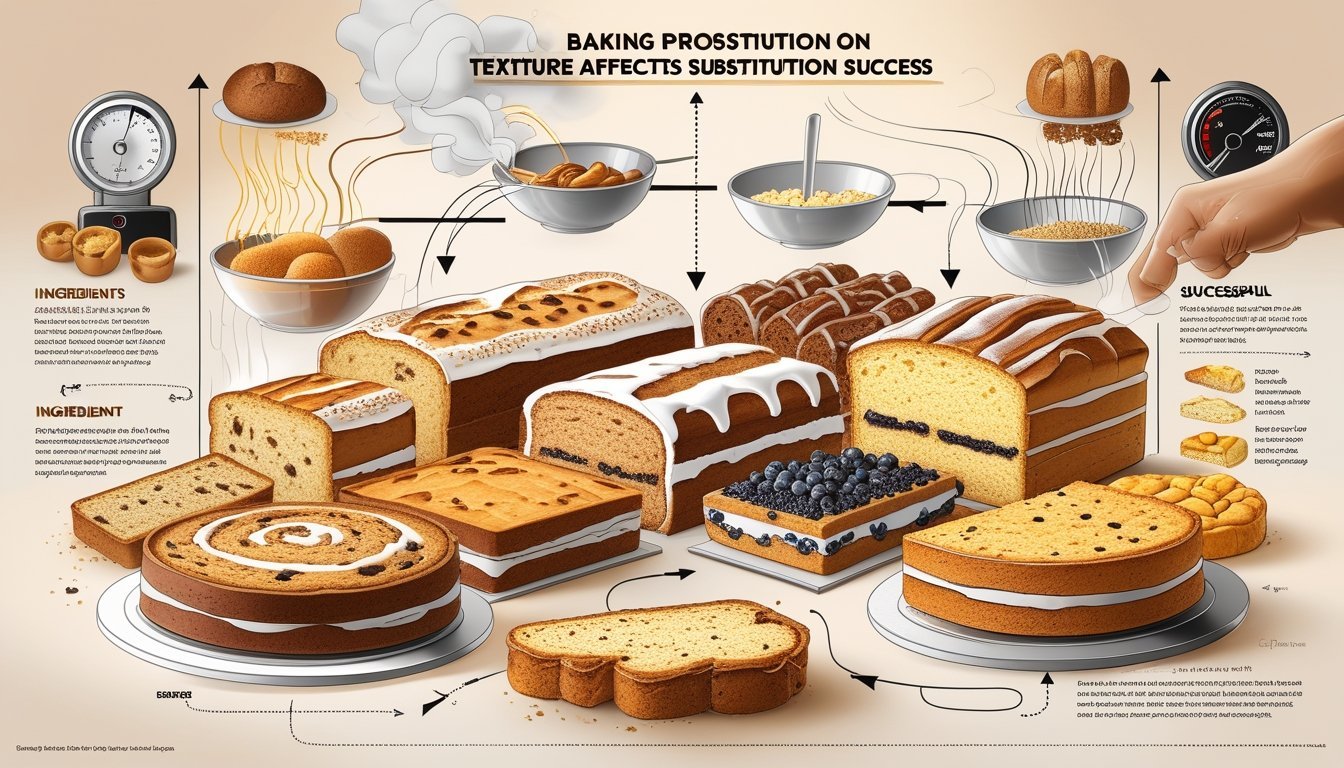
Baking processes directly impact the texture of finished products by controlling factors such as gas retention, moisture loss, browning, and crumb structure. The interplay of these elements determines whether substitutions will yield similar results in the final baked good.
Fermentation and Dough Rheology
Fermentation drives the production of carbon dioxide in dough, which is essential for leavening and development of structure. The activity of yeast or bacteria interacts with available sugars and affects how the internal crumb expands.
Dough rheology — how the dough stretches and holds gases — relies on protein networks, starches, and the moisture present. If an ingredient substitute changes hydration or gluten development, the dough may become too elastic or too weak.
Key variables, such as the type and amount of sugar, directly influence fermentation speed and dough extensibility. For instance:
Factor Effect on Texture High sugar Softer crumb, slower rise Low hydration Tighter, firmer texture Strong gluten Chewier crumb
Maintaining balanced rheology is crucial for achieving similar results when substituting ingredients.
Caramelization and Maillard Reactions
Caramelization occurs when sugars are heated, leading to browning and development of complex flavors and aromas. The type and quantity of sugar present will dictate the extent and rate at which caramelization occurs.
Maillard reactions involve reactions between proteins and reducing sugars under heat, resulting in color and flavor changes. Substituting a sugar that caramelizes differently, such as replacing white sugar with honey, alters both color and taste.
These reactions also contribute to crust texture. A reduced Maillard reaction can leave baked goods with a paler appearance and less crisp or chewy crust. Understanding the precise heat sensitivity of ingredients used in substitutions is important for controlling these reactions.
Cooking Time and Liquid Content Effects
Cooking time affects both moisture evaporation and gelatinization of starches. If a substitute influences the rate at which moisture is retained or released, the finished product may turn out too dry or overly moist.
Liquid content adjustments often accompany substitutions. For example, using a liquid sweetener instead of granulated sugar requires reducing other liquids to maintain structure. Incorrect liquid ratios can cause dense, gummy, or crumbly textures.
Timing is also essential:
Shorter baking dries less moisture, producing a softer result.
Longer times firm the crumb and crust due to additional evaporation.
Precise management of liquid and bake time is essential when aiming for consistent texture after substituting ingredients.
Balancing Flavor and Texture in Substitutions
Ingredient substitutions can change the texture, taste, and even aroma of a finished dish. Understanding how these changes interact is vital for matching the quality and sensory experience of the original recipe.
Flavor Profile Adjustments
When substituting ingredients, the new ingredient’s flavor profile might be milder, sweeter, or more bitter than the original. This can alter the final taste even if the texture remains similar.
For example, using unsweetened applesauce in place of butter reduces fat but may introduce a subtle fruit flavor and increase moisture. This impacts both mouthfeel and balance. Bakers should consider sweetness, acidity, and any underlying notes that the substitute might bring.
A table of common substitutions and their effects can be helpful:
Original Ingredient Substitute Notable Flavor Changes Texture Effects Butter Applesauce Fruity, less rich Moister, less tender Sugar Honey Floral, more intense Stickier, denser All-purpose Flour Almond Flour Nutty, slightly sweet Denser, crumbly
Adjustments to spices, extracts, or sweeteners may be needed to maintain the intended flavor.
Taste and Aroma Interactions
Texture does more than affect how a food feels; it also changes how taste and smell are perceived. A denser crumb or a creamier consistency can mask or emphasize certain flavors and aromas.
The release of flavor compounds is influenced by texture. For instance, a light and airy cake enhances the perception of vanilla or citrus notes, while a thicker cake may mute those same flavors. Swapping ingredients that affect texture can thus shift the intensity or clarity of both taste and aroma.
It’s important to test substitutions in small batches. Sensory changes may be subtle, but they can shift the overall flavor experience, especially where aroma-driven flavors like spices or herbs are essential.
Sensory and Statistical Approaches to Texture Evaluation

Texture evaluation relies on both direct human perception and objective measurement techniques. Comprehensive understanding integrates how products are experienced, what consumers expect, and how outcomes are analyzed statistically.
Sensory Analysis in Product Development
Sensory analysis involves systematic testing using trained or untrained human panels. Evaluators assess attributes such as hardness, chewiness, crispness, and other texture properties. Tests are frequently conducted under controlled or double-blind conditions to minimize bias and improve data reliability.
During product development, sensory methods guide formulation adjustments. Small differences in texture can significantly affect the perceived success of substitutions, such as using alternative flours or fats. Results from sensory panels are compared and, when possible, aligned with instrumental measurement outcomes.
Sensory descriptors are standardized to improve clarity and reproducibility. For instance, panelists may use defined scales (e.g., 1–9 for firmness) or comparison samples. This ensures data can be statistically analyzed and compared across trials. Sensory analysis also helps to identify acceptable textural ranges before consumer testing.
Consumer Expectations and Acceptance
Consumers bring expectations shaped by prior experiences and cultural norms. Texture influences initial impressions, purchase decisions, and repeat buying. For a substitution to be successful, it should closely mimic the expected mouthfeel and physical properties of the original product.
Consumer acceptance studies often use hedonic scales, preference rankings, or acceptance testing. Participants rate their liking, allowing developers to quantify how closely a reformulated product aligns with expectations. Small changes in crispness, viscosity, or springiness can alter perceptions and lead to product rejection.
Mismatched texture can override favorable flavor or nutrition. Therefore, companies use consumer feedback not only to support sensory findings but to identify target textural parameters. Acceptance thresholds help establish whether further reformulation is needed.
Statistical Analysis in Texture Research
Statistical methods are essential for interpreting sensory and instrumental texture data. Common tools include analysis of variance (ANOVA), correlation coefficients, and regression models. These processes reveal significant differences, relationships, and predictive patterns within datasets.
Researchers often compare instrumental readings (such as force/time curves from texture analyzers) to human panel evaluations. Table 1 shows how data might be summarized:
Attribute Instrumental Value Sensory Panel Mean Correlation (r) Hardness 6.3 N 7.1 0.92 Chewiness 3.1 mJ 3.4 0.87
High positive correlations suggest agreement between methods, increasing confidence in measured outcomes. Statistical analysis supports decisions during reformulation, helping to predict consumer acceptance when substitutions alter texture.
Health and Nutrition Implications of Texture Modifications
Texture modifications can affect how foods impact blood sugar, nutrient absorption, and the potential health-related benefits tied to ingredients like sweeteners and antioxidants. The physical form of foods and the use of alternative ingredients can change their metabolic effects and nutritional content.
Glycemic Index and Diabetes Considerations
The texture of food changes how quickly carbohydrates are digested and absorbed, directly influencing the glycemic index (GI). Foods that are pureed, blended, or finely ground generally have a higher GI because their smaller particle size speeds up digestion. This leads to quicker spikes in blood glucose, which can be problematic for people with diabetes.
Whole or minimally processed foods, such as whole grains or vegetables with intact cell walls, tend to slow down glucose absorption. For individuals managing diabetes, texture modifications in the form of softer or pureed foods need careful planning to avoid unintentional increases in GI.
Some texture-modified diets prescribed for conditions like dysphagia may require extra attention to carbohydrate sources. It is important to balance modified foods with fiber-rich ingredients and monitor blood glucose responses regularly.
Table: Impact of Texture on Glycemic Index
Texture GI Impact Whole Lower GI Chopped/Minced Moderate GI Pureed/Blended Higher GI
Low-Calorie Sweeteners and Health Benefits
Low-calorie sweeteners are commonly used in texture-modified foods to enhance sweetness without increasing overall energy intake. These sweeteners have little or no effect on blood glucose levels, making them beneficial for those with diabetes or those seeking to reduce calorie consumption.
Incorporating these sweeteners can facilitate weight management, especially when foods become more palatable due to softer textures that might otherwise require added sugars for flavor. Popular options include sucralose, aspartame, stevia, and erythritol.
However, it is important to ensure the chosen sweetener is compatible with the desired texture. Some sweeteners may change the viscosity or consistency of a dish, which could impact the suitability for certain clinical diets, such as those for dysphagia. Most low-calorie sweeteners, when used within recommended limits, are considered safe and do not compromise other nutritional properties.
Nutritional Properties and Antioxidants
Texture modification affects the bioavailability of nutrients and antioxidants. Mechanically altering foods, such as blending or pureeing, can help release certain nutrients, potentially increasing their absorption. For example, pureed fruits and vegetables may provide more available antioxidants like vitamin C and polyphenols.
Despite potential benefits, the process of chopping, blending, or cooking can also degrade heat-sensitive nutrients and antioxidants. This is especially relevant for vitamins such as vitamin C, which can be lost through heat or prolonged mixing.
Maintaining a varied diet with both modified and unmodified textures can help balance nutrient intake. When planning texture-modified diets, it is important to include sources of antioxidants such as berries, leafy greens, and other fruits and vegetables. These should be handled carefully to minimize nutrient loss and make the most of their health-promoting properties.
Impacts on Shelf Life, Freshness, and Food Waste
Texture plays a direct role in how long a food product maintains quality and how appealing it remains over time. Thoughtful formulation impacts both the product’s stability on the shelf and its potential to minimize waste.
Moisture Retention and Product Stability
Moisture management is critical for texture and shelf life. Foods with optimal moisture retention remain tender or crisp as intended, preventing premature staling or spoilage.
Examples:
Bread and baked goods: Altering hydrocolloid types improves crumb softness and delays firmness over time.
Snacks and cereals: Barrier coatings or controlled baking can help lock moisture, reducing sogginess.
Preserving water activity at ideal levels limits microbial growth. This extends shelf life while keeping products enjoyable to eat. Innovations in ingredient selection, such as using certain starches or fibers, can optimize water distribution, slowing staling and maintaining desirable mouthfeel.
Reducing Food Waste Through Textural Innovation
Textural improvements are key for reducing food waste. Foods that maintain pleasant texture for longer are less likely to be discarded due to perceived staleness or spoilage.
Studies suggest about half of consumer food waste could be avoided by extending shelf life. Examples include breads formulated to resist staling or salads packaged with modified atmospheres to retain crunch.
By using innovative texturizers or better packaging, producers increase the chance foods will remain edible and enjoyable by the time they reach the consumer. This reduces both spoilage and economic loss, aligning with sustainability goals.

