Food Allergies and the Rise of Custom Substitutes
Addressing Dietary Needs in Modern Cuisine

Food allergies are becoming more common, affecting both children and adults worldwide. As traditional food allergens like milk, eggs, and nuts remain prevalent, many people look for custom substitutes to safely enjoy a wider variety of meals. Custom substitutes can help those with food allergies participate more fully in social and cultural food experiences by offering safe alternatives that reduce the risk of allergic reactions.
The introduction of new ingredients and alternative proteins in response to health and environmental trends also means that people need to stay aware of emerging allergens. Novel substitutes provide crucial options, but they can sometimes introduce new allergy risks that require careful monitoring. As dietary habits change and new products enter the market, understanding the benefits and potential challenges of custom substitutes is more important than ever.
Understanding Food Allergies

Food allergies are increasingly recognized as a significant health concern, with major public health and practical implications. An informed understanding requires clear definitions, attention to changing trends, and awareness of which foods cause the most allergic reactions.
Defining Food Allergy
A food allergy is an abnormal immune response to a specific food protein. The body mistakenly treats these proteins as harmful, triggering reactions that can range from mild to life-threatening.
Symptoms typically include hives, swelling, gastrointestinal issues, and in severe cases, anaphylaxis. Unlike food intolerances, food allergies involve immune mechanisms, most often immunoglobulin E (IgE)-mediated pathways.
Key features of food allergies include:
Rapid onset of symptoms after exposure
Reproducibility of reactions with the same allergen
Potential for severe reactions at even trace exposure
Diagnosis is commonly based on medical history, testing for IgE antibodies, and—if appropriate—oral food challenges supervised by healthcare professionals.
Prevalence and Incidence Trends
Recent decades have seen a noticeable rise in the prevalence of food allergies. Epidemiological studies, particularly in Western countries, have documented increases in both the number of affected individuals and the diversity of allergens reported.
For example, U.S. national surveys show childhood food allergy prevalence grew from 3.4% in 1997 to 5.1% in 2011. This trend raises concerns for public health due to the risk of unexpected reactions and the burden on healthcare systems.
Environmental changes, urbanization, diet patterns, and improved awareness and diagnosis all contribute to reported increases. However, some data may be influenced by variations in self-reporting and diagnostic criteria.
Common Allergens and Types of Food Allergies
A small group of foods accounts for the majority of food allergy reactions. These include:
Allergen Example Foods Milk Cow’s milk, products Egg Chicken eggs Peanut Peanuts, peanut oil Tree nuts Walnuts, almonds Soy Soybeans, tofu Wheat Bread, cereals Fish Salmon, tuna Shellfish Shrimp, crab
Milk allergy and egg allergy are especially common in children, while peanut allergy can persist into adulthood and cause severe symptoms. The prevalence and profile of allergens may vary by region, age, and ethnicity. Recognizing these common allergens is crucial for effective avoidance and management strategies.
Causes and Risk Factors for Food Allergies
Food allergies are caused by complex interactions between genetic makeup, environmental factors, and changes in diet and lifestyle. Understanding these influences can explain why food allergies are increasingly common and why some people are more vulnerable than others.
Genetic Predisposition
Family history is a significant factor in the development of food allergies. Studies show that children with at least one parent who has allergies (including asthma, eczema, or hay fever) have an increased risk of developing food allergies themselves.
Specific genes related to immune system regulation, particularly those affecting the production of Immunoglobulin E (IgE), have been linked to allergy susceptibility. Siblings of children with food allergies also have higher rates, though not all will be affected.
Table: Genetic Influences on Food Allergy Risk
Factor Impact Level Parental allergy High Sibling with allergy Moderate No family history Lower
Genetic factors don't determine the exact food allergy, but they do increase the likelihood of allergic sensitization. Genetics work together with other variables rather than acting alone.
Environmental Influences
Environment plays a critical role in who develops a food allergy and when symptoms appear. Early-life exposures, such as the timing and method of introducing allergenic foods, have significant impact.
Hygiene hypothesis suggests decreased exposure to microbes in early life can increase allergy risk, possibly due to changes in the gut microbiome. Geographical location and urban living are also linked to higher prevalence, likely due to differences in diet, pollution, and indoor lifestyles.
Environmental risk factors include:
Delayed introduction of common allergens
Limited microbial exposure (high hygiene)
Urban environments
Dietary changes, especially processed foods
These factors can interact with genetic predisposition to increase chances of developing food allergies.
Food Allergy Research and Advances
Ongoing research seeks to identify why food allergies are rising in industrialized countries. Scientists study gut microbiome composition, dietary patterns, and the immune system's responses to allergens.
Clinical trials now test early introduction of allergenic foods as a preventive measure. Research also explores modifying gut bacteria and immune therapies to reduce allergy risk or manage symptoms more effectively.
Key breakthroughs include understanding the role of intestinal barrier function and immune tolerance. Increased accuracy in diagnosing food allergies through molecular testing and increased tracking of risk factors aids both prevention and management strategies.
Progress in genetic screening may help identify at-risk children before symptoms appear. Emerging findings could lead to more personalized recommendations for allergy prevention and early intervention.
Symptoms and Management of Food Allergies

Food allergies can trigger a range of symptoms, from minor skin irritations to life-threatening emergencies such as anaphylaxis. Successful management is rooted in early identification, precise action during reactions, and disciplined daily habits to prevent exposure.
Recognizing Allergic Reactions
Most food allergies are driven by an immune response to specific food proteins. Common symptoms develop within minutes to two hours after ingestion. These may include:
Itching or tingling in the mouth
Swelling of lips, face, tongue, or throat
Hives, eczema, or redness
Abdominal pain, vomiting, or diarrhea
Respiratory symptoms such as coughing, wheezing, nasal congestion, or shortness of breath may also be present. The pattern and severity of symptoms can vary from person to person and from one reaction to another.
Anaphylaxis and Emergency Response
Anaphylaxis is a severe allergic reaction that can be fatal if not treated promptly. Symptoms may involve difficulty breathing, a drop in blood pressure, rapid pulse, or loss of consciousness.
Immediate treatment with epinephrine is vital. People diagnosed with food allergies are typically advised to carry an epinephrine auto-injector at all times. After using epinephrine, seeking urgent medical attention is mandatory, even if symptoms subside.
A clear emergency action plan should be in place and shared with caregivers, schools, and workplaces. Training on how to recognize anaphylaxis and how to use an auto-injector can save lives.
Food Safety in Daily Life
Daily management focuses on strict avoidance of allergenic foods. This includes:
Reading ingredient labels
Watching for cross-contamination in kitchens
Informing restaurant staff and food handlers about allergies
Individuals and families benefit from a list of “safe” substitute foods to meet nutritional needs. Some may also use medications like antihistamines for minor reactions, while others with severe allergies may consult an allergist about new treatments, such as injectable biologics.
Education and vigilance are critical. Even trace exposures can trigger reactions, so food safety is a continuous priority in shopping, meal preparation, and social situations.
Dietary Solutions: The Rise of Custom Substitutes
Modern food allergies require targeted options for safe eating. Advances in food technology and ingredient sourcing now allow for customized substitutes that address both common and uncommon dietary restrictions.
What Are Custom Food Substitutes?
Custom food substitutes are specifically formulated alternatives developed to replace ingredients that can trigger allergic reactions. They aim to mimic the function, taste, and texture of the original food, such as swapping cow's milk with oat or rice beverages for those with dairy allergies.
These substitutes are increasingly tailored to suit multiple dietary needs, including nut, soy, and gluten sensitivities. Manufacturers achieve this by isolating proteins that do not provoke immune responses or by designing new blends from hypoallergenic sources.
Personalization also extends to home cooking, where consumers use recipe substitutions recommended by dietitians, such as replacing eggs with flaxseed gel in baking. The primary goal is risk reduction while maintaining nutritional value and sensory qualities.
Types of Allergy-Friendly Alternatives
Common allergy-friendly substitutes cover the top food allergens: peanuts, tree nuts, dairy, eggs, wheat, soy, fish, and shellfish. Each category includes several alternative ingredients, often detailed in substitution charts:
Allergen Substitutes Milk Soy, rice, oat, coconut, or pea-based drinks Eggs Flaxseed gel, applesauce, commercial replacers Wheat/Gluten Rice, quinoa, buckwheat, corn flours Peanuts/Nuts Sunflower seed butter, pumpkin seed butter
Many products combine multiple substitutes to be free from several allergens. Packaging now often highlights "free from" status, making selection easier for consumers.
Increasingly, whole food-based replacements—like using mashed banana for binding—are recommended for those with sensitivities to processed foods.
Trends in Food Innovation and Technology
Emerging food technologies are driving the development of safer, more effective custom substitutes. Researchers are using precision fermentation and protein engineering to design ingredients that avoid known allergens while preserving desired food qualities.
Artificial intelligence and data analysis help identify potential new allergens in alternative proteins before they reach market, supporting proactive risk assessment. This is especially important as novel ingredients become more popular in plant-based and health-focused diets.
Food manufacturers are collaborating with allergists and regulatory agencies to streamline allergen testing, labeling, and surveillance. This coordinated approach helps keep up with changing dietary trends and addresses the increasing demand for reliable, allergy-safe products.
Challenges with Cross-Contamination and Labeling
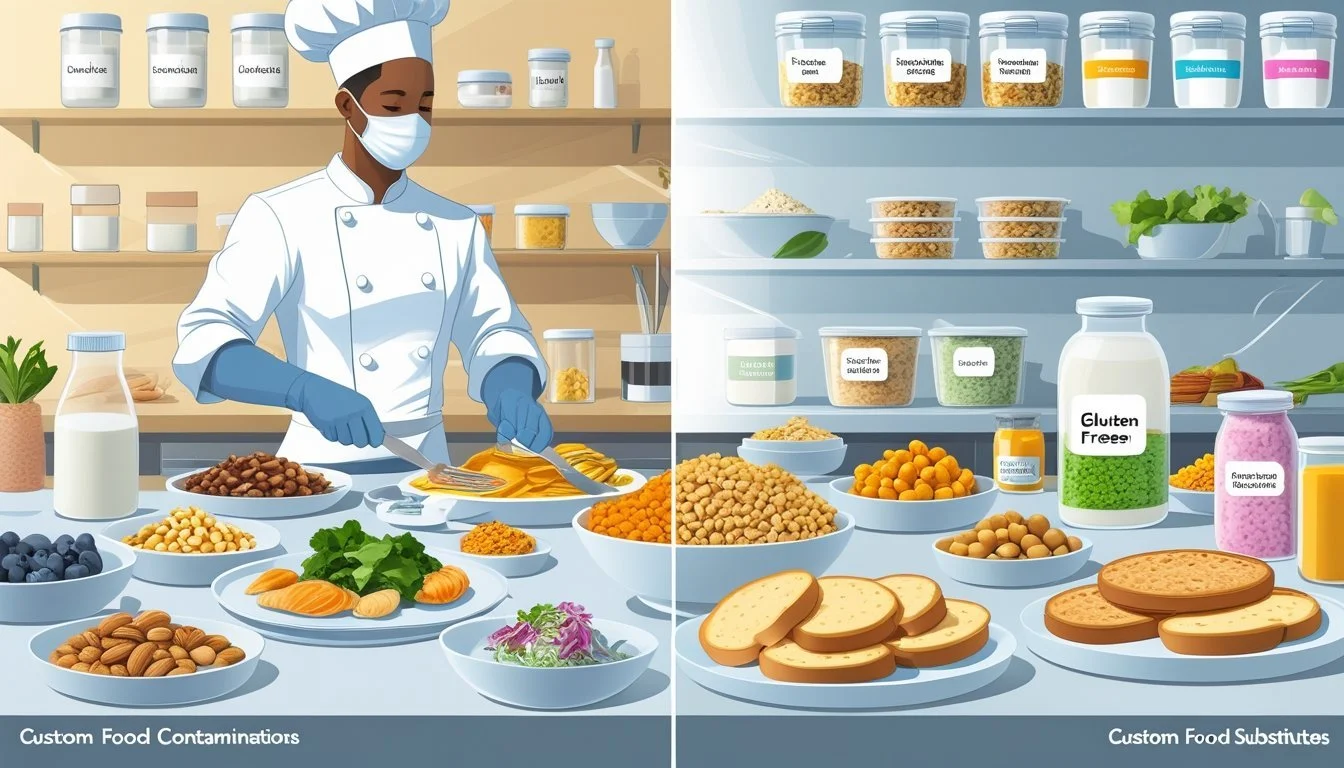
Food allergies require strict avoidance of allergens, but this can be difficult due to hidden ingredients and food handling issues. Mistakes in preparation and inconsistent labeling increase the risk of exposure for sensitive individuals.
Identifying Hidden Allergens
Hidden allergens can be found in sauces, dressings, and processed foods, making it challenging for consumers to avoid risks. Milk, eggs, peanuts, tree nuts, wheat, soy, fish, and shellfish are among the most common allergens, but they may not always be obvious from a product’s name or appearance.
Labels can sometimes be unclear or inconsistent, failing to fully communicate the presence or cross-contact risk of allergens. It is not uncommon for prepackaged products to include "may contain" statements without specifying the exact source or risk level. This lack of clarity makes label reading essential but not foolproof.
People with allergies may also encounter allergens in foods prepared outside the home, such as at restaurants, where ingredient disclosure is often incomplete and kitchen practices vary. Staff may not always be aware of all ingredients or potential cross-contact, so customers should be encouraged to ask detailed questions.
Safe Preparation Methods
Preventing cross-contamination is crucial in both commercial and home kitchens. It involves using separate utensils, cutting boards, and surfaces for allergen-free and allergen-containing foods. Simple practices like thoroughly washing hands and equipment after handling allergens significantly lower the risk.
Food service establishments should implement clear protocols, such as color-coded tools, designated preparation areas, and regular staff training on allergen management. This helps prevent accidental mixing of allergens during storage, cooking, and serving.
Packaged food manufacturers are required to declare major allergens, but the effectiveness of this depends on adherence to regulation and clear, consistent use of advisory statements. Consumers should look for reliable allergen labeling and request preparation details when eating out to minimize risk.
Living with Food Allergies: Education and Advocacy

Food allergies require reliable information, practical guidance, and coordinated support. Education helps individuals make safe choices, while advocacy organizations push for better policy and awareness in health, school, and community settings.
Educational Resources for Patients and Families
Patients and families benefit from up-to-date, evidence-based educational tools dedicated to food allergy management. Popular organizations such as FARE and FAACT offer plain-language guides, emergency action plans, and printable checklists for home and travel.
Online resources and mobile apps can help track allergens, manage ingredient lists, and provide reminders for medication. Many healthcare providers recommend structured education sessions. These include learning about label reading, cross-contact prevention, and the correct use of epinephrine auto-injectors.
Topics often covered in educational materials are:
Recognizing allergic reaction symptoms
Understanding anaphylaxis
Navigating social situations, such as parties and restaurants
Proper education increases safety and confidence in daily life.
Role of Advocacy Organizations
Advocacy groups like FARE (Food Allergy Research & Education) and AAFA (Asthma and Allergy Foundation of America) lead efforts to improve the quality of life for people with food allergies. They fund research, advocate for public policies, and provide accessible educational campaigns.
These organizations promote labeling laws, support funding for food allergy research, and create community outreach initiatives. Advocacy efforts also include lobbying for stock epinephrine legislation in schools and restaurants.
Through clear messaging and trusted partnerships, advocacy organizations increase public knowledge and reduce stigma. They also support underrepresented and high-risk communities by addressing disparities in access to care.
Food Allergy Awareness in Childcare Settings
Childcare providers play a crucial role in protecting children with food allergies. Comprehensive staff training is critical for safe environments. This includes recognizing allergy symptoms, preventing cross-contact, and knowing how to respond in emergencies.
Centers often create an allergy management plan for each child, listing triggers, emergency contacts, and step-by-step action instructions. Communication between parents, caregivers, and medical professionals ensures that everyone remains informed and prepared.
Common strategies in childcare settings:
Allergen-free tables or zones
Strict handwashing protocols
Routine review of emergency procedures
These practices help reduce risk and give families greater confidence in their child’s daily care.
Special Considerations: Lactose Intolerance vs. Milk Allergy
Lactose intolerance and milk allergy are sometimes mistaken for one another, but they have different causes, symptoms, and risks. Choosing appropriate substitutes depends on identifying the exact issue and understanding how substitutes address specific health needs.
Key Differences and Overlapping Symptoms
Lactose intolerance is due to the body’s inability to produce enough lactase, the enzyme needed to digest lactose, a sugar found in milk. This results in digestive symptoms like bloating, gas, and diarrhea after consuming dairy.
Milk allergy involves the immune system reacting to proteins in milk, such as casein or whey. Symptoms can range from hives and swelling to severe reactions like anaphylaxis.
Both conditions can cause abdominal pain and discomfort after consuming milk. However, only milk allergy can trigger immune-mediated reactions that may be life-threatening. People with milk allergy must strictly avoid any form of milk protein, while those with lactose intolerance may tolerate small amounts or lactose-free dairy.
Condition Cause Main Symptoms Risk Level Lactose Intolerance Enzyme deficiency Bloating, gas, diarrhea Not life-threatening Milk Allergy Immune response to proteins Hives, swelling, anaphylaxis, GI Can be life-threatening
Substitute Options for Dairy
For lactose intolerance, many can safely drink lactose-free milk or dairy products, as the lactose has already been broken down. Hard cheeses and yogurt are often better tolerated, since their lactose content is lower.
In cases of milk allergy, all milk-derived ingredients must be avoided, including those in processed foods. Safe substitutes include plant-based milks such as:
Soy milk: Closest in protein content to cow’s milk.
Oat, almond, rice, or coconut milk: Various nutrient profiles; choose fortified options for calcium and vitamin D.
Always check labels for cross-contamination and added allergens—especially for individuals with a milk allergy, since even trace amounts of milk can be harmful. For infants with milk allergy, specially formulated hypoallergenic formulas are necessary, such as extensively hydrolyzed or amino acid-based formulas.

