
The Art of Intuitive Swapping in the Kitchen
Effortless Ingredient Substitutions for Home Cooks

Intuitive swapping in the kitchen allows cooks to confidently adapt recipes based on what they have on hand, dietary needs, or personal preferences. This skill transforms rigid recipes into flexible guidelines, making it easier to enjoy home cooking without stress or last-minute trips to the store.
By trusting their senses and understanding basic ingredient roles, anyone can experiment with flavors and textures. Intuitive swaps lead to creative meals and help minimize food waste, making cooking both practical and enjoyable. Readers interested in expanding their kitchen skills will find value in learning the fundamentals of this approach.
Understanding Intuitive Swapping in the Kitchen
Intuitive swapping in the kitchen is rooted in understanding ingredients, responding to food cues, and building cooking confidence. It blends knowledge and creativity, empowering cooks to replace components while preserving flavor, nutrition, and dish integrity.
What Is Intuitive Cooking?
Intuitive cooking is the practice of making decisions in the kitchen based on sensory information, experience, and personal preferences rather than following strict recipes or measurements. This approach encourages using taste, smell, and sight to guide adjustments as food cooks.
Instead of relying on fixed instructions, cooks experiment with ingredients, trust their instincts, and adapt to what is available. Intuitive cooking promotes a flexible mindset and helps develop a deeper connection to food. It requires understanding the function of ingredients and how flavors interact. Experience, trial and error, and observation play key roles.
The Relationship Between Intuitive Cooking and Swapping
Intuitive swapping is a natural extension of intuitive cooking. It involves selecting substitutes for ingredients based on taste, texture, cooking method, or nutritional value, often without a recipe’s guidance. A cook might swap yogurt for sour cream, or use spinach instead of kale, by considering similarities in flavor and behavior during cooking.
By practicing intuitive eating and cooking, a person learns to anticipate how swaps will affect the final dish. For example, a thickener like cornstarch might replace flour, or honey might stand in for sugar, each altering flavor and texture in specific ways. Awareness of these effects is essential for confidence and creativity in the kitchen.
Benefits of Intuitive Swapping
Intuitive swapping offers flexibility and adaptability, reducing dependency on recipes and accommodating food preferences, allergies, or dietary needs. It encourages creativity, as cooks explore new combinations and solutions with available ingredients.
This approach minimizes food waste, since cooks can use what they have rather than buying special items for each recipe. It also builds cooking confidence by teaching how ingredient functions and flavors work together. Over time, intuitive swapping helps develop a sense of satisfaction, resourcefulness, and self-reliance in the kitchen.
Foundations of Flavor and Ingredient Substitution
Flavors in cooking rely on the careful selection and combination of ingredients. When swapping ingredients, attention to flavor profiles, aromatics, and identifying proper substitutes ensures that the dish remains balanced and enjoyable.
Understanding Flavor Profiles
Every ingredient brings its own flavor profile, including taste, aroma, and mouthfeel. Recognizing these elements—such as sweet, salty, sour, bitter, and umami—helps maintain harmony when substituting foods.
A successful swap requires knowing how a new ingredient will interact with existing components. For example:
Original (Flavor) Substitute (Notes) Lemon (sour, acidic) Vinegar (similar acidity) Parmesan (umami) Nutritional yeast (savory) Honey (sweet) Maple syrup (similar texture, sweetness)
Closely matching taste and intensity supports the natural balance of flavors in the meal.
Essential Aromatics in Swapping
Aromatics such as onions, garlic, ginger, and herbs form the foundation of many dishes. When replacing these, it is important to consider not only flavor but also how their aroma develops during cooking.
For instance, shallots can substitute for onions, offering a milder, sweeter taste. Fresh garlic and garlic powder differ in intensity and character, affecting outcome.
Key aromatics and their substitutes:
Onion: Shallots, leeks, fennel bulb
Garlic: Garlic powder, chives, garlic scapes
Ginger: Galangal, ground ginger, turmeric
Maintaining the role of aromatics is essential for depth and complexity.
How to Identify Suitable Swaps
Finding the right substitute goes beyond matching flavor. Texture, cooking method, and final use are crucial.
Begin by examining the function: Is the ingredient a binder, a sweetener, or a main flavor? Use visual and textural cues, such as how dense or moist a food is, when making a choice.
Steps for identifying swaps:
Determine the dominant quality (flavor, texture, purpose).
List common substitutes.
Adjust quantities if the substitute is more or less potent.
Test and evaluate during cooking.
Accurate swaps depend on knowledge of ingredient behavior and a willingness to observe changes as food cooks.
Developing the Skills for Confident Swapping
Confident swapping in the kitchen begins with developing essential cooking skills and experimenting with ingredient substitutions in approachable recipes. Committing to regular practice helps create a strong foundation for making intuitive decisions.
Building Cooking Skills Through Practice
Consistent exposure to different techniques—such as roasting, sautéing, and simmering—builds foundational skills for ingredient swapping. Each method reveals how ingredients react to heat, liquids, and spices. For instance, sautéing onions and leeks shows their roles as aromatic bases and how each affects flavor.
Practicing with recipes while changing minor elements, such as herbs or grains, helps develop the ability to intuit when to substitute one item for another. Keeping a kitchen notebook can be valuable. It allows cooks to track what swaps work, which flavors complement each other, and what adjustments are needed.
A table can help organize learnings:
Cooking Skill Example Practice Swap Opportunity Sautéing Onions vs. leeks Green onions Roasting Carrots vs. parsnips Sweet potatoes Boiling Rice vs. quinoa Barley
Investing time in these repeated small experiments gradually builds confidence. Over time, cooks make informed swaps without second-guessing outcomes.
Experimenting with Simple Dishes
Simple dishes, like omelets, stir-fries, and salads, are ideal for testing ingredient swaps without complex steps or high risk. For example, swapping spinach for kale in a frittata or using chickpeas instead of black beans in a salad maintains structure and flavor.
Trying different vegetables, grains, or seasonings in basic recipes highlights how substitutions change taste, texture, and appearance. This process helps identify which components are essential and which can be altered freely.
Key tips for experimenting with simple dishes:
Start with recipes using few ingredients
Note flavor and texture differences after each change
Adjust seasoning when ingredients are swapped
Focusing on uncomplicated dishes allows cooks to observe results quickly and build confidence for more complex swaps. Regular practice with varied substitutions helps create a reliable sense of what works well, cementing the foundation for intuitive cooking with confidence.
Organization and Prep for Effective Swapping
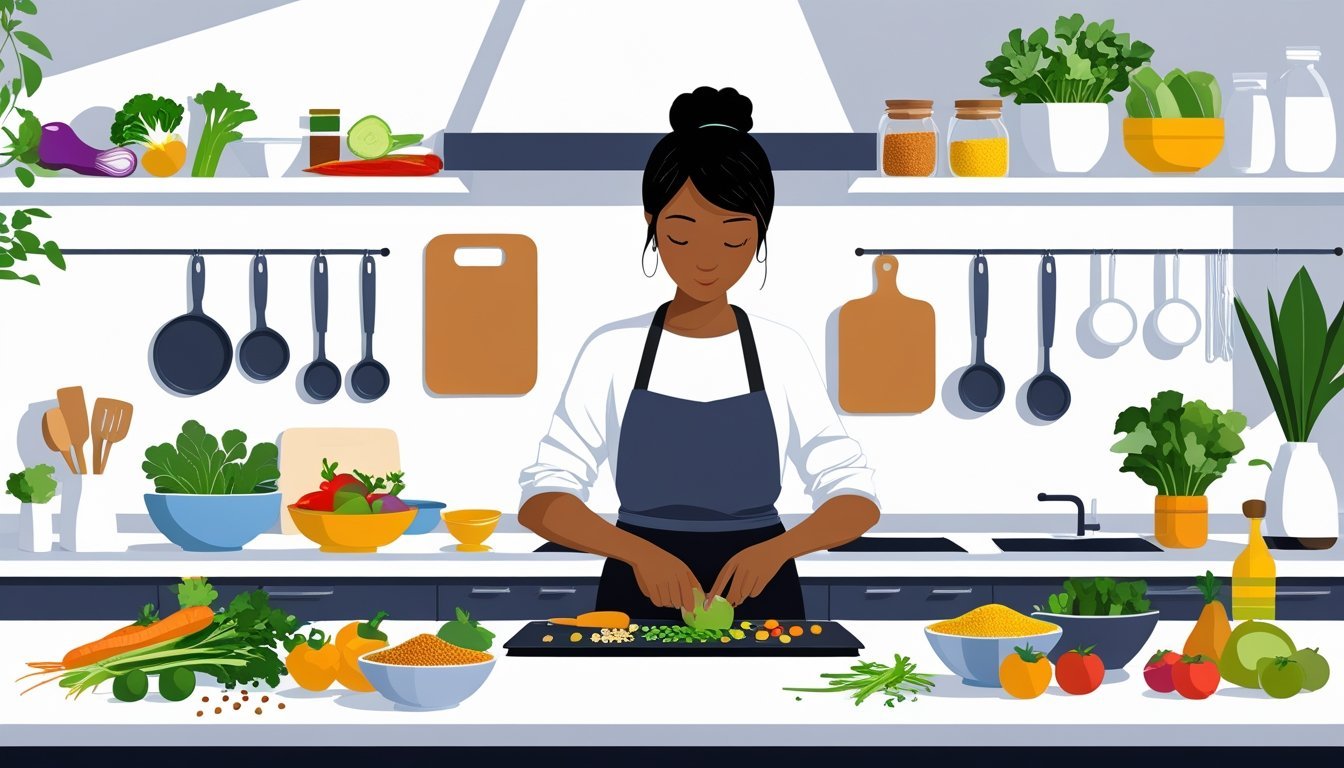
A well-organized kitchen supports efficient ingredient swapping, saving both time and energy. Establishing reliable systems for pantry storage and daily prep keeps cooks ready for any recipe adjustment.
Organizing Your Pantry for Flexibility
A flexible pantry starts with clear labeling and logical grouping of items. Storing substitutes like multiple flour types, baking powders, or dairy alternatives together lets cooks quickly locate what they need.
Keep dry goods in airtight containers and arrange them by frequency of use. Create an inventory list on paper or digitally to monitor stock levels and expiration dates. This reduces waste and prevents last-minute shortages.
Quick Reference Table: Pantry Essentials for Swapping
Category Examples Use Cases Flours All-purpose, almond, oat Gluten swaps, texture Liquids Plant milks, broth, oils Dairy-free, fat changes Leaveners Baking soda, powders Rise and flavor adjustments
Staying organized like this enables intuitive decision-making when substitutions are needed.
Time Management and Preparation
Effective swapping relies on strong time management before and during cooking. Preparing a mise en place—a setup of all ingredients and tools—streamlines the swapping process.
Develop a habit of reviewing recipes ahead of time. Identify possible swaps and set alternatives out early. Allocate time for tasting and adjusting as new substitutions might change cooking times or flavors.
Use digital checklists or timers as reminders to avoid missed steps and help coordinate multiple swaps efficiently. Staying aware of timing makes it easier to maintain dish quality even with last-minute changes.
Creative Swapping in Everyday Cooking

Creative ingredient swapping depends on understanding how flavors, textures, and techniques can work together. Making effective swaps can open up new culinary options, help reduce food waste, and make cooking more flexible and enjoyable.
Swapping Proteins, Vegetables, and Grains
Proteins are central to most meals, and swapping them often depends on similar cooking times or textures. Chicken can substitute for pork in stir-fries, while chickpeas or lentils are excellent for replacing ground beef in tacos. Tofu, tempeh, and beans bring protein and can absorb bold flavors from sauces and spices.
Vegetable swaps can help adapt recipes to what is in season or available. Zucchini can stand in for eggplant in ratatouille. Spinach, kale, or Swiss chard are interchangeable in sautés or soups. For grains, quinoa, farro, or barley can replace rice, offering slightly different textures and nutritional benefits.
Creative use of these swaps makes each meal unique. They also allow for flexibility with dietary needs or pantry limitations, all while encouraging new ways to combine food in daily cooking.
Replacing Dairy and Fats
Dairy swaps often focus on maintaining creaminess or richness. Coconut milk or cashew cream can take the place of heavy cream in soups and curries. Yogurt can stand in for sour cream in dips, while plant-based cheeses are available for those avoiding dairy entirely.
For fats, olive oil or avocado oil are common replacements for butter in sautéing or baking. Mashed bananas, applesauce, and even nut butters can be swapped in baked goods for butter or oil. These changes can affect flavor slightly, but often enhance creativity by introducing new tastes and health benefits.
Quick Reference Table:
Traditional Ingredient Swap Example Use Case Cream Coconut milk Soups, sauces Butter Olive oil, nut butters Baking, sautéing Cheese Plant-based cheese Toppings, baking Sour Cream Greek yogurt Dips, dressings
Intuitive Swapping in Baking
Understanding how to substitute ingredients in baking helps accommodate dietary needs, ingredient shortages, or creative inspiration. Successful swaps depend on knowing which ingredients affect structure, flavor, and texture and adjusting measurements and methods as needed.
Adapting Baking Recipes with Confidence
Baking requires attention to the function of each ingredient. Flour, sugar, fats, and leaveners each play a specific role, and intuitive swapping means choosing replacements that fulfill those roles without compromising results.
Start by identifying the purpose of the original ingredient. For example, fats like butter provide moisture and flavor, while eggs add structure. When swapping, mimic these functions with alternatives such as applesauce for moisture or flaxseed meal for binding.
Balancing moisture, fat, and structure is vital. Some swaps, like replacing wheat flour with almond flour, require adjusting liquid amounts because nut flours absorb less moisture. Always consider measurement ratios, as some ingredients are more or less dense than others.
Common Baking Swap Examples
Many common ingredients have straightforward alternatives. The table below lists practical swaps for everyday baking needs:
Original Ingredient Alternative(s) Usage Notes Butter Coconut oil, margarine Use equal amount; adjust flavors Eggs Flaxseed meal + water, applesauce 1 tbsp flax + 3 tbsp water per egg; 1/4 cup applesauce per egg Wheat flour Almond flour, oat flour Use slightly less; may need more binder Milk Almond milk, oat milk 1:1 swap; minor flavor changes Granulated sugar Honey, maple syrup Reduce liquids; honey is sweeter
Experimenting with these swaps builds skill and confidence. Observing batter texture and taste at each step leads to better results than rigidly following recipes.
Classic Dishes and Signature Swaps
Intuitive ingredient swaps honor culinary tradition while opening doors to fresh flavors. Classic recipes such as tomato-based dishes and heirloom family meals provide the perfect foundation for thoughtful experimentation.
Intuitive Swapping with Tomato Sauce
Cooked tomato sauce adapts well to intuitive swapping, offering countless ways to adjust texture, depth, and nutrition. Swapping ingredients is often necessary for dietary needs or seasonal availability, making tomato sauce an ideal base for experimentation.
Key possibilities:
Replace onions with leeks or shallots for a subtler base.
Substitute olive oil with butter, ghee, or a neutral oil for different undertones.
For richness, stir in roasted red peppers or sun-dried tomatoes.
Use fresh herbs instead of dried for a livelier aroma.
Cooking methods also play a crucial role. Roasting the tomatoes before blending can yield a deeper, smokier flavor, while simmering everything together creates a classic, mellow sauce.
Try replacing standard pasta with spiralized zucchini to suit low-carb preferences or use chickpea pasta for higher protein content. The flexibility of tomato sauce, combined with intuitive swaps, makes it suitable for a wide variety of dietary and cultural tastes.
Redefining Family Recipes
Family recipes carry history, yet they don’t need to be set in stone. Intuitive swapping helps home cooks adapt cherished dishes to contemporary preferences while preserving their essence.
For example, a classic beef stew can be made vegetarian by replacing meat with mushrooms or lentils. Gluten-heavy recipes may use almond flour or chickpea flour to accommodate dietary restrictions.
Common signature swaps:
Swap regular dairy with plant-based alternatives (e.g., coconut milk for cream).
Exchange white rice for riced cauliflower to reduce carbs.
Add new spices or omit them to suit changing palates.
Cooking methods can modernize classics as well. Slow cooking tough cuts of meat can unlock deeper flavors, while pressure cookers save time. Trusting taste and texture cues lets cooks personalize family meals without losing what makes them unique.
Enhancing Taste and Texture Through Swapping
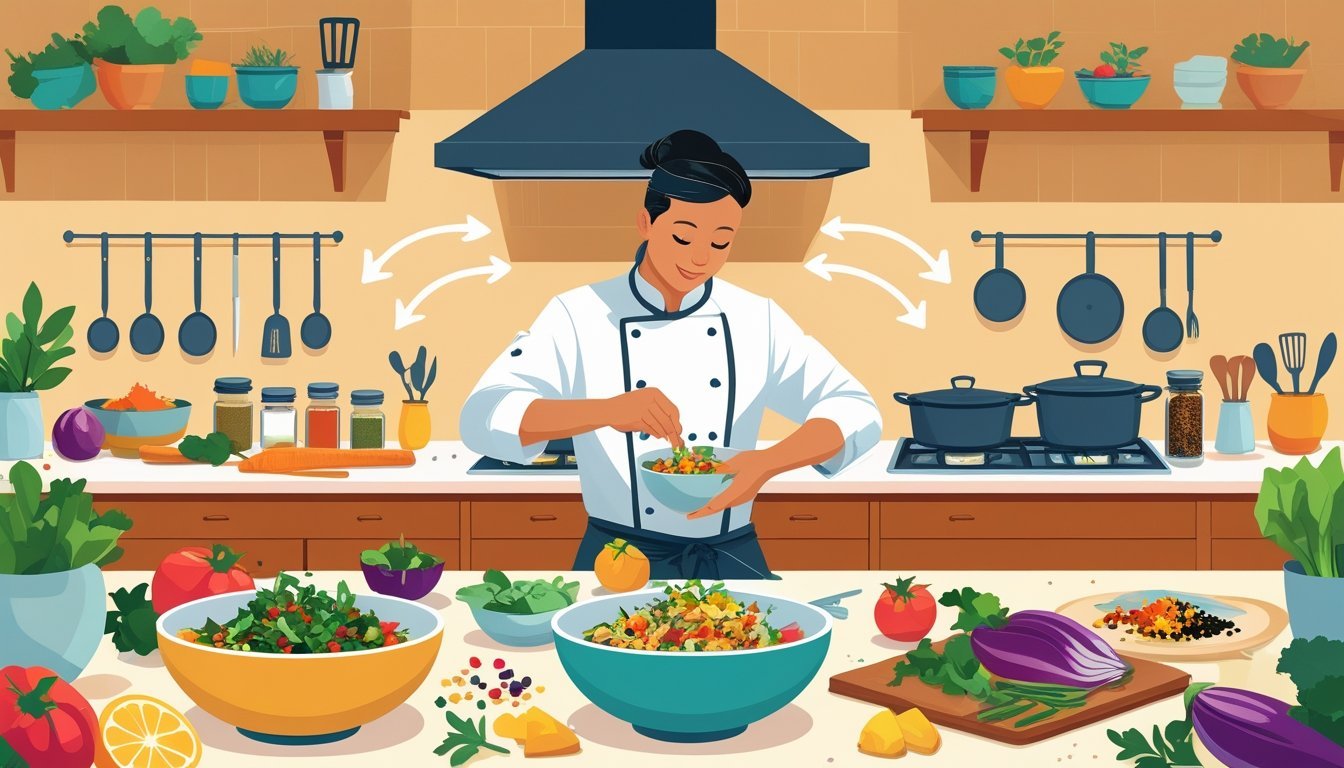
Ingredient swaps in the kitchen can influence both the taste and the texture of a finished dish. Making smart substitutions is key to preserving harmonious flavors and the eating experience.
Balancing Taste in New Combinations
When ingredients are swapped, the main objective is to keep a balanced flavor profile. Chefs often focus on tastes such as sweet, salty, bitter, sour, and umami.
For example:
Original Ingredient Substitute Key Tastes Soy sauce Tamari or coconut aminos Salty, umami Lemon juice Vinegar Sour Sugar Honey or maple syrup Sweet
A useful approach is to taste as you go. If a substitute brings in unexpected flavors, adjustments can be made. Adding a pinch of acid or a splash of sweetness can help round out the new combination. This prevents any one flavor from dominating.
Spices, herbs, or small amounts of salt can also be used to fine-tune the final outcome. Such attention to detail results in substitutions that taste intentional rather than accidental.
Preserving Texture and Appeal
Texture, or mouthfeel, is just as vital as taste when swapping ingredients. Certain alternatives may change how a dish feels when eaten. For baked goods, swapping all-purpose flour with almond flour will produce a denser, moister result.
To address texture changes, it may be necessary to adjust quantities or mixing methods. Adding or reducing liquids can compensate for differences in how ingredients absorb moisture.
Here’s a quick guide:
Replace cream with coconut cream: preserves richness, but may add thickness.
Swap butter for oil: enhances moisture but can make baked goods softer.
Use Greek yogurt for sour cream: keeps tanginess with a creamier body.
Carefully observing the result during and after cooking ensures the textural expectations are met. If needed, further tweaks can keep the dish both tasty and visually appealing.
Conclusion: Embracing Intuitive Swapping for Culinary Growth

Developing intuitive swapping skills lets cooks approach recipes with more confidence and creativity. By understanding core ingredient roles—such as fat, acid, or heat—they can make informed substitutions when needed.
Mistakes may happen along the way, but these are part of the learning process. Each swap builds experience and sharpens their instinct for flavor and texture.
A few tips to continue growing in intuitive swapping include:
Taste as you go
Keep notes of successful swaps
Practice with familiar dishes first
Example swaps table:
Original Ingredient Possible Swap Buttermilk Yogurt + Lemon Butter Olive Oil Pasta Zucchini Noodles
Adopting this flexible approach removes the pressure of perfection. It encourages cooks to use what they have and rely on their senses.
Over time, intuitive swapping helps them waste less food, save money, and develop a better understanding of flavors. This continual practice supports lasting growth in the kitchen.

