
What Food Substitutes Reveal About Economic History
Insights into Shifting Markets and Consumer Adaptation

Food substitutes offer a window into how societies respond to economic pressures, revealing shifts in resources, technology, and consumer habits. When people began replacing butter with margarine or moved from animal proteins to plant-based alternatives, these decisions were often driven by cost, scarcity, or changing health attitudes shaped by broader economic trends.
Examining the history of food substitution shows how economic changes can reshape daily life. Patterns such as moving away from carbohydrates and fiber toward more protein and fat in the nineteenth century signal not just dietary preference but also larger social and economic shifts.
Understanding why certain substitutes become popular—such as the modern rise of milk alternatives—can illuminate both consumer adaptation and the underlying forces steering entire food systems. Choices at the dinner table have reflected marketplace realities for generations, making food substitutes an important indicator of economic history.
The Role of Food Substitutes in Economic History
Shifts in diets, driven by changing food demand and economic pressures, have shaped the evolution of food substitutes. These substitutes offer insight into consumption habits and adaptation during periods of scarcity or innovation.
Defining Food Substitutes
Food substitutes are products created to mimic or replace traditional foods. They range from margarine (as a butter substitute) to coffee alternatives like Postum, made from grains instead of coffee beans. Their main function is to fill gaps when certain foods become expensive, inaccessible, or culturally restricted.
Historically, substitutes can be plant-based, animal-based, or engineered (such as extruded soy products mimicking meat). Table 1 shows examples of food substitutes and their originals:
Substitute Mimics Primary Ingredients Margarine Butter Vegetable oils Postum Coffee Wheat, molasses, corn Surimi Crab, seafood Processed fish
Such products may differ in nutrition yet provide similar culinary or economic functions.
Key Drivers of Substitution in Diets
Substitution often increases during economic hardship, war, or technological innovation. Scarcity—whether from poor harvests, trade disruptions, or rationing—forces people to seek cheaper or more available alternatives. For example, sugar shortages led to the creation and adoption of artificial sweeteners like saccharin.
Technological advancements in food processing have allowed manufacturers to develop convincing imitations. The rise of mass production in the nineteenth century made substitutes more affordable and available to the average person. Social and cultural trends, such as vegetarian movements, have also established new markets for substitutes.
Dietary change frequently follows shifts in accessibility and price. Substitutes are not just temporary; they sometimes become permanent parts of diets and redefine consumption over generations.
Food Demand and Economic Pressures
Food substitutes reflect real shifts in food demand, often signaling broader economic changes. Rising urban populations during industrialization, for instance, increased demand for cheap, shelf-stable foods. This demand spurred the introduction and normalization of foods like margarine and processed meats.
Price fluctuations and policies, such as subsidies or tariffs, affect consumption patterns. People may switch to substitutes as relative costs change. During crises, such as wars, governments often encouraged the use of alternatives to stretch limited supplies.
Ultimately, economic pressures reshape not only what is eaten but also how food substitutes evolve to meet both practical and cultural needs. This constant process highlights the adaptability of diets in response to changing circumstances.
Historical Evolution of Food Substitutes
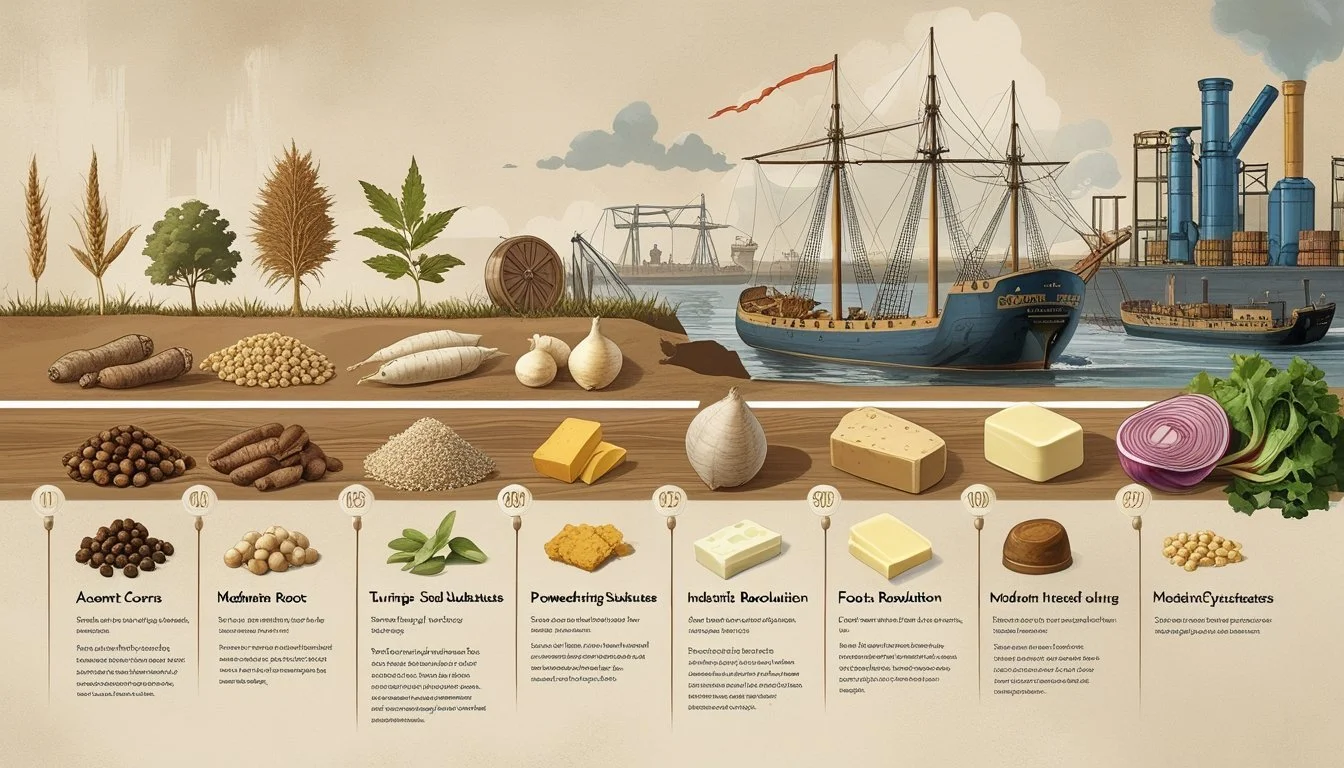
Food substitutes have adapted to shifting cultural, social, and economic conditions. Their development reveals patterns in scarcity, technological progress, and changing dietary needs.
Early Food Substitutes and Scarcity
In historical periods marked by famine and conflict, people often turned to food substitutes as a matter of survival. Grains such as barley and oats might replace wheat during poor harvests or wars.
Communities also adopted creative solutions, making mock versions of unavailable ingredients. For example, in medieval Europe, less expensive grains or legumes sometimes replaced meat or dairy products during shortages or religious fasts.
Economic hardship drove this ingenuity. In some regions, potato flour was used as a thickener instead of wheat flour. These substitutions highlighted both resourcefulness and the stark effects of scarcity on diets.
Table: Early Substitutes and Triggers
Substitute Original Food Triggered by Barley/Oats Wheat Famine, crop failure Lentil stews Meat Religious fasting Potato flour Wheat flour Economic hardship
Nineteenth Century Innovations
The nineteenth century saw rapid growth in food substitutes, driven by the industrial revolution and urbanization. Industrial food processing made it possible to create products like margarine, introduced as a cheaper alternative to butter.
Manufacturers also produced coffee substitutes using chicory or roasted grains, responding to supply disruptions and price fluctuations. This period marked a turn toward large-scale, standardized production rather than home-based improvisation.
Dietary changes were also significant. Substitutes often addressed specific health concerns, such as reducing saturated fat or cholesterol. Plant-based alternatives like nut milks and imitation cheeses appeared on the market.
Economic pressures, industrial progress, and new eating habits combined to transform the market for substitute foods during this era.
The Science and Nutrition Behind Food Substitutes
Food substitutes have played an essential role in shaping diets by altering the balance of nutrients consumed and responding to changes in economic availability. Understanding the specifics of nutrition and dietary shifts helps explain the changes seen in both individual health and broader historical trends.
Nutritional Value and Dietary Impacts
The nutritional value of food substitutes depends on the type of replacement and the nutrients it provides or lacks. For example, plant-based meat alternatives and dairy substitutes often contain less saturated fat than animal products, but may also have lower levels of certain essential amino acids and micronutrients like B12 or iron.
Many foods engineered to replace animal proteins are fortified with vitamins and minerals to address potential deficiencies. However, the fiber content of plant-based substitutes can be higher than traditional meat, which may benefit digestive health.
Food substitutes can also impact calorie intake and macronutrient balance, affecting weight management and long-term health. The precise effects vary depending on processing methods, ingredients, and individual dietary patterns.
Macronutrients: Protein, Fat, and Carbohydrates
When societies shift from animal-based to plant-based substitutes, the macronutrient balance changes considerably. A focus on plant proteins often increases carbohydrate and fiber intake, while reducing saturated fat. Conversely, substitutes based on nuts or coconut may have higher fat contents.
Historical data indicates that, as people substituted away from traditional staples—such as carbohydrates and fiber—toward more protein and fat, the overall dietary pattern adjusted to economic pressures and new technologies.
Substitute Type Protein Fat Carbohydrates Fiber Animal Meat High High Low Low Plant-Based Meat Medium Varies Medium High Insect-Based High Medium Low Medium Lab-Grown Meat High Medium Low Low
These changes influence satiety, energy levels, and nutrient absorption.
Evolution of Dietary Change
Dietary change driven by food substitutes is closely tied to economic, technological, and social factors. In the late nineteenth century, economic historians observe a shift in consumption patterns, with people favoring foods higher in protein and fat over those rich in carbohydrates and fiber.
Developments like processing technology and increased trade allowed substitutes such as margarine, soy-based products, and fortified cereals to become dietary staples. Current trends continue with plant-based, insect-based, and microbe-derived proteins addressing sustainability and supply issues.
These transitions often reflect a response to nutritional needs, market supply, and cultural preferences. The gradual evolution in food substitutes often mirrors broader changes in public health priorities and economic conditions.
Popular Food Substitutes and Their Origins
Food substitutes have emerged from both necessity and ideology, with innovations shaped by cultural and economic factors. Two historical examples—one from East Asia and one from the United States—illustrate the links between food innovation and broader social trends.
Tofu and Wheat Gluten in the East
Tofu and wheat gluten are ancient meat alternatives from East Asia. Tofu, also called bean curd, dates back to the Han dynasty in China, more than 2,000 years ago. It was made by coagulating soy milk, creating a protein-rich, affordable staple for Buddhist vegetarians.
Wheat gluten, sometimes called seitan, is made by washing wheat flour dough with water until all the starch is removed, leaving a sticky mass of plant protein. By the 10th century, Buddhist monks in China and Japan used seitan as a meat substitute.
These foods were driven by religious practices, such as vegetarianism in Mahayana Buddhism, and by economic realities that made animal protein costly or scarce. Their spread throughout East Asia can be traced through temple records and local culinary traditions. Today, both tofu and wheat gluten remain important ingredients in vegetarian and vegan diets worldwide.
Nuttose, John Harvey Kellogg, and the Seventh-day Adventist Movement
In the United States, late 19th-century health reformers helped spark a new wave of meat substitutes. John Harvey Kellogg, a physician and Seventh-day Adventist, was a key figure. He developed Nuttose, a canned protein product derived from peanuts, in 1896.
Kellogg’s goal was to promote a vegetarian diet, aligning with the Adventist Church’s emphasis on health and religious purity. Nuttose was designed to be affordable and easy to produce, making it accessible during a period when fresh meat could be expensive or unavailable.
Key details:
Inventor: John Harvey Kellogg
Year: 1896
Main ingredient: Peanuts
Purpose: Meat replacement for health and ethical reasons
Kellogg’s efforts influenced the growth of meat alternatives in North America and contributed to a broader movement of plant-based foods that continues today.
Modern Developments in Synthetic and Plant-Based Foods
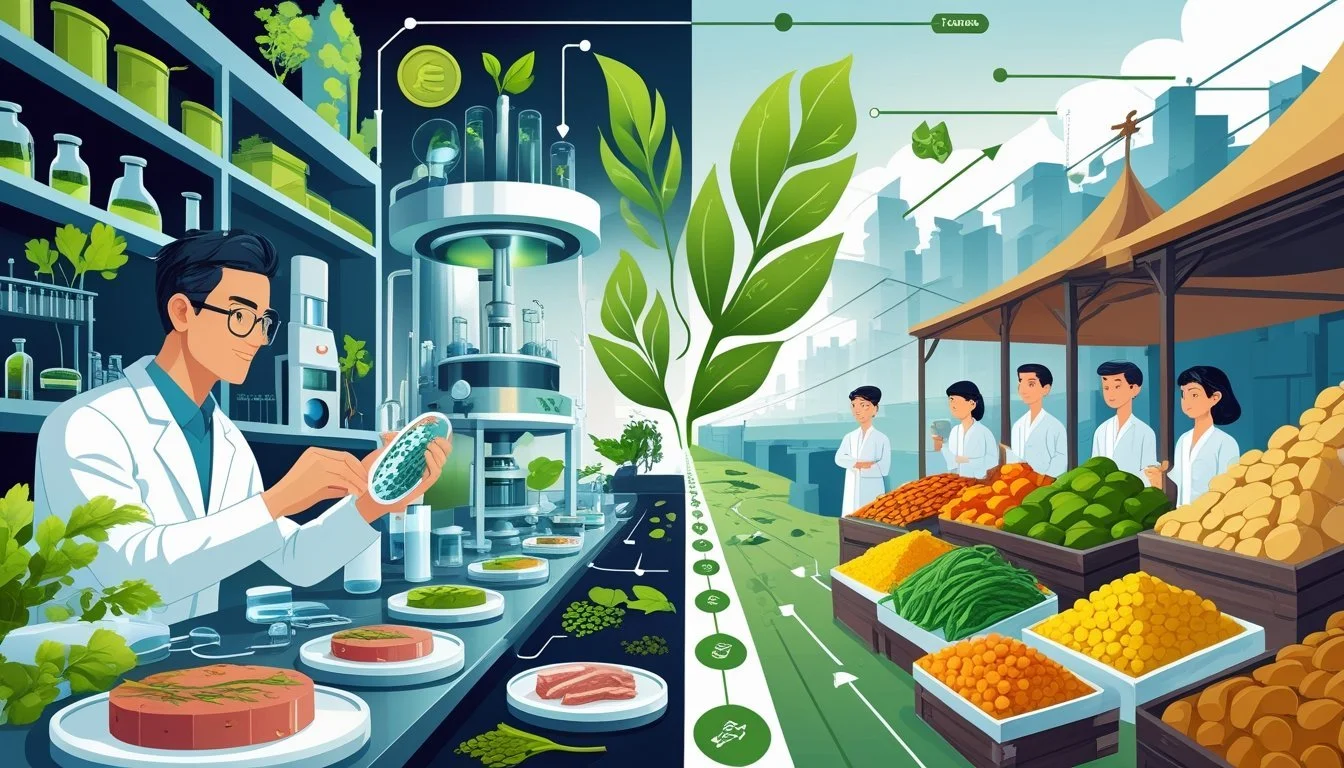
Advances in food technology over the past two decades have transformed how consumers interact with substitute products. Established industries and startups alike have responded to growing consumer demand by creating both commercial meat alternatives and convenient powdered food options.
Rise of Commercial Meat Alternatives
Commercial meat alternatives have gained significant market share, driven by both environmental and health considerations. Companies are developing plant-based meats that closely mimic the taste, appearance, and texture of animal products. These include burgers, sausages, nuggets, and even seafood made primarily from soy, wheat, pea protein, and other plant ingredients.
Plant-based diets have increased in popularity as consumers look for alternatives to traditional animal protein. Data shows that plant-based proteins form a major segment, not just as direct imitators of meat but also in general protein-rich foods like tofu and tempeh. Product formulations involve food tech innovations such as extrusion and flavor science. Some products, however, also contain additives, which can raise questions about ingredient transparency.
Soylent and Powdered Food Alternatives
Synthetic food in the form of powdered meal replacements like Soylent has also seen adoption, particularly among young professionals and those prioritizing convenience. These powdered food alternatives are designed to provide balanced nutrition in a single, easy-to-prepare product.
Soylent and similar products distinguish themselves from traditional meals by aiming for efficiency and consistency in nutritional content. Their formula generally combines plant-based proteins, carbohydrates, fats, and added vitamins and minerals. Adoption is especially notable in tech and office environments, where users value time-saving and predictability. There is ongoing debate about the long-term health implications and the impact of such alternatives on food culture.
Food Substitutes, Health, and Social Behavior
Food substitutes often reveal shifts in dietary patterns and public health concerns. Their adoption is closely linked to broader social transformations, from ethical movements to medical trends and economic constraints.
Vegetarianism and Plant-Based Trends
Vegetarianism has shifted from a marginal lifestyle choice to a prominent dietary pattern, strongly influenced by health concerns, environmental factors, and social behavior. Recent decades have seen a rapid increase in the variety and quality of plant-based food substitutes.
Studies show that plant-based diets can be associated with lower rates of obesity and certain chronic diseases. Social norms, such as the adoption of plant-based eating within peer groups or communities, further drive this trend.
The rise of meat alternatives like tofu, soy, and lab-grown products highlights how consumer attitudes are shaped by both health information and changing cultural values. Environmental motivations, as cited by research, align closely with the adoption of such substitutes, as the food system is responsible for a significant share of greenhouse gas emissions.
Fasting, Health Foods, and Social Movements
Fasting has historically served various purposes, from religious observance to health experimentation and protest. In recent times, intermittent fasting and special health foods have become popular in many societies, reflecting evolving priorities around wellness and body weight management.
Health foods—such as fortified cereals, low-calorie snacks, and vitamin-enhanced beverages—often emerge during periods of food scarcity or heightened awareness about obesity and disease prevention. Social movements advocating for “clean eating” or organic foods frequently drive demand for these products, even shaping food policies and marketing.
Behavior around fasting or selective eating can mirror broader social anxieties about purity, self-control, and community belonging. Economic pressures—like those during pandemics—may further boost reliance on substitutes, as supply chain disruptions affect both food availability and dietary options.
Economic, Environmental, and Security Impacts
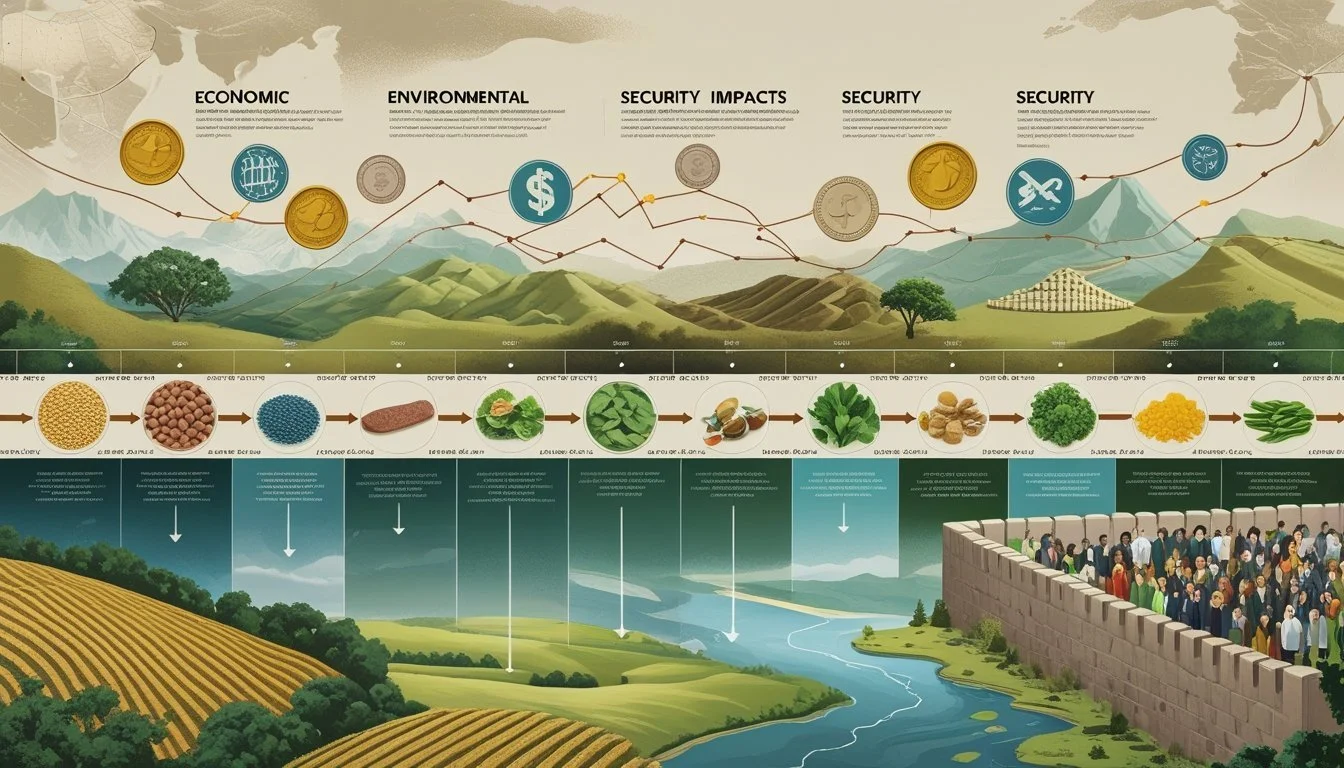
Changing patterns in food substitutes highlight the connections between production systems, environmental choices, and access to safe and nutritious food. Approaching food production with a focus on both sustainability and efficiency directly affects global hunger and long-term agricultural outcomes.
Food Security and World Hunger
Food security depends on steady production, reliable supply chains, and affordable access to essential nutrients. Economic shocks, political instability, and environmental disasters often disrupt these systems, leading to increased hunger.
For example, wars or trade disruptions can limit import and export of staple foods, causing prices to rise and making substitutes necessary for low-income populations. During such times, alternative food sources—such as root vegetables replacing grains when wheat is scarce—reflect both need and ingenuity.
Efforts to secure nutrition for all often prioritize staple foods and calorie content. Yet, food substitutes can be lower in micronutrients, which may worsen hidden hunger or malnutrition despite sufficient calorie intake.
Key factors affecting food security:
Supply chain stability
Affordability
Nutritional adequacy
Political and economic policies
Organic Farming and Environmental Considerations
Organic farming limits synthetic chemicals and emphasizes soil health and biodiversity. This model can help maintain environmental quality and conserve resources but may yield less per hectare than conventional systems.
Rising consumption of organic substitutes for conventional foods reflects both consumer demand and environmental awareness. The trade-off between organic production and high yields highlights a challenge: scaling organic farming without aggravating land use or reducing overall food availability.
Organic agricultural practices can reduce pollution and support pollinator populations, benefiting ecosystem services. However, if organic yields remain lower, filling the same demand may require more land, potentially encroaching on wild habitats.
Aspect Conventional Farming Organic Farming Yield (per hectare) Usually higher Often lower Chemical Inputs Synthetic fertilizers Natural amendments Environmental Impact Can be high Usually lower
Dietary Shifts, Regulation, and Prohibition
When governments intervene in food systems—whether through strict bans or regulatory changes—eating patterns and the development of substitutes are often transformed. The interplay between prohibition, regulation, and market adaptation drives significant changes in what people eat and how food groups are defined.
Impact of Prohibition on Food Innovation
Periods of prohibition, such as the U.S. alcohol ban in the 1920s, led to a surge in food innovation. Producers sought legal alternatives, resulting in novel products like "near beer," grape juice concentrates, and imitation spirits.
This creative substitution extended to other regulated goods. Restrictions on sugar during wartime spurred recipes using honey, molasses, or corn syrup. The shortage of specific food groups led communities to discover new sources of calories and nutrients.
Economic necessity, combined with legal constraints, pushed manufacturers and consumers to adapt rapidly. The shift in demand also revealed which ingredients or food experiences people valued most, as well as the lengths to which they would go to reproduce them.
Regulatory Responses to Dietary Change
Regulation often follows significant dietary change, especially when new substitutes emerge. In the U.S., the introduction of novel food chemicals and highly processed replacements raised public concern starting in the mid-20th century.
Key regulatory actions have included:
Labeling laws for margarine and butter substitutes.
Restrictions and safety reviews for artificial sweeteners.
Limits on additives used in processed foods.
These measures aimed to address both safety and market transparency. Sometimes, regulatory gaps left consumers exposed to health risks before evidence spurred action. The evolving rules reflect ongoing tensions between innovation, public health, and economic interests within the food system.