
The Future of AI-Powered Food Substitutions
Transforming Dietary Choices and Nutrition
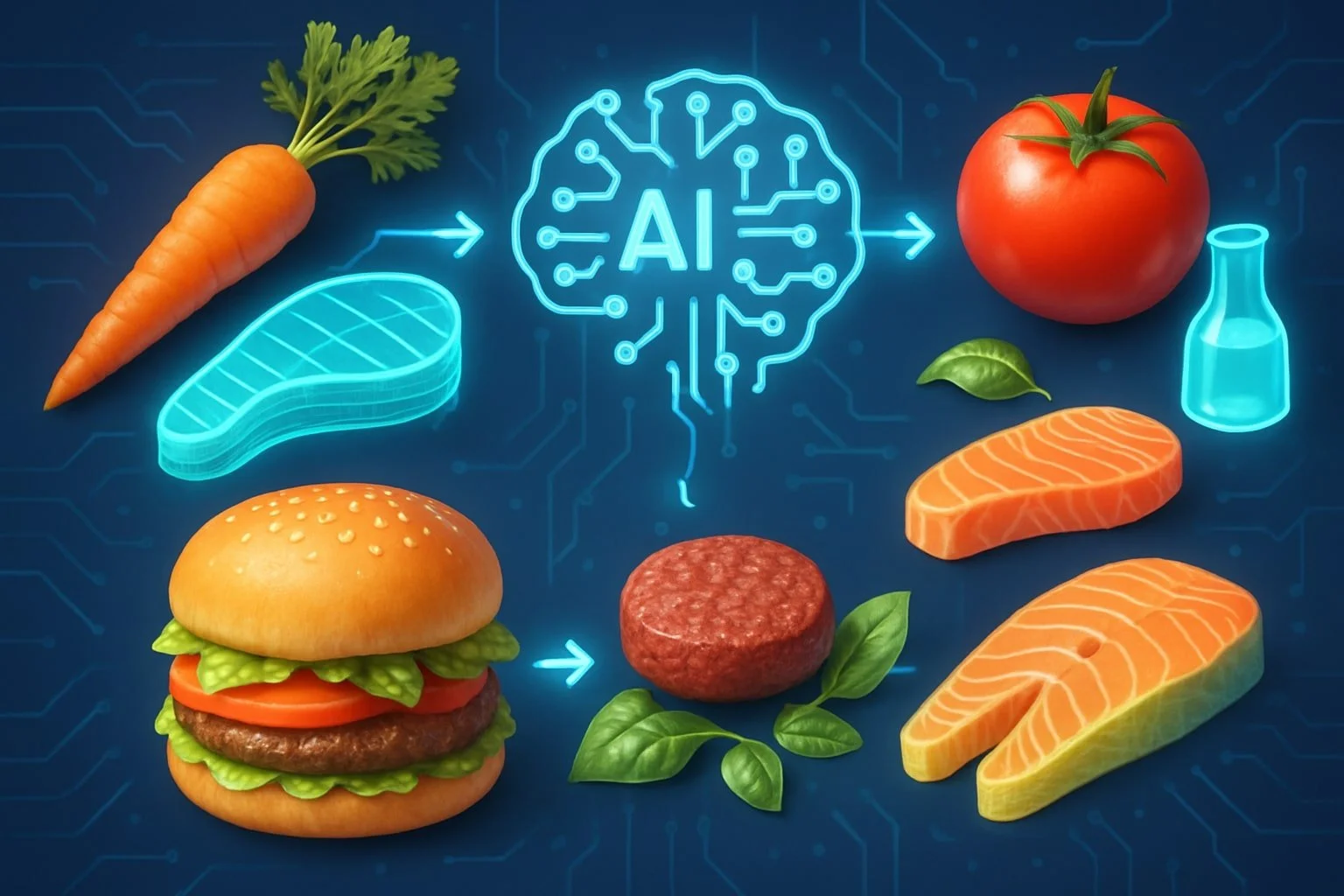
Artificial intelligence is rapidly changing how the food industry approaches ingredient substitutions, offering faster and more reliable options for cooks and manufacturers alike. With growing dietary restrictions and the need to address sustainability, AI-powered tools can analyze vast datasets to suggest suitable ingredient alternatives in real time.
These systems are not limited to simple swaps; they can consider taste, texture, nutrition, and even cultural preferences to provide smarter recommendations. While human expertise remains crucial for creativity and context, AI-driven solutions help reduce food waste and support tailored nutrition.
As the technology behind AI continues to advance, researchers are fine-tuning large models to further improve ingredient matching. The integration of AI in food preparation holds the potential to make kitchens and production lines more adaptive, responsive, and efficient.
The Evolution of AI-Powered Food Substitutions
AI-driven food substitutions have rapidly advanced, integrating new data analytics, ingredient science, and consumer insights. Modern systems now enable recipe adaptation, supply chain efficiency, and the creation of high-quality plant-based alternatives.
Advancements in Food Science
Modern food science has benefitted from AI technology, supporting ingredient analysis and simulation. Machine learning models help food engineers anticipate the functional and sensory roles of ingredients. This allows accurate prediction of how substitutions will impact taste, nutrition, and texture.
AI-powered platforms process vast datasets, identifying suitable alternatives to traditional ingredients. They can evaluate multiple variables such as cost-effectiveness, sustainability, and allergen profiles. This process supports the development of foods that meet specific dietary preferences or restrictions.
These advancements also streamline formulation trials. Instead of manual tests, researchers can use AI to model outcomes, reducing time and resource consumption in the product development cycle.
Key Trends in the Food Sector
The food sector is utilizing AI to streamline operations and address a rising demand for safe, sustainable, and personalized foods. AI systems assist with recipe optimization by recommending ingredient swaps that meet nutrition, cost, and consumer preference targets.
Supply chains benefit as AI reduces waste and predicts disruptions or shortages, supporting reliable ingredient sourcing. Food producers can now introduce new products to market faster, as AI analyzes consumer feedback and market trends in real-time.
Data-driven insights also contribute to quality and safety improvements. Automated monitoring can detect contamination risks or inconsistencies, helping companies respond quickly to potential challenges.
Rise of Plant-Based Alternatives
Plant-based alternatives have become a focus of innovation, especially with AI guiding their creation and refinement. By analyzing the molecular structure of both animal and plant proteins, AI helps developers identify plant sources that mimic the sensory qualities of meat, dairy, and eggs.
Leading companies employ AI to enhance texture, flavor, and nutritional content in plant-based formulas. These insights inform not just product taste but also production methods, allowing efficient scaling of novel foods.
Consumer adoption of plant-based products is tracked using AI-driven feedback analysis, adjusting recipes to align closely with dietary expectations. By combining food science and AI, manufacturers have introduced a wide range of alternatives that fit within diverse eating patterns.
Core Technologies Behind AI Food Substitutions
Advancements in artificial intelligence are creating new avenues for developing effective food substitutes. These core technologies rely on robust data handling, predictive frameworks, and powerful generative systems.
Machine Learning and Predictive Analytics
Machine learning algorithms analyze vast datasets from nutritional science, sensory analysis, and user preferences. This enables systems to identify patterns and predict which ingredient combinations best mimic flavors, textures, and nutritional content of existing foods.
Predictive analytics helps teams forecast consumer acceptance and market trends based on historical data and real-time feedback. Algorithms optimize recipes by simulating reformulations and evaluating their likely performance.
For example, models can predict the outcome when swapping one protein source for another, allowing faster iteration with less physical prototyping. Key challenges include ensuring data quality and adapting models to regional taste differences.
Generative AI in Product Development
Generative AI creates novel food substitute recipes by learning from existing formulae and ingredient lists. These systems leverage neural networks that process chemical properties, flavor interactions, and nutritional profiles.
Using prompt-based generation or reinforcement learning, generative models design alternatives for common food allergens or develop plant-based substitutes that closely replicate animal products. This accelerates innovation in the field by producing new product blueprints that food scientists can refine.
Some systems can generate technical documentation or suggest manufacturing parameters, making the transition from concept to testable sample more efficient. Ongoing research addresses the gap between laboratory prototypes and scalable commercial production.
Data Analytics and Availability
Data availability is foundational for AI's role in food substitution. Accurate, well-organized databases of ingredient properties, processing effects, and market outcomes enable AI models to function reliably.
Data analytics tools aggregate information from food composition tables, clinical studies, and sensory evaluations. Visualization dashboards and reporting features help scientists interpret complex results quickly.
Challenges include integrating proprietary company databases with public information, maintaining data privacy, and ensuring cross-compatibility of sources. High-quality data reduces error rates in recommendations and enables robust validation of substitute foods before market release.
Driving Efficiency and Sustainability in Food Production
AI is reshaping food production by making it possible to use resources more wisely and reduce environmental impacts. Automated systems optimize farming and processing to achieve measurable gains in efficiency, sustainability, and food quality.
Reducing Waste and Carbon Footprints
AI technologies analyze production data to identify inefficiencies and sources of waste. Machine learning models forecast demand and adjust supply chains, limiting surplus and minimizing spoilage in real time.
In food processing plants, smart sensors combined with AI track resource usage such as water and energy. These systems highlight potential improvements and help reduce unnecessary resource consumption. Automated monitoring can detect faults early, reducing product losses due to quality issues.
By integrating AI with Internet of Things (IoT) devices, manufacturers can manage energy and logistics, cutting emissions and lowering the carbon footprint across the supply chain. Data-driven decision-making supports the transition to sustainable practices, making costly overproduction and avoidable emissions less common.
Table: Key Benefits of AI Waste Reduction
Benefit How Achieved Less food waste Demand forecasting, supply chain analysis Lower energy use Real-time monitoring, process optimization Smaller carbon footprint Efficient logistics, resource management
Precision Farming and Crop Yields
AI-driven precision farming uses real-time data from satellite imagery, soil sensors, and weather forecasts to guide decisions. Farmers determine exactly when and where to plant, irrigate, fertilize, and harvest, leading to higher crop yields and lower input waste.
Drones and robotics automate routine tasks, allowing for targeted treatment of crops. This reduces chemical use, conserves water, and prevents over-fertilization—contributing to efficient and environmentally responsible agriculture.
AI systems also analyze plant health and pest risks before they cause major losses. This enables early interventions, supports sustainable practices, and ensures a more stable food supply. As a result, precision farming enhances productivity while upholding stricter environmental standards.
Enhancing Food Safety and Quality Control
AI is transforming how the food industry detects contamination and maintains high safety standards. Technology now allows for greater accuracy and timeliness in identifying risks and preventing failures within production systems.
Contamination Detection and Risks
AI-powered image recognition and sensor systems are increasingly used on assembly lines to detect contaminants such as foreign objects or unsafe microbial levels. These tools can scan large volumes of food products rapidly, flag anomalies, and trigger alerts if items do not meet regulatory standards.
Machine learning models can also assess patterns that may indicate developing contamination risks across batches.
For example, elevated temperature or humidity levels detected by sensors can help predict potential spoilage or bacterial growth before products reach consumers.
Function Example Technology Benefit Foreign object detection AI image recognition Fewer recalls Microbial risk assessment Sensor data + AI Early interventions
Continuous monitoring enables a more proactive response to food safety threats instead of relying solely on periodic manual inspections.
Predictive Maintenance for Food Safety
Predictive maintenance uses AI to monitor equipment condition and forecast failures that could affect product safety or quality control. By analyzing sensor data (e.g., vibration, temperature, flow rates), AI systems can detect early signs of machinery wear or deviation from optimal operating conditions.
This approach allows food manufacturers to schedule maintenance before equipment failure occurs, reducing downtime and the risk of contamination from faulty machinery. It also helps ensure that cleaning and sterilization processes operate consistently at required standards.
Such AI-driven strategies make it possible to uphold safety and quality requirements while minimizing disruptions and unexpected expenses for food processing operations.
Personalization and Consumer Preferences

AI-powered food substitutions are changing how businesses approach nutrition, taste, and customer experience. These technologies allow restaurants and food services to address unique dietary needs and shifting tastes more efficiently.
Personalized Nutrition Solutions
Advancements in artificial intelligence enable detailed analysis of individual dietary needs, from allergies to calorie management. Food platforms now collect and assess data such as health conditions, goals, and taste preferences to recommend or substitute menu items.
By leveraging machine learning, these systems create tailored recommendations for plant-based foods, low-sodium alternatives, or allergen-free options. This ensures consumers not only avoid disliked or unsafe ingredients but also discover new foods that fit their lifestyle.
Tables of nutrient profiles and alternative suggestions can be generated instantly, raising the standard for personalized dining experiences. As more consumers seek custom nutrition, AI tools help meet these demands.
Consumer Data AI-Driven Personalization Example Dairy allergy Suggest plant-based cheese substitutes Low-carb preference Offer cauliflower crust instead of wheat Vegan diet Provide tofu or legume-based protein swaps
Adapting to Consumer Behavior
Consumer preferences constantly shift due to health trends, environmental concerns, and cultural factors. AI systems analyze purchase history, browsing, and feedback to track these movements in real time.
When demand rises for plant-based options, platforms can update recommendations to highlight new recipes or products. AI not only helps restaurants anticipate trends but also allows quick adaptation of menus, ensuring relevance and higher customer satisfaction.
Customized suggestions increase the likelihood of repeat business, as diners recognize that their preferences are both understood and prioritized. Transparent adaptation builds trust, fostering a stronger connection between businesses and their clientele.
AI Integration in Restaurants and Kitchen Operations
Artificial intelligence is reshaping how restaurants manage kitchens and deliver meals. Advances in smart technologies and automation systems allow businesses to optimize workflows, improve consistency, and address labor shortages.
Smart Kitchen Technologies
Smart kitchen solutions are increasingly common in both fast food and full-service restaurants. Systems feature AI-enabled sensors, connected appliances, and intelligent monitoring platforms. These tools track inventory, predict ingredient usage, and monitor equipment performance in real time.
Equipment such as robotic arms and automated cooking stations help with repetitive preparation tasks. Restaurants have adopted temperature sensors for accuracy and computer vision to monitor food quality. This results in better food safety, reduced waste, and more precise resource management.
Data-driven insights allow kitchens to adjust recipes or suggest substitutions when ingredients run low. These adjustments maintain consistency in dining experiences and minimize interruptions to service.
AI-Driven Automation
AI-driven automation focuses on efficiency and consistency within kitchen operations. Robotic chefs and automated prep stations handle slicing, seasoning, and cooking various menu items. For example, AI-guided robots in some pizzerias assemble and cook orders with consistent quality.
Automated scheduling software predicts demand spikes and optimizes staff shifts. This reduces manual scheduling errors and avoids over- or understaffing issues.
Order management systems powered by AI streamline the flow from kitchen to table, cutting down on wait times. AI chatbots or kiosks guide customers through ordering, offering ingredient substitutions based on real-time inventory or dietary needs, further enhancing personalized dining experiences.
Optimizing Supply Chain Management
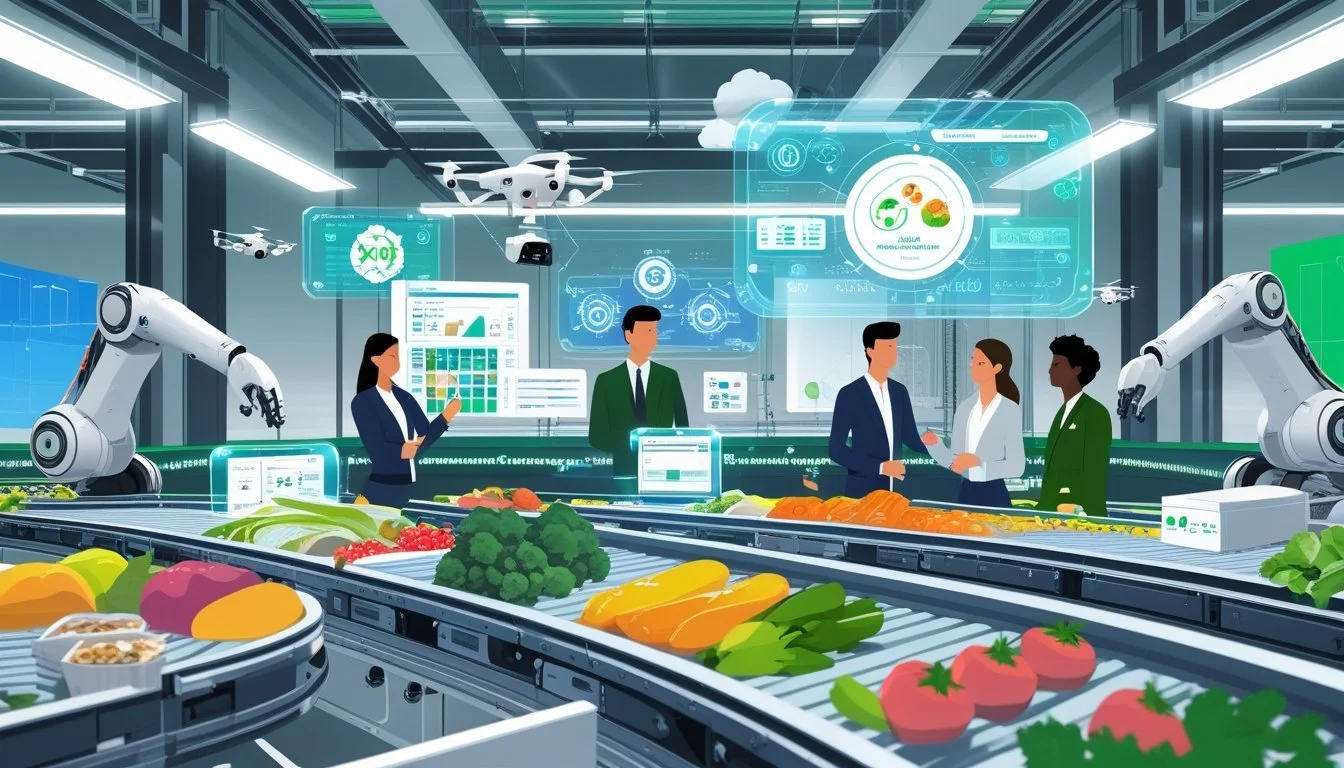
Efficient supply chain management links food producers, manufacturers, distributors, and retailers for better product availability and reduced waste. Artificial intelligence supports improvements at each stage and can help align supply with actual consumer demand.
AI in Demand Forecasting
AI-driven demand forecasting uses machine learning, predictive analytics, and real-time data to more accurately predict consumer needs. It analyzes sales history, seasonal trends, promotions, and even external factors such as weather or public events.
Accurate demand forecasting minimizes the risk of overproduction or stockouts. Food companies stay agile, adjusting production schedules and order quantities in response to updated predictions. This helps avoid costly waste and improves shelf availability.
Leading organizations often integrate multiple data sources for their forecasting models, not just internal sales figures. Combining this data increases reliability and helps spot abrupt market changes faster. As a result, supply chain management becomes more responsive and resilient.
Inventory and Supply Chain Operations
Inventory management is streamlined using AI algorithms that monitor stock levels, expiration dates, and lead times. Automated systems trigger reorders when thresholds are met, lowering the chances of human error.
AI can suggest optimal storage solutions by analyzing temperature, humidity, and space constraints. It also helps prioritize shipments based on perishability, which is especially valuable for fresh foods.
Operational efficiency improves further through route optimization and dynamic scheduling. This reduces delivery times, cuts transport costs, and ensures products arrive fresher to consumers. Efficient supply chain operations contribute to better margins and customer satisfaction.
Supply Chain Optimization Techniques
AI models optimize the entire supply chain by coordinating supplier selection, transportation, and distribution. Techniques such as reinforcement learning help adjust logistics routes in real time, improving supply chain efficiency.
Supply chain optimization also includes developing contingency plans. AI can identify potential risks such as supplier delays or sudden demand spikes, recommending immediate corrective actions.
Key optimization methods include:
Predictive analytics for logistics efficiency
Automated procurement and sourcing
Scenario planning for risk management
Improved coordination between stakeholders leads to a more transparent and adaptive supply network, supporting the rapid fulfillment of AI-powered food substitutions.
Addressing Food Security and Ethical Considerations
AI-powered food substitutions have the potential to reshape food access and choice. These advances raise important questions about how technology can address urgent food needs while upholding ethical standards and ensuring transparency.
Food Insecurity and Global Challenges
Food insecurity remains a significant global issue, intensified by factors such as armed conflicts, climate change, and pandemics. AI can help address these challenges by analyzing supply chain disruptions, forecasting shortages, and suggesting substitutions based on available resources.
For example, AI systems can rapidly recommend alternative ingredients when imports are disrupted, as seen during recent global crises. This flexibility reduces waste and helps maintain nutrition even when traditional foods are scarce.
A key benefit is the ability to adapt to changing food availability, helping vulnerable populations access essential nutrients. Most importantly, AI enables more efficient resource allocation and supports resilient food systems.
Ethical Aspects of AI in Food Substitution
Ethical considerations touch on fairness, accessibility, and societal impact. There are concerns that AI-generated food recommendations may not consider diverse cultural diets or could reinforce inequality if access to technology is uneven.
The treatment of workers in AI-optimized supply chains must also be considered. Decisions driven solely by efficiency may overlook social responsibilities, such as fair labor practices and equitable distribution.
Ethically, it is important to include a broad range of stakeholders in AI system design. This ensures that solutions reflect wider interests and do not benefit only a small segment of society.
Data Ethics and Transparency
AI in food substitution relies heavily on data—ingredient availability, nutritional content, and consumer preferences. Ensuring the accuracy, privacy, and responsible use of this data is crucial.
Transparency in how AI systems make decisions builds trust with users. Clear explanations, accessible audit trails, and the disclosure of data sources should be standard practices.
Key concerns include:
Data privacy: Consumer choices and health data must be protected.
Bias avoidance: Datasets should be representative to prevent discriminatory outcomes.
Regulatory compliance: Systems need to follow data protection laws and standards.
Future Outlook for AI in the Food Industry
AI in the food industry is set to reshape how food is produced, distributed, and experienced. Developments in AI technologies continue to unlock new possibilities for efficiency, customization, and sustainability.
Emerging Market Trends
Recent market trends point to rapid adoption of AI-driven technologies in food production and supply chains. Leading companies have begun using predictive analytics for crop yield estimation and supply optimization. Demand forecasting is becoming more precise as algorithms analyze vast datasets, including consumer preferences and seasonal variables.
Food manufacturers increasingly turn to AI-powered visual inspection systems for quality control and safety. These systems detect contaminants or defects faster and more reliably than manual checks. Transparency is also improving, with blockchain and AI validating sourcing and ensuring traceability from farm to table.
Table: Key Market Trends in AI for Food
Trend Application Predictive analytics Crop yield, demand, logistics Visual inspection Quality control, safety checks Blockchain integration Traceability, sourcing validation
Impact on the Culinary Landscape
AI-powered food substitutions are influencing dining menus and nutritional offerings. Algorithms can evaluate recipes and suggest alternate ingredients that preserve taste while addressing allergies, sustainability, or personal health needs. This fosters inclusivity for people with dietary restrictions or unique nutritional requirements.
Professional kitchens benefit from AI assistance with inventory and menu planning, automating repetitive tasks to reduce food waste. Automation tools, such as AI-driven robotic chefs, streamline food preparation and help maintain consistently high standards in busy environments.
Chefs and home cooks alike are adopting AI applications that analyze flavor profiles and create novel recipes. AI tools are also enabling culinary professionals to balance essential nutrients for more health-conscious offerings.
Opportunities for Further Innovation
Opportunities for innovation exist in combining advanced machine learning, robotics, and data analytics. As AI continues to develop, new solutions targeting food freshness monitoring, waste reduction, and nutrient optimization could emerge. Scalable AI tools have the potential to help growers and manufacturers adapt to changing climate conditions and fluctuating market demands.
Startups and established companies alike are exploring AI-powered personalization, allowing consumers to build meal plans tailored to their nutritional needs and preferences. The integration of digital twins and smart sensors in agricultural environments could enable precision farming, leading to healthier crops with optimized essential nutrient profiles.
Continued partnerships between tech companies, food scientists, and culinary experts are likely to accelerate breakthroughs in sustainable and nutritious food offerings.

