
The Most Common Mistakes in Food Substitution and How to Avoid Them
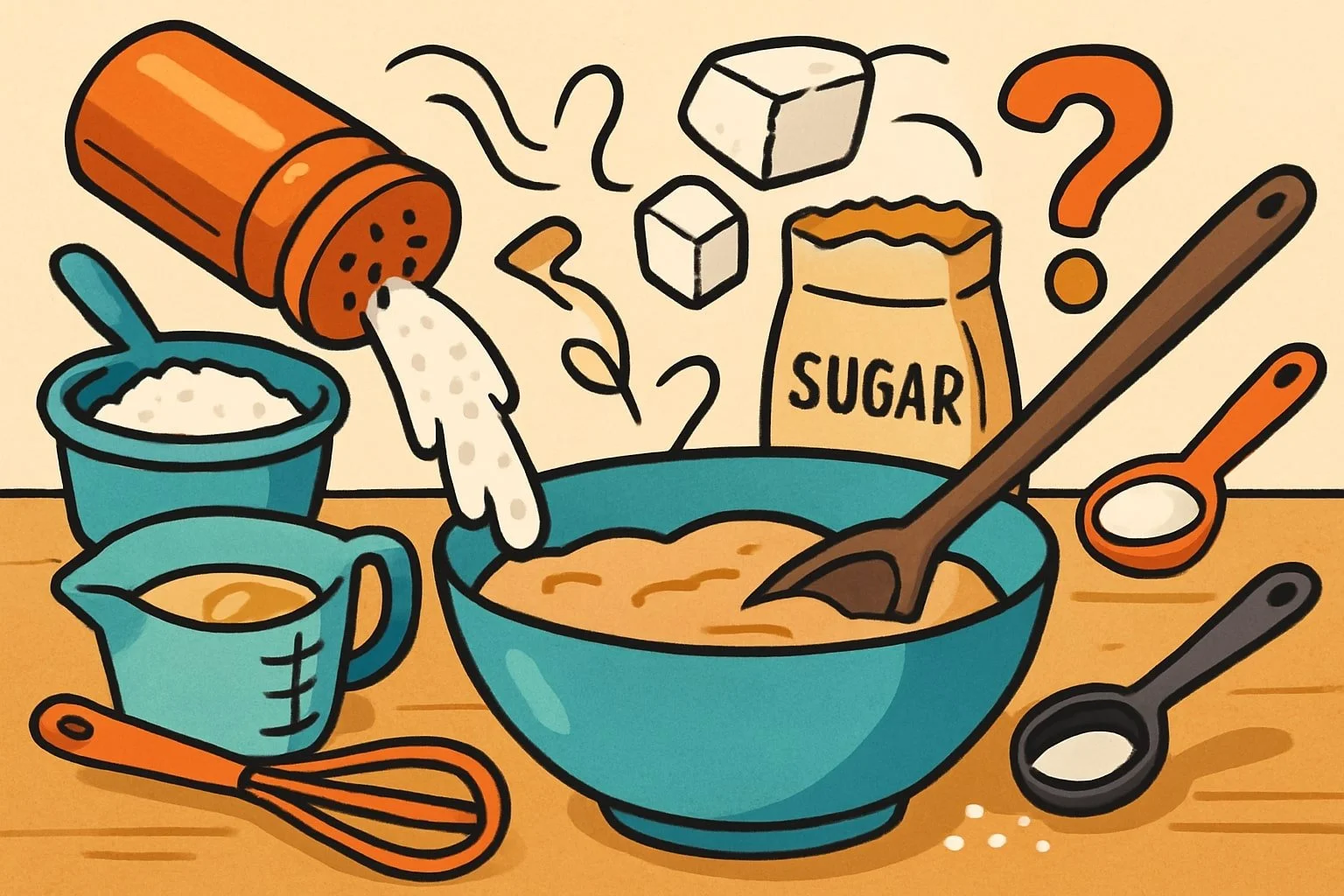
Substituting ingredients in cooking often leads to unexpected results when key differences are overlooked. Replacing salt with sugar, for instance, is a common error that can drastically change the taste of a dish and is difficult to correct. Similarly, swapping baking powder for baking soda, or vice versa, may impact both flavor and texture.
Many cooks underestimate how small substitutions can affect the final outcome. Without understanding each ingredient’s unique properties, attempts to swap items due to allergies, preferences, or missing ingredients may result in disappointing meals. Learning which changes are safe—and which are risky—can save time and prevent kitchen disasters.
By exploring some of the most frequent food substitution mistakes, home cooks can better understand why recipes are carefully written. This knowledge can help avoid common pitfalls and lead to more reliable and enjoyable results in the kitchen.
Understanding Food Substitution Basics
Food substitution involves replacing one ingredient with another to adapt recipes for preferences, allergies, or ingredient shortages. The success of these swaps depends on recognizing differences between substitutes and the original ingredients, as well as understanding why some swaps do not work as intended.
Differences Between Ingredients
Not all ingredients behave the same way during cooking. Substituting a liquid oil for butter, for example, alters both the moisture level and texture in baked goods. Structural roles vary, especially in baking, where wheat flour provides gluten and lift, but oat or almond flour do not.
Common differences to consider include:
Flavor: Spices and herbs can dramatically shift the taste of a dish.
Texture: Dairy swaps, such as using coconut milk instead of cream, create distinct mouthfeels.
Chemical reactions: Leavening agents like baking powder and baking soda are not directly interchangeable.
For individuals with food allergies, substituting with safe alternatives is essential, but cross-contamination risks must be managed. Understanding ingredient properties before substituting is key to maintaining recipe quality when cooking at home.
Why Substitutions Fail
Many substitutions fail due to overlooking how ingredients interact during cooking. If a recipe relies on eggs to bind and leaven, replacing them with fruit puree or flaxseed changes the texture and structure of the finished product.
Mistakes also occur when proportion is off—using too much or too little of a substitute can prevent a dish from setting or thickening. Some substitutions also affect cooking techniques; for example, swapping butter for oil might alter browning and moisture retention.
Chemical differences matter as well. Baking soda and baking powder react with different acids; interchanging them without adjustments can result in flat, dense baked goods. Understanding these technical aspects helps prevent disappointment in the final outcome of recipes.
Misreading or Skipping the Recipe
Proper food substitution depends on accurate reading and following of recipes. Errors often happen when cooks overlook instructions or ignore specified proportions, leading to unexpected results.
Overlooking Key Steps
Many home cooks skip reading the recipe from start to finish before substituting ingredients. This can cause them to miss important steps, such as when to add certain items or how to prepare a substitute so it blends properly.
Overlooking steps like mixing dry ingredients separately or tempering eggs can affect texture and cooking times. Some substitutes require different preparation—swapping buttermilk for regular milk with vinegar, for example, needs extra mixing and standing time.
Failing to note cooking techniques—such as when a substitute should be folded in gently, or added only at the end—may result in dense cakes or sauces that break. Clear step-by-step attention is especially important in baking, where precision is critical for structure.
Referring to the recipe often and highlighting unique actions for substitutes can prevent errors. Even experienced cooks benefit from double-checking instructions related to substituted ingredients.
Ignoring Proportion Guidelines
Ignoring recipe proportions is a frequent issue during food substitution. Each ingredient has unique properties, so swapping without adjusting amounts risks altering flavor balance and texture.
For example, using honey instead of sugar requires reducing other liquids, since honey is more moisture-rich. If this adjustment isn’t made, batters may turn out too runny or fail to set. Replacing butter with oil in baking often changes both fat content and taste, which the recipe may account for with specific volume differences.
Incorrect measuring—such as not leveling off dry substitutes or miscounting spoonfuls—can further compound these issues. Tables like the one below help clarify common substitution ratios:
Substitute Replace Typical Ratio Applesauce Oil/Butter in baking 1:1 (reduce liquid) Yogurt Sour cream/Mayonnaise 1:1 Honey Sugar 3/4 cup per 1 cup
Reading proportion details in the recipe and consulting reliable substitution charts is essential. Skipping this step frequently results in dishes with off flavors or incorrect consistency.
Incorrect Measuring Techniques
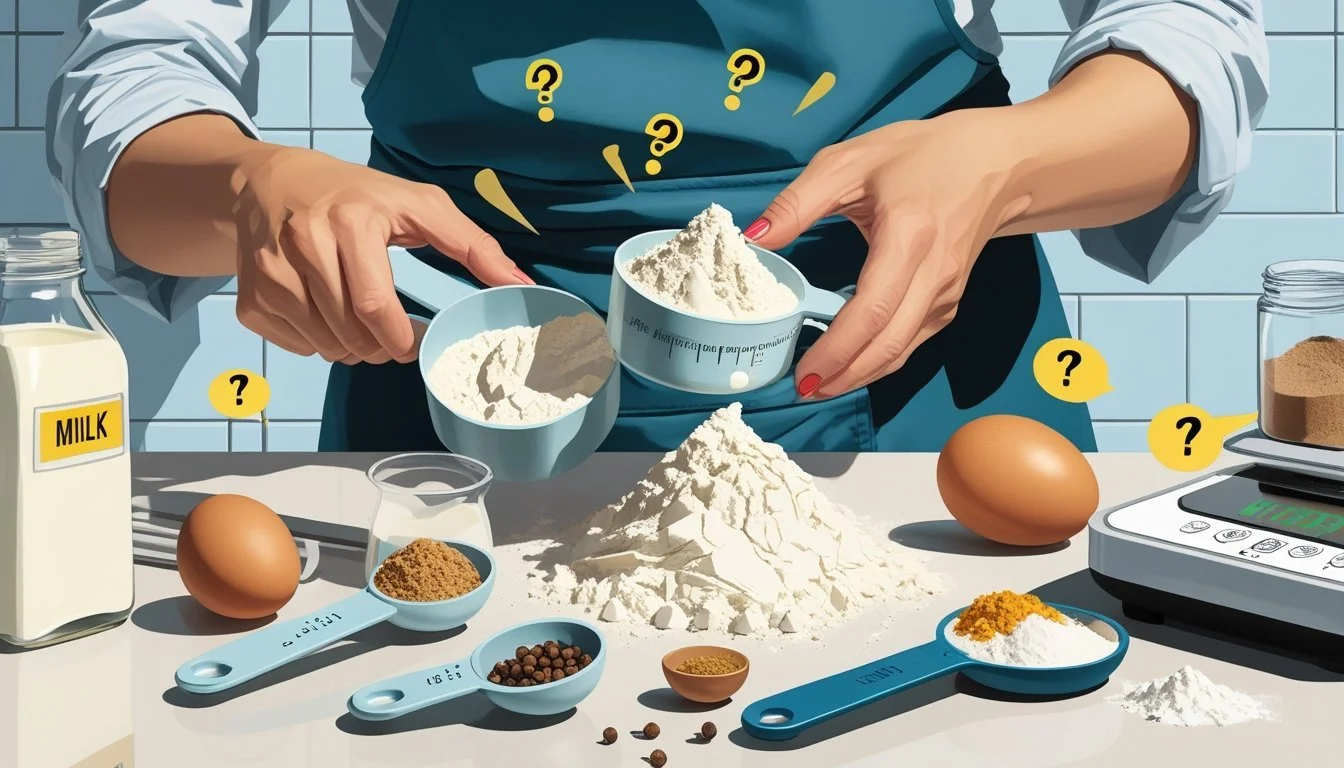
Using the wrong measuring tools or failing to level off ingredients can result in noticeable differences in texture, flavor, and appearance, especially in baking. Even small measuring errors can cause issues when substituting ingredients, making it crucial to follow precise techniques.
Dry vs. Liquid Measurement Errors
Many home cooks use a single measuring cup for both wet and dry ingredients, but this leads to inaccurate quantities. Dry measuring cups are designed to be filled to the top and leveled off, ensuring correct amounts of flour, sugar, or baking soda. Liquid measuring cups, on the other hand, have a spout and extra space to prevent spills, allowing for precise measurement of milk, water, or oil.
Failing to use the appropriate cup can change the ratio of ingredients. For example, using a dry cup for oil might not capture the correct volume. When substituting in recipes, even slight errors in measurement can cause substitutions to perform unpredictably, particularly with powdery substances like baking soda or baking powder.
Table: Proper Measuring Tools
Ingredient Type Best Tool Flour, sugar, baking soda Dry measuring cup/spoons Milk, oil, water Liquid measuring cup
Impact on Baking and Cooking Outcomes
Accurate measuring is especially essential when baking, where even small deviations affect the rise, texture, and taste of finished goods. Substituting a teaspoon of baking soda with a teaspoon of baking powder won't work unless measurements are exact and adjustments are made for chemical differences. Inaccurate measuring can cause issues such as dense cakes, flat cookies, or off flavors.
In cooking, imprecise measuring when using substitutes (like switching one oil for another or salt types) can lead to too salty or bland dishes. Consistent outcomes depend on following the right proportions, especially when making ingredient swaps. Small mistakes add up, particularly with potent items like spices or leaveners.
Impact on Flavor and Texture
Substitutions in cooking often go beyond simple swaps and can significantly alter the way a finished dish tastes and feels. Choices in seasoning and core ingredients, especially in recipes like chocolate chip cookies or pancake batter, directly affect the outcome.
Common Seasoning Substitution Mistakes
Swapping one seasoning for another can quickly shift the balance of a recipe. For example, using table salt instead of kosher salt in a cookie recipe can make the cookies much saltier due to the finer grain and higher salt density of table salt. Similarly, replacing garlic powder with fresh garlic may result in an overpowering flavor rather than a mild finish.
Some seasoning substitutions lead to less obvious but equally problematic changes. Replacing baking powder with baking soda in pancake batter, without adjusting acidity, often creates a soapy or metallic taste. The leavening reaction will also differ, impacting both flavor and rise.
When substituting herbs, using dried rather than fresh requires changing the quantity, as dried herbs are more concentrated. Failing to adjust will make the dish taste bitter or overwhelming. To avoid these issues, cooks should consider the strength, granularity, and intended function of the seasoning.
Unexpected Texture Changes
Ingredient swaps almost always affect texture, sometimes subtly and other times drastically. Applesauce is sometimes used as a substitute for oil or butter in chocolate chip cookies or pancake batter. This change makes baked goods noticeably softer, creating a cakey texture rather than a rich, chewy structure.
Switching between different types of flour—such as all-purpose for cake flour—can produce denser, heavier cookies. In pancake batter, using an alternative milk or non-dairy substitute may make the batter thinner or cause the pancakes to lack fluffiness.
A table of common swaps and their texture effects:
Substitute Ingredient Typical Result Applesauce for butter Softer, cake-like, less chewy All-purpose for cake flour Denser, heavier, sometimes drier Non-dairy milk for dairy Thinner batter, reduced lift
Texture relies on the fat, sugar, and liquid ratios. Changing one affects structure and mouthfeel, so careful adjustments are needed to prevent unwanted results.
Food Safety Risks in Substitution
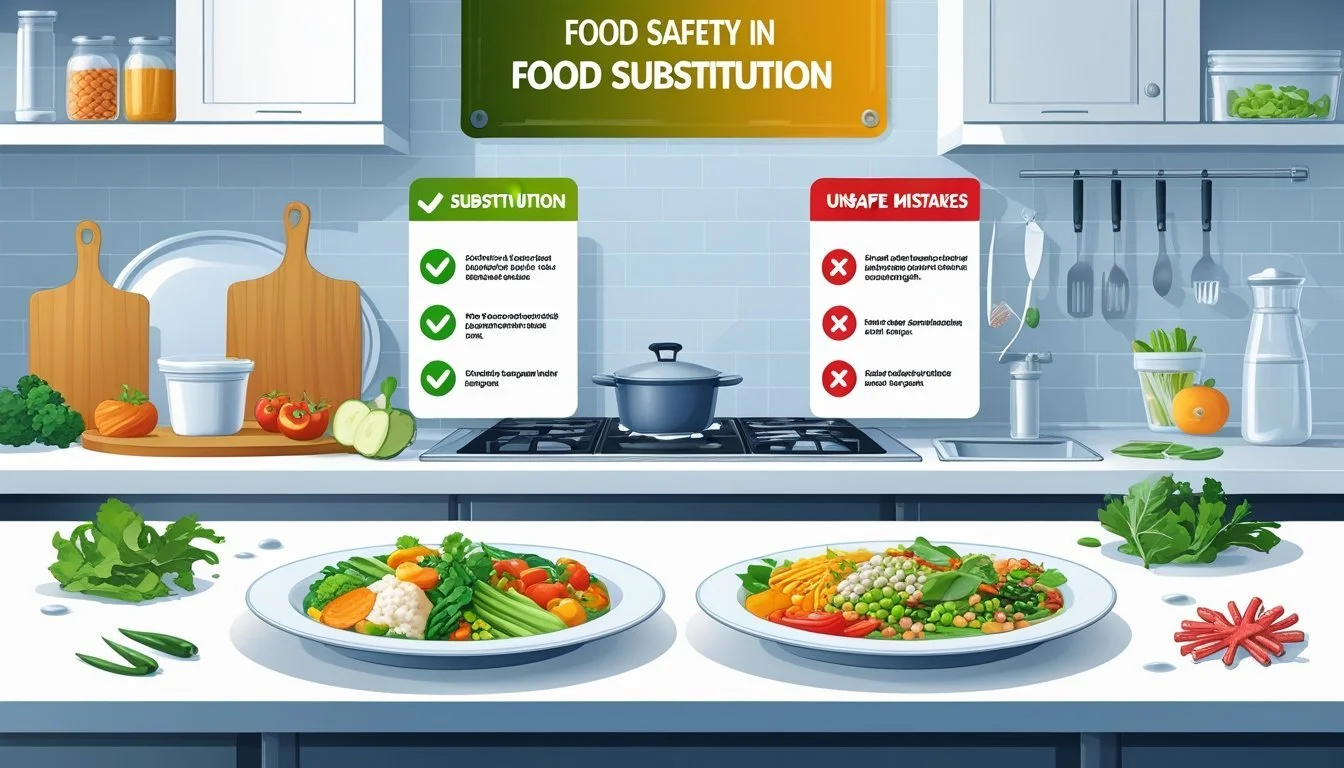
Substituting one food for another can introduce serious safety concerns if not done with proper care. Mistakes during substitution often result in hidden dangers that may compromise food safety, particularly in environments where tools and surfaces are reused or unfamiliar ingredients are swapped without enough knowledge.
Cross-Contamination from Tools
Cross-contamination is a major risk when switching out ingredients using shared tools, especially cutting boards and knives. If a cutting board used for raw meat is then used for vegetables without being washed, bacteria like Salmonella or E. coli can transfer to foods that may not be cooked further.
Improper cleaning between uses is a leading cause of contamination in both home and commercial kitchens. Color-coded cutting boards for specific food groups—such as red for meat and green for vegetables—help minimize this risk. However, not everyone follows this practice, making it an ongoing threat.
Key cross-contamination points include:
Shared knives, peelers, and cutters
Any surface that handled allergens, like peanuts or shellfish
Cloth towels used to wipe down both raw and ready-to-eat food areas
Thorough hand washing between tasks and regular sanitization of all food contact surfaces are essential. Failure to implement these simple controls can quickly lead to the spread of harmful microbes when substituting ingredients.
Unsafe Ingredient Swaps
Ingredient substitutions can introduce safety hazards if the replacement is not thoroughly vetted for safety or compatibility. Some substitutions are not safe for consumers with allergies, as common allergens may be present in unexpected forms. For example, using almond flour instead of wheat flour can expose those with nut allergies to severe reactions.
Replacing a pasteurized ingredient with an unpasteurized counterpart, such as raw milk for pasteurized milk, increases the chance of transmitting pathogens like Listeria, which can be particularly dangerous for pregnant women and immunocompromised individuals.
Swapping high-acid foods for low-acid alternatives in canning or preserving can create an environment ripe for Clostridium botulinum growth—leading to potentially fatal botulism. Table: Unsafe Ingredient Swaps and Associated Risks
Substitution Main Risk Wheat flour ↔ Almond flour Allergen exposure Pasteurized milk ↔ Raw milk Pathogen risk Lemon juice ↔ Water in canning Botulism
Careful consideration and understanding of both the original and substitute ingredients are essential for maintaining food safety.
Substituting in Baking
Baking substitutions can be tricky, especially when flavor, texture, and structure are at stake. Getting the right alternative means understanding how ingredients behave, particularly in popular recipes like cookies.
Leavening Agents and Consistency
Leavening agents such as baking soda, baking powder, and yeast play specific roles. Baking soda is much stronger than baking powder; one teaspoon of baking soda equals about three teaspoons of baking powder. Swapping one for the other without adjusting quantities can result in cookies that are flat or bitter.
If a cookie recipe calls for baking soda and only baking powder is on hand, increasing the amount is necessary, but the flavor and color may change. Baking soda also affects browning and spread (important for chocolate chip cookies).
Always check if an acid (like buttermilk or vinegar) is present because baking soda needs acidity to work. Without this balance, cookies can turn out dense or pale.
Substitutes for Nut Butters and Dairy
When replacing almond butter, sunflower seed butter is a common alternative for nut-free baking. The flavor is slightly earthier, which can alter a chocolate chip cookie’s taste. Peanut butter is possible too, though it brings a stronger flavor. Stir substitutes well to ensure even texture.
For dairy, butter is often swapped with margarine or oil. Use equal amounts of margarine for butter in cookies, but expect minor changes in texture and flavor. Liquid oils make cookies spread more, so reduce quantities slightly. For milk, oat or soy milk provide similar moisture but less richness.
Always consider allergies and dietary needs, but remember: no substitute will match the original ingredient exactly in every recipe. Test batches before serving if precision is critical.
Common Errors When Cooking Meat
Many home cooks make mistakes with meat by using the wrong methods or tools. Simple changes in technique and equipment greatly affect texture, taste, and safety.
Mismatching Cooking Techniques
Different cuts of meat require specific cooking methods to achieve proper tenderness and flavor. For example, tough cuts like chuck, brisket, and round need moisture and slow heat, such as braising or slow-cooking, to break down connective tissues. In contrast, tender steaks like ribeye or tenderloin do best with dry-heat methods such as grilling or pan-searing.
A common error is using high heat or grilling for tougher cuts, resulting in dry and chewy meat. Conversely, cooking a delicate cut in liquid for too long can make it mushy and bland. Choosing the right technique:
For tender cuts: Grill, broil, or pan-fry.
For tough cuts: Braise, stew, or use a pressure cooker.
Failing to match the cook method to the cut leads to poor texture and flavor, making this one of the most common and avoidable mistakes.
Improper Cookware Selection
Selecting the wrong cookware can ruin the cooking process and final result. For example, a thin nonstick pan may not retain enough heat for proper browning and can even prevent a good sear on steaks. Heavy-bottomed pans or cast iron skillets allow for even heat and caramelization.
Using a pressure cooker for tender cuts can make meat fall apart or lose its characteristic texture. It is ideal for tougher cuts but not for high-quality steaks. Certain meats release juices that can over-accumulate when covered, so using a pan with too tight a lid or not enough venting can steam instead of sear.
Tips for choosing cookware:
Sear and brown: Use a heavy, flat-bottom frying pan or cast iron.
Slow cook: Enamel or stainless steel dutch ovens.
Pressure cook tough cuts: Use a pressure cooker for efficiency.
Selecting proper cookware and using it as intended helps produce meat with the right texture, flavor, and doneness.
Practical Tools for Successful Substitutions
The success of food substitutions often depends on having the right tools and techniques in the kitchen. Using appropriate cookware and simple aids can ensure substitute ingredients perform well and don't compromise the final result.
Choosing the Right Cookware
Selecting the correct cookware is essential when dealing with substitute ingredients. For example, a heavy-bottomed frying pan distributes heat evenly, which prevents hotspots that might burn delicate substitutes like tofu or plant-based proteins.
Pressure cookers can help retain moisture and reduce cooking time, making them valuable for beans or grains used in place of meat. The tight seal in a pressure cooker ensures even cooking and consistent texture, even when the main ingredient changes.
Some substitutions require adjustments in cookware size or type. Using a nonstick pan helps when substituting eggs with alternatives such as flaxseed mixtures or aquafaba, which are more likely to stick to traditional pans. The right cookware can make or break the success of ingredient swaps.
Using Parchment Paper and Other Aids
Parchment paper is a versatile kitchen tool that prevents sticking and promotes even cooking, especially when baking with gluten-free flours or dairy-free cheeses. It creates a barrier, making it easier to lift delicate baked goods and reducing the risk of breakage.
Other aids like silicone mats or kitchen thermometers offer further assistance. Silicone mats provide a reusable nonstick surface, ideal for cookies or pastries that use substitute fats. Kitchen thermometers ensure substitutes, such as plant-based meats, reach the right internal temperature for safety and texture.
Using these tools helps maintain consistency and reliability in recipes, even when main ingredients are changed. This improves the overall success of food substitutions and makes cleanup simpler.
Healthy Cooking With Substitutes
Healthy cooking often involves swapping traditional ingredients for more nutritious options. While these substitutions can improve a recipe’s nutritional profile, they come with unique challenges that can affect taste, texture, and outcome.
Enhancing Nutrition Without Losing Flavor
Choosing healthy substitutes, such as using Greek yogurt instead of sour cream or whole wheat flour for white flour, can reduce fat and increase fiber. Many healthier choices, like replacing butter with olive oil, also support heart health without sacrificing overall flavor.
Success with substitutions depends on understanding the qualities of each ingredient. For example, applesauce can replace oil in baked goods for fewer calories, but it may create a denser texture. It’s important to taste and adjust seasonings, as swaps like reduced-sodium soy sauce can alter the saltiness of dishes.
A quick reference for common healthy swaps includes:
Instead of Use this Whole milk Low-fat or plant milk White rice Brown rice or quinoa Cream cheese Neufchâtel or ricotta
Experimenting with small changes helps balance nutrition and maintain enjoyable flavors.
Common Mistakes in Health-Driven Swaps
One frequent mistake is making too many substitutions at once. When several ingredients are changed, the final dish may taste unexpectedly different and alter the intended texture.
Not adjusting seasoning after a swap is another oversight. For instance, swapping salted butter for unsalted can result in a bland product if the added salt is not increased accordingly. This can make even a healthy meal less appealing.
Swapping ingredients without considering their roles can cause baking failures. Using only whole wheat flour may make bread heavy if not mixed with all-purpose flour. Failing to account for moisture or fat content, such as replacing whole eggs with only egg whites, may weaken structure or flavor.
Reading recipes closely and making small, thoughtful substitutions leads to better results and a more satisfying healthy meal.
Avoiding Repeated Cooking Mistakes
Learning which substitutions fail and why helps prevent repeated errors. Turning mistakes into teaching moments makes food substitutions less risky over time.
Learning from Failed Substitutions
Common mistakes often happen when ingredients are switched without considering function, like using oil instead of butter in baking or changing the type of flour. When a substitution doesn't work out, it is helpful to document what was changed and the result.
Simple documentation method:
Substitute Tried Purpose Outcome Yogurt for cream Lower fat dairy Too watery Almond flour for AP Gluten free Did not rise
Analyzing why the substitution failed—texture, taste, or structure—highlights which properties matter. Researching the science behind why an ingredient works can help avoid similar issues. Reviewing trusted resources after each disappointment guides future attempts.
Awareness of frequent pitfalls, like misjudging liquid ratios or misunderstanding baking chemistry, leads to better decisions the next time a swap is needed.
Building Confidence for Future Recipes
Building confidence begins with small, low-risk swaps rather than replacing the main ingredient. For example, swapping herbs or types of cheese in a sauce can be a safer starting point than switching flours in a cake.
Practicing substitutions in familiar recipes also reduces stress. Keeping a list of successful substitutions serves as a reference, making it easier to recall what works.
Tips that help build confidence:
Read recipes carefully to spot possible challenges before substituting.
Test in small batches to minimize waste if the result is poor.
Ask for feedback from others to objectively evaluate the dish.
Progress comes with practice and learning from both good and bad outcomes. Gradually, the cook gains a sense for how changes will affect taste, texture, and overall success.

